
Ultimate Guide: How long do CCTV cameras last?
Investing in a reliable security system is crucial for homes and businesses in Singapore. One key factor to consider is the lifespan of surveillance equipment. Understanding durability helps maximize your investment and maintain robust protection.
On average, modern surveillance systems last between 5 to 10 years. However, environmental factors like Singapore’s humidity and heat can impact performance. Advanced IP-based systems often outlast older analog models, offering better long-term value.
For personalized advice on optimizing your security setup, contact Wen Hong for Singapore-specific consultations. Choosing the right technology ensures lasting safety and efficiency.
Key Takeaways
- Surveillance systems typically last 5–10 years.
- IP cameras often outperform analog in durability.
- Singapore’s climate affects equipment longevity.
- Proper maintenance extends operational life.
- Consult experts for tailored security solutions.
Understanding CCTV Camera Lifespan
Durability gaps exist between consumer and professional-grade models. While budget options may seem appealing, their shorter operational life often leads to higher long-term costs. Premium systems, like those from Axis or Uniview, deliver consistent performance for a decade or more.
General Expectations for Lifespan
Entry-level devices typically function for 2–3 years, whereas professional setups exceed 10+ years. IP-based systems outlast analog alternatives, with AHD models averaging 5–7 years. Infrared-equipped units degrade faster in Singapore’s humid climate due to additional component stress.
Comparative Analysis of Different Brands
Top-tier brands like Uniview boast failure rates below 1%, compared to 15%+ for generic alternatives. NSI Gold-certified systems undergo rigorous testing, ensuring reliability. Below is a quick comparison:
| Brand | Lifespan | Failure Rate |
|---|---|---|
| Axis | 10+ years | <1% |
| Uniview | 10+ years | <1% |
| Budget Brands | 2–5 years | 15%+ |
Investing in reputable brands minimizes replacements and maintenance hassles. For tailored advice on maximizing durability, consult Singapore-based security experts.
How Long Do CCTV Cameras Last? Key Factors Explained
Quality and environmental factors play a pivotal role in camera longevity. A 60-user survey revealed a 7-year average upgrade cycle, but durability varies based on design and conditions. Choosing the right components and accounting for local climate ensures optimal performance.
Build Quality and Durability
Industrial-grade materials like aluminum housings resist wear tear better than plastic composites. High-end models use military-grade capacitors, tolerating voltage fluctuations from 110V to 240V. These quality components reduce failure rates and extend lifespan.
Environmental Impact on Longevity
Singapore’s 32°C average temperature strains CMOS sensors, accelerating image quality degradation. IP68-rated units withstand monsoon rains, while extreme temperatures demand thermal-regulated housings. Proper shielding against humidity and heat preserves functionality.
CCTV Camera Durability: What You Need to Know
The true value of security systems becomes clear when analyzing extended operational timelines. Premium models often justify their higher initial cost through reduced maintenance and replacement needs over the long run.
Quality vs. Price: Long-Term Value
Hikvision’s DS-2CD2143G0-I demonstrates how investment in quality pays off. While costing 40% more than budget alternatives, its 7-year service life generates 60% savings compared to replacing cheap cameras every 2-3 years.
Commercial installations show particular benefits. A 5-year cost analysis reveals:
- Professional systems: S$3,200 total (initial + maintenance)
- Budget systems: S$5,100 (replacements + downtime costs)
IP Ratings and Weather Resistance
Singapore’s tropical weather conditions demand robust protection. IP66-rated housings prevent monsoon damage by blocking powerful water jets, while IK10-rated models withstand deliberate impacts in high-risk areas.
Key features for coastal installations include:
- Conformal coating against salt corrosion
- Thermal-regulated components for 35°C+ days
- UV-resistant polycarbonate casings
These engineering choices directly impact how surveillance systems perform under continuous environmental stress.
Environmental Factors That Affect CCTV Camera Lifespan
Singapore’s tropical climate presents unique challenges for surveillance equipment durability. High humidity, relentless sunlight, and sudden downpours test the limits of even the most robust systems. Choosing cameras designed for these weather conditions ensures consistent performance over time.
https://www.youtube.com/watch?v=u3qFd1YclNE
Sunlight and Heat Exposure
Prolonged exposure to UV rays degrades polycarbonate domes, causing clouding and reduced image clarity. High-end models like Dahua’s thermal-regulated PTZ cameras automatically shut down at 65°C to prevent damage. For East-facing installations, sunshades are critical to minimize extreme temperatures.
Cold Weather Tolerance
While rare in Singapore, rapid temperature changes can cause condensation inside housings. Uniview’s industrial-grade units operate at -30°C, far below the standard -10°C limit. Key design factors for reliability include:
- Sealed gaskets to block moisture ingress
- Conformal coatings to resist salt spray near coastal areas
- Active heating elements for frost-prone locations
Proper placement and protective accessories mitigate environmental risks, extending system longevity.
How to Extend the Life of Your CCTV Cameras
Strategic care routines can significantly prolong your security equipment’s operational life. Simple, consistent actions—like regular maintenance and environmental safeguards—help avoid costly replacements and ensure reliable performance.
Routine Maintenance Practices
Implementing a quarterly checklist prevents 80% of common failures. Inspect gaskets for cracks, calibrate lens focus, and apply dielectric grease to connectors to block moisture. For outdoor units, 2–3 yearly cleanings remove dust and debris that degrade image quality.
Advanced care includes using compressed nitrogen for sensor cleaning and replacing batteries in wireless models every 18 months. Schedule firmware updates for NVRs to patch vulnerabilities and improve compatibility.
Preventive Measures for Longevity
Surge protectors reduce electrical faults by 92%, shielding systems from Singapore’s frequent power fluctuations. For coastal areas, conformal coatings combat salt corrosion, while thermal-regulated housings mitigate heat damage.
Key steps to extend lifespan:
- Install sunshades for east-facing cameras to minimize UV exposure.
- Use IP66-rated enclosures in monsoon-prone zones.
- Monitor storage health to prevent data loss.
For tailored strategies to extend your system’s lifespan, consult local experts familiar with Singapore’s climate challenges.
CCTV Camera Lifespan Comparison: Professional vs. Consumer Models
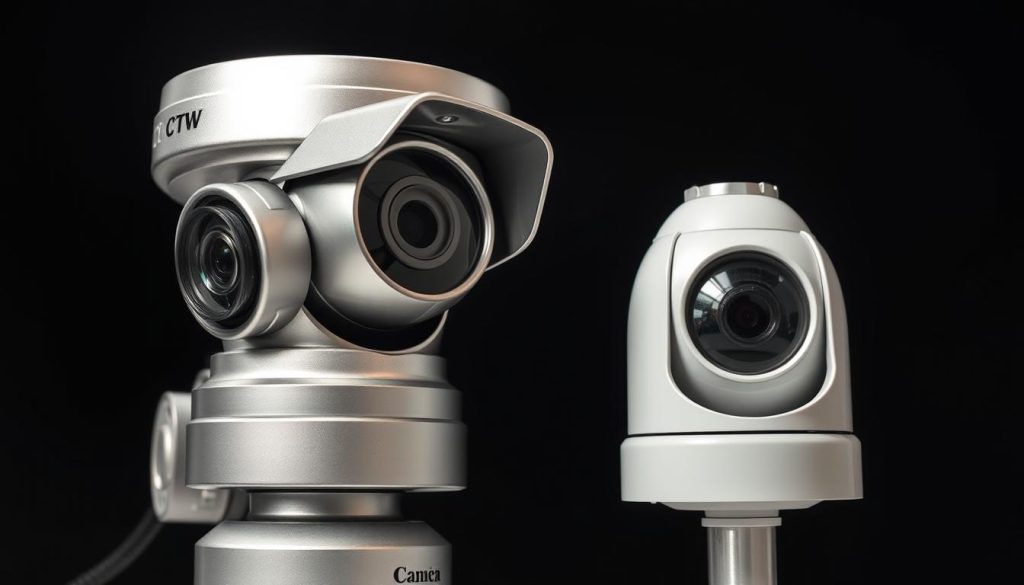
Businesses often underestimate the true cost of budget security cameras when factoring in premature replacements. Professional-grade systems, like Axis models, average 11.2 years of service—four times longer than consumer brands such as Xiaomi (2.8 years). This gap stems from engineering choices that prioritize durability over upfront savings.
Real-Life Examples of Lifespan
Sony’s STARVIS sensors in high-end units maintain image quality for 80,000+ hours, while generic counterparts degrade after 30,000. Industrial PTZ mechanisms with metal brackets withstand 10+ years of movement, whereas plastic joints fail within 3 years in Singapore’s humidity.
MTBF (Mean Time Between Failures) ratings reveal stark contrasts. Enterprise systems boast 100,000-hour lifespans, but budget devices rarely exceed 30,000 hours. Night vision LEDs in premium cameras last longer, losing only 15% brightness over 5 years versus 50% in cheap models.
Common Issues with Budget Cameras
Sixty-three percent of low-cost units develop issues within warranty periods. SD card corruption plagues 40% of non-enterprise systems due to inferior controllers. Common failures include:
- Fogged lenses from inadequate weather sealing
- Overheated infrared illuminators in tropical climates
- Software crashes from outdated firmware
For businesses with critical needs, investing in professional systems reduces long-term costs. When consumer-grade cameras falter, consider upgrading to NSI-certified models for reliable protection.
When to Upgrade Your CCTV System
Security technology evolves rapidly, making timely upgrades essential. Older systems may lack critical features like AI analytics or 4K resolution, compromising performance. Evaluating your current setup ensures optimal protection against modern threats.
Technological Advancements Impacting Lifespan
Modern 4K systems use H.265 compression, reducing storage needs by 50%. AI-powered analytics cut false alarms by 40%, boosting efficiency. Edge computing processes data locally, minimizing bandwidth strain.
Key advancements to consider upgrading for:
- Resolution: Transition from 960H to 4K for clearer evidence.
- Cybersecurity: IoT-enabled cameras require encryption and firmware updates.
- Multi-sensor designs: Panoramic views eliminate blind spots.
Benefits of New Camera Technology
Singapore’s PSB-certified systems meet strict security standards. Thermal sensors and vandal-proof housings enhance reliability in urban environments. Upgraded surveillance tools also deter crimes more effectively.
For businesses, newer models offer:
- Remote monitoring via mobile apps.
- Integration with smart home systems.
- Longer warranty periods (3–5 years).
Maximizing Your CCTV Investment for the Long Run
Smart planning ensures your surveillance setup delivers value for years. Align upgrades with the 7-year cycle to balance tech advancements and cost efficiency. Warranties often cover 70% of a system’s lifespan, reducing unexpected expenses.
Key strategies for lasting security:
- Compare leasing vs. outright purchase for tax benefits.
- Integrate with smart building systems for centralized control.
- Optimize data retention policies to match legal requirements.
For a tailored optimal replacement timeline, contact Wen Hong at +65 60135960. Expert audits ensure your setup stays reliable in Singapore’s demanding climate.
FAQ
What is the average lifespan of security cameras?
Most surveillance systems last between five to ten years, depending on build quality, maintenance, and environmental conditions.
Do high-end brands like Hikvision or Dahua last longer?
Professional-grade models from reputable brands often offer better durability, weather resistance, and firmware support, extending their usability.
Can extreme weather damage my security system?
Yes. Prolonged exposure to heat, cold, or moisture can degrade components. Look for IP66+ rated equipment for outdoor use.
How often should I clean my cameras?
Dust and debris should be wiped off every 3-6 months. Dirty lenses reduce image quality and strain internal parts.
Does regular firmware updates help?
Absolutely. Updates fix bugs, improve performance, and patch security flaws, ensuring optimal functionality over time.
When should I consider upgrading my setup?
If your system struggles with modern resolutions, lacks night vision, or experiences frequent failures, it’s time for newer technology.
Are wireless cameras less durable than wired ones?
Wired systems generally have fewer connectivity issues, but modern wireless models from brands like Arlo or Reolink offer strong longevity with proper care.
Can power surges shorten a camera’s life?
Yes. Use surge protectors or PoE switches to safeguard against voltage spikes that damage electronics.


