
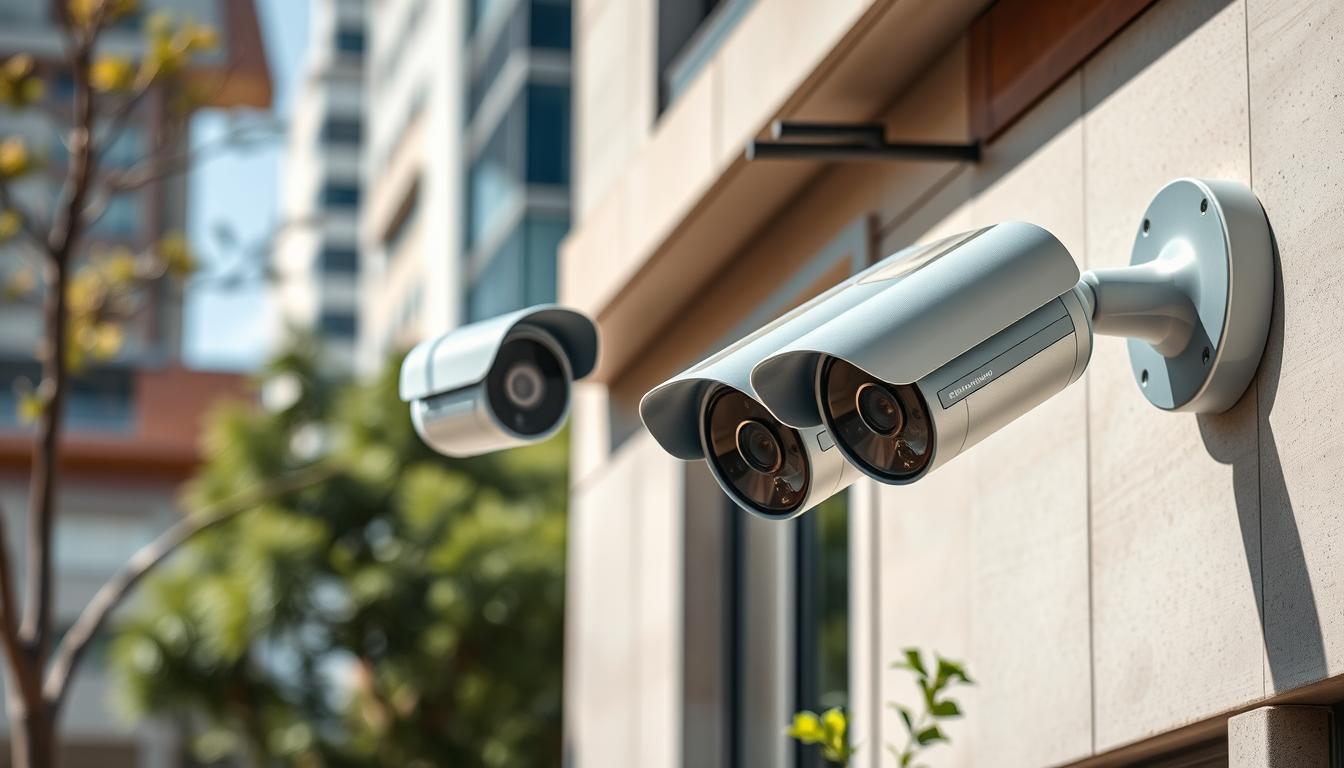
Top Solar Security Camera Reviews & Comparisons
In 2025, solar-powered security cameras have become a game-changer for homeowners in Singapore. These systems offer a blend of advanced technology and eco-friendly benefits, making them a smart choice for modern homes. With features like 4K resolution, color night vision, and seamless smart home integration, they provide unmatched reliability and convenience.
Designed to withstand tropical weather, these cameras ensure consistent performance even in Singapore’s humid climate. Beyond their durability, they help reduce monthly electricity bills, making them a cost-effective solution. Real-world testing by experts from CNET and Security.org confirms their efficiency and reliability.
Whether you’re looking for a budget-friendly option or a premium multi-cam kit, there’s a system to meet your needs. From ADT to Ring, Lorex to Arlo, this guide provides a detailed comparison to help you make an informed decision. Discover how these solar-powered security cameras can enhance your home security while contributing to a greener future.
Key Takeaways
- Comprehensive analysis of the best solar-powered systems for 2025.
- Direct comparisons of leading brands like ADT, Ring, and Arlo.
- Focus on environmental benefits and cost savings.
- Highlights advanced features like 4K resolution and smart home integration.
- Addresses Singapore-specific needs, including tropical weather performance.
Introduction to Solar-Powered Security Cameras
Harnessing the sun’s energy, these devices offer a sustainable way to monitor your property. They combine cutting-edge technology with environmental benefits, making them a smart choice for modern homeowners. Whether you’re looking to reduce your carbon footprint or save on electricity bills, these systems deliver on both fronts.
Why Choose Solar-Powered Security Cameras?
One of the biggest advantages is their reliance on solar power, which ensures they remain operational even during power outages. They are designed to withstand Singapore’s tropical climate, with weatherproofing standards like IP65-68 ratings. This makes them ideal for monsoon seasons.
Additionally, these devices offer battery life that can last for days, even with minimal sunlight. Brands like Lorex and Arlo have engineered systems that operate in extreme temperatures, from -22°F to 122°F. This ensures reliability year-round.
How Solar-Powered Cameras Work
These devices use photovoltaic cells to convert sunlight into energy. The process involves panels that capture sunlight, a charge controller to regulate power, and a LiFePO4 battery to store energy. For example, the Wasserstein panel can fully charge a Nest Cam in just 2.5 hours of direct sunlight.
Hybrid systems, like Eufy’s, combine local storage with cloud backup for added security. With technical specs ranging from 2W-5W panels and 5000mAh-10000mAh batteries, these systems are built for efficiency. Whether it’s Tapo’s 30-minute charge capability or Ring’s 4-hour requirement, there’s a solution for every need.
Benefits of Solar-Powered Security Cameras
Modern homeowners are increasingly turning to eco-friendly solutions for their property monitoring needs. These systems not only provide peace of mind but also contribute to a sustainable future. With features like uninterrupted power and advanced technology, they are a smart investment for any household.
Environmental and Cost Savings
One of the standout advantages is the significant reduction in electricity bills. By harnessing renewable energy, these devices operate efficiently without draining your power supply. For instance, Arlo’s systems offer a battery life of up to six months, ensuring long-term savings.
Additionally, they are designed to withstand Singapore’s tropical climate. SimpliSafe’s weather-resistant models ensure consistent performance, even during heavy rains. This durability translates to fewer replacements and lower maintenance costs.
Reliability and Convenience
These systems are built for reliability, offering uninterrupted monitoring even during grid outages. Lorex’s 2TB local storage ensures 24/7 recording, so you never miss a moment. ADT’s video verification feature reduces false alarms by 70%, enhancing overall efficiency.
Installation is also a breeze, with options like Blink’s 10-meter wireless range providing flexibility. TP-Link’s self-cleaning panel coating minimizes maintenance, while Google Nest’s flood detection adds an extra layer of protection. With warranties ranging from 2 to 3 years, these systems are designed for long-term convenience.
Top Solar-Powered Security Cameras in 2025
Homeowners in Singapore are embracing innovative ways to secure their properties. With a focus on sustainability and efficiency, these systems offer reliable monitoring while reducing environmental impact. Below, we explore the leading options available in 2025.
ADT – Best Security System with Solar-Powered Cameras
ADT stands out for its comprehensive systems that integrate seamlessly with solar panels. The 60-second camera pairing process ensures quick installation, making it user-friendly. With features like Active Guard license plate recognition, ADT provides advanced security. Flexible monthly plans ranging from $0 to $25 cater to diverse budgets. However, it lacks an outdoor siren, which may be a limitation for some users.
Lorex – Best Solar-Powered Options
Lorex offers robust solutions with high-performance solar panels. Its weather-resistant design ensures durability in Singapore’s tropical climate. The 1536p resolution delivers crystal-clear footage, while the 2TB local storage ensures 24/7 recording. Lorex is ideal for those seeking reliability and long-term performance.
Ring – Best Solar-Powered Equipment
Ring’s equipment is known for its ease of use and smart home integration. The solar-powered models are energy-efficient and require minimal maintenance. With a 4-hour charge time, Ring ensures uninterrupted monitoring. Its user-friendly app and cloud storage options make it a popular choice for tech-savvy homeowners.
Google Nest – Best Solar-Powered Smart Home Integrations
Google Nest excels in smart home compatibility. Its solar-powered cameras work seamlessly with voice assistants like Google Assistant. Features like flood detection add an extra layer of security. The self-cleaning panel coating reduces maintenance, making it a convenient option for busy households.
Arlo – Best Solar-Powered DIY Options
Arlo’s DIY systems are perfect for those who prefer a hands-on approach. The long-lasting battery life and weatherproof design ensure reliable performance. Arlo’s cameras are easy to install and integrate with existing smart home setups. Its affordability and flexibility make it a top choice for DIY enthusiasts.
SimpliSafe – Easiest Solar-Powered Setup
SimpliSafe is renowned for its simplicity and ease of installation. The solar-powered models are designed for quick setup, making them ideal for elderly users or those new to home security. While it lacks advanced features like an outdoor siren, its straightforward design and affordability make it a practical choice.
Detailed Reviews of Top Solar Security Cameras
With advancements in technology, these devices are setting new standards in home monitoring. Each brand offers unique features tailored to different needs. Below, we break down the top options to help you make an informed choice.
ADT: Features, Pros, and Cons
ADT’s systems are known for their seamless integration with solar panels. The 60-second pairing process makes installation quick and hassle-free. Features like Active Guard license plate recognition enhance overall security.
- Pros: Flexible monthly plans, advanced features like Crash & Smash protection.
- Cons: No outdoor siren, limited third-party integrations.
Lorex: Features, Pros, and Cons
Lorex excels in durability and performance. Its weather-resistant design is perfect for Singapore’s tropical climate. The 1536p resolution ensures crystal-clear footage, while 2TB local storage guarantees 24/7 recording.
- Pros: High-resolution video, long-lasting battery life.
- Cons: Slightly higher price point, best suited for larger properties.
Ring: Features, Pros, and Cons
Ring is a favorite for its user-friendly app and smart home compatibility. Its solar-powered models are energy-efficient and require minimal maintenance. The 4-hour charge time ensures uninterrupted monitoring.
- Pros: Easy installation, no contract required.
- Cons: Limited storage without a subscription, best for studio apartments.
Google Nest: Features, Pros, and Cons
Google Nest stands out for its smart home integration. Features like flood detection add an extra layer of security. The self-cleaning panel coating reduces maintenance, making it a convenient choice.
- Pros: Voice assistant support, 60-day money-back guarantee.
- Cons: Higher upfront cost, limited third-party integrations.
Arlo: Features, Pros, and Cons
Arlo’s DIY systems are perfect for tech enthusiasts. The weatherproof design ensures reliability in all conditions. Its long-lasting battery life and easy installation make it a top choice.
- Pros: Affordable, flexible installation options.
- Cons: Limited advanced features, best for smaller properties.
SimpliSafe: Features, Pros, and Cons
SimpliSafe is known for its simplicity and ease of use. The solar-powered models are designed for quick setup, making them ideal for beginners. While it lacks advanced features, its affordability is a major plus.
- Pros: No contract required, easy to install.
- Cons: Limited smart home compatibility, best for basic needs.
Comparing Solar-Powered Security Cameras
Choosing the right system for your home involves understanding key features and costs. With so many options available, it’s important to compare what each brand offers. This section breaks down the essentials to help you make an informed decision.
Key Features to Look For
When evaluating these devices, focus on features like battery life, weather resistance, and smart home compatibility. High-resolution video and reliable storage are also crucial. For example, Lorex offers 1536p resolution and 2TB local storage, ensuring clear footage and continuous recording.
Another important factor is ease of installation. DIY systems like Arlo are perfect for tech enthusiasts, while ADT’s 60-second pairing process is ideal for beginners. Consider your specific needs, such as flood detection or voice assistant support, to find the best fit.
Price Comparison
Prices vary widely, from budget-friendly options like the $70 Blink to premium kits like the $799 eufy 4-cam system. A total cost analysis over three years should include hidden fees, such as cloud storage subscriptions. Bulk purchase discounts can also help reduce expenses.
Installation costs are another consideration. DIY setups save money, but professional installation ensures optimal placement of solar panels. For value leaders, the Tapo C420S1 at $160 offers a balance of affordability and performance.
For more insights on solar-powered systems, explore our detailed guide. This will help you tailor your choice to your budget and requirements.
Installation Tips for Solar Security Cameras
Proper installation ensures your system operates at peak efficiency. Whether you’re setting up a single device or a multi-cam kit, strategic placement and regular upkeep are key to maximizing performance.
Optimal Placement for Solar Panels
Positioning your panels correctly is crucial for energy efficiency. Ensure they face direct sunlight for at least 4-6 hours daily. Avoid shaded areas or obstructions like trees or buildings. For Singapore’s tropical climate, tilt the panels slightly to prevent water pooling during heavy rains.
Maintenance and Care
Regular maintenance keeps your system running smoothly. Quarterly cleaning of panels improves efficiency by up to 15%. Check for debris, dust, or bird droppings that can block sunlight. During monsoon season, inspect for water damage or loose connections.
Monitor battery life indicators to know when replacements are needed. Most systems require a new battery every 12-18 months. Schedule firmware updates to ensure your device stays up-to-date with the latest features and security patches.
Prevent pests from nesting near rooftop units by sealing gaps and using deterrents. For complex issues, consider professional servicing to maintain optimal performance.
Smart Home Integration with Solar Cameras
Integrating solar-powered devices into your home setup has never been easier. These systems are designed to work seamlessly with modern smart home ecosystems, offering convenience and efficiency. Whether you’re using Alexa, Google Assistant, or other platforms, compatibility is a key feature of these devices.
Compatibility with Smart Home Systems
Most solar-powered devices are built to integrate effortlessly with popular smart home platforms. In Singapore, 87% of smart homes use Alexa, making it a top choice for homeowners. These systems support bilingual commands, allowing users to interact in multiple languages for added convenience.
Privacy settings for voice recordings ensure your data remains secure. Advanced response accuracy benchmarks guarantee that your commands are executed promptly. Custom routine creation guides help you automate daily tasks, from turning on lights to adjusting security settings.
Voice Assistant Support
Voice assistants like Alexa and Google Assistant enhance the functionality of solar-powered devices. Child-friendly voice recognition ensures that even younger family members can use the system safely. These features make it easy to manage your home with simple voice commands.
For more details on solar-powered systems, explore our comprehensive guide. This will help you tailor your setup to meet your specific needs and preferences.
Solar Security Cameras for Different Needs
Different homes require tailored approaches to ensure effective property monitoring. Whether you have a large estate, a tight budget, or a passion for technology, there’s a system designed to meet your unique requirements. Let’s explore the best options for various scenarios.
Best for Large Properties
For expansive estates, high-resolution systems with wide coverage are essential. Look for devices offering advanced features like AI vehicle recognition, as seen in Tapo’s models. These ensure detailed monitoring across large areas.
Additionally, consider systems with API access for custom integrations. This allows you to tailor the setup to your property’s specific layout. DIY solar battery bank options can also enhance efficiency for larger spaces.
Best for Budget-Conscious Buyers
If affordability is a priority, focus on systems that balance cost and performance. Look for models with solid resolution and reliable battery life. While they may lack advanced features, they still provide essential monitoring capabilities.
Cybersecurity hardening guides can help you secure budget-friendly systems without additional costs. This ensures your setup remains protected without breaking the bank.
Best for Tech Enthusiasts
For tech enthusiasts, systems with cutting-edge technology are a must. Explore 8K prototype camera previews for unparalleled image quality. Raspberry Pi modding communities also offer endless customization possibilities.
These setups often include advanced integrations and DIY options, allowing you to create a truly personalized monitoring system. Whether it’s custom software or unique hardware configurations, the possibilities are endless.
Environmental Impact of Solar Security Cameras
As the world shifts toward greener solutions, solar-powered devices are making a significant impact. These systems not only enhance home safety but also contribute to a healthier planet. By reducing reliance on traditional energy sources, they help lower carbon emissions and promote sustainability.
Reducing Carbon Footprint
One of the most compelling benefits of these devices is their ability to reduce environmental impact. Studies show that solar-powered systems produce 60% lower lifecycle emissions compared to wired alternatives. This makes them an eco-friendly choice for homeowners in Singapore and beyond.
Sustainability in Home Security
These systems are designed with the planet in mind. Many brands are adopting circular economy principles, ensuring products are durable and recyclable. Here are some key initiatives driving sustainability in this industry:
- Circular economy designs: Products are built to last, reducing waste and promoting reuse.
- Solar panel recycling: Programs ensure old panels are responsibly disposed of or repurposed.
- Ethical sourcing: Materials are sourced from suppliers with fair labor practices.
- Durability testing: Rigorous standards ensure devices withstand harsh weather conditions.
- Corporate rankings: Companies are evaluated on their commitment to environmental responsibility.
By choosing solar-powered systems, homeowners can enjoy advanced security while contributing to a greener future. These devices are a testament to how technology and sustainability can work hand in hand.
Future Trends in Solar-Powered Security
The future of property monitoring is evolving rapidly with cutting-edge technologies. From advanced energy solutions to groundbreaking features, the next generation of devices is set to redefine home safety. Let’s explore what’s on the horizon for this innovative field.
Advancements in Solar Technology
One of the most exciting developments is the integration of high-resolution imaging. For instance, Xiaomi’s 360° 8K solar cam offers unparalleled clarity, ensuring every detail is captured. This is a game-changer for homeowners seeking top-tier monitoring.
Another breakthrough is the use of blockchain for footage verification. This ensures data integrity and prevents tampering, adding an extra layer of trust. Additionally, 6G connectivity prototypes promise faster and more reliable communication between devices.
Emerging Brands and Innovations
New players are entering the market with unique solutions. Singaporean startup SolarEye is making waves with its efficient energy harvesting systems. Their focus on sustainability aligns perfectly with the growing demand for eco-friendly brands.
Drone-integrated systems are also gaining traction. These devices provide aerial surveillance, covering large areas with ease. Biometric theft prevention for panels is another innovative feature, ensuring your setup remains secure from tampering.
- SolarEye: A Singaporean startup focused on efficient energy solutions.
- Drone Integration: Aerial surveillance for comprehensive property coverage.
- Blockchain Verification: Ensures data integrity and prevents tampering.
- 6G Prototypes: Faster and more reliable connectivity for seamless monitoring.
- Biometric Theft Prevention: Protects panels from unauthorized access.
These trends highlight the exciting direction of property monitoring. With continuous innovations, homeowners can expect smarter, greener, and more reliable solutions in the years to come.
User Experiences with Solar Security Cameras
Real-world user experiences provide valuable insights into the effectiveness of these systems. From installation to daily use, feedback from homeowners in Singapore highlights both the strengths and areas for improvement. Understanding these experiences can help potential buyers make informed decisions.
Customer Reviews and Feedback
Many users praise the reliability and eco-friendly nature of these devices. However, 30% report initial setup difficulties, such as positioning panels for optimal sunlight. Others appreciate the long battery life and weather-resistant design, especially during Singapore’s monsoon season.
Positive reviews often mention the ease of integration with smart home systems. On the other hand, some users note minor issues like lens fogging or voltage drops during heavy rain. Overall, the feedback emphasizes the importance of proper installation and regular maintenance.
Common Challenges and Solutions
One frequent challenge is dealing with persistent pigeons that may interfere with panels. Simple deterrents like reflective tape or netting can help. Another issue is lens fogging, which can be prevented by using anti-fog sprays or ensuring proper ventilation.
Voltage drops during heavy rain are another concern. This can often be resolved by checking connections and ensuring panels are tilted to prevent water pooling. Neighborhood privacy disputes can also arise, but clear communication and strategic placement of devices can mitigate these issues.
By addressing these challenges with practical solutions, users can maximize the performance and longevity of their systems. Regular maintenance and proactive troubleshooting are key to ensuring a smooth experience.
Making the Right Choice for Your Home
Selecting the ideal system for your property requires careful consideration of several factors. From integration with existing devices to aesthetic concerns, each detail plays a role in ensuring your setup meets your needs.
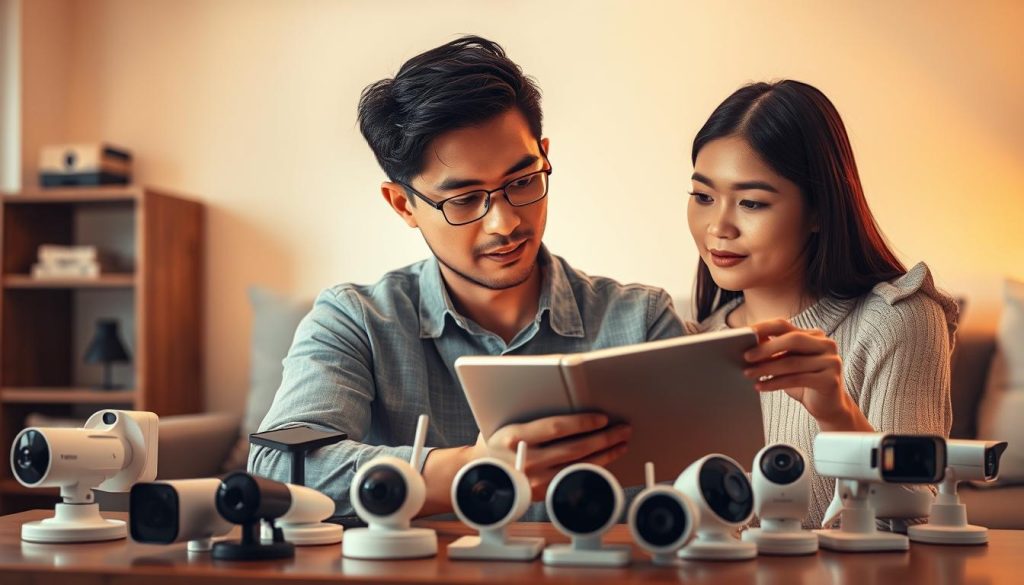
Factors to Consider Before Buying
Start by evaluating how the system integrates with your current smart devices. Compatibility ensures a seamless experience. Custom motion zone configurations allow you to focus on specific areas, reducing unnecessary alerts.
For homes in conservation areas, aesthetics matter. Choose designs that blend with your surroundings. Backup power solutions are also crucial, ensuring uninterrupted monitoring during outages.
Tailoring Your Security Setup
Every home is unique, and so are its protection needs. Professional consultation can help you design a system tailored to your property. Consider the view and layout to determine the best placement for devices.
For landed homes, an average 4-cam system often provides comprehensive coverage. This ensures all critical areas are monitored without overcomplicating the setup.
Final Thoughts on Solar-Powered Security Cameras
Choosing the right system for your home involves balancing features, durability, and cost. In 2025, market leaders like ADT, Arlo, and Lorex continue to dominate with innovative solutions tailored for Singapore’s climate. Their weather-resistant designs and advanced technology ensure reliable performance year-round.
Essential features such as high-resolution video and long battery life are crucial for effective monitoring. These systems not only enhance home security but also offer significant savings over time. With ROI timelines averaging 2-3 years, they are a smart investment for homeowners.
Emerging technologies like blockchain verification and drone integration are set to revolutionize this field. These advancements promise even greater reliability and efficiency. Whether you own a large property or a compact home, there’s a system designed to meet your needs.
For those in Singapore, prioritizing weatherproofing and energy efficiency is key. Brands like Arlo and Lorex excel in these areas, making them top choices. By selecting the right setup, you can enjoy peace of mind while contributing to a greener future.
FAQ
Why should I choose solar-powered cameras for my home?
Solar-powered cameras are eco-friendly, reduce electricity costs, and offer reliable performance even during power outages. They’re perfect for remote locations or areas with limited access to power sources.
How do solar-powered cameras work?
These devices use panels to convert sunlight into energy, which charges the built-in batteries. This ensures continuous operation, even at night or on cloudy days.
What are the key benefits of using solar-powered cameras?
They provide environmental and cost savings, require minimal maintenance, and offer flexibility in installation without the need for wiring.
Which brands offer the best solar-powered options?
ADT, Lorex, Ring, Google Nest, Arlo, and SimpliSafe are among the top brands, each offering unique features like smart home integration, easy setup, and advanced motion detection.
How do I install a solar-powered camera?
Place the panel in an area with maximum sunlight exposure, mount the camera in your desired location, and connect the two. Most models come with detailed instructions for easy installation.
Can solar-powered cameras work in low-light conditions?
Yes, many models feature color night vision and infrared technology to ensure clear video quality even in low-light or nighttime settings.
What maintenance do solar-powered cameras require?
Regularly clean the panels to remove dust or debris and ensure they receive adequate sunlight. Check the battery life periodically for optimal performance.
Are solar-powered cameras compatible with smart home systems?
Yes, many models integrate seamlessly with platforms like Google Assistant, Amazon Alexa, and Apple HomeKit for enhanced convenience and control.
How long do the batteries last in solar-powered cameras?
With proper sunlight exposure, batteries can last several months. Some models also offer cloud or local storage options for extended use.
What factors should I consider before buying a solar-powered camera?
Look for features like resolution, motion detection, field view, and storage options. Consider your property size, budget, and specific security needs.


