
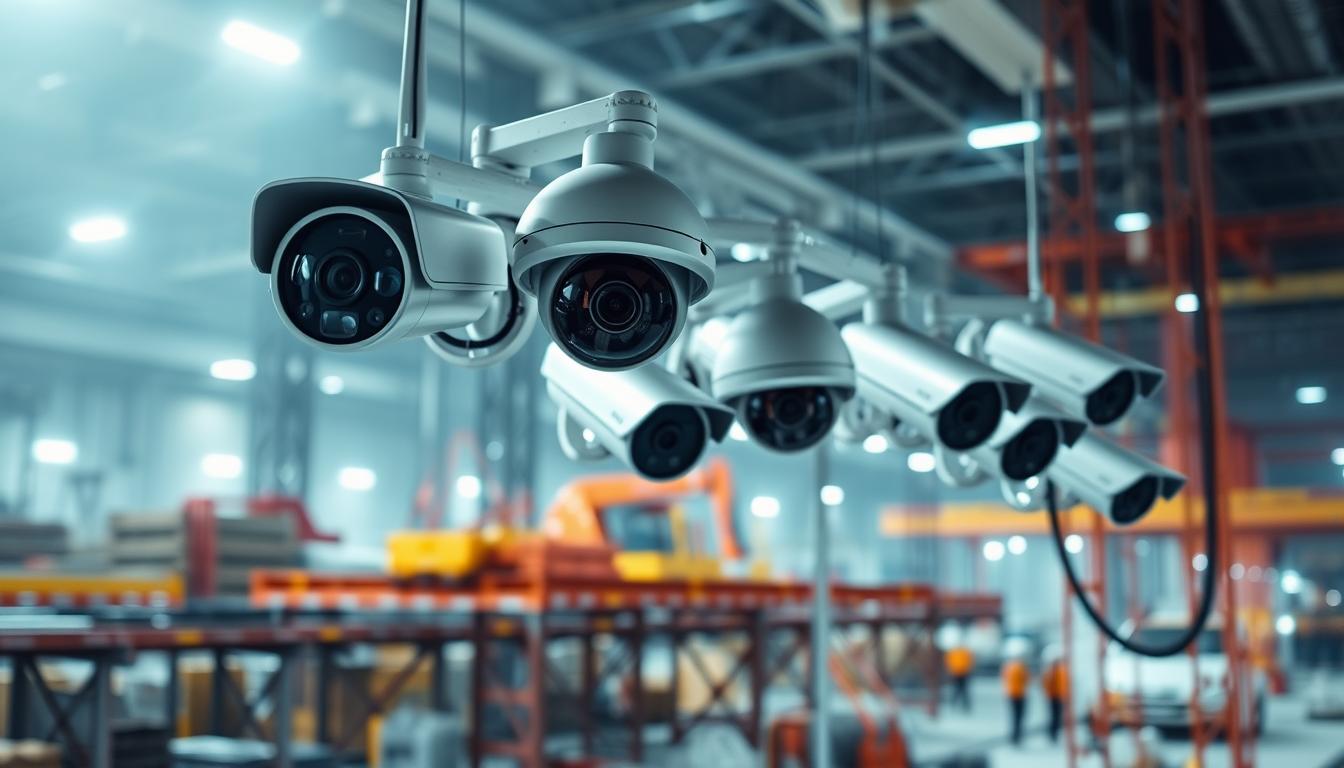
Top Rated Worksite Security Cameras for Businesses
Construction sites in Singapore face significant challenges, with theft and vandalism causing annual losses of around $500,000. These crimes account for 90% of incidents on such premises, making effective surveillance a necessity.
To combat these issues, advanced systems like the Arlo Ultra 2 offer 4K resolution and color night vision, ensuring clear footage even in low light. Similarly, Hikvision stands out with its license plate recognition capabilities, making it easier to identify suspects.
High-definition video quality is crucial for evidence collection, and proper surveillance can reduce theft by up to 80%. For 24/7 monitoring, the Reolink RLK8-800B4 is a reliable choice, especially in Singapore’s tropical climate, where durability is essential.
Key Takeaways
- Construction sites in Singapore lose $500k annually to theft and vandalism.
- Arlo Ultra 2 provides 4K resolution and color night vision for clear footage.
- Hikvision’s license plate recognition aids in identifying suspects.
- HD video quality is essential for effective evidence collection.
- Proper surveillance systems can reduce theft by up to 80%.
- Reolink RLK8-800B4 is ideal for 24/7 monitoring in tropical climates.
Why Worksite Security Cameras Are Essential for Businesses
The rise in construction projects across Singapore has highlighted the need for better site protection. With an 8.2% year-on-year increase in construction activity, businesses face growing challenges in safeguarding their assets. Unprotected sites are particularly vulnerable, with 90% of crimes involving theft or vandalism.
To address these risks, the Singapore government has introduced PDMA requirements for sites with projects exceeding $5 million. These regulations mandate the use of advanced monitoring systems to ensure compliance and enhance safety. Businesses that invest in surveillance can also benefit from reduced insurance premiums, often by 15-25%.
Live feeds from surveillance systems enable a 73% faster response to incidents, minimizing potential losses. A notable example is the Changi Airport expansion, where advanced monitoring played a crucial role in maintaining site security during the project. Remote monitoring further reduces staffing costs by up to 40%, making it a cost-effective solution for businesses.
However, 83% of CCTV issues stem from poor maintenance, underscoring the importance of regular system checks. By addressing these challenges, businesses can ensure their surveillance systems remain effective and reliable.
Key Features to Look for in Worksite Security Cameras
Selecting the right surveillance system involves understanding key features that ensure reliability and performance. These features are crucial for maintaining clear video quality and durability in challenging environments.
Weather Resistance and Durability
In Singapore’s equatorial climate, weather resistance is a top priority. Systems with IP66/IP67 ratings are ideal, as they can withstand heavy rain and humidity. For coastal areas, NEMA 4X compliance ensures protection against saltwater corrosion.
Durability also extends to physical protection. Vandal-proof IK10-rated systems are essential for high-risk areas. These features ensure the system remains operational even in harsh conditions.
High-Definition Video Quality
Clear video is critical for identifying suspects and collecting evidence. While 1080p cameras are effective, 4K resolution offers superior detail. For example, the Arlo Ultra 2 provides 4K HDR with 12x zoom, ensuring every detail is captured.
Higher resolution also enhances evidentiary value, making it easier for authorities to act on footage. Investing in HD systems ensures better outcomes in case of incidents.
Night Vision and Motion Detection
Effective surveillance doesn’t stop when the sun goes down. Advanced night vision technologies, like Hikvision’s DarkFighterX, capture color images even at 0.0005 lux. This ensures clear footage in low-light conditions.
Motion detection adds another layer of security. Systems like Dahua’s Starlight 2.0 sensor combine night vision with motion alerts, enabling real-time responses to potential threats.
By prioritizing these features, businesses can ensure their surveillance systems are robust, reliable, and effective in protecting their assets.
Benefits of Using Worksite Security Cameras
Protecting business assets has never been more critical, especially with rising incidents of theft and vandalism. Advanced surveillance systems not only deter criminals but also provide peace of mind for business owners. Let’s explore the key advantages of these systems.
Deterrence of Theft and Vandalism
Sites equipped with surveillance systems experience 47% fewer theft incidents. The presence of cameras alone acts as a powerful deterrent. For example, Arlo’s 180dB siren reduces intrusion attempts by an impressive 82%.
In the Jurong Innovation District, the installation of advanced monitoring systems led to a significant drop in criminal activities. This case highlights how effective surveillance can protect valuable assets and reduce losses.
Remote Monitoring and Real-Time Alerts
Modern systems offer remote monitoring, allowing businesses to keep an eye on their premises from anywhere. Hikvision’s AcuSense technology filters out 95% of false alarms, ensuring that alerts are accurate and actionable.
Verified alerts lead to a 67% faster police response, minimizing potential damage. Additionally, GSM backup ensures uninterrupted connectivity, even during 4G failover, providing reliability in critical situations.
- NTUC Income offers a 35% premium discount for sites with monitored surveillance systems.
- Calculating ROI shows that surveillance systems are more cost-effective than hiring security guards.
By investing in advanced monitoring solutions, businesses can protect their assets, reduce risks, and enjoy significant financial benefits.
Types of Worksite Security Cameras
Effective monitoring systems are essential for safeguarding construction areas in Singapore. Whether it’s protecting outdoor sites or indoor equipment, choosing the right type of surveillance is critical. Let’s explore the options available to meet these needs.
Outdoor Cameras for Construction Sites
Outdoor surveillance requires robust systems that can handle harsh conditions. The Reolink TrackMix PoE is a standout choice, offering 355° pan and 90° tilt for comprehensive coverage. This makes it ideal for monitoring large construction areas.
For perimeter coverage, PTZ (Pan-Tilt-Zoom) cameras are often preferred over fixed lenses. They provide flexibility in tracking movement across wide spaces. In contrast, fixed lenses are better suited for focused monitoring of specific zones.
Thermal imaging is another valuable feature, especially for generator rooms or other high-risk areas. These cameras detect heat signatures, ensuring visibility even in complete darkness. Additionally, models with ATEX certification are essential for hazardous zones, as they meet strict safety standards.
Indoor Cameras for Equipment Monitoring
Indoor surveillance focuses on protecting valuable equipment and ensuring operational safety. The Hikvision DS-2SF8C425MXS-DLW(16F2) excels in this area with its advanced facial recognition capabilities. This feature is particularly useful for restricted access areas.
High humidity can be a challenge in Singapore’s climate. Anti-fogging housings are recommended to maintain clear footage. For government projects, opting for SFA-approved models ensures compliance with local regulations.
By selecting the right type of surveillance, businesses can enhance protection and minimize risks effectively.
Top Brands for Worksite Security Cameras in Singapore
Singapore businesses are increasingly relying on advanced monitoring solutions to protect their assets. With a variety of options available, choosing the right brand can make a significant difference. Here, we explore two leading names in the industry: Hikvision and Arlo Ultra 2.
Hikvision: Reliable and High-Performance
Hikvision dominates the global market with a 28% share in CCTV systems. Known for its reliability, the brand offers advanced features like DeepInMind NVR analytics, which enhance data processing and threat detection. This makes it a top choice for businesses seeking robust and efficient surveillance.
In Singapore, Hikvision’s systems are widely used for their durability and performance. Their ability to integrate with other technologies ensures seamless operation, even in complex environments. Whether it’s a construction site or a corporate office, Hikvision delivers consistent results.
Arlo Ultra 2: Advanced Features for Maximum Security
The Arlo Ultra 2 stands out with its cutting-edge technology. It offers a 12-month battery life, making it ideal for long-term monitoring without frequent maintenance. Its Smart Premier plan provides ample cloud storage, ensuring all footage is securely saved and easily accessible.
With features like 4K resolution and color night vision, the Arlo Ultra 2 ensures clear footage in any lighting condition. Its motion detection and real-time alerts add an extra layer of protection, making it one of the best security solutions available today.
Other notable brands include Bosch, Hanwha Techwin, and Uniview. Bosch’s MIC IP starlight 7000i excels in low-light conditions, while Hanwha Techwin offers a 5-year warranty for added peace of mind. Uniview’s local service centers in Singapore ensure quick support and maintenance.
Weather-Resistant Cameras for Singapore’s Climate
Singapore’s tropical climate demands durable surveillance solutions that can handle extreme weather conditions. With an average relative humidity of 84.3% and frequent heavy rain, systems must be built to endure these challenges. Choosing the right security equipment ensures uninterrupted performance and clear footage, even in harsh environments.
How to Choose Cameras That Withstand Humidity and Rain
When selecting surveillance systems, prioritize features designed for Singapore’s climate. Anti-corrosion coatings, such as conformal coating for PCBs, protect internal components from moisture damage. Additionally, NECAP testing ensures systems can endure 100% humidity, making them reliable even during prolonged wet seasons.
Sunshades are essential for cameras exposed to Singapore’s average temperature of 32°C. They prevent overheating and maintain optimal performance. For maximum durability, consider models compliant with MIL-STD-810G, which are tested for extreme environmental conditions.
- Use desiccant capsules to absorb moisture and replace them regularly to maintain effectiveness.
- Compare IP69K and IP68 waterproof ratings to determine the best fit for your needs.
- Opt for systems with anti-fogging housings to ensure clear footage in high humidity.
By focusing on these features, businesses can ensure their surveillance systems remain operational and effective, regardless of the weather. Investing in the right equipment not only protects assets but also provides peace of mind in Singapore’s challenging climate.
Installation Tips for Worksite Security Cameras
Proper installation of surveillance systems is crucial for maximizing coverage and minimizing blind spots. A well-planned setup ensures seamless connectivity and optimal performance, even in challenging environments.
Choosing the Right Locations for Maximum Coverage
Strategic placement is key to achieving full site protection. Studies show that 65% of blind spots occur at heights below 3 meters. To address this, position cameras at optimal heights and angles to cover vulnerable areas.
Ensure a 20% overlap in the field of view (FOV) between cameras. This prevents gaps in coverage and enhances monitoring efficiency. For mounting, consider using concrete-penetrating radar to identify safe and stable locations.
Ensuring Proper Connectivity and Power Supply
Reliable connectivity is essential for uninterrupted monitoring. PoE (Power over Ethernet) switches reduce cabling costs by 40% and simplify the system setup. They also provide a stable power supply, even in remote locations.
For areas without access to traditional power sources, solar-powered solutions are an eco-friendly alternative. However, hardwired systems remain the most reliable option for consistent performance. Additionally, use DFS (Dynamic Frequency Selection) channels to minimize 5GHz interference and maintain clear signals.
- Recommend 20% overlap in camera FOV for seamless coverage.
- Use concrete-penetrating radar for precise mounting locations.
- Compare solar vs. hardwired power solutions based on site needs.
- List BCA-approved installation contractors for compliance.
- Explain DFS channels to reduce 5GHz interference.
Maintenance of Worksite Security Camera Systems
Ensuring the longevity and reliability of surveillance systems requires consistent maintenance and timely updates. Without proper care, even the most advanced equipment can fail, leaving businesses vulnerable to risks.
Studies show that 72% of failures occur due to unmaintained lenses. Regular checks and updates are essential to keep these systems functioning at their best. This section explores practical steps to maintain your equipment effectively.
Regular Checks and Software Updates
Performing routine inspections is crucial for identifying potential issues before they escalate. A quarterly maintenance checklist can help ensure all components are in good condition. This includes cleaning lenses with antistatic kits to prevent dust buildup and checking connections for stability.
Software updates are equally important. Critical firmware updates should be applied every 45 days to address vulnerabilities and enhance performance. Tools like Hikvision’s Device Manager simplify bulk updates, saving time and effort.
Best Practices for Long-Term Performance
To maximize the lifespan of your systems, follow these best practices. First, schedule regular professional inspections by CSA-approved providers. They can identify hidden issues and ensure compliance with local standards.
Second, consider RAID configurations for NVR storage. This setup provides redundancy, protecting data even if a drive fails. Finally, keep a log of all maintenance activities to track performance and identify recurring problems.
- Use lens cleaning kits with antistatic properties to maintain clear footage.
- Apply firmware updates promptly to address security vulnerabilities.
- Schedule quarterly inspections with certified maintenance providers.
- Implement RAID configurations for reliable data storage.
- Maintain a detailed log of all maintenance activities.
By following these steps, businesses can ensure their surveillance systems remain reliable and effective over time.
Cost Considerations for Worksite Security Cameras
Understanding the financial aspects of surveillance systems helps businesses make informed decisions. The initial investment and long-term value of these systems are crucial factors to consider. With average costs ranging from S$3,200 to S$18,000 for a 4-camera setup, businesses must evaluate their specific needs and budget.

Initial Investment vs. Long-Term Value
The upfront cost of surveillance systems can vary significantly based on the project scope and equipment quality. However, the long-term value often outweighs the initial expense. For example, a 5-year total cost of ownership (TCO) for these systems is 34% lower than hiring guard patrols. This makes them a cost-effective solution for businesses.
Additionally, businesses can leverage government grants like the BCA grant to offset initial expenses. Eligibility criteria include compliance with local regulations and the use of approved systems. By taking advantage of these incentives, businesses can reduce their financial burden while enhancing site protection.
Managing Maintenance and Operational Costs
Maintenance and operational costs are another critical consideration. Regular upkeep ensures the system remains reliable and effective. For instance, cloud storage options offer scalability but may incur recurring fees. In contrast, local storage requires upfront hardware investment but eliminates ongoing costs.
Tax deductions, such as IRAS automation incentives, can further reduce expenses. Businesses should also explore PSG-supported solutions, which provide additional financial benefits. By carefully managing these costs, businesses can maximize the value of their surveillance systems.
- Break down BCA grant eligibility criteria to identify potential savings.
- Compare cloud vs. local storage costs to determine the best fit for your needs.
- Present 7-year depreciation schedules to understand long-term financial impact.
- Analyze IRAS automation tax deductions to reduce operational expenses.
- List PSG-supported security solutions for additional financial benefits.
For more detailed guidance on selecting the right system, visit our construction site surveillance guide.
Compliance with Singapore’s Surveillance Regulations
Navigating Singapore’s surveillance regulations is essential for businesses to avoid penalties and ensure effective monitoring. The country has strict laws governing the use of monitoring systems, particularly concerning data protection and compliance with local standards.
The Personal Data Protection Act (PDPA) mandates that businesses delete recorded footage after 30 days unless it is required for legal or investigative purposes. This ensures that sensitive data is not stored indefinitely, reducing the risk of misuse.
Additionally, devices using radio frequencies, such as wireless cameras, require IMDA Type Approval. This certification ensures that the equipment meets Singapore’s technical standards and does not interfere with other communication systems.
Understanding Local Laws and Data Protection
Businesses must adhere to the CSA CCTV Code of Practice, which outlines guidelines for the installation and use of monitoring systems. This includes ensuring proper signage to inform individuals that they are under surveillance. Signage must meet specific size and visibility requirements to comply with the law.
Cross-border data flow is another critical consideration. Businesses must ensure that any transfer of footage outside Singapore complies with PDPA regulations. This includes using PDPC-certified encryption standards to protect data during transmission.
The Cybersecurity Act further emphasizes the importance of protecting monitoring systems from cyber threats. Businesses are encouraged to implement robust measures, such as regular software updates and secure access controls, to safeguard their systems.
- Follow the CSA CCTV Code of Practice for proper installation and usage.
- Ensure compliance with cross-border data flow restrictions under PDPA.
- Use PDPC-certified encryption standards for secure data transmission.
- Display required signage to inform individuals of surveillance.
- Adhere to the Cybersecurity Act to protect systems from cyber threats.
By understanding and adhering to these regulations, businesses can ensure their monitoring systems are both effective and legally compliant.
Investing in the Right Worksite Security Cameras for Your Business
Making the right investment in surveillance technology can transform how businesses protect their assets. With an average ROI achieved in just 14 months, these systems offer both immediate and long-term value. Additionally, 92% of users report high satisfaction with smart systems, highlighting their reliability and effectiveness.
To simplify decision-making, consider using a selection matrix tailored to your work environment. This tool helps identify the best features for your needs, ensuring optimal performance. For compliance and safety, consult MOM-approved experts who can guide you through local regulations.
Support packages, such as 3-year maintenance plans, ensure your system remains operational and efficient. Success stories, like PSA Singapore’s implementation, demonstrate how advanced monitoring can enhance security and productivity. By investing wisely, businesses can safeguard their assets and achieve peace of mind.
FAQ
Why are worksite security cameras essential for businesses?
They help deter theft, vandalism, and unauthorized access while providing real-time monitoring to ensure safety and protect valuable equipment.
What features should I look for in worksite security cameras?
Key features include weather resistance, high-definition video quality, night vision, and motion detection for reliable performance in various conditions.
What are the benefits of using security cameras on construction sites?
They offer remote monitoring, reduce theft and vandalism, and provide peace of mind by keeping a watchful eye on the site 24/7.
What types of cameras are best for outdoor construction sites?
Outdoor cameras with weatherproofing, durability, and night vision are ideal for withstanding harsh conditions and ensuring clear footage.
How do I choose weather-resistant cameras for Singapore’s climate?
Look for cameras with IP66 or higher ratings to ensure they can handle humidity, rain, and extreme weather conditions.
What are the top brands for worksite security cameras in Singapore?
Hikvision and Arlo Ultra 2 are popular choices, offering advanced features like high-resolution video, motion detection, and reliable performance.
How can I ensure proper installation of worksite security cameras?
Choose strategic locations for maximum coverage, ensure proper connectivity, and use weatherproof enclosures for outdoor setups.
What maintenance is required for worksite security camera systems?
Regular checks, software updates, and cleaning lenses are essential to maintain long-term performance and clear video quality.
Are there cost-effective options for worksite security cameras?
Yes, investing in high-quality cameras upfront can save long-term costs by reducing theft and minimizing the need for replacements.
How do I comply with Singapore’s surveillance regulations?
Ensure your cameras adhere to local laws, respect privacy, and follow data protection guidelines to avoid legal issues.
Post Tags : Best Commercial Surveillance Cameras Business security systems High-Resolution Worksite Cameras Outdoor security camera installation Remote Monitoring for Businesses Security Camera Integration for Workplaces Surveillance Technology for Workspaces Workplace Monitoring Devices Worksite Surveillance Solutions Worksite Theft Prevention


