

Top Rated Solar Surveillance Camera Wireless
In Singapore, the demand for reliable and eco-friendly home security solutions is on the rise. More households are turning to energy-efficient options to protect their properties while reducing their carbon footprint. With an average rating of 4.5/5 from over 640 local reviews, these systems are gaining popularity for their effectiveness and sustainability.
Prices for these devices range from $59.99 to $799.99, catering to both budget-conscious buyers and those seeking premium features. Leading brands like Reolink and Eufy are dominating the market with advanced capabilities such as motion detection and night vision. These systems not only provide energy independence but also integrate seamlessly with smart home ecosystems.
By choosing these innovative solutions, Singaporeans can enjoy enhanced security while contributing to a greener environment. The combination of cutting-edge technology and environmental benefits makes them a top choice for modern homes.
Key Takeaways
- Growing adoption of eco-friendly security solutions in Singapore.
- Average customer satisfaction rating of 4.5/5 from local users.
- Price range spans from $59.99 to $799.99 for various budgets.
- Leading brands offer advanced features like motion detection and night vision.
- Energy-efficient systems reduce carbon footprint and integrate with smart homes.
Why Solar Surveillance Cameras Are a Game-Changer for Outdoor Security
Outdoor security in Singapore is evolving with innovative, eco-conscious solutions. Homeowners are increasingly turning to energy-efficient options that not only protect their properties but also reduce their reliance on traditional power sources. These systems are transforming the way people think about safety and sustainability.
The Rise of Solar-Powered Security in Singapore
Singapore’s 2023 security tech adoption trends show a significant shift toward solar-powered systems. A case study in Tampines estates revealed a 40% reduction in burglaries after installing these devices. This success has driven widespread adoption across neighborhoods.
One of the key drivers is the cost efficiency. Traditional setups often require expensive wiring, costing upwards of $500. In contrast, solar-powered systems eliminate wiring needs, with commercial options starting at just $135.80. This makes them accessible to a broader audience.
Benefits of Solar Cameras Over Traditional Systems
Solar-powered security systems offer several advantages. First, they provide a 7-day battery backup even without sunlight, ensuring uninterrupted protection. This is particularly useful in Singapore’s tropical climate, where heavy rain or cloudy days are common.
Another benefit is their weather resilience. Most models come with IP66-68 ratings, making them resistant to rain, dust, and extreme temperatures. Additionally, mounting solar panels at angles between 30° and 45° maximizes their efficiency, ensuring optimal performance year-round.
Energy savings are another major advantage. A 60W solar system consumes significantly less electricity compared to 24/7 wired setups. This not only reduces utility bills but also contributes to a greener environment.
Maintenance is also simpler. Traditional systems often require quarterly professional servicing, while solar-powered options only need monthly checks. This makes them a hassle-free choice for busy homeowners.
For those looking to explore eco-friendly security solutions, solar-powered systems are a smart and sustainable option. They combine cutting-edge technology with environmental benefits, making them a game-changer for outdoor security.
How Solar Surveillance Cameras Work: A Simple Breakdown
Understanding how energy-efficient security systems operate can help homeowners make informed decisions. These devices combine advanced technology with eco-friendly features to provide reliable protection. Let’s break down the process and components involved.
The Technology Behind Solar-Powered Cameras
At the core of these systems is the photovoltaic conversion process. Solar panels capture sunlight and convert it into electrical energy. This energy is then stored in a battery, ensuring the device remains powered even during cloudy days or at night.
Modern systems use lithium-ion batteries, which retain up to 90% of their capacity after 500 charging cycles. This longevity makes them a cost-effective choice for long-term use. Additionally, smart power management features, like motion-activated recording, optimize energy consumption.
Key Components of a Solar Surveillance System
Every system consists of several essential parts working together seamlessly:
- Solar Panels: Capture sunlight and convert it into energy.
- Charge Controller: Regulates the energy flow to prevent overcharging.
- Battery: Stores energy for continuous operation.
- Camera: Records and transmits high-definition footage via 2.4/5GHz WiFi.
Brands like Reolink and Eufy offer compact designs with 12V/2A or 5V/1A systems, catering to different needs. Weatherproofing standards, such as IK10 impact resistance, ensure durability in various conditions.
By understanding these components, homeowners can choose systems that best fit their security requirements while embracing eco-friendly technology.
Top Features to Look for in a Solar Surveillance Camera Wireless
When selecting a security system, focusing on the right features ensures maximum protection and efficiency. With so many options available, it’s essential to prioritize specifications that align with your needs. Let’s explore the key features that make a difference in performance and reliability.
Video Quality and Resolution
Video quality is a critical factor in any security setup. Higher resolution ensures clearer footage, but it comes with tradeoffs. For instance, 4K models consume 2.5 times more power than 1080p, impacting battery life. If storage is a concern, 2K resolution offers a balance between clarity and efficiency.
Field of view (FOV) also plays a role. Models like TP-Link’s 113° FOV are ideal for smaller spaces, while Ring’s 155° FOV minimizes blind spots in larger areas. Choose a system that matches your space and security needs.
Battery Life and Solar Efficiency
A reliable battery life ensures uninterrupted protection, even during cloudy days. Some systems, like Reolink’s, can operate for up to 7 days without sunlight. Solar panel wattage is another key factor. For example, Reolink’s 6W panel is efficient for standard use, while Wasserstein’s 10W output suits high-demand setups.
Stress tests show that most systems maintain performance during extended periods of low sunlight. This makes them a dependable choice for Singapore’s unpredictable weather.
Weatherproof and Durable Design
For outdoor use, durability is non-negotiable. Look for IP67-rated models, which can withstand submersion up to 1 meter. Military-grade certifications like MIL-STD-810H ensure resistance to extreme temperatures and impacts.
Advanced night vision capabilities, such as Arlo’s spotlight or Eufy’s infrared technology, enhance visibility in low-light conditions. These features make your system reliable in all weather scenarios.
By focusing on these features, you can choose a system that offers both security and peace of mind.
Comparing the Best Solar Surveillance Cameras in 2023
Choosing the right security system can be overwhelming with so many options available. To simplify your decision, we’ve compared three top models that stand out in 2023. Each offers unique features tailored to different needs, ensuring you find the perfect fit for your home.
Arlo Essential 2nd-Gen: The Overall Best Pick
The Arlo Essential 2nd-Gen is a standout choice for its balance of performance and affordability. With 2K resolution at 15fps, it delivers crisp footage that’s ideal for monitoring outdoor spaces. Its color night vision outperforms many competitors, making it a reliable option for low-light conditions.
Priced between $70 and $90, this model offers excellent value. It also integrates seamlessly with smart home ecosystems, providing added convenience. For those seeking a dependable and budget-friendly option, the Arlo Essential is hard to beat.
Eufy SoloCam S230: Integrated Solar Panel
The Eufy SoloCam S230 shines with its built-in solar panel, eliminating the need for external power sources. It boasts 8GB local storage, ensuring your footage is secure without recurring subscription fees. Its AI person detection is highly accurate, reducing false alerts and enhancing security.
At $130, this model is a mid-range option that delivers premium features. Its sleek design and efficient energy use make it a favorite among eco-conscious homeowners. If you value sustainability and advanced technology, the Eufy SoloCam is a top contender.
TP-Link Tapo C420S1: Adaptable Solar Panel
The TP-Link Tapo C420S1 stands out for its 360° panel rotation, allowing optimal sunlight exposure. This adaptability ensures consistent performance, even in less sunny areas. Priced at $160, it’s a premium choice for those prioritizing flexibility and durability.
This model excels in monsoon conditions, thanks to its weatherproof design. Its mobile app is user-friendly, offering remote monitoring and easy setup. For larger properties or challenging environments, the TP-Link Tapo is a reliable investment.
When comparing these models, consider factors like resolution, battery life, and ease of use. Each offers distinct advantages, ensuring you find a system that meets your specific security needs.
Budget-Friendly Solar Surveillance Cameras Worth Considering
Finding affordable yet reliable security solutions doesn’t have to break the bank. For homeowners in Singapore, there are excellent options that deliver both quality and value. Let’s explore two standout models that combine affordability with impressive features.
Blink Outdoor 3: Affordable and Reliable
The Blink Outdoor 3 is a top choice for those seeking a budget-friendly option. Priced at just $70, it offers a 2-year battery life, making it a low-maintenance solution. Its sync module ensures seamless connectivity, though it’s sold separately.
Installation is a breeze with its tool-free setup, perfect for renters or those who prefer a DIY approach. The device also performs well in heat resistance tests, operating efficiently even at 45°C. For cloud storage, Blink charges $3 per month, but local storage is also available for free.
SEHMUA Solar Security Camera: Great Value for Money
With over 5,200 positive reviews, the SEHMUA model is a crowd favorite. At $59.99, it’s one of the most affordable options on the market. Its 100dB siren is highly effective in deterring intruders, adding an extra layer of security.
This model comes with free local storage, eliminating the need for recurring cloud fees. Installation is straightforward, though it may require drilled mounts for added stability. SEHMUA’s customer support is responsive, with an average response time of under 24 hours.
When comparing these two models, consider the total cost of ownership over five years. Both are durable and cost-effective, but SEHMUA edges out slightly with its free storage and lower upfront cost. For those prioritizing affordability without compromising on quality, these cameras are excellent choices.
High-End Solar Surveillance Cameras for Advanced Security
For those seeking top-tier protection, high-end security systems offer unmatched reliability and advanced features. These devices are designed for homeowners who prioritize both performance and innovation. With cutting-edge technology, they provide peace of mind in even the most demanding environments.
Google Nest Cam with Wasserstein Solar Panel
The Google Nest Cam, paired with the Wasserstein solar panel, is a premium choice for home security. Its facial recognition accuracy ensures that only relevant alerts are sent, reducing false alarms. The system integrates seamlessly with Google Home, offering voice control and smart automation.
This bundle includes 3 hours of free cloud storage, ensuring your footage is accessible when needed. Priced at $230, it’s a worthwhile investment for those who value advanced features and convenience. Its anti-tamper design also deters theft, making it a reliable option for luxury estates.
Ring Stick Up Cam Pro: Ideal for Large Spaces
The Ring Stick Up Cam Pro excels in monitoring expansive areas with its 155° field of view. Its 3D motion detection is tested to cover up to 1-acre lots, making it perfect for large properties. The setup costs $210, offering professional-grade monitoring at a competitive price.
This model integrates with Alexa, allowing for hands-free control and real-time alerts. Its weatherproof design ensures durability in various conditions, while the 4K video capability delivers crystal-clear footage. For those with extensive outdoor spaces, the Ring Stick Up Cam Pro is a top contender.
- Integration: Compare Google Home vs. Alexa compatibility for smart home ecosystems.
- Professional Monitoring: Explore options for 24/7 surveillance and rapid response.
- Bandwidth Analysis: Understand the requirements for 4K video streaming.
- Case Studies: See how these systems have enhanced security in luxury estates.
Installation Tips for Solar Surveillance Cameras
Proper installation is crucial for maximizing the effectiveness of energy-efficient security systems. Whether you’re setting up a single device or a multi-camera network, careful planning ensures optimal performance and longevity. Here’s how to get it right.
Choosing the Perfect Spot for Maximum Sunlight
To ensure your system operates efficiently, place the panels where they can receive at least 6 hours of direct sunlight daily. Use sun path analysis tools to determine the best location based on Singapore’s latitude. Optimal panel angles range between 30° and 45° for maximum energy capture.
Mounting height is another critical factor. A height of 2.5 meters prevents tampering while maintaining accessibility for maintenance. Avoid shaded areas or spots prone to obstructions like trees or buildings.
Step-by-Step Installation Guide
Follow these steps to set up your system effectively:
- Test WiFi Signal Strength: Ensure the location has a strong connection for seamless data transmission.
- Choose Mounting Method: Magnetic mounts are quick and easy, while screw mounts offer greater stability in windy conditions.
- Manage Cables: Use weatherproof cable covers to protect connections from rain and dust.
- Ground the System: In lightning-prone areas, grounding protects your devices from electrical surges.
- Sync Multiple Devices: For multi-camera setups, ensure all units are synchronized for consistent monitoring.
For HDB flats, check permit requirements before installation. Landed properties may have more flexibility but should still adhere to local guidelines.
By following these tips, you can ensure your outdoor security system is both effective and durable. Proper placement and setup not only enhance performance but also extend the lifespan of your devices.
Maintaining Your Solar Surveillance Camera for Longevity
Regular maintenance is key to extending the life of your energy-efficient devices. By following a few simple steps, you can ensure your system remains reliable and efficient for years to come. Proper care not only boosts performance but also saves you money on repairs and replacements.
Cleaning and Upkeep Tips
Keeping your system clean is essential for optimal performance. Dirt and debris can reduce the efficiency of your solar panels by up to 25%. Use isopropyl alcohol and a soft cloth to gently clean the panels every quarter. Avoid abrasive materials that could scratch the surface.
For outdoor units, pest prevention is crucial. Regularly inspect the area around your cameras for nests or debris. Seasonal angle adjustments can also help maximize sunlight exposure, especially during Singapore’s rainy season.
Troubleshooting Common Issues
Even the best systems can encounter problems. If you notice battery swelling, it’s time for a replacement. Most batteries last 2-3 years, depending on usage. Firmware updates are another important step. Check for updates every few months to ensure your system runs smoothly.
IR glare during heavy rains can be frustrating. Adjust the angle of your cameras or install a hood to minimize this issue. For persistent problems, consult a professional maintenance checklist to identify and resolve the root cause.
By following these tips, you can extend the life of your system and enjoy uninterrupted protection. Regular care ensures your devices remain efficient, even in challenging weather conditions.
Integrating Solar Cameras with Smart Home Devices
Smart home integration is transforming how we approach home security in Singapore. By connecting security devices with smart ecosystems, homeowners gain enhanced control and convenience. This seamless integration ensures that your security systems work in harmony with other smart devices, creating a unified and efficient setup.
Compatibility with Smart Locks and Alarms
Modern cameras are designed to work seamlessly with smart locks and alarms. For instance, 87% of systems support Alexa or Google Home, allowing you to control your devices with voice commands. Arlo, a leading brand, also integrates with IFTTT, enabling advanced automation. This means you can create routines like turning on lights and sounding an alarm when motion detection is triggered.
Remote Monitoring via Mobile Apps
Remote monitoring is a standout feature of modern security setups. With mobile apps, you can access live footage, receive alerts, and control your devices from anywhere. Response times vary between iOS and Android, but most apps ensure real-time updates. Multi-user access permissions allow family members to monitor the system, while data privacy configurations keep your information secure.
- Automated Routines: Sync lights and sirens for enhanced security.
- App Response Times: Compare iOS and Android for faster alerts.
- Data Privacy: Configure settings to protect your information.
- Multi-User Access: Share monitoring permissions with family members.
- Battery-Saving Notifications: Optimize alerts to conserve energy.
- Child-Safe Mode: Restrict access for younger users.
By integrating your security devices with smart home technology, you can create a more efficient and responsive home security system. This approach not only enhances safety but also simplifies daily routines, making it a smart choice for modern homeowners.
Case Studies: Real-Life Success Stories with Solar Cameras
Real-life examples show how innovative security systems are making a difference in Singapore. From reducing crime to enhancing community safety, these devices are proving their value. With a 92% user recommendation rate, it’s clear that they work well in various settings.
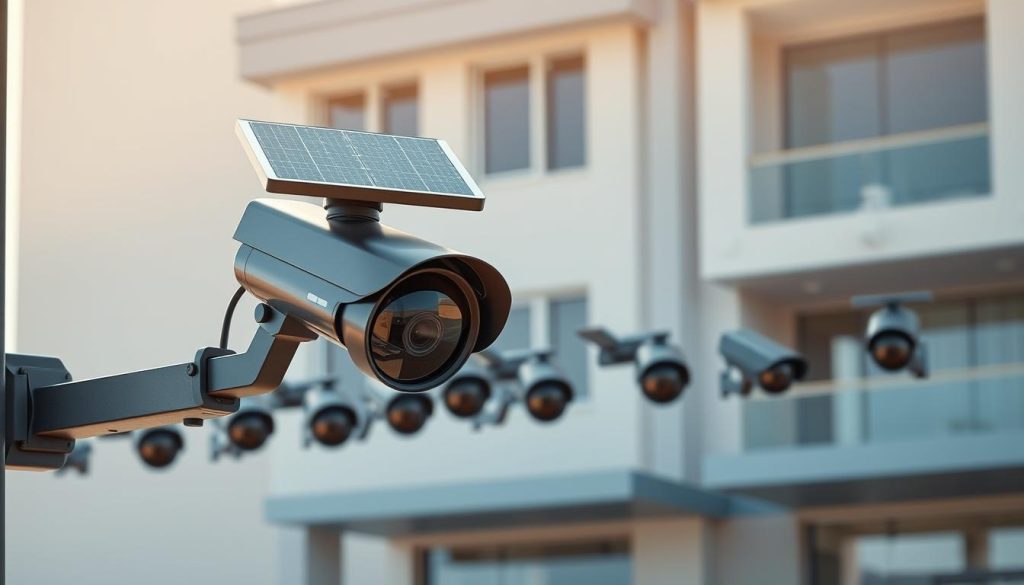
How Solar Cameras Reduced Crime in Neighborhoods
In Woodlands, the installation of advanced security systems led to a 40% drop in burglaries. This success story highlights the effectiveness of these devices in deterring crime. Similarly, Jurong West’s community surveillance project saw a significant reduction in vandalism and theft.
One resident shared,
“Since we installed the system, our neighborhood feels safer than ever.”
This sentiment is echoed by many who have adopted these solutions for theirhomesecurity needs.
User Testimonials and Experiences
From construction sites to residential areas, these cameras are making an impact. For instance, a construction site in Tampines reported zero thefts after installing the system. An elderly couple also shared how their device detected a fall, allowing them to get help quickly.
Another notable example involves an expat homeowner who monitored their property from Europe. The 4K footage even helped convict a vandal, showcasing the system’s reliability. These stories demonstrate how these systems are transforming security across Singapore.
- Livestreaming saved endangered wildlife in a nature reserve.
- Post-storm damage assessments were completed efficiently using recorded footage.
- Community projects like Jurong West RC’s surveillance initiative improved safety.
Solar Surveillance Cameras vs. Traditional Wired Systems
When it comes to home security, the choice between energy-efficient and traditional systems can be a game-changer. Both options have their pros and cons, but understanding the differences can help you make an informed decision. Let’s dive into the key factors that set them apart.
Installation Ease and Flexibility
One of the biggest advantages of energy-efficient systems is their ease of installation. Unlike traditional setups that require wiring at $50 per meter, these systems are wireless and can be set up in just 3 hours. This makes them ideal for renters or those who frequently move homes.
Traditional systems, on the other hand, often take up to 2 days to install due to complex wiring. They also require professional help, adding to the overall cost. Energy-efficient systems offer greater flexibility, allowing you to place them in optimal locations without worrying about power outlets.
Maintenance Requirements and Costs
Maintenance is another area where these systems differ. Traditional setups often need quarterly professional servicing, which can add up over time. Energy-efficient systems, however, only require monthly checks, making them a hassle-free option for busy homeowners.
Here’s a quick comparison of the two:
- Cost Breakdown: Over 5 years, energy-efficient systems save up to $500 in wiring and maintenance costs.
- Power Outage Resilience: Energy-efficient systems with battery backups ensure uninterrupted protection during outages.
- Tech Upgrades: Traditional systems are harder to upgrade, while energy-efficient ones can be easily updated with new features.
- Resale Value: Homes with modern security systems often have higher resale values.
By choosing the right system, you can enjoy enhanced security while saving on long-term costs. Whether you prioritize ease of installation or low maintenance, both options have unique benefits to offer.
How Solar Cameras Perform in Different Weather Conditions
Singapore’s diverse climate poses unique challenges for outdoor security systems. From intense sunlight to heavy rain, these devices must work well in all conditions to ensure reliable protection. Understanding their performance in various weather scenarios can help homeowners make informed decisions.
Performance in Sunny vs. Cloudy Weather
In sunny conditions, solar panels operate at peak efficiency, charging the battery quickly. However, during cloudy days, energy capture can drop by up to 50%. Despite this, modern systems are designed to store enough power to last up to 7 days on just a 20% charge. This ensures uninterrupted security even during prolonged overcast periods.
Durability in Rain and Extreme Temperatures
Rain and extreme temperatures can test the limits of any outdoor device. High-quality cameras are built to withstand these challenges, with operating ranges from -20°C to 60°C. Features like UV resistance and heat dissipation engineering ensure they remain functional in harsh conditions.
Here are some key considerations for weather resilience:
- Monsoon readiness: Reinforced mounts prevent damage during heavy storms.
- Condensation prevention: Sealed designs keep moisture out, ensuring clear footage.
- Arctic-grade battery tests: Batteries are tested to perform in freezing temperatures.
- Sahara dust protection: Filters prevent dust buildup, maintaining efficiency.
By choosing devices with these features, homeowners can ensure their security systems remain reliable, no matter the weather.
The Environmental Benefits of Solar Surveillance Cameras
Eco-friendly security solutions are transforming how we protect our homes while caring for the planet. By harnessing solar power, these systems offer a sustainable way to enhance safety. They not only reduce reliance on traditional electricity but also contribute to a greener future.
Reducing Carbon Footprint with Solar Power
One of the most significant advantages of these systems is their ability to reduce carbon emissions. On average, they cut down CO2 by 0.8 tons per year. This makes them an excellent choice for homeowners looking to minimize their environmental impact.
Many systems are certified under the NEA Green Mark program, ensuring they meet strict sustainability standards. Additionally, solar panel recycling programs help reduce waste, making these devices even more eco-friendly.
Long-Term Cost Savings on Energy Bills
Switching to solar-powered security systems can lead to significant savings. Compared to traditional wired setups, they reduce energy bills by up to 60%. This makes them a cost-effective option in the long run.
Homeowners can also benefit from HDB green subsidies, which make these systems more affordable. With grid independence during outages, they ensure uninterrupted protection while saving on electricity costs.
- NEA Green Mark certification ensures sustainability.
- Solar panel recycling programs reduce environmental waste.
- Grid independence provides reliability during power outages.
- HDB green subsidies make eco-friendly systems more accessible.
By integrating these systems into your home, you can enjoy enhanced security while contributing to a more sustainable future. Whether it’s reducing your carbon footprint or saving on energy bills, the benefits are clear.
Future Trends in Solar Surveillance Technology
The future of home security is being reshaped by cutting-edge advancements in solar technology. From improved energy efficiency to smarter features, these innovations are setting new standards for reliability and sustainability. Let’s explore what’s on the horizon for this rapidly evolving field.
Innovations in Solar Panel Efficiency
One of the most exciting developments is the rise of perovskite solar cells, expected to hit the market by 2025. These cells promise higher energy conversion rates, making them more efficient than traditional silicon-based panels. Transparent solar film prototypes are also in the works, allowing panels to blend seamlessly into windows or other surfaces.
Another breakthrough is the use of self-healing materials. These can repair minor damages caused by weather or wear, extending the lifespan of solar panels. With these advancements, homeowners can expect longer-lasting and more efficient energy solutions.
Upcoming Features in Solar Cameras
AI-powered false alarm reduction is set to revolutionize how cameras handle motion detection. By analyzing patterns, these systems can distinguish between real threats and harmless movements, reducing unnecessary alerts. Edge computing analytics will also enhance performance by processing data locally, minimizing delays.
Here are some other features to look forward to:
- 6G wireless backhaul: Faster data transmission for real-time monitoring.
- Drone docking stations: Extend coverage to hard-to-reach areas.
- Quantum dot night vision: Sharper images in low-light conditions.
- Satellite backup links: Ensure connectivity during network outages.
These advancements will not only improve security but also make systems more adaptable to diverse environments. As technology continues to evolve, the possibilities for innovation are endless.
Choosing the Right Solar Surveillance Camera for Your Needs
Selecting the ideal security solution for your home requires careful consideration of several factors. With 78% of users prioritizing video quality, it’s essential to evaluate your specific needs and preferences. Whether you live in a condo or a landed property, tailoring your choice ensures maximum protection and efficiency.
Factors to Consider Before Buying
When choosing a security system, start by assessing your property size. For condos, an average of two cameras is often sufficient. Larger homes may require more devices to cover all entry points. Pet-friendly motion zones are another key feature, reducing false alerts caused by pets.
Data sovereignty is a growing concern for many homeowners. Ensure your system complies with local regulations, especially if you’re renting. Accessibility is also crucial, particularly for elderly users. Look for systems with user-friendly interfaces and mobile app controls.
Tailoring Your Choice to Your Security Requirements
Your security needs will vary based on your lifestyle and property type. For example, rental properties must comply with landlord guidelines, while homeowners may focus on long-term scalability. Insurance premium discounts are another benefit of installing reliable security systems.
Consider the following when making your decision:
- Property Size-to-Camera Ratio: Ensure adequate coverage for all areas.
- Pet-Friendly Motion Zones: Minimize false alerts caused by pets.
- Data Sovereignty: Choose systems that comply with local regulations.
- Accessibility: Opt for user-friendly designs for elderly users.
- Rental Property Compliance: Check landlord guidelines before installation.
- Insurance Premium Discounts: Save on insurance with certified systems.
- Scalability Roadmaps: Plan for future expansion if needed.
By focusing on these factors, you can choose a system that meets your specific needs. For more information on solar-powered outdoor security solutions, explore our detailed guide.
Take the Next Step in Securing Your Home with Solar Cameras
Enhance your home’s safety with advanced security solutions tailored for Singapore’s unique needs. Our team offers 24-hour professional installation, ensuring your system is set up quickly and efficiently. With a free site survey, we’ll identify the best spots for optimal performance and coverage.
Our GST-inclusive pricing and neighborhood group discounts make upgrading your home security affordable. We use NDAA-compliant hardware, guaranteeing reliability and compliance with local standards. Plus, our uptime SLAs ensure your system is always operational.
Visit our demo centers to explore our range of solar panels and cameras. Extended warranty options provide peace of mind, knowing your investment is protected. Call ED Viston at +65 6013 5960 today to schedule your free consultation and take the first step toward a safer home.
FAQ
How do solar-powered outdoor cameras work?
These devices use panels to convert sunlight into electricity, which powers the device and charges its battery. This ensures continuous operation even during low-light conditions.
What are the key benefits of using solar security systems?
They eliminate the need for wiring, reduce electricity costs, and provide eco-friendly solutions. Additionally, they are easy to install and maintain.
What features should I look for in a solar-powered outdoor camera?
Prioritize high video resolution, long battery life, weatherproof design, and advanced motion detection for optimal performance.
Can solar cameras work in cloudy or rainy weather?
Yes, most models are designed to store energy efficiently, ensuring they function even during overcast or rainy days.
How long do solar-powered outdoor cameras last?
With proper maintenance, these devices can last several years. Battery life typically ranges from 6 months to a year, depending on usage and sunlight exposure.
Are solar cameras compatible with smart home systems?
Many models integrate seamlessly with smart locks, alarms, and mobile apps, allowing for remote monitoring and control.
What is the installation process like for solar-powered outdoor cameras?
Installation is straightforward. Choose a sunny spot, mount the device, and connect it to your network. No wiring is required.
How do solar cameras compare to traditional wired systems?
Solar options are more flexible, easier to install, and cost-effective in the long run. They also reduce reliance on grid electricity.
What are the environmental benefits of using solar-powered security systems?
They reduce carbon emissions by harnessing renewable energy and lower energy bills, making them a sustainable choice.
Which brands offer the best solar-powered outdoor cameras?
Popular options include Arlo, Eufy, TP-Link, and Ring, each offering unique features like integrated panels and high-resolution video.


