

The Cost of CCTV Maintenance: How Much is CCTV Maintenance?
For property owners in Singapore, a reliable security system is a cornerstone of safety. Understanding the ongoing financial commitment for its care is a critical first step.
This upfront knowledge allows for effective budgeting and ensures your surveillance investment delivers maximum value over its entire lifespan.
In Singapore, prices for professional servicing vary widely. A single visit can range from SGD 100 to SGD 500. Annual plans typically fall between SGD 300 and SGD 2,500, heavily influenced by your setup’s complexity.
This isn’t merely an expense. Consistent upkeep is a strategic investment. It can reduce equipment failures significantly and extend the functional life of your components by years.
This guide provides a clear breakdown. We will explore the factors that influence pricing, from system components to service types. You’ll find practical advice for selecting service plans and providers, tailored for both homes and businesses.
Our goal is to equip you with current, localized information. This knowledge empowers you to make informed decisions for long-term security effectiveness.
Key Takeaways
- Knowing surveillance system upkeep costs is essential for property owners to budget effectively.
- Service prices in Singapore vary based on system complexity and service level required.
- Regular professional servicing is an investment that boosts reliability and equipment lifespan.
- Both residential and commercial property owners will find relevant guidance in this breakdown.
- Understanding cost factors helps in choosing the right maintenance plan and provider.
- Proper upkeep maximizes the return on your initial security system investment.
Why CCTV Maintenance is a Non-Negotiable for Security
The reliability of any monitoring setup hinges not just on installation quality but on sustained, professional care over time. Without consistent upkeep, even the most advanced surveillance equipment becomes vulnerable to deterioration and failure.
Research reveals that scheduled servicing can slash equipment failures by up to 30%. It also extends the operational life of cameras and recorders by as much as 50%. Neglecting this essential care invites trouble.
Faulty wiring, damaged cables, broken lenses, and DVR malfunctions are common outcomes. Studies indicate 90% of businesses that skip proper upkeep encounter significant operational problems.
Proactive checks identify minor issues before they escalate. Loose connections, lens dirt, or slight software glitches are caught early. This prevents catastrophic failures that could leave properties unprotected during critical moments.
Optimal video quality depends on regular cleaning and calibration. Clear footage is essential for identification and evidence purposes. A blurry or malfunctioning camera provides little value when you need it most.
Well-maintained surveillance systems act as stronger crime deterrents. Visible, functioning cameras signal that security is operational and monitored. This psychological effect is lost with obviously neglected equipment.
The financial argument for consistent upkeep is compelling. Emergency repairs often cost 200-300% more than preventive servicing. System replacements due to premature failure represent a far greater expense.
Proactive maintenance isn’t an expense—it’s insurance for your security investment.
In Singapore, legal requirements for surveillance footage add another layer of necessity. Properly maintained systems ensure compliance with regulations governing video evidence quality and retention periods.
Operational benefits include maximized system uptime and reduced security gaps. Consistent performance means your monitoring coverage remains intact. This reliability is crucial for both residential peace of mind and business continuity.
Regular servicing also allows for adaptation to changing needs. Technicians can recommend software updates or component upgrades during visits. This keeps your security measures current with technological advancements.
The peace of mind from knowing your surveillance is consistently operational is invaluable. Property owners sleep better understanding their visual security layer functions as intended. This confidence justifies the ongoing investment.
Ultimately, professional upkeep protects your initial infrastructure investment. It ensures your security system delivers maximum return over its entire lifespan. For detailed information on budgeting for this essential service, explore our guide on CCTV maintenance costs in Singapore.
View consistent care as the foundation of effective property protection. It transforms security cameras from passive hardware into an active, reliable defense system.
Understanding the Core Components of Your CCTV System
Your surveillance infrastructure is more than just cameras—it’s an interconnected ecosystem of components. Each part plays a specific role in capturing, processing, and storing visual data.
Knowing these elements helps you communicate with technicians and make informed care decisions. It also clarifies why different parts require different attention during routine checks.
Essential Hardware: Cameras, Recorders, and Storage
Cameras are the eyes of your operation. They capture video footage and convert light into electronic signals. Their lens quality and sensor technology directly determine image clarity.
Recorders process and archive this visual information. Digital Video Recorders (DVRs) handle analog camera feeds. Network Video Recorders (NVRs) work with digital IP cameras.
Both devices manage recording schedules and motion detection settings. They are the central brain of most surveillance setups.
Storage solutions hold the recorded footage. Local hard drives inside the recorder offer direct control. Cloud-based options provide off-site backup and remote retrieval.
Your choice here affects maintenance. Physical drives need periodic health checks for wear. Cloud services require stable internet and software updates.
Common Types of CCTV Cameras in Singapore
The Singapore market offers several camera styles for different needs. Each type suits specific applications and environments.
Dome cameras feature a discreet, hemispheric design. They are often used indoors for retail and office spaces. Their vandal-resistant casing makes them durable for public areas.
Bullet cameras have a cylindrical, visible shape. They act as a strong visual deterrent for outdoor spaces. Their design supports longer-range viewing and often includes weatherproofing.
Internet Protocol (IP) cameras represent modern technology. They transmit high-definition video over computer networks. Remote access via smartphones or computers is a key advantage.
Many IP models include smart analytics like motion detection. Some Singapore businesses report a 25% operational efficiency boost after adopting these digital systems.
Your camera technology choice influences long-term care needs. Advanced features may require more frequent software updates. Simpler analog models might need more physical inspections.
Don’t forget peripheral equipment like monitors, power supplies, and cables. These components also need occasional inspections to ensure system-wide reliability.
Understanding your specific setup’s complexity helps you plan. You can anticipate which parts need regular attention. This knowledge leads to smarter, more cost-effective servicing decisions for your property.
Key Factors That Determine Your CCTV Maintenance Bill
Several distinct elements combine to shape the final invoice for keeping your surveillance operational. Your specific setup’s characteristics dictate the time and expertise required for proper care.
Understanding these variables helps property owners budget accurately. It also explains why quotes can vary significantly between different properties.
System Scale and Camera Technology
The quantity of cameras directly impacts servicing time. More units mean longer inspections and testing periods.
Basic home setups with four cameras have different needs than commercial arrays with dozens. Each additional device requires individual attention during routine checks.
Advanced technologies demand specialized knowledge. PTZ (Pan-Tilt-Zoom) cameras contain complex mechanical parts.
High-resolution 4K and thermal imaging units need precise calibration. Technicians require specific training to handle these sophisticated devices properly.
Simple analog cameras might need SGD 520 for annual care. Mid-range IP camera systems often require around SGD 800.
Advanced HD setups can reach SGD 1,500. Complex PTZ configurations may approach SGD 2,000 for comprehensive servicing.
Installation Complexity and Environmental Factors
Hard-to-reach mounting locations increase service difficulty. High ceilings or exterior walls require special equipment.
Concealed wiring complicates diagnostics and repairs. Technicians spend extra time tracing connections through walls or conduits.
Weather exposure accelerates wear on outdoor units. Singapore’s tropical climate presents unique challenges.
High humidity and frequent rainfall test weatherproofing seals. Consistent heat affects electronic components over time.
Dusty industrial environments or coastal areas with salt spray create additional cleaning needs. Vandalism-prone locations may need protective housing inspections.
These environmental stresses increase service frequency requirements. They also raise the likelihood of component replacement.
Equipment Quality and Service Level Agreements
Premium brands often have better durability. Their specialized parts might need specific tools or proprietary software for diagnostics.
Higher-quality components generally experience fewer failures. Their care focuses more on preventive checks than reactive repairs.
Service Level Agreements (SLAs) formalize response expectations. Guaranteed response times for emergencies affect pricing structures.
24/7 monitoring contracts cost more than business-hour-only plans. The coverage scope within these contracts varies widely between providers.
Storage system design influences maintenance tasks. Local network-attached storage needs physical drive health monitoring.
Cloud-based solutions require network connectivity verification. Longer retention periods mean more data management during visits.
Business usage patterns create different wear profiles. Operations running continuously experience more strain than intermittent residential use.
Preventive approaches focus on scheduled inspections and cleaning. Reactive models address problems only after they occur.
The proactive method typically offers better long-term value. It prevents small issues from becoming major operational disruptions.
Property owners should evaluate their specific situation carefully. Consider camera count, technology level, and environmental exposure.
Review access challenges for installation points. Assess whether premium components justify their specialized care requirements.
Match service contract terms to your security needs. This analysis ensures you pay for appropriate coverage without unnecessary extras.
How Much is CCTV Maintenance? Breaking Down the Costs in Singapore
Property owners seeking clarity on surveillance upkeep expenses will find Singapore’s pricing landscape offers multiple options. Understanding these structures helps you budget effectively for your security needs.
Average Annual Maintenance Cost Ranges
Professional servicing in Singapore typically charges between SGD 100 and SGD 300 for a single site visit. Annual contracts provide better value, with total yearly expenses ranging from SGD 300 to SGD 2,500.
The final bill depends heavily on your system’s complexity and chosen service level. Basic care packages for simple setups average SGD 300 to SGD 600 per year.
Comprehensive plans covering advanced equipment cost SGD 600 to SGD 1,500 annually. These figures represent the current market rates for reliable professional upkeep.
Residential property upkeep usually costs SGD 100 to SGD 150 per technician visit. Homes typically schedule quarterly or bi-annual inspections.
Commercial and business systems demand more frequent attention. Each visit for these complex setups ranges from SGD 200 to SGD 300.
Companies often opt for monthly or bi-monthly service schedules. This frequency ensures continuous operational reliability for critical security infrastructure.
Service frequency directly impacts your total annual expenditure. Four quarterly visits at SGD 150 each equal SGD 600 yearly.
Monthly commercial inspections at SGD 250 reach SGD 3,000 annually. Many providers offer discounted rates for long-term contracts, reducing these totals.
Always request detailed quotes specifying visit frequency and included tasks. Compare what different packages offer at various price points.
What’s Typically Included in a Standard Service Visit
A professional technician performs several essential tasks during routine upkeep. These actions preserve system performance and prevent future problems.
Camera lens cleaning removes dust and debris that blur footage. Focus and image adjustments ensure optimal clarity for identification purposes.
Technicians verify all physical connections and cable integrity. Loose wires can cause intermittent failures that compromise security coverage.
Power supply testing confirms stable electricity flow to all components. Voltage fluctuations damage sensitive electronic equipment over time.
Recording and storage system checks validate proper data capture. Technicians confirm footage saves correctly and meets retention requirements.
Routine inspections identify early signs of component wear. Catching minor issues prevents major breakdowns during critical moments.
Software and firmware updates address security vulnerabilities. These patches protect your system from digital threats and improve functionality.
System health diagnostics generate performance reports for property owners. This documentation tracks your equipment’s condition over time.
Emergency troubleshooting protocols prepare technicians for urgent situations. Many service contracts include priority response for critical failures.
When evaluating quotes, ensure they list all these standard tasks clearly. Comprehensive packages should cover both preventive and corrective actions.
Basic plans might exclude software updates or detailed diagnostics. Understand exactly what each price point delivers for your surveillance investment.
Look for providers offering transparent pricing without hidden fees. The best value combines thorough service with predictable, straightforward costs.
Comparing Residential and Commercial CCTV Maintenance
When planning surveillance upkeep, the approach differs dramatically between a private home and a corporate facility. Each environment presents unique challenges that shape service requirements and pricing structures.
Homeowners typically manage smaller-scale operations focused on family safety. Business owners oversee complex networks protecting assets, employees, and customer data.
Understanding these distinctions helps property owners select appropriate care levels. It ensures their investment receives the right attention without overspending.
Pricing and Service Frequency for Homes
Residential surveillance setups usually feature 4 to 8 cameras. These cover entry points, driveways, and common living areas.
Such configurations create manageable upkeep demands. Technicians can complete most tasks within a single visit.
Standard home servicing costs SGD 100 to SGD 150 per technician visit. Most households schedule quarterly or bi-annual inspections.
These routine checks include lens cleaning and connection verification. Technicians also test recording functions and power supplies.
Home systems experience less intensive usage than commercial installations. Families typically activate cameras during evenings or vacations.
This intermittent operation reduces wear on components. It allows for less frequent professional attention.
Emergency repair expectations differ for residential clients. Response times often range from 24 to 48 hours for non-critical issues.
Video retention policies are generally simpler for homes. Most families keep footage for 7 to 30 days before automatic deletion.
Homeowners should consider their specific risk factors when planning upkeep. Properties in high-traffic areas may need more frequent checks.
A basic quarterly schedule works well for most detached houses. Condominium units with shared security might coordinate with building management.
The Complex Demands of Business and Commercial Systems
Commercial surveillance operates on an entirely different scale. These setups often involve dozens or hundreds of cameras across multiple locations.
Retail stores, office buildings, and industrial sites integrate cameras with other security measures. Access control systems and alarms connect to the monitoring network.
This integration creates sophisticated upkeep requirements. Technicians must understand multiple interacting technologies.
Business servicing costs SGD 200 to SGD 300 per visit. Monthly or bi-monthly schedules are common for commercial clients.
Operational hours directly impact maintenance planning. 24/7 retail operations need different approaches than standard office hours.
Industrial facilities with continuous production cannot tolerate extended downtime. Servicing must occur during planned maintenance windows.
Singaporean businesses face specific compliance requirements. Certain industries must maintain surveillance footage for regulatory purposes.
Financial institutions might need 90-day retention policies. Healthcare facilities have strict privacy and access protocols.
Commercial emergency repairs demand faster response times. Many contracts guarantee 4 to 8 hour service for critical failures.
Extended system downtime can disrupt business operations significantly. Lost surveillance coverage creates security vulnerabilities and liability concerns.
Higher commercial pricing reflects several factors. More cameras mean longer inspection times per visit.
Complex network configurations require specialized diagnostic tools. Integrated security systems need technicians with cross-platform expertise.
Businesses often require detailed service reports for compliance audits. These documentation needs add to the technician’s workload.
Commercial property owners should evaluate their operational risks carefully. High-value inventory or sensitive data demands more robust upkeep.
Consider contracting for priority emergency response if continuous monitoring is essential. Balance service frequency against operational disruption and security needs.
Both homeowners and business leaders benefit from tailored upkeep plans. Matching service levels to actual requirements optimizes security spending.
The Spectrum of CCTV Maintenance Services Available
A reliable surveillance operation depends on a strategic blend of scheduled care, rapid response, and advanced technical support. Property owners are not limited to a single approach.
Professional providers offer a spectrum of solutions. These range from planned preventative visits to on-demand emergency help.
Understanding this full range empowers you to build a resilient security posture. It ensures your cameras and recorders function flawlessly when needed most.
Preventive Maintenance: The Proactive Approach
Planned Preventative Maintenance (PPM) is the cornerstone of reliable security. This proactive model schedules visits before any problems appear.
Technicians perform thorough checks and cleaning during these scheduled inspections. They test all camera functions, verify recording integrity, and inspect physical connections.
This regular attention can reduce camera breakdowns by up to 30%. It identifies minor issues like lens dirt or loose cables early.
Performance optimization is a key part of PPM. Technicians adjust camera angles and focus for the clearest possible image.
They also apply critical software updates and firmware patches. This keeps your system secure against digital threats.
Preventive maintenance services transform unpredictable repairs into planned, budgetable events. They are the most cost-effective way to protect your security investment over time.
Reactive and Emergency Repair Services
Despite best efforts, unexpected failures can occur. Reactive services address these sudden security breaches and equipment malfunctions.
These repairs are initiated after a problem is reported. A camera going dark or a recorder failing requires immediate attention.
Reputable providers offer clear emergency protocols. These include guaranteed response timeframes, often within hours for critical failures.
Technicians arrive equipped to diagnose and fix the issue on the spot. High first-time fix rates are a mark of quality service.
Some companies may deploy temporary security measures if a full repair is delayed. This ensures your property remains protected during the process.
While essential, relying solely on reactive maintenance is often more expensive than preventive care. Emergency call-outs typically carry premium rates.
The Rise of Remote Diagnostics and Support
Technology is revolutionizing how maintenance services are delivered. Remote diagnostics allow technicians to access your surveillance network securely over the internet.
This technology can identify many common problems without a physical site visit. Configuration errors, software glitches, and network connectivity issues can often be resolved remotely.
The benefits are significant. It saves considerable time and money by reducing unnecessary on-site visits.
Remote monitoring services provide ongoing system health assessment. Providers can receive immediate alerts if a camera goes offline or a hard drive fails.
Companies like ClearView leverage this technology to offer 24/7 support. This constant vigilance means problems are detected and addressed faster than ever before.
For property owners, this means less downtime and more consistent protection. It represents a smarter, more efficient way to manage modern security systems.
Choosing the right mix of these services is crucial. A robust plan typically combines scheduled PPM with access to emergency repairs and remote support.
This layered approach delivers maximum uptime and peace of mind. It ensures your investment in cctv maintenance yields the highest possible return in security and reliability.
Long-Term Contracts vs. Short-Term Agreements: Weighing Your Options
Choosing between extended agreements and flexible arrangements shapes both security outcomes and budgetary planning. This decision impacts your operational resilience and financial forecasting for years ahead.
Each approach offers distinct advantages tailored to different organizational needs. Understanding these differences ensures you select the optimal framework for your surveillance investment.
Cost Savings and Predictability of Long-Term Plans
Extended service agreements typically span one to three years. They establish a formal partnership between your organization and the provider.
These contracts deliver substantial financial benefits. Long-term commitments often secure discounts of 8% to 12% off standard rates.
Some businesses report savings reaching 75% compared to pay-per-visit models. This makes extended agreements highly cost-effective for stable operations.
Budget predictability represents another major advantage. Fixed monthly or annual fees eliminate surprise expenses from unexpected repairs.
Financial planning becomes more straightforward with known costs. This stability helps organizations allocate resources efficiently across departments.
Extended contracts frequently include bundled services at no extra charge. Software updates, routine checks, and minor repairs may be covered.
This comprehensive approach ensures all aspects of your surveillance system receive consistent attention. It prevents minor issues from escalating into major failures.
Service continuity remains high with long-term arrangements. Providers prioritize contract clients for scheduling and emergency response.
You benefit from consistent technician familiarity with your specific setup. This knowledge leads to faster diagnostics and more effective solutions.
The primary risk involves vendor lock-in. Changing providers before contract expiration can trigger cancellation penalties.
Businesses must assess their stability before committing. Organizations planning expansion or technology upgrades might find long terms restrictive.
Flexibility and Adaptability of Short-Term Services
Short-term agreements usually cover one year or less. Some providers offer month-to-month or pay-per-service options.
This model provides exceptional operational flexibility. You can adjust service frequency and scope as your needs evolve.
Businesses undergoing rapid growth benefit from this adaptability. Adding new cameras or locations becomes simpler without contract renegotiation.
Technology upgrades integrate more smoothly with flexible arrangements. When installing advanced equipment, you can immediately adjust the maintenance plan.
Short-term agreements prevent commitment to potentially outdated service models. As surveillance technology advances, your care approach can evolve accordingly.
The trade-off involves higher per-service rates. Without volume discounts, individual visits and repairs cost more.
Budgeting becomes less predictable with variable expenses. Organizations must maintain contingency funds for unexpected emergency situations.
Service gaps present another concern. Between contract periods, your surveillance systems might lack professional oversight.
Coordination requires more administrative effort. Scheduling regular checks and updates becomes your responsibility rather than the provider’s.
Contract terms significantly influence service quality and accountability. Longer agreements often include performance guarantees and detailed service level agreements.
Response times for urgent issues are typically specified in writing. This formalizes the provider’s commitment to your security.
Cancellation policies vary between contract types. Long-term agreements may have early termination fees, while short-term arrangements offer easier exits.
Renewal terms deserve careful review. Some contracts auto-renew unless cancelled within a specific window.
Renegotiation opportunities exist for both approaches. Successful partnerships often lead to improved terms upon renewal.
Assess your organization’s stability before deciding. Mature businesses with predictable growth suit long-term contracts best.
Startups or companies in flux might prefer short-term flexibility. Your security requirements should guide this strategic choice.
Negotiation strategies apply regardless of contract length. Always request customized proposals that address your specific surveillance needs.
Compare multiple providers before committing. Review their track record with similar businesses and systems.
Consider starting with a shorter agreement to evaluate service quality. This trial period establishes trust before longer commitment.
For comprehensive guidance on structuring these agreements, explore professional cctv maintenance services tailored to Singapore’s security landscape.
The optimal choice balances cost efficiency with operational requirements. Your surveillance plan should support both current protection and future adaptability.
Common CCTV Maintenance Packages and What They Offer
Navigating the market for surveillance upkeep reveals a clear tiered system of professional service plans. Providers in Singapore structure their offerings into distinct levels to match different budgets and security needs.
This packaging simplifies decision-making for property owners. You can compare standardized bundles rather than negotiating every service detail individually.
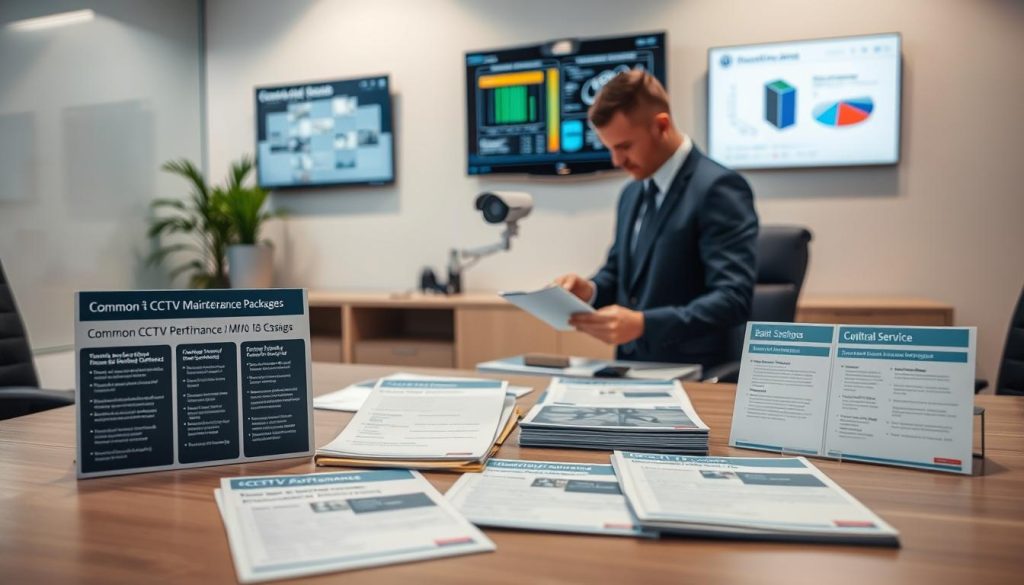
Most companies design packages around camera quantity, visit frequency, and included tasks. Understanding these tiers helps you select the right balance of protection and expense.
Basic Care Packages: Essentials on a Budget
Entry-level plans focus on fundamental preventive actions. They typically cost between SGD 200 and SGD 500 per year.
These packages include scheduled inspections, usually quarterly or bi-annually. A technician performs visual checks of all cameras and recording equipment.
Essential cleaning of camera lenses and housings is a core component. This removes dust and debris that degrade image quality.
Basic firmware updates are often applied during visits. These address security vulnerabilities and improve system stability.
Fundamental diagnostic checks verify power connections and cable integrity. The technician ensures all parts are physically secure and functioning.
What’s typically excluded? Emergency repairs usually incur additional charges. Component replacement costs are separate from the annual fee.
Advanced software troubleshooting or network configuration may not be covered. These plans suit properties with low-risk profiles and simple setups.
Comprehensive Service Plans: All-Inclusive Protection
Premium packages deliver complete peace of mind for critical security operations. Annual costs range from SGD 1,000 to SGD 2,500.
These plans feature increased visit frequency, often monthly or bi-monthly. Remote monitoring services provide constant system health assessment.
Guaranteed emergency response is a key inclusion. Providers commit to specific timeframes for urgent repairs.
Advanced diagnostics go beyond basic inspections. Technicians perform detailed performance analysis and generate comprehensive reports.
Some comprehensive packages include replacement coverage for worn equipment. This protects against sudden failures of essential components.
Security consultations help optimize your surveillance strategy. Experts recommend adjustments based on changing property needs.
Priority scheduling ensures your visits happen at convenient times. You receive faster attention than clients with basic agreements.
Packages are commonly structured around camera counts. A Silver plan for four cameras might cost SGD 500 annually with monthly check-ups.
Gold tier for eight cameras could be SGD 900 per year with bi-monthly technician visits. Platinum coverage for sixteen cameras often reaches SGD 1,500 annually.
This tier includes quarterly comprehensive inspections and potential equipment replacement. Larger systems with thirty-two cameras require custom quotes.
The cost-to-value ratio varies significantly between levels. Basic packages offer good preventive care for residential properties.
Standard plans provide better value for small businesses needing regular attention. Comprehensive services justify their higher costs for mission-critical commercial operations.
Evaluate package details beyond just price. Compare guaranteed response times for different issue severities.
Review what diagnostic tools and reporting standards each tier includes. Check whether remote support is available outside scheduled visits.
Package selection should align with your system’s criticality. High-security environments need the rapid response of premium plans.
Properties with valuable assets or compliance requirements benefit from all-inclusive coverage. Lower-risk homes can often manage with essential maintenance.
Many providers will negotiate custom packages for unique configurations. Mixed technology systems or multiple locations may need tailored solutions.
Discuss your specific surveillance needs during consultations. Reputable companies can adjust standard offerings to match your security profile.
Always request written details of exactly what each package includes. Clear documentation prevents misunderstandings about service scope and additional charges.
How to Choose the Right CCTV Maintenance Plan for Your Needs
Selecting the optimal care program for your surveillance setup requires a structured evaluation. You must balance your operational demands with your financial constraints.
A methodical approach prevents overspending on unnecessary features. It also ensures your property receives adequate protection.
This process involves two key phases. First, conduct an internal audit of your current setup and future requirements. Second, compare external providers based on their capabilities and contract terms.
Assessing Your System and Security Requirements
Begin with a thorough inventory of your existing equipment. List every camera, recorder, and storage device by model and age.
Note any recurring issues like poor image quality or intermittent failures. This history highlights components needing extra attention.
Evaluate your property’s specific security needs. A retail store with high-value inventory has different priorities than a suburban home.
Consider your operational environment. Outdoor cameras in Singapore’s humid climate need more frequent checks than indoor units.
Determine the appropriate service frequency. Continuous 24/7 operations demand monthly inspections.
Intermittent residential use may only need quarterly visits. This decision directly impacts your annual costs.
Factor in your technical capacity. Do you have staff who can perform basic troubleshooting? If not, a more comprehensive plan is wise.
Review any legal or insurance obligations. Certain businesses must maintain footage for regulatory compliance. Your maintenance must support these rules.
Budget realistically. Industry guidelines suggest allocating 10% to 20% of your original installation price for annual upkeep. This covers professional services and parts.
Evaluating Service Providers and Contract Terms
Once you understand your needs, scrutinize potential partners. Look for providers with solid reputations and relevant experience.
Check for industry certifications and local accreditations. Awards from Enterprise Singapore or CaseTrust status signal reliability.
Examine their portfolio for projects similar to yours. A company specializing in large commercial systems might not suit a small apartment.
Request and contact references. Ask about their responsiveness and the quality of repairs.
Scrutinize the Service Level Agreement (SLA) details. Guaranteed response times for emergency calls are critical.
Compare coverage hours. Does support include nights, weekends, and public holidays? This is vital for always-on operations.
Understand the escalation procedures. Know who to contact if a standard service visit fails to resolve a problem.
Analyze the financial terms clearly. Look beyond the monthly fee. Identify any hidden charges for parts, travel, or after-hours work.
Ask specific questions about their operations. What qualifications do their technicians hold? How do they source replacement components?
Local knowledge is invaluable in Singapore. Providers must understand regulations on video evidence. They should also know how the tropical environment affects equipment.
Examine the warranty offers and upgrade options. Some premium plans include one-to-one equipment replacement. Others offer hardware upgrade paths.
Package tiers like Silver, Gold, and Platinum offer different visit frequencies. Some provide up to 25 visits per year with extended warranties.
Your final decision should balance three elements: cost, coverage scope, and provider quality. The cheapest plan often lacks critical support.
The most expensive option might include features you will never use. Aim for a tailored agreement that matches your unique surveillance profile.
This framework leads to a confident, informed choice. It protects your investment and ensures long-term operational peace of mind.
Selecting a Reputable CCTV Maintenance Provider in Singapore
Not all surveillance maintenance companies offer the same level of expertise and responsiveness needed in Singapore. Your choice directly impacts system reliability and long-term security effectiveness.
Vetting potential partners requires examining both their formal qualifications and practical experience. This due diligence ensures your investment receives proper care.
Credentials and Experience to Look For
Begin with official certifications. Reputable providers hold licenses and accreditations like CaseTrust status or Enterprise Singapore awards.
These markers indicate adherence to business ethics and quality standards. They offer assurance of professional conduct.
Technical experience with specific brands matters greatly. Ask about their work with your camera models and recorder types.
Providers familiar with your equipment diagnose problems faster. They also source genuine replacement parts more efficiently.
Evaluate their expertise through practical questions. Inquire about common failures in Singapore’s climate and their solutions.
Discuss typical response times for various emergency situations. A competent company will provide clear, confident answers.
Transparent pricing structures prevent unpleasant surprises. Request detailed quotes listing all potential charges.
Look for fixed fees for standard visits and clear rates for parts. Avoid providers with vague estimates or hidden costs.
Assess reliability through verifiable references. Contact past clients with similar security setups.
Check online reviews across multiple platforms. Consistent positive feedback indicates dependable service quality.
Consider companies offering both installation and upkeep. This continuity ensures better system understanding.
Technicians who installed your setup know its unique configuration. They can provide more coherent long-term support.
The Importance of Local Knowledge and Responsive Support
Singapore’s unique environment demands specialized understanding. Humidity, rainfall, and heat affect surveillance equipment differently here.
Providers must know how to weatherproof connections and prevent moisture damage. This local insight prevents common climate-related failures.
Regulatory compliance is non-negotiable. Your provider should understand Singapore’s surveillance laws thoroughly.
This includes 31-day minimum data retention rules. Employee notification requirements and proper signage placement also matter.
Responsive support means guaranteed response times. Look for specific commitments in service level agreements.
Multiple contact channels ensure accessibility. Phone, email, and live chat options provide convenience.
24/7 availability is crucial for businesses operating outside standard hours. Emergency repairs cannot wait for morning office openings.
Detailed service reporting demonstrates professionalism. Each visit should generate documentation of tasks performed.
These records help track equipment health over time. They also provide evidence for warranty claims or insurance purposes.
Watch for warning signs during evaluations. Vague answers about qualifications or experience should raise concerns.
Unwillingness to provide references is another red flag. Overly aggressive sales tactics often mask service deficiencies.
Providers suggesting unnecessary frequent visits might prioritize revenue over your needs. Trustworthy companies recommend appropriate schedules.
Your final selection should balance credentials with practical capabilities. The right partner becomes an extension of your security team.
They ensure your surveillance investment delivers consistent protection year after year.
The Tangible Benefits of Investing in Professional CCTV Maintenance
The value proposition of systematic surveillance care encompasses operational, financial, and legal advantages. These concrete returns justify the ongoing investment in professional servicing.
Structured upkeep transforms security hardware from a passive installation into an active defense layer. It delivers measurable improvements across multiple dimensions of property protection.
Maximizing System Uptime and Preventing Costly Failures
Consistent operational reliability is the foremost benefit of professional attention. Scheduled inspections and cleaning prevent unexpected failures that leave properties vulnerable.
Studies show regular maintenance reduces camera downtime by up to 30%. This ensures continuous security coverage without dangerous gaps in monitoring.
The financial savings are substantial. Emergency repairs typically cost 200-300% more than preventive service visits.
Proactive care extends equipment replacement cycles significantly. Components last up to 50% longer with proper upkeep.
False alarm reductions of 20% mean less wasted security response time. Data loss risk drops by up to 70% with regular storage checks.
Ensuring Legal Compliance and High-Quality Evidence
Singapore’s regulatory landscape demands specific surveillance standards. Professional servicing ensures your setup meets all legal requirements.
The Personal Data Protection Act (PDPA) governs video monitoring. Proper maintenance maintains compliance with data retention and access rules.
Many businesses must keep footage for at least 31 days. Regular system checks verify recording integrity and storage capacity.
High-quality evidence requires clear, timestamped footage. Professional cleaning and calibration improve video quality by up to 40%.
This clarity is crucial for identification purposes. It ensures recordings hold up in legal proceedings or insurance claims.
Documentation from service visits provides audit trails. These records demonstrate due diligence in security management.
Extending the Lifespan of Your Security Investment
Capital protection is a key advantage of structured care. Your initial security investment delivers maximum return over its full lifespan.
Regular software updates address vulnerabilities and improve functionality. These patches keep your system current with technological advancements.
Early problem detection prevents minor issues from becoming major failures. Technicians identify worn parts before they cause system-wide problems.
Optimal performance maintains the crime deterrent effect. Visible, functioning cameras signal active security monitoring.
Insurance providers often recognize professional maintenance programs. Proper documentation can support claims and potentially lower premiums.
Having a security partner who understands your total environment offers strategic benefits. They provide insights beyond basic equipment repairs.
This partnership allows for proactive security planning. Recommendations can adapt your surveillance to changing property needs.
Peace of mind represents the ultimate return on investment. Knowing your security systems are professionally maintained provides confidence.
Property owners sleep better understanding their visual protection layer functions reliably. This assurance justifies the ongoing commitment to quality care.
A comprehensive plan transforms security from an expense into a value-generating asset. It protects people, property, and operational continuity.
Securing Your Investment: The Final Word on CCTV Maintenance
The true value of surveillance emerges not from purchase but from consistent, professional attention over time. Regular upkeep is fundamental for any security setup in Singapore’s unique climate.
This ongoing care prevents costly failures and extends equipment lifespan. It transforms your security from an expense into a reliable asset.
Firmware updates and hardware checks keep systems performing optimally. A proper maintenance plan saves money while ensuring properties remain protected.
For tailored solutions, contact Wen Hong at +65 60135960 or ED Viston at +65 8313 4578. Professional services deliver the peace of mind every property deserves.
FAQ
What is the average annual cost for maintaining a CCTV system?
Annual maintenance costs vary widely based on your setup. For a standard residential security system with a few cameras, expect to budget between 0 to 0 per year. Commercial surveillance systems with more cameras and complex needs can range from 0 to ,000+ annually. These fees typically cover regular maintenance visits, cleaning, and basic troubleshooting.
What does a standard CCTV maintenance service visit include?
A standard service visit is a proactive check-up. A technician will physically clean all camera lenses and housings, verify recording functionality and storage capacity, inspect cables and connections for damage, update system software or firmware, and test all camera angles and night vision. This preventive maintenance helps catch small problems early before they lead to a full system failure.
Is a maintenance contract necessary, or can I pay per service?
Both options exist. Maintenance contracts offer predictability, often at a lower per-visit cost, and include scheduled inspections and priority emergency response. Paying per service provides flexibility for smaller systems or budgets. For businesses where uptime is critical, a contract with a service level agreement (SLA) is strongly recommended to ensure fast repairs and consistent upkeep.
How often should my CCTV system be professionally serviced?
Most security experts recommend professional maintenance services at least twice a year. High-traffic commercial sites or systems in harsh environments may need quarterly visits. Between professional checks, you should perform visual inspections to ensure cameras are unobstructed and review recorded footage weekly to verify equipment is functioning.
What are the risks of skipping professional CCTV maintenance?
Neglecting regular maintenance significantly increases the risk of system failure when you need it most. Dirt on lenses ruins footage, outdated software creates security holes, and undetected hardware issues can lead to complete data loss. Without checks, you may not discover problems until reviewing footage after an incident, by which time the evidence is gone. This compromises your entire security investment.
What should I look for when choosing a CCTV maintenance provider?
Select a provider with proven experience with your camera brand and system type. Check for proper licenses and insurance. Look for local knowledge of Singapore’s climate and infrastructure. Ask about their response time for emergency repairs and review sample service level agreements. A reputable company like CCTV Singapore will offer transparent costs and detailed service reports after each visit.


