
Solar Security Camera with Cellular | Singapore Guide
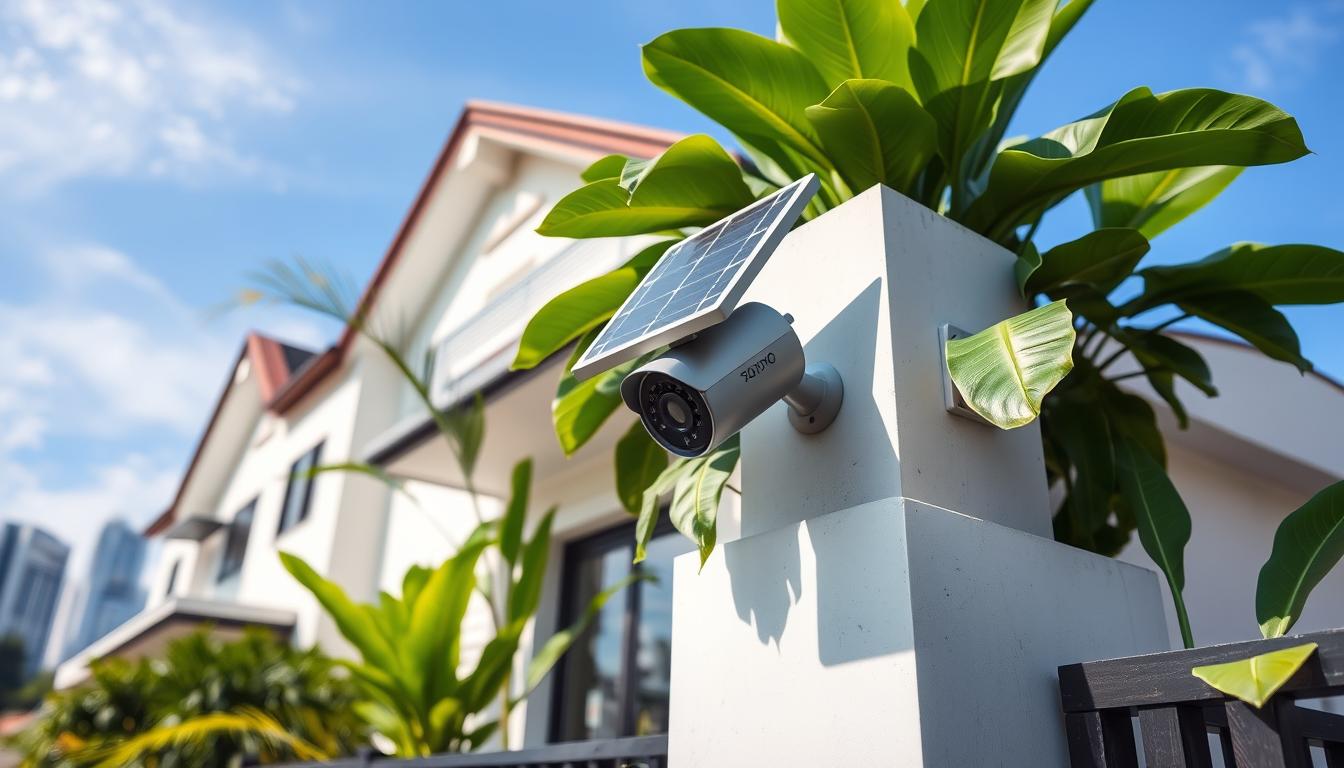
Solar security cameras with cellular tech are changing how we watch over our homes and businesses in Singapore. The country gets a lot of sun, making solar power a great choice for security. These cameras use the sun’s energy and save money over time.
They are good for the planet too. This guide will help you pick the best solar security camera system. It’s all about keeping you safe and worry-free.
Key Takeaways
- Solar-powered security cameras can run for up to 7 days without sunlight.
- They have an average rating of 4.4 out of 5 stars on Amazon.sg.
- 80% of security systems now use solar power, showing it’s popular.
- It’s important to keep them in good shape to work well for a long time.
- These cameras cut down on utility costs a lot compared to old systems.
- For clear pictures, look for cameras with at least 4 MP resolution.
- 4G LTE lets you watch your place in real-time.
Introduction to Solar Powered Security Cameras
In today’s world, security is a top priority. The solar powered surveillance system is a new way to keep an eye on things. It uses solar energy to work well, even in places far from power lines. This is great in Singapore, where the weather can change a lot.
Solar security cameras with cellular features make things even better. They have SIM cards, so you can watch live footage from anywhere. This makes keeping an eye on things much easier. Plus, they can last up to three years without needing battery changes.
Solar cameras work well in temperatures from -10°C to 55°C. They need at least six hours of sunlight a day to work best. Even on cloudy days, they can catch some sunlight, which is a big plus in places with changing weather.
Things like high-definition video and battery life are important. For example, the S1-WIFI Solar Security Camera has a 5W solar panel and a 15000mAh battery. This shows how technology and green living can go together. Many brands, like Hikvision and Reolink, have been tested a lot, proving they are reliable.
More and more people want to save energy and be kind to the planet. Solar powered security systems are a good choice. They help lower electricity bills and reduce carbon emissions. Using a solar security camera with cellular technology improves security and helps the environment.
Understanding the Benefits of Using Solar Security Cameras
Solar security cameras are great for homes and businesses. They use the sun’s energy, making them good for the planet. This means they cut down on electricity costs and help the environment.
Setting up solar cameras is easy. You don’t need to deal with complicated wiring or plugs. This makes them a smart choice for places where it’s hard to run power lines. Plus, they need little to no upkeep.
Today’s solar cameras can connect to the internet via 4G LTE. This lets you keep an eye on your place anytime, anywhere. It also means you can act fast if something looks off.
While solar cameras might cost more upfront, they save money in the long run. As you use more solar power, your bills go down. This makes them a smart financial choice.
Weather can affect how well solar cameras work. But, they usually have batteries to keep going on cloudy days or at night. They also have features like motion detection to cut down on false alarms. This helps you focus on real security issues.
| Benefit | Description |
|---|---|
| Eco-Friendly | Utilizes renewable solar energy, reducing carbon footprint. |
| Cost-Effective | Long-term savings on energy bills despite higher initial costs. |
| Easy Installation | No wiring or plugs needed, simplifying setup. |
| 4G Connectivity | Provides uninterrupted monitoring and real-time alerts. |
| Remote Monitoring | Enhances quick response to security concerns. |
| Reliability | Can function effectively in various weather conditions. |
Solar Security Camera with Cellular: What You Need to Know
Solar security cameras with cellular tech work well without needing a wired internet. They’re perfect for places far from the city where internet is hard to find. These systems use 4G LTE to send data, keeping video quality high, even in tough spots.
To start with a cellular security camera, you need to know how they work. They use a SIM card to connect to the internet. This lets you watch your place in real-time, making you feel safer. But, Wi-Fi cameras might have better video, but they need a strong internet connection.
Choosing between solar and Wi-Fi cameras depends on what you need. 4G cameras might cost more because you need a data plan. But, Wi-Fi cameras could save money if you have good Wi-Fi.
Setting up 4G solar CCTV cameras is easy and quick. But, make sure your place has a strong Wi-Fi signal. Knowing what your place needs helps pick the right camera for you.
Top Features of a Solar Powered Security Camera
Choosing the right outdoor wireless security camera is key. Knowing its main features can make a big difference. Here are the top things to look for:
- High-Resolution Video Quality: Cameras should have at least 1080p resolution for clear footage.
- Motion Activated Camera: This saves battery by recording only when there’s movement, making storage more efficient.
- Weatherproof Design: Cameras must handle tough weather to work well all year.
- Long Battery Life: Good batteries or power-saving tech are vital, lasting more than a week usually.
- Advanced Image Sensors: Newer models have better sensors for clear images, even in the dark.
- Wireless Connectivity: Being able to connect via Wi-Fi or cell networks lets you place cameras anywhere.
- Live Viewing and Playback: Watch live or recorded footage through apps or software, making monitoring easier.
- PIR Sensor Adjustability: Adjusting the PIR sensor helps track different types of movement better.
- Storage Options: Having both cloud and local storage options gives you flexibility and security for your videos.
- Infrared Illumination: Most cameras come with infrared, letting you see in the dark for constant monitoring.
Choosing the Right Solar Security Camera for Your Needs
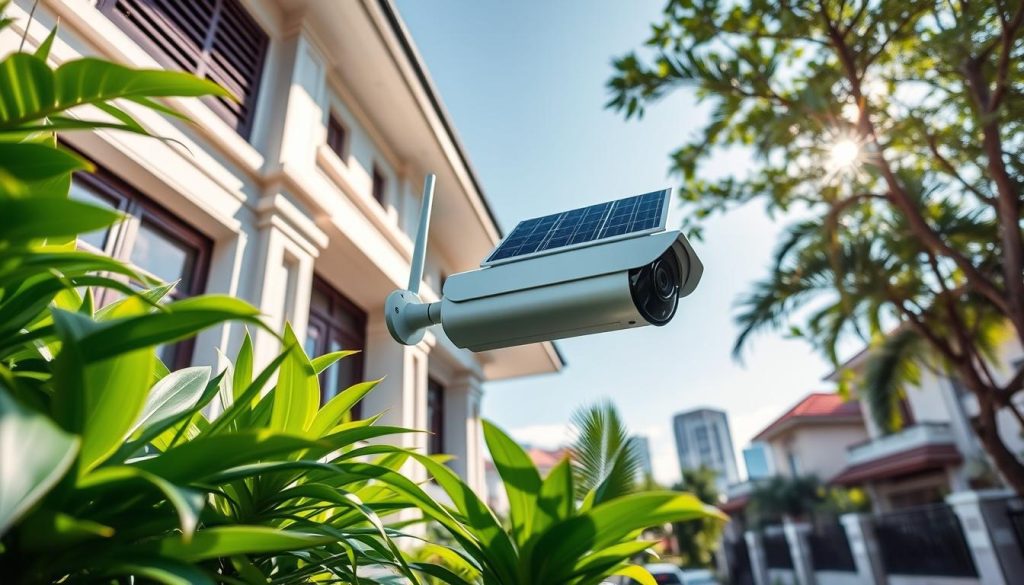
Choosing the right solar security camera is important. First, think about what you need to watch. Look at the battery life, video quality, and how well it stands up to bad weather.
It’s key to know the different types of solar security cameras. There are mainly three:
- Solar Powered WiFi Cameras: Easy to set up, they don’t need complicated wiring. They’re perfect for cities with good WiFi.
- Solar 4G Security Cameras: They work without WiFi, great for places far from cities, like farms or forests.
- Wireless Outdoor Security Cameras: Simple to install and move around, they’re good for many outdoor uses.
When picking a solar camera, think about these things:
| Feature | Considerations |
|---|---|
| Battery technology | Lithium-ion batteries last longer, keeping your camera working even in bad weather. |
| Video resolution | Choices range from 1080p to 4K; higher means clearer pictures. |
| Weather resistance | Choose cameras rated at least IP66 or higher for lasting against weather. |
| Surveillance features | Important features include motion detection, night vision, and two-way audio. |
The amount of sunlight in your area affects the solar panel power needed. Keeping your panels clean can boost their performance by 15-20%, making sure they work well.
Solar security cameras are becoming more popular because they’re good for the planet. They work well and are a smart choice for keeping things safe.
Installation Guide for Solar Panel Security Cameras
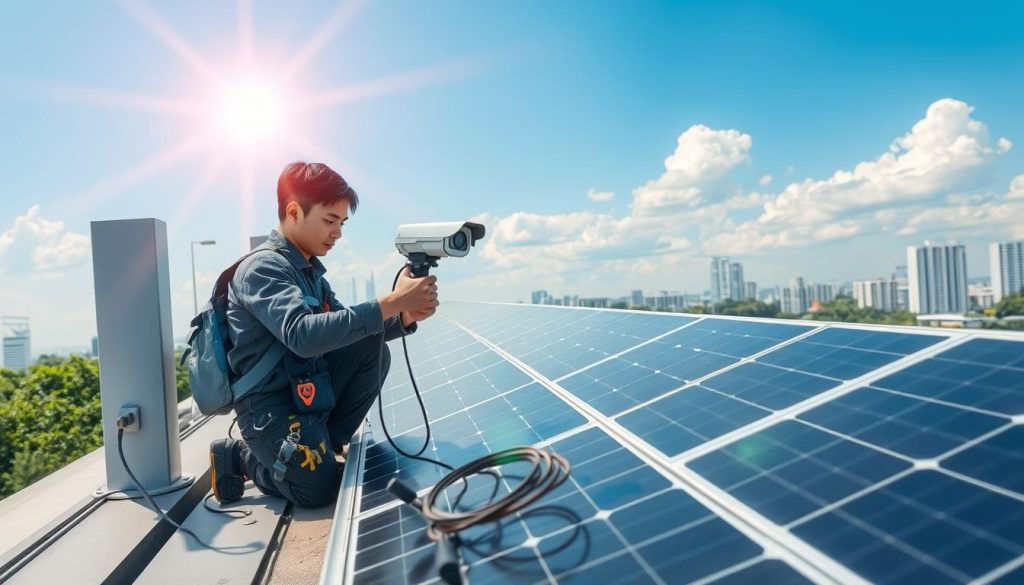
Setting up outdoor cellular surveillance cameras needs a careful plan for the best results. Start by picking a spot that gets lots of sunlight. The solar panel’s power is key, as it runs the camera with sunlight. Make sure the camera is securely attached to a strong surface. Always follow the maker’s instructions to avoid problems.
Today’s cameras come with easy setups. They have solar panels, controllers, and batteries all in one. This makes it easy for anyone to install them without needing a pro. You won’t need to do a lot of wiring or digging, so costs stay low and upkeep is simple.
Use the right tools like drills, screwdrivers, and ladders for the job. Make sure the camera and solar panel are well-attached. The camera should be between 8 and 10 feet off the ground. Keep the solar panel at an angle of 30 to 45 degrees to catch the most sunlight.
Before you’re done, test the camera to make sure it works. Check that it connects to the app, which is key for managing your security. Keeping the solar panels clean will also help them work better. By following these steps, you can set up your solar security system easily and enjoy its benefits.
| Installation Step | Details |
|---|---|
| Select Location | Find an area with ample direct sunlight for optimal energy output. |
| Mount the Camera | Ensure a stable mounting surface, preferably at a height of 8 to 10 feet. |
| Angle Adjustment | Position the solar panel at 30-45 degrees for maximum sunlight absorption. |
| Connect Components | Follow the manufacturer’s guidelines for securing the solar panel to the camera. |
| Test the Setup | Verify camera functionality and connectivity to the monitoring app. |
| Regular Maintenance | Clean solar panels and check for blockages that may impact performance. |
Best Practices for Maintaining Your Solar Surveillance Camera
Keeping your solar powered surveillance system in top shape is key. Regular maintenance of solar security cameras is vital. It ensures your system works well and lasts longer.
Cleaning the solar panels often is a must. Dirty panels can cut down on efficiency. Make sure the mounting hardware is weatherproof to avoid rust and damage.
Check the camera parts regularly. This helps catch any problems early, saving you from expensive fixes later.
Batteries can be affected by extreme weather. Choose batteries that work well in different temperatures. This keeps your system stable and running smoothly.
Use insulation or weatherproof covers in harsh climates. This helps prevent connectivity issues.
A good maintenance plan should include:
| Maintenance Task | Frequency | Purpose |
|---|---|---|
| Clean solar panels | Monthly | Ensure efficiency |
| Inspect battery health | Every 3 months | Optimize performance |
| Check camera components | Every 6 months | Prevent major failures |
| Consult a professional | Annually | Comprehensive system check |
| Update firmware | As needed | Enhance features |
Experts say get professional help at least twice a year. This is more important for systems in tough environments. Following these steps can cut down on system failures by 30%.
Regular checks save money and make your system last longer. For more tips, check out professional maintenance services.
Comparing Solar Cellular Cameras with Traditional Security Systems
When looking at security options, solar cameras have big benefits over old wired systems. Old IPC cameras have been around for decades and need lots of cables for setup, which costs a lot. Each one also needs its own power source, which means ongoing costs from using electricity all the time.
Solar cameras make setup easy, taking just minutes. They can go anywhere, even places without electricity. This is great for sites like construction areas and nature reserves.
Solar cameras work on their own, using the sun for power. They have batteries that last for days, keeping watch even when it’s cloudy. This is a big plus compared to old systems that stop working when the power goes out.
Costs are also lower with solar cameras. They use very little energy, saving money over time. Old systems use a lot of electricity, making them more expensive to run.
Plus, solar cameras are good for the planet and your wallet. They cost less upfront because they’re easier to install. Companies like LVT and LS Vision make solar models for big projects and homes.
But, solar cameras have some downsides. They might not work as well in bad weather, and battery issues can cause downtime. Yet, solar cameras are becoming more popular for their flexibility and reliability in different settings.
Real-Time Monitoring with Cellular Connectivity
Cellular technology makes solar security cameras into real-time surveillance systems. Cameras like the Reolink Go use 4G LTE and 3G networks for mobile HD video. This means no need for WiFi or electrical outlets, perfect for many places.
The Reolink Go has a 1080p Full HD video resolution. It captures images at 15 frames per second. Its wide 110° viewing angle reduces blind spots.
It also has night vision for seeing up to 33 feet (10 meters) in the dark. The PIR motion sensor detects activity up to 10 meters away. Users get alerts for suspicious movements, helping them act fast.
With two-way audio, talking back and forth is easy. This makes communication during surveillance better. The camera’s 4G LTE connection is faster than 3G. It’s also solar-powered, working well in all weather and being eco-friendly.
Popular Brands of Solar Security Cameras in Singapore
Singapore’s sunny weather makes it perfect for solar security cameras. Many brands are popular here, each with special features. Knowing these brands helps you pick the best outdoor wireless security camera.
Dahua’s Imou Cruiser 4G Pan-Tilt Camera is a top choice. It has 1080P Full HD and can be controlled remotely. The Reolink Go is also popular for its night vision and two-way audio.
Hikvision cameras can work for up to seven days without sunlight. Their ColorVu technology ensures clear color images day and night. This makes them great for constant outdoor monitoring.
Xiaomi offers affordable cameras with lots of features. LS Vision is known for easy setup and wireless options. These are great for those who want efficiency without spending a lot.
| Brand | Model | Features | Price Range (SGD) |
|---|---|---|---|
| Dahua | Imou Cruiser 4G | 1080P Full HD, Pan-Tilt | 150 – 300 |
| Reolink | Go | Starlight Night Vision, Two-Way Audio | 150 – 300 |
| Hikvision | ColorVu 4MP | High-Quality Color Images, 7-Day Battery | 300 – 600 |
| Wyze | Cam Outdoor v2 | Entry Level, Reliable Performance | 50 – 150 |
| Xiaomi | N/A | Budget-Friendly High Functionality | Under 150 |
The demand for solar CCTV cameras is growing in 2023. These cameras are eco-friendly and reliable. They have smart motion detection, are weather-resistant, and have long battery life. They’re perfect for homes and businesses.
Cost-Effectiveness of Solar Security Camera Solutions
Getting a solar security camera with cellular might seem pricey at first. But, the long-term savings are huge. Solar tech can cut energy costs by up to 75%, making security cheaper over time.
Solar panels turn sunlight into power, cutting down on electricity bills. This also means less harm to the environment. It’s a win-win for your wallet and the planet.
Cameras like the Arlo Pro 4 and Reolink Argus Pro 4 come with cool features. They offer top-notch video and long battery life. The Arlo Pro 4 lasts up to six months, and the Reolink up to three.
These cameras need little upkeep, saving you money and time. Plus, setting them up is easy and cheap, about 70% less than old CCTV systems.
In Singapore, you can get great deals on these systems. This makes them even more affordable. By going solar, you save money and help the environment. For more info, call Wen Hong at +65 6013 5960.
FAQ
What is a solar security camera with cellular connectivity?
A solar security camera with cellular connectivity uses the sun for power. It also sends data over cellular networks like 4G LTE. This means you can watch it from anywhere without needing a power outlet or internet cable.
How does the solar-powered surveillance system work?
Solar-powered systems use solar panels to turn sunlight into energy. This lets cameras work even where there’s no electricity. They also have batteries to keep working when it’s not sunny.
Can solar security cameras work effectively in cloudy weather?
Yes, solar security cameras work well in cloudy weather. They have batteries that store energy from sunny days. This lets them keep working even when it’s cloudy.
What features should I look for in an outdoor wireless security camera?
Look for cameras with high-quality video (1080p or better), motion detection, and night vision. They should also be weatherproof and offer cloud storage for your recordings.
Are cellular security camera systems suitable for home security?
Yes, they’re great for home security. They stream video reliably and send alerts when they detect activity. This makes them perfect for keeping an eye on your home from anywhere.
How do I install a solar panel security camera?
To install a solar panel camera, pick a spot that gets a lot of sunlight. Mount the camera securely and connect the solar panel as the maker says. After setting it up, check that it’s working right.
What are the maintenance requirements for solar-powered surveillance systems?
Keep your system running well by cleaning the camera and solar panels regularly. Also, check the battery and update the software to keep everything working smoothly.
What are the advantages of using cellular solar security cameras?
Cellular solar cameras are easy to set up and don’t need a lot of wiring. They use the sun for power, saving you money. Plus, you can watch them live on your phone, making them a smart choice for security.
How does real-time monitoring work with cellular security cameras?
Real-time monitoring lets you see what’s happening live on your phone. You get alerts when the camera sees motion. This way, you can keep an eye on things from anywhere.
Which brands are leading in the solar security camera market?
Dahua, Reolink, and Hikvision are at the top of the solar camera market. They offer many models with features for different needs.
Are solar security cameras worth the investment?
Yes, they might cost more upfront than other systems. But they save you money in the long run. They use the sun for power and need less upkeep, making them a smart choice for watching over your place.
Source Links
- https://wenhong.com.sg/4g-lte-solar-security-camera/
- https://cctvmaintenance.com.sg/solar-powered-security-camera-with-sim-card-in-sg/
- https://wenhong.com.sg/solar-powered-security-camera-with-sim-card-singapore/
- https://wenhong.com.sg/wireless-security-cameras-with-solar-panel/
- https://www.edviston.com/solar-lte-security-camera/
- https://www.lsvisionsolar.com/an-overview-of-solar-powered-cctv-cameras-and-working-environment/
- https://bokysee.com/why-choose-4g-solar-powered-camera-home-security/
- https://www.guardtech.com.au/blog/pros-and-cons-of-using-solar-cctv-cameras/
- https://www.lsvisionsolar.com/4g-solar-cctv-camera-vs-solar-wifi-cameras-differences/
- https://www.amazon.sg/Cellular-Security-Internet-Wireless-Detection/dp/B0CBPSJBVG
- https://sirixmonitoring.com/blog/best-solar-powered-security-camera/
- https://www.lsvisionsolar.com/why-use-4g-and-wifi-solar-powered-security-camera/
- https://www.lsvisionhd.com/how-to-choose-a-suitable-solar-camera/
- https://cctvmaintenance.com.sg/top-solar-security-cameras-for-safety-in-singapore/
- https://as2.ae/security-solar-camera-buying-guide/?srsltid=AfmBOooZYQMm9NaufsExoVqVZgo8cAl6GBY23PeNIt4lDB48YiVka2JF
- https://www.lsvisionsolar.com/how-to-install-unplugged-4g-wireless-remote-solar-surveillance-camera/
- https://www.hikvision.com/sg/products/IP-Products/Network-Cameras/solar-powered-security-camera-setup/
- https://anran-cctv.com/blogs/news/solar-security-camera-installation-guide?srsltid=AfmBOoruQJMRnhJ0MLglI7z7M525OCdXHxiZ6fRe0IeSdqm49rmBYF3j
- https://www.vikylin.com/protect-solar-powered-security-camera/?srsltid=AfmBOoqGYp58J-YjxOmeJGE3QJxbdd3HdOL1hg_BCKHz8zMbFKZWQ405
- https://cctvmaintenance.com.sg/types-of-maintenance-of-cctv-in-singapore-explained/
- https://www.lsvisionsolar.com/the-difference-between-traditional-ipc-cameras-and-solar-cameras/
- https://www.lvt.com/blog/comparing-solar-powered-security-units-traditional-security-systems
- https://reolink.com/product/reolink-go/?srsltid=AfmBOooiZDdOpJeo8BQ4UMdjW1Cy762TSfhoDJdLOh9u7NP9H3n5-Y6T
- https://cancomsecurity.com/solar-cellular-camera/
- https://loyalty-secu.com/products/outdoor-3g-4g-lte-cellular-solar-powered-ptz-security-camera/
- https://wenhong.com.sg/4g-solar-cctv-camera/
- https://cctvmaintenance.com.sg/best-wireless-solar-security-cameras-for-singapore-homes/
- https://www.edviston.com/security-solar-camera/
- https://wenhong.com.sg/solar-powered-4g-security-camera/
- https://ucocare.net/blogs/blog/the-pros-and-cons-of-solar-security-cameras
- https://www.lsvisionhd.com/the-energy-saving-and-environmental-friendly-advantages-of-ls-vision-solar-cameras-and-their-social-significance/


