
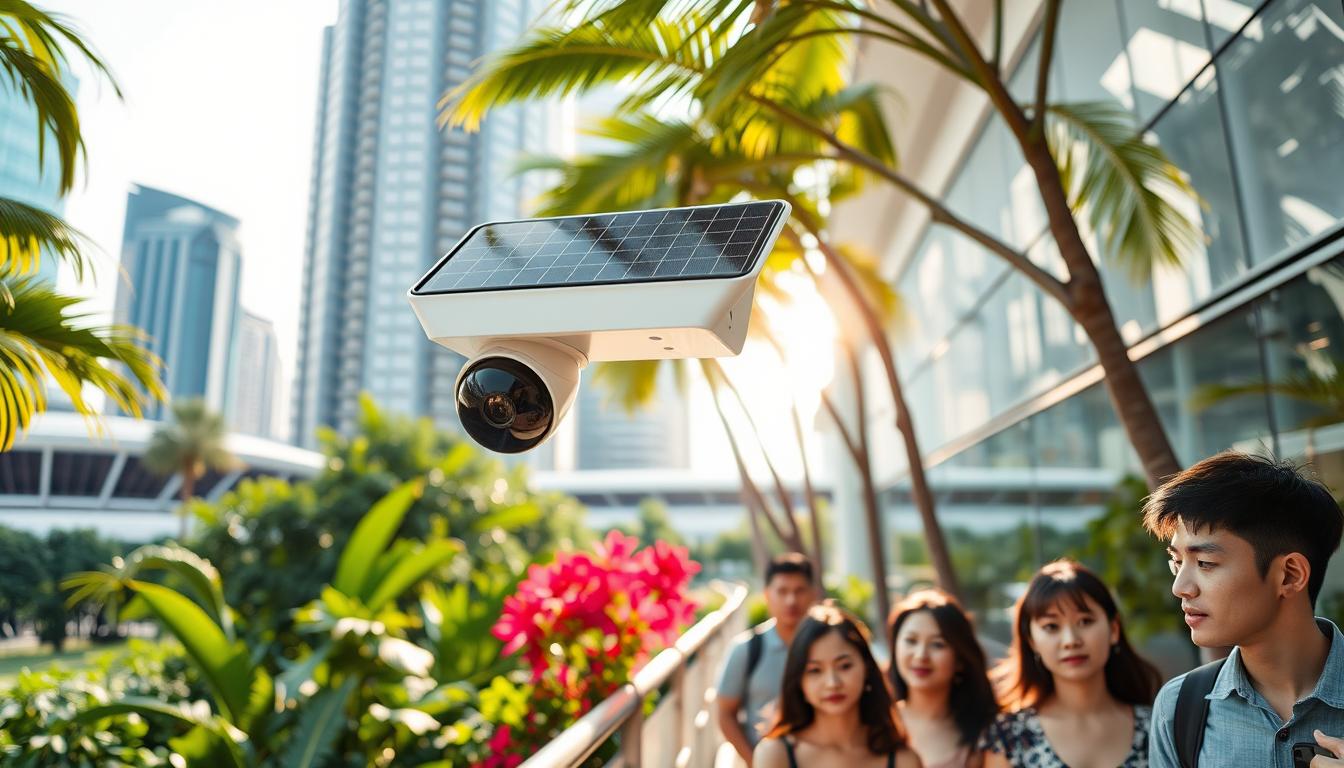
Solar Powered LTE Security Camera: Singapore Guide
In recent years, the need for solar powered LTE security cameras has grown. This is true in Singapore, where safety and theft concerns are high. The city-state gets over 2,500 hours of sunshine a year, perfect for solar cameras.
These cameras use solar energy to boost home security. They are great for homes and businesses. Modern models, like those with 4G LTE, let you watch live footage anywhere, thanks to SIM cards.
This guide will dive into the features and benefits of solar powered LTE security cameras in Singapore. It will help you make a smart choice for your safety needs. Knowing about these advanced cameras can greatly improve your security and peace of mind.
Key Takeaways
- Solar powered LTE security cameras combine renewable energy with advanced surveillance features.
- Singapore’s climate is ideal for solar-powered security solutions.
- These cameras offer real-time monitoring without relying on traditional power sources.
- 4G connectivity ensures alerts and surveillance from any location.
- Families and businesses can significantly reduce their energy costs by utilizing solar technology.
Introduction to Solar Powered Security Cameras
Solar powered security cameras are a big step forward in surveillance tech. They use the sun’s energy, so they don’t need electricity from the grid. This fits well with the trend of green security solutions in Singapore.
Setting up these cameras is easy, thanks to no need for complicated wiring. This makes them great for keeping an eye on things without hassle.
These cameras save money over time. They cost about $10 a month to run, which is much less than old systems. This means you use less energy from the grid, helping the planet.
Many solar cameras, like outdoor LTE models, have top-notch video quality. They can see clearly at night up to 25 meters. They also have infrared vision for up to 15 meters.
These cameras are built to last, with a rating of IP66 for water resistance. They’re light and small, making them easy to put anywhere.
Using solar cameras outdoors boosts security and helps the environment. They’re perfect for places where it’s hard to get electricity or use old monitoring systems.
Why Do We Need Solar Security Cameras?
Solar security cameras are more important than ever, thanks to Singapore’s electrical issues. They work on their own, perfect for places like construction sites or parking lots. The solar powered wireless security camera benefits let users watch over areas without the hassle of wires.
These cameras use smart sensors to detect motion, like people moving. This means fewer false alarms. They also record all the time, so you don’t need complicated systems. The Reolink Go camera gives clear 1080p images day and night, thanks to its night vision.
Using solar powered wireless security camera benefits can save a lot of money. Switching to solar can cut down on electricity costs by up to $5,000. Plus, it’s better for the environment, fitting today’s green goals.
These cameras are getting smarter, thanks to AI. They can tell the difference between people and things that don’t move. Solar security cameras last 5 to 10 years, making them a smart choice for those who want to save energy and money.
How Do Solar Security Cameras Work?
Solar security cameras use sunlight to keep working all the time. They start by turning sunlight into electricity with solar panels. This electricity is stored in batteries, so the cameras work day and night without needing regular power.
The 4G LTE technology in these cameras makes them even better. With a SIM card, you can watch your property live on your phone or tablet. This is great in places like Singapore, where the weather can change a lot and power might not always be available.
Choosing the right solar panels is important for good performance. Monocrystalline panels are the best, converting up to 25% of sunlight into electricity. A solar camera only needs about 30 minutes of direct sunlight a day to keep working well.
The battery life of solar cameras is also key. For example, the Tapo C425 has a big 10,000mAh battery that lasts up to 300 days in places with little sunlight. Most solar camera batteries can last from 1 to 6 months, even on cloudy days.
It’s important to place solar panels in the right spot to get the most sunlight. Pointing panels south helps get sunlight all year. Even though one panel can only charge one camera, using more panels can power several cameras at once.
| Camera Model | Battery Capacity | Max Charging Power | Days of Operation |
|---|---|---|---|
| Tapo C425 | 10,000mAh | N/A | Up to 300 |
| Tapo A200 | N/A | 4.5W | N/A |
In summary, knowing how solar security cameras work and the benefits of 4G LTE technology is key. It helps protect your property well and offers the latest in security solutions.
Benefits of a Solar Security Camera System
Solar security cameras offer many benefits for homeowners and those who care about the environment. They save money on electricity and are good for the planet. With over 80% of security systems now using solar power, it’s clear this is a growing trend.
These cameras work well without needing to be plugged into the grid. They’re perfect for places where it’s hard to get power. They can keep running for up to 7 days without sunlight, even in bad weather.
High-quality parts make solar cameras perform well. They have a minimum resolution of 4 MP for clear video. They also have an IP65 rating, so they can handle Singapore’s weather.
Setting up solar security cameras is easy because they don’t need wires. This makes it simple for homeowners to place them anywhere. You can also watch live footage and get alerts on your phone.
To keep them working well, just clean the solar panels and check the battery every few months. This means you can relax knowing your cameras are taking care of things when you’re not around.
| Feature | Details |
|---|---|
| Battery Capacity | Up to 15,000 mAh for extended operational periods |
| Resolution | Minimum of 4 MP for sharp video clarity |
| Power Dependency | Relies on direct sunlight for optimal functioning |
| Installation Ease | Wire-free design for simple DIY setup |
| Weather Resistance | IP65 rating for protection against dust and water |
Solar security cameras are a smart choice for today’s homeowners. They save money, are easy to use, and are good for the planet. They’re a great way to boost your security while being eco-friendly.
Key Features to Look for in a Solar Security Camera System
When picking a solar security camera system, focus on the key specs. These features will make your setup better. Here are the main things to look at:
- Video Resolution: Choose cameras with at least 1080p Full HD for sharp images. The LS VISION 4G Solar Security Camera offers up to 4K for top-notch quality.
- Night Vision: Night vision is a must for capturing footage in the dark. Look for cameras that can record in both color and black-and-white.
- Weather Resistance: Cameras with high IP ratings (like IP66) can handle tough weather. They’re perfect for outdoor use.
- Battery Life: Rechargeable lithium batteries that last weeks or months are key for reliability.
- Storage Options: Having expandable microSD cards or cloud storage is important for keeping footage safe.
- Connectivity: Make sure you can view live feeds remotely through cellular, Ethernet, or WiFi. This is great for accessing feeds on smartphones or tablets.
- Two-Way Audio: This feature lets you have live conversations through the camera’s microphones and speakers. It boosts security monitoring.
- Solar Panel Efficiency: The size and power of solar panels matter. They range from 6-8W for motion detection to 20-60W for constant recording.
Knowing these key features helps homeowners choose the right solar security cameras. This way, they can create a system that fits their needs perfectly.
Solar Powered LTE Security Camera: Enhancing Home Security
Using solar cameras to boost home security is a game-changer. These cameras work all day, every day, without needing to be plugged in. This is great for people who own many homes or travel a lot.
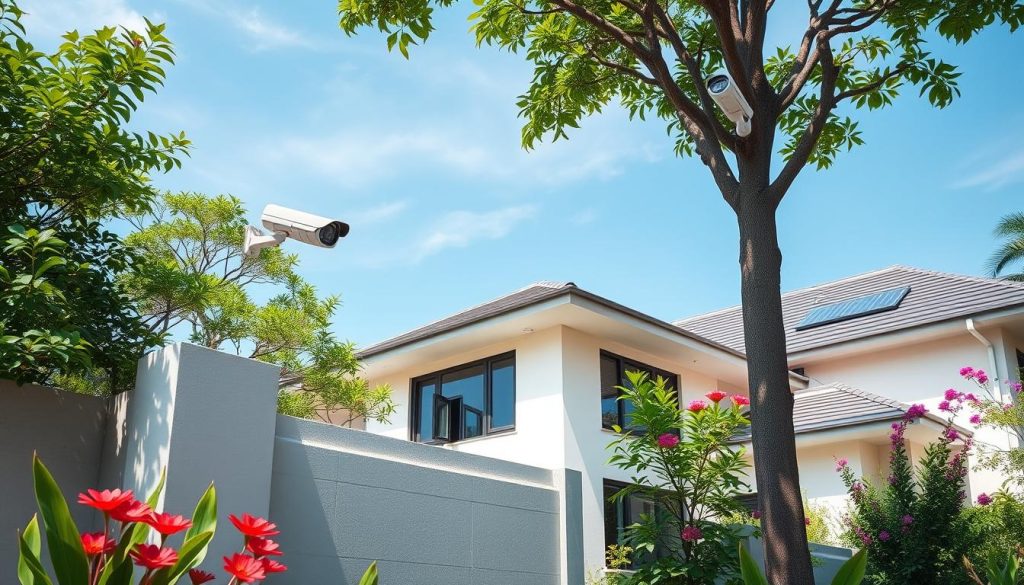
Solar-powered LTE cameras work well in many places. They don’t need electricity, which is a big plus in areas where power is not always available. They can keep watching for up to seven days without sunlight. This means they keep your place safe, even when it’s dark or rainy.
Getting these cameras can also save you a lot of money on your electricity bill. You could cut your costs by up to 90% compared to old wired systems. They use 4G and batteries, so you don’t have to worry about setting them up. Plus, they take clear pictures, day or night.
These cameras are not just for homes. They’re also great for watching over farms, festivals, and distant buildings. Their flexibility and ability to save energy make them a key part of keeping places safe and green.
Understanding 4G LTE Solar Security Camera Capabilities
4G LTE solar security cameras change how we watch over our places. They work without wires, making setup easy and quick. This is great for areas far from power or Wi-Fi.
These cameras offer live video and alerts on your phone. They use 4G LTE to stream video and send alerts. Their batteries last over a week, even when it’s dark.
They are also affordable. Data plans are cheaper than wiring costs. While Wi-Fi cameras have better video, LTE cameras are better for moving them around.
The following table presents a comparison of key features and attributes of 4G LTE solar security cameras versus traditional Wi-Fi options:
| Feature | 4G LTE Solar Cameras | Wi-Fi Solar Cameras |
|---|---|---|
| Installation | Wire-free, simple installation | Requires proximity to Wi-Fi router |
| Battery Life | Exceeds one week per charge | Varies, reliant on power source |
| Data Costs | Flexible plans starting at $4.99 | No recurring costs, uses existing internet |
| Video Quality | HD 1080p, affected by signal strength | Higher resolution due to faster speeds |
| Weatherproofing | IP66 rated for harsh conditions | Varies by model |
In Singapore, more people and businesses want green solutions. Solar-powered cameras meet this need. They have features like motion detection and can be set up to fit your needs. This tech makes security easy and effective.
Advantages of Wireless Solar Powered Security Cameras
Wireless solar powered security cameras offer many benefits for homes and businesses. They are easy to install, without the need for complex wiring or external power. This makes setting them up simple and saves money on installation costs.
These cameras run on sunlight, making them a green choice. A system with a 40W solar panel and a 15Ah battery can charge in 7.5 hours. It works for about 15 hours in bad weather. Upgrading to a 50W solar panel can extend this to 20 hours in rainy weather.
The cameras come with cool features like motion detection and real-time alerts. These features boost home security and let you keep an eye on things without using a lot of energy. They also offer 360-degree surveillance, covering all areas without missing a spot.
They use wireless communication, like 4G or WiFi, for better reliability. But, it’s important to think about how they work in cloudy weather. Also, a strong network signal is key to avoid performance issues.
In summary, wireless solar cameras are a great choice. They cut down on the need for traditional power and are good for the environment. They’re a smart pick for keeping an eye on things today.
Installation Tips for Solar Surveillance Systems
Installing solar surveillance systems needs careful planning. Choose spots that get at least 6 hours of direct sunlight a day. This ensures the system works best.
A good setup boosts camera performance and battery life. The right spot is key for clear views and easy access.
Start by mounting the solar panel securely. Make sure it faces the sun for better energy use. This can increase power by up to 20%.
Next, install the camera parts. Align them for clear views. Using wireless tech makes setup easy. Many systems send live images without complicated wiring.
- Mount cameras 8-10 feet high for better views, up to 45% more.
- Avoid spots blocked by trees or buildings.
- In changing weather, make sure the system has enough power for cloudy days.
- Check Wi-Fi for live footage access.
Modern solar cameras are easy to install. They come as one unit with panels, controllers, and batteries. This design lets you set it up yourself, perfect for many uses.
Following these tips helps your solar system work well. It keeps your area safe and running smoothly.
Maintaining Your Solar Security Camera
Keeping your solar security camera in top shape is key. Regular maintenance of solar security cameras stops problems before they start. Start by cleaning the lenses and solar panels. Dust can block sunlight and hurt charging, making the camera less effective.
Check the camera often for damage or blockages. Fixing any damage quickly keeps the camera working well. Also, update the software regularly to keep the camera running smoothly and safely.
Don’t forget about the battery. A solar camera’s battery usually lasts 1 to 3 years. Watch the battery’s health and replace it when needed. These cameras need 5 to 10 hours of sunlight to fully charge, helping them work well even when it’s cloudy.
Using tips for extending camera lifespan can really help. Make sure solar panels get plenty of sunlight to work better. Also, choose models like the EufyCam 3 Solar Panel Camera for longer battery life. It can last up to a year with constant sun.
| Model | Battery Capacity | Usage Duration on Charge | Sunlight Requirement |
|---|---|---|---|
| EufyCam 3 Solar Panel Camera | N/A | Up to 1 year | Continuous solar energy supply |
| Eufy S3 Pro Solar Security Camera | 13,000 mAh | 130 days | 50 to 100 amps per day |
| Eufy SoloCam S230 (S40) | N/A | Continuous operation | 2 hours daily |
| Ubox S10 Low Power 4G WiFi Solar Camera | 10,000 mAh | N/A | N/A |
| Eufy 4G LTE Cam S330 | 9,400 mAh | Extended use | N/A |
Weatherproof and Durable Design Considerations
When picking a solar security camera, focus on weatherproof design in solar cameras. In Singapore, humidity and rain are common. So, it’s key to choose models with high Ingress Protection (IP) ratings. These ratings show the cameras can handle dust and water well, making them durability of outdoor security cameras.
Many solar cameras are made to handle tough weather. They work well even when it’s raining or very hot. For example, a camera with a high IP66 Waterproof Rating can stand up to heavy rain and snow. This means your surveillance system keeps working, no matter the weather.
Solar cameras use less power than traditional ones, which can save you money on electricity. Some models, like the Trueview Solar CCTV Camera, aim to cut down on electricity costs. They can last up to seven days on one solar charge, giving you flexibility in where you install them.
When deciding where to put your solar cameras, pick spots that get lots of sunlight. This helps them work better. Also, check how they’re doing often to make sure they keep working in different weather. This effort helps homeowners feel safer without having to do a lot of upkeep.
Choosing the Right 4G LTE Solar Security Camera for Your Needs
Choosing the right solar LTE security camera is important. Battery life is key, with models lasting up to seven days without sunlight. This is great for cloudy days or when it’s dark for a long time.
Video quality is also important. The Reolink Go offers 1080p resolution for clear video day and night. Its starlight night vision helps see clearly even in the dark.
4G solar cameras are perfect for remote areas, up to 300 miles from power. They’re cheaper than wired systems, which can cost around $5000. Solar cameras save a lot of money.
You’ll need a SIM card and data plan, costing between $4.99 and over $100. The Reolink Go has built-in PIR sensors to cut down on false alarms. Some models also offer free cloud storage, which can lower costs.
Adding a solar panel costs about $30. It’s a small price for more independence. Make sure the 4G signal is strong where you plan to install it.
Before buying, check product ratings, warranties, and return policies. Solar cameras usually get 4.4 out of 5 stars and have a 15-day return policy on Amazon.sg.
| Camera Model | Video Quality | Battery Life | Special Features | Average Cost |
|---|---|---|---|---|
| Reolink Go | 1080p | Up to 7 days | Starlight night vision, built-in PIR | $100 |
| Other Brands | Varies | Varies | Various features | $70 – $500 |
Recommended Models and Brands in Singapore
In Singapore, many homeowners look for reliable solar-powered security cameras. Brands like Reolink and LS Vision are top choices. They are known for their efficiency and how well they handle the local weather.
The Reolink Go is famous for its great night vision and strong connectivity. LS Vision’s LS-CS9 is weatherproof, perfect for Singapore’s humid and rainy days.
The LS-4GS40-20X offers clear 5MP images and 20x zoom for better monitoring. The LS-MS1-4G Marvelous Series has dual-lens night vision for round-the-clock security.
If you’re looking for CCTV solutions, contact Wen Hong at +65 6013 5960. He can help with the latest models, special deals, and advice. Choosing the right solar cameras in Singapore can greatly improve your home’s safety and your peace of mind.
FAQ
What is a solar powered LTE security camera?
A solar powered LTE security camera is a device for outdoor use. It runs on solar energy and has LTE for wireless connection. This lets users watch live feeds anywhere, even without a power source.
How do solar powered security cameras work?
Solar powered cameras use sunlight to make electricity. This electricity is stored in batteries. So, they can work all day and night, sending data through LTE for real-time monitoring.
Are solar surveillance cameras effective in Singapore?
Yes, solar cameras are great in Singapore. They don’t need traditional power and have advanced features. Over 70% of families want better safety, and these cameras offer it.
What are the main benefits of using solar powered wireless security cameras?
Benefits include saving on electricity, being eco-friendly, and easy setup. They also work during power outages. Plus, they have features like motion detection and night vision for better security.
How do I choose the best solar security camera for my needs?
Look for cameras with high video quality, weather resistance, and good battery life. Check if they meet your needs for surveillance and the environment.
What maintenance is required for solar powered security cameras?
Keep the lenses and panels clean and check for damage. Update the software regularly. Also, check the battery health to keep the camera working well.
Can solar powered LTE cameras be used in remote locations?
Yes, they’re perfect for remote areas. They don’t need power lines or Wi-Fi. Their 4G LTE lets you stream live video and get alerts.
How do I ensure my solar surveillance camera is weatherproof?
Choose cameras with high IP ratings, like IP65 or IP66. These ratings mean they can handle dust and water. This is key for Singapore’s weather.
What are some recommended brands for solar powered security cameras in Singapore?
Reolink and LS Vision are top choices. The Reolink Go is known for its strong connection and night vision. LS Vision’s models are built to handle Singapore’s weather.
Source Links
- https://wenhong.com.sg/4g-solar-cctv-camera/
- https://choicecycle.com.sg/dahua-solar-powered-cctv-dh-sd6c3432xb/
- https://wenhong.com.sg/4g-lte-solar-security-camera/
- https://cctvmaintenance.com.sg/solar-powered-security-camera-with-sim-card-in-sg/
- https://www.edviston.com/solar-lte-security-camera/
- https://reolink.com/blog/4g-solar-security-cameras-buying-guide/?srsltid=AfmBOoo-hWhwxoWYgFbNmhwz9Pune0hvqs0VL1sEHiK5dFYzs8kpeGw1
- https://cctvmaintenance.com.sg/4g-solar-security-camera-reliable-singapore-safety/
- https://www.tapo.com/en/news/429/
- https://www.amazon.sg/SECRT-Wireless-Security-355°View-Spotlight/dp/B0B9GMGPQS
- https://blog.arlo.com/best-security-setups/3-reasons-to-choose-a-solar-powered-security-camera/
- https://ucocare.net/blogs/blog/the-pros-and-cons-of-solar-security-cameras
- https://www.lsvisionsolar.com/guide-and-key-features-of-solar-powered-video-surveillance-cameras/
- https://wenhong.com.sg/best-outdoor-solar-powered-security-cameras/
- https://reolink.com/blog/4g-solar-security-cameras-buying-guide/?srsltid=AfmBOorUAf2jIIl4-R5RdYPn4q_TzTBL9KNXAd4TZPNRgmIAtZfHoDWR
- https://www.hikvision.com/sg/products/IP-Products/Network-Cameras/solar-powered-security-camera-setup/
- https://sirixmonitoring.com/blog/best-solar-powered-security-camera/
- https://bokysee.com/why-choose-4g-solar-powered-camera-home-security/
- https://www.lsvisionsolar.com/why-use-4g-and-wifi-solar-powered-security-camera/
- https://www.edviston.com/4g-lte-solar-security-camera/
- https://wenhong.com.sg/solar-powered-security-camera-with-sim-card-singapore/
- https://www.lsvisionsolar.com/which-one-is-better-solar-powered-camera-or-ip-camera/
- https://www.unifore.net/ip-video-surveillance/disadvantages-advantages-solar-powered-security-camera.html
- https://www.sungoldsolar.us/solar-powered-security-cameras/
- https://www.lsvisionsolar.com/how-to-install-unplugged-4g-wireless-remote-solar-surveillance-camera/
- https://www.kentfaith.co.uk/blog/article_how-to-install-solar-camera_1794?srsltid=AfmBOopSZ96EsvQZzjkl9HhZjNyBPpo5st8F2EcEzmfU4–BC4WT7ohW
- https://reolink.com/blog/solar-power-wireless-security-cameras/?srsltid=AfmBOorGuNjSbaAqZxiRukkpSvFfmzFNcgk-Ur2UvwJyjGN_CgYSOWCC
- https://www.icseecam.com/how-long-do-solar-powered-security-cameras-last/
- https://www.lsvisionsolar.com/frequently-asked-questions-about-solar-security-cameras/
- https://wenhong.com.sg/outdoor-camera-wireless-solar/
- https://www.edviston.com/outdoor-camera-solar-panel/
- https://reolink.com/blog/4g-solar-security-cameras-buying-guide/?srsltid=AfmBOorWXj9w5ZRbuv74rTZQpV54vimVAdw4f8XzDlJvKuW7GkF3pdLE
- https://www.amazon.sg/SOLIOM-S800C-4G-Cellular-Spotlight-Detection/dp/B0B3D5CNH9
- https://wenhong.com.sg/best-solar-powered-security-cameras-in-singapore/
- https://www.edviston.com/best-solar-security-camera-options-in-singapore/


