
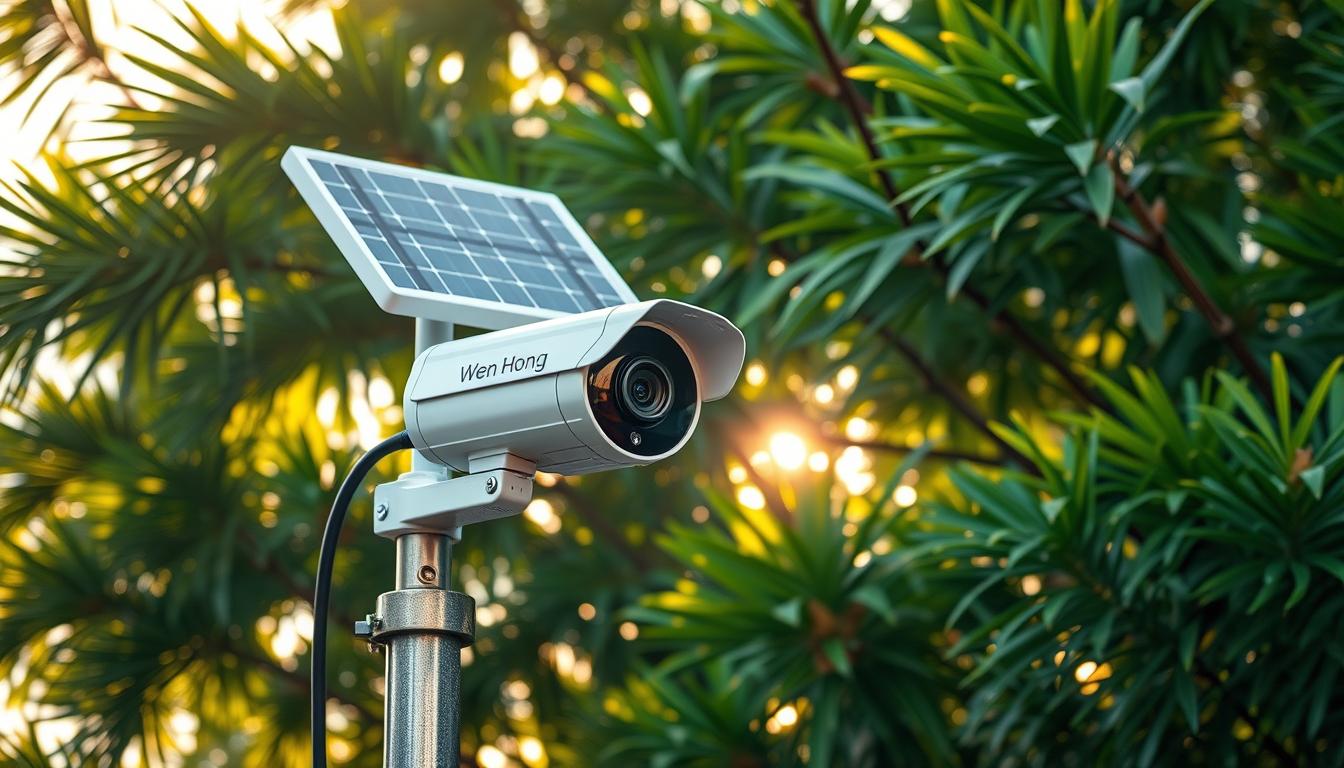
Solar Panel with Battery for CCTV in Singapore
Solar power is changing how we watch over places in Singapore. Using a solar panel with battery makes CCTV systems work better and helps the environment. These systems use the sun’s energy, so they keep watching without needing old power sources.
This is great for keeping places safe, which is very important in cities. Learning about solar-powered CCTV can really help.
Solar panels let these systems work in places far from power lines. This makes them perfect for many uses in Singapore. We’ll look at how they work, their benefits, and how to set them up. They’re great for watching over places in a green way.
To find out more about solar-powered CCTV systems, check out this resource.
Key Takeaways
- Solar-powered CCTV systems use renewable energy for continuous operation.
- They provide an eco-friendly alternative to traditional surveillance methods.
- These systems are highly efficient and cost-effective in the long run.
- Solar panel with battery enables installations in remote locations.
- Understanding the components is key for good use.
- Regular maintenance keeps solar-powered cameras working well.
Introduction to Solar-Powered CCTV Systems
Solar-powered cameras are a big step forward in outdoor surveillance. They use sunlight to make electricity, working well without a steady power source. This makes them perfect for places where power is hard to find.
These systems are good for the planet too. They cut down on fossil fuel use, helping our environment. Companies like Hikvision lead the way, making many models for different needs. This includes homes and big industrial areas.
Choosing solar-powered CCTV systems means better security and lower energy bills. They’re great for anyone wanting to protect their space and help the planet at the same time.
Benefits of Using a Solar Panel with Battery for CCTV
Using a solar panel with battery for CCTV systems has many benefits. One big advantage is not needing the electrical grid. This makes it easy to set up in places that are hard to reach without a lot of wiring.
The advantages of solar cameras also include lower installation costs. You don’t need to lay down traditional electrical lines. This can save a lot of money, making them great for homes and businesses. These systems work well even when it’s cloudy, so you can keep watching without interruption.
Another great point is the cost savings. You don’t have to pay for electricity to keep watching. This means you can save money on your energy bills. The long battery life of solar cameras also means they work well and reliably, giving you peace of mind.
Choosing solar-powered cameras is also good for the environment. They are a green choice, helping to reduce our carbon footprint. With their flexibility, affordability, and eco-friendliness, solar cameras are a smart choice for today’s security needs.
Key Components of a Solar-Powered Camera System
To set up a solar-powered CCTV system, knowing the parts is key. The system needs a mix of important parts for the best performance and reliability.
A solar panel is a main part. It turns sunlight into electricity, giving a green power source. A rechargeable battery with at least 24Ah is also vital. It stores energy for when it’s cloudy or dark.
The solar charge controller is another important part. It controls energy flow from the solar panel to the battery. This prevents overcharging and keeps the battery lasting longer. A top-notch security camera is also needed for clear images, which are key for good surveillance.
- Connecting cables link the solar panel, battery, and camera.
- A weatherproof enclosure keeps all parts safe from bad weather.
Knowing these parts helps users set up a solar-powered CCTV system. It meets their surveillance needs and is good for the environment.
Power Requirements for Your Solar Security Camera
Knowing how much power your security camera needs is key to its best performance. Solar cameras use different amounts of power, from 4 to 15 Watts. For example, the TP-Link model uses 5.4 watts. This means you need a strong battery to support it.
When picking a battery, think about the battery capacity for cameras. You need to figure out how many daily watt-hours your camera uses. This is important, as it helps during times when there’s little sunlight. Good planning makes your solar security system more energy efficient.
In short, knowing your camera’s power needs helps you choose the right battery. This ensures your solar-powered system works well and lasts long.
Understanding Solar Panel Ratings and Selection
Choosing the right solar panel for your CCTV system is key. Solar panel efficiency is a big factor. It’s measured by power output ratings, which show how well a panel can make electricity. Knowing this helps you pick the best panel for your needs.
When picking solar panels, consider a few things. First, look at the sunlight in your area. Different places get different amounts of sun. Then, think about the peak sunlight hours, when the sun shines the brightest.
Make sure the panels can handle your CCTV’s energy needs. The right panels work well, even when the weather changes. In short, focusing on solar panel efficiency and choosing wisely makes your solar CCTV better.
Choosing the Right Battery for Your Solar Security Camera
Choosing the right battery is key for your solar security camera to work well. There are different types like Lead-Acid and Lithium-Ion. Lead-Acid batteries are cheaper but need more care. Lithium-Ion batteries are lighter and last longer.
Choosing the right battery size is also important. The battery should be at least ten times the solar panel’s power rating. This size prevents overcharging and keeps batteries lasting longer. Installing it right also boosts its performance and life.
Lastly, a good battery enclosure keeps it safe from moisture and extreme weather. When you consider all these, your solar camera will work its best over time.
Installation Process of Solar Panel with Battery for CCTV
Setting up a solar-powered CCTV system needs careful planning. Start by picking a spot that gets lots of sunlight all day. This helps the solar panel charge the battery well, keeping the camera working.
It’s important to follow the mounting instructions closely. Mark where to drill for the solar panel and camera. Make sure they’re close for wiring. Use the right tools to mount the solar panel at an angle for best sunlight.
Then, connect the wires from the solar panel, battery, and camera. Stick to the manufacturer’s instructions for this solar camera setup. After wiring, seal all electrical connections to keep them safe from the weather.
Once set up, check the battery charge often. This keeps the system running well and keeps your area safe. Following these steps will give you a dependable solar-powered CCTV system.
Need more help with solar camera setups? Check out this detailed installation guide.
Wiring and Connecting Your Solar Security Camera
Getting your solar security camera to work right is all about the wiring connections. Making sure the solar panel, charge controller, and battery are connected well is key. This setup helps move energy efficiently, cutting down on waste. Knowing what your solar camera needs makes installing it easier.
Here are some installation tips to keep in mind:
- Place the solar panel where it gets the most sunlight.
- Use the right wire size to avoid losing power.
- Check the connections to avoid any problems with voltage.
- Look at the camera manual for the right wiring connections.
- Test everything before you’re done to make sure it works.
Brands like Tapo offer detailed diagrams for their systems. Knowing these can make setting up your solar camera setup easier. Using these resources ensures everything works well together.
Maintaining Your Solar-Powered Security System
Keeping your solar-powered security system in top shape is key. Regular upkeep boosts performance and reliability. Start by cleaning the solar panels often to prevent dirt buildup. This helps them absorb sunlight better.
Checking battery health is also important. Look for signs of wear or leakage on batteries. Doing this every few months keeps your system running smoothly. Also, test your security system regularly to catch any problems early.
Seasonal checks help spot damage from the environment. Look at wiring, camera lenses, and batteries to make sure they’re okay. Don’t forget to update software and firmware to keep your system current.
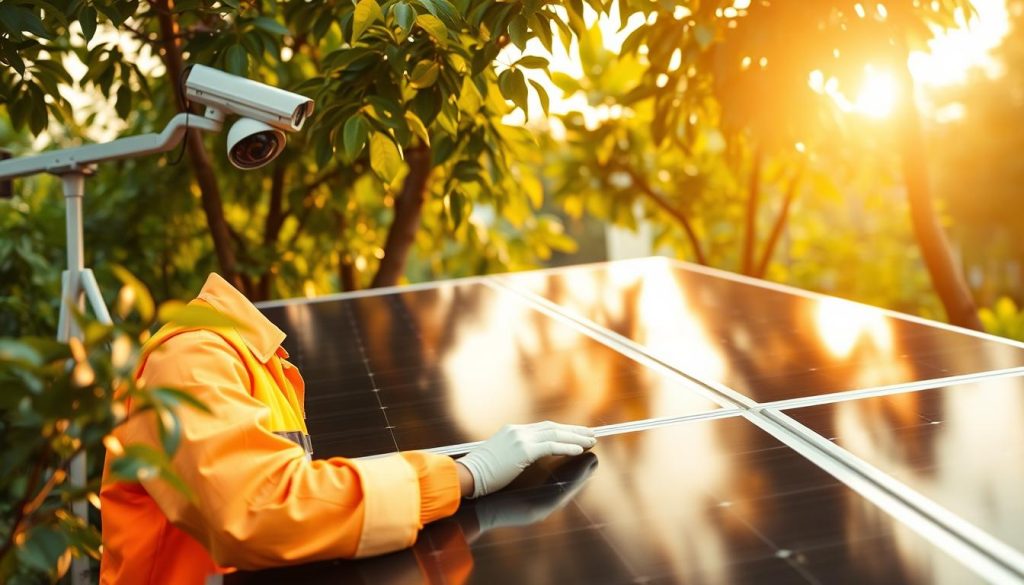
Real-Life Applications of Solar Powered Security Cameras
Solar-powered security cameras are very versatile. They work well in places where electricity is not available. For example, they help monitor farms or animals easily.
In cities, these cameras are useful at construction sites. Wiring can be hard because the site changes often. Solar cameras offer surveillance without needing a lot of electrical setup.
At outdoor events like festivals, solar cameras keep an eye on things. They work without needing a power source. They also help keep highways safe by monitoring for accidents.
One of the biggest benefits is in disaster zones. When power is out for a long time, these cameras keep watching. They provide security and peace of mind during emergencies. Many examples show how well they work in tough situations.
Cost-Effectiveness of Solar Panel with Battery for CCTV
At first glance, solar-powered CCTV systems seem pricier than wired ones. But, they offer big savings over time. They cut down on electricity costs and don’t need electrical work.
This makes solar cameras a great choice for homes and businesses in Singapore. As solar tech gets cheaper, these systems become even more affordable. This opens up solar security to more people and companies.
Choosing solar cameras means saving on upkeep and energy bills in the long run. It’s a smart financial move for anyone looking to boost their security. Solar panels with batteries are a cost-effective and green option.
FAQ
How do solar-powered CCTV systems work?
Solar-powered CCTV systems use solar panels to turn sunlight into electricity. This electricity powers the cameras. They work on their own, without needing the electrical grid, making them good for both cities and rural areas.
What are the environmental benefits of solar-powered security cameras?
These cameras use renewable energy, not fossil fuels. They are eco-friendly, which means they don’t harm the environment as much. They also use less energy, making them a better choice for watching over places.
What components are essential for a solar CCTV system?
You need a solar panel, a battery (like a 24Ah one), and a solar charge controller. Also, a good security camera is key for clear images. You might also need cables and weatherproof boxes to keep everything working well.
How do I determine the power requirements for my solar security camera?
Solar cameras use between 4 to 15 Watts. To work well, you need to figure out how much energy they use each day. This helps the battery last longer, even when it’s not sunny.
What should I consider when selecting solar panels for my CCTV system?
Think about how much sunlight your area gets and how long it’s sunny. Also, consider how much energy your devices need. Choose panels that can give enough power for your system to work all the time.
What battery type is best for solar security cameras?
Lithium-Ion batteries are best because they’re light and last a long time. Lead-Acid batteries are cheaper but need more care. Make sure the battery is big enough, at least 10 times the solar panel’s power, to avoid overcharging.
What is the installation process for a solar-powered CCTV system?
First, pick a spot with lots of sunlight. Then, mark where to drill and mount the solar panel. Connect the wiring carefully. Make sure all electrical parts are weatherproof to avoid problems.
How do I connect and wire my solar security camera?
Connect the solar panel to the charge controller and then to the battery. Knowing how to connect different cameras, like Tapo systems, helps them work better and saves energy.
What maintenance do solar-powered security systems require?
Clean the solar panels and check the battery health often. Test the system every few months. Regular checks keep everything running smoothly and prevent damage from the weather.
Where can I use solar-powered security cameras?
You can use them in many places, like rural areas without power, urban sites, farms, festivals, and highways. They’re great in disaster zones where power is not reliable, keeping an eye on things all the time.
Are solar-powered CCTV systems cost-effective despite higher initial costs?
Yes, they might cost more at first, but they save money in the long run. They don’t need electricity to run, saving on bills. This makes them a smart investment.


