
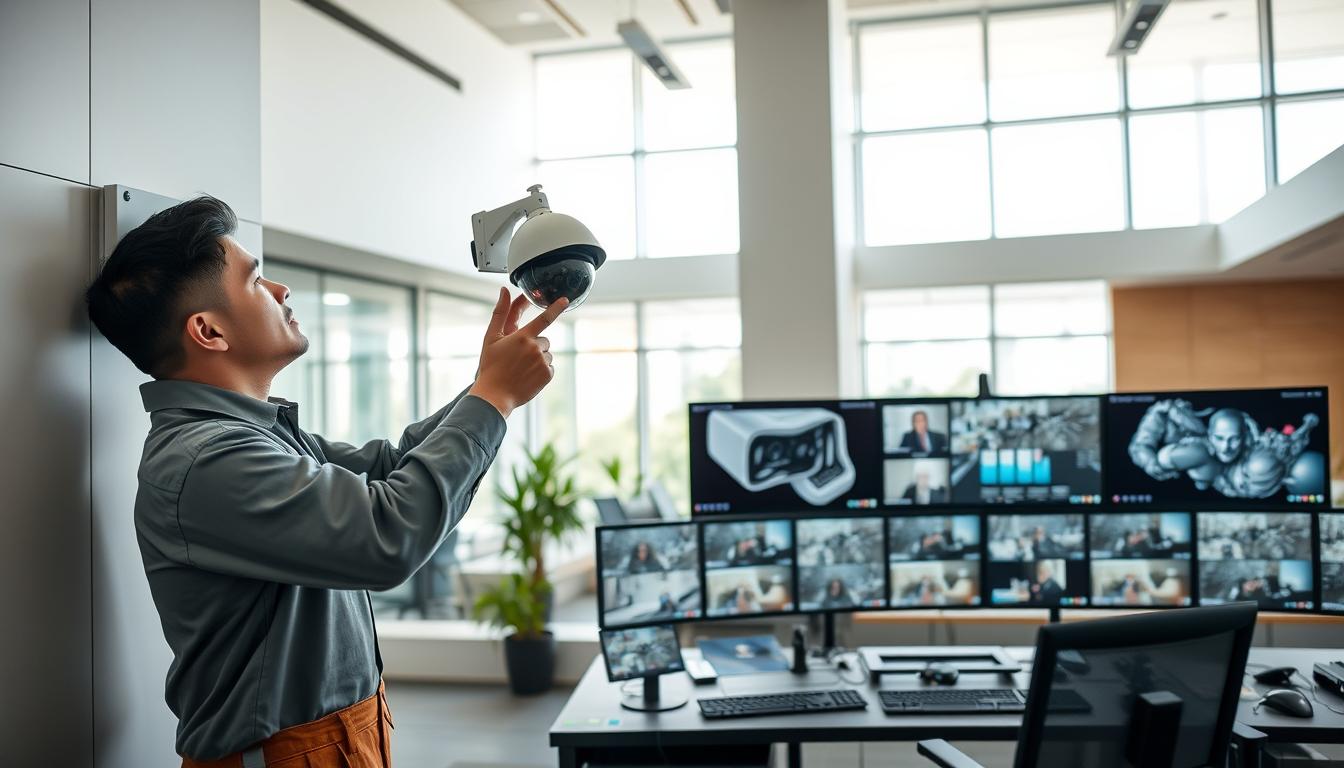
Professional Business Security Camera System Installation
In Singapore, commercial properties face unique challenges when it comes to protecting assets. With rising theft incidents, many companies are turning to advanced solutions to safeguard their premises. Statistics show that 75% of establishments without proper surveillance experience theft, while those with professional setups see significant reductions.
Modern systems now offer features like 4K resolution and AI analytics, making them more effective than ever. For example, a retail chain in Singapore eliminated theft attempts entirely after implementing a high-quality setup. However, it’s not just about the equipment—professional installation ensures optimal performance and compliance with Singapore’s PDPA regulations.
Choosing a DIY approach might seem cost-effective, but it often leads to gaps in coverage. Investing in expert services not only enhances security but also provides peace of mind. With the right setup, businesses can focus on growth while knowing their assets are well-protected.
Key Takeaways
- Singapore’s commercial properties benefit greatly from advanced surveillance solutions.
- Professional setups ensure optimal performance and compliance with PDPA regulations.
- Modern features like 4K resolution and AI analytics enhance effectiveness.
- Retail chains have seen a 100% reduction in theft with proper installations.
- Investing in expert services provides long-term security and peace of mind.
Why Your Business Needs a Security Camera System
Ensuring safety and deterring threats is a top priority for modern enterprises. With rising risks, having a reliable solution in place is no longer optional—it’s essential. HD cameras play a crucial role by providing court-admissible evidence, making them invaluable in resolving incidents.
Studies show that 60% of criminals are deterred by visible cameras. This alone highlights the importance of a well-planned setup. Whether it’s monitoring high-value inventory or verifying incidents in real-time, advanced technology offers unmatched benefits.
The Growing Importance of Business Security
Modern enterprises face unique challenges that demand proactive measures. 24/7 monitoring ensures that every corner of your premises is under constant watch. This is especially critical for high-risk areas like storage zones or entrances.
Remote access capabilities allow you to verify incidents from anywhere, providing peace of mind. Motion-activated alerts further enhance protection by notifying you of unauthorized access after hours. These features work together to create a robust defense mechanism.
How CCTV Systems Protect Your Assets
Integrating cctv systems with alarm setups ensures immediate response coordination. For example, a warehouse in Singapore reduced vandalism costs by 63% after installing thermal cameras. This case study demonstrates the tangible benefits of advanced technology.
To make sure your setup meets your security needs, it’s crucial to choose the right features. From motion detection to real-time alerts, these tools not only protect assets but also deter potential threats effectively.
Types of Business Security Camera Systems
Understanding the different types of setups available can help you make an informed decision. Each option comes with unique features and benefits, tailored to specific environments and needs.
Analog CCTV Systems
Analog setups are a traditional choice, known for their reliability and cost-effectiveness. They use coaxial cables to transmit video signals, making them suitable for smaller spaces. However, they may lack the advanced features of newer technologies.
IP CCTV Systems
IP setups offer higher resolution and scalability. They use internet protocols to transmit data, allowing for remote access and integration with other technologies. This makes them ideal for larger properties or those requiring detailed monitoring.
Wireless CCTV Systems
Wireless installations are 30% faster than wired ones, making them perfect for heritage buildings or temporary setups. They eliminate the need for extensive cabling, but important know factors like battery life in tropical environments and signal interference in dense urban areas.
- Temporary deployment for construction site monitoring.
- Encrypted transmission protocols ensure data safety.
- Considerations for battery life in humid climates.
- Challenges with signal interference in crowded areas.
Choosing the right setup depends on your specific needs. Whether you need to place cameras in high-risk areas or require temporary monitoring, understanding these options ensures optimal performance.
Key Benefits of Professional Installation
Proper installation guarantees maximum coverage and adherence to local laws. While DIY setups may seem cost-effective, they often fall short in meeting specific requirements. Professional services ensure every detail is addressed, from strategic placement to compliance with regulations.
Expert Placement for Maximum Coverage
One of the main advantages of professional installation is expert placement. Specialists assess your premises to identify high-risk areas and ensure optimal camera positioning. This eliminates blind spots and ensures every corner is monitored effectively.
For example, strategic signage placement is required every 200 square meters to comply with local laws. Professionals also optimize data retention periods, ensuring footage is stored for 30 to 90 days as needed.
Compliance with Local Laws
Adhering to local laws is critical for avoiding penalties. In Singapore, 75% of businesses faced fines for non-compliance with the PDPA. Professional installers ensure your setup meets all legal requirements, including privacy masking for sensitive areas like prayer rooms.
They also maintain audit trails for footage access requests, providing transparency and accountability. This not only protects your assets but also builds trust with stakeholders.
- Strategic signage placement every 200 square meters.
- Data retention optimization for 30 to 90 days.
- Privacy masking for non-surveillance areas.
- Audit trail maintenance for access requests.
Investing in professional installation ensures your setup meets both your business needs and legal obligations. With expert guidance, you can achieve comprehensive coverage and peace of mind.
Understanding Singapore’s Legal Requirements
Singapore’s legal framework ensures that surveillance practices are both effective and respectful of privacy. Adhering to these regulations is crucial for any setup, ensuring compliance while maintaining trust.

The Personal Data Protection Act (PDPA)
The PDPA governs how personal data is collected, used, and stored. For surveillance, this means obtaining proper consent and ensuring transparency. Non-compliance can lead to penalties, making it essential to follow these guidelines.
For example, 70% of employees approve of surveillance when proper consent procedures are in place. This highlights the importance of clear communication and ethical practices.
Obtaining Consent for Surveillance
Consent is a cornerstone of ethical monitoring. Multi-language consent forms cater to diverse workforces, ensuring everyone understands their rights. Digital acknowledgment systems streamline visitor management, making the process efficient and transparent.
Staff training programs on ethical monitoring practices further enhance compliance. These programs educate employees on the importance of surveillance and how it aligns with legal requirements.
In cases where covert surveillance is necessary, warrants must be obtained. This ensures that exceptions are handled legally and responsibly.
- Multi-language consent forms for diverse workforces.
- Digital acknowledgment systems for visitor management.
- Staff training programs on ethical monitoring practices.
- Exception handling for covert surveillance warrants.
By following these guidelines, organizations can feel safer knowing their practices are compliant and ethical. Professional installation services also play a key role in ensuring adherence to these legal requirements.
Steps to Install a Business Security Camera System
Setting up a reliable surveillance solution involves a structured approach to ensure efficiency and compliance. From initial planning to final setup, each step plays a crucial role in achieving optimal performance. With professional help, the process becomes seamless and faster, saving time and resources.
Site Assessment and Planning
The first step is a thorough site assessment. This involves identifying high-risk areas and determining the best placement for coverage. Experts analyze the layout to eliminate blind spots and ensure comprehensive monitoring.
Proper cable management is also planned during this phase. This ensures easy maintenance access and reduces downtime. Load testing is conducted for multi-camera setups to confirm the system can handle the required capacity.
Choosing the Right Equipment
Selecting the appropriate tools is critical for long-term effectiveness. Factors like resolution, storage capacity, and environmental durability are considered. Failover systems are integrated to ensure uninterrupted operation during power outages.
By choosing the right equipment, you can keep system performance consistent and reliable. This step ensures that the setup meets both current and future needs.
Professional Installation Process
Certified technicians handle the installation, completing it 50% faster than DIY methods. They ensure precise placement and secure connections, minimizing errors. Post-installation orientation sessions are provided to familiarize users with the setup.
This hands-on approach guarantees that the system is ready for immediate use. With expert guidance, you can achieve a robust and compliant surveillance solution tailored to your needs.
Strategic Placement of Security Cameras
Effective monitoring starts with strategic placement to ensure comprehensive coverage. Properly positioned tools not only improve security but also help employees feel safer in their environment. This approach ensures every critical area is monitored efficiently.
Entrances and Exits
Entrances and exits are prime locations for monitoring. These areas are often the first points of contact for visitors and potential threats. Proper coverage here ensures accountability and deters unauthorized access.
High-Risk Areas
High-risk zones, such as storage rooms or cash handling areas, require focused attention. Monitoring these spaces helps prevent theft and ensures compliance with workplace guidelines. Ethical practices, like privacy screens, maintain transparency.
Employee Workstations
Monitoring workstations can enhance productivity by analyzing activity patterns. Visible tools also prevent harassment, fostering a respectful workplace. For expert guidance, consider professional installation services to ensure optimal results.
FAQ
Why is professional installation important for surveillance systems?
Professional installation ensures optimal placement, compliance with local laws, and proper setup for maximum coverage and effectiveness.
What types of CCTV solutions are available for businesses?
Businesses can choose from analog, IP, or wireless CCTV systems, each offering unique features like night vision, cloud storage, or local storage.
How do surveillance systems help protect assets?
These systems deter theft, monitor high-risk areas, and provide evidence in case of incidents, boosting overall safety and peace of mind.
What should I consider when placing cameras in my workspace?
Focus on entrances, exits, high-risk zones, and employee workstations to ensure comprehensive coverage and better surveillance.
Are there legal requirements for installing CCTV in Singapore?
Yes, compliance with the Personal Data Protection Act (PDPA) and obtaining consent for surveillance are essential to meet local laws.
Can I save money by installing the system myself?
While DIY may seem cost-effective, professional help ensures the system works well, avoids errors, and meets legal standards.
What features should I look for in a surveillance setup?
Look for features like night vision, remote access, cloud storage, and motion detection to enhance functionality and improve security.
How do I choose the right equipment for my needs?
Assess your workspace, identify high-risk areas, and consult with experts to find the best cameras and solutions tailored to your requirements.
Can surveillance systems integrate with other security measures?
Yes, many modern setups can integrate with alarms, access control, and other security tools for a more robust protection plan.
How often should I maintain my surveillance setup?
Regular maintenance, including software updates and hardware checks, ensures your system remains reliable and effective over time.


