
Learn About What is the lifespan of NVR? – A Detailed Guide
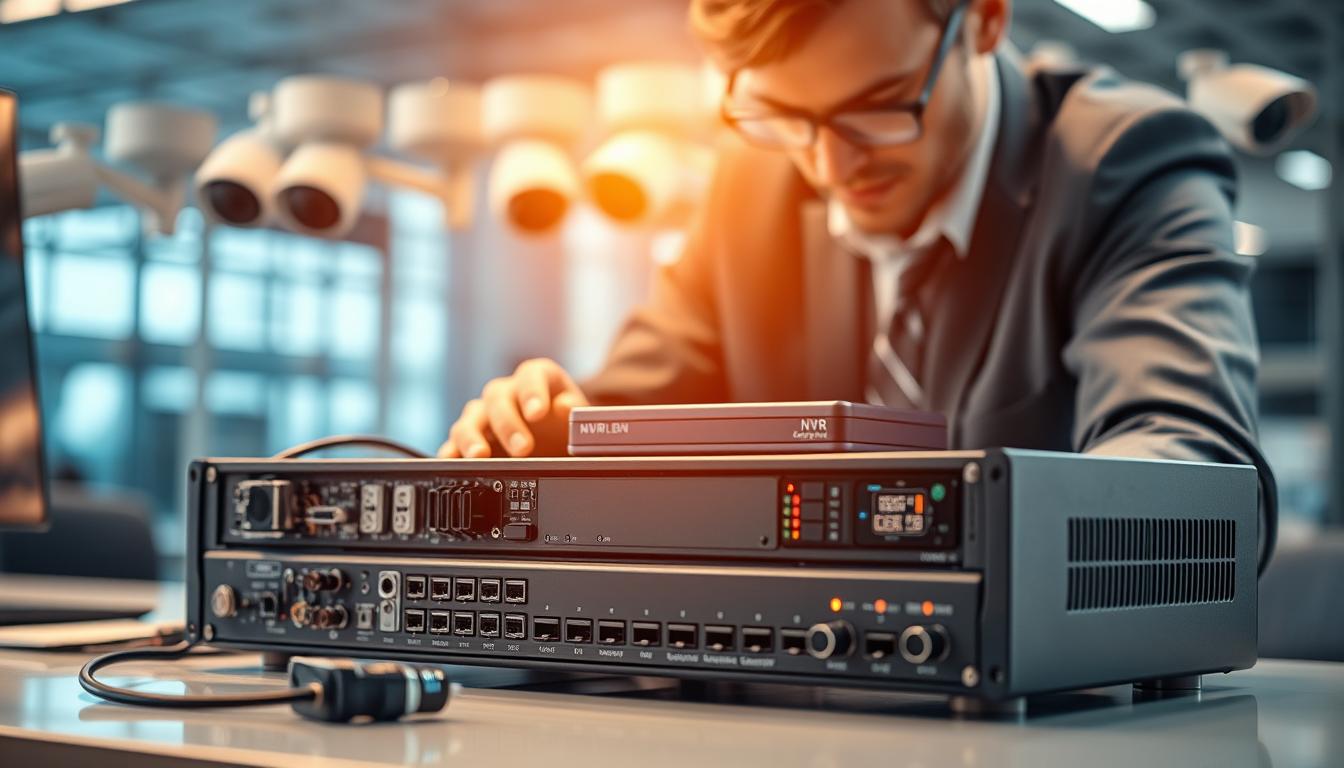
Network Video Recorders (NVRs) form the backbone of modern security systems. These devices manage digital video footage from IP cameras, providing crucial surveillance capabilities. Understanding how long your NVR will last helps maximize your security investment.
Several factors influence NVR durability and performance over time. Component quality, environmental conditions, and maintenance practices all play significant roles. Proper care can help your equipment last longer and perform better.
This guide explores practical strategies to extend your NVR’s operational life. From firmware updates to optimal placement, we cover essential maintenance tips. Learn how to recognize early warning signs of potential problems.
Key Takeaways
- NVR systems typically offer years of reliable service with proper maintenance
- Component quality directly impacts overall system durability and performance
- Regular firmware updates significantly extend equipment lifespan
- Environmental conditions play a crucial role in NVR longevity
- Proactive maintenance practices prevent many common issues
- Recognizing early warning signs helps avoid unexpected system failures
- Proper ventilation and placement contribute to longer equipment life
Understanding Network Video Recorder (NVR) Technology
Today’s advanced security infrastructure relies heavily on Network Video Recorder systems for comprehensive protection. These digital platforms process high-quality footage from multiple IP cameras simultaneously.
Defining the Modern NVR System
Modern NVR systems represent a significant advancement over older analog methods. They utilize IP cameras to capture and manage high-resolution digital video feeds. This technology offers superior clarity and detail compared to traditional systems.
Key features include remote access capabilities through mobile devices. Users can monitor live footage and review recordings from any location. This flexibility enhances security effectiveness for both residential and commercial applications.
How an NVR Processes and Stores Digital Video
An NVR processes video streams from IP cameras via network connections. The system stores data on local drives or cloud platforms for easy retrieval. This digital storage method is more efficient and scalable than older DVR systems.
The technology enables real-time analytics like motion detection. This improves response times and overall security performance. Understanding network integration helps optimize setups for reliability.
By leveraging NVR technology, users achieve robust security solutions. These systems adapt to technological advancements and evolving requirements. Multiple camera support enhances surveillance coverage significantly.
What is the Lifespan of NVR? The Core Facts
Several critical aspects determine how many years of service you can expect from your digital security recorder. These systems typically offer reliable performance when properly maintained and configured.
Average Lifespan Expectations for NVR Units
Most surveillance recorders provide 3-5 years of consistent operation. Premium models with superior components can sometimes exceed this range significantly.
High-quality units from reputable manufacturers often reach 7-10 years with appropriate care. This extended service period represents excellent value for security investments.
Key Factors Directly Influencing NVR Longevity
Component quality stands as the primary determinant of equipment durability. Superior materials and construction reduce wear over extended periods.
Environmental conditions dramatically affect operational life. Extreme temperatures, humidity fluctuations, and dust accumulation accelerate component degradation.
Usage patterns impact how long your system remains functional. Continuous operation creates more stress than intermittent use patterns.
Maintenance practices significantly extend equipment service life. Regular software updates and physical inspections prevent many common issues.
Brand selection influences reliability and durability. Established manufacturers typically use higher-grade components than budget alternatives.
Understanding these variables helps users maximize their security system’s operational period. Proper care and informed purchasing decisions yield better long-term results.
NVR vs. DVR: A Lifespan and Technology Comparison
Choosing between modern digital recorders and traditional analog systems requires understanding their fundamental differences. These distinctions directly impact how long your security investment remains effective.
https://www.youtube.com/watch?v=unLsGryeOFo
Durability Differences Between Analog and Digital Systems
Digital network video recorder units typically offer superior longevity compared to analog alternatives. Modern components and construction methods contribute to this advantage.
Analog DVR systems face limitations due to older hardware designs. These devices struggle with technological evolution and compatibility issues.
One security professional noted:
“Digital systems adapt while analog ones become obsolete. This fundamental difference determines which technology lasts longer in real-world applications.”
How Technological Advancements Impact Recorder Lifespan
Continuous innovation extends the relevance of modern surveillance equipment. Network-based systems integrate new features through software updates.
Cloud integration and AI capabilities future-proof digital security solutions. These advancements keep systems current without hardware replacement.
Analog technology cannot match this adaptability. DVR units often become outdated within several years of purchase.
Investing in quality digital video recorders provides better long-term value. These systems handle higher resolution footage and network demands efficiently.
Understanding these differences helps users make informed security decisions. Choosing the right technology ensures better performance over more years.
Recognizing the Signs Your NVR Needs Replacing
Your security recorder shows clear signals when replacement becomes necessary. Early detection prevents unexpected security gaps and maintains continuous protection.
Observing these warning signs helps you plan upgrades proactively. Timely action ensures your surveillance remains effective and reliable.
Performance Degradation and System Failures
Noticeable performance drops often indicate underlying hardware wear. Delayed video playback and recording failures suggest aging components.
Unexpected shutdowns and connectivity drops signal serious system problems. These failures compromise your security coverage and require immediate attention.
Frequent troubleshooting needs point to deeper equipment issues. Constant repairs often mean your nvr approaches its operational limits.
Compatibility Issues with New Cameras and Software
Modern IP cameras may not integrate with older recording systems. This compatibility gap limits your security capabilities significantly.
Software updates often become incompatible with aging nvr units. Missing these updates leaves your system vulnerable to security threats.
New features in advanced camera models might not function properly. Your nvr cannot process the latest video enhancements and analytics.
Recognizing these signs early ensures smooth security transitions. Proactive replacement maintains optimal surveillance performance without interruptions.
Proactive Maintenance to Extend Your NVR’s Lifespan
Consistent care keeps your security equipment running smoothly for years. Proper maintenance practices prevent common issues before they become serious problems. These simple routines help your investment deliver maximum value.
Regular attention ensures optimal performance and reliability. A well-maintained system provides better security coverage. Follow these essential tips to protect your surveillance setup.
The Critical Role of Regular Firmware and Software Updates
Manufacturers release updates to improve security and functionality. These patches fix vulnerabilities and enhance existing features. Keeping your system current prevents compatibility issues.
Schedule monthly checks for available updates. Most modern devices offer automatic update options. This ensures you never miss critical security improvements.
Updated firmware maintains compatibility with new camera models. It also optimizes storage efficiency and processing power. Regular updates represent the easiest way to extend equipment life.
Implementing a Routine Cleaning and Physical Inspection Schedule
Dust accumulation causes overheating and component failure. Clean vents and ports every three months using compressed air. This simple practice prevents many hardware issues.
Physical inspections identify early warning signs. Look for cable damage, corrosion, or unusual noises. Address these problems immediately to avoid system failures.
Establish a quarterly maintenance checklist:
- Clean all ventilation openings thoroughly
- Check cable connections for tightness
- Inspect power supplies for damage
- Verify proper fan operation
- Test backup systems regularly
Proper placement contributes to easier maintenance. Keep units away from direct sunlight and heat sources. Ensure adequate airflow around all devices.
These care practices help your equipment last longer. They reduce repair costs and prevent security gaps. Consistent maintenance delivers peace of mind.
Environmental Factors and Their Impact on NVR Durability
Surveillance equipment operates within specific environmental parameters that directly affect performance. Understanding these variables helps users create optimal conditions for their security systems. Proper environmental management prevents many common hardware issues.
Mitigating Risks from Temperature, Humidity, and Dust
Extreme heat represents one of the most significant threats to electronic components. High temperatures accelerate wear on processors and storage drives. This thermal stress reduces overall system reliability over time.
Humidity creates corrosion risks for internal circuitry and connections. Moisture exposure leads to oxidation and electrical shorts. These problems compromise equipment functionality and safety.
Dust accumulation blocks ventilation pathways and insulates heat-sensitive parts. This obstruction causes overheating even in normally cool environments. Regular cleaning prevents this common issue.
Effective mitigation strategies include climate-controlled installation spaces. Protective enclosures shield outdoor units from weather elements. These measures significantly reduce environmental impact on system components.
Best Practices for NVR Placement and Ventilation
Choose locations away from direct sunlight and heat sources. Maintain adequate spacing around units for proper airflow circulation. These simple placement tips help equipment last longer.
Install racks or shelves that promote air movement around devices. Avoid cramped cabinets without ventilation openings. Good airflow prevents temperature-related problems.
Consider Singapore’s tropical climate when planning installations. Air-conditioned rooms provide ideal conditions for electronic equipment. Dehumidifiers help control moisture levels in humid environments.
Following these best practices maintains stable operating conditions. Proper placement preserves functionality and extends service life. Your security investment delivers better value through appropriate environmental management.
The Role of Storage Solutions in NVR Performance and Longevity
Storage technology plays a vital role in maintaining reliable surveillance operations. Your choice of drives directly impacts how well your system handles continuous recording demands. Proper storage integration ensures smooth operation and extends equipment service life.
Choosing the Right Hard Drive for Reliability and Capacity
Selecting appropriate storage drives is crucial for security system stability. High-quality hard drives with RAID configurations offer enhanced data protection. These setups provide redundancy against drive failures.
Solid-state drives (SSDs) deliver faster data access and better durability. They handle constant read/write operations more efficiently than traditional drives. This reduces strain on your network video recorder components.
Storage capacity must match your surveillance requirements. Consider camera count, resolution settings, and retention periods. Adequate space prevents system overload and maintains optimal performance.
One security expert emphasizes:
“Investing in enterprise-grade drives pays dividends in system reliability and reduced maintenance costs over time.”
How Storage Integration Affects Overall System Health
Efficient storage management reduces workload on your NVR’s processing components. Well-integrated drives handle video footage smoothly without excessive heat generation. This thermal management contributes to longer equipment life.
Regular monitoring of storage health prevents unexpected system failures. Check available space and drive integrity through your NVR’s management interface. Early detection of issues avoids data loss and recording interruptions.
Properly configured storage solutions support advanced features like motion-triggered recording. This smart technology reduces unnecessary write cycles and extends drive longevity. Your entire system benefits from optimized storage performance.
Implement these storage best practices for maximum durability:
- Choose drives specifically designed for 24/7 surveillance operation
- Implement RAID configurations for critical security applications
- Monitor storage health through regular system checks
- Maintain adequate free space for optimal performance
- Consider professional installation for complex storage setups
Selecting a High-Quality NVR for Maximum Durability
Choosing the right recording equipment makes all the difference in long-term security performance. Smart selection ensures your surveillance setup delivers reliable protection for many years. This decision impacts both immediate functionality and future expansion capabilities.
Evaluating Build Quality and Component Reliability
Premium construction begins with robust materials and precise craftsmanship. Reputable brands like Reolink use industrial-grade components in their network video recorders. These superior materials withstand continuous operation without degradation.
Internal hardware quality directly affects system longevity. High-grade processors handle multiple camera feeds efficiently. Quality memory modules ensure smooth video processing and storage operations.
Brand reputation serves as a reliable indicator of overall durability. Established manufacturers maintain strict quality control standards. Positive user reviews often highlight real-world performance and reliability.
Important Features That Contribute to a Longer Lifespan
Scalability represents a crucial feature for growing security needs. Systems supporting additional cameras adapt to changing requirements. This flexibility extends the useful life of your initial investment.
Cloud integration offers flexible storage solutions and remote management. This technology keeps your system current with evolving security standards. Advanced analytics through AI capabilities enhance functionality without hardware changes.
Upgradeable firmware and hardware components future-proof your surveillance technology. Regular updates maintain compatibility with new camera models and features. This adaptability prevents premature obsolescence of your security devices.
Remote access capabilities allow convenient monitoring and configuration adjustments. High channel counts accommodate comprehensive camera networks. These features work together to create a durable, long-lasting security solution.
Selecting equipment with these characteristics ensures optimal performance over time. Your investment delivers better value through extended service life and reduced maintenance needs.
Future-Proofing Your Security System Investment
Smart planning today ensures your surveillance setup remains effective tomorrow. Forward-thinking strategies protect your security investment against rapid technological changes. These approaches maximize value while maintaining reliable protection.
Choosing Scalable NVRs with Upgradeable Features
Scalable network video recorders offer exceptional flexibility for growing security needs. These units accommodate additional cameras and enhanced software features seamlessly. This adaptability prevents complete system replacement when expanding coverage.
Upgradeable components represent crucial future-proofing advantages. Modular designs allow hardware improvements without buying entirely new equipment. Firmware support maintains compatibility with emerging surveillance technologies.
Key benefits of scalable systems include:
- Easy integration of new camera models and types
- Software enhancements through regular updates
- Expanded storage capacity as recording needs grow
- Reduced long-term costs through incremental upgrades
Adapting to New Technologies like Cloud Integration and AI
Cloud integration transforms how modern security systems operate. This technology provides flexible storage solutions and remote management capabilities. It reduces dependence on physical hardware components.
AI advancements bring intelligent analytics to surveillance operations. Smart detection features improve accuracy while reducing false alarms. These innovations keep your system current with industry standards.
One security expert observes:
“The most durable systems embrace technological evolution rather than resist it. Cloud and AI integration represents the future of effective surveillance.”
Future-proofing strategies ensure your equipment adapts to changing security demands. They protect your investment against premature obsolescence. For detailed guidance on maximizing your system’s operational period, visit our comprehensive resource on NVR durability and maintenance.
These approaches deliver long-term value and reliable performance. Your security setup remains effective through technological advancements and evolving requirements.
Optimizing Camera and Recording Settings for Efficiency
Strategic configuration of your surveillance equipment significantly impacts operational efficiency and equipment durability. Smart settings management reduces unnecessary strain on components while maintaining effective security coverage. These optimization techniques help your system deliver reliable protection for extended periods.
Modern security systems offer numerous configuration options that balance performance with energy consumption. Understanding these settings enables you to create an efficient surveillance setup. Proper configuration represents proactive equipment care that pays long-term dividends.
Reducing Wear and Tear Through Smart Configuration
Motion-activated recording stands as one of the most effective efficiency improvements. This feature significantly reduces continuous write operations on storage drives. Your equipment experiences less thermal stress and mechanical wear.
Schedule recordings during high-risk periods rather than constant operation. This approach minimizes hardware usage during low-threat hours. The reduced operational time directly extends component life.
- Enable motion detection zones to focus on critical areas only
- Set appropriate sensitivity levels to avoid false triggers
- Create recording schedules aligned with security needs
- Utilize event-based recording instead of continuous capture
- Implement smart analytics to reduce unnecessary recordings
Balancing Video Quality with System Longevity
Adjust resolution settings based on actual surveillance requirements. High-resolution recording demands more processing power and storage capacity. Lower settings reduce system load when maximum detail isn’t critical.
Frame rate adjustments offer another efficiency opportunity. Higher rates provide smoother video but increase storage needs. Finding the right balance maintains adequate coverage without overtaxing equipment.
Compression settings significantly impact storage requirements and processing load. Modern codecs like H.265 provide excellent quality with reduced file sizes. These efficient formats help your system last longer.
One security professional notes:
“The most durable systems strike a perfect balance between video quality and operational efficiency. Smart configuration prevents unnecessary component stress while maintaining security effectiveness.”
Regular software updates often include new efficiency features. These improvements help optimize your configuration settings over time. Updated systems typically operate more efficiently than outdated versions.
Implementing these optimization techniques represents smart equipment care. Your surveillance setup will deliver better performance over more years. Proper configuration reduces maintenance needs and extends service life significantly.
Maximizing the Value and Duration of Your Surveillance System
Maximizing surveillance system value requires ongoing attention to performance optimization and component care. Integrating all best practices ensures your security investment delivers maximum protection.
High-quality equipment can provide up to 10 years of reliable service when properly maintained. Smart technology choices and regular checks significantly impact system longevity.
Investing in reputable brands with scalable features protects your security investment long-term. These systems adapt to future needs while maintaining excellent recording quality.
This approach creates durable surveillance systems that offer lasting peace of mind. Your security setup will continue delivering protection for many years.
FAQ
How long do network video recorders usually last?
A well-maintained NVR typically operates effectively for 3 to 5 years. High-quality models from reputable brands can often last longer, sometimes reaching 7 years or more, depending on usage and care.
What is the biggest factor that shortens an NVR’s life?
Heat is a primary enemy. Inadequate ventilation causes components to overheat, leading to premature hardware failure. Dust accumulation and irregular firmware updates also significantly impact performance and durability.
Can a DVR last longer than an NVR?
While DVR systems are less complex, their lifespan is often similar. However, NVR technology is more modern and benefits from better software support and updates, which can help it remain functional and secure for a comparable amount of time.
What are the signs my NVR is failing?
Common signs include frequent system crashes, corrupted video footage, inability to update firmware, and new compatibility issues with modern cameras. A noticeable drop in recording quality or speed also indicates potential problems.
How can I make my NVR last longer?
Implement a strict maintenance routine. This includes ensuring proper ventilation, keeping the unit free of dust, installing all software updates promptly, and using high-quality, compatible hardware like enterprise-grade hard drives for storage.
Does where I place the NVR unit matter?
Absolutely. Placement directly impacts durability. Install the NVR in a cool, dry, and clean environment away from direct sunlight. Good airflow around the device is critical to prevent overheating and protect its internal components.
How does the hard drive affect my NVR’s lifespan?
The hard drive is a critical component under constant strain. Using a reliable drive designed for surveillance (like a Western Digital Purple or Seagate SkyHawk) reduces wear, minimizes failures, and protects your video recordings.
What should I look for in a new NVR to ensure durability?
Prioritize build quality from trusted brands like Hikvision or Dahua. Look for features like a metal chassis, strong processor, ample ventilation, and a proven track record of long-term firmware support and software updates.
Can I upgrade my NVR instead of replacing it?
A> This depends on the model. Some NVRs allow for hardware upgrades like adding more storage or cameras. However, software and processing power have limits. Future-proof your initial investment by choosing a scalable system.
Do recording settings impact the NVR’s hardware?
Yes. Constantly recording at maximum video quality and resolution puts more stress on the processor and hard drive. Optimizing settings like motion-activated recording can reduce unnecessary wear and extend the life of your equipment.


