
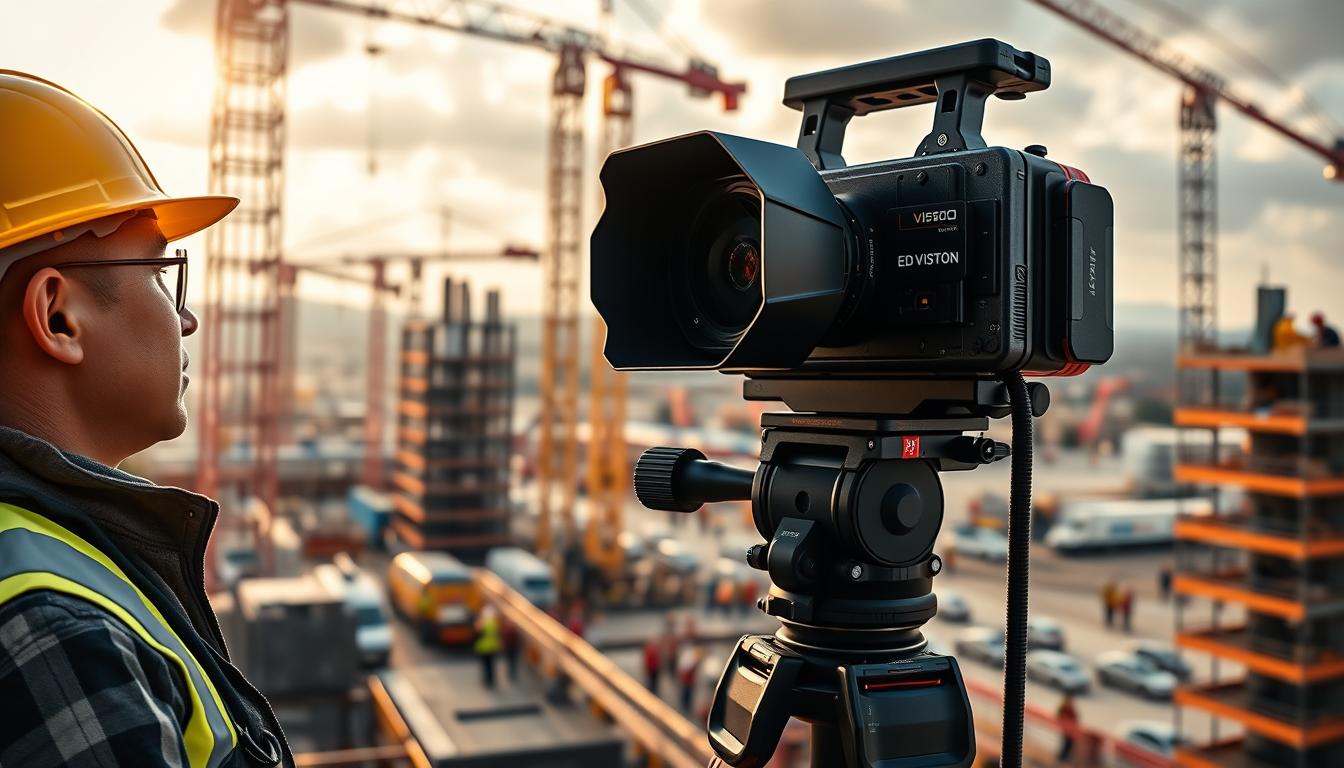
Jobsite Camera System: A Comprehensive Buyer’s Guide for 2023
Choosing the right security setup for your construction project is more important than ever. In Singapore’s busy building environment, protecting your site from theft and vandalism is a top priority. A good surveillance solution helps keep your equipment and tools safe.
This guide will walk you through everything you need to know about modern surveillance options. We cover essential features like night vision, remote access, and high-definition video. These tools give you a clear view of activities on your property, day or night.
You will learn how to pick a setup that fits your specific needs. We discuss power sources, storage options, and smart placement of cameras. Our goal is to help you make a cost-effective choice that boosts your site’s protection.
This buyer’s guide also covers top models and installation tips. We make sure you understand local rules for surveillance in Singapore. With the right information, you can keep intruders and criminals away from your valuable assets.
Key Takeaways
- Selecting the proper surveillance setup is vital for construction site security in Singapore.
- Modern features like night vision and remote monitoring enhance protection and efficiency.
- This guide helps you understand essential aspects from features to compliance.
- Smart placement of cameras can deter theft and vandalism effectively.
- Cost-effective decisions align with Singapore’s construction boom and security demands.
- High-definition video footage provides clear evidence of site activities and threats.
- For reliable options, consider cellular jobsite cameras in Singapore.
Why Construction Site Security in Singapore is Non-Negotiable
Singapore’s construction landscape demands unwavering protection measures. The stakes have never been higher for project managers and site owners.
Effective security isn’t just about preventing losses—it’s about maintaining project momentum. Every delay costs money and impacts timelines.
The Alarming Statistics of Site Theft and Vandalism
Construction sites face relentless security challenges. Nearly 90% of site-related crimes go unreported, creating a false sense of safety.
The financial impact is staggering. Each site loses approximately $500,000 annually to theft and vandalism. These losses directly affect project budgets and completion dates.
High-value equipment and materials make tempting targets. Without proper monitoring, criminals operate with little fear of consequences.
Singapore’s Construction Boom and its Security Implications
Singapore’s building sector continues expanding rapidly. This growth brings increased security needs across multiple projects.
Larger projects mean more valuable assets on site. The scale of modern construction requires comprehensive protection strategies.
Regulatory requirements reflect this new reality. Projects exceeding $5 million must install surveillance systems. This mandate underscores the critical nature of site protection.
Beyond Theft Prevention: Ensuring Operational Continuity
Security measures serve multiple purposes. They protect against theft while ensuring smooth operations.
Proper surveillance reduces disruptions by up to 80%. This prevention keeps projects on schedule and within budget.
Modern security features provide real-time monitoring capabilities. Managers can respond immediately to potential threats.
These systems protect more than physical assets. They safeguard project timelines and professional reputations.
Investing in quality protection pays dividends throughout the construction process. It’s an essential component of successful project management.
Core Challenges That Make Jobsite Security Complex
Securing construction areas presents unique obstacles that standard security approaches often miss. These temporary work environments demand specialized solutions that address their changing nature.
Three major factors complicate protection efforts on building projects. Understanding these challenges helps select the right security approach.
Open Layouts and High-Value, Unattended Assets
Construction sites operate with minimal physical barriers. This openness creates easy access for unauthorized individuals.
Expensive equipment and materials often remain unattended after hours. These assets become prime targets for theft and vandalism.
The combination of accessibility and valuable items creates significant vulnerability. Proper security measures must account for this exposure.
The Problem of Blind Spots and Transient Setups
Temporary structures and evolving layouts create coverage gaps. These blind spots hinder consistent monitoring of all areas.
As projects progress, security needs change weekly. Fixed camera placements become less effective over time.
Mobile equipment and materials shift constantly throughout the project. This movement creates new security challenges daily.
Comprehensive coverage requires adaptable solutions that address these changing conditions. Static systems often miss critical activities.
Environmental and Maintenance Hurdles
Singapore’s tropical climate presents durability challenges. Heavy rain, humidity, and heat test equipment reliability.
Research shows that 83% of surveillance issues stem from poor maintenance. Neglected systems fail when needed most.
Dust and debris from construction activities affect lens clarity. Regular cleaning becomes essential for clear video footage.
These environmental factors demand rugged, weather-resistant equipment. Proper maintenance schedules ensure consistent protection.
Key challenges include:
- Open perimeters that allow easy unauthorized access
- Constantly changing layouts that create monitoring gaps
- Harsh weather conditions that test equipment durability
- Maintenance neglect that causes system failures
- High-value assets that attract criminal attention
These complexities require tailored security solutions that adapt to dynamic site conditions. The right approach ensures comprehensive coverage despite these challenges.
Essential Features to Look for in a 2023 Jobsite Camera System
Modern surveillance technology offers powerful tools for construction protection. The right features make all the difference in detecting and preventing security incidents.
Today’s top solutions combine durability with smart technology. They provide clear evidence and instant alerts when threats appear.
Weather Resistance and Durability: IP Ratings Explained
Singapore’s tropical climate demands rugged equipment. Heavy rain and humidity can damage inferior products.
Look for IP65 or IP67 ratings for complete weather protection. These ratings guarantee resistance against dust and water immersion.
High-quality housing prevents moisture damage during monsoon seasons. Proper sealing keeps internal components safe from construction debris.
High-Definition Video Quality for Identification and Evidence
Clear footage makes identification possible. 4K resolution captures fine details like license plates and facial features.
Superior video quality provides undeniable evidence for investigations. Police and insurance companies require clear visuals for claims.
Models like Arlo Ultra 2 deliver exceptional clarity day and night. Their advanced sensors perform well in various lighting conditions.
Night Vision Capabilities: From Infrared to Full-Color
Darkness shouldn’t mean blind spots. Modern night vision options maintain around-the-clock monitoring.
Traditional infrared provides black-and-white imagery. New full-color technology uses advanced sensors to capture detailed color footage at night.
This advancement helps identify clothing colors and vehicle details. It provides more useful information for security responses.
Advanced Motion Detection and Real-Time AI Alerts
Smart analytics transform passive recording into active protection. AI-powered detection distinguishes between people, vehicles, and animals.
This intelligence reduces false alarms by up to 40%. Site managers receive only relevant notifications about genuine threats.
Real-time alerts enable immediate response to security incidents. Quick action can prevent theft and vandalism before damage occurs.
Remote Access and Reliable Connectivity Options
Modern projects require off-site monitoring capabilities. Managers need to check their sites from anywhere at any time.
WiFi connectivity works well for urban locations with network access. Cellular solutions like 4G LTE provide coverage in remote areas without internet infrastructure.
The Reolink Go Plus offers excellent cellular performance for isolated sites. Its reliable connection ensures continuous monitoring regardless of location.
Mobile apps provide live viewing and alert management. They put complete control in the palm of your hand.
“Advanced surveillance features don’t just record incidents—they prevent them through intelligent detection and instant notifications.”
These essential features work together to create comprehensive protection. They address Singapore’s unique climate and security challenges effectively.
Reviewing Top Jobsite Camera System Models for the Modern Site
Selecting the right surveillance equipment requires careful evaluation of specific site conditions and available technology. Different construction environments demand specialized features for optimal protection.
This review examines three leading options for Singapore’s building projects. Each model addresses distinct security challenges with unique capabilities.
Arlo Ultra 2: Unmatched High-Definition Clarity
The Arlo Ultra 2 delivers exceptional 4K resolution for critical identification needs. This clarity proves invaluable for evidence collection and threat assessment.
Advanced motion detection distinguishes between human activity and environmental movement. This intelligence reduces false alarms while ensuring genuine threats receive immediate attention.
Superior image quality maintains performance during night operations. The equipment captures detailed visuals even in low-light conditions.
Reolink Go Plus: Ideal Cellular Solution for Remote Sites
This model provides reliable 4G LTE connectivity for locations without internet infrastructure. Remote construction areas benefit from consistent monitoring capabilities.
The 4MP/2K imaging offers clear footage for security assessment. Pan-tilt mechanics enable comprehensive coverage of large site areas.
Solar power options extend operational duration in off-grid locations. This flexibility makes it suitable for Singapore’s diverse project sites.
Hikvision Wireless: Robust Monitoring for High-Risk Zones
Hikvision’s vandal-resistant design withstands potential tampering attempts. This durability ensures continuous operation in vulnerable areas.
4G-enabled connectivity maintains surveillance during network disruptions. The equipment delivers reliable performance in challenging environments.
Remote monitoring capabilities provide real-time access to site activities. Managers can respond promptly to security incidents from any location.
Selection guidance based on site requirements:
- Choose 4K resolution models for evidence-grade video documentation
- Opt for cellular connectivity when internet infrastructure is unavailable
- Select vandal-resistant equipment for high-risk or accessible locations
- Consider power options based on site duration and energy availability
- Evaluate weather resistance for Singapore’s tropical climate conditions
Wired vs. Wireless Jobsite Cameras: Choosing Your Setup
Your approach to site monitoring hinges on selecting between permanently installed wired equipment or adaptable wireless technology. This decision affects installation complexity, maintenance requirements, and long-term flexibility for your construction security needs.
Pros and Cons of Traditional Wired Systems
Wired surveillance offers reliable connections and consistent power delivery. These systems maintain uninterrupted operation without battery concerns.
Installation complexity represents the primary challenge. Running cables across active construction areas requires significant time and resources.
Permanent installations lack flexibility for changing site layouts. This limitation becomes problematic as projects evolve over time.
Pros and Cons of Flexible Wireless Systems
Wireless options provide exceptional mobility and rapid deployment. Verkada’s plug-and-play systems reduce installation time by up to 75% compared to traditional wired setups.
These solutions can lower security personnel costs by approximately 60%. The flexibility allows for quick repositioning as project needs change.
Battery dependence requires careful power management. Solar-powered alternatives achieve impressive 98% uptime in Singapore’s climate.
Potential signal issues may occur in areas with limited connectivity. Proper placement ensures consistent monitoring performance.
Making the Right Choice for Your Project’s Scope and Duration
Consider your project timeline when selecting surveillance technology. Short-term projects benefit greatly from wireless flexibility.
Long-term installations might justify wired system investments. The initial complexity pays off through years of reliable service.
Evaluate site accessibility for maintenance needs. Remote locations favor wireless options with solar power capabilities.
Key selection factors include:
- Project duration and anticipated layout changes
- Available power sources and infrastructure
- Maintenance capabilities and resource availability
- Budget constraints and total cost of ownership
- Security requirements and risk assessment
“The optimal choice balances reliability needs with operational flexibility, ensuring comprehensive protection throughout the project lifecycle.”
This decision significantly impacts your overall security strategy. Carefully weigh these factors against your specific construction requirements.
Strategic Installation Tips for Maximum Coverage and Effectiveness
Proper placement of your surveillance equipment makes all the difference in construction protection. Smart positioning ensures you capture critical activities while minimizing vulnerable areas.
Effective installation combines technical knowledge with practical site experience. These strategies help you get the most from your security investment.
Identifying High-Risk Zones and Optimal Camera Placement
Start by walking your construction area during different times. Look for spots where valuable assets gather or access points exist.
Material storage zones and equipment parking need special attention. These locations attract unwanted attention after working hours.
Mount your devices at 9-12 feet height for clear viewing angles. This position prevents easy tampering while providing broad coverage.
Angle units toward entry points and high-value asset clusters. Avoid pointing directly at light sources to prevent glare issues.
Consider consulting professionals like Wen Hong’s site survey service. Their expertise identifies blind spots you might miss on your own.
Navigating Power and Connectivity: PoE, Solar, and Battery Options
Power over Ethernet offers simplicity for sites with existing infrastructure. Single cable solutions reduce installation time and maintenance needs.
Solar options deliver excellent performance in Singapore’s sunny climate. These systems achieve 98% uptime with proper panel positioning.
Battery-powered units work well for short-term projects or temporary monitoring. They provide flexibility during initial construction phases.
Always test your power solution before full deployment. Ensure backup options exist for critical surveillance needs.
Singapore’s Climate: Ensuring Rainproof and Tamper-Proof Setups
Singapore’s tropical weather demands equipment that can handle heavy rain. Look for IP65 or higher ratings for complete weather protection.
Anti-tamper mounts prevent unauthorized adjustment or disabling of your units. These security features maintain consistent monitoring coverage.
Regular maintenance checks ensure lenses stay clear during dusty construction phases. Wipe lenses weekly to maintain video quality.
Consider protective housings for units exposed to direct weather elements. These additions extend equipment lifespan significantly.
“Strategic placement reduces security gaps by 70% compared to random installation approaches.”
These installation practices create a robust protection network for your project. They address Singapore’s unique environment while providing comprehensive coverage.
Ensuring Long-Term Reliability: System Maintenance and Upkeep
Your investment in construction site protection requires consistent care to maintain peak performance. Regular maintenance prevents unexpected failures and ensures continuous monitoring of your valuable assets.
Proper upkeep extends equipment lifespan and maintains video quality. It also ensures compliance with Singapore’s data protection regulations.
Routine Checks for Camera Functionality and Lens Clarity
Monthly inspections reduce equipment failures by 50%. These checks verify that all units function correctly and capture clear footage.
Dust and debris from construction activities can obscure lenses. Regular cleaning maintains optimal video quality for security purposes.
Test each unit’s night vision and motion detection features. Ensure they perform correctly in various lighting conditions.
Check mounting hardware for stability and proper alignment. Singapore’s weather conditions can loosen fittings over time.
Professional maintenance contracts with SLA guarantees provide reliable support. They ensure quick response times for any issues.
The Critical Role of Software Updates and Security Patches
Automatic firmware updates protect against emerging threats. Systems like Verkada handle this process seamlessly in the background.
Deprecated firmware creates vulnerabilities in your surveillance setup. Regular updates close these security gaps effectively.
Cyber threats constantly evolve to exploit weaknesses in protection systems. Timely patches ensure your monitoring remains secure.
Update mobile apps and management software regularly. This maintains compatibility with your security equipment.
Data Management and GDPR-Compliant Retention Policies
Singapore projects must follow strict data protection guidelines. The PDPA regulates how you handle surveillance footage.
Configure retention periods based on your specific needs. Most construction sites require 30-90 days of video storage.
Onboard storage options range from 128GB to 2TB capacity. Choose based on your recording quality and retention requirements.
Encrypt stored footage to prevent unauthorized access. This protects sensitive information about site activities.
Essential maintenance practices include:
- Monthly functionality checks for all security units
- Automatic software updates for vulnerability protection
- Regular lens cleaning to maintain video clarity
- Compliant data retention policies following PDPA guidelines
- Professional maintenance contracts for reliable support
“Consistent maintenance isn’t an expense—it’s insurance for your security investment that ensures protection when you need it most.”
These practices keep your surveillance system operating effectively throughout your project’s duration. They provide peace of mind knowing your site remains protected.
Leveraging Remote Monitoring and Live Streaming Capabilities
Remote oversight capabilities transform how managers protect their construction investments. This technology provides instant visibility into site activities from any location. It represents a significant advancement in construction security management.
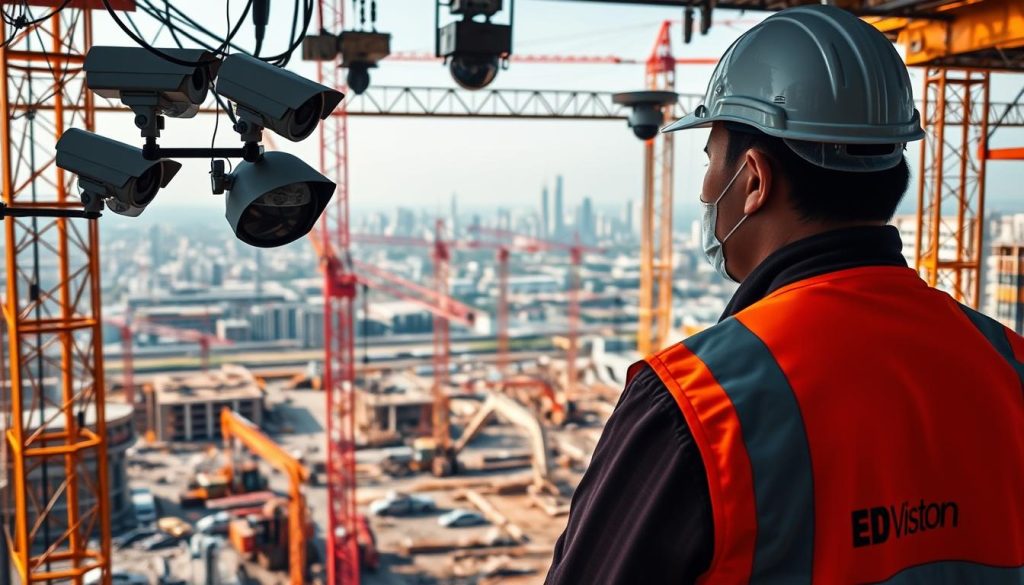
Setting Up Secure Remote Access for Site Managers
Virtual Private Networks create encrypted connections for safe remote viewing. They prevent unauthorized access to your surveillance feed. This protection ensures only authorized personnel can monitor sensitive footage.
Mobile applications offer convenient access through smartphones and tablets. These apps provide user-friendly interfaces for quick status checks. Managers can verify site conditions during off-hours without visiting location.
Two-factor authentication adds an extra layer of security protection. It requires both password and mobile verification for access. This approach significantly reduces the risk of compromised credentials.
Using Real-Time Alerts for Proactive Incident Response
Instant notifications enable immediate response to potential threats. These alerts reduce theft incidents by up to 40% according to industry data. Quick action prevents minor issues from becoming major problems.
Advanced systems distinguish between different types of movement. They can identify people versus animals or weather events. This intelligence minimizes false alarms while ensuring genuine threats get attention.
Mobile command centers provide flexible response capabilities. Managers can address security concerns from any location with connectivity. This flexibility proves invaluable for large-scale construction projects.
“Real-time alert systems don’t just notify—they empower immediate intervention that can save thousands in potential losses.”
Integration with time-lapse recording creates comprehensive project documentation. Weather data integration helps correlate environmental conditions with site activities. These combinations provide richer context for security assessment.
Live streaming offers unparalleled real-time oversight capabilities. Construction teams can monitor multiple sites simultaneously through dashboard interfaces. This comprehensive view enhances overall security management effectiveness.
Key benefits of remote monitoring include:
- Immediate response capability to security incidents
- Reduced need for physical security patrols
- Comprehensive site visibility from any location
- Integrated data from multiple sources for better decision-making
- Flexible monitoring that adapts to changing project needs
The Power of Time-Lapse Recording for Project Management
Time-lapse documentation transforms how construction teams track and verify project development. This technology captures sequential images that create compelling visual narratives of building progress.
Modern solutions integrate seamlessly with existing surveillance setups. They provide dual functionality for both security oversight and project management efficiency.
Documenting Progress and Verifying Milestones
Time-lapse recording creates undeniable visual evidence of construction achievements. Teams can verify completion dates and work quality through comprehensive video records.
This approach reduces project review time by 70% according to industry studies. Managers quickly identify timeline deviations and resource allocation issues.
High-resolution models like Brinno TLC 2020 deliver 1080p quality footage. This clarity ensures every detail remains visible during playback and analysis.
Weather data integration helps correlate environmental conditions with work progress. Teams can accurately analyze delay causes and improve future timeline predictions.
Using Visuals for Enhanced Reporting and Marketing
Compiled footage serves as powerful marketing material for potential clients. Time-lapse videos showcase technical capabilities and project scale effectively.
Stakeholders receive transparent updates through visual progress reports. These materials build trust and demonstrate commitment to project excellence.
Key benefits include:
- Visual verification of milestone completions and quality standards
- Reduced administrative time through automated progress tracking
- Enhanced client communications with compelling visual evidence
- Marketing assets that demonstrate technical expertise and project scale
- Weather-correlated data for improved timeline management
“Time-lapse technology doesn’t just record construction—it tells the story of your project’s journey from groundbreaking to completion.”
This approach creates valuable archives for future reference and liability protection. The visual records provide clear documentation for insurance claims and contractual verification.
Teams can identify best practices and process improvements through playback analysis. This continuous improvement cycle enhances overall project management effectiveness.
Understanding Singapore’s Regulatory Landscape for Video Surveillance
Singapore’s construction industry operates within a strict regulatory framework for visual monitoring systems. Compliance is not optional—it’s essential for legal operation and project approval.
New regulations mandate specific standards for larger developments. Understanding these requirements helps avoid penalties and ensures proper protection.
Mandatory VSS Requirements for Projects Over $5 Million
Beginning June 2024, all construction projects exceeding $5 million must install Video Surveillance Systems. This mandate addresses growing security needs across Singapore’s building sector.
The regulations specify minimum technical standards for compliance. Systems must capture HD 1080p resolution footage at adequate frame rates.
Recorded video must be retained for a minimum of 30 days. This retention period ensures availability for investigation purposes.
Proper installation follows approved guidelines for coverage and placement. Authorities may conduct inspections to verify compliance.
Non-compliance can result in project delays and financial penalties. Meeting these standards demonstrates professional commitment to site protection.
Complying with the Personal Data Protection Act (PDPA)
The PDPA governs how construction companies handle surveillance data. This legislation protects individual privacy while allowing necessary monitoring.
Secure storage practices prevent unauthorized access to recorded footage. Encryption and access controls are essential for compliance.
Clear signage must notify individuals about surveillance activities. This transparency respects privacy rights while maintaining security.
Data retention policies must align with PDPA guidelines. Footage should be deleted after its legitimate purpose expires.
Key compliance considerations include:
- Implementing access controls to prevent unauthorized viewing
- Maintaining clear documentation of data handling practices
- Training staff on proper data management procedures
- Conducting regular audits of storage and retention practices
- Establishing protocols for lawful data sharing with authorities
“Regulatory compliance isn’t just about avoiding penalties—it’s about building trust through ethical surveillance practices that respect both security needs and privacy rights.”
These regulations create a balanced approach to construction site protection. They ensure security while maintaining respect for individual privacy rights.
Proper implementation requires careful planning and ongoing attention. Professional guidance can help navigate these complex requirements effectively.
Calculating the ROI: How Security Cameras Save Money
Investing in proper surveillance technology delivers measurable financial returns beyond basic protection. These systems generate substantial savings through multiple channels that directly impact your project’s bottom line.
The true value extends far beyond initial equipment costs. Comprehensive monitoring creates compounding benefits throughout the construction timeline.
Direct Cost Savings from Theft and Vandalism Reduction
Construction sites experience significant financial losses from unauthorized activities. Proper surveillance reduces these incidents dramatically.
Industry data shows up to 80% reduction in theft occurrences with active monitoring. This prevention saves approximately $500,000 annually per site.
These savings directly protect your project budget and timeline. The equipment pays for itself through prevented losses alone.
Vandalism damage often exceeds simple equipment replacement costs. Repair delays can stall entire project phases.
Quick response capabilities minimize damage extent. This efficiency further reduces overall financial impact.
Potential Reductions in Insurance Premiums
Insurance providers recognize the risk reduction from quality surveillance. Many offer premium discounts for protected sites.
These savings typically range from 15-25% on construction policies. The discount often covers a significant portion of your security investment.
Enhanced protection also simplifies claims processing. Clear video evidence speeds up resolution and payment.
Insurance companies view monitored sites as lower risks. This perception translates directly into cost savings.
Gains in Operational Efficiency and Project Accountability
Surveillance systems improve overall site management effectiveness. They provide valuable insights into daily operations.
Resource management becomes more efficient with continuous monitoring. Teams can identify and address workflow bottlenecks.
Project accountability increases significantly with documented activities. This transparency improves contractor performance and compliance.
Operational efficiency gains reach up to 60% according to industry studies. These improvements accelerate project completion.
“The most successful construction projects view security technology not as an expense but as a strategic investment that delivers measurable returns across multiple financial dimensions.”
Time savings from faster incident response further enhance productivity. Managers spend less time investigating issues and more time moving projects forward.
Equipment tracking becomes more accurate with continuous monitoring. This visibility reduces loss and improves maintenance scheduling.
Key financial benefits include:
- Direct theft prevention saving approximately $500,000 annually
- Insurance premium reductions of 15-25%
- Operational efficiency improvements up to 60%
- Reduced project delays from quicker incident resolution
- Enhanced contractor accountability and performance
These combined benefits create a compelling return on investment case. The technology pays for itself while providing superior protection.
Long-term value extends beyond individual projects. The systems can be relocated to new sites, maximizing your investment.
Investing in a Secure and Successful Project Future
Securing your construction site with advanced surveillance technology is a smart investment. It protects assets and ensures project continuity in Singapore’s dynamic building environment.
This guide has highlighted essential features, compliance needs, and strategic installation. These elements work together to provide comprehensive protection and operational efficiency.
Choosing the right setup brings peace of mind and financial benefits. It reduces theft risks and potential delays, safeguarding your investment.
Trusted providers offer tailored solutions with long-term warranties. Their expertise ensures your security strategy meets specific site requirements.
Prioritize protection as a core part of project planning. This forward-thinking approach builds a foundation for success in Singapore’s construction industry.
FAQ
What makes a good construction site surveillance system?
A strong system offers high-definition video, night vision, motion alerts, and remote access. It must also be weatherproof and durable to handle tough site conditions.
Are wireless or wired security systems better for construction sites?
Wireless models offer flexibility and easier setup for temporary projects. Wired options provide stable power and connectivity but need more installation effort.
How do I protect my equipment from theft and vandalism?
Use cameras with real-time alerts and place them in high-risk zones. Features like infrared vision and tamper-proof designs help deter intruders and criminals.
What are the legal requirements for video monitoring in Singapore?
Projects over million often need a VSS. All sites must follow the PDPA, ensuring data protection and proper handling of recorded footage.
Can surveillance tools help with project management beyond security?
Yes. Time-lapse recording tracks progress, verifies milestones, and supports reporting. Live streaming allows remote oversight of daily activities.
How do I maintain my site’s monitoring equipment?
Perform routine checks for lens clarity and functionality. Keep software updated and manage storage to comply with retention policies.
What connectivity options work best for remote locations?
Cellular-based systems like 4G are ideal for areas without Wi-Fi. Solar or battery-powered units ensure continuous operation without grid power.
Do security systems reduce insurance costs?
Often, yes. Proven theft prevention and vandalism reduction can lead to lower premiums, adding financial value to your investment.


