
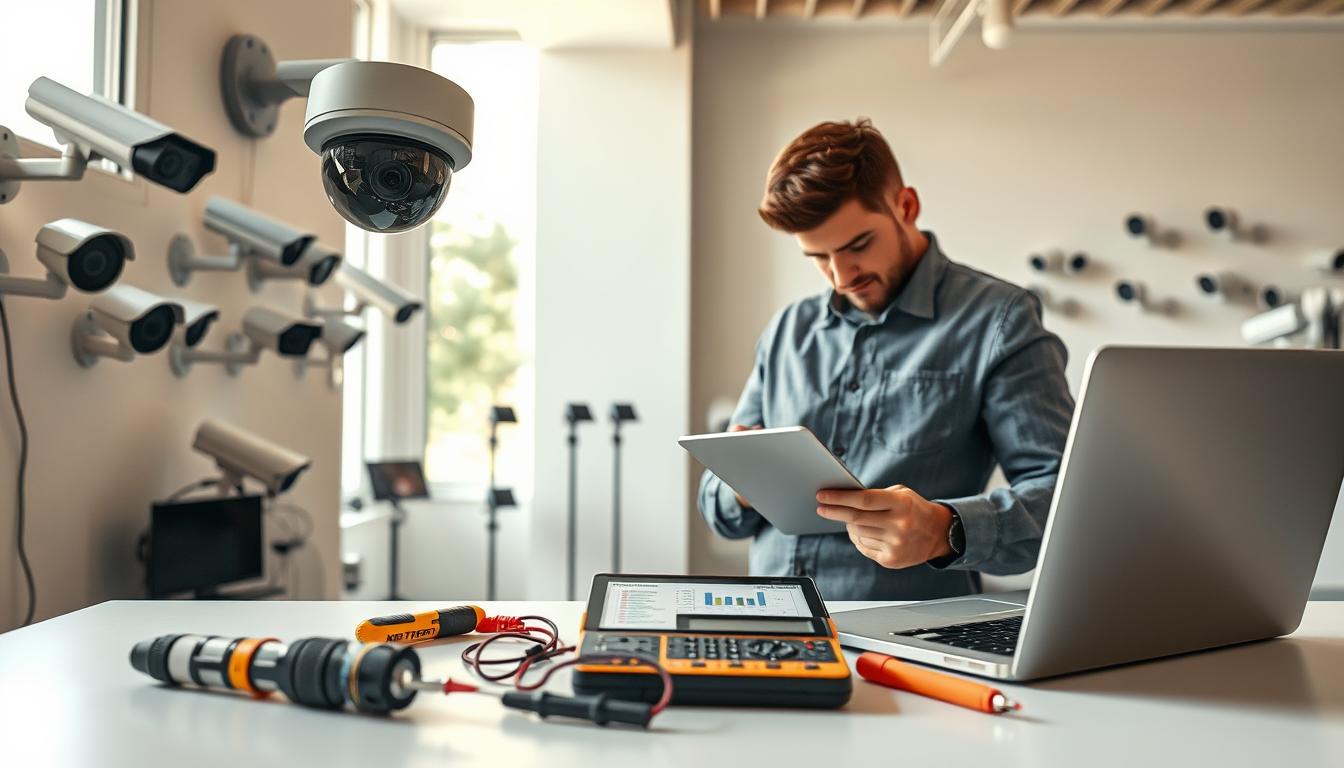
How much is CCTV maintenance? Cost Explained
Investing in a security system is a smart move for any property owner. Keeping that system running smoothly requires regular attention. This guide breaks down the expenses involved in maintaining your surveillance equipment.
In Singapore, initial setup prices for these security systems typically range from SGD 500 to SGD 1,500. This investment forms the foundation of your property’s protection. The ongoing upkeep is what ensures its long-term reliability and performance.
Several factors influence your final service bill. The type of system you own, how often it needs checking, and added features like remote viewing all play a role. Understanding these elements helps you budget effectively and choose the right plan for your needs.
Proactive care prevents expensive breakdowns and extends your equipment’s life. For personalized advice on your specific setup, contact our expert Wen Hong at +65 60135960.
Key Takeaways
- Regular upkeep is essential for system longevity and reliable operation.
- Initial system costs in Singapore range between SGD 500 and SGD 1,500.
- Final service pricing depends on equipment type, service frequency, and special features.
- Various maintenance packages exist to match different security requirements and budgets.
- Knowing your system’s capabilities is crucial for selecting appropriate ongoing care.
- Preventative servicing helps avoid costly future repairs and system failures.
- Professional consultation provides tailored advice for your specific security needs.
Why Investing in CCTV System Maintenance Is Non-Negotiable
Your surveillance setup represents a critical layer of protection for your property. Proper upkeep ensures this layer remains strong and functional at all times. Neglecting this aspect can compromise your entire security posture.
Ensuring Uninterrupted Surveillance and Reliability
Continuous monitoring depends on fully operational equipment. Routine checks keep all components working correctly. This prevents gaps in coverage that could leave you vulnerable.
Professional maintenance services identify potential problems early. They address minor issues before they escalate into major failures. This approach maintains constant watch over your premises.
Preventing Costly System Failures and Downtime
Regular upkeep significantly reduces equipment failures. Studies show proper care can decrease malfunctions by up to 30%. This directly translates to fewer emergency repairs and associated costs.
Common issues from neglected systems include faulty wiring and damaged cables. Broken lenses and DVR malfunctions also frequently occur. Addressing these proactively saves substantial repair expenses.
Well-maintained surveillance systems enjoy extended lifespans. Proper care can increase equipment longevity by up to 50%. This protection of your investment justifies the maintenance cost.
Maintaining Legal Compliance and Evidence Quality
In Singapore, security footage must meet specific regulatory standards. Maintenance ensures your system always records admissible evidence. This compliance avoids potential legal complications.
Clear, high-quality video is essential for effective identification. Well-maintained cameras produce sharper images and better recordings. This quality proves crucial during investigations and audits.
Routine servicing verifies all components meet operational requirements. It confirms proper recording functionality and storage integrity. This diligence ensures your evidence remains court-admissible.
Professional maintenance isn’t an optional expense—it’s essential for responsible security management. Regular servicing protects your investment while ensuring reliable protection. For tailored advice on your specific needs, contact our security experts today.
Breaking Down a Modern CCTV System’s Core Components
Modern surveillance technology consists of several interconnected elements working together. Knowing these parts helps you understand maintenance needs and potential issues. This knowledge also helps when discussing service with technicians.
Cameras: From Analog to IP and PTZ Varieties
Security cameras form the eyes of your surveillance system. Different types serve specific monitoring purposes. Dome cameras offer discreet indoor coverage with wide viewing angles.
Bullet cameras provide longer-range outdoor observation. IP cameras deliver high-resolution images and remote viewing capabilities. PTZ models allow pan-tilt-zoom control for active monitoring.
Each camera type has unique maintenance requirements. Regular cleaning and alignment checks ensure optimal performance. Understanding your camera varieties helps anticipate service needs.
Recording Hardware: DVRs, NVRs, and Storage Solutions
Recording devices form the memory center of your security setup. DVRs process analog camera signals while NVRs handle digital IP feeds. Both require regular health checks for reliable operation.
Storage capacity directly affects how much footage you retain. Higher resolution cameras demand more storage space. System scale determines whether you need basic or enterprise-level solutions.
Hard drive integrity checks prevent critical data loss. Regular system diagnostics identify potential hardware problems early. Proper maintenance ensures your recorded evidence remains accessible.
Software, Power Supplies, and Connectivity
Management software controls your entire surveillance operation. This software requires regular updates to address security vulnerabilities. These updates also improve system efficiency and features.
Power supplies ensure uninterrupted operation during outages. Voltage fluctuations can damage sensitive electronic parts. Backup power systems require testing to guarantee performance.
Connectivity components include cables and network equipment. These elements need routine monitoring to prevent signal loss. Proper installation prevents most connectivity problems.
Understanding your system’s components makes maintenance planning more effective. This knowledge helps you communicate better with service technicians. It also allows for more accurate budgeting for ongoing care.
Key Factors That Determine Your CCTV Maintenance Price
Several critical elements influence the ongoing service pricing for security monitoring setups. Knowing these variables helps property owners budget accurately for their surveillance needs. Each factor contributes to the final service bill in different ways.
Number of Cameras and System Scale
The quantity of surveillance units directly affects service expenses. Larger setups with more cameras require additional time and resources for proper upkeep. Each device needs individual attention during routine checks.
Service providers typically charge based on the total camera count. Comprehensive systems with multiple units naturally incur higher maintenance costs. The scale of your setup determines both the frequency and scope of required services.
Technology Level: Basic Analog vs. Advanced IP Systems
Different surveillance technologies have varying upkeep requirements. Basic analog setups generally have simpler maintenance needs. These traditional systems often involve straightforward checks and adjustments.
Advanced IP-based solutions demand specialized technical expertise. These sophisticated systems may cost more to maintain but deliver superior features. Professional technicians require specific training to service modern digital equipment properly.
Installation Complexity and Site Accessibility
Physical placement challenges can significantly impact service fees. Cameras mounted at height or in hard-to-reach locations require special equipment. Technicians may need additional time to access these units safely.
Complex installations often involve extra labor costs. Sites with limited accessibility might require specialized tools or additional personnel. These factors contribute to the overall maintenance plan pricing.
Quality of Original Equipment and Storage Needs
Higher-end surveillance brands may involve more expensive replacement parts. Premium equipment often delivers better reliability but can have costlier maintenance components. The original quality correlates with long-term service requirements.
Storage capacity directly affects system maintenance needs. Larger recording systems demand regular health checks and potential upgrades. Higher resolution cameras require matched storage solutions for optimal performance.
These elements collectively shape your final surveillance upkeep expenses. Understanding each factor helps property owners make informed decisions about their security investment. For detailed pricing information specific to your setup, explore our comprehensive cost guide.
How Much Is CCTV Maintenance? Average Costs in Singapore
Budgeting for your security setup’s ongoing care requires understanding local pricing structures. Singapore’s market offers various service tiers to match different protection requirements. Knowing these options helps property owners make informed financial decisions.
https://www.youtube.com/watch?v=KTFLV6xrLHs
Annual Cost Ranges: From Basic to Comprehensive Coverage
Yearly upkeep plans typically range between SGD 300 and SGD 1,500. Basic packages start around SGD 300-600 annually. These typically include essential care for smaller residential setups.
Comprehensive coverage ranges from SGD 600 to SGD 1,500 per year. These premium plans suit commercial properties with complex security needs. They often include priority response and advanced system checks.
Key differences between service levels:
- Basic plans cover routine inspections and cleaning
- Standard packages add software updates and performance reports
- Comprehensive options include emergency support and after-hours service
Understanding Per-Visit Service Fee Structures
Single service appointments typically cost SGD 100-300 per visit. Technician fees vary based on system complexity and camera count. Larger installations naturally command higher service charges.
Several factors influence per-visit pricing:
- Number of cameras requiring attention
- System type (analog vs. IP-based solutions)
- Travel time to your location
- Urgency of the service request
Commercial properties often pay more due to larger systems and business-hour requirements. Residential setups generally have lower per-visit fees. Annual contracts typically offer 15-20% savings compared to pay-per-visit arrangements.
Seasonal promotions and package discounts sometimes become available. Always request detailed quotes based on your specific security setup. This ensures accurate pricing for your property’s protection needs.
“Proper budgeting for security upkeep prevents unexpected expenses and ensures continuous protection.”
Understanding these expense structures helps property owners plan effectively. For precise pricing tailored to your surveillance system, consult with professional security specialists today.
What Does a Professional Maintenance Service Actually Include?
A professional surveillance care program covers multiple essential tasks. These activities work together to keep your security system performing at its best. Understanding what’s included helps you appreciate the value of regular professional attention.
Routine Physical Inspection and Cleaning Protocols
Technicians conduct thorough visual examinations of all equipment. They check for physical damage, wear, and environmental factors. This proactive approach identifies potential issues before they become problems.
Specialized cleaning removes dust, debris, and obstructions from lenses. Proper cleaning maintains clear image quality and prevents false alerts. Regular attention ensures cameras capture crisp, usable footage.
Critical Software and Firmware Updates
Security patches address vulnerabilities that could compromise your system. These updates protect against cyber threats and unauthorized access. Regular software maintenance ensures compatibility with newer devices.
Firmware upgrades often bring performance improvements and new features. These updates keep your equipment running efficiently. Staying current prevents compatibility issues with other security components.
Recording and Storage System Health Checks
Technicians verify that all footage is being properly recorded and stored. They check hard drive health and available storage space. This prevents critical data loss during important events.
Backup systems receive testing to ensure they function when needed. Storage integrity checks confirm data remains accessible and uncorrupted. These verifications provide confidence in your evidence preservation.
Performance Optimization and Image Quality Adjustments
Camera angles and focus receive fine-tuning for optimal coverage. Settings get adjusted based on lighting conditions and seasonal changes. These refinements maximize your system’s effectiveness.
Image quality calibrations ensure clear identification capability. Color balance and exposure settings receive professional adjustment. These optimizations deliver the best possible surveillance results.
Comprehensive care extends beyond basic checks to include connectivity testing and power supply verification. Emergency troubleshooting capabilities ensure rapid response to unexpected issues. This complete approach maximizes system lifespan while minimizing reactive repairs.
Comparing Residential vs. Commercial CCTV Maintenance Needs
Property protection requirements vary significantly between homes and business establishments. These differences directly impact ongoing care requirements for surveillance setups. Understanding these distinctions helps owners select appropriate service levels.
Scope and Scale: Differing System Complexities
Home surveillance typically involves fewer cameras and simpler configurations. These setups focus on basic monitoring and deterrence functions. Most residential installations range from 2-8 cameras covering key entry points.
Commercial properties demand more comprehensive coverage. Businesses often deploy 10-50+ cameras across multiple locations. These complex networks include advanced features like license plate recognition and people counting.
Integrated software platforms are common in enterprise environments. These systems connect with access control and alarm systems. The interconnected nature increases maintenance demands significantly.
Pricing Tiers for Homeowners and Businesses
Residential service visits typically cost SGD 100-150 per appointment. These affordable rates reflect simpler system architectures. Homeowners generally require less technical expertise during routine checks.
Commercial service calls range from SGD 200-300 per visit. The higher pricing accounts for larger scale and specialized requirements. Business installations often need advanced diagnostic tools and multiple technicians.
Additional business services include:
- Remote monitoring capabilities
- Advanced analytics reporting
- Integration with other security systems
- Customized alert configurations
Service Frequency: Quarterly vs. Monthly Checks
Home systems typically undergo quarterly or bi-annual inspections. This schedule maintains basic functionality for residential protection needs. Regular cleaning and software updates occur during these visits.
Business environments require monthly or bi-monthly service intervals. Continuous operation is critical for commercial security and compliance. Frequent checks prevent disruptions that could impact operations.
High-traffic business locations need even more attention. Retail stores and manufacturing facilities often require weekly visual inspections. These preventive measures ensure constant surveillance coverage.
“The right maintenance plan matches your property’s specific risk profile and operational requirements.”
Service contracts also differ between property types. Residential agreements often feature flexible month-to-month options. Business plans typically involve annual commitments with comprehensive coverage.
Multiple location businesses face additional complexity. Each site may have unique security needs and equipment configurations. These situations demand customized maintenance strategies.
Choosing appropriate care depends on your property type and security objectives. Residential owners prioritize basic protection and affordability. Business operators focus on comprehensive coverage and minimal downtime.
Proactive vs. Reactive: Types of CCTV Maintenance Services
Security systems require different approaches to upkeep based on operational needs and potential risks. Choosing between preventive care and emergency response strategies affects both performance and expenses. A balanced approach ensures optimal protection while managing costs effectively.
Planned preventive maintenance schedules form the foundation of reliable surveillance operation. These regular visits involve systematic inspections and early problem detection. Technicians perform thorough checks to identify potential issues before they escalate.
PPM routines typically include camera cleaning, software updates, and system diagnostics. Environmental factors and usage patterns determine inspection frequency. Customized schedules match your property’s specific security requirements.
Planned Preventive Maintenance (PPM) Schedules
Regular service appointments significantly reduce equipment failures. Studies show proper care decreases malfunctions by up to 30%. This proactive approach prevents most emergency situations.
Technicians verify all components during scheduled visits. They check camera alignment, focus, and recording functions. Storage systems receive health assessments to prevent data loss.
Preventive care extends equipment lifespan and maintains video quality. It’s more cost-effective than waiting for breakdowns. This method protects your investment through consistent attention.
Emergency Reactive Repair and Troubleshooting
Unexpected system failures demand immediate technical response. Reactive services address problems as they occur. These urgent repairs typically involve higher service charges.
Common emergency situations include complete system outages and recording failures. Camera malfunctions and connectivity problems also require quick fixes. Technicians prioritize these calls to restore protection quickly.
While essential for unexpected issues, reactive solutions cost more than preventive care. Emergency visits often include after-hours service premiums. Having a reliable provider ensures rapid response when needed most.
The Growing Role of Remote Diagnostics
Modern technology enables off-site system monitoring and troubleshooting. Remote diagnostics allow technicians to identify problems without physical visits. This approach saves time and reduces service expenses.
Software tools monitor system health and performance metrics. Technicians can perform updates and adjustments remotely. Many common issues get resolved through online connections.
Remote capabilities provide continuous system supervision between scheduled visits. They alert technicians to potential problems before they become critical. This technology enhances overall service efficiency.
Combining preventive and reactive strategies offers comprehensive coverage. Regular maintenance minimizes emergency calls while remote monitoring provides ongoing support. This balanced approach ensures continuous protection and cost control.
“A blended maintenance strategy delivers optimal performance while managing operational expenses effectively.”
Professional service providers tailor programs to match your specific needs. They consider system complexity, usage patterns, and security requirements. This customization ensures appropriate care for your surveillance investment.
Evaluating Long-Term Contracts and Short-Term Agreements
Choosing the right service agreement requires careful consideration of your security objectives and financial planning. Different contract lengths offer distinct advantages for property protection. Understanding these options helps you make an informed decision about ongoing care.

Cost-Benefit Analysis of Multi-Year Commitments
Extended agreements typically span three years or more. These arrangements often provide significant financial benefits. Clients can save 8-12% on initial setup expenses.
Long-term contracts also reduce annual service fees. Providers offer better rates for guaranteed business. This stability allows for more accurate budgeting over time.
Additional advantages include priority support and extended warranties. Your equipment receives consistent attention from familiar technicians. This continuity improves system reliability and performance.
The Flexibility and Pricing of Annual Agreements
Yearly contracts balance cost savings with adaptability. They suit properties with evolving security requirements. Businesses experiencing growth often prefer this option.
Annual plans allow for regular reassessment of your protection needs. You can adjust services based on changing circumstances. This flexibility ensures your plan remains relevant.
Pricing remains stable for twelve months under these agreements. You avoid unexpected price increases during the contract period. This predictability helps with financial planning.
How Contract Length Impacts Service Quality and Continuity
Extended agreements often include enhanced service levels. Providers invest more in long-term relationships. You typically receive faster response times and dedicated support.
Service continuity improves with multi-year commitments. Technicians develop deeper knowledge of your specific setup. This familiarity leads to more efficient troubleshooting.
Short-term contracts allow easier provider switching if service declines. However, they may involve higher per-visit costs. Each option serves different risk tolerance levels.
“The ideal contract length matches your operational stability and future growth projections.”
Consider these factors when selecting your agreement term:
- Multi-year contracts offer maximum cost savings and priority support
- Annual plans provide good value with moderate flexibility
- Short-term agreements suit temporary or uncertain situations
- Equipment lifecycle should influence your decision timeframe
- Budget constraints help determine the optimal commitment level
Your choice should align with both current requirements and anticipated future needs. Evaluate your risk profile and financial capacity before committing. Professional advice can help identify the most suitable option for your property.
A Look at Common CCTV Maintenance Packages Available
Security providers offer tiered service options to match different protection requirements. These packages range from essential care to comprehensive support. Understanding these options helps you select the right level for your property.
Features of an Entry-Level Basic Maintenance Package
Basic packages typically cost SGD 300-600 annually. They provide fundamental care for smaller security setups. These plans suit properties with limited risk exposure.
Essential coverage includes routine physical inspections and cleaning. Technicians verify all components function correctly. They perform necessary firmware updates during visits.
This level works well for residential properties with few cameras. It’s also suitable for small offices with basic monitoring needs. The focus remains on preventive care and basic functionality.
What to Expect from a Mid-Tier Standard Package
Standard packages range from SGD 500-1,000 per year. They offer enhanced frequency and additional features. Monthly check-ups replace quarterly visits in most cases.
Remote monitoring capabilities become available at this level. Technicians can address minor issues without physical visits. Performance reports help track system health over time.
These plans provide excellent value for most property types. They balance comprehensive coverage with reasonable expenses. Many homeowners and small businesses find this tier ideal.
Comprehensive Package Benefits: Emergency Support and Advanced Analytics
Premium packages cost SGD 1,000-2,500 annually. They include emergency response services and advanced features. Large commercial operations typically require this level.
24/7 support ensures rapid response to critical issues. Advanced analytics provide deeper insights into security patterns. Personalized consultations help optimize system performance.
Additional benefits often include:
- Priority scheduling for all service requests
- Extended equipment warranties
- Customized reporting formats
- Integration with other security systems
These comprehensive plans minimize downtime for critical operations. They’re essential for high-security environments and large facilities.
“The right maintenance plan should match your operational requirements and risk tolerance.”
Package features typically scale with pricing levels. Higher tiers offer more frequent visits and faster response times. Some providers allow customization to address specific needs.
Your selection should consider system complexity and security goals. Compare offerings from multiple providers before deciding. This ensures you receive optimal value for your investment.
Budgeting for Parts and Repairs Beyond Routine Service
Smart property protection involves planning for unexpected expenses that go beyond regular check-ups. While scheduled servicing keeps your system running smoothly, additional components may need attention over time. Understanding these potential expenses helps you maintain financial readiness.
Common Replacement Parts and Their Associated Costs
Security systems occasionally require component replacements. Cameras and recorders typically range from SGD 100-500 each. These expenses depend on quality and technical specifications.
Other common replacements include:
- Power supplies and connectivity cables
- Storage devices and memory components
- Lenses and mounting hardware
Higher-quality parts generally last longer but cost more initially. Budgeting for these items ensures you can address issues promptly.
Planning for Hardware Upgrades and Software Licenses
Technology evolves rapidly in the security industry. Older components may become obsolete within 3-5 years. Planning for periodic upgrades maintains system effectiveness.
Software licenses require regular renewal for continued access to updates. These subscriptions ensure you receive security patches and new features. License fees typically range from SGD 50-200 annually.
Proactive upgrades prevent compatibility issues and maintain optimal performance. They represent important long-term investments in your property’s protection.
Understanding Emergency Call-Out and Labor Fees
Unexpected system failures may require immediate technical assistance. Emergency service calls typically cost SGD 80-200 per visit. These fees cover rapid response outside normal hours.
Labor charges add to the overall expense based on service complexity. Technician expertise and time required influence final pricing. More complicated issues naturally involve higher labor costs.
“A well-maintained system experiences fewer emergencies, but budgeting for unexpected issues provides crucial financial protection.”
Service contracts often include discounts on parts and labor. These agreements can significantly reduce your overall expenses. They provide predictable pricing for both scheduled and unexpected needs.
Setting aside a maintenance fund based on your system’s age and condition is wise. This preparation ensures you can address issues immediately without financial stress. Regular care ultimately reduces the frequency of major repairs.
How to Select the Right Maintenance Plan for Your Property
Choosing the proper care program for your surveillance setup requires careful evaluation. The ideal approach balances protection requirements with financial considerations. This decision impacts both immediate security and long-term investment value.
Assessing Your Security Needs and Risk Profile
Begin by evaluating your property’s specific protection requirements. Consider location, asset value, and historical security incidents. Higher-risk environments demand more comprehensive coverage.
System complexity directly influences maintenance needs. Advanced setups with multiple cameras require more frequent attention. Integrated systems need specialized technical expertise.
Review your operational hours and coverage requirements. Businesses with 24/7 operations need different care than residential properties. Tailored plans address specific vulnerabilities effectively.
Matching Your Budget to the Appropriate Service Level
Financial planning ensures you receive essential services without overspending. Basic packages suit properties with limited risk exposure. They provide fundamental care at affordable rates.
Mid-tier options offer enhanced features for growing businesses. These plans balance comprehensive coverage with reasonable expenses. They typically include remote monitoring capabilities.
Premium packages deliver maximum protection for critical operations. They feature emergency response and advanced analytics. Budget alignment prevents compromising on essential services while maintaining financial responsibility.
Key Questions to Ask a Potential Service Provider
Vet providers thoroughly before committing to any agreement. Ask about their experience with similar systems and environments. Verify their knowledge of local regulations and compliance requirements.
Inquire about emergency response times and support options. Understand their typical resolution timeframe for critical issues. Check their availability during off-hours and weekends.
Review contract terms regarding scope, frequency, and costs. Ensure no hidden fees or unexpected charges exist. Request references from current clients in similar industries.
Provider credentials matter significantly. Look for certifications, insurance coverage, and positive customer reviews. These indicators reflect reliability and professional standards.
“The right maintenance partner understands both technology and your specific security objectives.”
Consider these evaluation factors when selecting your plan:
- Provider track record with similar security systems
- Clear communication regarding service inclusions
- Flexibility to adjust plans as needs evolve
- Transparent pricing without hidden charges
- Local expertise for Singapore-specific requirements
Thorough evaluation ensures you find the optimal balance between protection and affordability. For commercial properties with complex needs, explore our specialized business surveillance services designed for enterprise environments.
The Tangible Benefits of Professional CCTV Maintenance Services
Professional care transforms your security investment into a reliable protection asset. These specialized services deliver measurable advantages that go beyond basic upkeep. They ensure your surveillance setup performs at its peak potential consistently.
Expert attention brings multiple advantages to property protection. These benefits justify the investment in regular professional care. They range from financial protection to operational reliability.
Maximizing System Lifespan and Protecting Your Investment
Regular professional attention extends equipment longevity significantly. Studies show proper care can increase system lifespan by up to 50%. This protection safeguards your initial financial outlay.
Technicians identify potential issues before they cause damage. They address wear and tear through proactive adjustments. This approach prevents premature equipment replacement.
Well-maintained components operate more efficiently. They experience fewer stress-related failures over time. This reliability translates to long-term cost savings.
Enhanced Video Quality for Effective Deterrence and Identification
Clear footage is essential for security effectiveness. Professional maintenance improves video quality by 40% on average. Crisp images enable accurate identification when needed.
Regular lens cleaning removes dust and debris. Camera calibration ensures optimal focus and exposure. These adjustments maintain consistent image clarity.
High-quality recordings serve as stronger deterrents. They also provide better evidence for investigations. This visual reliability supports both prevention and resolution.
Peace of Mind Through 24/7 Monitoring Support and Rapid Response
Knowing experts watch your system brings comfort. Professional services include around-the-clock monitoring capabilities. This constant vigilance detects issues immediately.
Emergency response teams address problems quickly. They minimize downtime during critical situations. Rapid resolution maintains continuous protection.
Technical support remains available whenever needed. Expert advice helps address concerns promptly. This accessibility reduces security anxiety.
Professional maintenance delivers comprehensive advantages:
- Equipment failures decrease by 30% with regular care
- Legal compliance remains consistent through proper upkeep
- Performance optimization ensures clear surveillance footage
- Proactive alerts prevent minor issues from escalating
- Business continuity improves through minimized downtime
- Customized solutions address specific security requirements
“The value of professional maintenance extends beyond cost savings to include operational confidence and protection assurance.”
These benefits collectively justify the investment in expert care. They transform routine upkeep into strategic asset protection. For properties in Singapore, this approach ensures optimal security performance.
Securing Your Investment with a Professional Maintenance Strategy
A well-planned approach to surveillance upkeep protects your assets and ensures reliability. Regular attention keeps your equipment performing at its best. This prevents unexpected breakdowns and extends its lifespan.
Strategic care reduces long-term expenses by avoiding major repairs. It also enhances security through consistent monitoring quality. Custom plans address specific operational requirements and risk levels.
Partnering with experts provides access to specialized tools and knowledge. They ensure compliance with regulations and industry standards. Proactive measures deliver peace of mind and continuous protection.
Implementing a tailored strategy safeguards your surveillance investment effectively. For personalized solutions matching your security needs, consult professional services today.
FAQ
What does CCTV maintenance typically include?
Professional maintenance services include physical cleaning of cameras and housings, checking cable connections, updating software and firmware, verifying storage systems, and testing overall performance. These checks help identify problems early and keep your surveillance system running smoothly.
How often should I schedule maintenance for my security cameras?
Most businesses benefit from quarterly maintenance visits, while high-security sites may need monthly checks. Residential systems often require only one or two service visits per year. Regular upkeep ensures reliability and helps avoid unexpected failures.
Are there different maintenance packages available?
Yes, providers usually offer tiered packages. Basic plans cover routine inspections and cleaning. Standard packages add software updates and minor repairs. Comprehensive plans include emergency support, advanced diagnostics, and sometimes hardware replacements.
Can I perform CCTV maintenance myself?
Basic tasks like lens cleaning can be done by users, but professional service is recommended for thorough checks, software updates, and internal repairs. DIY efforts might void warranties or lead to overlooked issues.
What factors influence the cost of a maintenance contract?
Key factors include the number of cameras, system complexity, technology type (analog vs. IP), site accessibility, and whether the plan includes emergency repairs or replacement parts.
Do maintenance contracts cover repairs and part replacements?
It depends on the contract. Basic agreements often exclude parts and major repairs. Higher-tier packages may include certain replacements or offer discounts on labor and equipment. Always review coverage details before signing.
Why is regular maintenance important for a surveillance system?
Consistent upkeep prevents system downtime, ensures high-quality video evidence, extends equipment lifespan, and maintains compliance with security standards. It also offers peace of mind that your security system is always operational.
What happens if I don’t maintain my CCTV system?
Without regular service, cameras may develop issues like blurry footage, recording failures, or complete breakdowns. Dust, weather, and software glitches can degrade performance over time, leaving gaps in your security coverage.


