
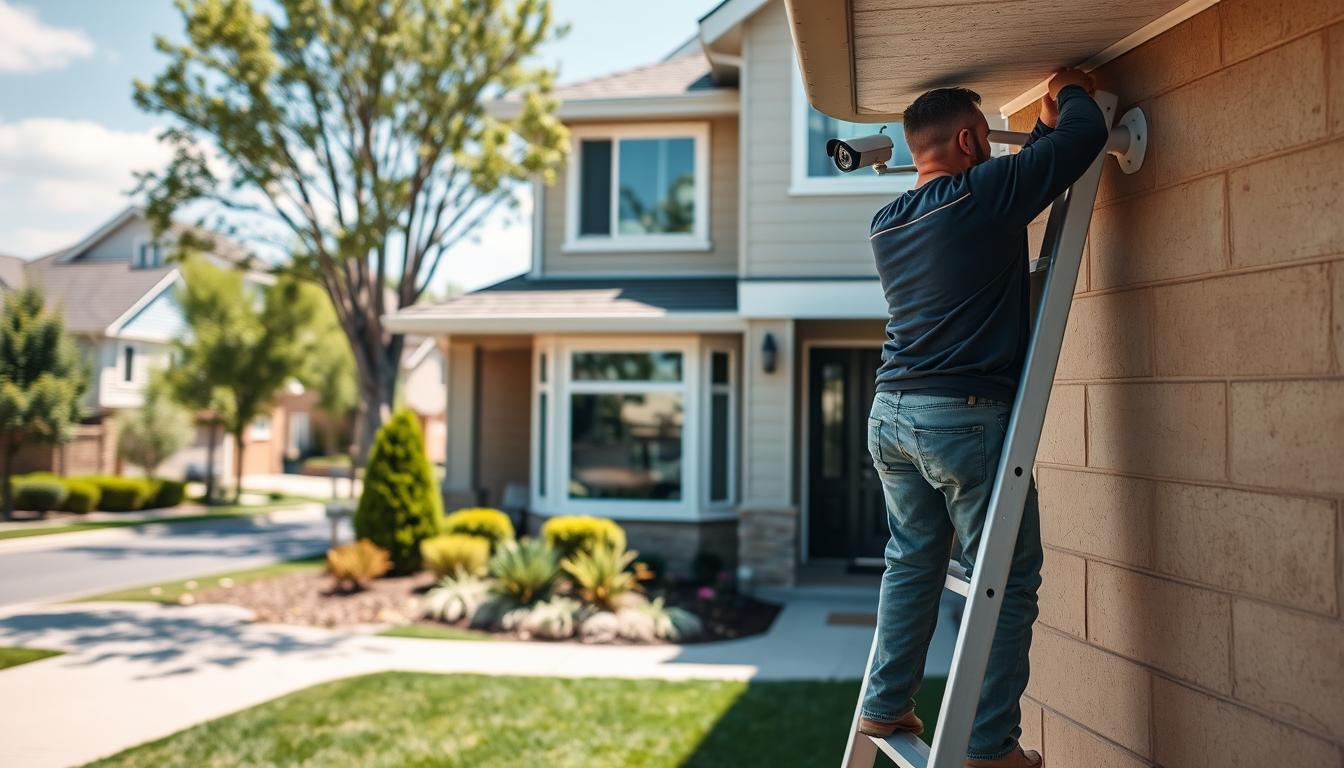
Guide: Is it legal to install CCTV outside my house?
Home security remains a top priority for many Singapore residents. With rising concerns about safety, more homeowners consider surveillance systems for their properties. This comprehensive guide addresses common questions about outdoor camera placement.
Understanding the regulations ensures your security measures remain within legal boundaries. Different housing types face unique rules under Singapore law. The framework balances personal safety with community privacy rights.
Recent years saw significant growth in residential camera usage. Smart doorbells with recording capabilities gained particular popularity. These devices offer convenience but raise important legal considerations.
Key legislation includes the Personal Data Protection Act (PDPA). The Community Disputes Resolution Act (CDRA) also governs neighbor relations. Town councils enforce specific guidelines for common areas in housing estates.
Proper installation requires understanding these overlapping regulations. Our guide explores requirements for HDB flats, condominiums, and landed properties. We detail approval processes and recent policy updates affecting residents.
Key Takeaways
- Singapore law permits outdoor CCTV installation with specific conditions and limitations.
- The Personal Data Protection Act (PDPA) governs how surveillance footage containing personal data must be handled.
- Different housing types (HDB, condo, landed) have varying approval processes from relevant authorities.
- Recent 2023 HDB policy changes affect corridor-facing camera installations in public housing.
- Balancing security needs with neighbor privacy helps prevent community disputes.
- Non-compliance can result in fines from town councils or legal action under privacy laws.
- For a step-by-step approach, consider our DIY CCTV installation guide for Singapore.
Is it legal to install CCTV outside my house? The Short Answer
Many property owners consider surveillance equipment but wonder about regulatory boundaries. The straightforward response involves your housing type, camera positioning, and adherence to local laws. Singapore’s framework balances personal safety with community privacy rights.
Public housing residents face specific requirements. Placing cctv cameras on common corridors demands town council authorization. Non-compliance risks fines reaching $5,000.
Condominium living brings different rules. Management Corporation Strata Title (MCST) bylaws typically govern these spaces. Approval is usually mandatory for devices in shared lobbies or walkways.
Landed homeowners enjoy greater flexibility for monitoring their compounds. They can position surveillance units within their boundaries more freely. However, respecting adjacent household privacy remains essential.
Modern options like smart doorbells often receive favorable treatment. Housing authorities view them as less invasive than traditional systems. Still, mounting them in communal spaces might need permission.
The Personal Data Protection Act (PDPA) contains important exemptions. Residential surveillance for personal use generally falls outside its scope. The Community Disputes Resolution Act (CDRA) however prohibits excessive monitoring of neighbors.
Market trends reveal growing interest in residential security. Retailers note approximately 33% higher sales recently. Theft prevention and harassment concerns drive this increased demand.
Successful installation cctv requires careful planning. Always direct lenses toward your own entrance or garden. Avoid capturing footage of neighboring windows or doors.
Seeking proper approvals prevents future complications. Each housing category has distinct authorization processes. Following these steps ensures your security measures respect legal limits.
Ignoring regulations carries serious consequences. Penalties may include monetary fines or compulsory equipment removal. In severe cases, privacy law violations could lead to criminal charges.
Understanding these principles helps maintain harmony while enhancing safety. Proper pdpa compliance protects both your household and community relationships. Strategic placement supports your enjoyment property without infringing on others’ rights.
Understanding Singapore’s Legal Framework for Home CCTV
The legal landscape for property surveillance combines privacy protection with neighborly conduct rules. Two main statutes create boundaries for residential monitoring systems. These laws work together to balance security needs with community rights.
The Personal Data Protection Act (PDPA) and Household Exemption
Singapore’s primary data protection act focuses on organizational data handling. The Personal Data Protection Act governs how businesses collect and use information. However, a crucial household exemption exists for personal, non-commercial use.
This exemption means residents face fewer restrictions for domestic security. Homeowners avoid typical PDPA compliance rules like consent requirements. Recording footage for family safety generally falls outside the protection act’s scope.
Distributing surveillance material publicly changes the situation. Sharing videos online or with third parties might trigger obligations. Proper data protection practices become essential when footage leaves your premises.
The Community Disputes Resolution Act addresses neighbor relations differently. This disputes resolution act prohibits unreasonable interference with others. It specifically protects a neighbor’s enjoyment property rights.
Under this resolution act, a neighbor includes anyone within 100 meters. This broad definition extends beyond adjacent units. Entire building residents and nearby homes fall under this category.
Courts interpret unreasonable interference quite strictly. Cameras pointing at windows or doors often violate guidelines. Even interior devices capturing private spaces might cause community disputes.
Understanding both laws prevents potential conflicts. The framework allows security measures while respecting privacy. Strategic placement avoids disputes resolution processes and legal actions.
Violations carry serious financial consequences. The CDRA permits fines reaching $20,000 for excessive surveillance. Tribunal orders might require equipment removal or adjustment.
Homeowners should review their camera positioning regularly. Ensure lenses focus solely on your property boundaries. Avoid capturing personal data from neighboring units or common areas.
This dual approach supports household safety and community harmony. Following both exemption guidelines and conduct rules maintains good relations. Proper setup demonstrates respect while achieving security objectives.
Rules for Installing CCTV Outside Your HDB Flat
Public housing corridors present unique challenges for security camera placement under Singapore law. HDB residents must follow specific guidelines that differ from other housing types. These rules protect both personal security and community privacy in shared spaces.
Understanding the latest policy updates helps homeowners make informed decisions. Recent changes affect how surveillance systems can monitor common walkways. Proper compliance prevents disputes with neighbors and housing authorities.
HDB’s Stance on Corridor-Facing Cameras
Since May 2023, HDB implemented significant policy adjustments. Flat owners no longer need approval for corridor-facing cameras outside hdb units when installed from within. This relaxation simplifies the process for monitoring personal entry points.
However, important restrictions still apply to these devices. Lenses must not point directly at neighboring doors or windows. Respecting household privacy remains an essential requirement for all residents.
Despite this relaxation, different rules govern equipment placed in shared spaces. Any device mounted on common property requires formal authorization. This includes walls, ceilings, or corridors beyond your unit’s boundaries.
Town council by-laws strictly regulate fixtures in communal areas. Unauthorized installation cctv systems risk substantial penalties. Fines can reach $5,000 alongside compulsory removal orders.
Each town council manages its estate’s common areas independently. The Ang Mo Kio Town Council serves as a representative example. AMKTC mandates approval for both traditional cameras and smart doorbells in shared zones.
Similar regulations exist across Singapore’s various housing districts. Residents should verify requirements with their local authority. Slight variations may occur between different kio town council jurisdictions.
Complaint statistics show improving compliance among homeowners. HDB reported approximately 140 cases in 2022. This marks a decrease from over 200 annual complaints during 2020 and 2021.
The decline suggests better public awareness of regulations. Residents increasingly balance security needs with privacy considerations. Proper camera angling covers only personal entrances and immediate surroundings.
Real-world examples demonstrate the value of compliant systems. One resident used footage to identify a neighbor stealing flower pots. Such evidence proves useful while maintaining respectful placement guidelines.
Homeowners should always consult their specific ang kio town management office. Clarifying exact requirements prevents future complications. This proactive approach ensures security measures remain within legal boundaries.
Strategic positioning achieves protection without invading others’ privacy. Point lenses toward your own outside hdb flat entrance exclusively. Avoid capturing adjacent units or shared corridor sections.
Regularly review your camera’s field of view. Ensure it hasn’t shifted toward neighboring properties over time. Maintenance checks help sustain compliant cameras outside your living space.
Following these guidelines supports community harmony in HDB estates. Residents gain security while respecting shared living environments. The framework allows protection without compromising neighbor relations.
How to Get Town Council Approval for Your CCTV Camera
Residents seeking to monitor common areas must obtain official permission from local authorities. The authorization process involves several formal steps that ensure community guidelines receive proper consideration.
Each town council manages approval requests for surveillance equipment in shared spaces. Following the correct procedure prevents potential fines and enforcement actions.
Step 1: Filing a Necessary Police Report
Your journey begins with documenting security incidents that justify surveillance needs. Filing a formal police report creates an official record of concerns.
Local authorities like AMKTC require this documentation before reviewing any application. The report should detail specific events with exact dates and descriptions.
Common justifications include theft, vandalism, or harassment near your residence. Providing photographic evidence or witness statements strengthens your case significantly.
After securing the police documentation, prepare your submission package. Email your local town council with a formal request for installation cctv approval.
Include the police report alongside camera placement diagrams in your application. Some districts may request neighbor consent forms for shared wall mounting.
Approval timelines typically span one to two weeks across most Singapore districts. Responses arrive via email with specific conditions and limitations.
Incomplete applications face processing delays or outright rejection. Ensure all required documents accompany your initial submission.
Successful authorization comes with important restrictions. Surveillance systems receive approval on a temporary basis only.
Most town councils permit cameras outside hdb flats for six-month periods. This timeframe allows addressing immediate security concerns.
Residents must reapply before the authorization period expires. Demonstrating ongoing security needs justifies extended monitoring.
Local authorities conduct surprise inspections to ensure compliance. They verify camera angles match approved diagrams precisely.
Lenses must avoid capturing neighboring units or private spaces. Adjustments may become necessary if equipment shifts over time.
Failure to remove surveillance equipment after approval expires carries consequences. Fines can reach $5,000 alongside compulsory removal orders.
The ang kio town council and similar authorities enforce these regulations consistently. Proper documentation and timely renewals maintain your monitoring privileges.
Strategic planning makes the approval process manageable. Begin with thorough incident documentation and clear communication.
Following each step ensures your outside hdb flat security measures remain within legal boundaries. This approach balances personal safety with community harmony.
CCTV Regulations for Condominiums and Private Apartments
Strata-titled properties require careful navigation of collective management rules for monitoring equipment. Condominium residents face a different regulatory environment compared to HDB flat owners. The Management Corporation Strata Title governs shared spaces in these developments.
This collective ownership model means individual unit holders share decision-making power. Surveillance systems in common areas must receive proper authorization. Each MCST establishes specific bylaws for security device placement.
Navigating MCST Bylaws and Restrictions
Reviewing your development’s governing documents represents the first essential step. These bylaws outline precise conditions for installing cctv equipment on exterior surfaces. Many complexes mandate prior approval for any cameras outside your private unit.
Shared corridors, lobbies, and building facades typically fall under strict control. The corporation strata title framework prioritizes architectural harmony and community welfare. Unauthorized modifications to common property violate these collective agreements.
A 2022 enforcement case demonstrates the consequences of non-compliance. MCST Plan No. 3593 resulted in a $5,000 penalty under the protection act. Security personnel disclosed lobby footage via WhatsApp without authorization.
This ruling clarified that even condominium staff must follow PDPA compliance standards. The Personal Data Protection Act applies when footage circulates beyond personal use. Proper training for handling surveillance material becomes mandatory.
Typical restrictions in condo bylaws include several important provisions. Recording in sensitive zones like swimming pools or gyms requires posted notices. Camera angles must avoid capturing neighbors’ windows or balcony spaces.
Some developments prohibit certain device types for aesthetic reasons. Others limit installation cctv duration to temporary security needs. Always check your specific strata title agreement for exact requirements.
The approval process involves submitting detailed documentation to your MCST. Prepare camera specifications, coverage maps, and security justifications. Review timelines average three to four weeks across most developments.
“Community harmony often outweighs individual security preferences in shared living environments,” notes a strata management expert. Balancing these interests requires transparent communication with your management corporation strata committee.
Unlike HDB’s police report requirement, condominium boards focus on different factors. Architectural guidelines and neighbor relations receive primary consideration. Detailed justifications demonstrating reasonable purposes help secure approval.
MCSTs maintain authority to conduct regular inspections of approved systems. They can mandate angle adjustments if cameras encroach on private spaces. Unauthorized devices face removal after formal warnings.
Residents should explore technological solutions that address privacy concerns. Infrared cameras with privacy masking features offer one viable approach. These systems blank out specific areas within the camera’s field of view.
Strategic placement of cameras inside your unit facing the doorway provides alternative monitoring. Peephole cameras or smart doorbells often receive more favorable treatment. They present less visual intrusion on shared building aesthetics.
Understanding both the Community Disputes Resolution Act and MCST rules prevents conflicts. The disputes resolution framework protects neighbors from unreasonable surveillance. Your corporation strata bylaws add another layer of governance.
Proper adherence to these regulations maintains community relationships. It also ensures your security measures remain effective and lawful. Regular consultation with your management council prevents unexpected compliance issues.
Your Rights for CCTV Installation on Landed Property
For those residing in terraced houses, bungalows, or semi-detached homes, surveillance options expand considerably. Private compounds provide greater flexibility for monitoring compared to shared housing environments. Homeowners face fewer regulatory hurdles when securing their premises.
You can position cameras outside your residence without town council approval. This freedom extends across driveways, gardens, and exterior walls. Comprehensive perimeter monitoring becomes achievable for enhanced security.
Advantages of Perimeter Monitoring
Complete coverage deters trespassing and theft effectively. Surveillance systems can watch all entry points simultaneously. This creates a robust security network around your property.
The 2021 Boon Lay case demonstrated evidentiary value clearly. Footage helped identify a person abusing a cat near a fence line. Courts accepted this video as valid evidence during proceedings.
Despite this freedom, responsible practices remain essential. The Community Disputes Resolution Act still applies to all homeowners. This resolution act prohibits unreasonable interference with neighbors’ enjoyment property.
Neighbors include anyone within 100 meters of your residence. Cameras must not directly point at adjacent windows or doors. Maintaining good community relations prevents potential community disputes.
Practical tips help balance security with consideration. Angle all cameras outside inward toward your own spaces. Maintain a 15-degree buffer zone from shared boundary lines.
Technical features address common neighbor concerns. Anti-glare lenses prevent light pollution complaints at night. Infrared settings provide clear nighttime footage without bright LEDs.
Weatherproof housing withstands Singapore’s tropical climate. Regular maintenance ensures continued performance during heavy rains. Proper installation cctv considers both security and weather factors.
The protection act contains exemptions for personal surveillance use. Homeowners generally avoid typical PDPA compliance requirements. However, you should still comply pdpa standards when handling footage.
Secure storage prevents unauthorized access to recordings. Use encrypted systems for digital video archives. This protects both your security and neighbors’ privacy.
Installing cctv for reasonable purposes maintains legal protection. Document security concerns that justify comprehensive monitoring. This demonstrates responsible use if questions arise.
Consider placing some cameras inside facing outward through windows. This approach minimizes exterior modifications to your property. It also reduces visual impact on your home’s appearance.
Regularly review your camera angles and coverage areas. Ensure they haven’t shifted toward neighboring properties over time. Proactive adjustments prevent disputes resolution processes.
Landed property owners enjoy significant surveillance freedoms. Responsible implementation protects these rights long-term. Balancing security needs with community consideration ensures harmonious living.
Are Smart Doorbells and Peephole Cameras Allowed?
Singapore homeowners now have access to innovative security gadgets that blend seamlessly with doorways. These compact devices offer video audio recording capabilities in a discreet package. Their popularity continues to grow among residents seeking modern protection.
HDB guidelines generally view these alternatives as less intrusive than traditional systems. The housing authority recognizes their focused monitoring approach. This perspective influences approval requirements for different installation scenarios.
Residents can mount smart doorbells and digital door viewers inside their flats freely. Placement on front doors typically doesn’t require HDB authorization. These devices are considered part of the private living unit.
Why HDB Views Them as Less Intrusive
Their compact design focuses surveillance on immediate entryways rather than broad areas. This targeted approach minimizes privacy impacts on neighbors. Devices installed within door frames appear less conspicuous than standard cameras outside.
However, different rules apply to common areas like exterior walls or corridors. The town council manages these shared spaces under specific bylaws. Approval becomes necessary for any installation cctv equipment in communal zones.
“Authorization is required for both traditional cameras and smart doorbells in common property,” confirmed an Ang Mo Kio Town Council representative. This statement clarifies that ang kio town follows consistent standards. Other kio town council districts likely maintain similar policies.
Practical measures help prevent neighbor complaints and disputes. Disabling the audio recording function respects privacy expectations. Angling devices away from adjacent units avoids capturing private spaces.
Real-world examples demonstrate their effectiveness for security purposes. One resident used her doorbell camera to identify a parcel thief. This evidence proved valuable while maintaining respectful monitoring boundaries.
Technical features support compliance with privacy guidelines. Motion zone customization limits recording to specific areas. Encryption and automatic footage deletion reduce hacking risks significantly.
Homeowners should verify requirements with their local kio town management office. Some districts might mandate permits even for doorbell cameras. Proactive checking prevents unexpected compliance issues later.
These devices represent a balanced approach to residential security. They provide monitoring capabilities without excessive intrusion. Following guidelines ensures their benefits align with community harmony.
Addressing Neighbor Privacy Concerns and Avoiding Disputes
The legal concept of “unreasonable interference” forms the cornerstone of privacy disputes related to residential monitoring. Singapore’s Community Disputes Resolution Act provides clear boundaries to protect everyone’s right to peaceful living.
This resolution act requires homeowners to avoid actions that disrupt a neighbor’s use and enjoyment property. The law defines a neighbor broadly, including anyone in the same building or within 100 meters.

Legal Thresholds: What Constitutes Unreasonable Surveillance?
Courts and tribunals have established clear examples of what crosses the line. Cameras pointed directly at a neighbor’s windows, doors, or balcony are typically viewed as intrusive.
Continuous recording of semi-private common areas like staircase landings can also be problematic. Such monitoring may be seen as interfering with the normal use of shared space.
The Community Disputes Resolution Tribunal handles formal complaints under this disputes resolution act. It has the authority to order significant remedies to resolve community disputes.
Successful complainants can receive compensation orders up to $20,000. The Tribunal can also mandate the removal of equipment or require specific angle adjustments.
Practical strategies help homeowners stay well within legal and social boundaries. Positioning cameras to focus solely on your own entrance is the most effective approach.
Many modern systems offer digital privacy masks. This feature allows you to block out specific zones within the camera’s view, such as a neighbor’s door.
“A proactive conversation with adjacent households can prevent misunderstandings before they start,” advises a mediator from the Community Mediation Centre. Sharing a simple coverage map often eases concerns.
Technical solutions also support pdpa compliance in spirit. Using motion sensors to limit recording range conserves storage and minimizes unnecessary data capture.
The Community Mediation Centre reports a high success rate for resolving surveillance disagreements. Approximately 78% of cases conclude with mutual agreements or simple camera adjustments.
A 2023 case in Woodlands highlights the importance of respecting private spaces. A camera capturing a neighbor’s prayer room led to a formal penalty under the protection act principles.
Homeowners should periodically review their camera placements. Ensure lenses have not shifted over time to capture new areas. Being responsive to neighbor concerns prevents minor issues from escalating.
This approach to personal data protection is about more than just the data protection act. It’s about fostering trust and security for the entire community.
Regular checks demonstrate respect for your neighbors’ personal data and privacy. This responsible practice helps everyone comply pdpa standards and live harmoniously.
Penalties and Enforcement for Non-Compliant Installation
Regulatory bodies impose substantial penalties on homeowners who disregard installation guidelines. These enforcement measures protect community privacy and ensure proper use of shared spaces.
Violations trigger immediate action from housing authorities across Singapore. Residents must understand the financial and legal consequences of non-compliance.
Fines and Actions by Housing Authorities
Town council enforcement teams actively monitor common areas for unauthorized devices. They document each infraction with photographic evidence before issuing penalties.
Installing cameras outside hdb flats without permission can result in fines reaching $5,000. Once an approved period ends, residents must remove surveillance equipment promptly.
Failing to remove devices violates town council by-laws. This could lead to additional fines of up to $5,000 per violation.
Ang Mo Kio residents faced 47 such penalties during 2023. Authorities confiscated devices not removed within 24 hours of notification.
The kio town council follows strict protocols for enforcement actions. They prioritize community safety while respecting privacy boundaries.
Repeat offenders face cumulative financial consequences. A Woodlands homeowner paid $15,000 after three separate violations.
This case highlights escalating penalties for persistent non-compliance. Authorities maintain detailed records of each enforcement action.
Surprise checks ensure ongoing adherence to approval terms. Housing officers verify camera angles match originally submitted diagrams.
Condominium management corporations exercise similar authority. MCST Plan No. 3593 resulted in a $5,000 fine for unauthorized footage disclosure.
Security personnel shared lobby recordings via WhatsApp without authorization. This violation demonstrated improper handling of surveillance material.
Criminal liabilities under privacy laws include serious consequences. Deliberate breaches may lead to imprisonment for up to three years.
Additional fines can reach $10,000 under the PDPA or CDRA. These apply when surveillance clearly invades neighbor privacy.
Residents can appeal penalties through proper channels. The Community Disputes Resolution Tribunal accepts appeals within 14 days.
Success often requires demonstrating genuine compliance efforts. Providing a police report and approval documentation strengthens your case.
“Prevention through proper procedures avoids costly enforcement actions,” notes a housing compliance officer. Following guidelines protects both security and community relations.
Authorities emphasize obtaining approvals before placing cameras outside any hdb flat. This simple step prevents most enforcement scenarios.
The ang kio town council representative confirms their consistent approach. Other districts under the kio town council follow similar enforcement patterns.
Monitoring equipment on an outside hdb flat requires careful consideration. Strategic placement within your private space avoids regulatory issues.
Enforcement actions underscore the importance of proper installation. Adhering to guidelines prevents financial and legal repercussions for homeowners.
Additional PDPA Requirements for Business CCTV Installations
Unlike household exemptions, corporate surveillance falls squarely under the Personal Data Protection Act’s jurisdiction. Organizations must follow stricter rules when monitoring their premises.
Commercial video systems capture identifiable individuals regularly. This triggers comprehensive obligations under Singapore’s framework.
Three core principles govern business monitoring setups. Each requires careful implementation for legal operation.
Consent, Notification, and the “Reasonable Purposes” Test
The Personal Data Protection Act establishes clear guidelines for organizational surveillance. Companies cannot collect footage without proper authorization.
First, the consent obligation mandates permission for data collection. Organizations must obtain consent before recording begins.
Deemed consent through signage represents the standard approach. Clear notices at entrances inform visitors about monitoring.
Second, notification requires explaining surveillance purposes. Signs should state why cameras operate on the premises.
Security monitoring represents a common justification. Theft prevention and safety documentation also qualify.
Third, the reasonable purposes test applies to all recordings. Coverage must match legitimate business needs proportionally.
Excessive monitoring violates data protection principles. A factory needs perimeter security, not bathroom surveillance.
Public areas like retail stores have lighter obligations. Non-public zones demand stricter pdpa compliance measures.
Access controls and restricted viewing maintain proper data protection standards. Only authorized staff should review footage.
“The reasonable purposes test ensures surveillance remains proportionate to genuine security needs,” explains a data protection consultant. This principle prevents overreach in business monitoring.
Organizations must implement robust security for stored footage. Encryption and access logs prevent unauthorized disclosure personal data.
Retention policies should specify deletion timelines. Regular reviews remove outdated recordings systematically.
The Personal Data Protection Commission encourages clear retention schedules. Footage serving no purpose requires prompt disposal.
A 2022 enforcement case demonstrates these principles in action. A restaurant faced a $9,000 fine for covert kitchen surveillance.
Hidden cameras lacked proper justification under the protection act. Transparency and reasonable purposes were absent.
Businesses should consult specialists for complex setups. Data protection lawyers help navigate PDPA compliance requirements.
Penalties for violations can reach $10,000 per breach. Serious cases may involve imprisonment for responsible individuals.
Proper implementation protects both security and privacy rights. Strategic planning ensures cameras serve legitimate business objectives.
Professional Installation vs. DIY: Legal and Practical Requirements
Singapore’s security industry regulations create a clear distinction between professional and do-it-yourself surveillance system installations. Homeowners face important choices when securing their properties with monitoring equipment.
The Private Security Industry Act establishes strict licensing requirements for all security-related work. This legislation governs the entire private security industry and its service providers.
Understanding these rules helps residents make informed decisions about their security setups. Both technical capability and legal compliance matter equally.
Licensing Rules for Security Service Providers
The Security Industry Act mandates proper credentials for anyone offering surveillance installation services. Only licensed professionals can legally perform this work for clients.
According to the PSIA, you cannot legally install cctv cameras without proper certification. The Police Licensing & Regulatory Department enforces these standards strictly.
Every security service provider must hold valid PSIA certification. Techcom Engineering’s 2023 compliance report details the rigorous training requirements.
Licensed technicians complete 160 hours of accredited training before certification. They undergo thorough background checks by the Criminal Investigation Department.
Annual refresher courses on privacy laws maintain their qualifications. This ensures ongoing awareness of data protection requirements.
Hiring licensed professionals offers multiple advantages for homeowners. Proper installation cctv systems meet technical standards and legal guidelines.
Warranties remain valid when certified technicians handle setup. DIY errors often void manufacturer guarantees on equipment.
Commercial properties face stricter requirements under PSIA guidelines. Systems with more than eight cctv cameras require professional installation.
Residential setups monitoring common areas also need licensed technicians. This applies to shared corridors, lobbies, and other communal spaces.
DIY approaches carry significant risks for unqualified individuals. Improper camera angles can trigger community disputes with neighbors.
Insecure configurations risk personal data breaches and privacy violations. Insurance claims may face rejection due to non-compliant installations.
Licensed providers like Techcom Engineering offer specialized expertise. They align cameras outside your property with all legal requirements.
Professional installers ensure systems avoid privacy intrusions. They help homeowners comply pdpa standards effectively.
The security industry maintains rigorous quality standards nationwide. Certified technicians provide ongoing support and maintenance checks.
They stay updated on compliance changes affecting surveillance systems. Regular maintenance prevents technical failures and legal issues.
Homeowners should verify installer credentials through the PLRD database. This confirms their service provider status and current certification.
Proper verification prevents penalties for unauthorized installations. It ensures your security investment remains legally protected.
For business premises, professional installation becomes even more critical. Commercial systems must meet higher pdpa compliance standards.
Condominium residents should consult their corporation strata management. Strata title agreements may specify approved installation providers.
Strategic planning with licensed professionals prevents future complications. They document installations for potential disputes resolution needs.
This documentation proves valuable if community disputes arise later. It demonstrates compliance with the protection act and related laws.
Professional installation represents a smart investment in long-term security. It combines technical excellence with legal peace of mind.
Best Practices for Legal and Effective CCTV Placement
Strategic placement transforms security cameras from simple recording devices into effective deterrents. Proper positioning maximizes coverage while respecting privacy laws. Following technical guidelines ensures your system serves its intended purpose.
Height and angle work together for optimal performance. Mounting location directly impacts facial recognition quality. Environmental factors like lighting also influence camera selection.
Strategic Camera Positioning for Security and Compliance
SafeTrolley recommends mounting cctv cameras at least 10 feet high. This elevation prevents tampering while capturing clear facial details. A 45-degree downward tilt provides the best coverage angle.
Angling devices downward reduces glare from sunlight or streetlights. It focuses the lens on relevant areas like doorways and walkways. This approach avoids capturing neighbors’ private spaces.
Lighting conditions dictate equipment choices for different areas. Infrared-capable models perform better in low-light zones. Parking spaces and alleyways benefit from this technology.
Motion sensors help conserve digital storage space efficiently. They activate recording only when detecting movement. This aligns with the protection act’s reasonable purposes requirement.
I-Secure Solutions completes approximately 200 installations monthly. Their technicians follow proven techniques for reliable setups. Weatherproof housing ensures durability in Singapore’s tropical climate.
Privacy masking features address sensitive neighbor-facing angles. These digital tools blur specific zones within the camera’s view. You maintain security coverage without infringing on privacy.
Zone-based recording focuses on suspicious activity patterns. It filters out routine movements like passing vehicles. This smart approach reduces false alarms significantly.
Regular maintenance prevents technical issues in humid environments. Lens condensation can obscure video quality over time. Quarterly checks ensure cameras outside remain properly aligned.
Homeowners should test camera sightlines before permanent installation cctv. Use temporary mounts to verify coverage areas. Consider neighbor feedback to prevent community disputes.
Signage becomes crucial for monitoring business premises. Clear notices at entrances state surveillance purposes. This fulfills PDPA notification obligations transparently.
“Proper positioning balances security needs with community considerations,” notes a security consultant. Testing different angles during installation prevents future adjustments.
For condominium residents, consult your corporation strata management first. Strata title agreements may specify approved mounting locations. Following these rules avoids conflicts with the disputes resolution framework.
Consider placing some cameras inside facing outward through windows. This minimizes exterior modifications to your property. It also reduces visual impact on your home’s appearance.
Smart features like video audio recording require careful consideration. Disabling the audio recording function respects privacy expectations. Many modern systems allow separate control of video and audio capture.
Documenting your install cctv process helps demonstrate compliance efforts. Keep records of camera angles and coverage diagrams. This documentation proves valuable if questions arise later.
Following these best practices creates effective monitoring systems. They protect property while maintaining community harmony. Strategic planning ensures long-term security benefits.
Key Takeaways for a Legally Compliant CCTV Setup
Proper camera placement and adherence to guidelines ensure your security measures remain effective and lawful. Different housing types demand specific approaches.
HDB residents need town council approval for cameras outside in common areas. Condominium owners must follow corporation strata bylaws. Landed properties offer more freedom but require neighbor consideration.
Always obtain necessary permissions before installing cctv systems. Position cctv cameras to focus solely on your property. This prevents community disputes under the resolution act.
For business premises, follow pdpa compliance standards. The protection act requires signage and reasonable purposes for surveillance. Secure handling of personal data is essential for proper data protection.
Consider hiring a licensed security service provider for complex setups. Their expertise ensures proper install cctv procedures and ongoing compliance. Regular system reviews maintain both security and legal standing.
FAQ
Do I need permission to install a camera outside my HDB flat?
Yes, you typically need approval from your town council. For corridor-facing devices, you must submit a formal application. This process often requires a filed police report to support your security need. Councils like Ang Mo Kio Town Council assess requests on a case-by-case basis.
Are there different rules for condominiums and landed homes?
Absolutely. Condominium owners must follow their Management Corporation Strata Title (MCST) bylaws, which can restrict placement on common property. Landed property owners have more freedom for perimeter monitoring but must still avoid infringing on neighbor privacy under the Community Disputes Resolution Act.
Does the PDPA apply to my home security cameras?
The Personal Data Protection Act (PDPA) includes a household exemption. This means capturing footage for personal, domestic purposes generally doesn’t require compliance. However, if your camera records public areas like a common corridor or a neighbor’s door, you should minimize intrusion and avoid unnecessary disclosure of personal data.
What should I do if my neighbor complains about my CCTV?
A: First, communicate openly to understand their concern. You may need to adjust the camera angle or use privacy masking features. If unresolved, a formal dispute can be filed under the Community Disputes Resolution Act. The court can order the removal of devices deemed to cause unreasonable interference with enjoyment of property.
Can I use a smart doorbell with a camera on my HDB door?
Smart doorbells and peephole cameras are often viewed more favorably by HDB as they are less intrusive. They should only cover your own doorstep area. It’s still a best practice to inform your immediate neighbors and ensure the device doesn’t record audio inside their flat, which could raise additional privacy issues.
What are the penalties for illegal installation?
For HDB flats, unauthorized fixtures can lead to enforcement actions by the town council, including removal orders. For severe privacy invasions, individuals can seek remedies through the courts. Businesses that fail to comply with PDPA requirements for their commercial premises face significant financial penalties from the Personal Data Protection Commission.
Do I need a licensed contractor to install my home CCTV system?
For a standard DIY installation at a residence, no license is required. However, if you hire a security service provider for installation or monitoring, ensure they are licensed under the Private Security Industry Act. Using a licensed professional for business premises is highly recommended to ensure proper setup and PDPA compliance.


