
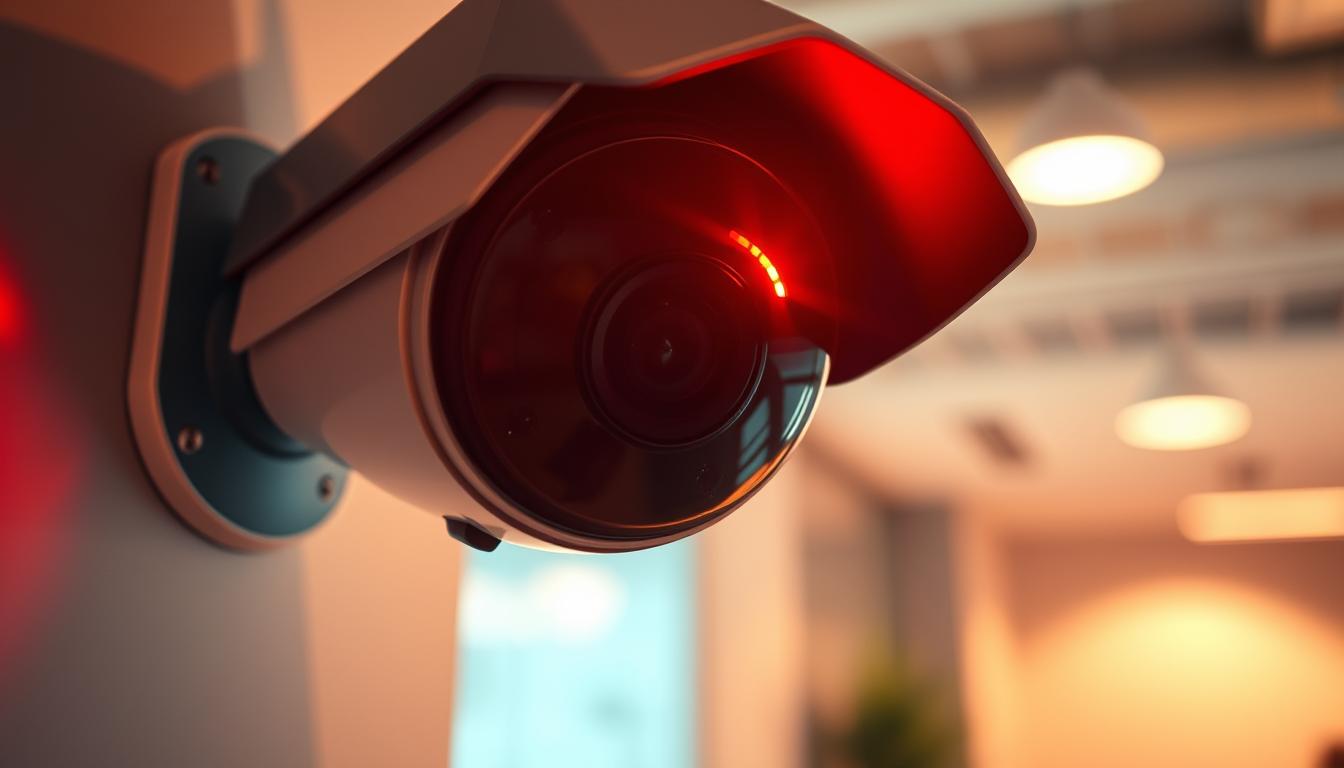
Does it Mean Someone is Watching if the Camera is Red? Guide
Many people notice a red light on a camera and wonder about its purpose. This common concern often links to thoughts about privacy and security. In places like Singapore, surveillance systems are widespread, making this topic highly relevant.
Understanding what these lights mean is crucial for personal awareness. Not every red indicator means active monitoring. Various factors like camera type and context change the signal’s meaning.
This guide explores technology, legal aspects, and common misconceptions. You will learn to differentiate between recording status, power signals, and live watching. Stay informed to protect your privacy in monitored environments.
Key Takeaways
- A red light on a camera does not always mean someone is watching live.
- Different cameras use lights for various functions like recording or power status.
- Understanding these signals helps with privacy and security awareness.
- Legal frameworks in places like Singapore affect how surveillance is used.
- Knowing how to identify real versus fake devices is important for safety.
- This knowledge is valuable in both personal and public monitored spaces.
Does it Mean Someone is Watching if the Camera is Red? The Direct Answer
That glowing red indicator on surveillance equipment often triggers immediate privacy concerns. People naturally associate this visual cue with active monitoring. However, the reality is more complex than this common assumption.
Not Always: Automated Recording vs. Live Monitoring
Modern security systems frequently operate without constant human oversight. Many cameras function automatically, capturing footage for later review. This automated recording differs significantly from live monitoring where personnel watch feeds in real-time.
In Singapore’s extensive surveillance network, numerous devices work autonomously. Only a fraction have dedicated staff observing continuously. The red indicator typically signals operational status rather than human observation.
Key distinctions include:
- Automated systems record data without immediate human review
- Live monitoring involves security personnel watching screens actively
- Most red lights indicate system functionality, not necessarily viewing
The Primary Meaning of a Steady Red Light
A consistent crimson glow usually signifies that equipment is powered and operational. For infrared security cameras, this often means night vision mode is active. The light helps illuminate dark areas for better image capture.
Different manufacturers use indicator lights variably. Some show recording status, while others display power or connectivity information. Context always matters when interpreting these signals.
Traditional CCTV systems might lack clear visual indicators. Modern IP cameras typically feature more explicit status lights. Understanding these differences helps avoid surveillance misconceptions.
“The presence of a red light generally indicates system activity, but not necessarily human observation.”
The answer remains nuanced across various security environments. A steady red light often means recording or operational activity occurs. It doesn’t automatically confirm that someone watches live footage.
Understanding the Language of Camera Indicator Lights
Security devices communicate through visual signals. These status indicators form a universal language. Learning this vocabulary helps interpret device operations.
Different colors and patterns convey specific messages. This knowledge prevents misinterpretation in monitored spaces.
More Than Just Red: A Spectrum of Status Signals
Modern surveillance equipment uses multiple light colors. Each hue represents different operational states. Green typically indicates power without recording activity.
Blue lights often signal data transfer processes. This is common in network-connected devices. Amber or yellow usually indicates system warnings.
Some advanced models feature multi-color LED arrays. These provide detailed status information. Manufacturers use different color schemes for various functions.
Common Light Colors and Their General Meanings
Understanding color codes helps diagnose device status. Green usually means powered on but idle. This indicates standby mode rather than active recording.
Blue signals typically relate to connectivity. Data transmission or network activity triggers this. Wireless cameras often use this during uploads.
Amber or yellow serves as warning indicators. These colors alert to errors or connection problems. Maintenance checks might be necessary when these appear.
“Indicator lights provide immediate visual feedback about camera status, helping users understand device operations at a glance.”
Steady vs. Blinking: Interpreting Different Patterns
Light patterns convey additional information. Steady illumination indicates constant status. This often means continuous recording or power.
Blinking signals suggest intermittent activity. Motion detection or live recording might trigger this. Some systems use patterns for specific alerts.
Pattern variations differ between manufacturers. Rapid blinking could indicate firmware updates. Slow pulses might signal network connectivity.
Key pattern interpretations include:
- Steady lights: Constant status like recording or power
- Slow blinking: Typically indicates live recording or motion detection
- Rapid flashing: Often signals system updates or error conditions
Singapore’s public surveillance systems use standardized indicators. This consistency helps public awareness and trust. Understanding these signals promotes informed navigation.
Learning this visual language enhances security awareness. It helps distinguish between various operational states. This knowledge is valuable in monitored environments.
How Different Security Cameras Use Indicator Lights
Indicator lights serve distinct purposes depending on the specific security camera technology. Various surveillance systems employ unique signaling methods based on their design and function. Understanding these differences helps interpret what status lights actually communicate.
Traditional Wired CCTV Systems
Traditional wired CCTV systems represent older surveillance technology. These security systems rely on physical cable connections for power and data transmission. They typically feature minimal indicator lighting compared to modern alternatives.
Many traditional models lack visible status lights during normal operation. Some include small LED indicators for power and recording status. These are often discreetly placed to maintain a low profile.
These security cameras prioritize reliability over visible signaling. Their design focuses on continuous operation rather than user feedback. This makes determining active recording status challenging without additional monitoring equipment.
Modern Wireless IP and Network Cameras
Modern wireless IP cameras utilize advanced digital technology. These devices employ multi-color LED arrays for clear status communication. They provide transparent operational feedback through visible indicators.
Network connectivity status appears through specific light colors. Recording activity triggers distinct visual signals. Error conditions generate warning patterns for immediate attention.
These security systems offer enhanced user awareness through their lighting systems. Home and business users appreciate this transparency. It allows quick assessment of camera working status without technical knowledge.
“Modern IP cameras transform status indication from hidden function to visible feature, enhancing user confidence in surveillance systems.”
Specialized Traffic Enforcement and Infrared Cameras
Specialized enforcement units serve specific monitoring purposes. Singapore’s traffic cameras employ customized indicator systems. The Land Transport Authority uses clear signals for public awareness and safety.
Infrared security cameras utilize red lights for night vision operation. These devices emit specific wavelengths for low-light illumination. The visible glow indicates active night vision mode rather than human monitoring.
Traffic enforcement models sometimes hide indicators to maintain effectiveness. This prevents driver distraction while ensuring compliance monitoring. Different purposes require different indicator approaches.
Key specialized camera features include:
- Infrared models using red light for night vision illumination
- Traffic cameras with customized indicator patterns
- Purpose-specific lighting for different monitoring scenarios
Understanding these variations helps select appropriate security systems. Different environments require different camera types. Proper interpretation of status lights depends on recognizing these technological differences.
The Technology Behind the Glow: Why Cameras Have Lights
Surveillance equipment features various illumination systems for specific technical purposes. These visual elements serve both functional and communication roles in security operations. Understanding their engineering reveals why manufacturers include these features.
https://www.youtube.com/watch?v=7vfBvyrW8-A
Infrared Illumination and Night Vision Mode
Infrared technology enables cameras to capture clear footage in darkness. Special LEDs emit light at 850nm wavelength, invisible to human eyes but detectable by sensors. This creates effective night vision capability without visible illumination.
The faint red glow sometimes visible indicates active infrared emission. Singapore’s security systems utilize this technology extensively. It allows continuous monitoring regardless of lighting conditions.
“Infrared illumination represents a crucial advancement in 24/7 surveillance capability, transforming low-light monitoring.”
Status Indicators for Power, Recording, and Connectivity
Modern cameras use LED arrays to communicate operational status. Different colors and patterns indicate specific functions. Green typically signals power without active recording.
Blinking lights often indicate data transmission or network activity. Steady illumination usually means continuous recording. These indicators help users monitor camera working status easily.
Advanced systems include diagnostic lights for maintenance needs. Error conditions trigger specific warning patterns. This assists technicians in troubleshooting issues quickly.
Design Choices for Deterrence and Transparency
Manufacturers incorporate visible lights for psychological impact. Prominent indicators can deter undesirable behavior through awareness. This approach balances security needs with ethical considerations.
Transparency remains a key design principle in surveillance technology. Visible status lights inform people about monitoring activities. Singapore’s public systems often feature standardized indicators for consistency.
Some designs allow disabling lights for covert operations. Ethical frameworks guide these configuration options. The balance between visibility and discretion depends on specific security requirements.
Key technological aspects include:
- Infrared LEDs enabling night vision capability
- Multi-color indicators showing power, recording, and data status
- Design approaches balancing deterrence and transparency
- Standardized implementations for public safety systems
Camera illumination systems combine engineering precision with purposeful design. They enhance both functionality and user awareness in security environments.
Identifying Real Security Cameras Versus Fake Deterrents
Distinguishing genuine surveillance equipment from imitation units requires careful observation. Many security systems employ visual indicators that reveal their authenticity. Understanding these differences helps ensure proper security measures.
Authentic Indicators: Consistency and Build Quality
Professional security cameras demonstrate specific physical characteristics. Genuine devices feature weatherproof ratings and robust construction. Their housing typically shows IP certification tags for outdoor use.
Wiring appears neatly concealed through professional installation. Authentic units display manufacturer logos and model numbers. These security cameras maintain consistent light patterns during operation.
“Genuine surveillance equipment maintains consistent operational behavior, while imitation units often reveal flaws upon closer inspection.”
Tell-Tale Signs of a Decoy or Fake Camera
Imitation devices frequently exhibit noticeable imperfections. Many fake cameras use lightweight plastic construction. Visible screw heads and poorly fitted components often appear.
Their light behavior typically differs from authentic units. Erratic blinking patterns may indicate simulated activity. Some decoys completely lack functional wiring.
Common warning signs include:
- Plastic construction instead of metal housing
- Visible mounting screws and poor finish quality
- Missing manufacturer identification or certification stickers
- Inconsistent light patterns that don’t match recording status
- Lack of proper cabling or power connections
Why the Distinction Matters for Your Security
Recognizing real surveillance equipment ensures actual protection. Functional security cameras provide recorded evidence and monitoring. Fake units only offer psychological deterrence without real security.
In Singapore, deceptive installation may violate regulations. The Protection from Harassment Act addresses misleading surveillance practices. Proper identification prevents legal complications.
Understanding these differences enhances security awareness. It helps individuals make informed decisions about protection measures. This knowledge proves valuable in various monitored places.
Decoding Other Camera Lights: Green, Blue, and Amber
Security systems communicate through a colorful visual language beyond crimson indicators. Modern surveillance devices employ multiple light colors to convey specific operational states. Understanding this spectrum of signals provides complete awareness of monitoring activities.
Different hues serve distinct purposes in security equipment. Green typically indicates system readiness without active recording. Blue often relates to data transmission processes between devices.
Amber or yellow lights usually signal potential issues requiring attention. Learning to interpret these visual cues enhances security awareness in monitored environments.
Green Light: Often Signals Power Without Active Recording
A steady green glow typically indicates powered-on status. Many security systems use this color to show operational readiness. The device stands prepared for action but may not currently record.
This visual signal appears frequently in home and business security setups. It provides reassurance that equipment functions properly. Users can quickly verify system availability at a glance.
“Green indicators offer peace of mind, showing surveillance systems stand ready while maintaining energy efficiency during idle periods.”
Some advanced models use blinking green patterns differently. A slow pulse might indicate motion detection activation. Rapid flashing could signal firmware updates in progress.
Singapore’s public surveillance networks often employ standardized green indicators. This consistency helps citizens recognize operational security systems. It promotes public trust through transparent status communication.
Blue Light: Typically Indicates Data Transfer or Connectivity
Azure indicators usually relate to information movement between devices. Network cameras frequently use this color during data transmission. Cloud synchronization activities often trigger blue illumination.
Wireless security systems commonly employ these visual signals. They show successful connection to monitoring networks. The lights confirm proper information flow to storage systems.
Common blue light scenarios include:
- Live video streaming to security monitoring centers
- Cloud storage synchronization processes
- Network connectivity establishment and maintenance
- Data backup operations to remote servers
These indicators help users verify proper system functionality. They confirm that surveillance footage reaches intended destinations. This transparency builds confidence in security investments.
Amber or Yellow Light: A Common Warning for Errors
Golden-hued indicators typically signal attention requirements. These warning lights alert users to potential system issues. Connectivity problems often trigger amber illumination.
Storage capacity limitations might activate yellow signals. Some systems use this color for maintenance reminders. It serves as a visual prompt for technical checks.
Different blinking patterns convey specific warning levels. Steady amber might indicate minor connectivity issues. Rapid flashing could signal critical storage problems.
Professional security systems employ sophisticated diagnostic lighting. These visual cues help technicians identify issues quickly. They reduce downtime through efficient troubleshooting.
Understanding these warning signs prevents security gaps. Regular maintenance checks ensure continuous protection. This knowledge proves valuable for both home and business security.
Modern surveillance equipment communicates clearly through colored indicators. Learning this visual language provides complete operational awareness. It transforms mysterious lights into understandable status reports.
Can a Camera Record Without a Visible Light?
The absence of visible lights on monitoring equipment doesn’t necessarily mean the device is inactive or non-functional. Modern surveillance technology has advanced significantly, allowing discreet operation without external signals.
This capability raises important questions about privacy and transparency in monitored environments. Understanding these technical possibilities helps individuals navigate various security settings with greater awareness.
Technical Capabilities for Covert Surveillance
Advanced security systems can operate completely undetected by human observation. Specialized devices use infrared technology at 940nm wavelength, which remains invisible to the naked eye. This allows continuous recording without any visual indicators.
Law enforcement and wildlife monitoring often employ these stealth capabilities. The technology serves specific operational needs where discretion is essential. Specialized scenarios require equipment that doesn’t alert subjects to monitoring activities.
Modern surveillance devices can maintain full functionality while appearing inactive. Network connectivity and data transmission occur without visible signals. Storage systems continue recording footage seamlessly.
These technical capabilities demonstrate significant advancement in monitoring technology. They enable security operations in sensitive environments where visibility could compromise effectiveness.
The Ethical and Legal Implications of Hidden Recording
Covert surveillance raises serious ethical concerns regarding privacy rights. People have fundamental expectations about awareness when being recorded. Hidden monitoring can violate these basic privacy needs.
“Transparency in surveillance practices builds public trust and ensures ethical compliance with privacy standards.”
Singapore’s legal framework addresses these concerns through specific regulations. The Personal Data Protection Act (PDPA) requires visible indicators for most surveillance operations. This protects individual rights while allowing necessary security measures.
Legal penalties apply for unauthorized hidden recording in private places. The balance between security needs and privacy protection remains carefully regulated. Understanding these regulations helps both operators and subjects navigate monitored environments.
Key considerations include:
- Consent requirements for recording in various locations
- Notification obligations under Singapore’s PDPA framework
- Ethical boundaries for surveillance in different contexts
- Legal consequences for unauthorized covert operations
Professional security installation services emphasize compliance with these regulations. Companies like CCTV Maintenance Singapore ensure proper implementation of visible indicators where required.
The technical ability to record without lights exists but faces legal constraints. Ethical use demands transparency and adherence to local regulations. This balance protects both security interests and individual privacy rights.
The Legal Landscape of Surveillance in Singapore
Singapore maintains a comprehensive legal framework governing monitoring activities across various environments. This structure ensures proper balance between public safety needs and individual privacy protections. Understanding these regulations helps both operators and citizens navigate monitored spaces responsibly.

Personal Data Protection Act (PDPA) Requirements
The Personal Data Protection Act establishes clear guidelines for surveillance operations. This legislation mandates specific requirements for data collection and monitoring practices. Organizations must comply with these rules to ensure lawful operation.
PDPA requires visible indicators on recording equipment. Notices must appear within five meters of monitoring devices. These measures inform people about ongoing surveillance activities.
“The PDPA framework ensures transparency in surveillance practices while maintaining necessary security measures for public safety.”
Accurate light signals must reflect actual recording status. Deceptive indicators violate compliance standards. This prevents misleading practices in monitoring system operations.
Rules for Notification and Visible Indicators
Clear public notifications are mandatory under Singapore’s regulatory framework. These notices must be easily visible and understandable. They inform individuals about surveillance in specific areas.
Indicator lights must correspond to actual device status. Recording activity should trigger appropriate visual signals. This transparency builds trust in security system operations.
Key notification requirements include:
- Visible signage within five meters of recording devices
- Accurate light indicators matching operational status
- Clear language explaining surveillance purposes
- Proper placement for maximum visibility
Non-compliance can result in significant penalties. Fines may reach S$1 million for violations. This emphasizes the importance of proper implementation.
Understanding Your Privacy Rights in Public and Private Spaces
Privacy rights vary across different environments in Singapore. Public spaces have different regulations than private properties. Understanding these distinctions protects individual rights.
Consent requirements differ based on location type. Condominiums and commercial properties need proper authorization. Residential areas have specific consent protocols.
Individuals maintain the right to know when being recorded. Data collection must serve necessary security purposes only. Excessive monitoring violates privacy protection standards.
Law enforcement agencies operate under different regulations. Certain acts provide exemptions for covert operations. These exceptions serve specific public safety needs.
Singapore’s approach balances security requirements with privacy considerations. This framework ensures responsible surveillance practices across all monitored places. Compliance with legal standards remains essential for ethical operation.
For more detailed information about recording indicators, visit our guide on blinking red light signals.
The Role of Camera Indicators in Privacy and Transparency
Visual signals on monitoring devices serve crucial functions beyond technical status reporting. These illumination systems create essential bridges between security operations and public awareness. They transform complex surveillance technology into understandable communication tools.
Modern security environments demand both protection and transparency. Clear visual indicators address both needs effectively. They provide immediate understanding of monitoring activities without technical knowledge.
Building Public Trust Through Visible Status Cues
Standardized illumination patterns establish consistent communication protocols. People quickly learn to recognize these visual signals across different environments. This familiarity builds confidence in security systems and their operators.
Singapore’s public surveillance network demonstrates this approach effectively. Uniform indicator lights appear across various monitoring locations. Citizens develop trust through predictable and honest signaling.
“Visible status indicators transform surveillance from mysterious observation to transparent protection, building essential public trust in security systems.”
Clear signals reduce unnecessary anxiety about monitoring. People understand when recording occurs and can adjust their behavior accordingly. This openness prevents speculation and suspicion about surveillance purposes.
The Balance Between Effective Security and Personal Privacy
Monitoring systems must serve protection needs while respecting individual rights. Visual indicators help maintain this delicate balance. They provide necessary awareness without compromising security effectiveness.
Ethical surveillance practices require transparent operation. People deserve to know when they’re being recorded in public spaces. Proper illumination serves this fundamental privacy right.
Key balancing factors include:
- Clear visibility of operational status through standardized indicators
- Respect for personal privacy through transparent monitoring practices
- Maintenance of security effectiveness through appropriate signaling
- Compliance with legal requirements for public notification
This approach encourages responsible behavior in monitored areas. People understand they’re being observed and act accordingly. The combination of awareness and accountability enhances overall security.
Modern surveillance ethics increasingly emphasize this balanced approach. Global trends favor transparent monitoring over covert operations. Singapore’s framework demonstrates how indicators support both security needs and privacy rights.
Camera illumination systems serve as essential communication tools. They bridge the gap between protection requirements and personal rights. This balance remains crucial for ethical and effective security in modern society.
Benefits of Clear Camera Status Indicators
Modern surveillance technology incorporates visual signals that serve multiple valuable purposes. These illumination features extend beyond basic operational feedback. They create important benefits for both security professionals and the general public.
Clear visual communication enhances overall security effectiveness. It provides immediate understanding of monitoring activities. This transparency builds trust in surveillance systems.
Deterrent Effect: Preventing Crime Through Awareness
Visible status lights significantly impact criminal behavior patterns. Potential offenders notice active monitoring indicators. This awareness often prevents illegal activities before they occur.
Studies demonstrate impressive results from visible surveillance signals. Retail environments show 31% reduction in opportunistic crimes. The psychological impact of known monitoring proves highly effective.
“Visible security indicators serve as silent guardians, preventing crimes through awareness rather than apprehension.”
Singapore’s public spaces utilize this deterrent effect strategically. Well-marked surveillance systems maintain urban safety. Citizens feel protected while potential offenders feel observed.
Operational Transparency: Knowing When You’re On Camera
Status indicators provide essential awareness about recording activities. People understand when they appear in surveillance footage. This knowledge supports informed behavior in monitored areas.
Transparent operation builds public trust in security systems. It demonstrates ethical monitoring practices. People appreciate knowing about recording rather than discovering it later.
Key transparency benefits include:
- Informed consent through visible recording status
- Reduced anxiety about unknown surveillance
- Appropriate behavior adjustment in monitored spaces
- Enhanced public cooperation with security measures
This openness aligns with Singapore’s data protection principles. It respects individual rights while maintaining security needs.
Maintenance and Diagnostics: Lights as a Troubleshooting Tool
Visual indicators serve crucial technical functions beyond security. They provide immediate system status information. Maintenance teams use these signals for quick diagnostics.
Different light patterns indicate specific operational issues. Connectivity problems trigger distinct warning signs. Storage capacity limitations show through particular illumination patterns.
These visual cues enable rapid troubleshooting responses. Technicians identify issues without complex diagnostic tools. This efficiency reduces system downtime significantly.
Large surveillance networks benefit especially from these features. Singapore’s extensive security infrastructure utilizes indicator-based maintenance. The approach saves time and resources while ensuring reliability.
Clear status indicators represent multifunctional security assets. They prevent crimes through psychological deterrence. They provide operational transparency for public awareness. They enable efficient maintenance through visual diagnostics.
These benefits combine to create more effective and trustworthy surveillance environments. Modern security systems increasingly prioritize these communication features. The result is enhanced protection with greater public acceptance.
Common Misconceptions About Camera Lights Debunked
Popular assumptions about security system lights often diverge significantly from technical reality. These misunderstandings can lead to unnecessary anxiety or false security assumptions. Clarifying these points enhances overall surveillance awareness.
Myth: A Red Light Always Means a Human is Watching Live
Many individuals mistakenly believe crimson indicators guarantee live human observation. In reality, these signals typically indicate automated system functions. Only approximately 20% of devices with illumination have active personnel monitoring.
Most modern security systems operate autonomously without constant oversight. The glow often signifies recording status or power availability. Understanding this distinction prevents misinterpretation in monitored environments.
“Visual indicators primarily communicate system status rather than human observation activity.”
Myth: All Cameras With Lights are Real and Functional
Another common fallacy suggests illuminated devices always represent genuine equipment. Decoy units frequently incorporate lights specifically for deception purposes. These imitation devices may feature erratic patterns that differ from authentic equipment.
Fake surveillance tools often utilize lights to create false security impressions. Their illumination patterns typically lack consistency compared to real systems. This distinction matters greatly for actual protection effectiveness.
Identification tips include:
- Consistent light behavior patterns in authentic equipment
- Professional build quality and weatherproof ratings
- Proper wiring and manufacturer identification
- Standardized illumination across similar models
Myth: Brightness or Color Directly Correlates to Recording Quality
Many people incorrectly associate light intensity with surveillance capability. Brightness actually relates to infrared illumination strength for night vision. This has no connection to actual video capture quality.
Different colors serve various communication purposes within security systems. They indicate operational status rather than recording resolution. Understanding this prevents false assumptions about monitoring capabilities.
Singapore’s public education initiatives help clarify these technical aspects. Residents learn to interpret signals accurately across different environments. This knowledge promotes informed navigation of monitored spaces.
Dispelling these myths leads to more effective security system utilization. It reduces unnecessary concern while enhancing proper awareness. Ultimately, this understanding supports both personal safety and privacy rights.
Staying Informed and Secure in a Monitored World
Modern urban living requires understanding surveillance systems. This knowledge empowers people to navigate monitored areas confidently. Recognizing camera lights and indicators protects both security and privacy rights.
Always stay updated on local regulations, especially in Singapore. Check manufacturer guidelines for specific device signals. Apply this awareness in daily life when entering various places.
Understanding these systems creates safer communities for everyone. Balance between protection and personal space remains achievable. Knowledge transforms technology from mysterious to manageable.
Continue learning about evolving surveillance practices. Your awareness contributes to collective security. Stay informed, stay observant, and stay secure.
FAQ
Does a steady red light always mean a person is actively watching?
No, a steady red light typically indicates that the security camera is powered on and actively recording. It usually signifies automated system operation rather than live human monitoring.
What do different colored lights on surveillance cameras mean?
Security cameras use various light colors to communicate status: red often means active recording, green usually indicates power without recording, blue typically shows data transfer, and amber commonly signals errors or warnings in the system.
Can I tell if a security camera is real or fake by its lights?
Authentic security cameras usually have consistent, purposeful light patterns that correspond with their actual functions. Fake cameras often have unrealistic lighting, such as constantly blinking lights without purpose or lights that don’t align with typical security camera behavior.
Are cameras legally required to have visible indicator lights?
In many jurisdictions, including Singapore under the Personal Data Protection Act (PDPA), surveillance systems often require visible notification through status lights or signs. These rules ensure transparency and inform people when they’re being recorded in both public and private spaces.
Can security cameras record without any visible lights?
Technically, many cameras can record without visible indicators, but doing so may violate privacy laws and regulations. Covert surveillance without proper notification is generally restricted and subject to legal limitations regarding privacy rights and data protection.
What does a blinking red light on a security camera indicate?
A blinking red light often signals specific status conditions such as data transmission, system errors, or connectivity issues. The pattern and frequency of blinking can provide diagnostic information about the camera’s operational state.
Do infrared night vision cameras use red lights?
Infrared cameras use invisible light spectrum for night vision, but they may show a faint red glow from IR LEDs. This is different from status indicator lights and serves as illumination for low-light recording rather than system status communication.
How do camera lights help with security system maintenance?
Status lights serve as valuable troubleshooting tools, providing immediate visual feedback about power status, recording activity, network connectivity, and system errors. This helps security professionals quickly identify and address operational issues.


