

CCTV Licence in Singapore: Is It Mandatory?
Crime rates and security worries are on the rise. Many are turning to surveillance systems for peace of mind. But, a big question is: Do I need a CCTV Licence? In Singapore, the rules for CCTV installations are complex. They involve a lot of responsibilities and legalities.
This article will look into the CCTV licensing rules. We’ll see what you need to follow to stay in line with the Singapore government’s CCTV regulations.
It’s important to understand these rules. They help keep our environment safe and protect privacy. When we talk about needing a CCTV licence, remember how these rules affect your rights and duties.
If you want to understand these rules better, contact Wen Hong today at +65 60135960. He can help you learn more about CCTV solutions and offers.
Key Takeaways
- HDB approval is no longer required for corridor-facing CCTV cameras.
- Homeowners are not obligated to seek permission for these installations.
- Guidelines state that cameras should avoid facing neighbors’ doors and windows.
- CCTV footage can provide vital evidence in legal proceedings.
- Violations of CCTV regulations could lead to legal consequences.
- Consulting experts can help ensure compliant CCTV installations.
Understanding CCTV Regulations in Singapore
CCTV rules in Singapore help keep everyone safe while protecting privacy. With over 900,000 cameras, following the law is key. These rules say where and how cameras can be used, balancing safety and privacy.
Everyone in Singapore needs to know the rules. For example, you need town council approval for cameras for up to six months. This can be extended if needed. But, putting cameras outside without police permission is illegal.
The Personal Data Protection Commission (PDPC) has set guidelines for CCTV. They make sure people know when they’re being watched and protect their data. This is important for the over 500,000 cameras installed by First Solution Group.
Not following these rules can lead to big problems. Installing cameras without permission outside HDB flats can cost up to $5,000. Also, cameras are not allowed in certain places like government buildings and changing rooms.
Before setting up a CCTV system, check the PDPC advisories and government rules. This way, you can make sure your system follows Singapore’s laws.
If you’re interested in CCTV solutions, contact Wen Hong at +65 60135960 today.
CCTV Licensing Requirements
In Singapore, CCTV systems must follow strict licensing rules. This ensures they meet legal standards. It’s important for property owners and businesses to know these rules to avoid fines.
Overview of Legal Framework
Singapore has strict laws for CCTV systems. You need a special permit to install them in public areas. This makes sure surveillance follows local laws.
For those living in non-HDB homes, a permit is usually not needed. But, HDB residents must get permission. This permit is good for six months or until problems arise.
Entities Involved in CCTV Licensing
The Urban Redevelopment Authority (URA) and Housing and Development Board (HDB) enforce CCTV rules. They check if installations are for good reasons like watching over vulnerable people or keeping homes safe.
HDB has also changed its rules. Now, homeowners can put up cameras facing corridors without needing approval first. Knowing these rules helps avoid problems with CCTV placement, like in toilets.
People and businesses should talk to local authorities for the latest on CCTV rules and permits. Getting help from experts can ensure your CCTV system is set up right. It can help prevent crime and provide important evidence.
For advice on the best CCTV options and deals, call Wen Hong at +65 60135960 today.
Do I Need a CCTV Licence?
Figuring out if you need a CCTV Licence depends on a few things. It’s about the type of property and how you plan to use the cameras. Homeowners often wonder if they need a licence for indoor or outdoor cameras.
Indoor cameras usually don’t need a licence. But, outdoor cameras that watch public areas or monitor people do need one.
Knowing how CCTV helps protect property helps too. If you’re using cameras to keep people safe or stop trouble, you’ll need a licence. Business owners also have to follow rules about using CCTV.
Here are some important things to think about when deciding if you need a CCTV Licence:
- Public Surveillance: Cameras watching public spots need a licence.
- Private Property: Cameras inside homes usually don’t need a licence.
- Intent: Why you’re using cameras matters for licence needs.
Not having a licence can lead to big problems. So, it’s key to know your rights and duties. For more info on Do I need a CCTV Licence?, talk to CCTV experts. Call Wen Hong at +65 60135960 for advice and the latest in CCTV technology.
CCTV Installation Laws for HDB Residences
The rules for installing CCTV cameras in HDB homes have changed. Now, homeowners can improve their security with less red tape. It’s important to know these new rules to install cameras correctly and legally.
Recent Changes to HDB Approval Process
Starting in May, HDB homeowners don’t need approval for CCTV cameras facing corridors. This change shows a balance between security and privacy. But, it’s key to remember that cameras in shared spaces must respect neighbors’ privacy and follow the rules.
Guidelines for Corridor-facing Cameras
Homeowners must follow rules for cameras facing corridors. It’s important to not invade neighbors’ privacy. Also, telling neighbors about camera plans helps keep peace in the community.
While landed property owners have more freedom, HDB residents must follow rules for common areas. Getting approval for outdoor cameras usually takes one to two weeks.
The market shows a growing need for CCTV cameras outside homes.
- The demand for CCTV installations outside homes has surged by 5% to 10% in the past year.
- I-Secure Solution reports sales of approximately 100 to 200 cameras each month, with 10% specific to outdoor installations.
- Surveillance Zone Singapore saw a 33% increase in outdoor CCTV camera sales from 2021 to 2022.
- HomeSafe Security receives 70 to 90 monthly inquiries from HDB residents keen on CCTV installations.
Knowing these details helps homeowners make smart choices about their security. If you want to stay safe and follow the rules, consider getting professional advice. For more information or to find out about the latest CCTV options, contact Wen Hong at +65 60135960.
Privacy Concerns with CCTV Use
Privacy issues with CCTV use are growing, mainly in homes. Homeowners in Singapore must balance security with respect for neighbors’ privacy. They need to follow legal rules for CCTV use to avoid invading others’ privacy.
They should think about where to place cameras. This ensures they don’t record private moments of neighbors. It’s also important to post signs about CCTV cameras to be open and responsible.
Homeowners must handle data protection and storage carefully. Proper signage about CCTV cameras is key. This helps avoid privacy issues and keeps the community safe.
While CCTV cameras help prevent crime and provide evidence, they must follow the law. They can help solve crimes like theft or vandalism. Knowing the laws about CCTV helps keep everyone safe.
If you’re thinking about getting CCTV, check with local authorities first. Getting help from experts can make sure cameras are set up right. For more on CCTV solutions, call Wen Hong at +65 60135960.
Mandatory CCTV Licensing in Singapore
In Singapore, rules about CCTV licensing are key for safety and security. Some situations need a license for CCTV, like when it watches public areas. For example, using CCTV in housing block corridors is a topic of debate.
Not getting the right licenses can cause big legal problems. This includes fines or taking down the cameras. It’s important to know these rules for personal safety and following the law.
CCTV systems help solve crimes and stop illegal acts. They are very useful. People have caught theft or harassment thanks to their cameras, showing why following licensing rules is important.
It’s also important to use surveillance systems with registered contractors. For example, the PUB only lets registered contractors check sewer pipelines. This makes sure installations are up to standard and reliable.
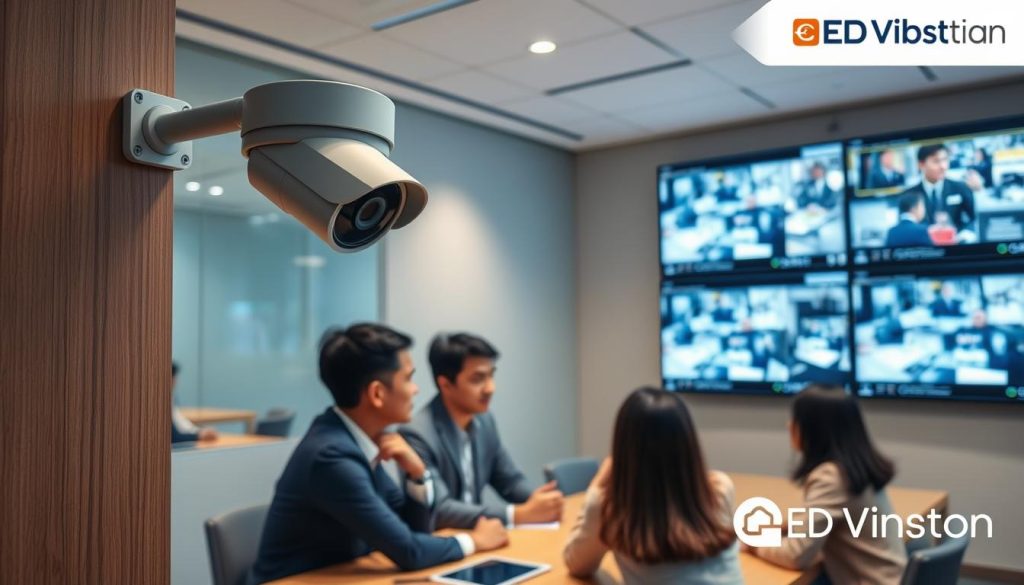
In short, knowing and following CCTV licensing rules in Singapore is critical. These rules help make security effective and legal.
For top-notch CCTV installation, contact Wen Hong at +65 60135960. They offer the latest solutions and deals.
CCTV Registration Process Explained
In Singapore, the CCTV registration process is key for both homes and businesses with surveillance systems. Knowing how it works is important to follow the law and avoid trouble. Here’s a simple guide to help you through the CCTV registration process.
- Gather Required Documents: Get all needed papers, like ID, property proof, and CCTV system details.
- Submit Application: Fill out the form and send it to the right place. Make sure it’s correct to avoid delays.
- Documentation Review: The authorities will check your documents. Be ready to give more info if asked.
- Approval Timeline: You’ll wait a few days to weeks for a decision, based on your application’s details.
- Receive Registration Confirmation: Once approved, you’ll get a confirmation. Keep it safe for later use.
Registering on time is vital to follow local laws. Not registering can cause big legal problems and fines. Being proactive can help avoid issues with using CCTV without permission.
For a smooth experience and top CCTV solutions, call Wen Hong at +65 60135960. Learn more about what’s available for your security needs.
Legal Guidelines for CCTV Ownership
Knowing the legal rules for owning CCTV cameras is key for property owners. Following these rules helps keep your place safe and respects people’s privacy. This part talks about where you can and can’t put cameras. Sticking to these rules can prevent legal trouble from privacy issues or wrong use of cameras.
Permitted Locations for CCTV Installation
Mostly, you can put CCTV cameras inside your home without needing a special permit. Inside, cameras boost security a lot. But, in shared areas like HDB flats and condos, you need to get your neighbors’ okay first.
Putting cameras up can depend on how willing your neighbors are and if you follow HDB and MCST rules. Businesses also have to think about the Personal Data Protection Act. They must tell visitors about the cameras, unless the area is open to everyone.
Prohibited Areas for Camera Placement
It’s very important to respect people’s privacy when using CCTV cameras. You can’t put cameras in places like bathrooms or private areas of your neighbors’ homes. If cameras record people without their say-so, it can cause big legal problems.
It’s also key to blur faces in crowded areas on CCTV footage to keep people’s data safe. Following these rules helps property owners avoid legal issues.
For more info and the latest CCTV tech, call Wen Hong at +65 60135960. Make sure your security systems are up to date and work well.
Security Camera Licensing for Commercial Properties
In Singapore, security camera licensing is key for businesses. Owners need to know the rules for CCTV to stay legal. Following privacy laws like the Personal Data Protection Act (PDPA) is very important.
Today’s security cameras have cool features like HD imaging and night vision. Getting them installed by pros is a must. This way, they cover all areas of your business well.
Keeping your cameras in top shape is also vital. Companies offer maintenance plans that include checks and support. This keeps your system running smoothly for a long time.
Businesses must follow PDPA rules for CCTV use. This includes:
- Reasonable Purpose: You need a good reason for surveillance.
- Consent: You must get people’s okay before recording them.
- Notification: People should know they’re being watched, with signs at entrances.
When using cameras outside, you must follow rules about where they can go. It’s smart to tell people they’re being recorded. They also have the right to see any footage of themselves.
To make sure you’re following the law, work with licensed CCTV companies. They can help with setup and make sure you’re doing things right.
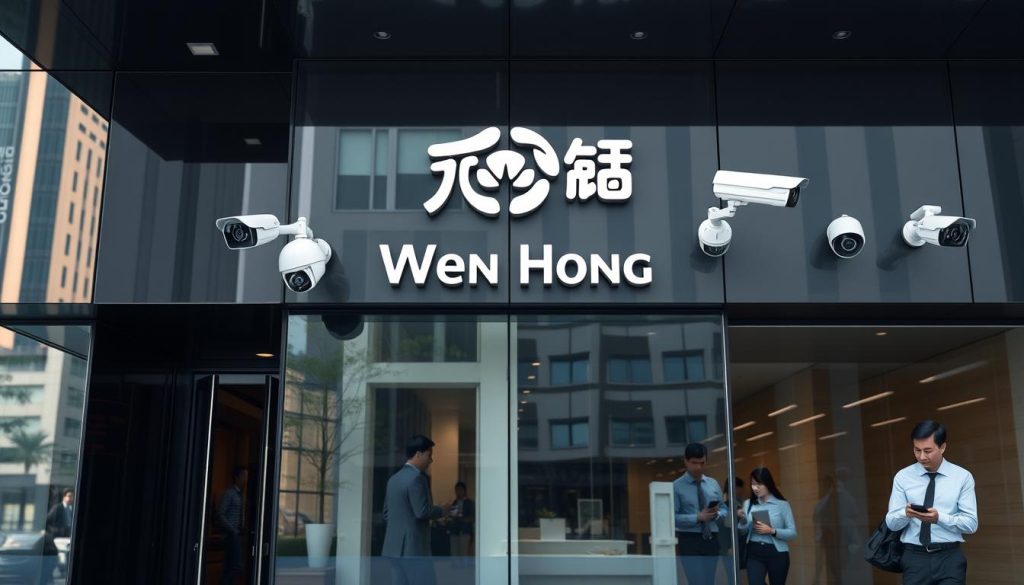
For more info on CCTV solutions and deals, call Wen Hong at +65 60135960.
CCTV Permit Information for Homeowners
Homeowners wanting to install CCTV systems need to know about permits. It’s important to understand when you need a permit and how to apply. This can help avoid legal issues.
Outdoor CCTV installations have grown by 5% to 10% in the last year. More people are focusing on safety and security. Getting the right permits is key. Even though you don’t need HDB approval for some cameras, telling your neighbors is a good idea. This can stop any disagreements.
Installing CCTV the wrong way can lead to big fines. You could face penalties of $5,000 to $10,000 or even jail for up to three years. It’s also important to follow the Personal Data Protection Act (PDPA). You must use the footage responsibly to avoid legal trouble.
| Type of Installation | Permit Requirement |
|---|---|
| CCTV inside HDB flat | No permit needed |
| CCTV corridor-facing | No approval from HDB required |
| Outdoor CCTV installations | Town Council approval may be required |
Hiring a professional for installation ensures it meets all rules. In Singapore, companies are selling lots of cameras for homes. The right system can protect against theft and vandalism and let you watch from anywhere.
For more info on CCTV solutions and deals, call Wen Hong at +65 60135960.
CCTV Criminal Use Cases and Legal Implications
CCTV cameras are more than just for watching. They play a key role in fighting crime in Singapore. Over 500,000 CCTVs installed by First Solution Group in the last ten years have helped stop illegal acts and help solve crimes.
In July, a man was caught stealing shoes on camera. This shows how CCTV footage is important in court. In December 2022, a CCTV caught a boy hurting a cat. This shows how surveillance helps catch wrongdoers and helps the police act.
Putting up CCTV cameras outside HDB flats needs permission from the Town Council. Breaking this rule can cost up to $5,000. HDB has made it easier by not needing approval for cameras facing corridors. But, if cameras are too invasive, you can report it to HDB.
It’s important to use CCTV cameras wisely. Homeowners should tell their neighbors about cameras. It’s also key to have rules for keeping and sharing footage to protect privacy.
| Incident | Description | Date |
|---|---|---|
| Shoe Theft | A man was caught stealing shoes on CCTV, leading to law enforcement action. | July |
| Cat Harm | A boy was recorded harming a cat, with the footage used in legal proceedings. | December 2022 |
| Identification of Theft | CCTV footage helped identify incidents of theft against Ms. Lee. | Various Dates |
CCTV systems in HDB flats boost security and follow the law. It’s important to keep up with changes in rules. For the latest on CCTV solutions and deals, call Wen Hong at +65 60135960.
Conclusion
Understanding CCTV licensing in Singapore is key for both homeowners and businesses. Following the rules ensures your CCTV system is legal and respects privacy. The application process might seem complex, but knowing it helps avoid legal issues.
Breaking the law can lead to big fines and legal trouble. It’s important to work with the right authorities and follow their guidelines. This keeps everyone safe and in line with the law. For advice on CCTV systems, contact Wen Hong at +65 60135960 today.
It’s also important to keep up with changes in CCTV laws. As technology gets better, so do the rules around surveillance. Staying compliant is good for everyone involved.
FAQ
Do I need a CCTV licence in Singapore?
Yes, you might need a CCTV licence in Singapore. It depends on your property type and camera placement. Home cameras inside might not need a licence. But, cameras outside facing public areas usually do.
What are the CCTV licensing requirements in Singapore?
To understand CCTV licensing, you need to know the laws. Authorities like the Urban Redevelopment Authority (URA) and Housing and Development Board (HDB) set these rules. You’ll need a licence for cameras watching public areas outside.
How do I register my CCTV system?
Registering your CCTV system involves a few steps. You’ll need to gather the right documents and apply to the authorities. Knowing the timeline for approval helps you stay compliant with the rules.
What are the legal guidelines for CCTV ownership?
Legal rules for CCTV ownership say where you can place cameras. You can use them on private property and common areas. But, you can’t use them in places where people might feel they’re being watched, like bathrooms.
Are there specific regulations for commercial properties regarding CCTV?
Yes, commercial places have their own CCTV rules. They need to get the right licences and be open about watching employees. This ensures they’re using cameras ethically.
What are the privacy concerns related to CCTV use?
Privacy is a big issue with CCTV. You must make sure cameras don’t watch people without their consent. It’s also important to follow data protection laws to avoid privacy breaches.
What situations require mandatory CCTV licensing?
You need a licence for CCTV in certain situations. This is when cameras watch areas that affect public privacy. Getting the right licence is key to avoid legal trouble like fines or having to take down your system.
What are the recent changes to CCTV installation laws in HDB residences?
There have been changes for HDB flats. Now, you don’t need approval for cameras facing corridors. This makes it easier for residents to add security while keeping an eye on privacy.
How does CCTV footage aid in criminal investigations?
CCTV footage is vital in solving crimes in Singapore. It helps police catch criminals and shows the value of monitoring responsibly. It’s a key piece of evidence in many cases.
Source Links
- https://sgcctv.com.sg/cctv-camera-laws-in-singapore/?srsltid=AfmBOop3CVEdIZ9jXfWUp5bLfIl8dDq2EG4QBt70ci3XOHJ1iTqyBZso
- https://www.cctvsg.net/do-we-need-a-permit-to-install-a-cctv-in-singapore/
- https://web.securitysystem.com.sg/cctv-law-singapore/
- https://www.firstsolution.com.sg/blog/how-to-legally-install-cctvs-in-singapore/
- https://www.privacy.com.sg/resources/cctv-law-singapore/
- https://www.cctv-camera.com.sg/articles/do-we-need-permit-to-install-cctv-in-singapore.html
- https://sgcctv.com.sg/cctv-camera-laws-in-singapore/?srsltid=AfmBOopdHwFRAzvU8v4s4e1RvZO2kiJKQNsN6uUqVpNDRUj2Fhhfvmkm
- https://www.linkedin.com/pulse/do-you-need-licence-cctv-protive-security-surveillance-li-n1sne
- https://www.gov.uk/government/publications/licensing-requirements-for-the-use-of-cctv/licensing-requirements-for-the-use-of-cctv
- https://www.get-licensed.co.uk/licence/cctv-licence
- https://www.straitstimes.com/singapore/hdb-approval-no-longer-needed-for-corridor-facing-cctvs-in-flats-demand-for-devices-on-the-rise
- https://www.osos.com.sg/2021/03/09/how-can-i-legally-install-cctv-for-my-home-in-singapore/
- https://sgcctv.com.sg/cctv-camera-laws-in-singapore/?srsltid=AfmBOorbHWnIJuqnvj2GYFmrdBg0XSJDJUfemRAPao0x88nKJOp1-Pxw
- https://ktree.com.sg/industry/security-cctv-cameras-privacy-invasion/
- https://www.firstsolution.com.sg/cctv-camera-privacy-laws/
- https://sgcctv.com.sg/cctv-camera-laws-in-singapore/?srsltid=AfmBOoov36btDCBRtty29zvcf4jFV5Y6SoutL7evt57PYEIybkOE4EZA
- https://www.pub.gov.sg/Professionals/Requirements/Used-Water/Registration-of-CCTV-Contractors
- https://www.police.gov.sg/e-Services/Police-Licences/Security-Service-Provider-Licence
- https://www.caughtoncamera.net/news/cctv-legal-requirements-cctv-laws-explained/
- https://ico.org.uk/for-organisations/advice-for-small-organisations/whats-new/blogs/installing-cctv-things-you-need-to-do-first/
- https://www.cctv-camera.com.sg/articles/do-you-need-permission-to-install-cctv.html
- https://sgcctv.com.sg/cctv-camera-laws-in-singapore/?srsltid=AfmBOorTUNrg7esBUvFShAdRMw80ZX_5NBSkyY5ZGxEGvv2trvw2IaNy
- https://www.atronicalarms.com/blog/a-guide-to-security-camera-installation-for-commercial-properties
- https://www.osos.com.sg/2021/03/18/proper-use-of-cctv-surveillance-for-businesses-in-singapore/
- https://www.homeanddecor.com.sg/how-to/hdb-corridor-door-cctv-camera-permit-legal
- https://sgcctv.com.sg/cctv-camera-laws-in-singapore/?srsltid=AfmBOorJwxADItlruBCTEBWEQANz_tfg21ENzpI91yEQy0iiaqW8c-J_
- https://web.securitysystem.com.sg/cctv-camera-for-hdb-flat/
- https://sgcctv.com.sg/cctv-camera-laws-in-singapore/?srsltid=AfmBOoo_IHTRfCPDgr_bgsdP18V0dAik6ROIkJomaRNyB_VlGoQ62kUE
- https://www.lyonspc.com/2022/03/05/installation-cctv-security-systems-state-license/
- https://www.uksafetystore.com/resource-hub/product-guides/cctv-do-you-legally-need-to-display-cctv-signs?srsltid=AfmBOopXCszjaR0_ihAhuVYdsAS-LWTdqKvut9XYcC-s3Z6Z56RAAFlK
- https://www.churchofengland.org/resources/churchcare/advice-and-guidance-church-buildings/cctv


