
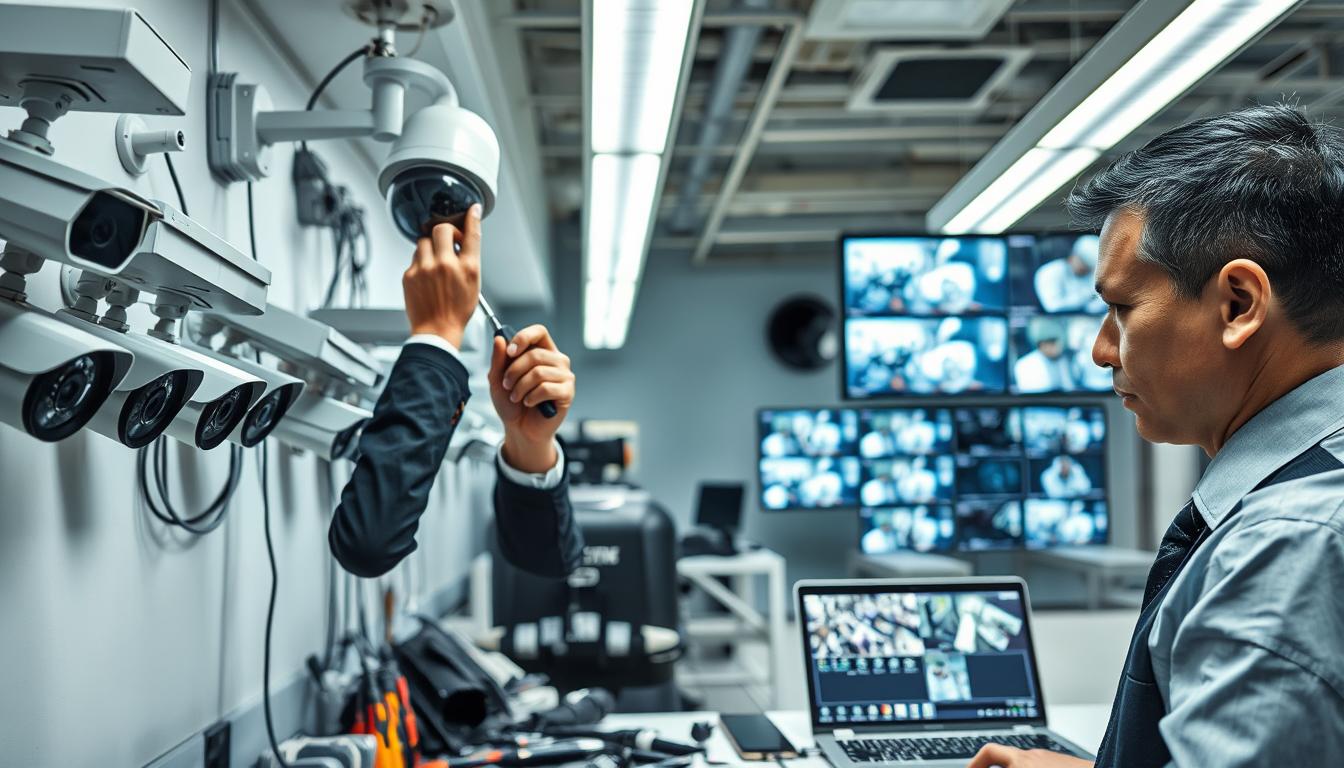
Do CCTV cameras need maintenance? Expert Guide
Your security setup requires consistent attention to remain effective. Many people install surveillance equipment and forget about it, but this approach can lead to serious vulnerabilities.
Industry data shows that 87% of security breaches could be prevented with regular maintenance checks. This statistic becomes especially relevant considering Singapore’s 25% increase in theft cases during early 2023.
Proper upkeep ensures your surveillance systems working at peak performance. Regular cleaning of camera lenses every three months maintains optimal image quality. These simple steps help your systems last longer and perform better.
Well-maintained equipment captures clear, usable footage that serves as valuable evidence. It also helps systems comply with Singapore’s regulatory requirements for surveillance systems. Neglected systems often develop blind spots that compromise security effectiveness.
Implementing a maintenance schedule is crucial for both residential and commercial security needs. Professional cctv maintenance keeps your investment running smoothly and working well for years to come.
Key Takeaways
- Regular maintenance prevents up to 87% of potential security breaches
- Singapore experienced a 25% increase in theft cases in early 2023
- Well-maintained systems reduce equipment failures by 30%
- Clean camera lenses every three months for optimal performance
- Professional maintenance extends equipment lifespan significantly
- Proper upkeep ensures compliance with Singapore’s regulations
- Maintained systems provide clear, usable evidence when needed
Why Your CCTV System Demands Regular Attention
Proper upkeep transforms security equipment from passive hardware into active protection. Consistent care ensures your investment remains effective when you need it most.
Singapore’s tropical climate presents unique challenges for electronic equipment. High humidity can cause foggy lenses and moisture damage within weeks without proper care.
The Critical Link Between Maintenance and Security
Regular inspections create a solid security foundation. They ensure all components remain operational and capture clear, usable footage.
A 2022 Orchard Road retail theft case demonstrated this importance. Blurred images from dirty lenses couldn’t identify suspects, making the footage useless as evidence.
Well-maintained setups produce court-admissible evidence 40% more frequently. This statistic highlights the direct connection between upkeep and security effectiveness.
Financial Sense: Preventing Costly Emergency Repairs
Proactive servicing reduces equipment failures by 55% according to security audits. This significant reduction prevents unexpected downtime and security gaps.
The financial contrast is striking. Preventive visits average SGD $300, while emergency repairs typically cost SGD $2,800. This represents nearly ten times the expense for reactive solutions.
Insurance providers recognize this value too. They offer 15-25% premium reductions for properties with documented upkeep records.
Meeting Singapore’s Regulatory Compliance Standards
Regular maintenance ensures compliance with Singapore’s Personal Data Protection Act. The PDPA sets specific requirements for surveillance systems regarding data quality and security.
Commercial properties must conduct bi-annual professional inspections. These meet SCDF fire safety standards for monitoring equipment placement and operation.
Proper upkeep also addresses environmental factors unique to Singapore. The tropical humidity accelerates equipment degradation without consistent care.
Defining CCTV Maintenance: More Than Just a Check-Up
Effective surveillance system care goes far beyond basic visual inspections. It involves comprehensive technical diagnostics and performance optimization to keep your investment running smoothly.
Regular checks form the foundation of proper upkeep. These weekly evaluations make sure all components function correctly and catch issues before they escalate.
Thorough inspections cover power supplies, camera lenses, and recording equipment. Heavy usage environments demand more frequent attention to vulnerable parts.
Proper maintenance includes firmware updates and network connectivity verification. Storage capacity management ensures your system captures crucial footage when needed.
Physical cleaning prevents image degradation from dust and moisture. System calibration maintains proper alignment and focus on critical areas.
Data management forms another crucial component. Backup verification and storage integrity checks protect your evidence collection capabilities.
Documentation tracks performance and identifies patterns for future improvements. Professional services provide detailed reports on system health and recommendations.
This comprehensive approach transforms basic checks into a complete maintenance strategy. It ensures your security systems remain reliable and effective over time.
The Three Core Types of CCTV System Maintenance
Three distinct maintenance methodologies form the foundation of reliable security monitoring. Each approach serves specific purposes in keeping surveillance systems operational and effective.
Security professionals recommend combining these strategies based on your specific requirements. The right balance ensures optimal performance while managing costs effectively.
Preventative Maintenance: Stopping Problems Before They Start
This proactive approach focuses on scheduled inspections and component replacements. Regular checks help identify potential issues before they escalate into major problems.
Preventative care includes cleaning camera lenses every three months and verifying power connections. These actions maintain image quality and prevent unexpected equipment failures.
Monthly visual inspections and quarterly comprehensive reviews form part of this strategy. Annual professional servicing completes the preventative maintenance cycle.
Corrective Maintenance: Fixing Issues After They Occur
This reactive approach addresses problems after they manifest in your security setup. It typically involves emergency repairs for malfunctioning components.
Corrective actions can cost three times more than scheduled preventative services. Common issues include camera malfunctions and connectivity problems.
Storage system failures often require immediate corrective attention. This method ensures quick resolution but comes with higher expenses.
Predictive Maintenance: Using Data to Forecast Needs
Advanced monitoring utilizes performance analytics and error log patterns. This approach forecasts maintenance needs before actual failures occur.
Sophisticated security systems benefit greatly from predictive methodologies. They experience reduced downtime and optimized resource allocation.
Data-driven maintenance helps extend equipment lifespan significantly. It represents the most modern approach to surveillance system management.
Each maintenance type serves different security needs and budget considerations. A comprehensive program incorporates elements from all three methodologies.
Essential Components of a CCTV Maintenance Checklist
Systematic documentation prevents 83% of security equipment failures in Singapore. Studies confirm well-kept setups experience 50% fewer issues than neglected ones.
A thorough checklist keeps surveillance systems working well and running smoothly. It helps identify problems early before they escalate into major repairs.
Inspecting Hardware: Lenses, Housings, and Mounts
Regular checks of camera lenses ensure optimal image quality and performance. Clean camera lenses every three months to prevent dust buildup and moisture damage.
Inspect housing seals for weatherproofing integrity, especially in Singapore’s humid climate. Verify mounting bracket stability to maintain proper camera alignment and coverage.
Verifying Software and Data Storage Integrity
Software maintenance includes firmware updates and configuration verification. Test recording functionality to ensure continuous footage capture without gaps.
Data storage checks involve capacity monitoring and backup system testing. Proper archival procedures protect evidence integrity for legal requirements.
Checking Power Supplies and Cable Connections
Power supply inspection is critical since 72% of downtime relates to power issues. Regular verification prevents unexpected system failures during crucial moments.
Cable connection examination reduces maintenance costs by preventing wiring-related problems. Secure connections keep systems last longer and perform reliably.
Infrared functionality testing maintains night vision capabilities for outdoor setups. Environmental protection verification prevents moisture-related damage in tropical conditions.
Network connectivity checks ensure remote access functionality for modern IP-based systems. Documentation creates valuable historical records for future troubleshooting and planning.
“Comprehensive checklists transform reactive repairs into proactive protection strategies.”
This organized approach makes sure security systems remain operational when needed most. Consistent verification keeps surveillance systems working effectively for years.
Understanding How Different CCTV Systems Impact Maintenance
Your surveillance technology choice directly influences upkeep requirements and operational longevity. Each system type brings unique advantages that affect how you maintain optimal performance.
Modern security setups vary significantly in their technical demands. Understanding these differences helps create effective care routines that keep everything running smoothly.
Wired vs. Wireless CCTV Upkeep
Wired installations provide stable connections and consistent performance. They require regular inspection of physical cables and connection points.
These systems typically experience fewer connectivity problems. Physical verification ensures all components remain properly connected and protected.
Wireless options offer flexible installation but demand different attention. They need frequent signal strength testing and battery status monitoring.
Security configuration checks prevent unauthorized access to wireless feeds. Environmental factors can affect performance more than wired alternatives.
Analog vs. IP-Based System Considerations
Traditional analog setups generally require less technical maintenance. They need regular verification of video quality and cable conditions.
These systems often prove more resilient to basic environmental challenges. Simple checks help maintain adequate performance levels.
IP-based technology brings advanced capabilities with increased complexity. Regular software updates and network configuration verification become essential.
Cybersecurity measures protect against digital threats to modern systems. Remote monitoring capabilities enable proactive issue identification.
Hybrid systems combining both technologies require comprehensive protocols. They address both traditional and digital maintenance needs simultaneously.
Key maintenance differences between system types:
- Wired systems need physical cable inspections but offer reliable performance
- Wireless setups require signal testing and battery monitoring
- Analog technology demands less technical maintenance overall
- IP-based systems need software updates and cybersecurity measures
- Environmental factors affect wireless systems more significantly
- Complex installations require more frequent comprehensive checks
Choosing the right technology involves considering long-term upkeep requirements. Proper care ensures your investment continues working well for years.
Regular maintenance adapts to your specific system architecture. This approach helps equipment last longer while reducing unexpected issues.
Confronting Common CCTV Maintenance Issues
Every surveillance setup encounters predictable challenges that require systematic solutions. Understanding these common problems helps create effective troubleshooting strategies that keep your investment running smoothly.
Regular checks identify problems early before they compromise security effectiveness. This proactive approach ensures surveillance systems working at their optimal capacity when needed most.
Solving Camera Lens Problems and Image Degradation
Dirt accumulation remains the most frequent lens issue affecting image quality. Regular cleaning every three months prevents dust buildup and maintains clarity.
Singapore’s humidity encourages fungal growth on optical surfaces. Specialized cleaning solutions remove these contaminants without damaging delicate coatings.
Misalignment problems cause blind spots in coverage areas. Professional recalibration restores proper camera positioning and focus.
Poor lighting conditions often contribute to image degradation. Additional illumination or camera settings adjustments solve these visibility challenges.
Diagnosing and Fixing Network Connectivity Failures
IP-based systems frequently experience connectivity issues that disrupt monitoring. Configuration errors account for nearly 40% of network problems.
Bandwidth limitations strain modern high-resolution setups. Network upgrades or compression settings adjustments resolve these capacity issues.
Hardware malfunctions in routers and switches cause unexpected dropouts. Systematic testing identifies faulty components for replacement.
Wireless systems face unique signal interference challenges. Frequency analysis and antenna repositioning often restore stable connections.
Addressing Data Storage and Recording Problems
Insufficient storage capacity remains a widespread recording issue. Capacity monitoring and archival policies prevent critical footage loss.
Failing hard drives manifest through corrupted files and system errors. Regular integrity checks identify deteriorating drives before complete failure.
Improper archival settings cause automatic deletion of valuable evidence. Configuration reviews ensure retention periods meet legal requirements.
Backup system failures compromise data redundancy measures. Scheduled verification tests confirm secondary storage functionality.
“Systematic troubleshooting transforms random equipment failures into predictable maintenance events.”
Power supply issues account for significant downtime across all system types. Voltage testing and backup power verification prevent these unexpected failures.
Environmental factors like Singapore’s humidity cause lens fogging and corrosion. Protective housing inspections and moisture control measures address these climate-specific challenges.
Software glitches and firmware compatibility issues disrupt operation. Timely updates and patch management maintain system stability and security.
Physical damage from weather or vandalism requires immediate attention. Protective housing inspections identify vulnerabilities before they cause equipment failure.
Infrared night vision problems involve LED failures and sensor issues. Specialized diagnostics restore low-light monitoring capabilities.
System integration challenges between components need comprehensive testing. Protocol verification ensures all elements communicate properly.
This comprehensive approach to common issues keeps surveillance systems working reliably for years. Proper troubleshooting makes sure your security investment continues providing protection.
Creating a Proactive CCTV Maintenance Schedule
A structured timetable transforms random upkeep into reliable protection. It ensures your investment remains effective through organized care routines.
Proper scheduling helps identify problems early before they escalate. This approach keeps surveillance systems working at peak performance consistently.
Weekly and Monthly Quick-Check Tasks
Weekly routines form the foundation of consistent monitoring. These quick verifications take minutes but provide significant security benefits.
Essential weekly tasks include:
- Visual confirmation of all camera operation
- Reviewing system logs for error messages
- Testing recording functionality and storage
- Verifying camera angles and coverage areas
Monthly routines involve more detailed inspections. They help maintain optimal performance between comprehensive checks.
Key monthly activities should include:
- Cleaning camera lenses to preserve image quality
- Inspecting cable connections for wear or damage
- Testing power supply stability
- Verifying remote access functionality
These regular checks keep systems running smoothly. They prevent minor issues from becoming major failures.
Quarterly Deep-Cleaning and Inspection Routines
Quarterly sessions provide comprehensive system evaluation. They address accumulated issues that weekly checks might miss.
Every three months, perform thorough component cleaning. This prevents dust buildup affecting performance.
Detailed system testing verifies all functions work properly. It includes infrared capabilities and motion detection accuracy.
Preventive component replacements address wear before failure. This proactive approach reduces unexpected downtime.
Environmental sealing checks are crucial in Singapore’s climate. They protect against humidity and seasonal weather changes.
Documentation during quarterly reviews creates valuable records. These help track performance trends and plan future needs.
The Role of Annual Professional Servicing
Annual professional inspections provide expert-level assessment. They complement routine maintenance with specialized expertise.
Technicians perform advanced diagnostics beyond daily checks. They identify subtle issues that might escape regular observation.
Firmware and software updates ensure current security protocols. These protect against evolving digital threats.
System optimization adjusts settings for changing conditions. This maintains peak performance as needs evolve.
Comprehensive reporting details system health and recommendations. It guides future maintenance planning and budget allocation.
“Annual professional care transforms basic upkeep into strategic asset management.”
This structured approach ensures surveillance systems working reliably year-round. It represents the complete maintenance strategy for maximum protection.
CCTV Maintenance Best Practices for Optimal Performance
Implementing proven strategies maximizes your security investment’s effectiveness and longevity. These methods ensure your setup remains reliable through Singapore’s challenging environmental conditions.
Proper techniques transform basic upkeep into comprehensive protection. They address specific local factors that impact equipment performance and durability.
Proper Cleaning Techniques for Clear Lenses
Optical clarity directly impacts surveillance effectiveness. Specialized cleaning preserves delicate coatings while removing contaminants.
Use microfiber cloths instead of chamois materials. They prevent scratching on sensitive optical surfaces during routine cleaning.
For stubborn smudges, apply 70% isopropyl alcohol with lint-free swabs. This approach safely dissolves residues without damaging components.
Regular cleaning maintains superior image quality for identification purposes. It prevents gradual degradation that often goes unnoticed.
Environmental Protection for Singapore’s Climate
Singapore’s tropical conditions demand specific protective measures. High humidity and rainfall accelerate equipment deterioration.
Coastal areas like Marine Parade face additional challenges. Salt spray during monsoon seasons triples corrosion rates on exposed components.
Weatherproofing procedures include silicone sealant verification before seasonal changes. Gasket inspections ensure housing integrity against moisture intrusion.
Anti-corrosion treatments protect outdoor units in vulnerable locations. Thermal management prevents overheating through proper ventilation and shading.
Ensuring Optimal Lighting for Camera Effectiveness
Lighting conditions dramatically affect surveillance performance. Regular assessment identifies areas needing supplemental illumination.
Infrared maintenance requires cleaning LED arrays and verifying automatic activation. This preserves night vision capabilities for continuous monitoring.
Ambient light evaluation should occur during different times of day. Seasonal changes may require adjustments to camera settings or additional lighting.
Proper calibration ensures motion detection functions correctly under varying conditions. Sensitivity testing maintains accurate alert systems.
“Strategic maintenance practices transform security equipment from passive installation to active protection system.”
Cable protection involves weather-resistant conduits and regular inspection. Grounding verification prevents electrical issues in humid conditions.
Mounting stability checks maintain proper alignment despite environmental factors. Vibration or wind can gradually shift camera positions over time.
System calibration includes focus adjustment and field of view verification. These practices ensure coverage remains consistent and effective.
These comprehensive approaches keep surveillance systems working at peak performance. They help equipment last longer while reducing operational costs.
The Tangible Benefits of Regular CCTV System Inspections
Consistent surveillance evaluations deliver measurable advantages that extend beyond basic functionality. These routine assessments transform security investments into reliable protection assets that perform when needed most.
Organized evaluations create a foundation for optimal performance across all security components. They ensure your setup remains effective through changing conditions and evolving threats.
Enhanced Image Quality and Evidentiary Value
Maintained surveillance equipment captures clearer footage with greater detail. Police forensic standards show these systems identify license plates at 40% greater distances.
This improved clarity directly impacts legal proceedings. Well-kept setups produce court-admissible evidence 40% more frequently than neglected systems.
Regular cleaning preserves optical performance and prevents gradual degradation. This attention keeps image quality consistent for identification purposes.
Extended Equipment Lifespan and Reliability
National University of Singapore studies demonstrate proper care extends equipment life by 40%. This significant increase represents substantial long-term value.
Systematic inspections identify component wear before complete failure occurs. Early detection allows planned replacements that prevent unexpected downtime.
These practices keep surveillance systems working reliably for years. They transform security investments into durable protection assets.
Reduced Downtime and Security Vulnerability
Proactive maintenance reduces emergency callouts by 73% according to industry data. This dramatic decrease prevents security gaps during crucial moments.
Regular checks identify potential failure points before they compromise coverage. This approach addresses vulnerabilities systematically rather than reactively.
Organized upkeep contributes to Singapore’s 76% crime clearance rate. Quality footage from maintained systems supports effective law enforcement.
“Consistent inspections transform security equipment from passive installation to active protection system.”
Financial benefits include significant cost savings between preventive and emergency services. Scheduled maintenance averages SGD $300 compared to SGD $2,800 for urgent repairs.
Insurance providers recognize this value through premium reductions of 15-25%. Documented upkeep records demonstrate responsible security management.
Regulatory compliance remains assured through verified adherence to PDPA requirements. SCDF fire safety standards receive consistent attention during professional inspections.
These comprehensive benefits make regular evaluations essential for any security setup. They ensure systems last longer while providing reliable protection.
DIY CCTV Maintenance: What You Can Do Yourself
Basic maintenance routines don’t always require technical expertise – many tasks are surprisingly straightforward. Handling elementary upkeep yourself can significantly extend your equipment’s operational lifespan while maintaining optimal performance.
Regular visual checks form the foundation of effective DIY care. These simple practices help identify issues before they become major problems, keeping your investment running smoothly.

Basic Cleaning and Visual Inspection Guide
Weekly visual assessments verify all components function correctly. Check each unit’s positioning and coverage area to ensure nothing obstructs the view.
Clean indoor optical surfaces every six months using appropriate materials. Microfiber cloths work best for removing dust without scratching delicate coatings.
Environmental maintenance around outdoor units prevents vegetation from blocking sightlines. Trim bushes and remove debris that could compromise surveillance effectiveness.
Cable connection verification involves checking for wear or damage. Secure connections help equipment last longer and perform reliably.
Power supply checks include verifying indicator lights and electrical connections. Proper power management prevents unexpected system failures.
Safety remains paramount during all DIY activities. Use stable ladders and follow electrical safety protocols when working with your setup.
Simple Software and Firmware Updates
Regular software updates maintain system security and functionality. Follow manufacturer guidelines for proper installation procedures.
Firmware upgrades often address security vulnerabilities and improve performance. These updates help keep your investment working well against evolving threats.
Basic network testing for IP-based setups verifies connectivity and configuration. Simple ping tests confirm proper communication between components.
Recording functionality testing ensures proper footage capture and storage. Verify that your system properly saves surveillance data without gaps.
Document all maintenance activities for future reference. These records help track performance and identify patterns for improvement.
“Consistent DIY care transforms basic equipment into reliable protection assets that perform when needed most.”
These straightforward practices help systems last longer while reducing operational costs. They form the essential foundation of comprehensive surveillance care.
When to Call a Professional CCTV Technician
Technical expertise becomes essential when surveillance systems exhibit persistent issues beyond basic troubleshooting. Complex failures often stem from deeper electrical or software conflicts that demand specialized tools.
Professional technicians should handle complex hardware failures involving internal components. Circuit boards or specialized equipment require expert attention for proper resolution.
Advanced software issues need professional expertise for firmware updates. System configuration or network integration demands specialized knowledge.
Identifying Complex Hardware Failures
Electrical issues involving power supplies need professional handling. Wiring faults or grounding problems require expert attention for safety.
Persistent network connectivity problems indicate deeper issues. Professional diagnostic tools identify underlying causes effectively.
System integration challenges between multiple components need expert configuration. Proper setup ensures everything functions together seamlessly.
Handling Advanced Software and Network Issues
Regulatory compliance verification requires professional knowledge. Singapore’s PDPA requirements demand expert understanding.
Major system upgrades benefit from professional planning. Technology migrations ensure smooth transitions without disruption.
Emergency repairs following vandalism need professional response capabilities. Weather damage or system failures require immediate expert attention.
Predictive maintenance implementation needs professional expertise. Data analysis for advanced setups requires specialized tools.
Warranty claims typically need professional documentation. Authorized service provider involvement ensures proper support.
“Professional intervention transforms persistent problems into reliable solutions that keep surveillance systems working effectively.”
These situations demonstrate when expert help becomes necessary. Professional technicians ensure your security investment remains effective.
Choosing a Professional CCTV Servicing Provider in Singapore
Singapore’s unique surveillance environment demands specialized provider qualifications beyond basic certifications. The right technical partner ensures your investment remains effective through challenging tropical conditions and evolving security requirements.
Quality providers hold IMDA-approved certifications with specific IP surveillance specialization. This technical foundation keeps surveillance systems working reliably through Singapore’s humidity and urban density challenges.
Key Credentials and Experience to Look For
Manufacturer partnerships indicate trained technicians familiar with your specific equipment. These relationships help systems last longer through proper care and genuine replacement parts.
Local experience matters significantly for Singapore’s regulatory landscape. Providers should understand PDPA compliance requirements and SCDF integration standards thoroughly.
Technical certifications should include advanced diagnostic capabilities and predictive maintenance expertise. These skills identify problems early before they affect security coverage.
Environmental specialization is crucial for tropical conditions. Look for humidity control experience and monsoon season preparation in their service history.
Comparing Local Service Packages and SLAs
Service Level Agreements define response time commitments that impact security effectiveness. Emergency 4-hour services typically cost 35% more than next-day options but prevent critical coverage gaps.
Comprehensive packages include preventive maintenance, emergency support, and regular system health reporting. These integrated approaches keep equipment running smoothly throughout its lifespan.
Maintenance contracts typically offer 35% savings compared to pay-per-service models. This cost efficiency comes with more consistent coverage and prioritized response times.
Provider assessment should include customer references and Singapore-specific industry reputation. Technical capabilities must include remote monitoring and advanced diagnostic tools.
“The right service partnership transforms security equipment from periodic concern to reliable protection asset.”
Response time differences significantly impact security when issues arise. Emergency services provide crucial protection during critical situations despite higher costs.
Regular cleaning schedules should follow manufacturer recommendations, typically every three months for optimal performance. Professional services ensure proper techniques that maintain image quality without damaging components.
Provider selection ultimately determines whether security systems meet their full potential. The right partnership makes sure your investment continues working well for years while adapting to changing security needs.
For detailed information about service pricing structures, review our guide on CCTV maintenance costs in Singapore to budget effectively for long-term protection.
Understanding CCTV Maintenance Cost Considerations
Financial planning for surveillance upkeep involves multiple variables that impact your budget. Smart investment in proper care delivers significant long-term savings while ensuring reliable protection.
Service pricing varies based on several key factors. System complexity, camera count, and technology type all influence final costs.
Required service frequency also affects overall expenses. More complex setups demand more frequent attention to remain effective.
Factors That Influence Service Pricing
Technician expertise levels directly impact service rates. Certified professionals with specialized training command higher fees.
Response time requirements affect pricing significantly. Emergency services typically cost more than scheduled appointments.
Geographic location within Singapore influences travel expenses. Providers may charge extra for remote areas or difficult access points.
System complexity remains a major cost determinant. Advanced setups with integrated features require more technical expertise.
The Tampines industrial park case demonstrates clear financial benefits. Their spreadsheet revealed SGD $28,000 savings across 50 units through scheduled care.
Reactive repairs cost three times more due to emergency rates. Complete unit replacements often become necessary with neglected systems.
Budgeting for Long-Term Maintenance Plans
Preventive visits typically cost SGD $300 per session. This contrasts sharply with emergency repairs averaging SGD $2,800.
Maintenance contracts offer 15-25% savings compared to individual calls. They provide comprehensive coverage while managing costs effectively.
Budget planning should include periodic component replacements. Storage devices and cameras eventually require renewal.
Software updates and potential technology refresh cycles need financial allocation. Systems evolve, and keeping current ensures optimal performance.
Cost-benefit analysis should consider reduced insurance premiums. Many providers offer discounts for documented upkeep records.
Extended equipment lifespan represents another financial advantage. Well-maintained setups last significantly longer than neglected ones.
Singapore’s specific environmental factors may increase requirements. Humidity and pollution demand more frequent attention in tropical conditions.
“Strategic financial planning transforms surveillance upkeep from unexpected expense to predictable investment.”
Proper budgeting ensures your security systems remain effective throughout their lifespan. It represents smart financial management for comprehensive protection.
How Technology Is Reducing CCTV Maintenance Needs
Modern innovations are transforming how we approach security equipment care. Advanced technologies now automate many traditional upkeep tasks while improving overall reliability.
Singapore’s adoption of these solutions shows impressive results. Service calls have dropped by 60% thanks to smarter, more durable designs.
Self-Cleaning and Durability Innovations
Manufacturers have developed remarkable solutions that minimize manual cleaning. Nano-coatings automatically repel dust and water droplets from optical surfaces.
Hanwha’s Wisenet X series demonstrates this technology effectively. These coatings maintain crystal-clear image quality without frequent manual intervention.
Automated wiper systems provide additional protection in challenging environments. They activate during rainfall or high pollution conditions to keep views unobstructed.
Enhanced weatherproofing and corrosion-resistant materials extend equipment lifespan significantly. Improved housing designs withstand Singapore’s tropical climate better than ever.
These innovations help security systems last longer with less manual attention. They represent a major step forward in reliability and performance.
AI-Powered Diagnostics and Remote Monitoring
Artificial intelligence now predicts potential issues before they become problems. Dahua’s analytics platform detects failing components 30 days in advance with 89% accuracy.
This predictive capability enables proactive maintenance scheduling. Technicians can address issues during planned visits rather than emergency calls.
Remote monitoring capabilities revolutionize how we manage security setups. Professionals can diagnose problems and perform updates without physical site visits.
Automated health monitoring continuously checks multiple system aspects:
- Camera performance and focus accuracy
- Network connectivity and data transmission
- Storage system integrity and capacity
- Power supply stability and backup systems
Smart scheduling algorithms analyze operational data to optimize service timing. They consider actual usage patterns and environmental conditions for precision planning.
Integrated management platforms provide comprehensive visibility into system health. These tools help keep everything running smoothly with minimal intervention.
“Technology advancements transform maintenance from reactive repairs to predictive protection strategies.”
Future innovations promise even greater automation and reliability. Self-healing systems and advanced materials science will further reduce upkeep requirements.
These technological improvements make security systems more dependable than ever. They ensure consistent protection while reducing operational costs and maintenance needs.
Frequently Overlooked Factors in CCTV Upkeep
Many security investments fail to reach their full potential due to underestimated environmental and equipment factors. These hidden elements significantly impact performance and longevity in Singapore’s unique urban landscape.
Singapore’s tropical climate presents specific challenges that demand specialized attention. High humidity accelerates corrosion on metal components and electrical connections.
Urban pollution adds another layer of complexity to equipment care. Dust and particulate matter accumulate faster than many anticipate.
The Impact of Singapore’s Humidity and Pollution
Constant moisture exposure causes unexpected issues beyond simple lens fogging. Internal circuit boards suffer from gradual degradation that often goes unnoticed.
Fungal growth on optical surfaces becomes a recurring problem in humid conditions. This biological contamination reduces clarity and requires specialized cleaning solutions.
Pollution particles create abrasive surfaces that damage protective coatings. Regular cleaning becomes essential but must be performed with proper techniques.
Insect infestations represent another frequently missed concern. Small pests can build nests inside housing units, obstructing views and damaging components.
Cable management requires extra attention in these environmental conditions. Protective conduits and regular inspections prevent moisture-related failures.
Importance of Initial Equipment Quality and Selection
Equipment choices made during installation determine long-term upkeep requirements. Industrial-grade components withstand environmental challenges significantly better than consumer versions.
Authorized dealers provide products specifically designed for tropical conditions. These units typically feature enhanced weatherproofing and corrosion-resistant materials.
Proper selection reduces maintenance frequency and extends operational lifespan. Compatibility between system components minimizes integration issues during servicing.
Future expansion capabilities should influence initial equipment choices. Systems designed for growth accommodate technology upgrades without complete replacements.
Power supply quality directly affects overall stability and reliability. Investment in robust electrical components prevents many common failure points.
“Strategic equipment selection transforms basic security into resilient protection that withstands Singapore’s environmental challenges.”
Documentation and system mapping provide crucial foundations for efficient upkeep. Detailed records help technicians identify and address issues quickly.
These considerations ensure surveillance systems working effectively through challenging conditions. Proper attention to these factors helps equipment last longer while reducing operational costs.
Securing Your Property Through Proactive CCTV Care
Proactive surveillance care represents your first line of defense against security threats. Regular upkeep prevents 87% of potential vulnerabilities, directly addressing Singapore’s 25% theft increase in early 2023.
Systematic attention reduces equipment failures by 30%, ensuring continuous coverage. Cleaning optical surfaces every three months maintains optimal performance and clear identification capability.
Professional services provide expert oversight beyond basic capabilities. This investment extends equipment lifespan while ensuring regulatory compliance and legal admissibility.
Comprehensive programs keep surveillance systems working effectively for years. They transform security equipment into reliable protection assets that perform when needed most.
FAQ
How often should surveillance systems be checked?
Regular checks every three months are recommended for optimal performance. Weekly visual inspections and quarterly deep-cleaning help keep systems running smoothly.
What are the main benefits of regular upkeep?
Proper upkeep enhances image quality, extends equipment lifespan, and prevents security gaps. It also reduces long-term maintenance costs by catching problems early.
Can I perform any upkeep tasks myself?
Yes, basic tasks like cleaning camera lenses and checking cable connections are manageable. However, complex issues like network failures require professional service.
Does Singapore’s climate affect surveillance equipment?
Absolutely. High humidity and pollution can degrade camera lenses and housings. Environmental protection and regular cleaning are essential in tropical conditions.
What’s included in a standard maintenance checklist?
A thorough checklist includes inspecting hardware, verifying software updates, checking power supplies, and testing recording functions. This ensures all components work correctly.
When should I call a professional technician?
Contact a professional for complex hardware failures, network connectivity issues, or advanced software problems. DIY fixes might cause further damage in these cases.
How does equipment quality impact long-term upkeep?
Higher-quality systems typically require less frequent service and experience fewer failures. Investing in durable equipment from brands like Hikvision or Dahua reduces long-term costs.


