
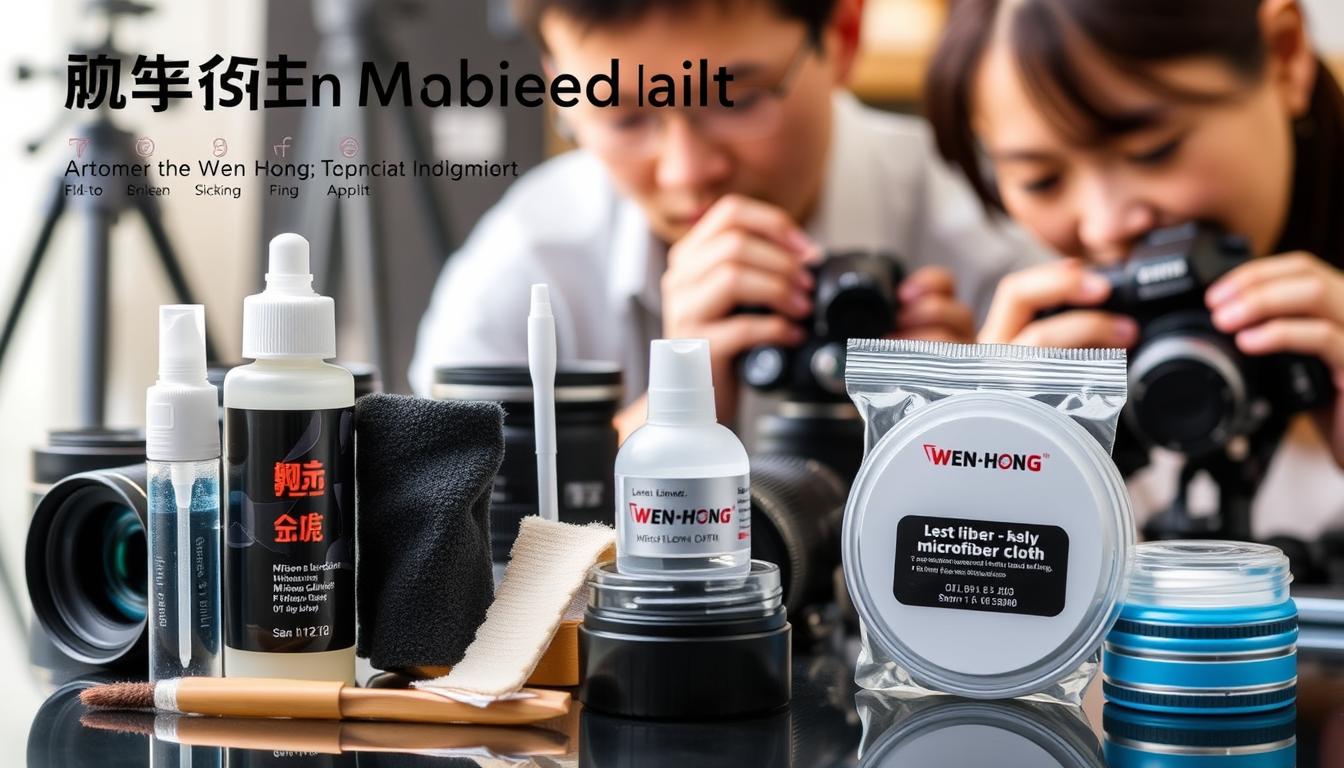
Camera Maintenance Essentials: Do Cameras Need It?
Ever thought if your camera needs special care or is it just a waste of time? Cameras and lenses can be very expensive. So, knowing how to take care of them is key for all photographers.
In this article, we’ll explore why camera maintenance is important. It helps your camera last longer and take better pictures. We’ll talk about cleaning, storing, and servicing your camera. This way, your investment stays safe.
If you’re in Singapore and want to boost your security with new tech, reach out to Wen Hong today at +65. Learn more about our CCTV solutions and deals.
Key Takeaways
- Camera bodies and lenses are significant investments that require regular upkeep for optimal performance.
- Humidity control is key to stop lens fungus and keep images clear.
- Getting your camera serviced by pros at least once a year is a good idea, based on how much you use it.
- Cleaning your camera often stops damage from dust, moisture, and other things in the air.
- Using UV filters can protect your lenses from scratches and other dangers.
Understanding Camera Maintenance
Camera maintenance is about keeping your camera in top shape. It includes cleaning, storing, and servicing it as the maker suggests. Taking good care of your camera helps it last longer.
Most makers say to service your camera every 1-2 years. This keeps everything running smoothly and prevents breakdowns. Regular checks can spot problems early, making repairs easier.
Moisture is a big enemy for your camera’s inside parts. Keeping it dry is key to avoiding damage. Cleaning the lens with a microfiber cloth in a circular motion removes smudges without scratching.
It’s best to clean your camera after each use or every few weeks. Indoor lenses need attention every six months. Outdoor lenses should be cleaned monthly and after weather changes. Not doing this can block views and hurt camera performance, mainly in dark places.
Teaching your team about camera care makes your system more reliable. Having a regular check-up schedule helps keep your security system strong. For big problems like software bugs or hardware failures, get help from experts.
Good maintenance makes your camera take better pictures and saves you money. It also cuts down on risks like overheating and part failure from dirt or bugs.
If you want to know about the newest CCTV options and deals, call Wen Hong today at +65 60135960. He can tell you more.
The Importance of Camera Care
Proper camera care is key to keeping your photos sharp and your camera working well. If you don’t take care of your camera, dirt can build up on lenses and sensors can fail. These problems can make your photos look bad and might even cost a lot to fix.
Regular cleaning and upkeep keep your camera in top shape. This means it’s always ready to capture amazing photos. It’s important to clean your lens often to avoid scratches and smudges.
Cleaning the sensor is also a must to avoid defects. It’s best to have a pro do this for the best results. Always use the right cleaning solutions for your camera lenses to avoid damaging them.
Storing your camera right can make it last longer. Keep it in a dry place away from extreme temperatures. Cameras should be serviced every one to two years, depending on how often you use it and where you use it.
Using UV filters can protect your lenses from scratches and moisture. Silica gel packets can help keep moisture away. For shooting in the rain, a camera rain cover is a must. Taking good care of your camera means it will last longer and take better photos.
Why Do Cameras Need Maintenance?
Camera upkeep is key for anyone who loves photography. Regular care keeps cameras working well. This is because they have many moving parts and sensitive electronics.
Not taking care of your camera can hurt its performance and cost a lot to fix. Dust, moisture, and extreme temperatures can damage cameras. Travelers and heavy users need to watch their gear closely.
Professional photographers should get their DSLR cameras serviced yearly. Those who use their cameras a lot might need to do it more often.
Cleaning the lens and sensors is important for clear images. Clean sensors every six months. Organize your gear well to make it easy to find what you need. Calibrate your lenses every few months for better focus.
Regular checks are important. They help find any problems early. Not doing this can cause long-term damage and shorten your camera’s life.
Manufacturers often update camera software. These updates can make your camera better and fix bugs. It’s important to keep up with these updates.
Good camera care keeps it working well and gives you peace of mind. It saves you time and money by avoiding costly repairs. Your camera will always be ready when you need it.
If you want to learn more about camera care or check out the latest CCTV solutions, call Wen Hong today at +65 60135960.
Do Cameras Need Maintenance?
Yes, cameras need regular maintenance to work their best. Not taking care of them can make photos look worse and cameras less functional. Keeping your camera in good shape helps it work well in different situations.
Professional photographers often face a lot of wear and tear. This shows how important it is to take good care of your camera.
Impact on Performance
Regular maintenance boosts a camera’s performance. For example, cleaning the sensor keeps photos clear and avoids unwanted marks. Manufacturers suggest servicing cameras every 1-2 years to keep them running well.
Simple tasks like cleaning sensors every six months and calibrating lenses often can make a big difference. For more serious problems, you might need a pro. Companies like Nikon offer maintenance services that include detailed checks and cleaning.
Extent of Use
How often you use your camera affects how much maintenance it needs. Cameras used a lot or in tough conditions wear out faster. Traveling with your camera can also expose it to harsh elements.
Keeping your gear organized helps prevent damage. Make sure batteries are charged and memory cards are empty to reduce wear. Some photographers also use UV filters to protect their lenses from scratches and dust.
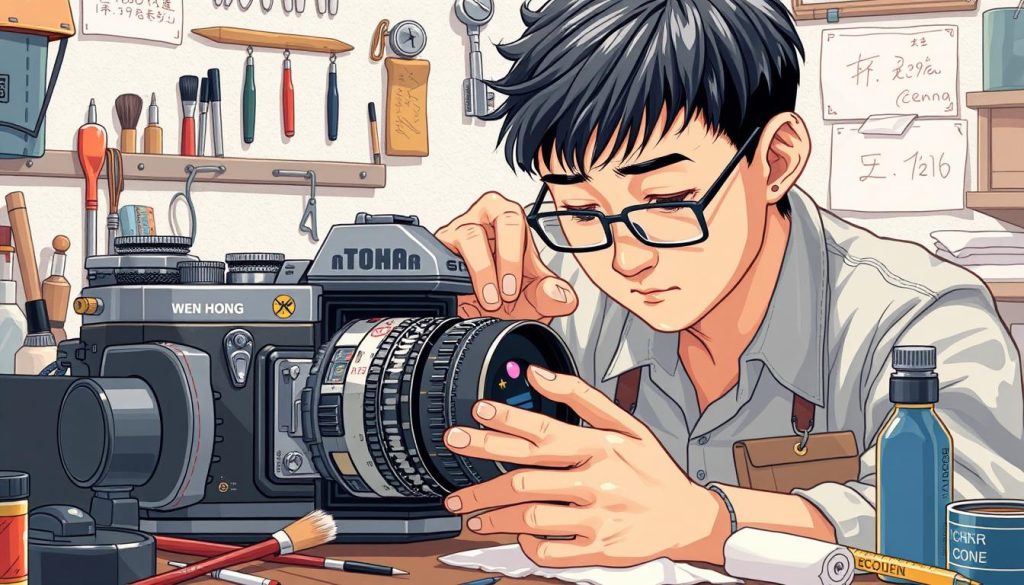
By taking good care of your camera, you can make it last longer and work better. If you’re looking for maintenance services in Singapore, contact Wen Hong at +65 60135960. They can tell you more about CCTV solutions and offers.
| Maintenance Task | Frequency | Purpose |
|---|---|---|
| Sensor Cleaning | Every 6 months | Enhance photo clarity |
| Lens Calibration | Several times a year | Ensure sharp images |
| Professional Servicing | 1-2 years | Maintain overall function |
| Firmware Updates | As released | Improves compatibility and performance |
| Basic Cleaning | After each use | Prevent dust accumulation |
Key Areas of Camera Maintenance
Keeping your camera in top shape involves several important steps. Cleaning, storing, and servicing your camera regularly are key. These practices help your camera last longer and work better.
Cleaning
Cleaning your camera is essential to avoid dust and debris affecting your photos. Make sure to clean the lens and sensor often. This prevents damage and keeps your photos clear.
Use a blower or microfiber cloth for cleaning. Cleaning your camera every few weeks or after each use is a good habit.
Storage
Storing your camera right is critical. Keep it in a dry place and use materials that absorb moisture. This helps prevent damage over time.
Also, avoid extreme temperatures. Use protective cases and memory card holders to keep your gear safe.
Regular Servicing
Regular servicing is key for your camera’s health. If you use your camera a lot, you might need to service it more often. Professionals might need to do this more than once a year.
Manufacturers suggest servicing every 1-2 years. This includes checking the hardware, updating the firmware, and calibrating the sensor when needed.
| Maintenance Type | Frequency | Details |
|---|---|---|
| Camera Cleaning | Every Few Weeks | Use blower or microfiber cloth for lens and sensor care. |
| Storage | Daily | Store in dry locations with moisture-absorbing materials. |
| Regular Servicing | 1-2 Years | Follow manufacturer guidelines for checks and updates. |
| Lens Calibration | Every 6 Months | Ensure sharp images and accurate focusing. |
Need help with your camera maintenance? Contact Wen Hong today at +65 60135960. Discover the latest CCTV solutions and offers.
Cleaning Your Camera: Essential Tips
Regular camera cleaning is key to keeping your camera in top shape. It ensures your camera performs at its best. Cleaning your camera involves simple yet important steps.
Start by using a blower or compressed air to remove dust from the lens and body. This step is important to avoid scratches. Then, use a microfiber cloth to gently wipe the lens. Move in slow, circular motions to prevent streaks.
Cleaning the sensor is also a must. Use sensor cleaning swabs with a cleaning solution approved by the manufacturer. Follow the guidelines carefully to avoid damaging the sensor and keep it working well.
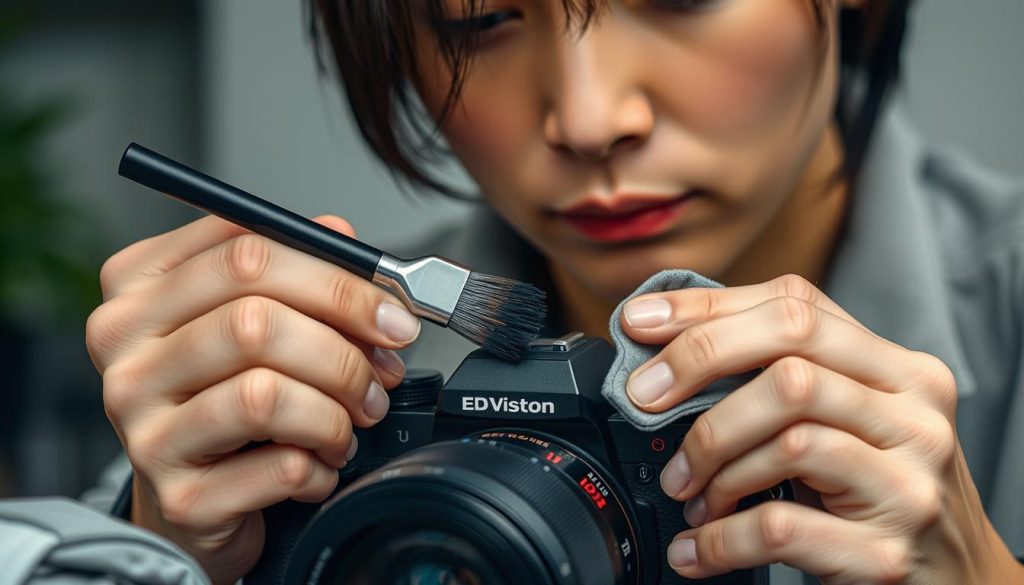
To protect against moisture, use silica gel packs in your camera bag. Moisture can harm your camera’s performance. A UV filter on the lens helps reduce haze and protects against scratches. If you shoot in different weather, a rain cover is a great way to keep your camera dry.
Proper storage is also vital. Store your camera in a dry place, preferably in a padded bag or case. This protects it from dust and damage. By following these tips, you can extend your camera’s life and improve your photos.
For more information on camera solutions and offers, contact Wen Hong at +65 60135960 today.
Proper Camera Storage Techniques
Storing your camera right is key to keeping it in top shape. It protects against damage and keeps it safe from the environment. By controlling humidity and shielding from the elements, you can care for your camera better.
Humidity Control
Keeping humidity levels right is essential to avoid mold and fungus. High humidity can ruin lenses and other parts. Use silica gel packs or humidity control systems to keep your gear dry. Here are some tips for managing humidity:
- Store cameras in airtight containers with silica gel to absorb excess moisture.
- Implement dehumidifiers that maintain low ambient humidity levels.
- Regularly inspect camera gear for signs of fungus at least once a year.
Protection from Elements
Protecting your camera from the elements is vital. Sunlight, extreme temperatures, and moisture can damage it. Here are some ways to keep your camera safe:
- Keep cameras in padded bags or cases to cushion against physical impacts.
- Avoid storing cameras in places with drastic temperature fluctuations.
- Always clean cameras and lenses before placing them in storage to eliminate dust and fingerprints.
By following these tips, you can make your camera last longer and work better. Regular checks and the right storage can prevent problems from humidity or the environment. For more on CCTV solutions and offers, contact Wen Hong today at +65 60135960.
Regular Maintenance Practices
Keeping your camera in top shape is key. It involves regular updates and check-ups. These steps ensure your camera works well and lasts longer.
Firmware Updates
Updating your camera’s software keeps it safe and efficient. Old firmware can lead to security issues. Regular updates also bring new features, meeting your changing photography needs.
Scheduled Check-Ups
Regular maintenance extends your camera’s life. It’s important to check the image sensor and focusing system. These checks help spot and fix problems early.
It’s wise to have your camera serviced yearly. Or more often if you use it a lot or in harsh weather. This care is like maintaining a car, showing the value of regular upkeep.
If you want top-notch camera services, consider professional help. For the latest CCTV solutions and offers, contact Wen Hong today at +65 60135960 to learn more.
Conclusion
Knowing how to take care of your camera is key for photographers. Cleaning it regularly, storing it right, and getting it serviced on time are all important. These steps help your camera last longer and improve your photos.
So, do cameras need maintenance? Yes, they do. Keeping a cleaning kit handy can help remove dust from the sensor. This is important for mirrorless cameras, which get dusty easily during lens changes. Regular maintenance, like professional cleaning once a year, keeps your camera working well.
Want to keep your photography gear in great shape? Contact Wen Hong at +65 60135960. He can give you tips on how to care for your camera. This way, you can capture life’s moments perfectly!
FAQ
Do cameras need maintenance?
Yes, cameras need regular care to work well and last long. Cleaning, storing right, and servicing are key. These steps help your camera perform at its best.
What are the key areas for camera maintenance?
Camera care focuses on cleaning, storage, and servicing. Cleaning stops dirt, storage shields from harm, and servicing keeps parts working right.
How does camera maintenance affect image quality?
Good camera care boosts photo quality. Cleaning the lens and sensor removes dust. This leads to clearer, better photos.
What are some essential cleaning tips for cameras?
Key cleaning tips include using a blower for dust, a microfiber cloth for the lens, and special tools for the sensor. Always follow the maker’s advice.
How should cameras be stored when not in use?
Store cameras in dry places, away from sunlight and heat. Use padded bags and silica gel to keep the environment right.
Why is regular servicing important for cameras?
Servicing keeps small problems from becoming big ones. It includes updates, checks, and upgrades. These help your camera perform well.
What can happen if I neglect camera maintenance?
Ignoring maintenance can cause dirt, mechanical issues, and expensive fixes. It can shorten your camera’s life and limit your photos.
How often should I clean my camera?
Cleaning frequency depends on use. Frequent users should check after shoots. Occasional users should clean before big sessions.
Source Links
- https://digital-photography-school.com/clean-care-camera-gear/
- https://www.beyondphototips.com/how-to-take-care-of-your-camera-equipment/
- https://mastinlabs.com/blogs/photoism/getting-started-with-basic-camera-maintenance?srsltid=AfmBOoqEgLeRHWeAXBcb9EevFCsmvUPjWGgEu2pUaUss7rV5R2A-FfO1
- https://www.campkinscameras.com/learn/the-ultimate-guide-to-camera-maintenance-and-care/?srsltid=AfmBOopvoMHwyp2sCI42k3_-aV9OgegA6Ujwo_Wge9PjQPpubQrj5H1i
- https://mammothsecurity.com/blog/security-maintenance-tips
- https://newsroom.axis.com/blog/surveillance-cameras-maintenance
- https://www.campkinscameras.com/learn/the-ultimate-guide-to-camera-maintenance-and-care/?srsltid=AfmBOoqyhDQQpx_6pSUXRDOXzGzKDJW–dOwi1iVi6KHclfUZnVfLUPH
- https://www.linkedin.com/pulse/importance-regular-cctv-camera-maintenance-upgrades-chandan-kumar-mr4yc
- https://www.thedigitalprocess.com/level-1-photography-basics/how-to-care-for-your-camera-gear/
- https://mastinlabs.com/blogs/photoism/getting-started-with-basic-camera-maintenance?srsltid=AfmBOoqw-xRH–GiywxDhDmf_DhegsqBY0r3SpycV5A3mJhh_D70dwAn
- https://www.campkinscameras.com/learn/the-ultimate-guide-to-camera-maintenance-and-care/?srsltid=AfmBOoqYmXyBw8hdFfnUg9GYKTeLbpFU9NS3EWHACSFDZV9QgcuW89EN
- https://blog.henrys.com/importance-of-regular-camera-maintenance/
- https://mastinlabs.com/blogs/photoism/getting-started-with-basic-camera-maintenance?srsltid=AfmBOopUVoIyMnD-NupnQ1ao5GJ2gvsrsVfh70QI773TQ70OMhOzCN10
- https://www.campkinscameras.com/learn/the-ultimate-guide-to-camera-maintenance-and-care/?srsltid=AfmBOoohZd15Jxw_5w2Lj7jaQ3HoUzQIkpn2GQavh5uc2tTe0Ow9cQzg
- https://www.nikon.com.sg/care-and-maintenance
- https://mastinlabs.com/blogs/photoism/getting-started-with-basic-camera-maintenance?srsltid=AfmBOoqq8Sq4W8aGRkdeYllN5s5PoIzI_PkwlkoyLAD40pmPm9sq62a7
- https://www.campkinscameras.com/learn/the-ultimate-guide-to-camera-maintenance-and-care/?srsltid=AfmBOoo3GuDS0rHZdv6aexv06wUeCYiiPxS9R6WAg7iDa8qiHeFrAX5a
- https://www.campkinscameras.com/learn/the-ultimate-guide-to-camera-maintenance-and-care/?srsltid=AfmBOoplNauk7GzEHmlTmALuC40CvXkpff32_zM9kqZcDyGRTXQsSp5H
- https://www.canon.com.au/get-inspired/how-to-clean-and-maintain-your-camera-gear
- https://amateurphotographer.com/technique/expert_advice/camera-maintenance-how-to-clean-camera/
- https://www.pixsy.com/photography/how-to-preserve-your-camera-gear-6-simple-tips-for-better-storage
- https://www.campkinscameras.com/learn/the-ultimate-guide-to-camera-maintenance-and-care/?srsltid=AfmBOoqxaIMNMqdUARScHONC0NMQh7p7sreYqiAtOejmvidipbJZUKBp
- https://www.sony-asia.com/electronics/support/lenses-e-mount-lenses/sel1625g/articles/00160168
- https://mastinlabs.com/blogs/photoism/getting-started-with-basic-camera-maintenance?srsltid=AfmBOooXGdhwD2doDM6tm-s2J6NAdRA_Pbe5EjjX3ne9TiaKb5qwGq1P
- https://www.surveillancezone.com.sg/cctv-maintenance-and-best-practices-for-security-systems/?srsltid=AfmBOopvw7Duq3J6UIk4T7_V1GtBevBHv3aHCZLrUmqwgF5d_0VPKK6j
- https://www.whitewall.com/eu/magazine/inspiration/basics-of-photography/understanding-the-camera/camera-care-and-maintenance
- https://backcountryjourneys.com/Essential-Camera-Maintenance-Extending-the-Life-of-Your-Gear


