
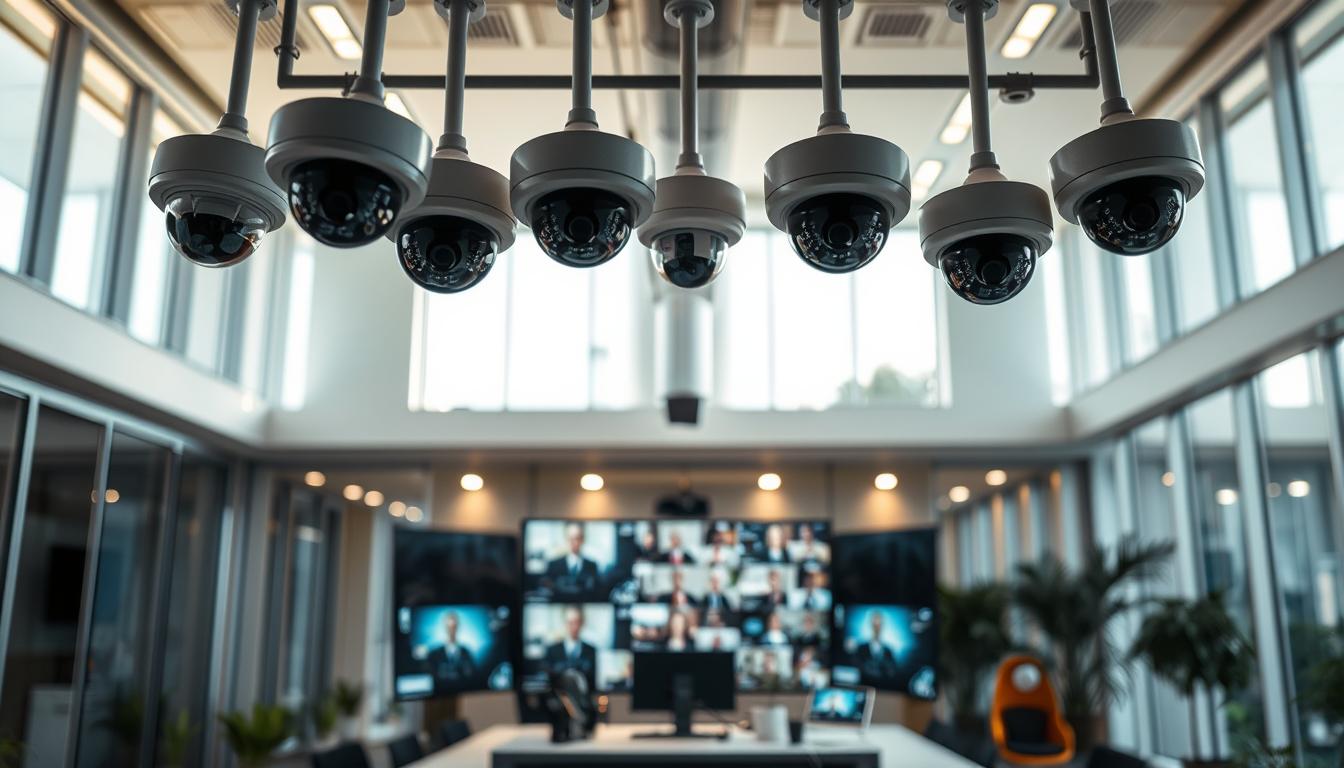
Determining How Many Security Cameras is Too Much: A Guide
Finding the perfect balance in surveillance systems is crucial for both homes and businesses. Too few devices leave blind spots, while excessive monitoring can raise privacy concerns. In Singapore, where urban density is high, this balance becomes even more critical.
Recent updates to HDB corridor regulations (May 2023) highlight the need for thoughtful placement. Businesses face higher risks, with burglary rates four times greater than residential properties. Smart features and strategic positioning often outweigh sheer quantity.
Legal compliance with Singapore’s PDPA ensures neighbor privacy while maintaining safety. This guide explores adequate coverage versus over-surveillance, helping you optimize your setup efficiently.
Key Takeaways
- Balanced surveillance prevents blind spots without invading privacy
- Singapore’s urban density requires careful camera placement
- Businesses need more coverage due to higher burglary risks
- Smart features can reduce the need for multiple devices
- Always comply with PDPA and HDB regulations
How Many Security Cameras Do You Really Need?
Effective surveillance starts with calculating the right number of devices for your property. Unlike blanket installations, strategic planning considers spatial dimensions, entry points, and crime patterns. In Singapore’s compact urban environment, every square meter demands thoughtful evaluation.
Property Dimensions Dictate Baseline Requirements
Square footage directly impacts your system’s scale. A practical formula suggests one device per 20 feet for landed properties, while studio apartments often achieve coverage with a single unit. Multi-level homes typically require 3-4 units to monitor staircases and separate floors.
Large estates follow different rules. SwitchBot’s research indicates mansions benefit from 10-20 units to maintain perimeter visibility. The key lies in positioning devices to eliminate blind spots without creating redundant views.
Prioritizing High-Risk Areas
Crime statistics reveal clear patterns in vulnerable areas. ED Viston data shows 70% of break-ins target first-floor entry points, with 38% occurring through off-street windows. These areas demand priority coverage:
- Ground-level windows facing alleys or service areas
- Garages with direct home access
- Server rooms in commercial properties
- Backyard access points obscured from street view
Balancing Protection and Budget
Costs escalate quickly with each added unit. Basic 4-camera setups range from $800-$1,200, while enterprise solutions surpass $15,000. Smart alternatives like 360° PTZ models can reduce total count by 30% through panoramic coverage.
A boutique hotel case study demonstrates this balance. Ten strategically placed units provided better security than a mall’s 400-camera array through intelligent positioning. Follow this 7-point checklist for efficient deployment:
- Primary entry doors
- Ground-level windows
- Backyard access points
- Interior hallways
- Valuable storage areas
- Confirmed blind spots
- Property perimeter
This structured approach ensures comprehensive monitoring without unnecessary devices. The right number depends on your property’s unique layout and risk profile.
Indoor vs. Outdoor Cameras: Strategic Allocation
Different environments demand tailored approaches to security camera deployment. Outdoor units require rugged construction, while indoor models prioritize discreet monitoring. Singapore’s tropical climate and dense housing amplify these differences.
When to Use Weatherproof Outdoor Cameras
IP66-rated housing is essential for Singapore’s heavy rains. The SwitchBot Outdoor Spotlight Cam operates from -20°C to 50°C, handling extreme humidity. Position these 2K-resolution units at entry points and perimeter walls.
Effective weatherproof outdoor cameras need 8-meter night vision to cover driveways and gates. Avoid condo hallways—ED Viston regulations prohibit such placements. Focus on:
- Gate entrances with motion-activated spotlights
- Garage doors vulnerable to forced entry
- Garden areas obscured by foliage
Optimal Indoor Camera Placements for Maximum Visibility
Ceiling mounts at 2.4 meters provide wide-angle view coverage without obstruction. Shelf placements at 1.8 meters work well for retail displays or nurseries. Always exclude bathrooms and bedrooms per PDPA Section 26.
Key areas for indoor monitoring include:
- Main hallway junctions
- Valuables storage locations
- Home office spaces with sensitive documents
Hybrid Setups for Seamless Property Monitoring
A balanced system might combine 4 outdoor and 3 indoor security cameras with NVR integration. Motion-triggered recording reduces storage needs by 40%. This approach eliminates blind spots without over-surveillance.
For comprehensive protection, integrate models with overlapping fields of view. Our guide on weatherproof outdoor cameras details compatible systems for Singaporean properties.
Camera Specifications That Impact Your Total Count
Cutting-edge technology now allows fewer cameras to deliver superior monitoring results. Advanced specifications like resolution and field of view can reduce blind spots while minimizing equipment needs. Smart features further optimize surveillance efficiency.
Resolution and field of view: Quality over quantity
2K resolution provides 56% better facial recognition than standard 1080p, according to SwitchBot research. Wider 130° lenses cover 25% more area than traditional 90° models. This means fewer units are needed for complete property coverage.
Follow these resolution guidelines:
- 4MP for general entry point monitoring
- 8MP for critical areas requiring license plate capture
- 12MP for large commercial spaces
Night vision capabilities reducing blind spots
Infrared technology reaches 30 meters, while color night vision provides clearer video details within 15 meters. Strategic placement of these units eliminates dark zones without requiring additional devices.
“AI-powered person detection reduces false alarms by 73%, allowing focused monitoring of genuine threats.”
Smart features that enhance efficiency
Motion tracking and auto-zoom functions follow activity across wide areas. These smart security solutions often replace multiple static cameras. Bandwidth requirements vary significantly:
- 4K models need 16Mbps bandwidth
- 1080p units use just 4Mbps
Storage needs also differ. Ten 4MP cameras typically require 6TB monthly capacity. Always verify warranty coverage – 3-year protection is ideal for outdoor models in Singapore’s humid climate.
Property Size Guidelines: From Apartments to Mansions
Strategic camera placement varies dramatically between compact condos and sprawling estates. The right system scales with your property’s dimensions while addressing unique risk factors. Singapore’s urban landscape demands customized solutions that respect privacy laws and spatial constraints.
Compact Living: Condominium Security Blueprints
High-rise units typically require 1-2 devices focused on critical areas. A peephole camera with 180° view covers the main entrance, while a living room unit monitors common spaces. Remember: HDB regulations prohibit audio recording in shared corridors.
- Entryway models should detect motion within 5 meters
- 360° indoor cameras reduce blind spots in open layouts
- Avoid pointing devices toward neighbor’s windows (PDPA compliance)
Landed Property Coverage Essentials
Terraced houses and bungalows need 3-7 units for complete protection. The SwitchBot Home Analysis shows this layout works best:
- Gate camera with license plate recognition
- Living room unit facing entry points
- Kitchen camera monitoring back entrances
- Second-floor hallway surveillance
- Yard coverage with weatherproof housing
Large Estate Security Layers
Mansions and commercial properties often deploy 10+ devices in concentric zones. Perimeter fences need infrared models every 15 meters, while interior spaces benefit from synchronized recording.
“Estate security requires 40% fewer cameras when using AI-powered tracking systems.”
Maintenance matters as much as installation. Schedule quarterly lens cleaning and bi-annual firmware updates for optimal performance. Upgrade existing systems with smart features before adding more units.
Placement Strategies to Avoid Over-Surveillance
Strategic positioning of surveillance equipment can significantly reduce device counts while maintaining protection. Smart placement follows traffic patterns and architectural features rather than blanketing areas with redundant cameras. In Singapore’s dense urban environment, this approach prevents neighbor disputes and complies with privacy laws.
Optimizing Entryway Monitoring
Choke point strategy covers 90% of access routes using 35% fewer units. Focus on these critical areas:
- Main door alcoves with tamper-proof mounts at 3m height
- Stairwell junctions in multi-level properties
- Garage entries with downward-angled view
SwitchBot research confirms 8-10ft mounting height captures faces while minimizing blind spots. A 15° downward tilt improves coverage by 60% compared to level installations.
Height and Angle Adjustments
Proper alignment eliminates overlapping views between devices. Follow these guidelines:
- Position outdoor units opposite light sources to avoid glare
- Use 12°-25° angle limiters near property boundaries
- Install ceiling mounts with 1.2m clearance from neighboring units
“Correct angling reduces false motion alerts by 40% while maintaining full perimeter coverage.”
Privacy-Conscious Installations
Balancing security and privacy prevents legal issues in shared spaces. Consider:
- Smoke detector-style covert cameras for sensitive interior zones
- Visible deterrent models for high-traffic exterior areas
- Digital privacy masks to blur adjacent properties automatically
Always verify your setup complies with Singapore’s 1.2m clearance rule from neighboring windows. This maintains surveillance effectiveness while respecting personal boundaries.
Legal Considerations in Singapore
Singapore’s surveillance laws create clear boundaries for property monitoring systems. The Personal Data Protection Act (PDPA) and HDB regulations establish where devices can operate while respecting privacy rights. Violations carry significant penalties, making compliance essential for both homes and businesses.
Updated HDB Corridor Surveillance Rules
Since May 2023, HDB residents face stricter limits on corridor cameras. Installations must meet three criteria:
- No audio recording in shared spaces
- Cameras cannot capture neighbor doors or windows
- Written approval required for corridor-facing units
A 2022 case saw a resident fined $7.5k for overlooking these rules. Proper placement in common areas avoids such penalties while maintaining security.
PDPA Compliance Essentials
Singapore’s data protection law impacts all surveillance systems. Key requirements include:
- 30-day maximum footage retention (Section 24)
- AES-256 encryption for stored recordings
- 72-hour breach reporting timeline
“Audio recording without consent violates PDPA Section 26, with fines up to $5,000 per incident.”
Penalties for Invasive Practices
Businesses face additional obligations under workplace surveillance laws. Visible CCTV notices must appear within 3 meters of monitored zones. The PDPC maintains an IMDA-approved vendor list for compliant equipment.
For comprehensive protection without legal risks, balance monitoring needs with privacy requirements. Proper planning prevents both crime and regulatory violations.
Optimizing Your Security System Without Overkill
Smart surveillance solutions now prioritize efficiency over quantity. Modern systems integrate motion sensors and AI analytics, reducing physical device counts while improving response times by 83%.
The right approach combines technology with psychology. Studies show dummy units decrease break-in attempts by 47%, making them cost-effective deterrents when paired with real cameras at key points.
Automation enhances security without complexity. Geo-fencing activates recording when you leave, while SD card alerts prevent footage loss. Professional audits ($250) identify weak spots before upgrades.
Future-proof your cameras by choosing PoE over WiFi for reliability. Most setups need replacement every five years as technology advances.
For complete peace mind, ED Viston (+65 8313 4578) offers Singapore-specific solutions. Their 12-point optimization checklist ensures maximum protection without unnecessary devices.
FAQ
What factors determine the right number of cameras for my property?
The ideal count depends on property size, layout, and high-risk areas like entrances or blind spots. Budget and coverage needs also play a role.
Should I prioritize indoor or outdoor cameras?
Outdoor cameras protect entry points, while indoor ones monitor high-traffic spaces. A hybrid setup ensures full coverage.
Can camera specs reduce the total number needed?
Yes. High-resolution lenses with wide fields of view and night vision minimize blind spots, reducing the need for extra units.
How many cameras are suitable for a small apartment?
Typically, 1-2 cameras focusing on main entryways provide sufficient coverage for compact living spaces.
Where should I avoid placing cameras?
Avoid pointing them at neighbors’ properties or private indoor spaces like bathrooms to prevent legal issues.
Are there legal restrictions on surveillance in Singapore?
Yes. HDB corridor cameras must follow 2023 guidelines, and audio recording requires PDPA compliance to protect privacy.
How can I optimize my system without overdoing it?
Focus on critical zones, use smart features like motion tracking, and adjust angles to eliminate redundant coverage.


