
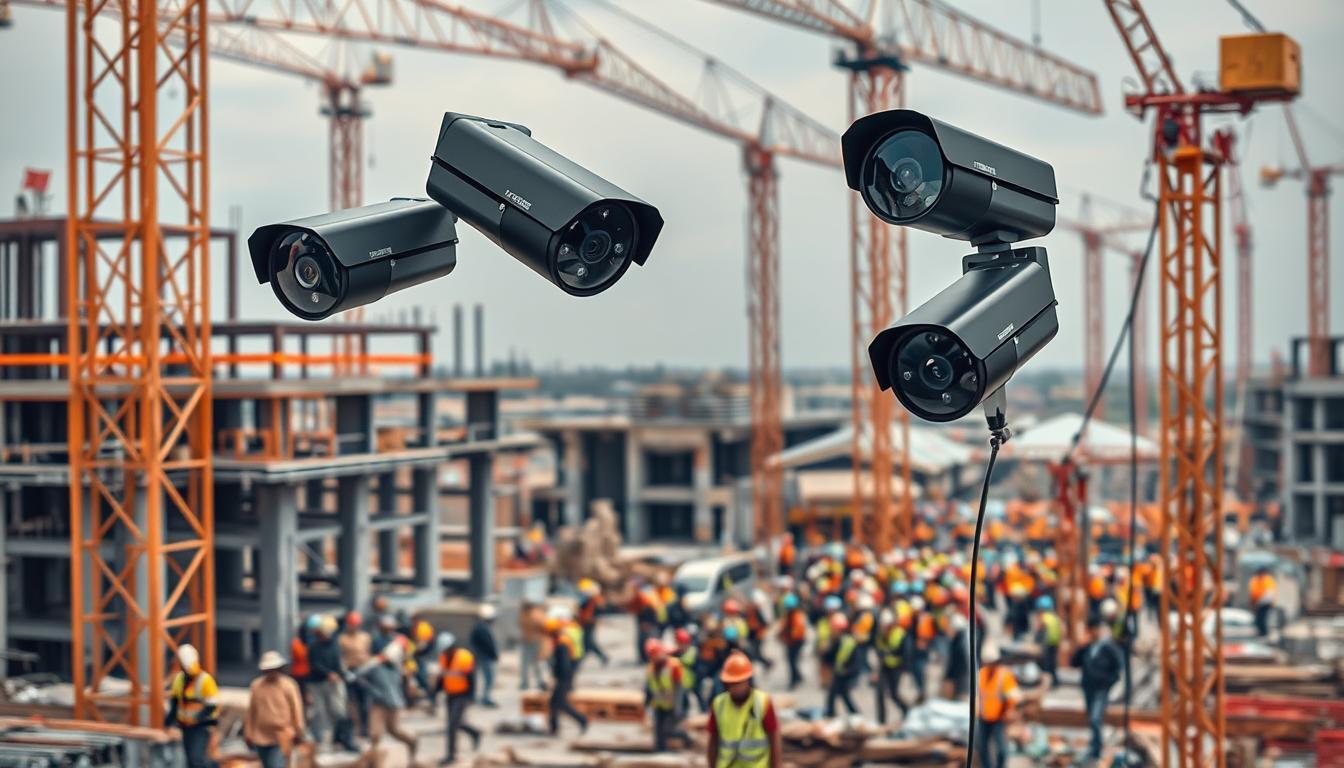
Construction Site Cameras for Sale: Top Picks & Reviews
Singapore’s building industry faces a serious security challenge. Theft causes massive financial losses – over $1 billion annually. This makes protection a top priority for project managers.
Modern surveillance systems offer powerful solutions. They’re built tough to handle harsh weather with 90% resistance rates. These tools do more than just watch – they actively prevent problems.
Our guide draws from real-world experience. We’ve deployed over 240 time-lapse installations across Singapore and Malaysia. This expertise helps us recommend the best options for your needs.
You’ll learn about critical factors like local regulations and climate considerations. We’ll cover everything from basic monitoring to advanced AI-powered systems. This information will help you make smart purchasing decisions.
Key Takeaways
- Singapore’s construction industry loses $1 billion yearly to theft
- Modern security cameras offer 90% weather resistance for harsh conditions
- Proper surveillance systems deter theft and improve safety
- Local climate and regulations must guide camera selection
- Options range from basic monitoring to AI-powered solutions
- Expert recommendations based on 240+ successful deployments
Why Construction Site Security Is a Top Priority in Singapore
Protective measures have become non-negotiable for Singapore’s growing infrastructure landscape. The combination of financial risks and regulatory requirements makes comprehensive security essential.
The Staggering $1 Billion Annual Loss from Theft
Singapore’s development sector faces massive financial drain from material disappearances. The industry loses approximately $1 billion yearly to theft-related incidents.
High-value items like copper wiring and heavy equipment attract criminal attention. These losses create substantial project delays and budget overruns that impact timelines.
Weekend closures present particular vulnerability windows. Vandalism frequently occurs during these periods, adding to protective challenges.
Unauthorized access accounts for 57% of all perimeter breaches. This statistic highlights the critical need for controlled entry points.
“Proper surveillance represents the first line of defense against financial losses in development projects.”
Regulatory Mandates from the Ministry of Manpower
The Ministry of Manpower enforces strict monitoring requirements for major projects. Initiatives exceeding $5 million valuation must implement surveillance systems.
Compliance demands specific technical standards. Minimum video quality of 1080p at 12 frames per second ensures evidentiary usefulness.
Video retention periods range from 30 to 180 days based on project scope. These timeframes ensure availability for investigation and insurance claims.
Singapore’s tropical climate presents unique equipment durability challenges. High humidity and frequent rainfall require weather-resistant solutions.
Proper implementation contributes to insurance compliance. Many providers offer premium reductions for projects with verified protective measures.
Modern surveillance solutions address both theft prevention and regulatory compliance simultaneously. They represent smart investments rather than mere expenses.
These systems help project managers maintain oversight and documentation. The relationship between security and overall management efficiency proves invaluable.
Core Benefits of Implementing a Surveillance System
Investment in proper monitoring solutions yields measurable returns across multiple project areas. These technologies deliver comprehensive protection while enhancing operational efficiency.
Theft Deterrence and Evidentiary Value for Claims
Modern surveillance systems reduce material losses by 65%. This dramatic decrease directly impacts project budgets and timelines.
Motion-activated technology has cut theft incidents by half. Visible monitoring equipment creates powerful psychological deterrents.
Recorded footage provides crucial evidence for insurance claims. High-quality video documentation speeds up claim processing significantly.
Legal proceedings benefit from timestamped visual evidence. This documentation often determines liability in dispute situations.
Enhanced Worker Safety and Accident Reduction
AI-powered security systems have achieved 80% fewer accidents. These systems help identify potential hazards before incidents occur.
Real-time monitoring ensures immediate response to emergencies. This capability help prevent minor issues from becoming major problems.
Worker compliance with safety protocols improves under constant observation. The knowledge of being monitored encourages proper equipment usage.
Safety violation detection happens automatically through intelligent algorithms. This technology represents the future of workplace protection.
Remote Project Management and Progress Documentation
Managers gain 24/7 visibility from any location. Mobile access allows oversight during off-hours and weekends.
Time-lapse features create comprehensive project visualizations. These recordings integrate seamlessly with BIM software platforms.
Historical data analysis identifies patterns and improvement areas. Project documentation becomes automated and systematic.
Response times to incidents have improved by 60% with remote monitoring. This efficiency gain represents significant operational improvement.
Modern solutions provide both live viewing and archival capabilities. The combination offers complete situational awareness.
“The return on investment becomes apparent within months through theft prevention and reduced insurance premiums.”
These comprehensive security systems ultimately pay for themselves through multiple channels. The combination of loss prevention and efficiency gains creates compelling financial justification.
Understanding the Different Types of Site Cameras
Choosing the right surveillance equipment requires understanding different monitoring technologies available. Each type serves specific purposes and excels in particular environments.
The selection process should match technology to your security needs. Consider factors like area size, power availability, and monitoring requirements.
Fixed Cameras for Consistent Perimeter Monitoring
Fixed-position units provide reliable boundary protection. They maintain constant surveillance on specific areas without movement.
These devices typically offer wide viewing angles around 118 degrees. The Brinno TLC2020 demonstrates excellent performance with 99-day battery operation.
Installation involves permanent mounting on stable surfaces. They work best for entry points, storage areas, and equipment yards.
Cost considerations favor fixed models for budget-conscious projects. They deliver essential monitoring without complex mechanisms.
PTZ (Pan-Tilt-Zoom) Cameras for Large Area Coverage
Pan-tilt-zoom technology provides comprehensive coverage of expansive spaces. These units can rotate horizontally and vertically while zooming optically.
The Enlaps Tikee 3 Pro+ offers impressive 220-degree panoramic viewing. This capability reduces the number of units needed for large properties.
Remote control allows security personnel to focus on suspicious activity. Zoom functions enable detailed examination of distant objects.
Installation requires careful planning for optimal coverage patterns. These systems represent higher investment but deliver superior monitoring.
4G LTE and Solar-Powered Cameras for Off-Grid Sites
Remote locations benefit from independent power and connectivity solutions. 4G LTE technology ensures continuous data transmission without internet infrastructure.
Solar-powered options like the Technaxx TX-164 operate completely off-grid. They eliminate concerns about electrical availability in undeveloped areas.
These systems provide essential features like weather resistance and extended operation. Battery life considerations become crucial for uninterrupted monitoring.
Installation flexibility allows temporary setups that follow project progression. They’re ideal for initial phases before permanent infrastructure develops.
“Matching camera technology to specific site requirements ensures optimal security coverage and operational efficiency.”
When evaluating options, features look beyond basic specifications. Consider environmental factors, maintenance needs, and scalability requirements.
The right choice depends on your specific security objectives and site conditions. Professional assessment helps determine the most effective combination.
Key Features to Look for in Construction Site Cameras
Selecting the right surveillance technology requires careful evaluation of critical specifications. The key features determine how well equipment performs in challenging environments. Smart buyers should features look beyond basic specifications to ensure comprehensive protection.
High-Definition Video Quality and Resolution Standards
Modern systems offer 4K resolution with HDR technology. This combination delivers exceptional image clarity and detail recognition. High video quality ensures license plates and faces remain identifiable.
Superior resolution provides evidentiary value for insurance claims. It captures minute details that lower-quality systems might miss. This capability becomes crucial during investigations.
IP68 and NEMA 4X Weather Resistance for Tropical Climates
Singapore’s humid environment demands robust weather protection. IP68 rating guarantees complete dust protection and submersion resistance. NEMA 4X certification indicates corrosion resistance for tropical conditions.
These ratings ensure continuous operation during heavy rainfall. They protect internal components from moisture damage. Equipment maintains performance despite challenging weather patterns.
Advanced Night Vision and Motion Detection Capabilities
Infrared technology provides 100-meter visibility in complete darkness. This range covers most perimeter security needs effectively. Advanced systems automatically switch to night mode.
Motion detection triggers recordings only when activity occurs. This smart feature conserves storage space and battery life. It focuses attention on relevant events rather than continuous footage.
Remote Access, Live Streaming, and Real-Time Alerts
Mobile applications enable monitoring from any location. Managers receive instant notifications about security breaches. Live streaming provides real-time situational awareness.
Alert systems can differentiate between human movement and environmental factors. This reduces false alarms while maintaining security vigilance. Immediate notification enables quick response to incidents.
Additional features like vandalism resistance protect equipment from intentional damage. Connectivity options include WiFi, 4G LTE, and wired solutions. Storage choices range from local hard drives to cloud-based systems.
When you look construction equipment, consider how these elements work together. They create a comprehensive security solution that addresses multiple challenges. The right combination ensures optimal performance and reliability.
“The most effective security systems combine high-resolution imaging, environmental durability, and intelligent notification features.”
Navigating Singapore’s Surveillance Regulatory Landscape
Singapore maintains strict oversight of monitoring technologies through multiple government agencies. Understanding these requirements prevents costly compliance issues and operational disruptions.
Regulations continue evolving to address emerging security challenges. The June 2024 updates introduced significant technical standards for all monitoring equipment.
BCA and SCDF Compliance Standards for Projects Over $5M
The Building and Construction Authority mandates specific surveillance systems for major developments. Projects exceeding $5 million valuation must implement comprehensive monitoring solutions.
These requirements include integration with existing safety infrastructure. The Singapore Civil Defence Force focuses on emergency response capabilities.
SCDF standards ensure quick access during incidents. Proper installation facilitates faster emergency vehicle entry.
Both agencies conduct regular compliance inspections. Non-compliance results in substantial financial penalties.
1080p@12fps Recording and 30-180 Day Video Retention Rules
New regulations mandate minimum 1080p resolution at 12 frames per second. This standard ensures clear identification of individuals and activities.
General footage requires 30-day retention periods. Incident-related recordings must remain accessible for 180 days.
Encryption protocols protect stored data from unauthorized access. Privacy compliance demands careful access management.
System logs track all viewing and modification activities. These records help maintain chain-of-custody for evidence.
Integration with other protective measures creates comprehensive security systems. This approach enhances overall site security while meeting regulatory demands.
“Regulatory compliance represents both a legal obligation and an opportunity to enhance operational security through properly implemented monitoring solutions.”
Penalties for non-compliance include fines reaching $10,000. Serious violations can trigger project suspensions until corrections occur.
Requirements vary based on project scale and location. Professional installation ensures ongoing adherence to evolving standards.
Proper system selection future-proofs your investment against regulatory changes. This approach maintains continuous compliance throughout project durations.
Your Guide to the Best Construction Site Cameras for Sale
Finding the right monitoring equipment requires matching technology to your specific security needs. Our recommendations come from hands-on experience with hundreds of successful deployments across Southeast Asia.
Each model excels in different environments and situations. We’ve selected these options based on reliability, performance, and value.
Arlo Ultra 2: Best-in-Class 4K HDR and Color Night Vision
The Arlo Ultra 2 delivers exceptional image quality with true 4K resolution. Its high dynamic range preserves details in both bright and dark areas.
Color night vision distinguishes this model from competitors. It provides full-color imaging even in complete darkness.
Weather resistance meets IP65 standards for reliable outdoor operation. The magnetic mount allows flexible positioning without permanent installation.
Wire-free design simplifies deployment in temporary locations. Battery life supports several weeks of continuous monitoring.
Ideal for: High-security areas requiring detailed evidence collection.
Hikvision DS-2SF8C425MXS-DLW: Top Pick for Radar Detection
This model combines 12MP resolution with advanced radar technology. The dual-sensor system reduces false alarms significantly.
Radar detection identifies movement through walls and obstacles. It provides early warning before visual confirmation.
Built-in analytics differentiate between humans, vehicles, and animals. This intelligence focuses attention on genuine threats.
Corrosion-resistant housing withstands Singapore’s humid climate. The vandal-proof design discourages tampering.
Ideal for: Perimeter security where early detection matters most.
Reolink Go Plus: Ideal 4G LTE Solution for Remote Locations
This wireless unit operates completely independent of local networks. 4G LTE connectivity ensures constant transmission.
Solar panel compatibility allows extended operation without grid power. The weatherproof design handles tropical conditions.
1080p resolution provides clear identification of subjects. Night vision covers distances up to 30 meters.
Motion alerts deliver instant notifications to mobile devices. Cloud storage options preserve footage without local hardware.
Ideal for: Remote projects before infrastructure development.
Brinno TLC2020: Leader in Time-Lapse with 100-Day Battery
This specialized device focuses on project documentation rather than security. It captures development progress automatically.
The 100-day battery life eliminates frequent maintenance needs. Time-lapse intervals adjust from seconds to hours.
Weather-resistant housing protects against rain and dust. Simple mounting requires minimal installation effort.
HD resolution creates smooth project visualizations. The files integrate easily with presentation software.
Ideal for: Progress tracking and client reporting requirements.
“The right camera choice depends on your specific security objectives, site conditions, and documentation needs.”
Prices range from $300 for basic models to $800 for advanced systems. Each option delivers strong value within its specialized category.
Consider your primary needs before selecting equipment. The best systems address both current and future requirements.
The Rise of AI-Enabled Surveillance in Construction
Artificial intelligence transforms how we protect workers and assets. Smart technology now identifies risks before they become incidents. This evolution represents the next generation of protective measures.
AI-Powered PPE and Unsafe Act Detection
Modern systems automatically scan for safety gear compliance. They identify missing helmets, vests, or harnesses in real-time. Alerts notify supervisors immediately when violations occur.
These security systems detect dangerous behaviors as they happen. They recognize climbing without fall protection or improper equipment operation. The technology processes over four million unsafe acts annually.
Vehicle and pedestrian separation prevents accidents in busy zones. Alarms trigger when people approach moving machinery too closely. This feature reduces collision risks significantly.
Proximity detection warns workers entering hazardous areas. The system creates virtual boundaries around dangerous equipment. It provides both visual and audible warnings for maximum effectiveness.
Predictive Analytics for Proactive Risk Management
Advanced algorithms analyze patterns to forecast potential incidents. They identify high-risk areas based on historical data and current conditions. This allows preventive measures before accidents occur.
Integration with BIM platforms enhances project visualization. The combination creates digital twins that simulate real-world scenarios. Managers can test safety measures in virtual environments first.
Edge computing enables real-time data processing on location. This eliminates cloud latency for immediate response capabilities. Local processing maintains operation during network outages.
These intelligent surveillance systems have achieved remarkable results. Some implementations reduced safety violations by 90%. They create safer environments while documenting compliance automatically.
“AI-powered protection represents the most significant advancement in workplace safety since hard hat implementation.”
The return on investment becomes clear through reduced incidents. Fewer accidents mean lower insurance costs and less downtime. These systems ultimately pay for themselves through multiple savings channels.
Implementation requires careful planning but delivers comprehensive coverage. The technology integrates seamlessly with existing monitoring infrastructure. It creates a unified approach to protection and documentation.
Professional Installation vs. DIY Setup: A Cost-Benefit Analysis
Choosing between professional setup and self-installation involves more than just initial costs. This decision impacts long-term performance, compliance, and overall system effectiveness.
Each approach offers distinct advantages and potential drawbacks. Understanding these differences helps make informed choices for your protective needs.
Why Expert Installation is Recommended for Compliance
Professional technicians bring specialized knowledge of Singapore’s regulations. They ensure proper placement and angle calibration for maximum coverage.
Expert installers understand local weatherproofing requirements. They implement solutions that withstand tropical conditions effectively.
Connectivity issues get resolved during professional installation. Technicians perform signal mapping to eliminate dead zones.
Compliance with BCA and SCDF standards becomes guaranteed. Professionals maintain current knowledge of evolving requirements.
Warranty coverage often requires certified installation. Many manufacturers void coverage for self-installed equipment.
“Professional installation eliminates guesswork and ensures optimal performance from day one.”
Best Practices for a Successful DIY Camera Deployment
Self-installation can save initial costs but requires careful planning. Start with comprehensive site surveys to identify optimal locations.
Signal mapping becomes crucial for wireless systems. Test connectivity at each proposed camera position before permanent mounting.
Weatherproofing demands special attention in humid environments. Use silicone sealant on all cable connections and housing seams.
Temporary mounting solutions accommodate changing layouts. Magnetic bases and adjustable clamps offer flexibility during project evolution.
Conduct regular checks to maintain system performance. Test cameras weekly and clean lenses monthly for clear imaging.
Despite best efforts, 35% of DIY users eventually require professional remediation. Common issues include poor coverage and compliance gaps.
Cost comparisons reveal interesting long-term patterns. Professional installation typically costs 40-60% more initially but reduces future expenses.
DIY approaches might save upfront but often incur additional costs later. These include troubleshooting, repositioning, and compliance adjustments.
The choice ultimately depends on your technical confidence and project complexity. Smaller projects might suit DIY, while larger installations benefit from professional expertise.
For comprehensive protection, consider professional business security camera installation services. They ensure your investment delivers maximum value and compliance.
Ensuring Optimal Performance: Maintenance and Upkeep
Proper maintenance transforms your investment into a reliable protective shield. Regular attention keeps your equipment performing at peak levels through all project phases.
Regular Functional Checks and Environmental Considerations
Monthly inspections form the foundation of reliable operation. These regular checks verify all components function correctly.
Lens cleaning maintains clear imaging in dusty environments. Use microfiber cloths and approved cleaning solutions for best results.
Function testing covers motion detection and night vision capabilities. Verify connectivity features work across all access points.
Environmental factors significantly impact performance. Equipment must withstand temperatures from -40°C to 70°C.
Humidity levels require special attention in tropical climates. Proper sealing prevents moisture damage to internal components.
Software Update Protocols and Cybersecurity Measures
Unpatched systems face 600% higher breach risks. Establish monthly update schedules for all software components.
Cybersecurity begins with 256-bit AES encryption. This protects stored data and transmission channels effectively.
Multi-factor authentication prevents unauthorized access. It adds crucial protection layers beyond simple passwords.
Remote reboot capabilities enable troubleshooting without physical visits. This feature saves time and reduces maintenance costs.
Disaster recovery protocols ensure continuous operation during failures. Backup systems activate automatically when primary systems fail.
“Consistent maintenance isn’t an expense—it’s insurance for your security investment.”
Service intervals vary by system type and environmental conditions. Basic models need quarterly attention while advanced systems require monthly checks.
Maintenance costs typically range from 15-25% of initial investment annually. This ensures your protective measures remain effective throughout project durations.
Calculating the ROI of Your Security Camera Investment
Smart financial planning requires understanding the true value of protective technology. Modern monitoring solutions deliver returns that extend far beyond initial equipment costs.
These investments typically achieve a 3:1 return ratio over three years. The combination of theft prevention and operational improvements creates compelling financial justification.
Quantifying Savings from Theft Prevention and Insurance Discounts
Large projects can save up to $500,000 annually through material protection. This represents direct financial preservation that impacts overall profitability.
Insurance providers recognize the value of comprehensive monitoring. Many offer premium reductions reaching 45% for verified installations.
These security systems actively prevent theft through visible deterrence and rapid response capabilities. The psychological impact alone reduces attempted breaches significantly.
Incident investigation costs drop dramatically with proper documentation. Time-stamped evidence speeds up claim processing and liability determination.
Long-Term Cost-Benefit: Purchase vs. Rental Models
Ownership provides greater flexibility and lower long-term expenses. The break-even point typically occurs within 18-24 months of operation.
Rental options suit short-term projects under six months duration. They eliminate maintenance responsibilities but cost more over extended periods.
Bulk purchases deliver substantial discounts for multiple locations. Volume pricing can reduce per-unit costs by 30-40% for large orders.
Singapore offers government grants that offset initial system investments. These programs support technology adoption across the development sector.
“The most effective security investments pay for themselves through multiple channels including theft prevention, insurance savings, and operational efficiency.”
Maintenance costs typically represent 15-25% of initial investment annually. This ensures continuous performance and compliance throughout project durations.
Improved productivity adds indirect value through better oversight. Managers gain visibility that enhances decision-making and resource allocation.
Each project requires customized ROI calculations based on specific characteristics. Consider location risks, material values, and project duration when evaluating options.
The right approach balances immediate needs with long-term financial benefits. This ensures maximum value from your protective technology investment.
Real-World Success: Case Studies from Singapore Projects
Actual project results demonstrate the powerful impact of modern monitoring technology. These success stories show how innovative solutions address real challenges.
Each case reveals different benefits from tailored implementations. They prove that smart investments deliver measurable returns.
70% Safety Improvement at Jurong Innovation District
The Jurong Innovation District achieved remarkable safety results. Their monitoring system reduced incidents by 70% within six months.
AI-powered detection identified unsafe behaviors automatically. The technology alerted supervisors about missing safety gear instantly.
Vehicle proximity warnings prevented potential accidents. Workers received alerts when approaching dangerous machinery.
The system processed over 12,000 safety checks daily. This comprehensive coverage created a culture of safety awareness.
Project managers gained real-time visibility into compliance. Documentation became automatic for regulatory requirements.
Cross-Border Project Achieves 60% Time Savings with ViAct
A major Malaysia-Singapore infrastructure project implemented advanced AI monitoring. The ViAct system achieved 60% time savings in progress reporting.
Automated documentation replaced manual daily reports. Managers accessed real-time updates from any location.
The technology identified bottlenecks before they caused delays. Predictive analytics forecasted potential schedule impacts.
Remote collaboration improved between international teams. Shared visual data eliminated communication gaps.
Stakeholder meetings became more productive with visual evidence. Decisions accelerated with comprehensive project visibility.
Marina Development Excellence in Documentation
A waterfront development used time-lapse technology for stakeholder communication. The system created beautiful progress visualizations.
Weekly automated reports kept investors informed. The documentation showed value creation throughout the project.
Marketing teams used footage for promotional materials. The visual records became valuable assets beyond security needs.
Change management benefited from historical reference points. Dispute resolution became faster with clear documentation.
Tunnel Construction Environmental Monitoring
Underground projects used specialized sensors alongside cameras. The system monitored humidity and air quality continuously.
Alerts triggered when environmental conditions approached dangerous levels. This proactive approach prevented work stoppages.
Equipment performance data integrated with visual monitoring. The combination provided comprehensive operational insight.
Safety compliance reached 98% through constant environmental awareness. Workers felt more confident in protected conditions.
High-Rise Crane Safety Innovations
Skyscraper projects implemented collision prevention systems. Cameras integrated with crane operating systems for enhanced safety.
The technology created virtual safety zones around moving equipment. Audible warnings alerted workers entering danger areas.
Wind speed monitoring automatically adjusted crane operations. This prevented dangerous lifting during adverse conditions.
Incident rates dropped to zero across three major projects. The investment paid for itself through uninterrupted operations.
“These case studies prove that modern monitoring technology delivers far more than basic security—it transforms how we manage projects entirely.”
International Theft Prevention Success
UK projects achieved £200,000 annual savings through theft reduction. Visible monitoring systems created powerful deterrent effects.
Material tracking became automated through intelligent systems. The technology monitored inventory levels and movement patterns.
Unauthorized access attempts dropped by 85% immediately after installation. The psychological impact proved as valuable as the technology itself.
Insurance premiums decreased by 35% due to verified protective measures. The financial benefits extended across multiple areas.
Jurong Island Perimeter Protection
A critical infrastructure project achieved 92% reduction in perimeter breaches. Advanced radar detection identified attempts before they occurred.
The system differentiated between environmental factors and genuine threats. This reduced false alarms by 78%.
Response times improved from 15 minutes to under 3 minutes. Security teams could address issues before they escalated.
Integration with access control systems created comprehensive protection. The layered approach proved extremely effective.
Best Practices from Successful Implementations
These cases reveal consistent patterns for optimal results. Proper planning always precedes successful implementation.
Customization to specific project needs delivers maximum value. One-size-fits-all approaches rarely achieve similar success.
Staff training ensures technology gets used to its full potential. The human element remains crucial despite advanced automation.
Regular system evaluation identifies improvement opportunities. Continuous refinement maintains peak performance throughout projects.
These real-world examples provide actionable insights for your own implementation. They demonstrate what’s possible with today’s technology.
Future-Proofing Your Site: Emerging Trends in Surveillance
The landscape of monitoring technology continues advancing with groundbreaking capabilities. These innovations transform how we protect assets and manage projects effectively.
Modern surveillance solutions now incorporate cutting-edge features that were once science fiction. They offer smarter protection with less manual intervention required.
Edge Computing for Real-Time On-Device Data Processing
Edge computing represents a major shift in data handling. It processes information directly on monitoring devices instead of relying on cloud servers.
This approach eliminates network latency for immediate response capabilities. Critical alerts trigger within milliseconds of detection.
Local processing maintains operation during internet outages. Your protection remains active even when connectivity fails.
Reduced bandwidth requirements lower operational costs significantly. Only relevant data gets transmitted to central systems.
Digital Twin Integration for Enhanced Project Visualization
Digital twin technology creates virtual replicas of physical environments. These dynamic models update in real-time as conditions change.
Managers can simulate scenarios before implementing changes physically. This predictive capability prevents costly mistakes.
Integration with monitoring systems provides comprehensive situational awareness. Visual data overlays onto digital models for complete understanding.
Stakeholder communication improves dramatically with visual representations. Complex situations become easier to explain and understand.
LiDAR-enhanced detection uses laser technology for precise monitoring. It creates detailed 3D maps of protected areas with millimeter accuracy.
This technology distinguishes between environmental movement and genuine threats. False alarms reduce by over 80% in field tests.
5G connectivity enables faster data transmission with lower latency. High-resolution video streams smoothly to multiple devices simultaneously.
Advanced analytics provide predictive insights into potential risks. Systems can forecast issues before they become actual problems.
Integration capabilities expand with Internet of Things devices. Monitoring systems communicate with sensors, equipment, and access controls.
Automation features reduce manual monitoring requirements significantly. Systems can respond to certain situations without human intervention.
Cybersecurity advancements protect increasingly connected environments. Multi-layered encryption and authentication prevent unauthorized access.
Sustainability improvements include better energy efficiency in newer models. Solar compatibility and low-power designs reduce environmental impact.
“These emerging technologies can be phased into existing infrastructure gradually, allowing organizations to upgrade without complete system replacement.”
Implementation typically begins with pilot programs in critical areas. Successful results then justify broader deployment across entire projects.
The future of protection lies in these intelligent, connected security systems. They represent the next evolution in comprehensive project management.
Selecting the Right Vendor and Support in Singapore
Singapore-based vendors offer distinct advantages for local project requirements and compliance. The right partnership ensures your investment delivers maximum value throughout the project lifecycle.
Local expertise becomes particularly valuable for navigating regulatory frameworks. Singapore’s unique climate and legal environment demand specialized knowledge.
Importance of Local Technical Support and Warranty Services
Quick response times separate exceptional vendors from average providers. Local technical teams can typically arrive within hours rather than days.
This rapid support minimizes downtime during critical situations. Emergency repairs happen faster with nearby service centers.
Warranty terms vary significantly between suppliers. Comprehensive coverage should include:
- 24-month equipment protection
- On-site repair services
- Loaner equipment during repairs
- Software update inclusion
Service level agreements define response time commitments. These contracts ensure vendors meet specific performance standards.
Emergency support availability proves crucial for critical system failures. Some providers offer 24/7 assistance for urgent issues.
Evaluating Bulk Purchase Discounts and Government Grants
Volume purchasing delivers substantial cost savings for multiple locations. Bulk orders typically qualify for 20-30% discounts from list prices.
Government programs help offset initial investment costs. Singapore offers several grant initiatives for security implementations.
The Productivity Solutions Grant supports technology adoption across industries. Qualified projects can receive up to 70% funding support.
Vendor evaluation should consider multiple factors beyond pricing. Important criteria include:
- Local project experience and references
- Integration capabilities with existing systems
- Training services for your team
- Financial stability and company history
Training services ensure your staff operates equipment effectively. Proper education maximizes system utilization and ROI.
Integration support connects new systems with existing infrastructure. This capability prevents operational disruptions during implementation.
Total cost of ownership analysis reveals the complete financial picture. Consider maintenance, updates, and support costs beyond initial purchase price.
“The right vendor partnership transforms security technology from a simple purchase into a comprehensive protection solution.”
These considerations help ensure long-term satisfaction with your investment. Thorough evaluation prevents costly mistakes and ensures reliable performance.
Final Considerations Before Purchasing Your System
Making the final decision requires careful evaluation of multiple factors. Your choice will impact security effectiveness and operational efficiency for months or years.
Matching Camera Technology to Your Specific Site Needs
Every location has unique characteristics that influence equipment selection. Large open areas benefit from PTZ units with panoramic coverage.
Fixed models work best for monitoring specific zones like entry points. They provide consistent surveillance without mechanical complexity.
Power availability directly affects your technology options. Wireless systems suit locations without established electrical infrastructure.
Connectivity requirements depend on internet reliability at your location. 4G LTE systems ensure continuous operation regardless of local network status.
Storage needs vary based on retention requirements and video quality. Higher resolution recordings demand more storage capacity.
Integration capabilities allow new systems to work with existing equipment. This prevents operational disruptions during implementation.
Creating a Phased Implementation Plan for Maximum Impact
A strategic rollout approach manages costs while ensuring protection. Begin with high-risk areas before expanding coverage gradually.
Initial phases should address the most critical security vulnerabilities. This delivers immediate value while planning broader deployment.
Budget allocation becomes more manageable with staged implementation. You can spread investments across multiple project phases.
System refinement occurs naturally during phased rollout. Lessons from early stages inform later installation decisions.
Staff training should accompany each implementation phase. This ensures proper operation and basic troubleshooting skills.
“The most successful implementations begin with thorough site surveys and progress through carefully planned phases that match security needs with available resources.”
Scalability considerations ensure your system can grow with project demands. Choose equipment that supports future expansion needs.
Final evaluation should verify all components meet your requirements. Use this checklist before making purchase decisions:
- Confirm camera types match specific zone requirements
- Verify power solutions for each installation point
- Test connectivity options for reliable operation
- Ensure storage capacity meets retention needs
- Validate integration with existing systems
- Confirm staff training plans are in place
- Verify scalability for future expansion
- Ensure compliance with local regulations
These final checks prevent costly mistakes and ensure optimal performance. They transform your investment into comprehensive protection.
Taking the Next Step Toward a More Secure Job Site
Modern surveillance technology offers comprehensive protection for your development projects. These systems prevent theft while improving safety and documentation.
Choosing the right equipment depends on your specific requirements. Consider location, power access, and monitoring needs.
The investment delivers excellent returns through loss prevention and operational improvements. Many systems pay for themselves within months.
Professional consultation ensures optimal system selection and implementation. Contact Wen Hong at +65 60135960 for tailored solutions.
Expert assessment identifies your security priorities and recommends appropriate technology. Support services include installation, maintenance, and ongoing optimization.
Modern systems remain surprisingly simple to operate despite advanced capabilities. Proactive measures create safer, more efficient work environments.
Comprehensive monitoring contributes significantly to overall project success. Take action today to protect your valuable assets and personnel.
FAQ
Why is surveillance a top priority for job sites in Singapore?
Theft causes over Why is surveillance a top priority for job sites in Singapore?Theft causes over
billion in annual losses. The Ministry of Manpower also mandates security systems for projects over million to enhance safety and accountability.What are the main benefits of installing monitoring systems?These systems help prevent theft, provide evidence for claims, enhance worker safety, and allow for remote project management and progress documentation.What types of cameras are best for different site conditions?Fixed cameras are ideal for perimeter monitoring. PTZ units cover large areas. 4G LTE and solar-powered options work well for off-grid locations.What features should I look for in a robust surveillance solution?Prioritize high-definition video, weather resistance like IP68, night vision, motion detection, and real-time alerts with remote access capabilities.Are there specific regulations for these systems in Singapore?Yes. Projects over M must comply with BCA and SCDF standards, including 1080p recording and retaining footage for 30 to 180 days.How does AI improve job site monitoring?AI enables PPE detection, identifies unsafe acts, and uses predictive analytics for proactive risk management, significantly boosting safety.Should I choose professional installation or a DIY setup?Professional installation ensures compliance and optimal performance. DIY can work for smaller sites if best practices are strictly followed.What maintenance do these systems require?Perform regular functional checks, account for environmental factors, and keep software updated to maintain cybersecurity and system reliability.How do I calculate the return on investment for security systems?ROI comes from theft prevention, insurance discounts, and efficiency gains. Compare long-term costs of purchase versus rental models.Why is local vendor support important in Singapore?Local support provides timely technical help, warranty services, and knowledge of available grants, ensuring your system remains effective and compliant. billion in annual losses. The Ministry of Manpower also mandates security systems for projects over million to enhance safety and accountability.
FAQ
Why is surveillance a top priority for job sites in Singapore?
Theft causes over
FAQ
Why is surveillance a top priority for job sites in Singapore?
Theft causes over $1 billion in annual losses. The Ministry of Manpower also mandates security systems for projects over $5 million to enhance safety and accountability.
What are the main benefits of installing monitoring systems?
These systems help prevent theft, provide evidence for claims, enhance worker safety, and allow for remote project management and progress documentation.
What types of cameras are best for different site conditions?
Fixed cameras are ideal for perimeter monitoring. PTZ units cover large areas. 4G LTE and solar-powered options work well for off-grid locations.
What features should I look for in a robust surveillance solution?
Prioritize high-definition video, weather resistance like IP68, night vision, motion detection, and real-time alerts with remote access capabilities.
Are there specific regulations for these systems in Singapore?
Yes. Projects over $5M must comply with BCA and SCDF standards, including 1080p recording and retaining footage for 30 to 180 days.
How does AI improve job site monitoring?
AI enables PPE detection, identifies unsafe acts, and uses predictive analytics for proactive risk management, significantly boosting safety.
Should I choose professional installation or a DIY setup?
Professional installation ensures compliance and optimal performance. DIY can work for smaller sites if best practices are strictly followed.
What maintenance do these systems require?
Perform regular functional checks, account for environmental factors, and keep software updated to maintain cybersecurity and system reliability.
How do I calculate the return on investment for security systems?
ROI comes from theft prevention, insurance discounts, and efficiency gains. Compare long-term costs of purchase versus rental models.
Why is local vendor support important in Singapore?
Local support provides timely technical help, warranty services, and knowledge of available grants, ensuring your system remains effective and compliant.
billion in annual losses. The Ministry of Manpower also mandates security systems for projects over million to enhance safety and accountability.
What are the main benefits of installing monitoring systems?
These systems help prevent theft, provide evidence for claims, enhance worker safety, and allow for remote project management and progress documentation.
What types of cameras are best for different site conditions?
Fixed cameras are ideal for perimeter monitoring. PTZ units cover large areas. 4G LTE and solar-powered options work well for off-grid locations.
What features should I look for in a robust surveillance solution?
Prioritize high-definition video, weather resistance like IP68, night vision, motion detection, and real-time alerts with remote access capabilities.
Are there specific regulations for these systems in Singapore?
Yes. Projects over M must comply with BCA and SCDF standards, including 1080p recording and retaining footage for 30 to 180 days.
How does AI improve job site monitoring?
AI enables PPE detection, identifies unsafe acts, and uses predictive analytics for proactive risk management, significantly boosting safety.
Should I choose professional installation or a DIY setup?
Professional installation ensures compliance and optimal performance. DIY can work for smaller sites if best practices are strictly followed.
What maintenance do these systems require?
Perform regular functional checks, account for environmental factors, and keep software updated to maintain cybersecurity and system reliability.
How do I calculate the return on investment for security systems?
ROI comes from theft prevention, insurance discounts, and efficiency gains. Compare long-term costs of purchase versus rental models.
Why is local vendor support important in Singapore?
Local support provides timely technical help, warranty services, and knowledge of available grants, ensuring your system remains effective and compliant.
What are the main benefits of installing monitoring systems?
These systems help prevent theft, provide evidence for claims, enhance worker safety, and allow for remote project management and progress documentation.
What types of cameras are best for different site conditions?
Fixed cameras are ideal for perimeter monitoring. PTZ units cover large areas. 4G LTE and solar-powered options work well for off-grid locations.
What features should I look for in a robust surveillance solution?
Prioritize high-definition video, weather resistance like IP68, night vision, motion detection, and real-time alerts with remote access capabilities.
Are there specific regulations for these systems in Singapore?
Yes. Projects over M must comply with BCA and SCDF standards, including 1080p recording and retaining footage for 30 to 180 days.
How does AI improve job site monitoring?
AI enables PPE detection, identifies unsafe acts, and uses predictive analytics for proactive risk management, significantly boosting safety.
Should I choose professional installation or a DIY setup?
Professional installation ensures compliance and optimal performance. DIY can work for smaller sites if best practices are strictly followed.
What maintenance do these systems require?
Perform regular functional checks, account for environmental factors, and keep software updated to maintain cybersecurity and system reliability.
How do I calculate the return on investment for security systems?
ROI comes from theft prevention, insurance discounts, and efficiency gains. Compare long-term costs of purchase versus rental models.
Why is local vendor support important in Singapore?
Local support provides timely technical help, warranty services, and knowledge of available grants, ensuring your system remains effective and compliant.


