
CCTV Maintenance: How often should CCTV be serviced?
Your surveillance system is a critical investment for security in Singapore. Like any complex equipment, it needs proper care to function reliably.
Regular checks help prevent failures that could leave your property vulnerable. A proactive approach to camera maintenance ensures clear footage when you need it most.
The frequency for servicing isn’t one-size-fits-all. It depends on your environment, camera type, and security needs. Outdoor units exposed to Singapore’s tropical climate might need more attention.
Establishing a maintenance plan keeps your system running smoothly. This prevents small problems from becoming expensive repairs. It also extends the lifespan of your security equipment.
This guide will help you create a customized schedule. We’ll cover warning signs, best practices, and factors that affect service intervals. Protecting your investment starts with understanding proper care.
Key Takeaways
- Proactive maintenance prevents security gaps and equipment failure.
- Service frequency depends on environment, usage, and camera type.
- Regular checks catch issues early, saving money on major repairs.
- A well-maintained system delivers reliable, high-quality video footage.
- Creating a maintenance plan is essential for long-term performance.
- Climate conditions in Singapore can affect how often cameras need attention.
- Proper care protects your financial investment in security technology.
Why Regular CCTV Maintenance is Non-Negotiable
Viewing camera upkeep as optional leaves your property exposed to preventable risks. Consistent care is fundamental for any effective security posture. It transforms your surveillance from a passive installation into an active shield.
A structured approach keeps your entire operation reliable. This isn’t about extra features—it’s about core functionality. Your peace of mind depends on cameras that perform when needed.
Ensuring Uninterrupted Security and Crime Deterrence
Visible, operational cameras are powerful psychological tools. They signal that a location is monitored and protected. Criminals typically avoid properties where surveillance systems appear active.
Maintenance makes sure every unit records properly. It closes security gaps that intruders might exploit. Studies show proactive care can eliminate 30% of potential camera breakdowns.
Reliable footage is critical for incident resolution. Police and prosecutors need clear evidence. A well-maintained system provides this consistently.
Protecting Your Investment and Extending System Lifespan
Your security equipment represents significant capital expenditure. Regular maintenance protects this financial outlay. It’s a cost-saving measure that delays full system replacement.
Singapore’s climate presents unique challenges. Humidity and heat accelerate wear on electronic components. Consistent care mitigates these harsh environmental effects.
“Addressing small problems early is the key keeping equipment in good shape. It makes the entire system last longer and work better.”
Proper upkeep maintains optimal video quality. Clean lenses and stable connections ensure clear images. This attention to detail preserves your system’s value over years.
Avoiding Costly Emergency Repairs and System Failures
Scheduled servicing has predictable costs. Emergency call-outs after a failure are expensive and disruptive. Major component replacements often cost far more than preventive care.
Regular checks help identify issues like frayed cables early. Maintaining secure connections can reduce signal problems by 40%. This prevents total system outages during critical moments.
System failure during a security incident carries severe consequences. Beyond repair bills, there are legal and reputational risks. Insurance claims may require proof of proper maintenance.
A professional maintenance plan is your best defense. It ensures your cameras work reliably every day. This proactive approach saves money and prevents headaches.
Implementing best practices keeps system running smoothly. It addresses system needs before they become emergencies. Your security remains strong and dependable.
Understanding the Lifespan of Your CCTV Equipment
The longevity of surveillance technology isn’t fixed but depends heavily on how it’s treated and maintained. Setting realistic expectations helps you budget for replacements and prioritize care. This knowledge forms the foundation for an effective maintenance strategy.
Typical Longevity: From 5 to 10 Years
Most security cameras have an expected operational range of five to ten years. Reaching the upper end of this span requires consistent attention. Equipment left without care often fails much sooner.
Modern IP cameras generally outlast older analog models. Their digital components and better build quality contribute to this advantage. However, even robust hardware needs proper upkeep to stay in top shape.
The environment plays a huge role in how long your gear lasts. Units battling Singapore’s constant humidity and heat face tougher conditions. Proactive camera maintenance directly counteracts these harsh effects.
Key Factors That Shorten or Extend Camera Life
Several elements determine whether your security camera system thrives or struggles. The initial installation quality is a foundational factor. Poor mounting or exposed wiring invites physical damage and operational issues.
Environmental stressors accelerate wear. Coastal areas expose equipment to corrosive salt air. Urban pollution can dirty camera lenses and clog vents quickly.
A program of regular maintenance is the single most controllable factor. Cleaning lenses every three months prevents blurry, unusable footage. This simple habit makes sure your visual evidence remains clear.
Regular checks help spot small problems before they escalate. Look for moisture inside housings or rust on brackets. Addressing these issues early is the key keeping your investment in good shape.
Checking the power supply regularly keeps devices working well. Stable electricity prevents surges that shorten electronic life. This important check is a best practice for all security systems.
Following these guidelines keeps system running optimally for years. It saves money by delaying costly replacements. Your entire surveillance system will deliver reliable performance when you need it most.
Understanding this lifespan directly informs how frequently your setup should be serviced. A tailored schedule maximizes durability and keeps your property protected.
The Core Components of a CCTV Maintenance Plan
A robust maintenance plan is the blueprint for reliable surveillance. It details every task needed to keep your cameras operational.
This structured approach moves from theory to practical action. It covers three critical areas: physical hardware, digital software, and recorded data.
A complete plan ensures nothing is overlooked. It forms the basis for both your own quick checks and professional service visits.
Physical Inspection and Hardware Checks
Hands-on examination catches wear and tear before it causes failure. Start with a visual scan of each camera housing.
Look for cracks, corrosion, or signs of moisture ingress. Ensure mounting brackets are tight and stable against wind or vibration.
Inspect all cables for damage, fraying, or loose connections. Secure wiring prevents signal loss and system crashes.
Cleaning camera lenses is a vital task for clear views. Use a soft cloth to remove dust, spider webs, and grime gently.
This simple act directly protects your video quality. Don’t forget to check the housing window for dirt on internal units.
Verifying the power supply is an important check. Use a multimeter to confirm stable voltage at each device.
Consistent power keeps electronics working well and prevents premature failure. Loose plugs or tripped breakers are common culprits.
Software, Firmware, and Network Performance
The digital backbone of your surveillance system needs regular attention. Outdated software is a security risk.
Check the manufacturer’s website for firmware updates monthly. These patches fix vulnerabilities and can improve camera functionality.
For IP-based cctv systems, review network settings. Confirm each camera has a valid IP address and can communicate.
Ensure your network bandwidth can handle the video streams without lag. This is key for remote viewing and recording clarity.
Test remote access from a smartphone or laptop outside the network. Make sure login credentials work and the live feed loads promptly.
This verifies your system is accessible when you’re away. It’s a core function of modern security systems.
Data Storage and Recording Integrity
Footage is the ultimate purpose of your setup. Its integrity cannot be assumed.
Log into your DVR or NVR to verify it is recording. Check if it’s set to continuous or motion-activated mode per your needs.
Review available storage space on hard drives. Most systems show a percentage used and estimate remaining days of recording.
Schedule a quarterly playback test. Select random dates and times to ensure footage is retrievable, clear, and uninterrupted.
Confirm any automated backup procedures are functioning. This could be to a cloud service or a secondary local drive.
This end-to-end verification makes sure your evidence is secure. It keeps system running with full confidence in its primary job.
Together, these three components form a holistic cctv maintenance strategy. Addressing each area keeps system running smoothly and ready for any event.
How Often Should CCTV Be Serviced? The Essential Guide
A tiered approach to surveillance upkeep matches service frequency with your specific security demands. Industry best practices provide clear starting points for different situations.
These recommendations balance protection with practical costs. They help your equipment stay in top shape without excessive spending.
Monthly Visual Checks for High-Risk or High-Traffic Areas
Some locations demand more frequent attention. High-risk sites include banks, retail stores, and industrial facilities.
High-traffic zones like building lobbies and public car parks also qualify. Dust and activity can quickly obscure camera lenses.
Perform a brief visual inspection each month. Confirm all units are online and housings remain intact.
This quick check cctv routine makes sure obvious issues don’t linger. It’s a frontline defense for critical security systems.
Regular checks help spot small problems like spider webs or minor damage. Addressing these issues early is the key keeping your view clear.
Quarterly Professional Inspections for Standard Commercial Systems
Most businesses benefit from professional attention every three months. This schedule balances reliability with manageable service costs.
A technician performs thorough diagnostics during these visits. They catch technical faults that visual inspections might miss.
Quarterly servicing aligns with Singapore’s seasonal changes. It allows adjustments for varying light and weather conditions throughout the year.
This professional camera maintenance keeps system running optimally. It verifies power supply stability and network performance.
The technician makes sure recording functions work better. They confirm storage systems are working well and properly configured.
Annual Comprehensive Servicing for Residential and Low-Use Systems
Homes and premises with minimal activity have different needs. An annual professional service typically keeps these surveillance system in good shape.
“Low-use” often describes motion-activated rather than continuous recording setups. These cctv cameras experience less wear.
The yearly visit includes comprehensive cleaning and testing. All components receive detailed examination and necessary adjustments.
This annual important check extends equipment life. It saves money by preventing major failures.
Your security camera system will last longer with consistent care. Annual servicing maintains video quality and overall reliability.
These intervals represent proven starting points. The following section explains how to adjust them based on your unique situation.
Key Factors That Determine Your Specific Service Frequency
Four primary variables will determine the optimal frequency for your security system’s professional attention. General guidelines provide a starting point, but your unique situation demands customization.
Evaluating these elements helps build a schedule that protects your property effectively. It also ensures your budget aligns with actual security requirements.
Environmental Conditions: Singapore’s Climate Impact
Singapore’s tropical environment presents distinct challenges for electronic equipment. High humidity and frequent rain can accelerate wear on camera housings and internal components.
Coastal areas add corrosive salt spray to the mix. Urban zones face dust and pollution that coat camera lenses quickly.
Systems in these harsh conditions might need more frequent attention. Moving from quarterly to bi-monthly professional inspections is common.
Regular cleaning becomes essential to maintain video quality. This regular maintenance directly counteracts environmental damage.
Addressing small problems like early corrosion keeps system running reliably. It’s a key keeping your investment in good shape despite the climate.
System Type: Analog, IP, and Wireless Differences
Your equipment’s technology directly influences what maintenance involves. Modern IP-based cctv systems require digital oversight alongside physical checks.
Software and firmware updates are crucial for security and performance. Network diagnostics ensure stable connections for remote viewing.
Traditional analog setups focus more on physical connections and cable integrity. Their maintenance is often simpler but no less important.
Wireless security camera units introduce different considerations. Signal strength and battery life (for portable models) need regular checks help.
Each system type has specific system needs. Understanding yours helps technicians perform the right important check during visits.
Usage Intensity: 24/7 Recording vs. Motion-Activated
How your equipment operates daily affects its wear rate. Cameras and recorders running continuously experience more stress.
Hard drives in constant use have shorter lifespans. Heat generation from non-stop operation can affect electronic components.
These systems might need more frequent professional evaluation. Quarterly servicing makes sure they remain in top shape.
Motion-activated setups rest between events. They generally endure less mechanical and thermal strain over time.
An annual comprehensive service often suffices for lighter-use systems. This approach saves money while keeping protection active.
Matching service to operational intensity keeps system running smoothly. It addresses problems early before they disrupt surveillance.
Site Criticality: High-Security vs. General Surveillance Needs
The consequences of system failure should guide your maintenance rigor. Protecting high-value assets demands maximum reliability.
Financial institutions, jewelry stores, and data centers represent high-criticality sites. Their surveillance system failure could result in significant losses.
These locations often benefit from monthly professional oversight. Insurance policies may mandate this frequency for compliance.
General office spaces or residential properties have different risk profiles. The impact of temporary camera downtime is typically lower.
Here, quarterly or annual servicing aligns with security needs. It maintains protection without unnecessary expense.
Evaluating your site’s criticality is fundamental to cctv maintenance planning. It ensures your schedule matches your actual security priorities.
Combining these four factors creates a tailored approach. Your cameras work better and last longer with appropriate care.
Clear Signs Your CCTV System Needs Immediate Servicing
Waiting for a scheduled service date is risky when your surveillance system starts sending distress signals. These red flags indicate your equipment requires prompt attention, regardless of the calendar.
Learning to spot them turns you into a proactive system monitor. This can prevent a minor glitch from becoming a catastrophic failure.
Addressing problems early is the key keeping your security operational. It saves money and protects your property without interruption.
Video Quality Degradation: Blurriness and Pixelation
A sudden drop in video quality is a major warning sign. Footage that becomes blurry, pixelated, or shows odd color tints is failing its primary job.
This is often caused by dirty or damaged camera lenses. Dust, spider webs, or moisture on the glass will obscure the view.
Cleaning the lenses is a good first step. If the issue persists, it could signal a misaligned camera or a failing internal sensor.
Persistent image problems need a professional diagnosis. A technician can determine if the unit needs adjustment or replacement.
This important check makes sure your evidence remains clear and usable. Don’t ignore a fuzzy picture—it means your system might need help.
Camera Outages and Intermittent Signal Loss
Seeing a “No Signal” message on your monitor is an urgent alert. Cameras that randomly drop from the live feed create dangerous security gaps.
This symptom points to deeper issues. Common culprits include a failing power supply, damaged cables, or network connectivity problems.
Loose connections can cause cameras to flicker on and off. This intermittent behavior is just as problematic as a total blackout.
Regular checks help identify these small problems with wiring before they worsen. A stable connection is vital for any security camera to function.
When outages occur, it’s time to call for professional camera maintenance. They have the tools to trace and fix the root cause, restoring full coverage.
Unusual Noises, Overheating, or Frequent Reboots
Your cctv systems should operate quietly. Buzzing, clicking, or whirring sounds from a camera or recorder are not normal.
These noises often indicate a failing cooling fan or a strained power unit. Overheating is a serious concern for electronic gear.
Excessive heat can cause the system to reboot automatically. These frequent restarts create dangerous gaps in your recorded timeline.
“A hot DVR or a buzzing camera isn’t just an annoyance—it’s a component crying out for help before it fails completely.”
This is not a do-it-yourself fix. Internal hardware issues require technical expertise. Scheduling service at this point keeps system running and prevents a total meltdown.
Inconsistent Recording and Gaps in Footage
Perhaps the most serious sign is finding gaps in your recorded history. If playback shows missing hours or days, your system is not fulfilling its core function.
This failure can have several causes. A full hard drive will stop new recordings. Corrupted software or a faulty recorder can also be to blame.
You might not notice this until you need to review an event. Discovering the footage doesn’t exist is a worst-case scenario.
Routine verification of your recording function is a best practice. It ensures your cctv cameras are working well and capturing data reliably.
If you find inconsistencies, professional service is essential. Technicians can diagnose storage, software, and hardware issues to close these critical gaps. For comprehensive support, consider a professional security camera maintenance plan.
Spotting these signs and acting quickly addresses system needs before they escalate. It maintains your protection and keeps your investment in good shape.
Creating Your CCTV Maintenance Checklist
To move from reactive fixes to proactive care, you need a systematic guide. A customized maintenance checklist turns your strategy into a simple, repeatable process.
This document ensures every inspection is thorough and consistent. It’s a living tool you update as your surveillance system evolves.
Use the following categories to build your own list. Tailor each point to match your specific cameras and environment.
Exterior Inspection: Housings, Mounts, and Cables
Begin with a physical walk-around of each unit. Look for signs of wear that weather or accidents cause.
- Check housings for cracks, corrosion, or moisture inside. Ensure seals and gaskets are intact.
- Verify mounts and brackets are tight and stable. No wobbling should be present, even in wind.
- Inspect all cables for cuts, fraying, or animal damage. Look for loose connections at both ends.
- Confirm conduit and junction boxes are sealed against rain and pests.
This exterior check cctv routine catches small problems before they worsen. Addressing issues early is the key keeping hardware in good shape.
Lens Care: Cleaning for Optimal Image Clarity
Dirty camera lenses destroy video quality. A clear view is non-negotiable for evidence.
Follow this method for safe, effective cleaning:
- Use a soft, lint-free microfiber cloth.
- Apply a small amount of appropriate lens cleaner (not household glass cleaner).
- Gently wipe in a circular motion to remove dust, webs, and water spots.
- Check for scratches or fungal growth on the interior glass. This requires a professional fix.
Regular maintenance of lenses makes sure your footage remains usable. It’s a simple task with a major impact on performance.
Power Supply and Connection Stability Tests
Electronic systems fail without stable power and data links. This important check verifies the backbone of your operation.
- Verify power to each camera by checking indicator LEDs.
- Test any Uninterruptible Power Supply (UPS) units to ensure battery backup works.
- Ensure all network and power cables are securely plugged in at the recorder and router.
- If possible, use a multimeter to check voltage at critical points for consistency.
Stable connections keep system running smoothly. They prevent random dropouts that create security blind spots.
Recording Unit and Data Integrity Verification
Your checklist must include the brain of the operation: the recorder. Footage is useless if it isn’t saved properly.
- Log into the DVR/NVR interface. Verify all cameras are displayed and recording.
- Check hard drive health and available storage space. Most systems show a percentage full.
- Perform a playback test. Select footage from different cameras and random times to ensure it’s retrievable and clear.
- Confirm the system time and date are accurate. This is critical for legal evidence.
- Review motion detection zone settings. Ensure they are still correctly calibrated for the area.
“A checklist isn’t about creating paperwork. It’s about creating a repeatable ritual that guarantees your security eyes are always open and seeing clearly.”
Complete this list during each inspection. Note any findings and actions taken in a log. This history provides accountability and helps track recurring system needs.
Adopting this structured approach is a best practice that saves money and maintains protection. It keeps system running in top shape year after year.
Best Practices for DIY CCTV Camera Upkeep
Simple do-it-yourself tasks can significantly extend the life and performance of your surveillance equipment. Homeowners and business operators can handle basic upkeep between professional visits.
This routine saves money on minor fixes. It also builds your understanding of the security systems protecting your property.
Following a few best practices keeps everything in good shape. Research shows 85% of units work better after proper cleaning.
Safe and Effective Lens Cleaning Techniques
Clear camera lenses are essential for good video quality. Dust and grime blur important details in your footage.
Follow these steps for safe cleaning:
- If safe, power down the unit to prevent electrical issues.
- Use a soft blower to remove loose dust and debris first.
- Apply lens cleaning solution to a microfiber cloth. Never spray directly on the glass.
- Wipe gently in a circular motion from the center outward.
- Avoid abrasive materials or household glass cleaners completely.
This simple process makes sure your view stays sharp. Clean lenses help your cameras work at their best.
Performing Basic Visual and Functional Checks
A quick monthly walk-through catches small problems early. This proactive habit is a key keeping your investment secure.
Here is a simple routine anyone can follow:
- Walk your property to confirm all units are physically in place and undamaged.
- Log into your system or view the monitor to verify each feed is live.
- Check for new obstructions like overgrown plants or new structures.
- Note any anomalies, such as “Camera 3 feed flickers,” in a log.
These regular checks help identify issues early. They are a vital part of any maintenance plan.
Verifying the power supply indicator lights are on is another important check. This keeps system running without interruption.
When to Stop DIY and Call a Professional
Knowing your limits ensures safety and protects your equipment. DIY care complements but never replaces expert service.
Immediately contact a technician for these situations:
- Any electrical work, including wiring repairs or outlet issues.
- Complex network problems or software configuration errors.
- Cameras mounted in high, dangerous, or hard-to-reach locations.
- Opening sealed camera housings, which can void warranties.
- Persistent issues from the “Clear Signs” list after basic cleaning.
“DIY upkeep is about maintaining clarity and catching obvious issues. It’s the first line of defense, not the complete solution. Complex faults demand professional tools and expertise.”
This cautious approach keeps system running smoothly. It addresses system needs at the right level.
Handling basic tasks saves money and keeps your surveillance system in top shape. For everything else, trust a qualified expert. Your security deserves nothing less.
The Critical Role of Professional CCTV Maintenance Services
While DIY maintenance offers basic protection, professional CCTV services deliver comprehensive security assurance that safeguards your property year-round. These experts provide value far beyond simple cleaning routines.
Their work transforms your setup from merely functional to fully optimized. This investment maximizes security effectiveness while minimizing operational risks.
Advanced Diagnostics and Technical Expertise
Professionals utilize specialized tools unavailable to most property owners. They measure signal strength with precision meters and test voltage under actual load conditions.
Technicians analyze hard drive health using diagnostic software. This important check predicts failures before they cause data loss.
They perform firmware updates correctly, avoiding common installation errors. These updates patch security vulnerabilities and enhance camera functionality.
Intermittent faults that baffle untrained eyes are quickly identified. A flickering feed or random reboot gets proper diagnosis.
This technical expertise makes sure your entire surveillance system operates in top shape. It keeps system running smoothly without mysterious glitches.
Compliance with Singaporean Standards and Insurance Requirements
Many business insurance policies mandate regular maintenance by qualified providers. Proof of service is often required for claims processing.
Singaporean regulatory frameworks emphasize proper security system upkeep. Professional services understand these local best practices thoroughly.
They provide documented reports that serve as evidence of due diligence. These records demonstrate responsible property management.
“Insurance assessors look for systematic maintenance records following incidents. A professional service log shows you’ve taken reasonable steps to protect your premises.”
Compliance isn’t just about avoiding penalties. It’s about maintaining legitimate protection that authorities and insurers recognize.
This documentation saves money during insurance negotiations. It also strengthens your legal position if footage becomes evidence.
Proactive Upgrades and Technology Integration
Your technician acts as a security advisor during service visits. They assess whether your equipment is becoming obsolete.
Strategic upgrade recommendations enhance protection without unnecessary spending. Adding cameras with better low-light performance is one example.
Integrating video analytics can transform passive recording into active monitoring. Motion detection and facial recognition add intelligent layers.
Professionals evaluate your entire security systems holistically. They identify gaps in coverage that DIY regular checks help might miss.
This proactive approach addresses system needs before they become vulnerabilities. It keeps system current with evolving technology.
Consider these advantages of professional service contracts:
- Predictable scheduling prevents neglect through regular visits
- Priority emergency response when urgent issues early arise
- Extended equipment lifespan through proper camera maintenance
- Maintained security efficacy ensuring cameras work when needed
The cost of professional care is offset by multiple benefits. Avoided emergency repairs represent significant savings.
Extended equipment life means your cctv cameras last longer. Consistent video quality ensures reliable evidence collection.
Your security camera system remains in good shape through expert attention. This professional oversight represents smart risk management for any Singaporean property.
What to Expect During a Professional Service Visit
Understanding what happens during a professional service visit removes uncertainty and ensures you receive maximum value. This process goes beyond simple repairs to deliver comprehensive system optimization.
A qualified technician follows a structured methodology. Their work transforms your setup from merely functional to fully optimized and secure.
Knowing the exact procedures helps property owners set proper expectations. It also clarifies the thoroughness you should demand from any service provider.
Comprehensive System Health Audit and Reporting
The visit begins with a complete diagnostic assessment. Technicians test every camera feed to confirm live operation and clarity.
They review recording schedules and motion detection settings. This important check verifies your surveillance system captures events as intended.
Storage capacity and hard drive health receive detailed examination. The technician makes sure your data is secure and retrievable.
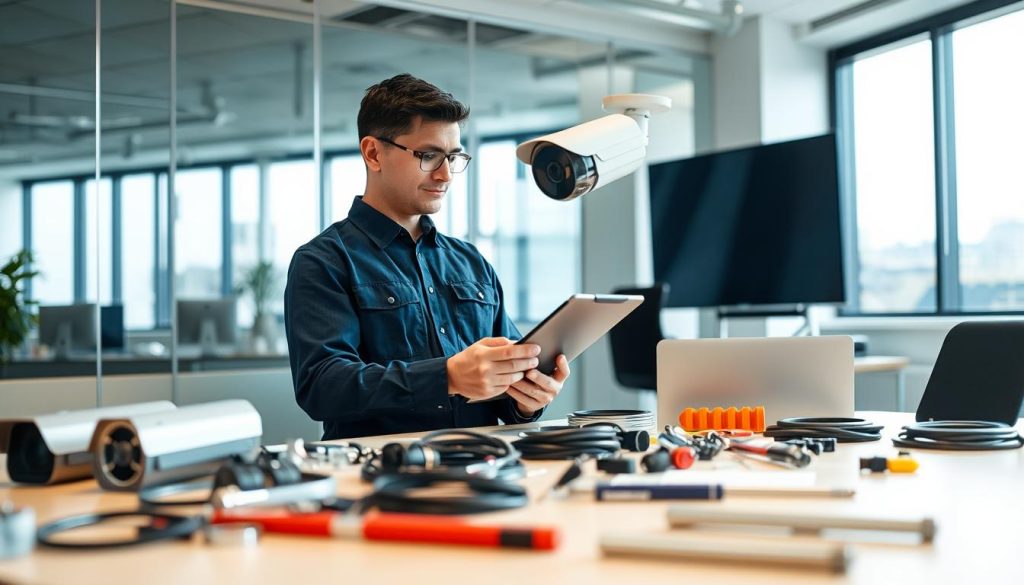
All wiring and connections undergo physical inspection. Loose cables or corroded terminals get identified during this phase.
Image quality gets evaluated under different lighting conditions. Day, night, and transitional periods all get assessed for optimal performance.
The deliverable is a detailed report listing every finding. This document provides transparency and serves as a roadmap for future cctv maintenance.
This systematic approach keeps system running smoothly. It catches small problems before they escalate into major failures.
Hardware Adjustments, Repairs, and Replacements
Physical components receive hands-on attention during the visit. Loose mounting brackets get tightened to prevent camera movement.
Technicians re-align units for optimal field of view. This eliminates blind spots that might have developed over time.
Internal components get cleaned when necessary. Dust accumulation inside housings can affect camera lenses and sensors.
Faulty power adapters or blown fuses get replaced immediately. A stable power supply is essential for cctv cameras to function properly.
Defective equipment gets swapped on the spot when parts are available. This minimizes downtime and maintains continuous coverage.
“A quality technician doesn’t just fix what’s broken. They proactively adjust and tune every component, ensuring the entire system operates in top shape for the months ahead.”
These hardware interventions address system needs directly. They make sure your physical infrastructure remains in good shape.
Software Optimization and Cybersecurity Updates
The digital backbone of your security systems receives critical updates. Firmware gets upgraded to the latest stable version from manufacturers.
Default passwords get changed to unique, strong alternatives. This basic security camera best practice prevents unauthorized access.
User permissions get reviewed and adjusted as needed. The technician ensures only authorized personnel can view or modify settings.
Recording parameters get optimized for storage efficiency. This saves money on hardware while maintaining essential footage.
System time synchronization gets verified against reliable sources. Accurate timestamps are crucial for legal evidence and event correlation.
These software tasks keep system secure against emerging threats. They also ensure your equipment work better with improved functionality.
Following a consistent maintenance plan with professional support keeps system running reliably. It addresses problems early through regular checks help.
The technician concludes with a consultation session. They discuss any changes in your security requirements or operational issues observed.
This conversation ensures your cctv systems evolve with your needs. It represents the final step in a complete service experience.
A professional visit leaves your setup not just repaired, but optimized and documented. Your investment remains protected through systematic, expert care.
Scheduling and Documenting Your Maintenance
Transforming maintenance from random tasks into a structured program requires careful planning and consistent record-keeping. This organizational phase turns your security strategy into a measurable management system.
A documented approach provides clarity and accountability for everyone involved. It ensures your surveillance system receives consistent attention according to a proven schedule.
Building a Customized Service Calendar
Your service calendar should reflect your unique operational reality. Synthesize the factors discussed in previous sections to create a personalized timeline.
Consider your equipment type, environmental conditions, and usage intensity. A coastal business with 24/7 recording needs a different schedule than a suburban home.
Create an annual plan that includes multiple service levels. For example, schedule monthly visual inspections for high-traffic areas.
Plan quarterly professional visits for standard commercial setups. These regular checks help maintain optimal performance throughout Singapore’s changing seasons.
Include an annual comprehensive audit for all systems. This thorough examination makes sure every component remains in top shape.
Here is a sample calendar structure for a typical Singapore business:
- Monthly: In-house visual inspection and lens cleaning
- Quarterly: Professional service in March, June, September, December
- Annually: Comprehensive system audit in June
Set digital calendar reminders for each task. This simple step prevents oversight and ensures your maintenance plan gets executed consistently.
A well-structured calendar keeps system running smoothly. It addresses system needs before they become urgent problems.
Maintaining a Service History Log for Accountability
A service log transforms maintenance from an expense into a managed asset. This living document provides complete visibility into your system’s health over time.
Create a simple spreadsheet or dedicated folder for all records. Each service entry should include specific details for future reference.
Record the date, service type, and technician information clearly. Note whether it was a DIY visual check or professional visit.
Document all work performed during each session. List any parts replaced, adjustments made, or software updates installed.
Include observations about system performance and any issues found. This historical data becomes invaluable for troubleshooting recurring problems.
“A detailed service log doesn’t just record what was done—it tells the story of your system’s life. This narrative helps predict future needs and justifies every maintenance dollar spent.”
This documentation serves multiple critical purposes for Singaporean property owners:
- Performance Tracking: Identifies patterns in equipment behavior and failure rates
- Due Diligence Proof: Provides evidence for insurance claims and regulatory audits
- Troubleshooting Aid: Offers clear history for diagnosing persistent issues
- Budget Planning: Informs future upgrade decisions and replacement timelines
Regular review of your log helps identify small problems before they escalate. This proactive approach is the key keeping your investment protected.
Your log demonstrates responsible management to insurers and authorities. In Singapore’s regulated environment, this documentation can simplify claims processes.
This organized approach saves money through better budgeting and preventive care. It ensures your security systems remain reliable year after year.
Implementing these scheduling and documentation best practices completes your maintenance strategy. Your cameras work better when supported by proper planning and records.
Optimizing Camera Placement During Maintenance
Maintenance visits present a golden opportunity to refine your camera positions for maximum security coverage. This proactive approach transforms routine upkeep into strategic enhancement of your entire surveillance system.
Think beyond cleaning and repairs. Use each service cycle to evaluate whether your cameras still see what matters most. Your property likely changes over time.
New structures, seasonal growth, and shifting light patterns can create blind spots. A comprehensive maintenance plan addresses these evolving challenges directly.
Reassessing Field of View and Blind Spots
During every cctv maintenance cycle, physically walk the areas your cameras monitor. View the live feed on a mobile device as you go. This hands-on verification is crucial.
Check for new obstructions that may have appeared. Temporary storage, new signage, or construction materials can block critical sightlines. These small problems often go unnoticed from a control room.
Verify each unit still focuses on its designated priority zone. Entry points, cash registers, and storage areas deserve constant, clear coverage. Regular checks help confirm this alignment remains perfect.
Technicians can use their expertise during professional visits. They assess sightlines from a security specialist’s perspective. This makes sure your cctv cameras capture every important angle.
Adjusting for Lighting Changes and New Obstructions
Singapore’s tropical climate creates unique lighting challenges throughout the year. The sun’s angle shifts significantly between seasons. This can cause severe glare or deep shadows at certain times.
Maintenance is the ideal moment to correct these issues. Adjust camera angles slightly to avoid direct sunlight during peak hours. Consider installing sunshades for units facing east or west.
Backlighting from bright windows or reflective surfaces also harms video quality. Repositioning a camera by just a few degrees often solves this. It keeps system running with optimal image clarity.
Landscaping growth slowly creeps into camera views. Trees and bushes need trimming back during regular maintenance. This simple task maintains unobstructed surveillance lines.
Professional technicians understand these environmental factors deeply. They combine technical skill with local knowledge of Singapore’s conditions. Their adjustments keep your security camera system in top shape.
“The most advanced camera is useless if it’s pointed at a wall or blinded by the sun. Optimization during maintenance ensures your technology actually protects what you value.”
Addressing placement issues early prevents security gaps from forming. It’s a best practice that maximizes your investment’s effectiveness. Your cameras work better when they see clearly.
This strategic evaluation should occur at least every three months. It aligns with Singapore’s quarterly seasonal shifts. Consistent attention to placement saves money by preventing coverage failures.
Incorporate placement checks into your standard camera maintenance routine. Document any adjustments made for future reference. This creates a history of continuous improvement for your security systems.
Your surveillance system evolves alongside your property. Proactive placement optimization meets changing system needs. It ensures your security remains robust and responsive year after year.
The Impact of Neglect: Risks of Skipping Servicing
Postponing essential surveillance upkeep invites a cascade of preventable security and financial disasters. Ignoring your maintenance plan doesn’t just delay costs—it multiplies them while creating dangerous vulnerabilities.
This reality check outlines what happens when care gets deferred. The consequences extend far beyond a single malfunctioning unit.
Increased Vulnerability to Security Breaches
Imagine a critical perimeter camera failing silently during a break-in. The system shows no live feed, and the recorder captures nothing. This scenario happens when regular maintenance gets skipped.
Neglect creates predictable single points of failure. Criminals often case properties, looking for these exact weaknesses. A non-functional security camera signals an easy target.
Your entire surveillance system becomes a false promise of protection. Addressing problems early through regular checks help prevent these security gaps. It makes sure every unit functions when needed most.
Common failures from skipped care include:
- Dirty lenses creating blurry, unusable footage
- Corroded connections causing intermittent signal loss
- Full storage drives stopping new recordings completely
- Software glitches disabling motion detection features
Each failure point gives intruders an advantage. A comprehensive cctv maintenance routine eliminates these risks proactively.
Higher Total Cost of Ownership from Catastrophic Failure
Contrast the modest, planned cost of quarterly servicing with emergency disaster recovery. A single power surge can fry an entire DVR when surge protection isn’t verified.
Multiple cctv cameras can fail simultaneously from unchecked corrosion. Salt air in coastal Singapore accelerates this damage dramatically.
“The bill for replacing a ruined recording system and six cameras can exceed ten times the cost of five years of preventive maintenance. This is where consistent care truly saves money.”
Catastrophic failures demand immediate, expensive solutions. You pay premium rates for emergency technician call-outs. Replacement parts often cost more than routine service contracts.
Consider these real cost comparisons:
- Planned Maintenance: Scheduled quarterly visits at fixed rates
- Emergency Repair: 24/7 call-out fees plus time-and-materials billing
- Preventive Care: Cleaning and minor adjustments during regular visits
- Total Replacement: New equipment purchase and complete reinstallation
Keeping equipment in good shape through camera maintenance avoids these financial shocks. It keeps system running reliably for years.
Your security systems will last longer with proper attention. This approach protects your capital investment completely.
Legal and Insurance Implications in Singapore
Singapore’s regulatory environment takes security seriously. Businesses have specific obligations for their surveillance infrastructure.
If your system fails to record an incident due to poor upkeep, legal challenges may follow. Plaintiffs can argue negligence in maintaining essential security equipment.
Insurance claims often require proof of functional systems. A failed security camera during a theft could invalidate your entire claim.
Adjusters routinely request maintenance records following incidents. Without documentation, they may deny coverage citing poor risk management.
Non-compliance with Singaporean security standards carries direct penalties:
- Fines for inadequate security measures at licensed premises
- Increased insurance premiums after claim denials
- Business license complications for repeated violations
- Civil liability if failure contributes to third-party injuries
Implementing best practices for cctv systems maintenance provides legal protection. It demonstrates due diligence in protecting your property and people.
Documented regular maintenance creates an audit trail. This shows authorities and insurers you take security responsibilities seriously.
Addressing system needs proactively through a solid maintenance plan avoids these complications. It ensures your surveillance system supports rather than undermines your legal position.
The risks of neglect far outweigh the modest investment in consistent care. Protect your property, finances, and legal standing with scheduled cctv maintenance.
Integrating New Technology During Servicing Cycles
Security isn’t static. Integrating new tech during servicing keeps your edge sharp. Your maintenance plan should look forward, not just fix the past.
Each professional visit is a chance to assess your gear against modern standards. This forward-thinking approach ensures your surveillance system remains a powerful tool.
When to Consider Upgrading Your Cameras or DVR/NVR
Knowing when to upgrade is a best practice for smart security management. Clear triggers signal it’s time for a change.
First, evaluate repair costs. If fixing an old unit costs nearly as much as a new one, replacement saves money. Newer models also work better and last longer.
Second, assess your video quality. Footage that is too blurry for identification fails its core purpose. Modern high-resolution cameras provide forensic-level detail.
Third, consider cybersecurity. Older cctv systems that can’t receive security patches are vulnerable. Upgrading addresses these critical system needs.
Finally, review your operational requirements. Has your business outgrown a basic setup? A professional can spot these gaps during regular checks help.
“A technician isn’t just there to clean lenses. They’re your on-site consultant, able to advise if your current setup still meets today’s threats and tomorrow’s challenges.”
The Benefits of Modern Features: AI, Analytics, and Cloud Storage
New technology transforms surveillance from passive recording to active intelligence. These features make your entire operation smarter.
AI-powered analytics add a powerful layer. Software can now count people, detect loitering, or identify abandoned objects. This proactive monitoring addresses small problems before they escalate.
Cloud storage revolutionizes data management. It provides secure, off-site backup for your footage. Remote access from any device is simple and reliable.
These modern solutions make sure your evidence is always safe and accessible. They keep system running smoothly with enhanced capabilities.
Higher-resolution cameras capture license plates and facial features clearly. This clarity is invaluable for investigations. It ensures your security camera system delivers when it matters most.
Consider a phased upgrade during your next camera maintenance cycle. Replacing the oldest components first is a cost-effective strategy. It modernizes your protection without a huge upfront cost.
This approach keeps system running in top shape and future-ready. Your cameras work as part of a smarter, more responsive security systems network.
Tailoring Maintenance for Different Singaporean Environments
The island’s diverse settings create unique maintenance demands for security equipment. A one-size-fits-all approach fails to address local environmental threats.
Your maintenance plan must adapt to specific conditions. Coastal salt spray differs greatly from urban dust clouds.
Recognizing these variations allows for more effective protection. It ensures your surveillance system remains reliable in any location.
Coastal and Industrial Areas: Combatting Corrosion
Salt-laden air near Singapore’s coastline attacks metal components relentlessly. Industrial zones add chemical pollutants and abrasive dust to the mix.
These environments demand rugged equipment selection. Specify cctv cameras with high IP ratings like IP67 or IP68.
Such housings resist water and dust ingress effectively. They form the first line of defense against corrosive elements.
Regular maintenance in these zones might need acceleration. Consider monthly visual inspections and bi-monthly professional visits.
This frequency makes sure small problems get spotted quickly. Addressing issues early is the key keeping hardware intact.
Apply anti-corrosion sprays to mounts and external housings during servicing. Pay special attention to cable glands and rubber seals.
These vulnerable points often fail first in harsh conditions. Replacing worn seals prevents moisture from reaching sensitive electronics.
Cleaning camera lenses becomes critical every few weeks. Salt residue and industrial grime rapidly degrade video quality.
A consistent schedule keeps system running despite environmental assault. It helps your equipment last longer in challenging settings.
High-Density Urban and Retail Spaces: Managing Vandalism and Dust
City centers and shopping districts face different challenges. Vandalism and heavy traffic create constant maintenance pressures.
Install vandal-proof dome cameras in easily accessible locations. These units resist physical tampering and deliberate damage attempts.
Your security systems checklist must include checking for signs of interference. Look for scratches, spray paint, or loose protective covers.
Traffic generates astonishing amounts of dust and pollution. Camera lenses in these areas require cleaning every month.
This regular checks help maintain clear sightlines. It ensures your cameras work when capturing important details.
Retail spaces have additional critical points. Cashier stations and main entrances deserve extra attention.
“Cameras covering transaction areas and access points in retail environments should be verified daily via quick remote checks. This ensures continuous operation during business hours.”
Incorporate these zones into your check cctv routine more frequently. Their operational status directly impacts loss prevention.
Network connectivity in dense urban areas also needs monitoring. Signal interference from other electronic devices can occur.
Verifying the power supply and data transmission forms an important check. Stable connections keep system running smoothly.
Following these best practices addresses specific system needs. Your security camera setup stays in top shape despite urban pressures.
Adapting your approach to local conditions represents smart camera maintenance. It saves money by preventing environment-specific failures.
Your equipment stays in good shape and working well year-round. This tailored strategy maximizes protection for any Singaporean property.
Securing Your Premises with a Proactive Maintenance Mindset
True security transcends mere installation—it demands ongoing vigilance through systematic care. Answering the service frequency question is your first step toward this proactive philosophy.
Consistent, scheduled cctv maintenance is the most reliable path. It ensures your surveillance system remains a dependable asset for clear evidence and crime deterrence.
Implementing a structured maintenance plan keeps system running smoothly. Regular checks help catch issues before they escalate into failures.
Apply this guide’s insights to your own security setup today. A proactive approach saves money and extends equipment life far beyond reactive repairs.
Your security systems will last longer and stay in good shape with diligent care. This commitment to reliability is what truly protects your property and investment.
FAQ
What is the recommended frequency for professional CCTV servicing?
For most commercial security systems, a quarterly inspection by a professional is ideal. This regular maintenance schedule helps make sure your CCTV cameras are working well. Residential setups with less intense use can often follow an annual plan. High-risk locations might need checks every month.
Why is a regular maintenance plan so important for my surveillance system?
A consistent maintenance plan is key keeping your investment protected. It makes sure the system running smoothly, catches small problems before they become big failures, and saves money long-term. Regular checks help maintain clear video quality and reliable recording, which is crucial for security camera effectiveness.
Can I perform any CCTV maintenance tasks myself?
Yes, some basic DIY tasks are helpful. You can safely clean camera lenses and perform visual inspections of housings and mounts. However, for advanced diagnostics, software optimization, and electrical checks, it’s best to call a professional. Knowing when to stop DIY prevents accidental damage.
What are the clear signs my security system needs immediate attention?
Watch for video quality degradation like blurry footage, camera outages, or intermittent signal loss. Inconsistent recording with gaps, strange noises from housings, or devices constantly rebooting are all red flags. These issues early indicate your system needs a professional check.
How does Singapore’s climate affect my CCTV service schedule?
The local humidity, heat, and salt air in coastal areas can accelerate wear. This environment demands more frequent checks of seals, camera lenses for mold, and connections for corrosion. A tailored schedule for your location keeps system running in top shape despite the challenging conditions.
What does a professional technician do during a service visit?
They conduct a full system health audit. This includes hardware adjustments, testing the power supply, verifying data storage integrity, and updating software for cybersecurity. They provide a detailed report and recommendations to keep everything in good shape.


