
Can I put CCTV outside my house Singapore? A Guide
Residential security is a growing priority for many homeowners. With over one million surveillance cameras enhancing safety across the island, understanding the rules is essential.
Recent policy changes have simplified the approval process for many residents. A significant 2023 update to HDB regulations now allows corridor-facing cameras without prior permission.
The answer to whether you can install outdoor surveillance depends heavily on your property type. Rules differ for HDB flats, condominiums, and landed homes.
Singaporean law carefully balances an individual’s right to security with the community’s right to privacy. This framework ensures respectful coexistence in shared spaces.
Key legal considerations include the Personal Data Protection Act (PDPA) and the Community Disputes Resolution Act (CDRA). These govern how surveillance data is collected and used.
This comprehensive resource provides up-to-date information for 2025. It offers practical steps for compliant installation while avoiding common legal pitfalls.
Key Takeaways
- Singapore has specific regulations governing residential surveillance camera installation.
- Property type (HDB, condo, landed) determines the applicable rules and approval processes.
- Major 2023 policy updates simplified installation for many HDB residents.
- The law balances personal security needs with community privacy rights.
- Key legal frameworks include the PDPA and CDRA.
- Proper installation requires understanding both technical and legal requirements.
- This guide provides current, step-by-step information for compliant setup.
Understanding the Legal Framework for Home CCTV in Singapore
Singapore’s legal landscape for home surveillance centers on specific privacy and property regulations. These rules create a balance between security needs and community harmony.
Homeowners must navigate this framework to ensure their setup is lawful. The most relevant statute is often the Personal Data Protection Act.
The Personal Data Protection Act (PDPA) and Individuals
The Personal Data Protection Act (PDPA) is a cornerstone of Singapore’s data privacy laws. It establishes how organizations must handle personal data.
This legislation primarily regulates companies and institutions. Individuals using cameras for personal, domestic purposes are largely exempt.
Homeowners typically do not need special consent for a personal security system. The PDPA’s strict obligations for consent and notification bind businesses, not residents.
The act becomes relevant if footage captures public spaces extensively. It may also apply if the use crosses into organizational activity.
For example, running a business from home that monitors customers could trigger PDPA compliance. Pure residential security usually falls outside its scope.
The PDPA’s core principles still serve as excellent guidance. Limiting collection to what is reasonable and necessary is smart practice.
Understanding where the PDPA does not apply prevents confusion. Homeowners should avoid incorrectly applying business rules to their setup.
The Personal Data Protection Commission (PDPC) enforces the act. It can levy fines on organizations for violations.
Even with exemptions, the spirit of the law encourages respect for personal data. This aligns perfectly with being a considerate neighbor in shared spaces.
Knowing these regulations provides clarity and confidence. It allows for security planning that respects both the letter and spirit of Singapore’s data protection framework.
Can I Put CCTV Outside My House Singapore? The Direct Answer
Singapore’s approach to home surveillance authorization varies significantly across different residential property types. There is no single yes-or-no response that applies to every homeowner.
The regulations differ based on your specific living situation. Understanding your property classification is the essential first step.
It Depends Entirely on Your Property Type
Whether you live in an HDB flat, a condominium, or a landed home determines the rules. Each category has its own governing body and set of guidelines.
For Housing and Development Board (HDB) residents, external spaces present unique challenges. Corridors and common areas fall under Town Council management.
These spaces are considered common property. Most external installations require formal Town Council approval before proceeding.
Condominium dwellers must consult their Management Corporation Strata Title (MCST). The MCST’s bylaws serve as the ultimate authority for all modifications.
These rules often mandate board approval for any external devices. They may also impose specific restrictions on placement and appearance.
Landed property owners enjoy the greatest flexibility. Installation within your own boundary typically proceeds without external permission.
This freedom comes with responsibility. Privacy laws and community considerations still apply to all security setups.
Pointing cameras directly at a neighbor’s windows or private spaces can create problems. Such actions may trigger disputes under the Community Disputes Resolution Act.
The type of monitoring device also influences the regulations. Smart doorbells and peephole cameras sometimes face different, less stringent rules.
These less intrusive options may receive faster approval. They often represent a good compromise between security needs and privacy concerns.
Identifying your property type provides immediate clarity. You can then follow the correct regulatory path for a compliant setup.
This systematic approach ensures your security measures remain within legal boundaries. It also helps maintain positive relationships with neighbors and management.
HDB Flats: Navigating Town Council Rules and the 2023 Update
The rules governing security devices in HDB corridors changed dramatically with a key administrative update. Public housing residents now enjoy streamlined procedures for enhancing their home protection.
Each Town Council manages common areas in Housing and Development Board estates. These local authorities establish specific guidelines for modifications to shared spaces.
The Major Change: Corridor-Facing Cameras No Longer Need Prior Approval
A landmark policy shift occurred in May 2023. Housing and Development Board residents gained new flexibility for their security setups.
The update removed the prior approval requirement for a single corridor-facing camera. Residents can now install such devices from within their flat without formal permission.
This change acknowledges widespread security concerns among public housing dwellers. It also reduces administrative burdens for both residents and Town Council offices.
The term “corridor-facing” has a specific definition. It refers to a camera placed inside the residential unit.
The device points outward through the front door or gate. It monitors only the immediate corridor area directly outside the home.
This exemption applies solely to placement authorization. All other regulations regarding privacy and proper use remain fully enforceable.
Camera angles must avoid capturing neighbors’ doors or windows. The surveillance should focus exclusively on your own entry point and immediate surroundings.
The policy adjustment reflects a practical balance between security needs and community living considerations.
Retailers reported a significant increase in security camera sales following the announcement. This indicates pent-up demand from HDB residents seeking compliant protection options.
Experts recommend informing your local Town Council as a courtesy measure. Maintaining a record of notification helps prevent potential misunderstandings.
Remember this exemption has clear boundaries. Any installation outside your unit still requires formal approval.
Mounting cameras on corridor walls or common area ceilings remains strictly prohibited without permission. These actions involve modifying common property directly.
The 2023 update simplifies installing CCTV for many households. It represents progress toward more accessible home security solutions.
Residents should still review their specific Town Council’s complete guidelines. Local variations might exist in implementation details.
Proper placement ensures your CCTV cameras provide security without infringing on others’ privacy. This careful balance maintains community harmony while addressing safety concerns.
Condominium Living: Following Your MCST’s Bylaws
Private apartment dwellers must navigate a distinct approval pathway governed by their building’s management committee. Condominium complexes operate under strata title arrangements with shared ownership of common areas.
This collective ownership structure creates specific governance requirements. The Management Corporation Strata Title holds ultimate authority over all modifications to shared spaces.
Residents cannot make unilateral decisions about external security enhancements. Every alteration requires consideration of community interests and legal obligations.
Why MCST Rules Often Trump General Guidelines
Strata title legislation grants MCSTs considerable autonomy in establishing community standards. These bylaws form a binding contract between all unit owners.
National privacy frameworks provide baseline protections. Building-specific regulations frequently impose stricter requirements tailored to each development’s unique layout.
Some management committees prohibit all external monitoring devices entirely. Others permit discreet installations with significant restrictions on placement and capabilities.
Common restrictions found in condo governing documents merit careful review. Recording activities in shared recreational facilities represents a frequent prohibition.
Swimming pools, gymnasiums, and clubhouses typically fall under this category. These areas involve heightened privacy expectations among residents.
Bylaws often mandate approval for any device visible from common corridors or exteriors. Aesthetic considerations influence many management decisions.
Discreet, non-obtrusive equipment receives more favorable consideration. Bulky, conspicuous systems might face rejection based on visual impact alone.
Management corporations prioritize maintaining property values and community harmony through consistent enforcement of established rules.
Proactive research represents the most crucial step for condominium residents. Obtain your development’s complete handbook or by-law document.
Review sections covering renovations, fixtures, and security enhancements thoroughly. This prevents purchasing incompatible equipment that cannot receive authorization.
The formal approval process typically involves submitting detailed installation plans. Management committees review these proposals during scheduled meetings.
Residents should anticipate a decision timeline of two to four weeks. Complex proposals might require additional consultation periods.
Non-compliance with established bylaws carries serious consequences. Management corporations can levy substantial fines for unauthorized modifications.
Forced removal of unapproved cameras represents another potential outcome. Persistent violations might escalate to legal action under strata title legislation.
A collaborative approach often yields better results than confrontational demands. Demonstrate how your proposed system enhances security for the wider community.
Highlight features like motion-activated recording that minimize unnecessary surveillance. Emphasize how proper placement protects privacy while deterring unauthorized access.
This cooperative mindset facilitates smoother approval processes. It positions your request as a community benefit rather than an individual demand.
Understanding your MCST’s specific regulations ensures lawful security enhancement. It maintains positive relationships with neighbors and management alike.
Landed Property: Greater Freedom with Responsibility
Owners of terraced houses, bungalows, and other standalone dwellings enjoy the highest degree of autonomy. This independence extends directly to residential security decisions.
There is typically no requirement for external approval from a Town Council or MCST. Cameras installed within your legal boundary fall under your personal jurisdiction.
Installation Flexibility Within Your Boundary
This freedom allows for comprehensive coverage of your private space. Strategic placement maximizes the effectiveness of your security system.
Optimal points include main gate entrances facing inward. Perimeter walls, driveways, and garage areas also provide excellent vantage points.
Covering these zones creates overlapping fields of view. It deters unauthorized access and provides valuable evidence if needed.
This autonomy comes with significant responsibility. The Community Disputes Resolution Act still applies to all residents.
Your installation must not invade a neighbor’s reasonable expectation of privacy. Pointing devices at adjacent windows or balconies violates this principle.
Freedom within one’s property boundaries must be balanced with respect for neighboring privacy rights.
An invasion of privacy has specific definitions in this context. Cameras aimed directly at a neighbor’s bedroom or private garden represent clear violations.
This is especially relevant within a 100-meter radius. Such proximity increases the intrusive nature of any surveillance.
Conducting a “privacy audit” from your neighbor’s perspective is highly recommended. Ensure your camera angles capture only your own property.
Stand in areas where neighbors might reasonably expect privacy. Check what your security lenses can see from those positions.
For larger landed properties, professional installation offers distinct advantages. Experts ensure optimal placement and proper wiring.
They can integrate multiple devices into a cohesive system. This provides complete coverage without privacy oversights.
Even in gated landed communities, additional guidelines may exist. Residents’ associations sometimes set aesthetic standards.
These rules might govern visibility or equipment color schemes. Respecting such community agreements maintains neighborhood harmony.
Your home security should protect without provoking disputes. Thoughtful planning achieves both objectives effectively.
You can install cctv systems with confidence when following these guidelines. They ensure your cctv cameras serve their purpose lawfully.
Smart Doorbells and Peephole Cameras: Special Rules Apply
Video-enabled door entry systems represent a growing segment of the residential security market. These innovative devices offer targeted monitoring of entry points with minimal intrusion.
Smart doorbells and digital peephole cameras have gained significant popularity. Their compact design and focused functionality differentiate them from traditional systems.
HDB’s View on Less Intrusive Devices
The Housing and Development Board categorizes these technologies as low-impact security solutions. This classification reflects their limited scope and reduced privacy implications.
Residents can typically proceed with installation without seeking formal approval. The equipment must remain within the physical boundaries of the residential unit.
Mounting a digital door viewer directly on your front door falls under this exemption. Placing a smart doorbell just inside your gate or doorway follows the same principle.
These positions are considered extensions of your private living space. They do not constitute modifications to common property under most interpretations.
External mounting presents a different regulatory scenario. Attaching any device to corridor walls or shared areas requires Town Council authorization.
Ang Mo Kio Town Council confirms this requirement for wall-mounted units. Residents must submit formal applications for such exterior placements.
Low-impact devices balance security needs with community living considerations through their focused functionality.
These technologies offer distinct advantages over conventional surveillance setups. Motion-activated recording minimizes unnecessary footage collection.
Neighbors often perceive them as less threatening than continuous monitoring systems. Their discreet appearance maintains aesthetic harmony in shared corridors.
Audio recording capabilities introduce additional legal considerations. Capturing conversations without consent involves stricter Personal Data Protection Act provisions.
Many smart doorbells include this function by default. Residents should understand the implications before enabling audio features.
Checking your specific Town Council’s stance remains essential. Interpretations of guidelines can vary between different housing estates.
Configuring motion detection zones helps avoid recording neighboring doors. This demonstrates respect for others’ privacy while securing your own home.
Choosing equipment with privacy-enhancing features represents smart practice. Customizable activity zones allow precise control over recording areas.
End-to-end encryption protects stored footage from unauthorized access. These features align with both security objectives and privacy responsibilities.
Understanding these special rules ensures compliant use of modern security technology. It enables effective protection without violating community standards or legal frameworks.
Your Step-by-Step Guide to a Legal Installation
Proper planning transforms a complex regulatory landscape into manageable actionable steps. This systematic guide outlines the essential process for homeowners seeking enhanced protection.
Following these steps ensures your security measures remain within legal boundaries. It prevents wasted resources and potential disputes with neighbors or authorities.
Step 1: Determine Your Property Type and Governing Body
Identifying your residential classification represents the foundational action. Your property type dictates which authority oversees installation regulations.
HDB flat residents must consult their specific Town Council. These local bodies manage common corridors and shared spaces in public housing estates.
Visit your Town Council’s website or physical office for current guidelines. Obtain the latest application forms and official rulebooks before proceeding.
Condominium dwellers should review their MCST bylaws thoroughly. Contact the managing agent or council secretary for precise approval procedures.
Landed property owners enjoy greater autonomy within their boundaries. Still, checking Urban Redevelopment Authority guidelines for external fixtures proves wise.
This initial verification prevents purchasing incompatible equipment. It ensures you follow the correct protocol from the very beginning.
Document all communications with governing bodies meticulously. Keep copies of relevant rulebooks and correspondence for future reference.
Confirming current requirements with your specific authority remains a prudent best practice, even when policy updates suggest simplified procedures.
For HDB residents, the 2023 update waived prior approval for certain corridor-facing setups. Verifying this exemption with your Town Council provides added confidence.
Each housing estate might implement general guidelines differently. Local variations exist in application processing times and specific requirements.
Understanding these nuances helps you legally install surveillance systems without complications. It aligns your security goals with community compliance standards.
This step establishes a solid foundation for the entire installation process. It connects your personal security needs with the applicable laws and community agreements.
Strategic Camera Placement: Maximizing Security, Minimizing Disputes
Camera placement determines not only what you see but also how your security measures are perceived by the community. Thoughtful positioning doubles the effectiveness of residential monitoring while respecting legal boundaries.
A 2023 survey revealed 91% of Singaporeans support properly positioned security systems. This overwhelming approval highlights the importance of getting placement right from the start.
For Housing and Development Board residents, specific guidelines help maintain harmony in shared spaces. The 45-degree angle rule represents a key principle for corridor-facing setups.
Optimal Angles for Corridors and Entrances
The 45-degree angle rule involves mounting cameras high and angling them downward. This focuses the lens primarily on your own doorstep and immediate approach.
Pointing corridor-facing devices downward minimizes unintended recording of neighbors’ activities. It demonstrates respect for community privacy while securing your entry point.
Experts recommend a mounting height of at least 2.5 meters. This prevents tampering while providing a broad, downward-looking field of view.
Higher placement captures a wider area without invasive angles. It maintains the security function without compromising neighbor relations.
Landed property owners enjoy more flexibility but face greater responsibility. Positioning cctv cameras to cover entry points requires strategic thinking.
Focus on gates, doors, and first-floor windows where unauthorized access typically occurs. Use resolution and angle to capture facial features or license plates clearly.
Modern technology offers valuable tools for compliant placement. Many IP cameras feature digital privacy masks to blur fixed areas like neighbor’s windows.
Adjustable motion detection zones allow systems to ignore public footpaths and shared spaces. These features help achieve security goals without overstepping privacy boundaries.
Common placement errors create unnecessary disputes. Pointing a camera directly across a corridor at a neighbor’s door represents a frequent mistake.
Capturing shared facilities in condominiums violates most management corporation rules. Wide-angle lenses that include adjacent private property also cause problems.
Conducting test recordings at different times prevents technical issues. Check for glare, backlight, and night vision effectiveness before finalizing your installation.
Morning and evening tests reveal how changing light affects image quality. This proactive approach ensures your system performs reliably around the clock.
Thoughtful placement represents the most effective way to achieve security goals. It positions you as a considerate member of your community rather than an intrusive neighbor.
Properly positioned surveillance systems receive greater acceptance from both authorities and residents. They provide peace of mind without creating tension in shared living environments.
Strategic cctv placement transforms basic equipment into a powerful protective tool. It maximizes coverage while minimizing potential conflicts with those around you.
Remember that home security should protect without provoking disputes. Careful planning achieves both objectives effectively for lasting protection.
Balancing Security with Neighbor Privacy: A Practical Ethos
Residential protection measures must respect community harmony. This principle forms the foundation of Singapore’s approach to home security.
The Community Disputes Resolution Act establishes clear boundaries for acceptable monitoring. It protects everyone’s right to peaceful enjoyment of their living space.
The 100-Meter Rule and “Enjoyment of Property”
This legislation defines interference with a neighbor’s use of their home as problematic. Constant monitoring that makes residents feel watched violates this principle.
The CDRA’s operational scope covers neighbors in the same building or within 100 meters. This radius includes most Housing and Development Board blocks and condominium developments.
Landed housing estates also fall under this coverage area. The law recognizes that proximity increases privacy expectations.
What constitutes unreasonable interference under these laws? A camera continuously recording a neighbor’s main door creates legitimate concerns.
Monitoring private windows, balconies, or gardens also represents clear violations. These areas involve heightened expectations of privacy for individuals.
The right to secure one’s home should not come at the cost of a neighbor’s right to privacy and peaceful enjoyment.
Acceptable security focuses cameras solely on your own entryway. Incidental capture of common corridor areas used by neighbors remains permissible.
The distinction lies in intent and primary focus. Systems designed for personal protection differ from those invading others’ space.
A proactive, communicative approach prevents most potential conflicts. Informing immediate neighbors about your camera’s purpose builds understanding.
Explain what the device records and its security objectives. This transparency demonstrates respect for community living standards.
Be open to feedback if concerns arise. Willingness to review camera angles shows good neighborly intentions.
Modern security systems offer privacy features for such situations. Digital masking can blur specific areas upon request.
This balance represents more than just legal compliance. It forms the foundation for positive, long-term community relationships.
Respect for personal data extends beyond digital information. It includes respecting the physical privacy of those around you.
The CDRA encourages resolution through dialogue before formal proceedings. Most disputes settle when parties communicate openly about their concerns.
Consider how your property protection measures affect neighboring property enjoyment. This perspective helps identify potential issues early.
Recording should never feel like constant surveillance to those living nearby. The psychological impact matters as much as legal technicalities.
Obtaining neighbor consent when possible represents best practice. Even non-legal agreements foster community trust and cooperation.
This practical ethos ensures your home remains secure without compromising neighborhood harmony. It aligns personal safety needs with collective living responsibilities.
What If a Dispute Arises? The CDRT Process Explained
The Community Disputes Resolution Tribunal serves as the designated forum for settling neighbor surveillance disputes. This specialized court handles conflicts where home security measures are perceived as intrusive.
When informal talks fail, this tribunal offers a structured legal pathway. It provides a lower-cost alternative to general civil courts for these specific community disputes.
How the Community Disputes Resolution Tribunal Works
The process under the resolution act emphasizes dialogue first. A neighbor claiming interference must attempt mediation before filing a formal claim.
If mediation does not resolve the issue, they can submit an application to the disputes resolution tribunal. The CDRT then encourages a 14-day cooling-off period for further private discussion.
Parties gather evidence for the tribunal’s consideration. This typically includes photographs clearly showing the camera’s placement and angle.
Sample cctv footage demonstrating the actual field of view is also critical. Any written correspondence between the neighbors about the problem strengthens a case.
The resolution tribunal evaluates whether the setup unreasonably interferes with a neighbor’s enjoyment of their property. Judges examine if the monitoring captures private spaces like windows or balconies.
The tribunal’s authority was clearly demonstrated in a 2022 Boon Lay case. A resident was ordered to pay compensation for a camera that captured a neighbor’s private balcony area.
Potential outcomes from a CDRT hearing are significant. The court can order the complete removal of the offending camera system.
It may mandate a specific adjustment to the device’s angle or range. The tribunal also holds the power to award monetary compensation.
Fines can reach up to $20,000 for serious violations. In some cases, a restraining order against certain surveillance activities may be issued.
Engaging in this process with a willingness to compromise is vital. Showing good faith can lead to more favorable outcomes or even an early settlement.
Demonstrating prior efforts to adjust the camera can work in your favor. The tribunal views proactive attempts at compliance positively.
Prevention remains the best strategy by far. Installing your system correctly from the start avoids the stress and cost of a tribunal hearing.
Open communication with neighbors about your security goals is a powerful preventative tool. It builds understanding before any disputes resolution becomes necessary.
Responsible handling of any recorded footage is also part of good practice. This respects personal data and aligns with broader privacy laws.
Understanding the CDRT process provides clarity on your rights and responsibilities. It ensures you can defend your security setup knowledgeably if ever challenged.
Audio Recording: The Often-Overlooked Legal Hurdle
Audio capture introduces distinct legal challenges that differ significantly from video monitoring regulations. Many security systems include microphones that record conversations without clear warning.
This creates a separate layer of compliance concerns for homeowners. Understanding these differences prevents unexpected legal issues.
Why Capturing Conversations is a Different Legal Matter
Visual monitoring for personal security enjoys broad permissions under Singaporean law. Sound recording operates under much stricter regulations from the start.
The Personal Data Protection Act classifies audio as personal data. Capturing conversations constitutes data collection with specific obligations.
Residents must obtain consent before recording private discussions. This rule applies even to casual conversations near your doorway.
Smart doorbells with two-way audio features fall under these requirements. Their default settings often enable sound recording without user awareness.
Audio surveillance involves greater privacy intrusion than video alone, triggering heightened legal protections for individuals.
The safest approach involves disabling microphone functions entirely. High-quality video footage usually provides sufficient evidence for security purposes.
Eliminating audio recording removes a significant legal risk factor. It simplifies your compliance with the PDPA framework.
Essential security needs might justify keeping audio capabilities active. Clear, visible signage then becomes a mandatory requirement.
Post notices stating “Audio and Video Recording in Progress” near monitored areas. This fulfills notification duties under data protection principles.
Such signage establishes implied consent from visitors entering your property. It demonstrates responsible handling of personal data collection.
Covert audio monitoring carries serious legal consequences beyond civil disputes. Secretly recording conversations violates multiple privacy protections.
Check your device settings in the companion application thoroughly. Many systems enable sound capture by default during initial setup.
Adjust these configurations to match your actual security requirements. Review privacy masks and activity zones for comprehensive protection.
Video evidence typically suffices for identifying suspicious individuals. It documents activities without capturing potentially private discussions.
Focusing on visual monitoring aligns with both security goals and legal safety. It maintains community trust while protecting your home effectively.
Using and Storing CCTV Footage Responsibly
Once your security system captures video, thoughtful storage practices become essential for legal compliance. Proper handling of recorded material protects both your security interests and the privacy rights of others.
This responsibility extends beyond the camera itself to your data management approach. Following best practices ensures your surveillance remains effective and lawful.
How Long Should You Keep Recordings?
The Personal Data Protection Act provides important guidance for handling personal data. While primarily regulating organizations, its principles offer valuable direction for homeowners.
Singapore’s PDPA does not mandate a specific retention period for residential cctv footage. Instead, it emphasizes keeping recordings only as long as necessary for legitimate security purposes.
A common standard for home systems involves maintaining recordings for 30 days. This timeframe allows sufficient opportunity to review incidents while respecting data protection principles.
Footage should be deleted once its specific purpose has been fulfilled. For example, video documenting a package theft can be erased after the matter resolves.
General monitoring recordings benefit from regular deletion cycles. Monthly purging of old files represents reasonable practice for most households.
This approach balances security needs with privacy considerations. It prevents unnecessary accumulation of sensitive visual data over time.
Indefinite storage serves little practical security purpose while increasing privacy risks if storage systems become compromised.
Homeowners have two primary storage options for their surveillance recordings. Local Network Video Recorders keep cctv footage within your physical control on premises.
Cloud storage services offer convenient remote access to recordings. These services involve third-party handling of your visual data, requiring careful provider selection.
Securing stored footage represents a critical responsibility. Strong passwords and encryption prevent unauthorized access to sensitive recordings.
These protective measures remain advisable even when not strictly mandated by law. They demonstrate responsible stewardship of captured personal data.
When footage used as evidence requires special handling. Create a separate, secure copy with clear metadata including date, time and location.
Maintain a simple log documenting who has accessed the evidentiary recording. This establishes a clear chain of custody if needed for official proceedings.
Casual sharing of surveillance videos on social media platforms creates significant legal risks. Public posting may violate the privacy of captured individuals, even when intent involves identifying perpetrators.
Such actions could contravene privacy laws despite good intentions. Always obtain proper consent before sharing any footage containing identifiable people.
Responsible management completes your home security implementation. It ensures your protective measures align with both practical needs and legal expectations.
Penalties for Non-Compliance: Fines and Enforcement
Authorities enforce strict penalties against unauthorized security installations in shared living spaces. These financial consequences ensure residents follow established community guidelines.
Violating surveillance regulations triggers a formal enforcement process. Homeowners face monetary fines and potential legal orders for non-compliant setups.
Town Council Fines for Unauthorized Installations
Housing and Development Board town council regulations carry significant weight. Unauthorized fixtures in common corridors can result in fines reaching $5,000.
This authority comes from the Town Council Act. It protects shared spaces from unapproved modifications that affect all residents.
Condominium management corporations possess similar enforcement powers. MCSTs can levy their own fines for bylaw violations regarding external devices.
These organizations may also seek court orders compelling removal. Non-compliant homeowners bear all associated costs for this forced action.
The Community Disputes Resolution Tribunal handles neighbor privacy complaints. It can award compensation up to $20,000 for substantial interference.
This applies when surveillance unreasonably affects a neighbor’s enjoyment of their property. The amount reflects the severity and duration of the violation.
A 2021 case involving Management Corporation Strata Title Plan No. 3593 demonstrated serious consequences. Improper disclosure of footage by a security contractor resulted in a $5,000 fine for the MCST.
Enforcement typically follows a graduated process. Authorities first issue a warning letter requesting voluntary compliance.
Persistent violations lead to formal fines. The final stage involves contractors removing fixtures at the owner’s expense.
Hiring professionals involves specific legal requirements. The Private Security Industry Act mandates using licensed security service providers.
Working with unlicensed contractors carries additional penalties. This ensures proper handling of surveillance systems and recorded footage.
Filing a police report may become necessary for serious incidents. Properly installed systems provide crucial evidence for such situations.
Following all guidelines from the start prevents these complications. It also helps homeowners comply with PDPA requirements effectively.
The cost of proper approval and professional installation remains lower than penalties. Financial fines represent just one aspect of the total impact.
Reputational damage and neighbor disputes create additional burdens. Responsible planning avoids all these negative outcomes completely.
Strategic placement of cameras demonstrates respect for community standards. It also ensures your cctv cameras function as intended without legal issues.
Understanding these enforcement mechanisms encourages proper installation practices. This knowledge helps homeowners make informed security decisions.
Choosing the Right CCTV System for Singaporean Homes
The effectiveness of a home protection setup hinges on choosing equipment suited to Singapore’s unique climate and living conditions. Modern systems offer diverse options, but core technical specifications determine their real-world performance.
Focusing on a few essential features ensures your investment provides clear evidence and reliable deterrence. This guide highlights the critical requirements for a robust residential monitoring solution.
Essential Features: Weatherproofing, Resolution, and Night Vision
Singapore’s tropical environment demands durable hardware. Outdoor devices must withstand heavy rain and constant humidity without failure.
Look for an Ingress Protection rating of IP66 or higher. This certification guarantees protection against powerful water jets and dust ingress.
Image clarity is non-negotiable for identification purposes. A minimum resolution of 4MP (2K) is now the standard for residential use.
This level of detail is crucial for recognizing faces or reading important details. It transforms a recording from a mere activity log into actionable evidence.
Effective night vision is equally vital. Many security incidents occur after dark, rendering standard daytime cameras useless.
Infrared LED illumination should provide clear, colorless images over a practical distance—at least 30 feet for a corridor or 100 feet for a driveway.
Storage capacity is a key planning consideration. Calculate needs based on resolution, frame rate, and your desired retention period.
Systems that allow for easy hard drive expansion offer future-proof flexibility. This is one of the key factors to evaluate before installing.
Modern convenience features enhance usability. Motion-activated recording conserves storage and triggers real-time alerts to your smartphone.
Mobile app integration allows for remote viewing and system management. Two-way audio can be useful but requires responsible use due to stricter privacy laws.
Avoid the temptation of overly complex systems for simple needs. A single, well-placed high-quality cctv camera is often more effective than multiple poorly positioned ones.
Regardless of the advanced features you select, legal installation remains paramount. In Singapore, any professional setup must be performed by a security service provider licensed by the Police Licensing Office.
This final step ensures your system is not only technically capable but also fully compliant. It completes the process of securing your home within the established legal framework.
Alternatives to Traditional Outdoor CCTV Cameras
A diverse range of modern security devices now provides flexible alternatives to conventional camera systems. Innovative technology offers effective property protection without the need for complex external installations.
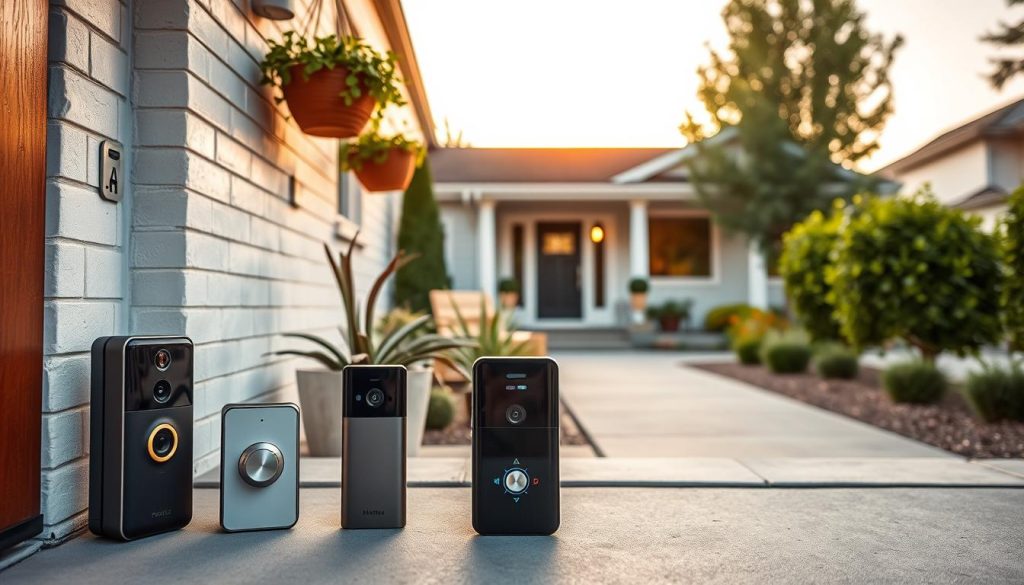
About 40% of Singaporean households now use smart devices for safety. Brands like Ring and Xiaomi lead this growing market with user-friendly options.
The Rise of Smart Doorbell Security
Video doorbells have become a primary choice for many residents. Their popularity stems from several clear advantages over traditional setups.
Installation is often straightforward, requiring minimal wiring. Their discrete appearance blends with most doorframes, avoiding visual clutter.
The field of view focuses precisely on your entry point. This targeted approach reduces privacy concerns for neighbors in shared corridors.
Several other effective alternatives exist for comprehensive home protection:
- Indoor Cameras with a View: Position a camera inside your home, facing out through a window or glass panel. This can provide a clear view of approaches while keeping the device entirely within your private space, potentially simplifying compliance.
- Enhanced Motion-Activated Lighting: Bright, sudden illumination is a powerful deterrent. This strategy raises no filming or privacy issues and works perfectly alongside a recording system.
- Sensor-Based Alarm Systems: Door/window contact sensors and glass break detectors alert you to breaches instantly. They offer protection without any video recording, ideal for those focused purely on intrusion alerts.
- Peephole Cameras for HDB Doors: For public housing residents, this is an excellent low-intrusion option. Since they are installed on the door itself, they rarely require formal approval from the Town Council.
A layered security approach often yields the best results. Combine a well-lit entrance, a visible dummy camera (where permitted), and a discreet real camera or smart doorbell for balanced deterrence and evidence collection.
Before investing, evaluate your specific security needs carefully. Consider your property layout, daily routines, and comfort with technology.
This practical guide helps you explore options beyond standard cctv. The right solution enhances your home safety while respecting community guidelines.
Smart choices in security technology provide peace of mind. They protect your property effectively within the established legal framework.
Securing Your Home Within the Framework of Community
The true measure of effective home security lies in its harmony with legal frameworks and neighborly respect. This guide has shown that protection extends beyond mounting hardware.
Thoughtful integration into your community’s social fabric creates safety without surveillance discomfort. Understanding property-specific rules and communicating with neighbors are key steps.
Regulations like the personal data protection act and community disputes resolution processes protect both individual rights and community harmony. They ensure everyone’s peace of mind.
With careful planning, you enhance your residence’s protection successfully. Choose the right equipment, like reviewing which CCTV is best for home setups.
Always seek professional advice from licensed installers for complex situations. Responsible security strengthens your community while protecting what matters most.
FAQ
Do HDB rules allow for surveillance devices at my flat’s entrance?
Yes, but specific guidelines exist. For corridor-facing security cameras, prior approval from your Town Council is no longer required. However, the equipment must be installed within your own property boundary and must not obstruct common areas or infringe on neighbor privacy.
What are the Personal Data Protection Act (PDPA) requirements for residential surveillance?
The PDPA governs how you collect, use, and disclose personal data captured by your security system. You should notify individuals they are being recorded, typically with a clear sign. The footage should only be used for the stated security purposes and must be protected from unauthorized access.
Can my condominium’s Management Corporation (MCST) stop my installation?
A> Absolutely. MCST bylaws often have stricter rules than national regulations. You must obtain written permission from your management council before proceeding with any external installation, including smart doorbells. Non-compliance can lead to fines or legal action from the MCST.
Is audio recording legal with my home security setup?
Audio recording presents a separate legal hurdle. Capturing private conversations without consent can violate the PDPA and other laws. It is strongly advised to disable the audio function on your cameras to avoid potential legal complications and neighbor disputes.
How does the Community Disputes Resolution Tribunal (CDRT) handle surveillance conflicts?
The CDRT addresses neighborly disputes, including those over privacy and security camera placement. If a neighbor files a complaint, the tribunal can issue orders, such as requiring you to adjust the camera angle or cease recording. Engaging in mediation first is often recommended.
What happens if I install a device without following the proper regulations?
A> Penalties vary by authority. Town Councils can issue fines and require removal of unauthorized fixtures. The Personal Data Protection Commission can investigate PDPA breaches, which may result in financial penalties. Your MCST can also impose fines for violating by-laws.
What are the best practices for storing and using captured footage?
Store recordings securely, such as on a password-protected local drive or encrypted cloud service. Retain footage only for a reasonable period, like 30 days, unless needed for a police report or investigation. Never publicly share clips that identify other individuals without justification.
Are smart doorbells treated the same as traditional CCTV cameras?
While often seen as less intrusive, smart doorbells with cameras are still considered surveillance devices. In HDB flats, they must adhere to the same placement rules—installed within your own gate or doorframe without protruding into common corridors.


