

Can I Install CCTV Without WiFi? CCTV Installation Guide
Many property owners wonder about surveillance options when internet connectivity is limited or unavailable. This guide explores practical security solutions that function independently of WiFi networks.
Modern security cameras offer various connectivity methods beyond traditional wireless networks. These systems provide reliable protection through alternative data transmission and local storage solutions.
Cellular security cameras utilize mobile data networks for remote monitoring capabilities. Other systems operate completely offline, recording footage directly to onboard storage or network video recorders.
Understanding these options helps create effective surveillance setups for any environment. This comprehensive overview covers technical specifications, installation requirements, and performance considerations.
Key Takeaways
- Multiple surveillance options exist that don’t require WiFi connectivity
- Cellular networks can provide remote monitoring capabilities
- Local storage solutions like DVRs enable continuous recording
- Proper installation ensures optimal camera performance
- System selection depends on specific security needs and environment
- Non-WiFi systems offer reliable protection without internet dependency
- Regular maintenance maintains long-term system performance
Understanding Modern CCTV Technology
Modern surveillance systems have evolved significantly from their analog predecessors. Today’s technology offers sophisticated features that maintain security even without internet access. Understanding these advancements helps property owners make informed decisions about their security needs.
What Is a Closed-Circuit Television System?
A Closed-Circuit Television system creates a private surveillance network. Video signals transmit to specific monitors rather than broadcasting publicly. These dedicated networks provide reliable monitoring for various environments.
Modern systems have transitioned from analog to digital IP-based solutions. This evolution brings higher resolution video and smarter features. Many advanced systems now operate effectively without constant internet connectivity.
Core Components: Cameras, Recorders, and Storage
Every surveillance setup requires three essential elements. Security cameras capture footage through various lens types and technologies. Different models serve specific monitoring purposes based on their design.
Dome cameras provide discreet monitoring with their low-profile design. Bullet cameras offer long-range visibility and durable construction. PTZ models deliver remote directional control and zoom flexibility.
Recording devices process and store captured video footage. Digital Video Recorders handle analog camera signals through compression. Network Video Recorders manage digital streams from IP cameras efficiently.
Storage solutions preserve important surveillance material. Options include internal hard drives, external storage devices, and local network storage. These systems ensure video remains accessible for review when needed.
Modern integration allows mobile access through dedicated applications. Users can view live feeds and receive motion detection alerts directly. This technology maintains functionality even in areas with limited connectivity.
Understanding these components ensures proper system selection and configuration. The right combination provides effective surveillance without relying on WiFi networks. For more detailed guidance, visit our comprehensive CCTV installation resource.
Yes, You Can: Installing CCTV Completely Without WiFi
Advanced security technology now delivers reliable protection completely independent of wireless networks. Modern surveillance solutions offer robust performance through alternative connectivity methods and local storage options.
These systems provide continuous monitoring capabilities regardless of internet availability. Property owners can maintain security even in challenging connectivity environments.
Scenarios Where a Non-WiFi System Is Ideal
Remote locations often benefit most from internet-independent surveillance. Rural properties, agricultural areas, and construction sites typically lack reliable internet infrastructure.
Construction projects require temporary security solutions without permanent network installations. These sites need robust monitoring that works without complex setup requirements.
Agricultural operations span large areas where WiFi coverage proves impractical. Farms and plantations need surveillance that functions across extensive properties.
Vacation homes remain unoccupied for extended periods without internet service. Offline systems ensure property protection during owner absence.
Events and temporary gatherings need quick security deployment. Non-WiFi setups provide immediate monitoring without network configuration.
“Cellular security cameras using 4G LTE networks deliver reliable remote monitoring without traditional internet connections”
Areas with frequent power outages maintain surveillance with backup power solutions. These systems continue operating when WiFi-dependent options fail.
Key Advantages of an Offline Surveillance Setup
Enhanced security against cyber threats represents a major benefit. Systems not connected to WiFi networks avoid vulnerability to hacking attempts.
Continuous operation during internet outages ensures uninterrupted protection. Network failures don’t impact surveillance performance.
Lower ongoing costs appeal to budget-conscious property owners. No monthly internet subscriptions are required for basic functionality.
Simplified installation processes avoid complex network configuration. Setup becomes more straightforward without wireless networking requirements.
Reliable performance in areas with poor connectivity maintains constant monitoring. Cellular networks provide consistent data transmission where WiFi fails.
Privacy concerns diminish when systems operate independently online. Data security breaches become less likely without internet connectivity.
Models like Arlo Go and Reolink Go demonstrate cellular network effectiveness. These cameras use mobile data networks for remote access capabilities.
Local storage solutions preserve footage without cloud dependency. Onboard storage and network recorders maintain video evidence securely.
Motion detection and alert features function without internet requirements. Notifications deliver through alternative connection methods.
Property owners gain peace of mind knowing their surveillance works independently. Systems maintain protection regardless of internet status.
Exploring Your Non-WiFi CCTV Camera Options
Property owners have multiple surveillance choices that operate independently of internet connections. These systems provide reliable security through various connectivity methods and storage solutions.
Different environments require specific camera technologies. Each option offers unique advantages for various security scenarios.
4G LTE Cellular Security Cameras
Cellular security cameras utilize mobile data networks for remote access. These devices represent the most advanced surveillance option for areas lacking traditional internet infrastructure.
Models like Reolink Go Plus deliver impressive 2K resolution video quality. This camera system operates completely wire-free with solar power capability.
Arlo Go 2 provides 1080p resolution with enhanced color night vision. Both models feature two-way audio communication for interactive monitoring.
Key advantages of cellular cameras include:
- Complete wireless installation flexibility
- Remote access through mobile data networks
- High-resolution recording capabilities
- Long battery life with solar charging options
- Advanced features like motion detection alerts
Reolink Keen Ranger PT serves as an excellent cellular trail camera. It combines 4G LTE connectivity with solar power for continuous operation.
Traditional Analog and HD-over-Coax Systems
Traditional surveillance systems offer reliable performance using coaxial cable connections. These setups transmit video signals directly to recording devices without internet requirements.
Digital Video Recorder systems provide cost-effective security solutions. They capture footage through analog cameras connected via coaxial cables.
HD-over-coax technology represents a significant upgrade from basic analog systems. This approach supports high-definition video up to 4K resolution.
Lorex DVR systems demonstrate this technology’s capabilities. They offer 1080p or 4K resolution with active deterrent features.
These systems work particularly well for properties with existing coaxial wiring. The infrastructure can often be repurposed for modern surveillance needs.
Modern IP Cameras with Local-Only Functionality
Network cameras can function effectively without internet connectivity when properly configured. These devices offer advanced features while maintaining local operation.
Intelligent capabilities include facial recognition and motion detection. The cameras record directly to local storage devices like microSD cards.
Many models provide hybrid functionality options. They primarily record locally while offering internet connectivity for remote access when available.
These systems maintain high-resolution video quality during local operation. Property owners benefit from advanced features without cloud dependency.
For detailed guidance on connecting these systems to mobile devices, explore our comprehensive step-by-step connection guide.
The variety of available options ensures suitable solutions for every surveillance requirement. From basic analog setups to advanced cellular cameras, property protection remains achievable without internet dependency.
How to Connect Your CCTV to a Phone Without WiFi
Modern surveillance technology offers multiple pathways for mobile connectivity. These methods provide remote access to your security feed through alternative connection types.
Property owners can maintain complete monitoring capabilities through cellular networks or direct connections. Both approaches deliver reliable performance without traditional internet requirements.
https://www.youtube.com/watch?v=tp8BWJveyN0
Utilizing a Cellular Data Connection
Cellular security cameras use mobile networks for video transmission. These devices connect through 4G LTE networks instead of WiFi signals.
Popular models like Arlo Go and Reolink Go feature built-in cellular modems. They automatically establish connections to available mobile networks.
Setup involves inserting a compatible SIM card with an active data plan. The camera then transmits footage through cellular networks to your mobile device.
This method provides reliable remote access from any location with mobile coverage. Users can view live feeds and receive alerts through dedicated applications.
Direct Peer-to-Peer (P2P) Setup
Peer-to-Peer connections establish direct links between cameras and smartphones. This method creates private networks without internet dependency.
P2P setups typically use QR code scanning or unique device identification. The mobile application pairs directly with the security camera hardware.
These connections offer simplified configuration without complex network settings. However, they may have distance limitations between devices.
Security measures are essential for protecting P2P connections from unauthorized access. Proper configuration ensures only approved devices can connect.
Choosing the Right Mobile App for Your System
Manufacturer-specific applications optimize performance for particular security systems. Arlo, Reolink, and Lorex offer dedicated apps for their products.
These mobile applications provide comprehensive monitoring features. Users can access live video streams and review recorded footage.
Motion detection alerts deliver instant notifications to your phone. Many apps include two-way audio communication capabilities.
Some applications offer cloud storage integration for backup purposes. This feature may require internet connectivity for uploading video content.
Proper app selection ensures full compatibility with your surveillance equipment. It maximizes available functionality for remote monitoring needs.
“Modern mobile applications transform smartphones into powerful surveillance control centers, delivering real-time security management without traditional internet requirements”
Both cellular and P2P methods provide effective mobile connectivity solutions. They ensure continuous access to your security feed regardless of internet availability.
Navigating Mobile Data Plans for Cellular Cameras
Mobile data plans form the operational backbone of cellular security camera systems. These plans enable continuous transmission of surveillance footage through mobile networks instead of traditional internet connections.
Cellular security cameras use mobile data networks to maintain remote monitoring capabilities. Understanding data consumption patterns helps optimize system performance and control operational expenses.
Understanding Data Usage and Associated Costs
Data consumption varies significantly based on recording quality and frequency. High-definition video streaming consumes approximately 1GB every two hours during continuous operation.
Motion-activated recording dramatically reduces data usage compared to constant streaming. Proper configuration can decrease data consumption by up to 70% through reduced false alerts.
Monthly plan costs typically range between $10-$30 per camera depending on provider and data allowance. Some carriers offer specialized security camera plans with optimized pricing structures.
Major providers including Verizon, AT&T, and T-Mobile offer compatible data plans. Coverage availability varies by location, making carrier selection crucial for reliable performance.
Selecting a Data Plan for Your Surveillance Needs
Assessment of monitoring requirements determines optimal data plan selection. Consider recording frequency, video quality needs, and alert preferences.
Motion detection settings optimization conserves data by eliminating unnecessary recordings. Adjust sensitivity levels to match specific security requirements while minimizing false triggers.
Scheduled recording during high-risk periods maximizes data efficiency. This approach focuses surveillance during critical hours while conserving data during low-risk times.
Regular usage monitoring through carrier applications prevents overage charges. Most providers offer real-time data tracking features within their mobile apps.
Unlimited data plans provide peace of mind for high-usage scenarios. These plans typically cost $15-$20 monthly but eliminate concerns about data limitations.
“Proper data plan selection balances surveillance requirements with operational costs, ensuring optimal cellular camera performance without unnecessary expenses”
Implementation of these strategies ensures efficient cellular security system operation. Property owners achieve reliable surveillance while maintaining control over ongoing data costs.
Essential Features for a Robust Non-WiFi System
Key specifications separate basic monitoring from comprehensive security protection. These critical capabilities ensure reliable performance regardless of internet availability.
Property owners should prioritize specific technical aspects when selecting surveillance equipment. The right combination of features delivers optimal security results.
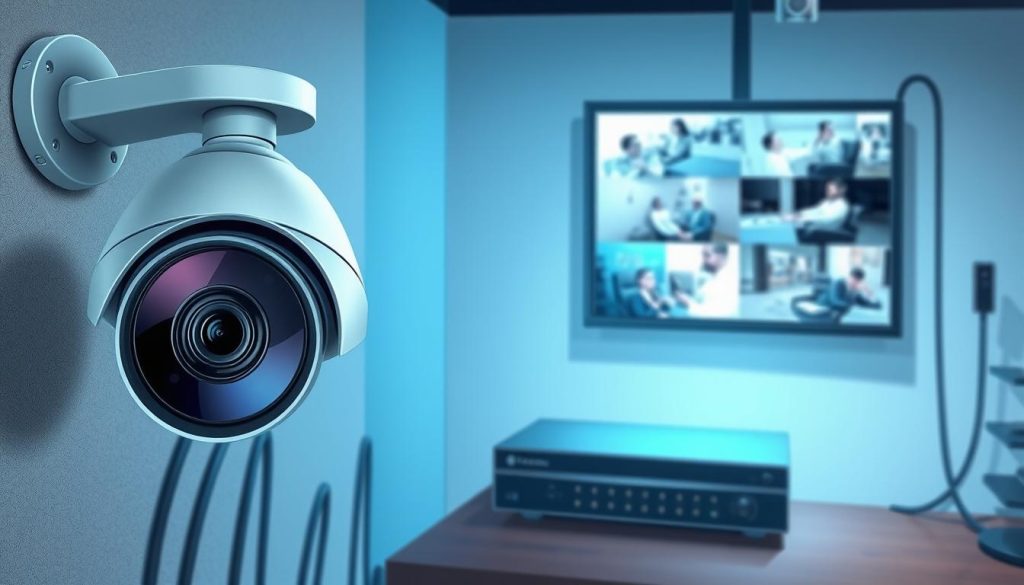
Video Resolution and Night Vision Capabilities
High-definition recording transforms surveillance effectiveness. Modern security cameras capture crisp 1080p or 4K footage for clear identification.
Superior resolution ensures license plate recognition and facial details remain visible. This clarity becomes crucial during incident review and evidence collection.
Infrared technology enables continuous monitoring after dark. These systems automatically switch to night mode using invisible IR illumination.
Advanced models feature color night vision for enhanced detail recognition. This technology provides superior visibility compared to traditional black-and-white imaging.
Motion Detection and Alert Configurations
Intelligent sensors distinguish between relevant movement and false triggers. Advanced algorithms reduce unnecessary notifications while capturing important events.
Customizable sensitivity settings adapt to specific environment needs. Users can define detection zones to focus on critical areas.
Multiple alert methods ensure timely notification delivery. Options include push notifications, email alerts, and integration with existing security systems.
Some models feature human detection technology for reduced false alarms. This advanced filtering ignores animals and moving vegetation.
“Modern motion detection systems achieve up to 95% accuracy in distinguishing between humans, vehicles, and environmental movement”
Durability and Weather Resistance for Outdoor Use
Outdoor surveillance demands robust construction against environmental challenges. International Protection ratings indicate specific durability levels.
IP66 or higher ratings guarantee complete protection against dust ingress. These cameras withstand heavy rain and extreme weather conditions.
Temperature tolerance ranges ensure performance in various climates. Quality models operate between -40°C to 60°C without performance degradation.
Vandal-resistant designs protect against physical tampering attempts. Reinforced housing and anti-tamper alerts enhance security effectiveness.
Solar power options enable completely wireless installation for remote locations. These systems provide continuous operation without electrical infrastructure.
Two-way audio functionality adds interactive capability to monitoring systems. This feature allows remote communication through the security cameras.
Encryption protocols protect transmitted data from unauthorized access. Advanced security measures ensure footage remains confidential.
Expandable storage options accommodate growing surveillance needs. Support for high-capacity microSD cards and external devices provides flexibility.
User-friendly interfaces simplify system management for all experience levels. Intuitive mobile applications enable easy configuration and monitoring.
Local Storage Solutions for Your CCTV Footage
Effective video surveillance systems require reliable storage solutions that preserve footage for review and evidence purposes. These options ensure continuous recording capability regardless of internet availability, providing crucial documentation for security incidents.
Modern security cameras offer multiple storage approaches that function completely without internet dependency. Property owners can choose between decentralized onboard storage or centralized recording systems based on their specific surveillance needs.
On-Board MicroSD Card Storage
MicroSD cards provide compact, convenient storage directly within individual security cameras. This solution enables localized recording without additional hardware requirements.
These storage cards come in various capacities, with higher-capacity options storing more footage before requiring overwriting. The system automatically manages storage space through continuous loop recording.
This method proves particularly valuable for completely wireless cameras where cable installation isn’t practical. It represents a budget-friendly approach for basic surveillance needs.
However, physical security considerations are important since cards can be easily removed if cameras are accessible. Regular monitoring ensures proper functioning and prevents data loss.
Network Video Recorders (NVR) and Digital Video Recorders (DVR)
Centralized recording systems offer enhanced storage capacity and better physical security for surveillance footage. These devices connect to multiple cameras through different technologies.
Network Video Recorders work with IP cameras, storing digital video streams on internal hard drives. These systems typically offer capacities ranging from 1TB to 8TB, with expandable options available.
Digital Video Recorders process analog camera signals using coaxial cable connections. They compress and store footage on internal storage, usually starting around 1TB capacity.
Lorex systems demonstrate advanced storage capabilities with options expandable to 32TB using multiple hard drives. This capacity can accommodate months of continuous 1080p recording from multiple cameras.
“Proper storage management prevents critical data loss through regular space monitoring and implementing automated overwrite policies or manual backup procedures”
Storage requirements vary based on video resolution, frame rate, and recording schedule. Motion-activated recording significantly extends storage duration compared to continuous capture.
These centralized systems provide better physical security than removable media options. Their concealed installation protects recorded footage from tampering or theft.
Hybrid configurations can utilize both local storage for continuous recording and cloud backup for important events when connectivity is available. This approach offers comprehensive data protection.
Weighing the Pros and Cons of WiFi vs. Non-WiFi CCTV
Choosing between WiFi and non-WiFi surveillance involves balancing convenience and reliability. WiFi systems offer remote access through mobile apps. They feature easy installation with fewer cables.
However, these systems face hacking risks and internet dependency. Network outages can interrupt monitoring when you need it most.
Non-WiFi security cameras provide enhanced protection against cyber threats. They work reliably in areas with poor connectivity. These systems use local storage and don’t require constant internet access.
The best choice depends on your specific security needs. Consider internet reliability, budget, and property location. Many find hybrid systems offer the ideal balance for comprehensive protection.
FAQ
Do security cameras work without an internet connection?
Yes, many security cameras operate without internet. Systems using local storage like DVRs, NVRs, or microSD cards function independently. Cellular security cameras use mobile data instead of WiFi for connectivity.
What are the main benefits of a non-WiFi surveillance system?
Offline systems offer enhanced security against hacking, no bandwidth usage, and uninterrupted operation during internet outages. They provide reliable monitoring for remote properties and areas with poor connectivity.
Can I view my CCTV footage remotely without WiFi?
Absolutely. Cellular security cameras use 4G LTE networks to transmit video to your phone. Some systems also support direct P2P connections for local remote access without internet dependency.
What storage options exist for cameras without internet?
Local storage solutions include microSD cards inside cameras, and dedicated recorders like DVRs or NVRs with internal hard drives. These devices save footage directly without needing cloud services.
How much data do cellular security cameras use?
Data consumption varies based on video quality, recording mode, and features like motion detection. Standard definition uses less data, while continuous HD streaming may require 1-2GB daily. Choosing event-based recording reduces usage.
Are there cameras with night vision that work offline?
Yes, many non-WiFi cameras feature infrared night vision. Analog, IP, and cellular models often include built-in IR LEDs for clear low-light monitoring without needing internet connectivity.
Can I receive motion alerts on my phone without WiFi?
Cellular cameras send instant notifications via SMS or mobile apps using cellular networks. Systems with local processing can trigger alerts without internet, sending them through your mobile data connection.


