
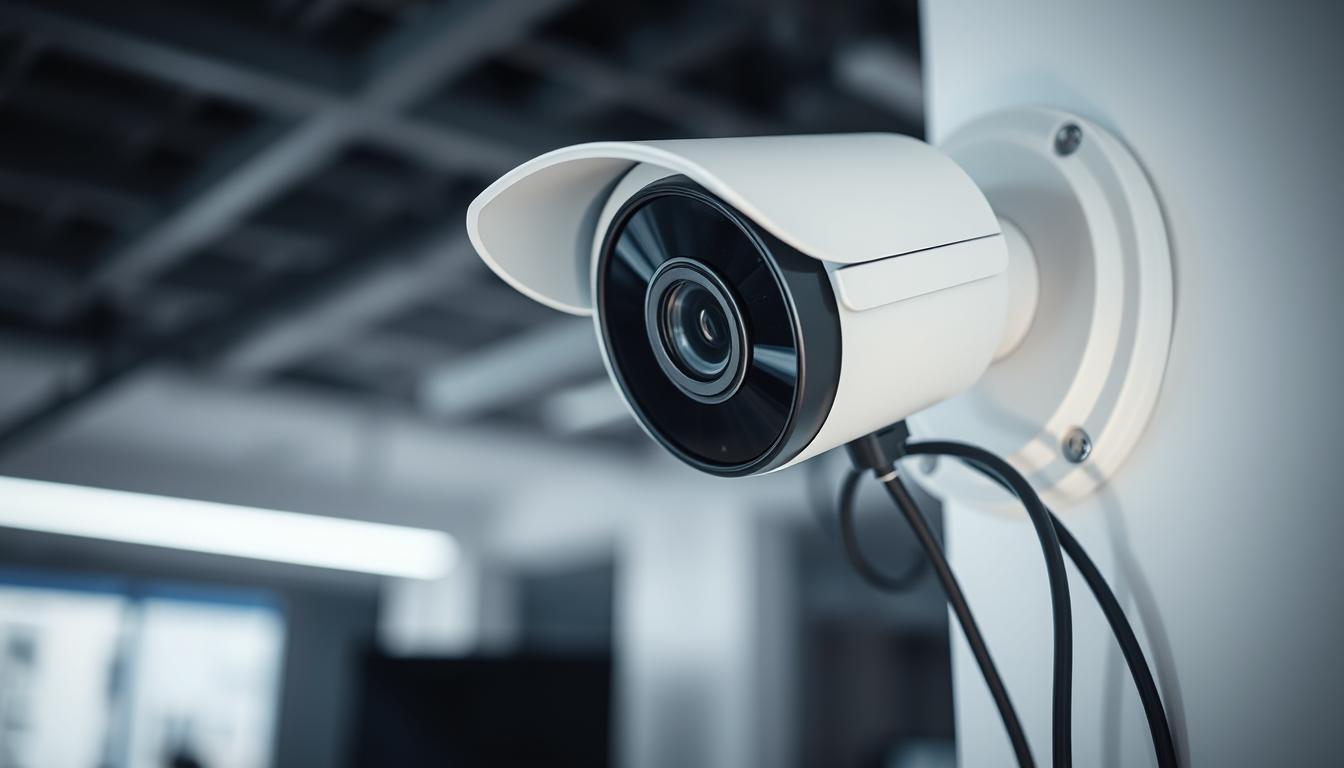
Can CCTV cameras record when they are switched off? Explained
Many people wonder about surveillance equipment capabilities during power loss. This question touches on fundamental security system operations.
Electronic monitoring devices require electricity to function properly. Without adequate power supply, these systems cannot capture or store visual information.
This misconception creates serious vulnerabilities in protection strategies. Property owners might assume their surveillance remains active during outages.
Understanding how these security systems operate is crucial for proper implementation. This knowledge helps prevent gaps in monitoring coverage.
Our comprehensive guide explores power requirements and functionality. We’ll examine various aspects of surveillance system operations.
Proper power management ensures continuous security monitoring. This is particularly important for Singapore properties requiring reliable protection.
Key Takeaways
- Surveillance equipment requires constant power to function effectively
- Power outages completely disable recording capabilities
- Misunderstanding this creates significant security vulnerabilities
- Proper system design includes backup power solutions
- Continuous monitoring depends on uninterrupted electricity supply
- Understanding technical limitations improves security planning
- Regular system checks prevent unexpected monitoring gaps
Understanding the Core Principle: Power is Essential
At the heart of surveillance technology lies a simple but critical requirement: uninterrupted electrical supply. This fundamental principle governs every aspect of security system performance and functionality.
Modern monitoring equipment transforms light into digital information through complex processes. Each component within these systems demands consistent energy to operate effectively.
How Video Capture and Processing Works
Security devices begin by capturing light through specialized sensors. These components convert visual information into electrical signals for processing.
Advanced processors then analyze and compress this data for storage. Higher resolution footage requires more processing power and energy consumption.
Transmission modules send the processed information to recording devices. This entire chain depends completely on steady electrical flow.
- Light reception through CCD or CMOS sensors
- Signal conversion and digital processing
- Data compression and transmission
- Storage preparation and file management
Critical Internal Components Requiring Energy
Multiple internal elements work together to create surveillance footage. Each component has specific power requirements for optimal performance.
Image sensors demand precise voltage levels for accurate light capture. Processing chips require stable energy for data manipulation and compression.
Transmission circuitry needs consistent power to maintain data integrity. Even status indicators and housing heaters consume electrical resources.
Different surveillance technologies have varying energy needs. Analog systems typically use less power than digital IP alternatives.
Advanced features like motion detection increase energy consumption. Higher frame rates and resolutions demand more processing capacity.
Understanding your security system’s recording status helps maintain proper functionality. Regular checks ensure all components receive adequate power.
Capacitors provide brief emergency power during sudden outages. These components offer 2-5 seconds of continued operation through predictable discharge patterns.
Without continuous electrical supply, no aspect of monitoring can continue. This fundamental reality underscores the importance of reliable power solutions.
Can CCTV Cameras Record When They Are Switched Off? The Technical Reality
A fundamental technical truth governs all electronic monitoring systems: no power means no operation. This principle defines the absolute relationship between electrical supply and surveillance functionality.
Modern security devices transform electrical energy into visual documentation through complex processes. Each component requires specific voltage levels to maintain optimal performance.
Immediate Effects of a Power Disconnection
Electrical interruption triggers instantaneous system shutdown across all surveillance components. Data transmission ceases within milliseconds of power loss.
Pan-tilt-zoom models lose movement control and positioning capabilities immediately. Advanced features like motion detection become completely non-functional.
Network video recorders initiate protective shutdown sequences lasting approximately 30 seconds. These procedures safeguard existing footage from corruption during unexpected outages.
Voltage regulation systems disconnect at predetermined thresholds for equipment protection. Most 12-volt systems activate safety cutoffs at 9.6 volts to prevent damage.
Why Internal Batteries are for Emergency Operation, Not Recording
Some advanced security devices incorporate internal battery systems for limited emergency functions. These power sources serve specific protective purposes rather than continuous operation.
Internal batteries typically provide brief emergency power during sudden electrical disruptions. Most systems offer only 2-5 seconds of continued operation through capacitor discharge patterns.
These limited power reserves cannot support full recording capabilities or data transmission. Battery capacity constraints make continuous monitoring during extended outages impossible.
Emergency power focuses on protecting equipment integrity rather than maintaining surveillance functions. Systems prioritize proper shutdown sequences over extended operation during power loss.
Understanding these technical limitations helps property owners implement effective backup solutions. Proper planning ensures continuous security monitoring despite electrical interruptions.
Debunking Common Myths About Offline Recording
Many property owners hold mistaken beliefs about surveillance equipment capabilities during electrical disruptions. These misunderstandings often stem from visual cues and incomplete technical knowledge.
Modern security systems use various indicators to communicate operational status. These visual signals sometimes create confusion about actual recording capabilities.
Misinterpreting Status Lights and Indicators
Blinking lights on surveillance devices don’t always mean active recording. Many systems use indicator lights for power status rather than operational functions.
Some security cameras feature status lights that blink during network connectivity checks. Others use steady lights to indicate proper power supply reception.
Infrared LEDs might activate during low-light conditions without recording functions. These features serve illumination purposes rather than indicating video capture.
“Visual indicators often communicate system status rather than recording activity. Property owners should consult technical manuals for accurate interpretation.”
Network connectivity lights sometimes blink during data transmission attempts. This occurs even when the actual recording function remains inactive.
The Difference Between “Standby” and “Off”
Standby mode maintains limited functionality while conserving energy. Completely powered-off devices lose all operational capabilities immediately.
In standby state, security systems preserve network connections and basic monitoring functions. They await activation signals while consuming minimal electrical resources.
Fully operational mode engages all recording and processing features. This state demands complete power supply for optimal performance.
Complete shutdown means zero electrical flow to all components. No recording, processing, or transmission occurs in this state.
Advanced surveillance solutions may feature sleep modes that periodically check for activity. These systems still require some power for basic functionality.
Understanding these operational states helps property owners implement effective security strategies. Proper knowledge prevents assumptions about protection during power disruptions.
- Standby mode maintains network connectivity with reduced power consumption
- Complete shutdown means absolutely no operational capabilities
- Visual indicators often show power status rather than recording activity
- Infrared lights may function independently from recording systems
- Network status lights don’t necessarily indicate video capture
Proper security system management requires understanding these technical distinctions. This knowledge ensures realistic expectations about protection during electrical outages.
Exploring Different Types of CCTV Systems
Modern surveillance technology offers various system configurations with distinct power requirements. Understanding these differences helps property owners select appropriate security solutions for their specific needs.
https://www.youtube.com/watch?v=wHLce9J_0os
Different surveillance technologies have unique electrical dependencies and installation considerations. These factors significantly impact overall system performance and reliability.
Analog vs. IP Camera Power Dependencies
Traditional analog systems transmit video signals through coaxial cables. These security cameras require separate power cables connected directly to electrical sources.
Internet Protocol models utilize network connections for data transmission. These advanced devices often support Power over Ethernet technology for simplified installation.
Analog equipment typically consumes less energy than digital alternatives. However, IP systems offer superior video quality and advanced functionality.
Network-based security systems provide enhanced features like remote access. They also support intelligent detection capabilities and real-time monitoring.
The Advantages of Power over Ethernet (PoE) Setups
Power over Ethernet technology delivers both electrical power and data through single network cables. This integrated approach simplifies installation and reduces wiring complexity.
Standard PoE configurations follow IEEE 802.3af specifications providing 15.4 watts per port. Advanced systems use 802.3at standards delivering up to 30 watts for high-performance devices.
Singapore installations must comply with CP5 wiring standards for safety and reliability. These regulations ensure proper deployment of network-powered security systems.
PoE technology offers excellent scalability for expanding surveillance networks. Additional devices can be integrated without significant infrastructure changes.
This approach provides centralized power management through network switches. System administrators can monitor and control energy distribution efficiently.
“Power over Ethernet represents the future of surveillance system design, combining simplicity with robust performance capabilities.”
Different camera types exhibit varying power consumption patterns. Fixed dome models typically use less energy than pan-tilt-zoom units with motorized components.
Infrared illumination and heating elements increase electrical demands in outdoor installations. These features ensure optimal performance in challenging environmental conditions.
Property owners should evaluate power availability before selecting surveillance technology. Reliable electrical sources are essential for continuous security monitoring.
Professional installation ensures proper configuration of all system components. Certified technicians verify adequate power supply for each connected device.
Modern security solutions offer flexible deployment options for various applications. Choosing the right system type depends on specific power availability and monitoring requirements.
How Backup Power Solutions Bridge the Gap
Reliable security requires continuous electrical supply for uninterrupted operation. Backup power solutions prevent monitoring gaps during electrical disruptions.
These systems maintain surveillance functions when main power fails. Different backup options address various outage durations and security needs.
Uninterruptible Power Supply (UPS) Systems
UPS units provide immediate power during brief electrical interruptions. These systems activate within milliseconds of main power loss.
Most units offer 15-30 minutes of emergency operation. This timeframe covers short outages and allows proper system shutdown.
Advanced models feature automatic voltage regulation. They protect sensitive surveillance equipment from power surges.
Singapore installations benefit from compact UPS designs. These units fit easily in limited space environments.
Battery-Powered and Solar-Powered Camera Options
Battery-operated security devices offer excellent mobility and flexibility. Modern lithium batteries provide extended operation periods.
High-capacity models like the Reolink Altas PT Ultra last multiple days. These units maintain full functionality without grid connection.
Solar-powered solutions harness Singapore’s abundant sunlight. The average 5.4 daily sunlight hours supports effective solar charging.
A 200-watt panel fully charges a 20Ah lithium battery in five hours. This makes solar options viable for most security applications.
These systems work particularly well in remote areas. They eliminate dependency on traditional power sources.
Generators for Long-Duration Outages
Automatic generators provide power during extended electrical disruptions. These systems activate within seconds of detecting power loss.
Modern units feature silent operation and fuel efficiency. They can run surveillance systems for days or weeks continuously.
Proper installation requires professional assessment of power needs. Technicians calculate total wattage requirements for all security devices.
Regular maintenance ensures reliable generator performance. Monthly testing verifies automatic activation capabilities.
Combining different backup solutions creates comprehensive power redundancy. This approach ensures continuous security monitoring under various conditions.
- UPS systems handle brief power fluctuations and surges
- Battery backups provide medium-duration coverage
- Solar options offer sustainable off-grid operation
- Generators address extended outage scenarios
- Hybrid systems combine multiple backup technologies
Selecting appropriate backup solutions depends on outage duration expectations. Property owners should consider local power reliability and security requirements.
Professional installation ensures proper integration with existing surveillance systems. Certified technicians verify compatibility and performance.
Regular testing maintains backup system readiness. Scheduled checks prevent unexpected failures during actual power disruptions.
Ensuring Continuous Recording with Local Storage
Local storage solutions provide critical redundancy for security systems during network disruptions. These technologies maintain video capture capabilities regardless of internet connectivity status.
Proper storage implementation ensures uninterrupted evidence collection. This approach protects against both network failures and power interruptions when combined with backup systems.
DVRs and NVRs: The Heart of Offline Storage
Digital Video Recorders serve as the central hub for analog security setups. These units connect directly to cameras through coaxial cables for reliable data transmission.
Modern DVRs offer storage capacities exceeding 1TB for extended recording periods. They maintain continuous video capture without internet dependency.
Network Video Recorders handle IP camera systems with advanced digital storage capabilities. These devices process high-definition footage through network connections.
NVR technology supports remote access while maintaining local storage redundancy. This dual approach ensures footage preservation during connectivity issues.
Using SD Cards for Individual Camera Backup
Secure Digital cards offer decentralized storage solutions for individual security devices. This approach provides redundancy against central system failures.
Modern SD cards support motion-activated recording for efficient storage management. A 128GB card can store approximately five days of continuous 2MP footage at 25 frames per second.
These storage solutions are particularly effective in smaller installations. They eliminate single points of failure in security system design.
SD card technology continues to improve in reliability and capacity. Current models withstand extensive read-write cycles without performance degradation.
Storage capacity planning depends on multiple factors including resolution requirements and retention needs. Higher resolution footage demands more storage space per hour of recording.
Most systems employ circular recording patterns that overwrite oldest footage automatically. This ensures continuous operation without manual intervention.
Professional installation ensures optimal storage configuration for specific security requirements. Technicians calculate necessary capacity based on camera count and quality settings.
“Local storage represents the foundation of reliable security system design, ensuring continuous operation regardless of external factors.”
Integration with backup power systems creates comprehensive protection against outages. Local storage maintains functionality during electrical disruptions when supported by UPS units.
Regular maintenance includes verifying storage system health and available capacity. Automated alerts notify administrators of potential storage issues before they affect recording.
Different environments require tailored storage solutions based on specific risk factors. High-security areas often employ redundant storage systems for maximum protection.
Modern storage technology offers scalable solutions that grow with security needs. Additional capacity can be integrated without replacing entire systems.
Technical Limitations During a Power Loss
Electrical disruptions create significant challenges for modern security infrastructure. These events trigger immediate performance degradation across all monitoring components.
Backup systems help maintain basic functionality but introduce new limitations. Understanding these constraints is essential for effective security planning.
Impact on Motion Detection and Smart Features
Power fluctuations directly affect advanced detection capabilities. Voltage drops below 10.5V typically cause frame skipping in video streams.
Passive Infrared sensors maintain better performance during low-power conditions. These devices consume significantly less energy than pixel-based detection systems.
UPS switchover creates brief detection gaps lasting 2-5 seconds. This latency allows potential security events to go unnoticed during power transitions.
Advanced analytics features require substantial processing power. These functions often disable automatically during backup power operation.
Remote Access and Live Viewing Interruptions
Internet connectivity depends completely on stable electrical supply. Network equipment failure during outages prevents remote access immediately.
Live viewing functionality ceases without active power sources. Mobile applications and web interfaces become inaccessible during these events.
ONVIF Profile G compliance helps preserve critical event data. This standard ensures important footage retention despite connectivity loss.
Alert systems experience similar interruptions during power disruptions. Notification delivery requires both device operation and network availability.
Proper power management maintains essential security functions during challenging conditions. Backup solutions should account for these technical limitations in system design.
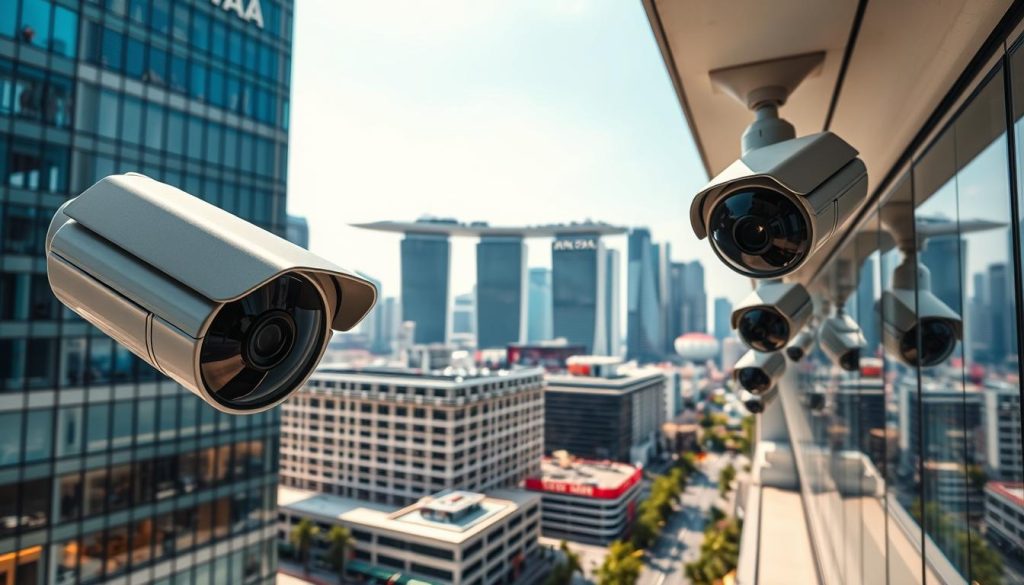
Singapore-Specific Considerations for CCTV Power
Singapore’s unique environment demands special attention to surveillance power management. The island nation presents specific challenges that affect security system reliability.
Understanding local conditions helps design better protection solutions. These factors influence equipment selection and installation practices.
Reliability of the Local Power Grid
Singapore boasts exceptional electrical infrastructure with 99.999% reliability. This translates to just 0.3 minutes of annual downtime on average.
However, significant regional variations exist across different areas. Jurong Island facilities experience three times more outages than CBD locations.
Industrial zones face higher disruption risks than residential neighborhoods. These differences impact security planning for various property types.
High-reliability areas might require less extensive backup solutions. Critical facilities still need comprehensive power protection regardless of location.
Tropical Climate’s Effect on Backup System Performance
Singapore’s consistent 35°C average temperatures impact backup components significantly. Battery efficiency drops by approximately 18% in these conditions.
High humidity accelerates corrosion on electrical connections. Regular maintenance becomes crucial for reliable operation.
IP66-rated enclosures provide essential protection against 1700mm annual rainfall. These housings prevent water damage during heavy tropical storms.
NEA’s PSI guidelines dictate specific cooling requirements for outdoor units. Proper ventilation ensures equipment operates within safe temperature ranges.
Weatherproofing measures extend equipment lifespan in humid conditions. Sealed connectors and corrosion-resistant materials perform better long-term.
Regional climate variations affect different parts of Singapore differently. Coastal areas face salt spray corrosion while inland locations deal with higher heat.
Professional installation accounts for these environmental factors. Certified technicians select appropriate materials and placement for optimal performance.
Regular maintenance becomes more frequent in tropical conditions. Monthly checks ensure components remain protected against environmental damage.
Backup systems require more frequent testing in high-temperature environments. Battery performance degrades faster and needs closer monitoring.
Understanding these recording capabilities helps maintain proper surveillance coverage. This knowledge ensures continuous protection despite environmental challenges.
“Tropical conditions demand enhanced protection measures for reliable security system operation. Proper planning accounts for both climate and infrastructure factors.”
Compliance standards specific to Singapore ensure equipment suitability. These regulations address unique environmental and infrastructure considerations.
Optimal system design combines climate adaptation with power reliability knowledge. This approach creates robust security solutions for Singapore’s unique environment.
Legal and Compliance Implications of System Downtime
Security system downtime carries significant legal consequences in Singapore. Property owners must understand regulatory requirements for proper operation.
The Personal Data Protection Act establishes clear guidelines for surveillance equipment. These rules protect individual privacy while allowing legitimate security needs.
Proper documentation becomes essential during technical failures. Maintaining accurate records demonstrates compliance efforts to regulatory authorities.
Singapore’s PDPA and Data Retention Requirements
The PDPA mandates thirty-day footage retention for most installations. This requirement ensures adequate evidence preservation for investigation purposes.
Storage capacity planning must account for this legal obligation. Systems should maintain sufficient space for continuous operation throughout the retention period.
Financial institutions face stricter 99.97% uptime requirements. These organizations must implement robust backup solutions to meet regulatory standards.
Article 9(2)(b) provides exemptions for brief technical failures. Interruptions under five minutes typically don’t constitute compliance violations.
Maintaining an Evidentiary Chain of Custody
Proper evidence handling requires unbroken documentation of all footage. This chain of custody ensures legal admissibility in court proceedings.
System outages must be thoroughly documented with timestamps and causes. This information demonstrates due diligence during technical difficulties.
Different installation types face varying compliance requirements. Residential properties have different standards than commercial establishments.
Penalty structures reflect the seriousness of compliance failures. First-time residential violations may incur S$10,000 fines.
Commercial non-compliance can result in S$200,000 penalties. Repeated offenses may reach S$1 million maximum fines under current regulations.
Industry-specific standards often exceed general PDPA requirements. Healthcare and financial sectors maintain particularly strict surveillance protocols.
Best practices include regular system audits and compliance checks. These procedures help identify potential issues before they become violations.
Implementation guidance should focus on meeting all legal requirements. Professional installation ensures proper configuration for regulatory compliance.
Continuous monitoring solutions help maintain evidentiary integrity. Proper system design prevents gaps in protection coverage.
How to Choose a Resilient CCTV System for Your Needs
Selecting the right surveillance technology requires careful consideration of resilience features. Different environments demand specific capabilities for continuous protection.
Power outage resistance becomes a critical factor in system selection. Proper planning ensures uninterrupted monitoring during electrical disruptions.
Key Features to Look For: Battery Backup and Local Storage
Modern security solutions offer various resilience options for different scenarios. Battery backup systems provide temporary power during short outages.
Look for units with sufficient capacity to maintain operation. Many quality systems include built-in battery support for emergency situations.
Local storage capabilities ensure continuous video capture regardless of internet status. This feature preserves evidence during network failures.
Enterprise-grade solutions like the Synology SA3400 offer massive 96TB raw capacity. These systems pair perfectly with 4G LTE failover for maximum reliability.
Residential installations might utilize Hikvision DS-HD1 4MP models. These provide excellent 98° coverage with reliable performance.
Residential vs. Commercial System Requirements
Home security needs differ significantly from commercial applications. Singapore’s HDB guidelines restrict external installations to two devices per unit.
Residential systems prioritize user-friendly interfaces and basic monitoring. They typically require simpler setup and maintenance procedures.
Commercial deployments demand higher standards and certification requirements. ISO 27001 certification often becomes mandatory for business installations.
Enterprise environments need advanced solutions like Milestone Husky M30. These support up to 32 channels for comprehensive coverage.
Different installation types require varying levels of power resilience. Critical commercial sites need robust backup solutions.
“Commercial security systems must meet higher reliability standards than residential setups. Professional assessment ensures proper compliance and performance.”
Scalability considerations affect long-term system planning. Choose technology that allows future expansion without complete replacement.
Budget planning should balance initial costs with long-term reliability. More expensive systems often provide better outage protection.
Professional installation ensures optimal configuration for specific needs. Certified technicians understand local requirements and best practices.
Regular maintenance becomes essential for sustained performance. Scheduled checks prevent unexpected failures during critical moments.
Proactive Maintenance for Uninterrupted Protection
Maintaining reliable surveillance requires consistent attention to system health and performance. Regular maintenance prevents unexpected failures that could compromise security coverage.
Proper care extends equipment lifespan and ensures optimal operation. This approach saves money by avoiding costly emergency repairs.
Routine Testing of Backup Power Supplies
Backup systems need regular verification to ensure readiness. Scheduled testing identifies potential issues before actual emergencies occur.
Lead-acid batteries require desulfation cycles every six months. This process prevents sulfate buildup that reduces battery capacity.
Coulomb counting provides accurate State of Charge calibration. This method ensures reliable performance during power disruptions.
Quarterly generator load bank tests are recommended for comprehensive systems. These tests verify proper operation under full electrical load.
Undervoltage testing at 85% nominal voltage reveals weak points. This procedure identifies components that might fail during actual outages.
- Perform monthly visual inspections of all backup components
- Test automatic transfer switches quarterly
- Replace surge protection devices after three major electrical events
- Verify battery water levels monthly for lead-acid systems
- Document all test results for compliance purposes
Identifying and Troubleshooting a Non-Functional Camera
Non-working security devices often show specific symptoms. Understanding these signs helps quickly identify and resolve issues.
Thermal imaging with Fluke TiS75 cameras reveals connection faults. This technology identifies overheating components before complete failure occurs.
Check power supply connections first when devices stop working. Loose cables cause many common operational problems.
Verify network connectivity for IP-based systems. Network issues often mimic power-related failures.
Test individual components systematically to isolate problems. This method saves time compared to random troubleshooting.
“Regular maintenance prevents 85% of common security system failures. Proactive care ensures continuous protection when it matters most.”
Different battery technologies require specific maintenance procedures. Lithium batteries need different care than traditional lead-acid options.
Document all maintenance activities thoroughly. Proper records help track system performance over time.
Create preventive maintenance schedules based on manufacturer recommendations. These guidelines ensure optimal equipment care.
Test system functionality completely after any maintenance procedure. Verification ensures all components work properly together.
Address environmental factors in maintenance planning. Singapore’s climate demands specific attention to humidity and temperature effects.
Following these maintenance best practices ensures reliable security operation. Consistent care provides peace of mind through uninterrupted protection.
Implementing a Future-Proof Security Strategy
Building a resilient surveillance infrastructure requires forward-thinking planning. Adopting ONVIF-compliant devices ensures system compatibility as technology evolves.
Singapore’s IMDA grants support advanced video analytics adoption. These solutions enhance threat detection capabilities significantly.
Cybersecurity measures become crucial for networked security devices. Regular updates protect against emerging digital threats.
PoE technology offers excellent scalability for future expansion. This approach provides cost savings versus traditional analog infrastructure.
Integration with building management systems creates comprehensive protection. RAID 6 redundancy ensures data integrity for critical installations.
Professional assessment balances current needs with future requirements. This strategy maintains effective protection through technological changes.
FAQ
Do security cameras record when they are unplugged?
No. Without electricity, most cameras cannot capture or process video. Power is essential for their internal components to function. For continuous recording during outages, backup solutions like UPS systems or battery-powered units are necessary.
What happens to my surveillance system during a blackout?
Standard systems stop working immediately. Motion detection, remote access, and live viewing are interrupted. To maintain functionality, integrate backup power sources such as generators or solar options, especially in areas with unreliable grids.
Can battery backups keep my cameras running?
Yes. Battery-powered cameras or UPS devices provide temporary operation. However, runtime depends on capacity. For longer outages, consider generators. Always test backup performance regularly to ensure reliability.
How does local storage work during power loss?
Devices like DVRs or NVRs with their own backup can continue saving footage. Some IP cameras use SD cards for individual storage. This maintains data retention even without network connection, crucial for compliance.
Are there legal concerns if my system goes offline?
Yes. Regulations like Singapore’s PDPA may require continuous data protection. System downtime can break the chain of custody, affecting evidence validity. Implement resilient systems to meet legal and compliance needs.
What features help maintain security during outages?
Look for cameras with built-in batteries, local storage options, and PoE setups for centralized power management. These features ensure real-time monitoring and recording continuity, bridging gaps during disruptions.


