
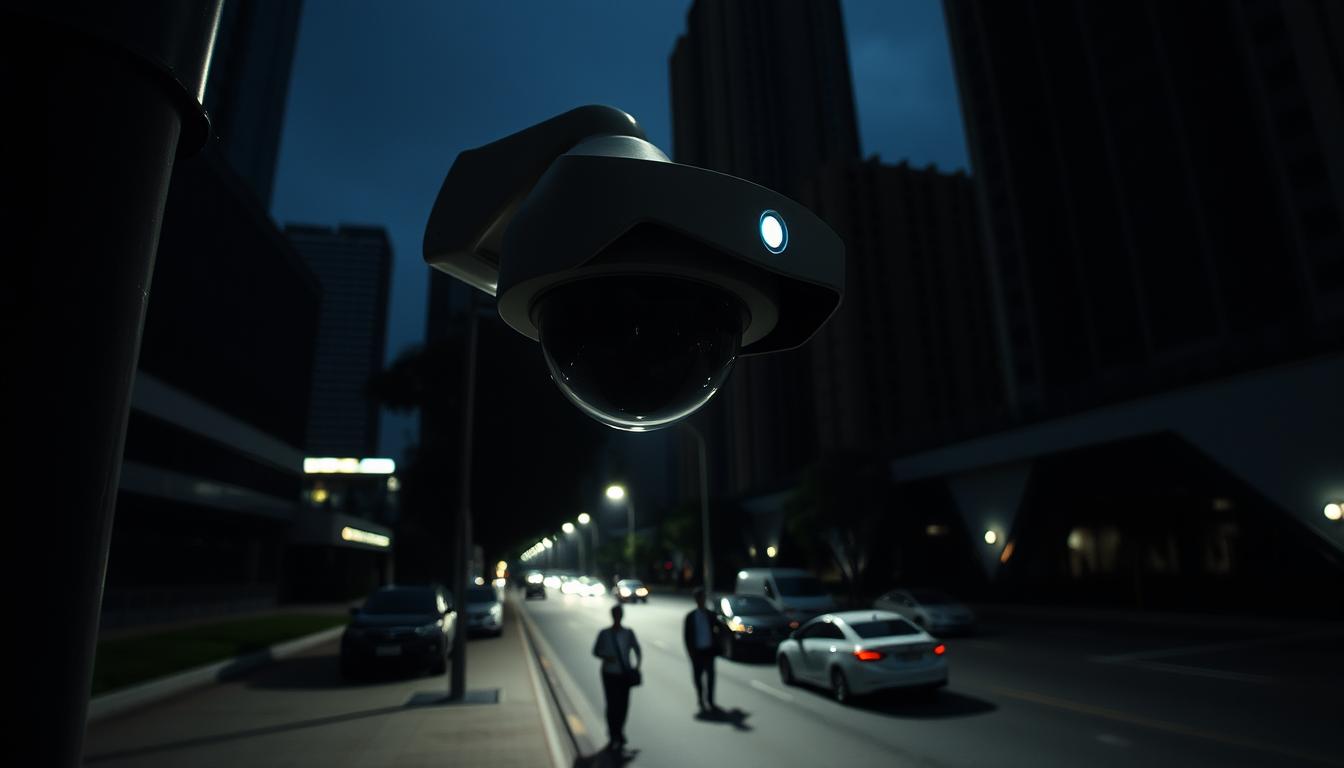
Can CCTV cameras record when they are switched off?
It’s important to know if CCTV cameras can record when they’re turned off. This is key for anyone looking into security solutions. Most security cameras need to be always on to work right. When they’re turned off or unplugged, they stop recording and don’t work anymore.
This shows how important it is to have good power solutions for any surveillance system. This is even more true for those looking into Singapore CCTV options to boost their security.
Key Takeaways
- CCTV cameras require power to record and operate.
- When switched off, they do not capture or store footage.
- Reliability in power supply is vital for effective surveillance technology.
- Understanding the functioning of security cameras aids in informed decision-making.
- Singapore CCTV systems need to address power management for optimal use.
Understanding the Basics of CCTV Technology
CCTV technology is key to modern surveillance systems. It combines several important parts to keep us safe. Knowing these basics helps pick the right system for our security needs.
CCTV Components and Functionality
Good CCTV systems have many parts that work well together. The main parts are:
- Lenses: They decide what the camera sees and how clear it is.
- Sensors: They turn images into digital data for the system to process.
- Recording Devices: They save the video for later use.
- Power Supplies: They keep the cameras running smoothly.
These parts make the system work well. They help capture and save video. Knowing about them lets us tailor our CCTV systems to our needs.
Divergent Types of CCTV Cameras
Choosing the right surveillance is important. There are many CCTV types for different places and needs. Some common ones are:
- Dome Cameras: Great for indoors because they are small and blend in.
- Bullet Cameras: Easy to install and focus on one area.
- IP Cameras: Good for watching from afar and have clear video.
- PTZ Cameras: Move around to cover more area.
Each type has special features for better surveillance. Knowing about these helps us make the best choice for our security needs.
Power Requirements for CCTV Cameras
Knowing what power CCTV cameras need is key for them to work right. The right power supply is vital for both wired and battery-operated cameras. Each camera type has its own power needs based on its design and use.
Traditional Wired Cameras
Wired CCTV cameras need an electrical source, usually through a lot of wiring. These wired CCTV cameras perform well, mainly in places with constant power. Setting them up can be tricky, needing careful planning for the cables:
- They keep recording without breaks.
- They’re more dependable for long-term watching.
- They fit well with existing electrical setups.
Battery-Operated CCTV Solutions
Battery-operated cameras are becoming more popular for their flexibility. They don’t need a lot of wiring and can go in many places. They offer big benefits like:
- They’re easy to set up and move as needed.
- Some can run for a long time without needing a charge.
- Perfect for short-term use or where getting to power is hard.
How CCTV Cameras Operate in Different Modes
CCTV cameras work in various modes to boost security. Knowing these modes helps users pick the right setup for their needs. The main modes are for real-time monitoring and recording, each with its own role in security.
Real-Time Monitoring and Recording Modes
Real-time monitoring shows live footage, letting users see what’s happening right away. This is key for quick responses to issues. Recording modes work differently. They can record all the time or only when they see movement. This saves space and focuses on the most important moments.
Impact of Power Outages on Recording
Power outages can really hurt recording. Most CCTV systems need steady power to work well. Without a backup, cameras stop recording during outages, breaking the watch. It’s important to think about this when setting up CCTV systems. Make sure there’s a good power plan to keep recording and watching going.
Can CCTV Cameras Record When They Are Switched Off?
No, CCTV cameras can’t record when they’re turned off. They stop working once they lose power. Some cameras might look like they’re off but have a small battery inside.
This battery can keep them recording for a little while. But it’s not enough for long-term watching.
It’s key to know this if you’re using CCTV for security. Many think these cameras work even when they’re off. But, this is not true. It shows how important it is to think about power dependency when using these systems.
Common Misconceptions About Camera Operation
Many people misunderstand how CCTV cameras work. They think every camera can record without power. This is because of dummy cameras, which look real but don’t work.
It’s important to know the difference between real and dummy cameras. This helps ensure your surveillance system works right.
Understanding Dummy vs. Real CCTV Cameras
Dummy cameras are meant to look real but don’t record. They often have blinking lights to trick people. Real cameras don’t have blinking lights when they’re just working.
It’s key to check your cameras to make sure they’re real and working. This makes your security system reliable.
Visible Indicators of Recording Status
Security cameras have lights that show if they’re recording. These lights are usually color-coded. They help users see if their cameras are working.
Knowing about these lights helps your cameras work right. It also helps clear up myths about CCTV cameras.
Technical Limitations of CCTV Systems
CCTV systems have technical limits that can impact their performance. Knowing these limits is key to getting the best out of surveillance.
wired vs. wireless cameras
Wired and wireless cameras have their own pros and cons. Wired systems use direct connections for steady performance and reliability. They are great for places where constant surveillance is needed.
Wireless cameras, on the other hand, are easier to set up and move around. But, they can face signal problems or range issues. It’s important to understand these differences to pick the right one for your needs.
backup power solutions for consistent surveillance
Having backup power is essential to avoid surveillance gaps. Solutions like UPS and battery backups keep systems running during outages. This is critical for places like hospitals and security areas.
Using dependable backup systems helps overcome CCTV’s limitations. It ensures surveillance keeps going even when power is lost.
Surveillance Camera Functionality Explained
It’s important to know how surveillance cameras work for good security. These cameras have special features that make them better at watching over places.
The Importance of Professional Monitoring
Using professional monitoring with CCTV systems makes them even better. This mix offers:
- 24/7 watch, keeping everything safe and ready to act.
- Quick alerts for anything odd caught by the cameras.
- Expert review of footage, helping spot security problems.
Professional monitoring gives you peace of mind. It also makes surveillance systems work faster in emergencies.
Recording Footage in Standby Mode
CCTV systems with standby mode are great for watching over places. They use less energy but stay alert. When they see movement, they start recording right away.
The beauty of motion detection is how it saves resources. Instead of always recording, it waits for activity. This saves space and energy, making it a smart choice.
Using a CCTV system well means it watches over places well but uses less energy. It captures important moments without wasting resources. This balance makes it a top choice for security.
Legal Implications of CCTV Surveillance
CCTV surveillance is a powerful tool for security, but it must follow the law. It’s important to know the CCTV surveillance laws in Singapore. This is key for using these systems right and staying legal.
Data Protection Laws in Singapore
In Singapore, strict data protection rules apply to CCTV systems. Companies must follow laws about collecting, storing, and using surveillance footage. Not following these privacy regulations can cause big legal problems.
Companies need to stick to these rules to avoid issues like unauthorized recordings and data breaches. They must train everyone involved in surveillance. This ensures they understand the legal side of data protection Singapore.
Best Practices for CCTV Management and Maintenance
To keep your CCTV systems working well, it’s important to manage and maintain them properly. Regular checks help find problems early and make your systems last longer. Set up a schedule to check your cameras, recorders, and other parts.
This way, you avoid downtime and keep your area safe. It’s also key to update your CCTV software regularly. These updates improve security and how well your systems work.
Managing your power supply is also critical. This includes checking batteries and having backups. This ensures your systems keep running without interruption.
Keeping records of maintenance and any issues is also important. This helps you fix problems quickly and keeps your systems running smoothly. By following these steps, you’ll make your surveillance better and strengthen your security.
FAQ
Can CCTV cameras record when they are switched off?
No, CCTV cameras can’t record when they’re turned off or unplugged. They need a constant power supply to work.
What are the primary components of a CCTV system?
A CCTV system has key parts like lenses, sensors, recording devices, and power supplies. Each part is important for the system’s function and success.
What types of CCTV cameras are available?
There are many CCTV cameras for different needs. You can find dome cameras, bullet cameras, IP cameras, and PTZ cameras. Each type has special features for different places and security needs.
How do traditional wired CCTV cameras function?
Wired CCTV cameras need a direct electrical connection to work and record. They have complex wiring but offer reliable surveillance.
What are the benefits of battery-operated CCTV solutions?
Battery-operated CCTV cameras are easy to install and flexible. They can work for a long time without needing to be plugged in, making them reliable for surveillance.
How do CCTV cameras operate in real-time monitoring?
Real-time monitoring lets users see live footage from CCTV cameras. It helps them stay aware of what’s happening. This quick access to video helps in responding to incidents fast.
What happens to CCTV recording capabilities during a power outage?
If a CCTV camera doesn’t have a backup power source and loses power, it stops recording. This shows why having a backup power supply is key for continuous surveillance.
What are common misconceptions about CCTV camera operations?
Many think all cameras can record without power. Also, some cameras have blinking lights, but real security cameras usually don’t have these when they’re working right.
How can users differentiate between dummy and real CCTV cameras?
Real CCTV cameras don’t have blinking lights when they’re on. Knowing what the lights mean, like color-coded LEDs, helps figure out if a camera is recording.
What are the technical limitations of wired vs. wireless CCTV systems?
Wired systems are more reliable because of their direct connections. But, wireless cameras might have connection problems. Each type has its own good and bad points.
What are backup power solutions for CCTV systems?
Uninterruptible Power Supplies (UPS) and battery backups keep surveillance going during power outages. They’re very important in places like hospitals and stores.
Why is professional monitoring essential for CCTV systems?
Professional monitoring services offer 24/7 watch and quick response to incidents. This makes CCTV systems much more effective and secure.
Do CCTV cameras have a standby mode?
Yes, some CCTV systems have a standby mode. This mode saves energy but stays ready for motion detection. It’s a way to save power while keeping surveillance ready for important moments.
What are the legal implications of CCTV surveillance in terms of data protection?
In places like Singapore, laws are strict about surveillance footage use and storage. Companies must follow privacy rules to avoid legal trouble from unauthorized recordings or data breaches.
What best practices should be followed for CCTV management and maintenance?
Keeping CCTV systems in good shape is key. Regular checks, software updates, and managing power supplies are important. Fixing problems like damaged cables quickly helps the system work better.


