
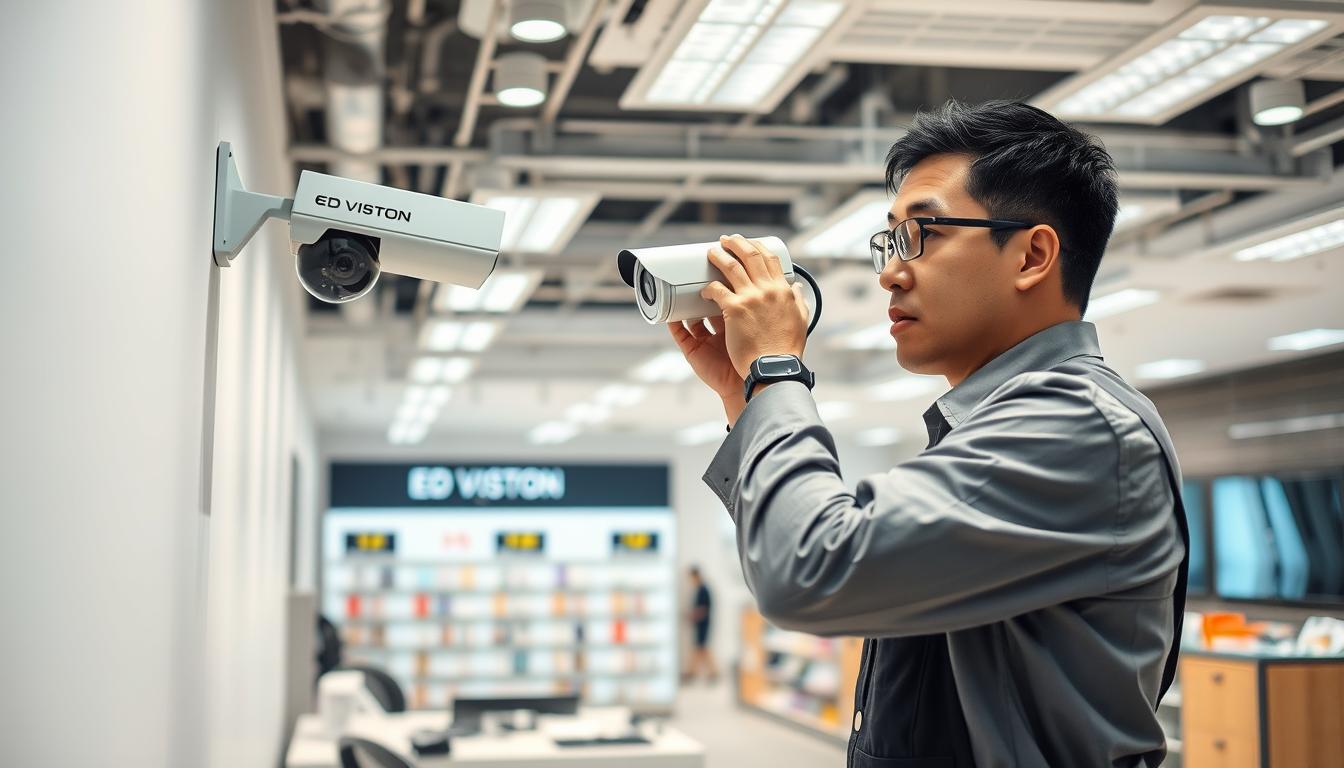
Business Security Camera System Installation Guide
Protecting your enterprise in Singapore is more important than ever. Threats like theft and vandalism continue to evolve, making proactive measures essential.
Modern surveillance technology does more than just watch. It actively deters crime while boosting workplace safety and operational flow.
This guide covers everything from choosing the right equipment to legal rules. We’ll explore how a proper setup can even improve staff output and customer trust.
Companies like ED Viston offer tailored solutions with the latest tech. Viewing this as a strategic investment pays off far beyond simple protection.
Key Takeaways
- Installing surveillance tech helps prevent theft and vandalism in Singapore.
- Modern systems improve safety and make operations run smoother.
- Choosing the right setup involves looking at types, features, and laws.
- Beyond safety, these systems can increase productivity and customer confidence.
- Professional services provide custom solutions and up-to-date technology.
- Security measures should be seen as a strategic investment, not just a cost.
- For details on expenses, check this commercial CCTV system cost guide.
Understanding the Critical Need for Business Surveillance
Singapore’s commercial environment presents unique protection requirements. The modern landscape demands more than traditional approaches to safeguarding assets.
Advanced monitoring solutions address these evolving challenges effectively. They provide comprehensive coverage while meeting specific operational needs.
The Growing Threat Landscape in Singapore
Commercial spaces face increasing risks from various sources. These include internal and external threats that can impact operations.
Recent data shows concerning trends across multiple industries. Proper monitoring helps identify and address vulnerabilities before they escalate.
Studies indicate over 67% of protection issues could be prevented with effective video monitoring
Visible surveillance equipment serves as a powerful deterrent. Research shows 60% of potential intruders avoid properties with obvious monitoring devices.
Tangible Benefits Beyond Theft Deterrence
Modern monitoring solutions offer advantages that extend far beyond theft prevention. These systems contribute to overall operational excellence and stakeholder confidence.
Employee productivity can improve significantly with proper oversight. Some organizations report up to 70% better performance with appropriate monitoring in place.
Insurance providers often offer reduced premiums for establishments with comprehensive protection systems. This creates immediate financial benefits alongside enhanced safety.
Remote access capabilities allow managers to oversee operations from anywhere. Real-time monitoring supports quick decision-making and rapid response to incidents.
Evidence collection becomes straightforward with modern recording systems. This proves valuable for legal matters and internal investigations alike.
Operational efficiencies improve through continuous oversight. Managers gain insights into workflow patterns and potential improvement areas.
Bloomberg research found a 22% reduction in theft incidents after implementing video monitoring, leading to 7% profit increases
These solutions represent strategic investments rather than mere expenses. They contribute to sustainable growth and long-term organizational resilience.
Exploring Types of Business Security Camera Systems
Choosing the right surveillance equipment requires understanding different options. Various cctv types serve distinct purposes in commercial environments.
Your selection impacts both coverage quality and operational efficiency. Proper setup ensures comprehensive monitoring without unnecessary complexity.
Indoor vs. Outdoor Cameras: Application and Purpose
Indoor units focus on internal activities and employee monitoring. They typically feature motion detection and sometimes audio recording capabilities.
These devices help maintain workplace discipline and document internal processes. Many models offer discreet designs that blend with office decor.
Outdoor cameras face different challenges than their indoor counterparts. They must withstand Singapore’s humid climate and occasional heavy rains.
Weather-resistant housing protects these units from environmental damage. Their primary role involves perimeter protection and deterring break-in attempts.
Infrared capabilities allow outdoor cameras to capture clear footage at night. This ensures continuous monitoring regardless of lighting conditions.
Wired vs. Wireless Systems: Stability vs. Flexibility
Wired configurations provide the most reliable connections available. They transmit data through physical cables unaffected by network congestion.
These setups require professional installation but deliver consistent performance. They excel in high-resolution applications where signal stability matters most.
Wireless cameras offer greater flexibility during deployment. Their setup proves simpler since they don’t need extensive cabling work.
These units rely on Wi-Fi networks which can sometimes experience interference. Some models operate on batteries while others need power outlets.
Modern wireless systems often include cloud storage options. This eliminates on-site recording equipment but may involve subscription fees.
“Wireless installations cost 40% less initially but may incur ongoing cloud service fees” – Surveillance Technology Review
Retail stores often benefit from mixed camera deployments. Indoor units monitor customer interactions while outdoor models watch entrance areas.
Warehouses might prefer wired systems for their expansive coverage needs. Smaller offices could opt for wireless solutions for easier reconfiguration.
Evaluate your physical layout before deciding on camera types. Consider blind spots, lighting conditions, and potential obstruction points.
The optimal approach frequently combines both wired and wireless components. This balances reliability needs with installation flexibility.
Essential Features for Your Commercial Security Cameras
Modern commercial surveillance demands specific technological capabilities to be truly effective. The right feature set transforms basic recording into comprehensive protection that serves multiple purposes.
Resolution and Image Quality: The Evidence Standard
High-definition recording sets the standard for usable evidence. Clear footage captures identifiable details like faces and license plates.
1080p resolution represents the minimum for most applications. 4K options provide exceptional clarity for larger spaces.
Superior image quality ensures footage remains admissible in legal proceedings. It also supports detailed incident review and analysis.
Night Vision and Motion Detection: 24/7 Vigilance
Continuous monitoring requires capabilities beyond daylight hours. Infrared technology enables clear recording in complete darkness.
Some models feature spotlight combinations that activate when movement occurs. This provides both color footage and visible deterrence.
Motion detection features significantly reduce false alarms. They focus attention on actual potential threats rather than constant monitoring.
Advanced systems can differentiate between human movement and other activity. This precision prevents unnecessary alerts from animals or weather events.
Remote Access and Monitoring: Control from Anywhere
Modern solutions offer viewing capabilities from any internet-connected device. Managers can check live feeds from smartphones or computers.
This accessibility enhances operational control and response times. Immediate visibility supports quicker decision-making during incidents.
Cloud storage options provide easy access to historical footage. Some systems include intelligent search functions through recorded material.
Remote monitoring users report 30% faster response times to incidents compared to traditional systems
Balance your feature choices with budget considerations. Most establishments find 1080p resolution sufficient for their needs.
Consider advanced options like AI integration for smarter motion detection. These technologies continue to evolve and offer increasingly sophisticated capabilities.
Navigating Legal Considerations for Installation in Singapore
Singapore’s surveillance regulations require careful attention to privacy laws. The Personal Data Protection Act (PDPA) governs how organizations handle personal information.
This framework ensures individual rights while allowing necessary monitoring. Proper compliance prevents legal issues and maintains trust.
Compliance with the PDPA (Personal Data Protection Act)
The PDPA sets clear rules for collecting and using personal data. Surveillance footage falls under this category when individuals appear identifiable.
Organizations must conduct privacy impact assessments before deployment. These evaluations identify potential risks and compliance gaps.
Data encryption protects stored recordings from unauthorized access. Secure storage methods prevent breaches and maintain integrity.
Violations can result in fines reaching $5,000 per incident. Repeated offenses lead to higher penalties and potential legal action.
Proper PDPA compliance reduces legal risks by 78% according to Singapore regulatory data
Consent and Notification Requirements for Businesses
Clear signage must notify people about active monitoring areas. Notices should be visible at all entry points and monitored zones.
Consent becomes crucial in areas with privacy expectations. Changing rooms and private offices require explicit permission for surveillance.
Special permissions apply to public space installations. HDB common areas need approval from town councils before setup.
- Post clear signs showing surveillance is active
- Obtain written consent for private area monitoring
- Limit data retention to 30 days maximum
- Use professional services familiar with local laws
Working with experienced installers ensures proper compliance. They understand Singapore’s specific requirements and approval processes.
Regular audits help maintain ongoing adherence to regulations. These checks verify proper signage placement and data handling procedures.
Following these guidelines protects both the organization and individuals. It creates a balanced approach to safety and privacy.
Initial Planning: Assessing Your Business’s Security Needs
Effective protection starts with thorough preparation. A detailed assessment ensures your investment addresses specific vulnerabilities while maximizing coverage.
This phase lays the foundation for everything that follows. Proper planning prevents costly mistakes and ensures optimal performance.
Conducting a Site Survey to Identify Vulnerabilities
A comprehensive site evaluation reveals critical information about your space. Professionals examine layout, lighting conditions, and potential blind spots.
They identify unmonitored entry points and dark areas that require attention. Traffic flow patterns help determine where monitoring proves most valuable.
High-value zones receive priority consideration during this process. These locations often contain sensitive materials or critical operations.
Advanced teams sometimes use 3D mapping technology for planning. This creates visual models that show coverage gaps before installation begins.
Proper site assessment reduces protection gaps by up to 40% according to industry studies
Documentation becomes crucial during this evaluation phase. Detailed notes and diagrams guide subsequent decisions and installations.
Determining the Optimal Number and Placement of Cameras
Coverage requirements depend on square footage and layout complexity. Larger spaces naturally require more units for comprehensive monitoring.
Strategic positioning focuses on critical access points and high-traffic zones. Entrances, exits, and valuable asset locations demand priority coverage.
Professional installers use coverage calculators to determine optimal counts. These tools consider field of view, resolution, and specific monitoring needs.
Future expansion possibilities should influence initial planning decisions. Scalable solutions accommodate growth without complete system overhauls.
Placement considerations include both visibility and discretion needs. Some locations benefit from obvious presence while others require subtle monitoring.
- Evaluate all entry and exit points for mandatory coverage
- Consider lighting conditions when choosing camera types
- Account for structural features that might create blind spots
- Plan for adequate storage capacity based on recording needs
This careful planning phase ensures your setup meets both current and future requirements. It transforms generic solutions into tailored protection strategies.
Selecting a Professional Business Security Camera System Installation Service
Finding the right team to handle your surveillance setup makes all the difference. Professional installers bring expertise that ensures optimal performance and compliance.
They understand technical requirements and local regulations. This knowledge prevents common mistakes and delivers reliable protection.
Key Factors for Vetting Installation Companies
Experience matters when choosing your service provider. Look for teams with proven track records in commercial projects.
Check their certifications like NSI Gold or SPF approval. These credentials indicate adherence to industry standards.
Customer reviews reveal real-world performance. Positive testimonials suggest reliable services and good support.
Warranty offerings range from three to five years typically. Longer coverage periods provide better long-term value.
Local expertise proves crucial in Singapore’s unique environment. Providers familiar with humid conditions ensure durable setups.
Companies with SPF certification resolve issues 50% faster than non-certified providers
Essential Questions to Ask Prospective Installers
Start by inquiring about their customization options. Every property has unique needs that require tailored solutions.
Ask about their installation process and timeline. Understanding their approach helps set realistic expectations.
Discuss maintenance support and response times. Fast local assistance prevents prolonged downtime.
Inquire about their technology expertise and equipment options. Updated knowledge ensures modern, effective solutions.
Request examples of previous commercial projects. Similar work demonstrates relevant experience.
Compare quotes carefully while looking beyond price. Consider service quality, equipment choices, and long-term maintenance plans.
Trusted providers like ED Viston or Wen Hong Engineering offer comprehensive services. Their local presence ensures quick response to any issues.
Proper selection helps avoid pitfalls like non-compliant setups. It also prevents inadequate coverage that might leave vulnerabilities.
This careful approach protects your investment and enhances property safety against potential theft.
The Professional Installation Process: A Step-by-Step Overview
Professional setup transforms your surveillance plan into reality. It ensures every component works perfectly together.
This process typically spans two to five days. The timeframe depends on property size and complexity.
Experts follow a structured approach from start to finish. Each phase builds upon the previous one.
The Importance of a Comprehensive Site Survey
A detailed site evaluation comes first. Professionals examine your entire property thoroughly.
They identify optimal positions for each unit. This prevents coverage gaps and blind spots.
Advanced teams use 3D mapping tools during planning. These tools create visual models of the area.
Wiring routes get planned for both aesthetics and function. Concealed or surface-mounted options get considered.
Proper assessment reduces protection gaps by up to 40%. This makes the initial survey incredibly valuable.
Documentation during this phase guides all subsequent work. Notes and diagrams ensure nothing gets overlooked.
Expert Camera Positioning and Mounting Techniques
Placement requires both technical knowledge and practical experience. Professionals consider many factors.
Optimal heights and angles ensure clear views. This avoids glare and covers high-traffic areas effectively.
PTZ units offer flexible monitoring for large spaces. Their movement capabilities provide wider coverage.
Mounting must withstand Singapore’s humid conditions. Proper sealing protects against moisture damage.
Network configuration happens during this phase. IP setups get integrated with existing infrastructure.
Testing follows completion of physical work. Stress checks verify reliability under various conditions.
Professional placement reduces blind spots by 40% compared to DIY setups
User orientation completes the process. Your team learns how to operate the new equipment.
This knowledge transfer ensures you can use all features. It also covers basic maintenance procedures.
Integration with cloud platforms or existing setups gets handled seamlessly. Experts manage these complex aspects.
Post-Installation Protocol: Testing and System Maintenance
Your surveillance investment requires ongoing attention to remain effective. Proper care ensures continuous protection and optimal performance.
Regular checks prevent unexpected failures and maintain video quality. They also extend equipment lifespan while reducing repair costs.
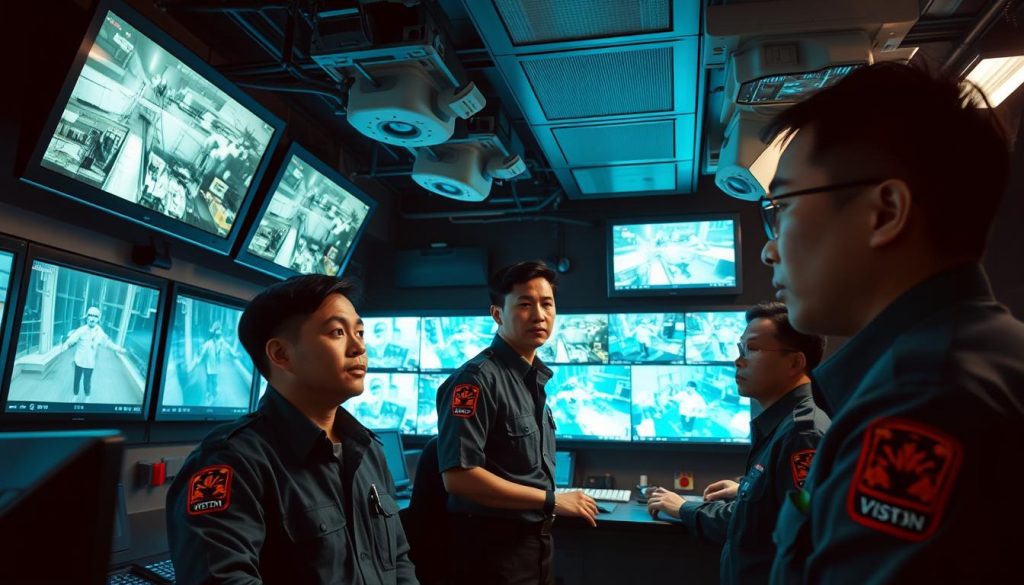
Implementing a Schedule for Regular Maintenance Checks
Create a quarterly inspection routine for all components. This includes lens cleaning and angle verification.
Check connectivity and storage systems during each visit. Ensure recordings remain accessible and properly backed up.
Firmware updates address vulnerabilities and add features. Schedule these during low-activity periods to minimize disruption.
Professional maintenance services cost between $7-$70 monthly per unit. This investment prevents costly replacements and downtime.
Regular upkeep reduces failure rates by 60% compared to neglected systems
Troubleshooting Common Technical Issues
Poor image quality often results from dirty lenses or incorrect settings. Regular cleaning and calibration resolve most problems.
Network issues can interrupt remote access and monitoring. Check router connections and bandwidth allocation first.
Motion detection errors may require sensitivity adjustments. Environmental factors like moving shadows can trigger false alerts.
Maintain 30-day footage retention for compliance and evidence needs. Expand storage capacity if recording periods seem insufficient.
- Document all maintenance activities in a dedicated log
- Train staff to perform basic diagnostics and cleaning
- Establish relationships with local technical support
- Budget for periodic upgrades and component replacements
Remote monitoring tools help identify issues before they become critical. They provide early warnings about failing components.
Professional support ensures quick resolution of complex problems. Local technicians understand Singapore’s specific environmental challenges.
This proactive approach to maintenance keeps your protection measures reliable and effective long-term.
Understanding the Cost of Business Security Camera System Installation
Budgeting for your surveillance project requires clear insight into both upfront and ongoing expenses. Smart financial planning ensures you get maximum value from your investment.
Many factors influence the final price. These include equipment quality, property size, and desired features.
Breaking Down Average Installation Costs in Singapore
Initial expenses typically range between SGD 1,500 and SGD 5,000 for most establishments. This variation depends on the scale and complexity of your needs.
Equipment represents a significant portion of the budget. Individual units range from SGD 100 to SGD 2,000 based on capabilities.
Labor adds another important component. Professional services generally charge SGD 100 to SGD 300 per device for proper setup.
Comprehensive setups typically pay for themselves through theft prevention within 18-24 months
Additional fees might include licensing or permit costs. Always request detailed quotes that itemize all potential charges.
Budgeting for Long-Term Upgrades and Recurring Expenses
Ongoing costs deserve equal attention during planning. These ensure your protection remains effective over time.
Cloud storage services typically cost SGD 10 to SGD 30 monthly per unit. This provides remote access and secure data retention.
Maintenance contracts help prevent unexpected failures. Regular check-ups keep everything functioning optimally.
Future upgrades should factor into your long-term financial strategy. Technology evolves rapidly, requiring occasional updates.
- Compare multiple detailed proposals before deciding
- Consider total ownership costs over a 5-year period
- Evaluate potential insurance discounts from improved protection
- Explore energy-efficient models to reduce operational expenses
Remote monitoring capabilities can reduce staffing needs. This creates additional savings beyond the initial investment.
Quality systems deliver returns that justify their costs. They protect assets while providing valuable operational insights.
Integrating Technologies: The Future of Business Security
Technological evolution is reshaping how organizations approach protection. Advanced solutions now offer capabilities far beyond traditional monitoring.
These innovations provide smarter, more responsive coverage. They transform passive observation into active threat management.
The Rise of AI and Smart Camera Innovations
Artificial intelligence brings unprecedented intelligence to surveillance equipment. Modern units can now recognize faces and analyze behavior patterns.
Smart motion detection reduces false alarms significantly. These systems distinguish between humans, animals, and environmental movement.
Predictive analytics help anticipate potential incidents before they occur. This proactive approach enhances prevention effectiveness.
AI-powered surveillance reduced false alerts by 85% in 2023 compared to traditional systems
Behavioral analytics identify unusual patterns that might indicate threats. This technology learns normal activity to spot deviations.
Automated alerts notify managers immediately when issues arise. This enables faster response times and better incident management.
Emerging Trends in Integrated Surveillance Solutions
Internet of Things connectivity allows seamless device integration. Surveillance equipment now communicates with other smart devices.
Cloud platforms enable centralized management from anywhere. Remote access becomes simpler and more comprehensive.
These integrated approaches combine multiple protection features. They create cohesive ecosystems rather than isolated components.
- IoT integration with environmental controls and entry systems
- Cloud-based storage and management platforms
- Mobile applications for real-time monitoring access
- Scalable architecture for future expansion needs
Enhanced cybersecurity measures protect connected devices from hacking. Data encryption and secure protocols safeguard sensitive information.
Retail chains successfully use these technologies for theft prevention. Their implementation demonstrates practical benefits in real-world scenarios.
Future-proof investments consider upgrade paths and compatibility. Choosing adaptable systems ensures long-term relevance and value.
These advancements represent the next generation of organizational protection. They offer smarter, more efficient solutions for modern challenges.
Why Local Expertise Matters for Singapore Installations
Selecting the right team for your surveillance setup goes beyond technical skills. It requires deep knowledge of Singapore’s unique conditions and regulations.
Local specialists bring invaluable insights that out-of-town providers simply cannot match. They understand everything from weather patterns to legal frameworks.
Addressing Singapore’s Unique Climate and Regulatory Environment
Singapore’s tropical climate presents specific challenges for electronic equipment. High humidity and frequent rainfall can damage improperly sealed devices.
Local experts select weather-resistant housing and corrosion-resistant components. They know which materials withstand constant moisture and heat.
The Personal Data Protection Act requires careful compliance measures. Professionals ensure proper signage placement and data handling procedures.
Locally-based teams reduce compliance violations by 62% compared to international providers
They navigate approval processes for public space installations smoothly. This includes HDB common areas and commercial building exteriors.
The Value of Fast Local Response Times and Support
Quick assistance becomes crucial when technical issues arise. Local providers typically respond within hours rather than days.
This rapid support minimizes system downtime and maintains continuous protection. Immediate attention prevents small problems from becoming major failures.
Companies like Wen Hong Engineering offer 24/7 local assistance. Their 13+ years of experience means they’ve encountered virtually every scenario.
SPF-certified installation teams adhere to strict quality standards. This certification indicates thorough training and reliable service.
- Local knowledge prevents weather-related equipment failures
- Familiarity with PDPA avoids legal complications and fines
- Quick response times address issues before they impact operations
- Established providers offer tailored solutions for specific needs
Retail chains report 45% faster issue resolution with local support teams. This directly translates to better theft prevention and smoother operations.
Choosing Singapore-based experts ensures your investment remains effective long-term. Their ongoing support adapts to changing needs and regulations.
Common Pitfalls to Avoid During Your Installation Project
Even the best equipment can fail if installed incorrectly. Many organizations make simple mistakes that compromise their entire protection strategy.
These errors often create coverage gaps or legal complications. Understanding common missteps helps prevent costly rework later.
Mistakes in Camera Placement That Create Blind Spots
Improper positioning remains the most frequent installation error. Units mounted too high miss crucial facial details.
Angles that are too low capture mostly ceilings or floors. Both extremes leave critical areas unmonitored.
Lighting conditions dramatically affect recording quality. Backlight from windows creates silhouettes instead of clear images.
Dark corners without infrared capability become complete blind spots. These areas often attract unwanted activity.
“Over 35% of retail theft occurs in poorly monitored sections despite camera presence”
Storage rooms and rear exits frequently get overlooked during setup. These locations require priority coverage.
Professional surveys identify these vulnerabilities before installation. They ensure comprehensive coverage across your entire property.
Underestimating Data Storage and Retention Needs
Insufficient storage capacity remains a surprisingly common issue. Many organizations lose critical evidence through automatic overwriting.
The formula GB/day = (Bitrate × 3600 × 24) / (8 × 1024) helps calculate needs accurately. This ensures adequate space for your retention period.
High-resolution footage consumes more space but provides clearer evidence. Balance quality requirements with practical storage limitations.
RAID configurations protect against data loss through drive failures. This redundancy proves invaluable for important recordings.
Singapore’s PDPA requires 30-day maximum retention for most footage. Plan capacity accordingly while maintaining compliance.
Cloud solutions offer scalable options for growing needs. They eliminate physical space concerns while providing remote access.
Regular audits ensure your system meets evolving requirements. Adjust capacity as your property expands or needs change.
Proper planning during initial setup prevents these storage shortcomings. It ensures continuous protection without data loss concerns.
Embracing a Secure Future for Your Singapore Business
Protecting your enterprise demands careful planning and smart choices. Modern monitoring solutions offer more than just watching. They provide peace of mind and operational benefits.
Investing in quality equipment reduces risks significantly. It also improves workplace safety and efficiency. Studies show returns often appear within 18-24 months.
Professional services ensure proper setup and compliance. Companies like ED Viston offer tailored approaches. Their expertise covers local regulations and technical needs.
Stay updated with emerging technologies like AI integration. Regular maintenance keeps your protection effective. This proactive approach adapts to evolving challenges.
View this as a strategic investment for long-term success. It builds customer trust and employee confidence. Your organization deserves comprehensive coverage.
FAQ
What is the most important factor when choosing cameras for evidence purposes?
Resolution and image quality are critical. High-definition footage ensures faces, license plates, and other details are clear enough for authorities to use.
Do I need to notify people they are being recorded in Singapore?
Yes. Under the PDPA, businesses must inform individuals through clear signage when CCTV surveillance is in operation in both public and private areas.
What’s the difference between a wired and wireless setup?
Wired systems offer greater stability and reliability for continuous recording, while wireless options provide easier installation and more flexibility for camera placement.
How often should a commercial surveillance system be maintained?
We recommend a professional check-up at least annually. Regular maintenance includes cleaning lenses, checking connections, and updating software to prevent issues.
Can I view my camera feeds remotely on my phone?
Absolutely. Modern systems with remote monitoring capabilities allow you to access live and recorded footage from anywhere using a secure mobile app or web portal.
Why is a site survey necessary before installation?
A thorough site survey identifies blind spots, determines optimal camera positions for maximum coverage, and assesses wiring needs, ensuring your system is effective from day one.
What are common mistakes made with camera placement?
Placing cameras too high, pointing them directly at light sources, or leaving critical access points like doors and cash registers without a clear view creates security gaps.
Does Singapore’s climate affect outdoor camera equipment?
Yes. The humidity and heat require cameras and housing with a high Ingress Protection (IP) rating to ensure they are weatherproof and continue functioning reliably.


