
Best Worksite Security Cameras: A Comprehensive Buyer’s Guide
Construction sites in Singapore face unique challenges when it comes to protecting valuable assets. Theft and unauthorized access can cause significant project delays and financial losses. This makes proper surveillance systems essential for any serious contractor.
Our comprehensive guide helps you navigate the complex world of site monitoring solutions. We break down the key factors to consider when selecting equipment for your specific project needs. Singapore’s regulatory landscape for video monitoring adds another layer of consideration.
Investing in quality surveillance technology offers clear benefits beyond theft prevention. These systems provide peace of mind and help ensure overall project safety. The right choice can ultimately save time and money while protecting your investment.
Key Takeaways
- Construction sites require specialized surveillance solutions to prevent theft and damage
- Singapore has specific regulations governing video monitoring on project sites
- Quality surveillance systems protect both assets and overall project timeline
- Different construction environments require different types of monitoring equipment
- Proper system selection involves considering both immediate and long-term project needs
- Investing in reliable surveillance technology provides significant cost-benefit advantages
- This guide will help you choose the right construction site surveillance cameras for your specific requirements
Why Construction Site Security in Singapore is Non-Negotiable
Unsecured construction zones in Singapore present protection gaps that require urgent solutions. These areas face threats that demand comprehensive protection strategies.
Singapore’s building landscape creates unique challenges. The urban environment mixes residential and commercial spaces. This increases exposure to potential incidents.
Statistics reveal the severity of the situation. Construction areas experience theft rates 400% higher than other commercial properties. This alarming figure highlights the critical need for robust protection measures.
Financial impacts are substantial. Sites lose approximately $500,000 annually to stolen materials and equipment. These losses directly affect project timelines and budgets.
“Proper protection isn’t an expense—it’s an investment in project continuity and success.”
Open layouts and multiple access points create vulnerability. These characteristics make perimeter control challenging. Unauthorized entry becomes easier without proper monitoring.
Singapore regulations mandate specific protection requirements. Compliance isn’t optional—it’s legally required. These rules ensure proper monitoring and data handling.
Worker safety depends on effective protection systems. These measures prevent accidents and ensure safe working conditions. Everyone benefits from well-managed sites.
Project delays from incidents cause significant cost overruns. Timely completion depends on uninterrupted operations. Protection systems help maintain project schedules.
The connection between robust protection and project success is clear. Effective management prevents disruptions and financial losses. This makes comprehensive protection essential for every construction project in Singapore.
The Alarming Cost of Theft and Vandalism on Job Sites
Singapore’s construction industry faces a silent epidemic of property crimes that significantly impact project viability. These incidents create financial drains that many companies underestimate until it’s too late.
Recent Statistics from Singaporean Construction Sites
Construction areas experience property crime rates that dwarf other commercial properties. Recent data shows a troubling 25% increase in theft incidents across Singapore’s building sector.
Annual losses approach $500,000 per site in stolen materials and equipment. Without proper protection measures, theft rates can reach nearly 60% of total material costs.
The most commonly targeted items include:
- Copper wiring and electrical components
- Power tools and heavy equipment
- Building materials like steel and lumber
- Fuel and construction chemicals
Multiple case studies from Singapore projects reveal patterns. Smaller thefts accumulate over time, creating massive financial impacts. Many companies don’t notice the pattern until quarterly reviews.
Understanding the Financial and Project Impact
Direct replacement costs represent only part of the financial damage. Project delays from material shortages create cascading effects on timelines.
Insurance premiums often increase after multiple claims. This hidden cost continues long after the initial incident. Companies face higher operational expenses for years.
“The true cost of site crimes includes lost productivity, delayed completion bonuses, and increased insurance costs that far exceed stolen item values.”
Worker morale suffers when sites experience repeated incidents. Productivity drops as teams wait for replacement materials. Safety risks increase when vandalism damages equipment or structures.
Proper risk management requires understanding these cumulative effects. Smart investment in protection systems pays for itself through prevented losses. Companies that grasp the full financial picture make better decisions.
The connection between comprehensive site management and project success becomes clear when examining these costs. Every dollar spent on prevention saves multiple dollars in potential losses.
How Worksite Security Cameras Act as Your First Line of Defense
Modern surveillance technology transforms how construction projects manage protection. These systems create an invisible shield around your entire operation. They provide constant vigilance without requiring physical presence.
Advanced monitoring solutions offer both prevention and documentation capabilities. They work around the clock to safeguard your investment. This dual approach makes them indispensable for any serious contractor.
Deterring Criminal Activity Before It Happens
Visible surveillance equipment creates a powerful psychological barrier. Potential intruders think twice when they spot monitoring devices. Studies show visible systems reduce criminal activity by 65% on construction sites.
The perception of constant observation prevents most incidents before they occur. Would-be offenders assume they’re being watched at all times. This mental barrier proves more effective than many physical barriers.
These systems document everything that happens on your property. They capture clear evidence of any unauthorized activity. This documentation supports prosecution and insurance claims.
Key benefits of the deterrent effect include:
- Reduced theft rates by up to 80% according to industry studies
- 78% of companies report less vandalism after installation
- Lower insurance premiums due to decreased risk profile
- Enhanced worker safety through documented compliance
“The best security incident is the one that never happens because the system prevented it.”
Enabling Remote Oversight and Management
Modern surveillance technology allows complete remote supervision. Managers can monitor multiple sites from a single location. This capability improves operational efficiency by 60%.
Real-time alerts notify management immediately when incidents occur. Instant notifications enable swift response to potential threats. This rapid reaction minimizes damage and loss.
These systems integrate seamlessly with other protection measures. They create a comprehensive network that covers all vulnerabilities. The combined approach delivers superior results.
Remote monitoring offers significant advantages over physical guards. It provides 24/7 coverage without fatigue or distraction. The cost savings compared to personnel can be substantial.
Modern systems send immediate alerts to designated managers. These notifications can include images and location data. This information enables informed decision-making in real-time.
The ability to supervise multiple locations simultaneously is invaluable. It allows centralized management of distributed operations. This efficiency translates directly to time and cost savings.
Surveillance systems serve both preventive and reactive functions. They stop incidents before they happen and document them when they occur. This dual capability makes them essential for modern construction management.
Key Features to Look for in Worksite Security Cameras
Selecting the right surveillance equipment requires understanding critical technical specifications. These features determine how well your system performs in real-world conditions. Smart choices here make all the difference in protection effectiveness.
Different construction environments demand different capabilities. Tropical climates and rough conditions test equipment durability. Your investment must withstand these challenges while delivering clear results.
Weather Resistance and Durability for Tropical Climates
Singapore’s tropical environment demands robust equipment construction. Heavy rainfall and high humidity can damage inferior products. Look for IP65 or higher ratings for proper weatherproofing.
Durable housing protects internal components from moisture and dust. Metal casings offer better impact resistance than plastic. These features ensure long-term reliability in harsh conditions.
Temperature tolerance matters in Singapore’s climate. Equipment should operate between -10°C to 50°C. This range covers both extreme heat and occasional cooler periods.
High-Definition Video Quality and Night Vision Capabilities
Clear evidence requires high-resolution video capture. HD 1080p represents the minimum acceptable standard today. Many professionals now prefer 4K resolution for critical areas.
Night vision technology enables 24/7 monitoring capability. Infrared LEDs provide illumination without visible light. Look for ranges exceeding 30 meters for adequate coverage.
Image quality affects identification accuracy. Higher resolution helps distinguish details like license plates. This evidence proves invaluable during investigations.
Remote Access, Live Streaming, and Mobile Alerts
Modern systems offer complete remote management capabilities. Cloud connectivity enables viewing from any internet-connected device. This flexibility revolutionizes site supervision.
Live streaming provides real-time situation awareness. Managers can check conditions without visiting the location. Immediate response becomes possible with current information.
Mobile alerts notify you of important events instantly. These notifications can include captured images and location data. Swift action prevents minor issues from becoming major problems.
Advanced AI Analytics and Motion Detection
Artificial intelligence enhances traditional motion detection significantly. Smart algorithms can distinguish between people, vehicles, and animals. This reduces false alarms by up to 40%.
Advanced analytics identify specific behaviors and patterns. The system can learn normal activity and flag anomalies. This proactive approach prevents incidents before they occur.
Different detection technologies serve various purposes. PIR sensors work well for human detection. Video analytics offer more sophisticated pattern recognition.
These features work together creating comprehensive protection. Each element supports the others in a complete system. Balanced investment across all areas delivers optimal results.
“The right combination of features transforms basic monitoring into intelligent protection that anticipates problems rather than just recording them.”
Cost considerations should balance immediate needs with long-term value. Higher initial investment often delivers better lifetime performance. Smart feature selection maximizes return on investment.
Understanding the Different Types of Security Cameras
Construction projects demand diverse surveillance solutions tailored to different monitoring requirements. Each camera type serves specific purposes across various site conditions. Smart selection ensures comprehensive coverage without unnecessary overlap.
Rugged Outdoor Cameras for Perimeter Surveillance
Outdoor monitoring requires equipment built for environmental challenges. These devices withstand Singapore’s tropical climate while providing clear footage. They form the first line of defense against unauthorized access.
Bullet cameras offer long-range visibility with weather-resistant housing. Their distinctive shape provides psychological deterrence. Many models feature infrared capabilities for night operation.
Dome cameras provide 360-degree coverage with vandal-resistant design. Their discreet appearance makes them less obvious to potential intruders. These are ideal for entry points and perimeter fencing.
“The right outdoor camera combination creates an invisible fence that protects your entire site boundary.”
Indoor Cameras for Monitoring Workspaces and Storage
Indoor areas require different approaches than exterior spaces. Storage locations and work areas need specialized monitoring solutions. These systems prevent internal losses and ensure worker safety.
Turret cameras offer flexible positioning for interior spaces. Their compact design allows installation in tight areas. Many feature wide-angle lenses for comprehensive coverage.
Fixed cameras provide constant monitoring of high-value storage zones. Their stationary nature ensures consistent coverage of critical areas. These are perfect for equipment rooms and material storage.
PTZ (Pan-Tilt-Zoom) cameras offer remarkable flexibility for large interior spaces. Operators can control them remotely to focus on specific areas. This technology is ideal for monitoring multiple work zones.
Thermal imaging cameras excel in low-light conditions common on sites. They detect heat signatures rather than relying on visible light. This makes them perfect for nighttime monitoring without artificial lighting.
ANPR (Automatic Number Plate Recognition) systems track vehicle movement. They automatically log license plates entering and exiting the site. This technology provides valuable data for access control.
Mixing camera types creates comprehensive coverage across all areas. Each device addresses specific monitoring needs within the overall system. Strategic placement maximizes effectiveness while minimizing costs.
Future trends include AI-powered analytics and solar-powered options. These advancements will further enhance construction site protection. Smart investment today prepares for tomorrow’s technological developments.
Proper installation considers both current and future project needs. Professional construction site surveillance systems ensure optimal performance across all camera types. Expert guidance helps select the right combination for your specific requirements.
Top-Rated Worksite Security Camera Brands and Models
Leading manufacturers offer specialized monitoring systems designed for challenging construction environments. These companies provide reliable equipment that meets the demanding needs of Singapore’s building projects.
Each brand brings unique strengths to site protection. Understanding these differences helps you make informed choices.
Hikvision: Robust Solutions with Advanced Analytics
Hikvision delivers comprehensive surveillance solutions built for tough conditions. Their product range includes models with 4G connectivity for remote sites.
Advanced analytics capabilities set this brand apart. The system can detect unusual activity patterns automatically.
Integration features allow seamless connection with other protection systems. This creates a unified monitoring network across your project.
Professional reviews consistently praise Hikvision’s reliability. The equipment withstands Singapore’s tropical climate exceptionally well.
Arlo Ultra 2: High-End Wireless Performance
Arlo Ultra 2 represents premium wireless tech for construction monitoring. It delivers stunning 4K UHD video quality with integrated spotlight.
Wireless performance exceeds industry standards. Installation becomes remarkably simple without cabling requirements.
The system’s high-end specifications include advanced night vision. This ensures clear footage around the clock.
Many construction companies appreciate the mobile app integration. Real-time alerts keep managers informed from anywhere.
Reolink Argus Series: Cost-Effective Wireless Options
Reolink Argus series offers excellent value for budget-conscious projects. These wireless options provide solid features at accessible prices.
The value proposition includes weather resistance and good battery life. These features make them suitable for temporary sites.
User experiences highlight easy setup and reliable performance. The systems work well for medium-sized construction projects.
Warranty and support considerations favor this brand for smaller operations. Integration capabilities allow future system expansion.
“The right brand choice depends on your specific project requirements and budget constraints.”
Comparison reveals distinct advantages for different site types. Large projects often benefit from Hikvision’s advanced features.
Smaller sites might prefer Reolink’s cost-effective approach. Mid-range projects frequently choose Arlo for balanced performance.
Specific model recommendations vary by site characteristics. Always consider warranty coverage and local support availability.
These surveillance solutions represent the best options available today. Each addresses different protection needs effectively.
Navigating Singapore’s Video Surveillance Regulations
Singapore’s regulatory landscape for construction site monitoring presents specific compliance challenges that project managers must navigate carefully. These rules ensure proper protection while respecting individual privacy rights.
Starting June 1, 2024, new requirements take effect for major construction projects. Projects exceeding $5 million must implement Video Surveillance Systems (VSS) meeting specific standards.
Mandatory VSS Requirements for Major Projects
The new regulations establish clear technical specifications for all monitoring systems. These standards ensure consistent quality and reliability across all construction sites.
Key technical requirements include:
- Minimum 1080p HD resolution for clear identification
- 12 frames per second minimum recording rate
- 30-day standard video retention period
- 180-day retention for incident footage
- Weather-resistant housing for outdoor equipment
- Secure data storage with access controls
Project managers must document compliance with these specifications. Proper documentation includes system specifications, installation records, and maintenance logs.
Compliance with the Personal Data Protection Act (PDPA)
The PDPA adds another layer of consideration for surveillance systems. This legislation protects individuals’ personal data collected through monitoring activities.
Key PDPA requirements affecting construction surveillance include:
- Clear signage notifying people of video monitoring
- Limited data collection to necessary purposes only
- Secure storage and transmission of recorded footage
- Strict access controls limiting who can view recordings
- Proper disposal procedures for outdated footage
“Balancing effective site protection with privacy considerations requires careful planning and professional guidance.”
Penalties for non-compliance can be substantial. Organizations face fines up to $1 million for serious PDPA violations. Additional penalties may apply for failing to meet VSS requirements.
Professional surveillance providers play a crucial role in ensuring compliance. They understand both technical requirements and legal obligations. Their expertise helps projects avoid costly violations.
Future regulatory trends may include enhanced AI monitoring restrictions. Singapore continues updating rules to address technological advancements. Staying informed about changes remains essential for project managers.
Proper system management involves regular compliance audits. These checks ensure ongoing adherence to all regulations. Documentation of these audits provides evidence of due diligence.
The relationship between effective protection and regulatory compliance is clear. Systems that meet all requirements provide better protection while avoiding legal issues. This dual benefit makes compliance investment worthwhile for any serious construction project.
The Strategic Advantages of Wireless Camera Systems
Modern construction projects benefit greatly from advanced wireless monitoring solutions. These systems offer unparalleled flexibility compared to traditional wired alternatives. They represent the latest in site protection tech.
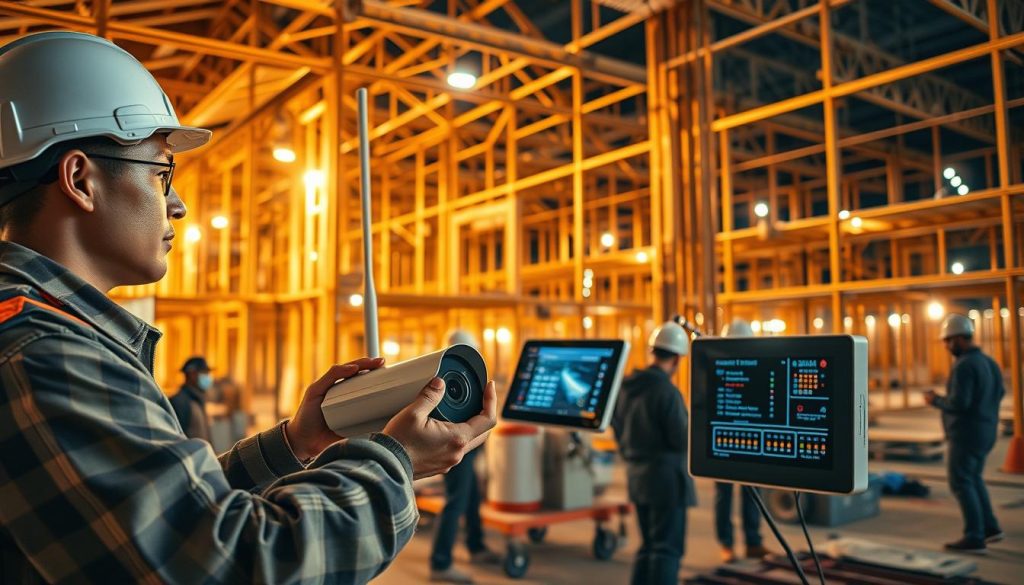
Wireless equipment eliminates complex wiring requirements. This simplifies the entire installation process significantly. Project managers appreciate the reduced setup time.
Flexibility, Ease of Installation, and Scalability
These systems adapt effortlessly to changing site layouts. You can reposition units as project phases evolve. This flexibility proves invaluable for dynamic construction environments.
Installation happens quickly without drilling or cabling. Most wireless units become operational within minutes. This speed reduces project downtime during setup.
Scalability represents another major advantage. You can start with a few units and expand as needed. This approach matches your protection needs to project growth.
“Wireless systems grow with your project, providing exactly the coverage you need when you need it.”
Solar-powered options work perfectly for sites without established power. They operate independently of electrical infrastructure. This feature makes them ideal for remote locations.
Connectivity solutions include 4G and satellite for areas without internet. These technologies ensure constant monitoring capability. They maintain protection even in challenging environments.
Cost-Effectiveness Compared to Wired Systems
Wireless security systems offer significant cost advantages. They eliminate expensive wiring and conduit installation. Labor costs drop dramatically without complex wiring needs.
These systems reduce protection expenses by up to 80% compared to human guards. The benefits include continuous coverage without fatigue issues. Automated monitoring proves more reliable than personnel.
Maintenance requirements are substantially lower than wired alternatives. Without physical cables, there are fewer components that can fail. This reliability translates to long-term savings.
Return on investment calculations show clear advantages. Most projects recover costs within six months through theft prevention. The financial benefits continue throughout the project lifecycle.
Integration with other protection technologies enhances overall management. Wireless systems work seamlessly with access control and alarm systems. This creates a comprehensive protection network.
Case studies demonstrate successful implementations across Singapore. Projects report improved oversight and reduced incidents. The technology has proven its value in real-world conditions.
Professional Installation Tips for Optimal Coverage
Proper positioning of surveillance equipment makes all the difference in construction site protection. Strategic placement ensures maximum visibility while creating strong psychological deterrence. These techniques help prevent incidents before they occur.
Every construction environment presents unique monitoring challenges. Singapore’s urban landscape requires careful consideration of sightlines and potential obstructions. Professional guidance ensures your system performs at its best.
Strategic Placement for Maximum Visibility and Deterrence
Entry and exit points demand priority monitoring. These locations see the most traffic and potential risks. Position units to capture clear facial recognition and vehicle details.
High-risk areas include material storage zones and equipment parking. These spots attract unwanted attention and require constant observation. Multiple angles provide comprehensive coverage.
Mounting height significantly impacts viewing quality. Nine feet offers the ideal balance between coverage and detail capture. This position minimizes tampering while maintaining clear sightlines.
Lighting conditions affect camera performance dramatically. Consider sun position throughout the day to avoid glare issues. Night illumination requires separate planning for infrared effectiveness.
Field of view calculations determine how many units you need. Wide angles cover more area but may sacrifice detail. Professional assessment balances these factors perfectly.
Ensuring Reliable Power and Connectivity On-Site
Construction sites often lack established power infrastructure. Temporary installations require robust solutions that withstand Singapore’s climate. Solar options work excellently for remote locations.
Connectivity challenges vary by project location. Urban sites may use WiFi while remote areas need 4G solutions. Redundant systems prevent monitoring gaps during outages.
Professional installation avoids common mistakes that compromise system reliability. Experts understand how to weatherproof connections and protect wiring. Their work ensures consistent operation through monsoon seasons.
Testing placement before final installation saves time and resources. Temporary mounts allow assessment of sightlines and coverage patterns. This process identifies blind spots before permanent commitment.
Integration with existing protection infrastructure enhances overall effectiveness. Modern systems communicate with access controls and alarm systems. This creates a seamless protection network across your project.
“Professional installation pays for itself through optimized performance and reduced maintenance needs.”
Temporary versus permanent installations require different approaches. Short-term projects benefit from wireless solutions with easy relocation. Long-term developments need more permanent wiring and infrastructure.
The value of expert guidance becomes clear during system operation. Properly installed equipment requires less maintenance and delivers better results. This investment protects your broader project investment effectively.
Maintaining Your Security System for Long-Term Reliability
Regular maintenance transforms good security systems into reliable long-term partners for your project. Consistent care ensures your investment continues protecting assets effectively. This approach prevents unexpected failures during critical moments.
Research shows 83% of surveillance issues stem from poor maintenance practices. Monthly checks catch problems before they become serious. This proactive approach saves time and money while maintaining protection.
Routine Checks and Cleaning Schedules
Dusty construction environments demand special cleaning procedures. Camera lenses require gentle wiping with appropriate cleaning solutions. This maintains clear image quality despite challenging conditions.
Functionality checks should verify all aspects of system operation. Test recording quality, motion detection, and remote access capabilities. Document these checks for compliance and tracking purposes.
Wireless systems need battery maintenance attention. Regular power checks prevent unexpected shutdowns. Solar panels require cleaning for optimal charging efficiency.
Recording equipment and storage systems need periodic verification. Ensure adequate storage space and proper data management. This prevents loss of critical footage when needed most.
“Preventative maintenance costs less than emergency repairs and ensures your system works when incidents occur.”
Troubleshooting common issues quickly resolves minor problems. Learn to identify typical warning signs of system degradation. This knowledge helps address issues before they escalate.
Professional maintenance services handle complex technical problems. They bring specialized expertise for advanced system components. Their intervention ensures optimal performance of sophisticated tech.
Importance of Firmware and Software Updates
Regular updates significantly improve system security and functionality. Manufacturers release patches addressing vulnerabilities and adding features. Staying current protects against emerging threats.
Update procedures should follow manufacturer recommendations precisely. Create a schedule for checking and applying available updates. Test updates in controlled environments before full deployment.
Documentation requirements include tracking all maintenance activities. Keep records of updates, checks, and repairs performed. This documentation supports warranty claims and compliance audits.
Proper maintenance extends system lifespan dramatically. Well-maintained equipment delivers reliable performance for years. This approach maximizes return on your protection investment.
Your project’s specific needs determine maintenance frequency and intensity. High-value sites may require weekly checks instead of monthly. Tailor your approach to match risk levels and environmental conditions.
Finding the Right Security Provider in Singapore
Choosing the perfect protection partner makes all the difference for your construction project’s safety. The right company brings local knowledge and technical expertise that generic providers cannot match. This decision affects your project’s protection for its entire duration.
Singapore’s unique environment demands specialized understanding. Local providers know the climate challenges and regulatory requirements. They offer tailored solutions that work in real-world conditions.
Evaluating Local Expertise and Support Services
Experience with construction sites separates excellent providers from average ones. Ask about their portfolio of similar projects in Singapore. Look for case studies showing successful implementations.
Local knowledge matters for compliance and practical installation. Providers must understand Singapore’s PDPA regulations and building codes. This expertise prevents legal issues and ensures proper system operation.
Key evaluation factors include:
- Years of experience with construction site protection systems
- Understanding of Singapore’s specific climate challenges
- Knowledge of local regulations and compliance requirements
- Track record with projects of similar size and complexity
- Availability of Singapore-based technical support teams
Emergency response capabilities prove crucial during incidents. Ask about their average response time for urgent issues. Ensure they offer 24/7 support for critical situations.
Integration services help connect new systems with existing infrastructure. The right provider should demonstrate experience with various technology platforms. This ensures smooth operation across all your protection measures.
Questions to Ask Before You Buy
Thorough questioning reveals a provider’s true capabilities and reliability. Prepare a list of specific concerns based on your project’s unique needs. This approach helps you compare different options objectively.
Warranty coverage varies significantly between providers. Ask about duration, what’s covered, and response time for claims. Understand the process for equipment replacement or repair.
Service level agreements define the relationship clearly. Request sample contracts to review response times and performance guarantees. Look for measurable metrics rather than vague promises.
“The right questions reveal whether a provider offers real solutions or just sells equipment.”
Training offerings ensure your team can use the system effectively. Ask about onboarding sessions and ongoing support resources. Well-trained staff maximize the system’s benefits.
Reference checking provides real-world validation of their claims. Request contact information for recent clients with similar projects. Speaking directly with current customers offers invaluable insights.
Cost structures should be transparent and understandable. Ask about all potential fees beyond the initial installation price. Understand maintenance costs and any recurring charges.
Reputable local providers like Wen Hong (+65 60135960) and ED Viston (+65 8313 4578) offer specialized construction expertise. These professionals understand Singapore’s unique requirements and can provide tailored solutions.
Remember that the cheapest option rarely provides the best value. Quality service and reliable support justify higher investment. Your project’s protection deserves the best available management.
The right partnership extends beyond equipment installation. It becomes an ongoing relationship that supports your project’s success. Choose companies that demonstrate commitment to your specific requirements.
Analyzing the Cost Versus the Return on Investment
Smart financial planning separates successful construction projects from struggling ones. Protection technology investments require careful evaluation of both immediate expenses and long-term value. This analysis proves crucial for making informed decisions about your site’s protection strategy.
Many companies focus only on upfront cost when considering surveillance systems. This approach misses the bigger picture of total financial impact. Comprehensive analysis reveals the true value proposition.
Upfront Costs vs. Long-Term Savings on Losses and Insurance
Initial investment varies significantly based on project size and complexity. Basic wireless systems start around $2,000 for smaller sites. Larger installations with advanced features can reach $15,000 or more.
These expenses include equipment, installation, and initial configuration. Professional setup ensures optimal performance from day one. This investment immediately begins delivering returns.
Theft prevention represents the most significant financial benefit. Quality security solutions reduce material losses by up to 80%. This protection directly impacts your bottom line.
Insurance premium reductions provide ongoing savings. Providers offer discounts up to 20% for sites with certified surveillance systems. These savings continue throughout the project lifecycle.
Calculating potential savings involves analyzing historical loss data. Many companies discover their investment pays for itself within six months. The financial benefits accumulate rapidly after that point.
“The most expensive security system costs less than the cheapest theft incident.”
How Security Cameras Improve Overall Operational Efficiency
Remote monitoring capabilities transform project management approaches. Supervisors can oversee multiple locations simultaneously. This efficiency improvement reaches 60% according to industry studies.
Reduced need for physical guards creates substantial labor savings. Automated systems provide 24/7 coverage without breaks or distractions. This reliability surpasses human capabilities.
Documentation benefits extend beyond theft prevention. Recorded footage helps resolve disputes and verify work progress. This evidence proves invaluable for quality control and accountability.
Operational decisions improve with better site visibility. Managers make informed choices based on real-time conditions. This leads to smarter resource allocation and scheduling.
Case studies from Singapore projects demonstrate clear patterns. Sites with comprehensive protection experience fewer delays and disruptions. This consistency translates to better client relationships and reputation.
The connection between investment protection and overall project success becomes undeniable. Every dollar spent on prevention saves multiple dollars in potential losses. This makes surveillance technology one of the smartest investments any construction company can make.
Making an Informed Decision for Your Project’s Security
Choosing the right protection system requires careful thought about your specific construction needs. Every project has different monitoring requirements based on size and location.
Focus on features that match your site’s unique challenges. Consider weather resistance and remote access capabilities. Balance your budget with essential protection benefits.
Professional consultation helps create a comprehensive implementation plan. Train your team to use the surveillance systems effectively. Regular evaluation ensures ongoing protection improvement.
Investing in quality monitoring technology protects against theft and delays. This decision directly impacts your project’s success and financial outcomes.
FAQ
What makes a good construction site camera system?
Look for durable, weatherproof models with HD video, night vision, and remote access. AI-powered motion alerts and strong mobile app support are also key.
Are wireless systems reliable for outdoor use?
Yes. Modern wireless options offer strong performance, easy setup, and flexibility. They work well even in challenging environments.
Do I need special permissions to install surveillance on site?
In Singapore, you must follow VSS guidelines for major projects and comply with PDPA rules for data privacy. Always check current regulations.
How do these systems help reduce theft and vandalism?
Visible cameras deter crime. They also provide evidence if incidents occur, helping with investigations and insurance claims.
Can I monitor my site remotely?
Absolutely. Most modern systems offer live streaming, mobile alerts, and cloud storage. This allows real-time oversight from anywhere.
What’s the average cost for a solid setup?
Costs vary based on features and scale. However, investing in quality equipment often leads to long-term savings by preventing losses.
How often should maintenance be performed?
Regular checks—monthly or quarterly—are advised. Keep lenses clean, update software, and test all components to ensure reliability.
Which brands are trusted in the industry?
Hikvision, Arlo, and Reolink are popular choices. They offer robust performance, good analytics, and strong customer support.


