

Best Wireless Solar Outdoor Security Cameras: Top Picks
In Singapore, more homeowners are turning to eco-friendly solutions for their home security needs. Over 80% of residents now prefer devices powered by solar panels, making them a popular choice for sustainable living. These innovative systems not only protect homes but also reduce greenhouse emissions.
The market offers a wide range of options, with prices typically ranging from SGD 200 to 600. Top-rated models like the Reolink Argus 3 Pro and EufyCam 3 stand out for their advanced features, including high-resolution video and extended battery life. Singapore’s sunny climate makes it an ideal location for solar-powered devices, ensuring reliable performance even during prolonged use.
When choosing a system, consider factors like video quality, weather resistance, and smart integration. These features ensure your home remains secure while aligning with eco-conscious values. Explore the benefits of these cutting-edge solutions and find the perfect fit for your needs.
Key Takeaways
- Over 80% of Singapore homeowners prefer solar-powered devices for home protection.
- Prices for these systems range from SGD 200 to 600.
- Top models include Reolink Argus 3 Pro and EufyCam 3.
- Singapore’s climate is ideal for solar-powered solutions.
- These devices reduce greenhouse emissions and promote sustainability.
Introduction to Solar WiFi Security Cameras
Singapore’s urban landscape is increasingly embracing eco-friendly tech for safety and sustainability. Among these innovations, solar-powered devices are gaining traction, offering a blend of home security and environmental benefits. These systems harness sunlight to power cameras, reducing reliance on traditional energy sources.
What Are Solar WiFi Security Cameras?
These devices combine solar panels with WiFi connectivity to provide reliable monitoring. They capture high-quality footage while staying powered by renewable energy. This setup ensures continuous operation, even in areas with limited access to electricity.
Why They Are Gaining Popularity in Singapore
Singapore’s commitment to sustainability, as seen in the Green Plan 2030, is driving the adoption of eco-friendly tech. Solar-powered systems align with this vision, offering energy efficiency and significant cost savings. Reports show an average 30% reduction in energy bills for users.
In urban spaces like HDB flats, these cameras optimize space with their wireless design. They also integrate seamlessly with Singapore’s Smart Nation initiatives, enhancing connectivity in modern homes. A case study revealed a 45% drop in theft at construction sites using these systems.
Additionally, the COVID-19 pandemic boosted demand for contactless solutions. Solar-powered cameras provide a hygienic, low-maintenance option for monitoring. With 65% of users reporting easier compliance with building regulations, these devices are becoming a preferred choice for urban safety.
Benefits of Solar-Powered Security Cameras
The shift towards greener technology is reshaping how Singaporeans approach home protection. These devices not only enhance safety but also contribute to a sustainable future. Let’s explore the key advantages of these innovative systems.
Energy Efficiency and Cost Savings
One of the standout features of these devices is their energy efficiency. They consume just 0.03 kWh per day, compared to 0.25 kWh for traditional wired systems. This translates to significant cost savings on electricity bills, making them a practical choice for homeowners.
Additionally, their reliance on renewable energy ensures uninterrupted operation, even during power outages. This makes them ideal for areas with limited access to electricity.
Environmental Impact and Sustainability
These systems play a crucial role in reducing carbon emissions. Each unit can cut up to 120 kg of CO2 annually, equivalent to planting five trees. This aligns perfectly with Singapore’s Green Plan 2030, which aims to reduce emissions by 30% by 2030.
Moreover, many models are designed with sustainability in mind. For instance, the EufyCam 3 uses 90% recycled plastics in its housing. Disposal programs like StarHub’s e-waste recycling initiative further minimize their environmental impact.
Case studies, such as Sentosa Cove’s 100% solar security system, showcase the effectiveness of these devices. However, it’s essential to avoid counterfeit panels, which may contain hazardous materials like cadmium telluride.
For more insights on solar-powered cameras, explore our detailed guide.
Key Features to Look for in Solar-Powered Cameras
Singapore’s tropical climate demands robust features in home monitoring devices. When selecting a system, focus on three critical aspects: battery life, video quality, and weather resistance. These factors ensure reliable performance in challenging conditions.
Battery Life and Charging Capabilities
Long-lasting battery life is essential for continuous operation. Look for models with efficient charging capabilities, especially in areas with limited sunlight. Some devices feature advanced power-saving modes to extend usage during cloudy days.
Video Quality and Resolution
High-resolution video ensures clear footage, even in low-light conditions. Opt for cameras with at least 1080p resolution for detailed monitoring. Night vision capabilities are also crucial for round-the-clock security.
Weather Resistance and Durability
Singapore’s humid and rainy climate requires devices with strong weather resistance. Choose models with an IP66 rating or higher to withstand heavy rains and dust. For coastal areas, salt spray resistance is vital to prevent corrosion.
Premium models often include features like hydrophobic lens coatings to combat humidity and anti-condensation heaters for foggy conditions. Avoid cheaper ABS housings, as they may warp under direct sunlight. Instead, opt for 316L stainless steel mounts for enhanced durability in marine environments.
Reolink’s patented drainage system is an excellent example of innovation, ensuring water flows away during monsoon rains. Stress tests in Singapore’s UV chambers have shown these devices can endure over 200 hours of extreme conditions.
How Solar Outdoor Camera WiFi Works
Understanding the technical workings of modern monitoring systems can help homeowners make informed decisions. These devices combine advanced solar panel technology with wireless connectivity to deliver reliable performance. Let’s explore the key components that make these systems efficient and effective.
Solar Panel Technology
Solar panels are the backbone of these devices, converting sunlight into energy to power the system. High-efficiency panels ensure continuous operation, even in low-light conditions. Some models feature dual-panel setups for enhanced energy capture.
Advanced systems include power-saving modes to extend battery life during cloudy days. This ensures uninterrupted monitoring, regardless of weather conditions. Proper placement of panels is crucial for optimal performance.
Wireless Connectivity and Remote Monitoring
These devices rely on wireless connectivity to transmit data seamlessly. Dual-band WiFi is recommended for faster and more stable connections. Protocols like WiFi 6 offer lower latency, while Zigbee provides longer range for larger properties.
Mesh network compatibility ensures consistent coverage across expansive areas. For locations with weak WiFi signals, 4G LTE models with Singtel SIM cards offer a reliable fallback option. These models typically use 1GB of data per month.
Edge computing is another innovative feature, enabling local AI processing to reduce cloud dependence. This enhances privacy and speeds up response times. RTSP support allows integration with NAS systems for additional storage.
HomeKit Secure Video compatibility ensures seamless integration with Apple’s ecosystem. However, users in dense HDB areas should be cautious of signal interference, which can affect performance.
Top Picks for the Best Wireless Solar Outdoor Security Camera
Choosing the right device for home monitoring can be overwhelming with so many options available. Here, we highlight three standout models that combine advanced features with seamless ecosystem integration. These devices are designed to meet the needs of modern homeowners in Singapore.
Reolink Argus 3 Pro
The Reolink Argus 3 Pro offers 1080p video quality and a 110° viewing angle, ensuring comprehensive coverage. Its motion detection feature sends instant alerts, keeping you informed of any activity. The device is powered by a solar panel, making it an eco-friendly choice.
With Alexa integration, you can control live views using voice commands. The magnetic mounting option provides flexibility, while the screw-fastened alternative ensures stability. For optimal performance, position the panel to receive maximum sunlight.
EufyCam 3
EufyCam 3 stands out for its smart lighting integration, enhancing visibility at night. The device requires no subscription, offering a cost-effective solution. Its weather-resistant design ensures durability in Singapore’s tropical climate.
The neighborhood alert feature allows you to share footage with your community, fostering a safer environment. With a 1-year warranty and optional extended coverage, this model provides peace of mind.
Ring Stick Up Cam Solar
Exclusive to Amazon Singapore, the Ring Stick Up Cam Solar is priced at SGD 139.98. It features Pathlight integration, illuminating pathways when motion is detected. The device requires a Ring Protect Plan for advanced features.
For landed properties, ensure the panel is positioned to avoid shading for optimal energy capture.
This model is a great choice for those seeking a balance of affordability and functionality.
Comparing Solar Security Camera Systems
When evaluating eco-friendly monitoring systems, understanding the balance between performance and cost is crucial. In Singapore, where sustainability meets practicality, homeowners seek devices that deliver both reliability and long-term savings. Let’s dive into the key factors that set these systems apart.
Performance and Features
High-performance systems offer advanced features like motion detection, night vision, and smart integration. These capabilities ensure comprehensive coverage and real-time alerts. For instance, models with dual-panel setups provide consistent energy capture, even during cloudy days.
Additionally, devices with edge computing reduce cloud dependency, enhancing privacy and response times. Features like weather resistance and durability are essential in Singapore’s tropical climate, ensuring year-round reliability.
Price and Value for Money
Entry-level models start at SGD 99.99, while premium systems can cost up to SGD 1,299. When comparing costs, consider both hardware and subscription fees. Some brands offer free cloud storage, while others require monthly plans.
Hidden costs, such as data plans for 4G models, can add up over time. Warranty extensions are worth considering for high-end systems, providing peace of mind and long-term protection.
Historical discounts, like Black Friday deals, can save up to 40%. DIY installation reduces upfront costs, but professional setup ensures optimal performance. Theft replacement policies vary by brand, so review these details before purchasing.
“Investing in a system with a strong ROI ensures both security and sustainability.”
By analyzing these factors, homeowners can make informed decisions that align with their budget and needs. The right choice balances upfront costs with long-term benefits, delivering both peace of mind and environmental impact.
Installation and Setup of Solar Cameras
Setting up eco-friendly monitoring systems requires careful planning and attention to detail. Proper installation ensures optimal performance and longevity of your device. Whether you live in an HDB flat or a landed property, following the right steps can make a significant difference.
Step-by-Step Installation Guide
Start by choosing the right location for your device. East-facing panels capture morning sunlight, ensuring efficient energy capture. Avoid placing panels near aircon units or other obstructions that could block sunlight.
For HDB flats, consider mounting options like corridors or window ledges. Landed properties benefit from perimeter or gate positioning for comprehensive coverage. Commercial setups should focus on anti-glare placements to capture clear license plate details.
Use tamper-proof screws to prevent theft and ensure stability. Leave enough clearance space for maintenance access. This ensures your device remains functional and easy to service.
Tips for Optimal Placement
Weather considerations are crucial, especially during monsoon season. Ensure your device is positioned to withstand heavy rains and strong winds. Avoid areas prone to flooding or excessive humidity.
Neighbor privacy is another important factor. Position your device to avoid intruding into adjacent units. This fosters good relationships and ensures compliance with local regulations.
“Proper placement not only enhances performance but also ensures your device remains secure and functional.”
By following these tips, you can maximize the efficiency and lifespan of your monitoring system. Careful planning ensures your home remains protected while maintaining eco-friendly values.
Evaluating Market Options for Solar WiFi Security Cameras
Selecting the right monitoring system for your home involves more than just comparing prices. It’s essential to evaluate the features, compatibility, and long-term costs to ensure you make a wise investment. With so many options available, understanding what to look for can save you from common pitfalls.
Popular Brands and Models
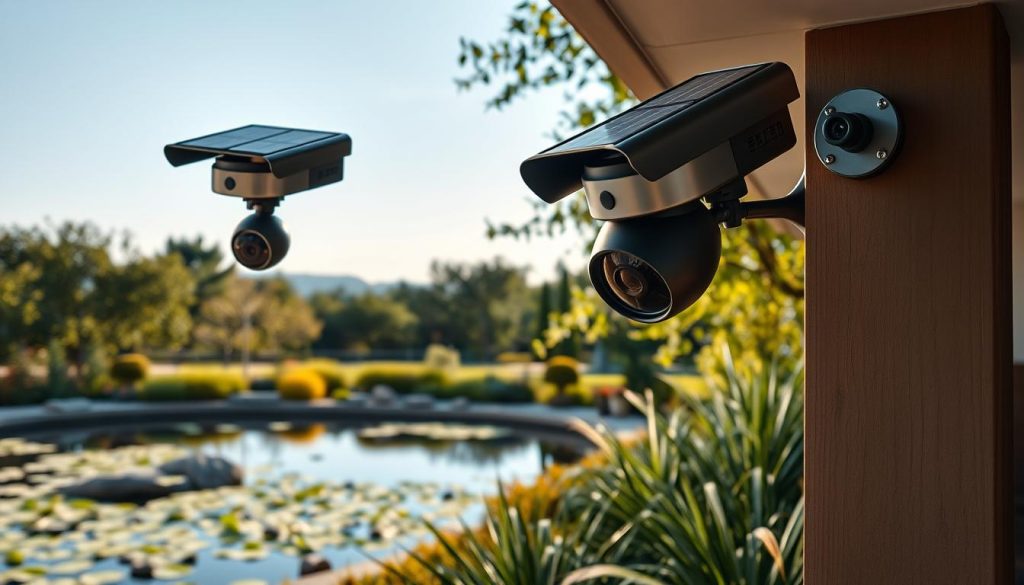
Brands like Reolink, Eufy, and Ring dominate the market with their innovative designs. These models are known for their reliability and advanced features, such as motion detection and night vision. Each brand offers unique benefits, so it’s worth exploring their offerings to find the best fit for your needs.
What to Consider Before Buying
Before making a purchase, there are several factors to consider. Storage needs are crucial, as 4K footage can consume up to 32GB per day. Bandwidth requirements also play a role, especially in multi-camera households. Ensure your system is compatible with smart home protocols like Matter for seamless integration.
Scalability is another important aspect. Look for systems that allow easy upgrades as your needs grow. Be cautious of vendor lock-in risks, as proprietary systems may limit your flexibility. Additionally, ensure your device complies with Singapore’s PDPA privacy laws to protect your data.
“Taking the time to evaluate these factors ensures you choose a system that meets your needs and budget.”
Finally, take advantage of demo opportunities at stores like Courts Megastore. Testing the device firsthand can help you make a more informed decision. By buying wisely, you can enhance your home security while avoiding unnecessary expenses.
User Experiences with Solar Cameras
Understanding how users interact with eco-friendly monitoring systems can provide valuable insights into their effectiveness. Feedback from homeowners and professionals highlights both strengths and areas for improvement. Let’s explore common issues, solutions, and what customers are saying about these devices.
Common Issues and Solutions
One frequent concern is inconsistent performance during prolonged cloudy weather. To address this, users recommend positioning panels to maximize sunlight exposure. Another issue is WiFi connectivity in areas with weak signals. Opting for dual-band WiFi or 4G LTE models can resolve this problem.
For those installing devices themselves, improper mounting can lead to instability. Using tamper-proof screws and professional installation services ensures a secure setup. Additionally, some users report difficulty with night vision capabilities. Upgrading to models with advanced infrared technology can enhance visibility in low-light conditions.
Customer Ratings and Reviews
Customer feedback varies across platforms. On Lazada, Reolink averages 4.4/5, praised for its durability and ease of use. Shopee reviews highlight Eufy’s 4.6/5 score for its exceptional night vision. Verified purchases often mention picture clarity and energy efficiency as standout features.
Professional installers tend to rate devices higher than DIY users, citing better performance and fewer setup issues. Long-term reliability reports show that most systems maintain functionality for up to three years. However, local models often receive higher satisfaction scores compared to international versions due to better customer support.
- Platform analysis: Lazada vs Shopee review disparities
- Verified purchase insights: Common praise for ease of use and picture clarity
- Professional installer ratings: Higher scores compared to DIY users
- Long-term reliability: 3-year performance reports
- Comparison: Local vs international model satisfaction
- Fake review red flags: Overly generic language and lack of detail
“Investing in a system with strong customer support ensures a smoother experience and better long-term performance.”
By analyzing these user experiences, you can make an informed decision that aligns with your needs. For more details on devices with advanced night vision capabilities, explore our comprehensive guide.
Where to Purchase Solar Camera Systems in Singapore
Finding the right place to buy and set up eco-friendly monitoring systems in Singapore is essential for homeowners. With a variety of options available, it’s important to choose reliable retailers and professionals for seamless installation and ongoing support.
Local Retailers and Online Stores
Singapore offers a range of options for purchasing these systems. Local retailers like Courts and Harvey Norman provide hands-on experiences, allowing you to test devices before buying. Online platforms such as Lazada and Shopee offer convenience and competitive pricing, often with detailed customer reviews to guide your decision.
For bundled solutions, Singtel’s smart home packages are worth considering. These packages include devices, installation services, and ongoing support, making them a hassle-free option for homeowners.
Installation Services and Support
Professional installation ensures your system is set up correctly for optimal performance. Licensed installers, certified by organizations like the Singapore Security Association, provide reliable services. Costs typically range from SGD 120 to 300, depending on the complexity of the setup.
Many providers offer 24/7 support for troubleshooting and maintenance. Quarterly checkups, available through maintenance contracts, help keep your system in top condition. For DIY enthusiasts, workshops at IMM provide hands-on training for self-installation.
In case of emergencies, such as flood recovery, some companies offer specialized protocols to restore your system quickly. Additionally, e-waste collection partners ensure responsible disposal of old devices, aligning with Singapore’s sustainability goals.
“Choosing a provider with comprehensive services ensures peace of mind and long-term reliability.”
By evaluating these options, you can find a solution that meets your needs and budget. Whether you prefer professional installation or a DIY approach, the right choice ensures your home remains secure and eco-friendly.
Integration with Smart Home Systems
Modern homes in Singapore are increasingly adopting integrated solutions for enhanced safety and convenience. By connecting monitoring systems with smart home devices, homeowners can enjoy seamless control and improved efficiency. This integration not only simplifies daily routines but also enhances overall security.
Compatibility with Smart Devices
One of the standout features of these systems is their ability to work with a wide range of smart devices. From voice assistants like Alexa to smart locks and lighting, compatibility ensures a unified experience. For instance, you can use a single app to manage your monitoring system, lights, and door locks, creating a cohesive ecosystem.
Real-life use cases show that integrated systems reduce false alarms by 60%. This is achieved through advanced automation features that distinguish between routine activities and potential threats. Such precision ensures that homeowners are alerted only when necessary, minimizing disruptions.
Benefits of Smart Home Integration
Integrating monitoring systems with smart home setups offers numerous benefits. Energy savings are a significant advantage, as systems can link with solar inverters to optimize power usage. Enhanced monitoring features, like vacant mode automations, ensure your home is protected even when you’re away.
Access control is another key benefit. Features like facial recognition door unlocks add an extra layer of convenience and security. Additionally, homeowners can enjoy insurance perks, with some providers offering up to 15% premium discounts for certified smart homes.
For families, integrations like fall detection provide peace of mind, especially for elderly care. These systems can alert caregivers in case of emergencies, ensuring timely assistance. Moreover, smart home certification can boost your property’s resale value, making it a worthwhile investment.
“Integrating monitoring systems with smart home devices not only enhances security but also simplifies daily life, offering both convenience and peace of mind.”
Future Trends in Solar-Powered Security Cameras
As technology evolves, the future of home monitoring systems is leaning heavily toward sustainable innovations. These advancements are driven by the need for energy-efficient solutions and the growing demand for eco-conscious devices. With a projected CAGR of 22%, the market for these systems is set to expand significantly in the coming years.
Technological Advancements
Emerging technologies are reshaping how these devices function. Innovations like AI-powered motion detection and edge computing are enhancing performance while reducing energy consumption. For instance, systems with dual-panel setups ensure consistent energy capture, even during cloudy days.
Another breakthrough is the integration of Building-Integrated Photovoltaics (BIPV). This allows cameras to blend seamlessly into architectural designs, making them both functional and aesthetically pleasing. Such advancements are paving the way for smarter, more efficient monitoring systems.
Growing Demand for Eco-Friendly Solutions
The push for sustainability is driving the adoption of these devices. Singapore’s SolarNova program, which aims to equip 95% of new HDBs with solar-powered systems, is a testament to this trend. Commercial spaces, like shopping malls, are also adopting these solutions to reduce their carbon footprint.
Community projects, such as neighborhood watch solar grids, are gaining traction. These initiatives not only enhance security but also promote collective sustainability efforts. Educational programs, like ITE’s solar security courses, are further supporting this shift by equipping the next generation with relevant skills.
- Government targets: Updates to the SolarNova program
- Commercial adoption: Case studies from shopping malls
- Architectural trends: BIPV integration in modern designs
- Carbon credit programs: Contributions from surveillance systems
- Community projects: Neighborhood watch solar grids
- Education initiatives: ITE’s solar security courses
- Investment opportunities: Local startups to watch
“The future of home monitoring lies in sustainable innovations that balance functionality with environmental responsibility.”
By staying ahead of these trends, homeowners and businesses can make informed decisions that align with both their security needs and eco-friendly values. The integration of advanced technologies and sustainable practices ensures these systems remain relevant in an ever-changing world.
Making the Right Choice for Your Home Security
Selecting the right system for your home involves balancing features, budget, and long-term needs. With 68% of users prioritizing battery life and 24% focusing on resolution, understanding your priorities is key. Start by evaluating your home security requirements and how they align with your lifestyle.
Consider a weighted scoring system to compare options. Allocate your budget wisely, factoring in upfront costs and recurring expenses. Assess risks based on your district’s theft probability and tailor your system to family needs, such as child or pet monitoring.
Professional consultations, like free site surveys, can provide valuable insights. Many retailers offer 30-day trial periods, allowing you to test the system before committing. Finally, use a 10-point checklist to verify all aspects, ensuring your choice meets your expectations.
FAQ
What are solar WiFi security cameras?
These devices use solar panels to power themselves, offering a sustainable and efficient way to monitor your property. They connect to WiFi for remote access and real-time alerts.
Why are solar-powered cameras gaining popularity in Singapore?
They are eco-friendly, reduce electricity costs, and provide reliable performance even in areas with limited power access. Their wireless design also simplifies installation.
What are the benefits of using solar-powered security cameras?
They save energy, lower utility bills, and reduce environmental impact. Additionally, they are ideal for remote locations and provide continuous operation with proper sunlight.
What features should I look for in a solar-powered camera?
Focus on long battery life, high video resolution, weather resistance, and efficient charging capabilities. These ensure reliable performance in various conditions.
How do solar outdoor cameras work?
They use solar panels to convert sunlight into energy, which charges the built-in battery. This powers the camera, enabling wireless connectivity and remote monitoring.
What are some top picks for solar-powered security cameras?
Popular models include the Reolink Argus 3 Pro, EufyCam 3, and Ring Stick Up Cam Solar. These offer excellent performance, durability, and advanced features.
How do I install and set up a solar camera?
Follow the manufacturer’s guide for mounting the camera and solar panel. Ensure optimal placement for maximum sunlight exposure and clear video coverage.
Are solar cameras compatible with smart home systems?
Yes, many models integrate seamlessly with smart devices, allowing you to control and monitor them through apps or voice assistants like Alexa or Google Assistant.
What should I consider before buying a solar-powered camera?
Evaluate factors like battery life, video quality, weather resistance, and compatibility with your existing security setup. Also, consider the brand’s reputation and customer reviews.
Where can I purchase solar camera systems in Singapore?
You can find them at local electronics retailers, online stores like Lazada or Shopee, and through authorized dealers offering installation services.
What are the future trends in solar-powered security cameras?
Expect advancements in battery technology, improved video resolution, and enhanced integration with smart home ecosystems. The demand for eco-friendly solutions will also continue to grow.


