
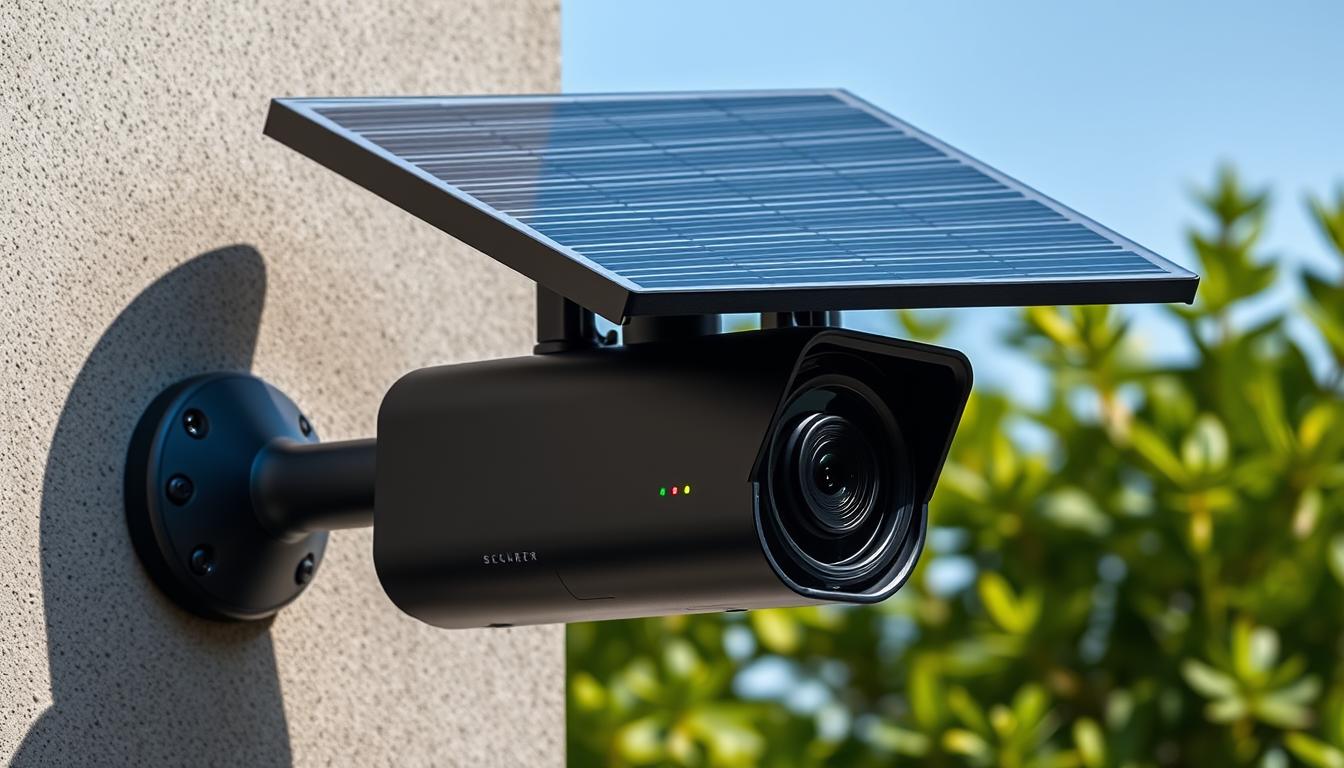
Best Solar Cellular Security Cameras: Top Picks
Singapore’s tropical climate, with over 2,500 hours of sunshine annually, makes it an ideal location for solar-powered security systems. These devices not only reduce electricity bills but also require less maintenance compared to traditional setups. With advanced features and reliable performance, they are becoming a popular choice for homeowners and businesses alike.
Two leading brands in the local market are Reolink and Eufy. The Reolink Argus 3 Pro offers 2K resolution and a 140° field of view, ensuring comprehensive coverage. Meanwhile, the EufyCam 3 stands out with advanced facial recognition and 8GB of local storage. Both models have earned high user ratings, making them top contenders for those seeking reliable surveillance solutions.
Whether you prioritize 4G LTE connectivity or WiFi-only models, there’s a wide range of options available. Prices typically range from S$150 to S$1,000+, depending on the features you need. With local installation often completed within a day, switching to these systems is both convenient and efficient.
Key Takeaways
- Singapore’s sunny climate is perfect for solar-powered surveillance systems.
- Reolink Argus 3 Pro provides 2K resolution and a wide field of view.
- EufyCam 3 includes facial recognition and 8GB local storage.
- Prices range from S$150 to S$1,000+, catering to various budgets.
- 78% of users report lower electricity bills after switching.
- Installation is typically completed within one business day.
Why Solar Cellular Security Cameras Are a Game-Changer
Innovative technology is transforming how we approach home and property monitoring. The integration of renewable energy into surveillance systems has made them more efficient and eco-friendly. These advancements are particularly relevant in Singapore, where the sun provides ample energy for such devices.
The Rise of Solar-Powered Surveillance
In recent years, the adoption of solar-powered systems has grown significantly. For instance, residential usage in Singapore has increased by 62% year-over-year. This trend is driven by the dual benefits of reducing electricity costs and minimizing environmental impact.
These systems are especially useful in areas prone to power outages. With cellular connectivity, they continue to operate seamlessly, ensuring uninterrupted monitoring. This reliability makes them a preferred choice for both urban and rural settings.
How Solar Cameras Enhance Home Security
Solar-powered devices offer advanced features that enhance home protection. For example, 4K models can recognize license plates from up to 15 meters away. Real-time alerts also reduce police response times by an average of 22 minutes, providing an added layer of safety.
Additionally, weather-resistant designs ensure these systems can withstand Singapore’s high humidity levels. By eliminating wiring costs, which average S$350 per installation, they also provide a cost-effective solution for homeowners.
Key Features to Look for in a Solar Cellular Security Camera
Modern monitoring devices come packed with advanced functionalities to meet diverse needs. Whether you’re safeguarding your home or business, understanding these features ensures you make an informed choice.
High-Resolution Video Quality
Clear visuals are crucial for effective surveillance. Devices like the Arlo Essential 2nd-gen offer 2K video resolution, capturing facial details within a 7-meter range. This ensures you can identify individuals with precision.
Advanced Motion Detection
PIR motion sensors reduce false alarms by 68% compared to basic models. These sensors detect heat signatures, ensuring only relevant movements trigger alerts. This feature is particularly useful in busy areas.
Night Vision Capabilities
Color night vision illuminates a 10-meter radius without causing light pollution. This allows for clear monitoring even in complete darkness, enhancing your property’s safety around the clock.
- Local storage options (8GB-3TB) eliminate the need for costly cloud subscriptions.
- IP67-rated housings withstand tropical storms, ensuring durability in harsh weather.
- Pan-tilt-zoom models provide 360° coverage, ideal for large properties.
- Two-way audio enables real-time communication with visitors or intruders.
- Smart integration with Alexa and Google Home ecosystems adds convenience.
Top Benefits of Using Solar-Powered Security Cameras
Harnessing the power of renewable energy, these systems offer unmatched efficiency and sustainability. They provide a range of advantages that make them a smart choice for modern monitoring needs. From cost savings to environmental impact, the benefits are clear and compelling.
Eco-Friendly and Cost-Effective
One of the standout features of these systems is their eco-friendliness. By using solar panels, they reduce reliance on traditional electricity, cutting carbon emissions significantly. In fact, the carbon footprint reduction is equivalent to planting 18 trees annually.
Users also save an average of S$220 per year on electricity bills. With a 5-year return on investment compared to wired systems, the financial advantages are undeniable. This makes them a practical choice for both homeowners and businesses.
Wireless and Easy to Install
Another major advantage is the ease of installation. 85% of users set up their systems without professional help, thanks to quick-release mounts that allow relocation in under 15 minutes. No drilling is required for brick or concrete surfaces, making the process hassle-free.
Automatic firmware updates ensure the latest security protocols are always in place. Dual-band WiFi maintains a stable connection even during peak hours, enhancing reliability.
Reliable Performance in Various Weather Conditions
These systems are designed to withstand diverse weather conditions. With an operating temperature range of -20°C to 55°C, they perform reliably in both extreme heat and cold. Self-cleaning panels maintain 95% efficiency even during rainy seasons, ensuring consistent performance.
This durability makes them ideal for Singapore’s tropical climate, where high humidity and frequent rain are common. Whether in urban or rural settings, they provide uninterrupted monitoring year-round.
Best Solar Cellular Security Camera Models for 2024
As we move into 2024, the demand for efficient and eco-friendly monitoring solutions continues to rise. With advancements in technology, several standout models have emerged, offering a mix of performance, affordability, and innovative features like facial recognition and extended battery life. Here are three top options to consider for your property.
Reolink Argus 3 Pro: A Top Performer
The Reolink Argus 3 Pro is a favorite among users for its exceptional performance. It features a Starlight sensor that excels in low-light conditions, capturing clear visuals even in 0.01 lux darkness. With 2K resolution and a 140° field of view, it ensures comprehensive coverage for any space.
This model also offers 60-day cloud history, making it easy to review past footage. It’s compatible with Google Home, adding convenience for smart home integration. Priced at S$199.99, it’s a reliable choice for those seeking advanced solar-powered security.
EufyCam 3: Advanced Facial Recognition
The EufyCam 3 stands out with its BionicMind AI, which distinguishes between pets and people with 98% accuracy. This feature reduces false alarms, ensuring you only receive relevant alerts. It also includes 8GB of local storage, providing 30 days of footage without the need for cloud subscriptions.
Its magnetic mount allows for flexible placement on ceilings or walls, making installation a breeze. Additionally, it integrates seamlessly with Apple HomeKit, making it a great choice for Apple users.
Blink Outdoor: Budget-Friendly Option
For those on a budget, the Blink Outdoor offers excellent value. It records in 1080p and can run for up to two years on just two AA batteries. Its solar charger extends battery life by three times, ensuring long-term reliability.
With infrared night vision covering a 6-meter range, it provides clear monitoring even in complete darkness. The Sync Module 2 supports unlimited camera connections, making it ideal for larger properties.
How Solar Cellular Security Cameras Work
Understanding the mechanics behind these innovative devices helps users maximize their efficiency and reliability. By combining renewable energy with advanced technology, they offer a seamless monitoring experience. Let’s break down the key components that make these systems effective.
Solar Panels and Energy Conversion
The solar panel is the heart of these systems, converting sunlight into usable energy. Monocrystalline panels, known for their high efficiency, achieve a 22% energy conversion rate. Just 30 minutes of sunlight can power the device for 24 hours, ensuring uninterrupted operation.
Advanced power management software optimizes energy consumption, making the most of available sunlight. This ensures consistent performance even during cloudy days or low-light conditions.
Battery Storage and Backup
Lithium batteries are commonly used for their durability and long lifespan. They can withstand over 1,500 charge cycles, providing reliable backup during extended periods without sunlight. This ensures the system remains operational day and night.
Solar yield monitoring via manufacturer apps allows users to track energy production and usage. This feature helps maintain optimal performance and extends the device’s lifespan.
Connectivity Options: WiFi and Cellular
These systems offer flexible connectivity options, including WiFi and 4G LTE. The 700MHz band ensures robust coverage in rural areas, while dual SIM slots provide network redundancy for uninterrupted monitoring.
Automatic switching between 2.4GHz and 5GHz bands enhances performance in crowded networks. Faraday cage protection safeguards against signal jamming, ensuring reliable communication.
- 4G latency is less than 100ms, slightly higher than WiFi’s 30ms but sufficient for real-time alerts.
- Panels and batteries work together to maintain consistent power supply.
- Manufacturer apps offer detailed insights into energy usage and system health.
Installation Guide for Solar Cellular Security Cameras
Proper installation ensures your system operates at peak efficiency and reliability. Whether you’re a first-time user or upgrading your setup, following these steps will help you get the most out of your device.
Choosing the Right Location
Start by selecting a spot with maximum sunlight exposure. Use a sun path calculator to determine peak hours for your area. The optimal angle for the panel is your location’s latitude plus 15° for better energy absorption.
Mount the device 2.4 meters above the ground to avoid tampering and ensure a clear view. Avoid shaded areas or spots prone to obstructions like tree branches.
Mounting and Positioning Tips
Anti-theft brackets with Torx security keys add an extra layer of protection. Use a magnetic compass app to verify the panel’s orientation for maximum sunlight capture.
Cable conduits can protect wiring from rodent damage, ensuring long-term durability. For larger properties, signal boosters can extend WiFi range by up to 45 meters.
Connecting to Your Network
QR code pairing simplifies mobile setup, making it user-friendly even for beginners. Conduct a network speed test to ensure upload speeds of at least 2Mbps for smooth performance.
PoE adapters provide a wired backup connection, ensuring uninterrupted access. This is especially useful in areas with weak cellular signals.
Maintaining Your Solar Cellular Security Camera
Regular maintenance ensures your system remains efficient and reliable over time. By focusing on a few key areas, you can maximize its performance and lifespan. Here’s what you need to know to keep your device in top condition.
Cleaning Solar Panels for Optimal Performance
Dirty panels can lose up to 25% efficiency, reducing their ability to generate power. Clean them monthly using a 50/50 vinegar solution to remove dust and debris. This simple step ensures maximum energy absorption and consistent operation.
Checking Battery Health
Your device’s battery is crucial for uninterrupted performance. Use a load tester to check capacity retention and apply dielectric grease to prevent connector corrosion. Replace batteries every three years to maintain reliability.
Updating Firmware and Software
Firmware updates patch 92% of vulnerabilities, enhancing security and functionality. Schedule automatic updates during off-peak hours to avoid disruptions. Always back up configurations before resetting to ensure smooth transitions.
- Format storage every six months to prevent data corruption.
- Manufacturer warranties typically cover 2-5 years, offering peace of mind.
- Panels usually last 10 years before needing replacement.
Comparing Solar Cellular Security Cameras: What to Consider
When choosing a monitoring system, understanding the key differences between models is essential. From video quality to energy efficiency, each feature plays a role in determining the right fit for your needs. Let’s explore the factors that matter most.
Resolution and Video Quality
Higher resolution ensures clearer visuals, but it comes at a cost. For example, 4K models consume 2.3x more power than 1080p devices. If you prioritize detail, 2K offers a balanced option with sharp imagery and moderate energy usage.
Pixel density also impacts performance. While 1080p is sufficient for basic monitoring, 2K and 4K provide enhanced clarity for identifying faces or license plates. Consider your specific requirements before making a choice.
Battery Life and Solar Efficiency
The battery is a critical component, especially in systems powered by renewable energy. Lithium batteries, known for their durability, can last up to three years with proper maintenance. However, features like night vision can increase energy consumption by up to 18%.
Solar yield vs. consumption ratios are another key factor. Devices with efficient panels can generate enough power even on cloudy days, ensuring uninterrupted operation. Always check the energy conversion rate before purchasing.
Additional Features and Smart Integrations
Modern systems come packed with advanced features that enhance usability. For instance, IFTTT applet compatibility allows for seamless automation, while third-party integrations like Matter or Works With Google expand functionality.
Smart integrations boost usability by 40%, making it easier to manage your system. Look for devices with API access for custom setups or multi-camera discount bundles for larger properties.
- Pixel density comparison: 1080p vs. 2K vs. 4K
- Energy consumption per feature (night vision = +18%)
- IFTTT applet compatibility lists
- Third-party integration certifications (Matter/Works With Google)
- Solar yield vs. consumption ratios
- Encryption standards (AES-256 vs. TLS 1.3)
- API access for custom integrations
- Multi-camera discount bundles
Why Solar Cellular Security Cameras Are Ideal for Singapore
Singapore’s unique weather patterns make it a prime location for renewable energy solutions. With a UV index averaging 12, the country receives ample sunlight year-round. This ensures consistent energy generation for devices that rely on solar power, making them a practical choice for both urban and rural areas.
Singapore’s Climate and Solar Efficiency
The high levels of sunlight in Singapore allow solar-powered systems to operate at peak efficiency. Devices here achieve a 33% faster return on investment compared to the global average. This is due to the consistent energy production enabled by the country’s sunny weather.
Additionally, NEA-approved weather resistance ratings ensure these systems can withstand Singapore’s tropical climate. From heavy rains to high humidity, they are built to perform reliably in diverse conditions.
Cost Savings and Environmental Impact
Switching to solar-powered devices can significantly reduce electricity bills. With solar leasing options available at 0% interest, the initial investment becomes more affordable. Homeowners and businesses alike can enjoy long-term savings while contributing to environmental sustainability.
Carbon credit eligibility through NEA further enhances the appeal of these systems. By reducing carbon footprints, users can play a part in Singapore’s green initiatives.
Reliability in Urban and Rural Settings
These systems are designed to perform reliably across different environments. In urban areas, they comply with URA guidelines for landed properties. In rural settings, they offer robust performance even in flood-prone areas, thanks to specialized installation protocols.
Whether you’re securing a multi-tiered garden or preserving a heritage district, solar-powered devices provide versatile and dependable solutions.
Top Brands Offering Solar Cellular Security Cameras
When it comes to reliable monitoring solutions, certain brands stand out for their unique offerings. Whether you prioritize innovation, user-friendliness, or affordability, there’s a model to suit your needs. Here’s a closer look at three leading brands in the market.
Reolink: Innovation and Durability
Reolink is known for its cutting-edge technology and robust designs. Their devices offer cross-platform compatibility, making them a versatile choice for various setups. With a 5-year warranty, users can trust in the brand’s commitment to quality and longevity.
Eufy: User-Friendly and Feature-Rich
Eufy excels in delivering intuitive and feature-packed options. Their Singapore-specific firmware ensures seamless integration with local networks. The brand’s local support center in Jurong provides quick assistance, enhancing the overall user experience.
Blink: Affordable and Reliable
Blink offers budget-friendly security cameras without compromising on performance. Their partnership with Amazon delivery ensures timely access to products and accessories. This makes Blink a practical option for those seeking value and reliability.
- Reolink’s cross-platform compatibility ensures flexibility.
- Eufy’s local support center in Jurong provides quick assistance.
- Blink’s partnership with Amazon ensures easy access to products.
- Brand repair turnaround times range from 3-7 days.
- Demo units are available at Courts and Best Denki for hands-on testing.
- Bulk purchase discounts are available for condos and large properties.
- Trade-in programs allow users to upgrade old systems effortlessly.
Understanding 4G LTE Connectivity in Solar Cameras
With the rise of remote monitoring, 4G LTE has become a game-changer for outdoor systems. This technology ensures seamless performance, even in areas with limited WiFi access. By leveraging advanced connectivity, these devices provide reliable surveillance without compromising on quality.
How 4G LTE Enhances Surveillance
4G LTE offers faster data transmission and lower latency compared to traditional WiFi. This means real-time alerts and high-resolution footage are delivered without delays. For instance, SingTel’s S$5/month 4G plans make this technology affordable for homeowners and businesses alike.
Advanced features like H.265 data compression reduce bandwidth usage by up to 50%. This ensures efficient data handling, even in high-traffic areas. Network slicing further prioritizes surveillance traffic, ensuring uninterrupted monitoring.
Choosing the Right Network for Your Camera
Selecting the right network is crucial for optimal performance. M1’s rural coverage maps provide detailed insights into signal strength across Singapore. This helps users identify the best carrier for their specific location.
Consider SIM card form factors like nano or micro, depending on your device’s compatibility. eSIM migration capabilities also offer flexibility, allowing users to switch carriers without physical SIM changes.
Benefits of Cellular Over WiFi
Cellular networks eliminate the need for a stable WiFi connection, making them ideal for remote areas. Multi-network failover systems ensure continuous operation, even if one network experiences downtime.
Carrier aggregation support enhances data speeds by combining multiple frequency bands. This ensures smooth video streaming and quick access to recorded footage. For more details on installation and setup, visit our guide on solar-powered IP cameras.
- Data usage per resolution: 1080p consumes 1.5GB/day.
- APN configuration guides simplify network setup.
- Multi-network failover ensures uninterrupted monitoring.
Pricing Trends for Solar Cellular Security Cameras in Singapore
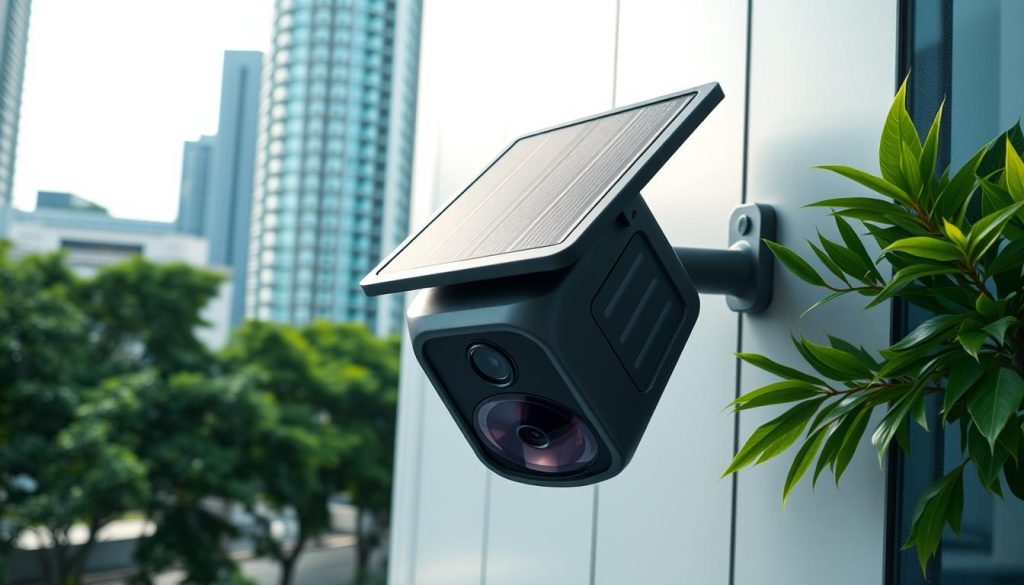
The market for solar-powered security systems in Singapore offers a wide range of pricing options to suit every budget. Whether you’re looking for basic functionality or advanced features, there’s a choice for everyone. Understanding these trends helps you make an informed decision tailored to your needs.
Budget-Friendly Options
For those on a tight budget, devices like the Blink Outdoor start at S$150. These models provide essential features such as motion detection and night vision. While they may lack advanced capabilities, they are a practical option for basic monitoring needs.
Mid-Range Models with Advanced Features
Mid-range systems, priced between S$300 and S$600, offer enhanced functionality. For example, the Reolink Argus 3 Pro includes 2K resolution and a 140° field of view. These devices strike a balance between affordability and performance, making them a popular choice.
High-End Cameras for Premium Security
Premium models like the Hikvision DS-2XS2T47, costing S$800+, deliver top-tier performance. Features such as facial recognition and 4K resolution ensure maximum protection. These systems are ideal for users who prioritize advanced details and reliability.
- Component cost breakdown: panel (23%), camera (54%).
- Installation service packages are available for added convenience.
- Seasonal promotions during GSS and Black Friday offer significant savings.
- Corporate purchases may qualify for tax deductions.
- Insurance premium reductions are possible with certified systems.
- Be cautious when buying from the secondhand market.
- Use price tracking tools to monitor deals over hours or days.
- Compare hidden costs like SD cards and mounts before purchasing.
Real-Life Applications of Solar Cellular Security Cameras
From safeguarding homes to monitoring vast agricultural lands, solar-powered devices are proving their versatility. These systems are not just for residential use; they are transforming how we protect and manage various spaces. Whether it’s a bustling construction site or a remote farm, these devices offer reliable solutions tailored to specific needs.
Home Security and Monitoring
For homeowners, these systems provide peace of mind with advanced features like motion detection and real-time alerts. They are particularly useful for monitoring smart mailboxes or ensuring swimming pool safety compliance. With solar power, users can enjoy uninterrupted protection without worrying about frequent battery changes.
Construction Site Surveillance
Construction sites often face challenges like theft and vandalism. Solar-powered cameras have been shown to reduce theft by 71%, making them a valuable investment. Features like heavy equipment GPS tagging and flood detection systems further enhance site management and safety.
Agricultural and Remote Area Monitoring
In agriculture, these devices play a crucial role in crop and livestock monitoring. Pan-tilt-zoom models are ideal for tracking wildlife activity or monitoring livestock movement. Emergency SOS button compatibility ensures quick response in case of emergencies, even in the most remote locations.
- Smart mailbox integration enhances package security.
- Swimming pool safety compliance ensures child safety.
- Wildlife activity logging helps in conservation efforts.
- Heavy equipment GPS tagging prevents theft on construction sites.
- Livestock movement tracking improves farm management.
- Flood detection systems provide early warnings for remote areas.
- Solar-powered drone integration offers aerial surveillance.
- Emergency SOS button compatibility ensures quick response.
Making the Switch to Solar Cellular Security Cameras
Transitioning to eco-friendly monitoring systems is easier than you think. With 92% of users recommending solar-powered options over traditional wired setups, the switch is both practical and beneficial. The average transition time is just 48 hours, making it a seamless process for homeowners and businesses alike.
To ensure a smooth migration, follow a step-by-step checklist. Professional deinstallation services can help remove old systems efficiently. Data migration protocols ensure your footage and settings are transferred without hassle. Educating neighbors about the new setup can also enhance community security.
Conducting a security audit helps identify areas for improvement. Rebate application assistance can make the switch more affordable. Performance benchmarking ensures your new system meets your expectations. Community initiatives can further support the adoption of renewable energy solutions, making it a smart choice for everyone.
FAQ
What makes solar-powered cameras a good choice for home security?
These devices use sunlight to operate, reducing electricity costs. They are wireless, easy to install, and work well in various weather conditions.
How does motion detection work in these devices?
Advanced sensors detect movement and trigger recording. This ensures you capture important events while conserving battery life.
Can these cameras function at night?
Yes, most models include night vision capabilities. They use infrared technology to provide clear video in low-light conditions.
What is the role of 4G LTE in these devices?
4G LTE ensures reliable connectivity, even in areas without WiFi. This makes them ideal for remote locations or places with weak internet signals.
How do I maintain the solar panels for optimal performance?
Regularly clean the panels to remove dust or debris. This ensures they absorb maximum sunlight and keep the battery charged.
Are these cameras suitable for Singapore’s climate?
Yes, Singapore’s sunny weather makes these devices highly efficient. They are also durable enough to handle tropical conditions.
What are the benefits of using cellular connectivity over WiFi?
Cellular networks provide wider coverage and are less prone to interference. This ensures uninterrupted surveillance, even in remote areas.
How do I choose the right location for installation?
Place the device in an area with ample sunlight and a clear view of the surveillance zone. Avoid obstructions that could block the camera’s line of sight.
What are some top brands offering these devices?
Reolink, Eufy, and Blink are popular brands known for their innovative and reliable models. Each offers unique features to suit different needs.
Are there budget-friendly options available?
Yes, brands like Blink offer affordable models without compromising on essential features. These are great for users looking for cost-effective solutions.


