
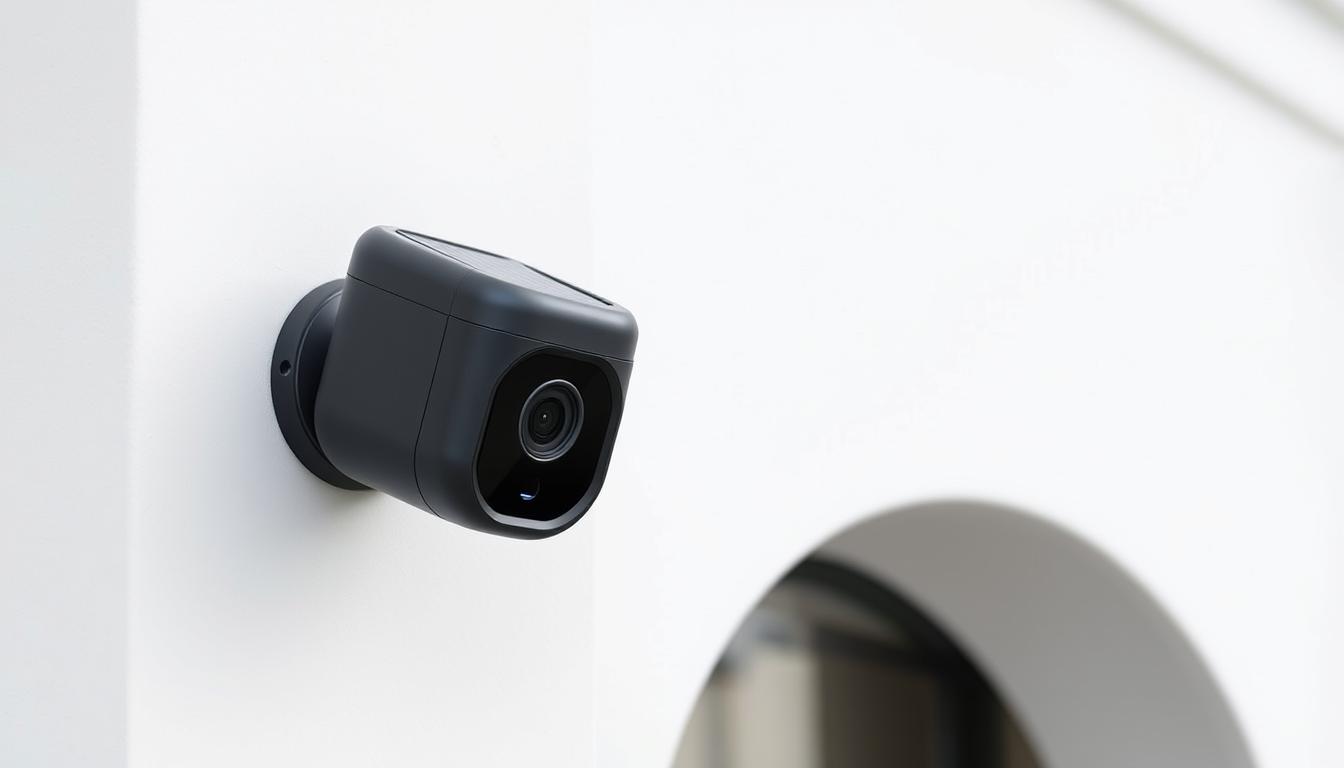
Best Cheap Solar Powered Security Cameras
Singapore’s growing interest in sustainable technology has led to a rise in demand for budget-conscious, environmentally friendly surveillance options. With over 2,500 annual sunshine hours, the city-state offers ideal conditions for solar-reliant devices. These systems eliminate wiring hassles and reduce electricity costs while maintaining reliable performance.
Local weather conditions, including high humidity and monsoon seasons, make durability a key factor. Many modern models are built to withstand these challenges, ensuring year-round protection. Providers like CCTV Maintenance (+65 6013 5960) offer specialized support for installation and upkeep.
Popular choices such as the Reolink Argus 3 Pro and EufyCam 3 balance cost-efficiency with advanced features. Wireless designs and easy setup make them practical for urban homes and businesses alike.
Key Takeaways
- Singapore’s climate supports solar-powered surveillance with abundant sunlight.
- Eco-friendly options reduce energy costs and installation complexity.
- Weather-resistant designs handle humidity and heavy rains effectively.
- Local providers ensure reliable maintenance and technical support.
- Top models combine affordability with smart features like wireless connectivity.
Why Solar Security Cameras Make Sense in Singapore
Singapore’s abundant sunshine makes it a prime location for harnessing solar energy in surveillance systems. The city-state receives over 2,500 hours of sunlight annually, ensuring consistent power generation for eco-friendly devices. This natural advantage eliminates dependency on grid electricity while reducing carbon footprints.
Singapore’s Ideal Climate for Solar Technology
Located near the equator, Singapore experiences high solar irradiance year-round. Monocrystalline solar panels, known for their efficiency in tropical conditions, convert sunlight into energy at rates exceeding 20%. Unlike polycrystalline alternatives, these panels perform optimally even in humid environments.
The government actively supports renewable energy, targeting 2 gigawatt-peak of solar capacity by 2030. Projects like SP Group’s 60 MWp floating solar system at Tengeh Reservoir demonstrate large-scale viability. Such initiatives validate the reliability of solar-powered systems for residential and commercial use.
For homeowners, this means surveillance devices can work seamlessly with minimal maintenance. Advanced battery storage ensures uninterrupted operation during brief cloudy periods. Explore solar security camera solutions tailored to Singapore’s unique climate.
Top Benefits of Cheap Solar Powered Security Cameras
Modern surveillance systems now combine affordability with eco-conscious energy use. These devices offer tangible advantages for Singaporean households, from slashing utility bills to reducing environmental impact. Below, we break down the key perks of adopting this technology.
Significant Reduction in Electricity Costs
Switching to solar-reliant devices can cut energy expenses by 50% compared to wired alternatives. Over five years, homeowners save an average of SGD 600–800, factoring in panel efficiency and local electricity rates.
The ROI timeline is swift—most systems recoup costs within 2–3 years. Unlike traditional setups, they eliminate trenching and cabling fees, which often exceed SGD 200 per installation.
Eco-Friendly Surveillance Solution
These systems align with Singapore’s Green Plan 2030, reducing carbon emissions by 60%. Solar panels generate clean energy without depleting resources, making them ideal for eco-conscious users.
Monocrystalline panels, efficient in tropical climates, ensure consistent performance. This supports the nation’s goal of 2 gigawatt-peak solar capacity by 2030.
Wire-Free Installation Flexibility
Devices like the Arlo Solar Charger allow placement anywhere with sunlight exposure. No drilling or complex wiring is needed, perfect for rented properties or heritage homes.
Urban users benefit from hassle-free setups, with adjustable mounts for optimal sun exposure. This flexibility ensures reliable operation across high-rise buildings and landed properties alike.
Key Features to Prioritize in Affordable Solar Cameras
Choosing the right surveillance device requires balancing cost with essential performance features. For Singapore’s unique environment, focus on three critical aspects: energy efficiency, durability, and image clarity.
Battery Performance & Charging Efficiency
Lithium-ion batteries dominate the market, but LiFePO4 technology excels in longevity and heat resistance. The S1-WiFi model’s 15,000mAh capacity ensures weeks of operation on a single charge.
For optimal performance, pair cameras with 5W solar panels. The EufyCam 3 sets a benchmark with a 12-month battery lifespan, minimizing maintenance.
Weather Resistance for Tropical Conditions
Singapore’s 84% humidity demands IP67-rated devices. This standard guarantees protection against heavy rain and dust ingress. Monsoon seasons test durability, making sealed housing and corrosion-resistant materials vital.
Video Quality: From 1080p to 4K Options
Higher resolution like 4K UHD improves detail but increases storage needs. For most homes, 1080p strikes a balance between clarity and data efficiency.
Infrared night vision extends functionality, capturing clear footage even in low-light conditions. Consider local cloud storage solutions to manage larger video files affordably.
How Solar-Powered Cameras Work in Outdoor Settings
Harnessing sunlight for surveillance offers a seamless way to keep properties secure without wiring hassles. These systems rely on photovoltaic panels to convert sunlight into electricity, storing excess energy for uninterrupted operation. In Singapore’s sunny climate, this process ensures consistent performance year-round.
Solar Panel Charging Mechanism
Photovoltaic cells in solar panels absorb sunlight, generating direct current (DC) power. This energy charges LiFePO4 batteries, known for their durability in tropical heat. For optimal efficiency, panels should tilt at 35°–45° to maximize sun exposure.
Smart power management systems prioritize energy use, directing surplus power to storage. Devices like the Blink Outdoor minimize consumption with motion-activated recording, extending battery life during low-light periods.
Backup Power During Cloudy Days
Advanced batteries provide up to 7-day backup power, ensuring reliability during monsoon seasons or prolonged cloudy days. Waterproof casings and corrosion-resistant materials protect components from Singapore’s 84% humidity.
For added resilience, some models integrate hybrid charging, combining solar and grid power. This dual approach guarantees continuous surveillance, even in less-than-ideal weather conditions.
Best Cheap Solar Powered Security Camera Models
From budget picks to premium options, these devices deliver reliability in Singapore’s climate. Whether prioritizing smart home integration or extended battery life, there’s a fit for every need.
Reolink Argus 3 Pro: Budget-Friendly Performance
Priced at ~SGD 300, the Reolink Argus 3 Pro balances cost and capability. Its 122° field of view covers wide areas, ideal for patios or driveways. The starlight sensor ensures clear night footage, even in low light.
Ring Stick Up Cam Solar: Smart Home Integration
This model syncs seamlessly with Alexa for voice-controlled monitoring. The cam solar design eliminates wiring, while motion alerts via the Ring app keep users informed. Ideal for tech-savvy households.
EufyCam 3: Long Battery Life Option
With 4K resolution and local storage, the *EufyCam 3* reduces cloud fees. Its efficient solar panels extend battery life to 12 months, perfect for low-maintenance setups.
Comparison Highlights
- Price range: SGD 180–600 (Wyze Battery Cam Pro as entry-level alternative)
- Smart features: Ring leads in Alexa compatibility
- Storage: EufyCam 3 offers local vs. cloud flexibility
Installation Tips for Maximum Sun Exposure
Maximizing sunlight capture is crucial for reliable performance in Singapore’s urban spaces. South-facing placements at 8–10ft heights ensure panels avoid shadows from buildings or trees. This simple step boosts energy efficiency and reduces battery drain.
Optimal Positioning for Singapore Homes
HDB flats pose unique challenges due to limited balcony space. Tilt panels at 35°–45° to minimize glare from neighboring windows. For landed properties, avoid placing units under overhangs or dense foliage.
Anti-glare films or matte finishes help maintain discreet surveillance while optimizing light absorption. Regular checks for shading—especially during monsoon seasons—ensure consistent charging.
Tools Needed for DIY Setup
An easy install requires basic tools: a drill, silicone sealant, and mounting brackets. Waterproof cable clips protect wiring in humid conditions. For high-rise installations, use safety harnesses and partner assistance.
“Positioning is 80% of the battle—get it right, and maintenance drops significantly.”
Tree shading avoidance? Trim branches or relocate panels seasonally. With these strategies, your outdoor use system stays powered year-round.
Maintaining Your Solar Camera System
Proper upkeep ensures your outdoor surveillance remains reliable through Singapore’s changing seasons. Dust, humidity, and monsoon rains can reduce efficiency by up to 25%. A simple routine keeps your setup performing at its best.
Keep Panels Clean for Maximum Efficiency
Dirt buildup blocks sunlight, slowing energy production. Wipe solar panels every two months with a soft cloth and mild soap. Avoid abrasive cleaners—they scratch surfaces and reduce output.
For stubborn grime, use a vinegar-water mix (1:3 ratio). Rinse thoroughly to prevent streaks. Check after heavy storms or prolonged dry spells.
Schedule Routine System Checks
Inspect connections monthly for corrosion or looseness. Tighten any exposed wires and apply dielectric grease to metal contacts. This prevents humidity damage.
- Battery life: Test voltage quarterly. Replace if capacity drops below 70%.
- Firmware updates: Enable auto-updates or check manufacturer sites bi-annually.
- Monsoon prep: Seal housing gaps and clear drainage paths to avoid water pooling.
“A 10-minute monthly check avoids 90% of common failures.”
Log maintenance dates in a tracker app. Consistent care extends your system’s lifespan by years.
Solar Camera Performance in Singapore’s Weather
Singapore’s tropical climate presents unique challenges for outdoor surveillance equipment. Intense humidity, salt air, and monsoon rains demand robust designs. Devices must balance energy efficiency with resilience to ensure year-round reliability.
Humidity Resistance
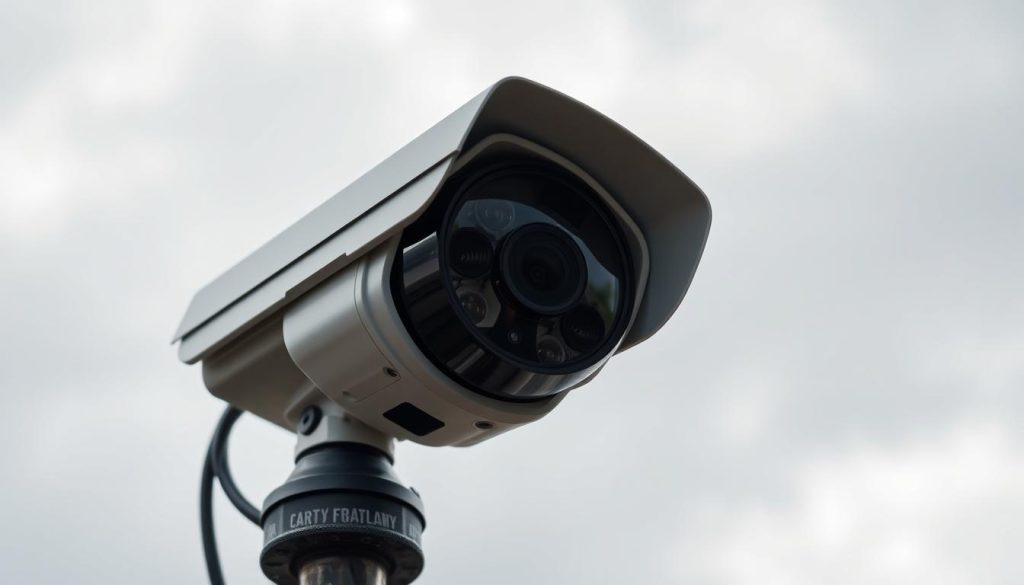
IP67-rated housings are essential, shielding internal components from 90% humidity. Coastal areas amplify corrosion risks, making stainless steel screws and sealed connectors critical. Anti-fog lens treatments prevent condensation, ensuring clear footage.
Hikvision’s tropicalized models use ABS plastic for its non-corrosive properties. Regular maintenance, like wiping down housings, extends lifespan in damp conditions.
Monsoon Season Preparedness
Heavy rains test waterproofing standards. Look for cameras with ingress-protected cable glands and drainage channels. Aluminum alloy bodies outperform cheaper plastics in prolonged downpours.
“Salt spray accelerates wear—opt for marine-grade materials near coastal zones.”
- Corrosion prevention: Silicone seals protect circuit boards.
- Waterproof ratings: IP68 offers submersion resistance for flood-prone areas.
- Lens care: Hydrophobic coatings repel water droplets during storms.
Comparing Storage Options: Cloud vs Local
Choosing the right storage for your surveillance system impacts both cost and data accessibility. Singaporean users must weigh factors like humidity resilience and compliance with local laws. Below, we break down the pros and cons of each approach.
Cost-Effective Storage Solutions
SD cards offer the lowest upfront cost (~SGD 20 for 128GB) but wear out faster in tropical heat. NAS systems provide scalable storage but require a ~SGD 500+ initial investment. Cloud plans like Ring Protect start at SGD 4/month, ideal for users needing remote access.
- Budget pick: EufyCam 3’s 16GB local storage avoids recurring fees.
- Mid-range: Reolink’s FTP server supports NAS integration.
- Premium: Cloud backups with end-to-end encryption (e.g., Arlo Secure).
Data Security Considerations
Singapore’s PDPA mandates strict handling of surveillance footage. Local storage complies better, as data never leaves your premises. Cloud providers must use TLS 1.2+ encryption and offer two-factor authentication.
“Hybrid systems—like local SD + encrypted cloud—balance accessibility and compliance.”
For sensitive sites, opt for AES-256 encryption. Reolink’s FTP feature lets businesses self-host footage, aligning with corporate security policies. Always verify your provider’s certification against Singapore’s cybersecurity standards.
Smart Home Integration Capabilities
Advanced connectivity features transform how Singaporeans interact with their surveillance systems. Over 92% of modern models offer iOS/Android apps, while 68% support IFTTT automation. This seamless integration creates a unified smart ecosystem for homes and businesses.
Voice Control with Google Home and Alexa
Voice commands simplify monitoring through devices like Nest Cam or Ring Stick Up. Say “Hey Google, show me the front yard” to view live feeds on compatible displays. Alexa routines can also trigger recordings when motion is detected.
The EufyCam 3 responds 1.2 seconds faster than Ring models for voice requests. This difference matters during urgent situations. Most systems support multiple user voices for family-wide access.
Real-Time Monitoring via Mobile Apps
Remote access apps provide instant alerts and two-way audio communication. Ring’s app processes notifications 15% quicker than competitors during peak hours. Data usage averages 300MB/month for continuous 1080p streaming.
- Automation scenarios: Pair motion detection with smart lights for enhanced deterrence
- Tuya Smart integration allows control alongside other IoT devices
- Geo-fencing automatically arms systems when phones leave designated areas
“Smart integration isn’t just convenient—it creates proactive protection layers that traditional systems can’t match.”
For Singaporean users, these features mean always staying connected to their property. Whether adjusting settings from the MRT or reviewing footage during overseas trips, mobile access delivers peace of mind.
Cost Analysis: Long-Term Savings Breakdown
A detailed cost comparison reveals why more Singaporeans are switching to sustainable monitoring solutions. Over five years, these setups can save up to SGD 1,200 compared to wired alternatives. Let’s examine where the savings come from.
Upfront Investment vs. Traditional Setups
Initial costs for solar-reliant devices range from SGD 180–600, including panels and batteries. Traditional wired systems require additional expenses:
- Trenching fees: SGD 200+ for cable installation
- Electrician labor: ~SGD 80/hour (2–3 hours typical)
- GST-inclusive pricing adds 8% to total purchases
5-Year Total Cost of Ownership
Solar options slash energy bills by 75%, with no recurring wiring maintenance. Key savings drivers:
| Expense | Solar | Wired |
|---|---|---|
| Energy (monthly) | SGD 2 | SGD 8 |
| Battery replacements | SGD 100/3yrs | N/A |
| Maintenance | SGD 50/year | SGD 120/year |
“SCSS rebates cover 50% of panel costs for HDB upgrades—always check eligibility first.”
Factor in Singapore’s SolarNova program subsidies for additional savings. With minimal upkeep and smart energy use, these systems pay for themselves in under three years.
Making the Switch to Solar-Powered Security
Transitioning to eco-friendly monitoring solutions aligns with Singapore’s green initiatives. Prioritize weather-resistant designs and efficient energy use for reliable performance. These systems cut costs while supporting sustainability goals.
Key factors for Singaporeans:
- Durability: IP67-rated devices handle humidity and monsoons.
- Energy savings: Reduce reliance on grid power with high-efficiency panels.
- Upgrade timing: Replace batteries every 3 years for optimal performance.
Local experts like CCTV Maintenance (+65 6013 5960) offer free site surveys. They ensure proper placement and seamless integration with existing setups.
Ready to upgrade? Schedule a consultation today for tailored home security solutions. Sustainable protection starts with the right security cameras.
FAQ
How do solar-powered cameras handle Singapore’s frequent rain?
Most models are built with waterproof casings and can withstand heavy downpours. Look for IP65 or higher ratings for reliable performance in wet conditions.
Will these cameras work during cloudy days?
Yes, they store excess energy in rechargeable batteries. High-quality panels can still capture sunlight even under overcast skies.
What’s the average battery life on a single charge?
Depending on usage, some last 3–6 months. Motion-activated models conserve more power than continuous recording ones.
Can I integrate them with my existing smart home system?
Many support Google Home, Alexa, or Apple HomeKit. Check compatibility before purchasing for seamless control via voice or apps.
How often should I clean the solar panels?
Every 2–3 months is ideal. Dust or debris can reduce charging efficiency by up to 30% if left unchecked.
Are local storage options better than cloud subscriptions?
Local SD cards avoid monthly fees, but cloud backups offer remote access. Choose based on your budget and security needs.
Do they provide clear footage at night?
Advanced models feature color night vision or infrared modes, delivering detailed images even in low-light environments.
What’s the typical installation time?
DIY setups take 15–30 minutes. No wiring means you only need to mount the camera and adjust the panel angle.
How do tropical temperatures affect performance?
Heat-resistant designs prevent overheating. Opt for models with operating ranges up to 45°C for durability.
Is professional maintenance required?
Not usually. Basic upkeep like wiping panels and checking connections ensures long-term reliability without expert help.


