
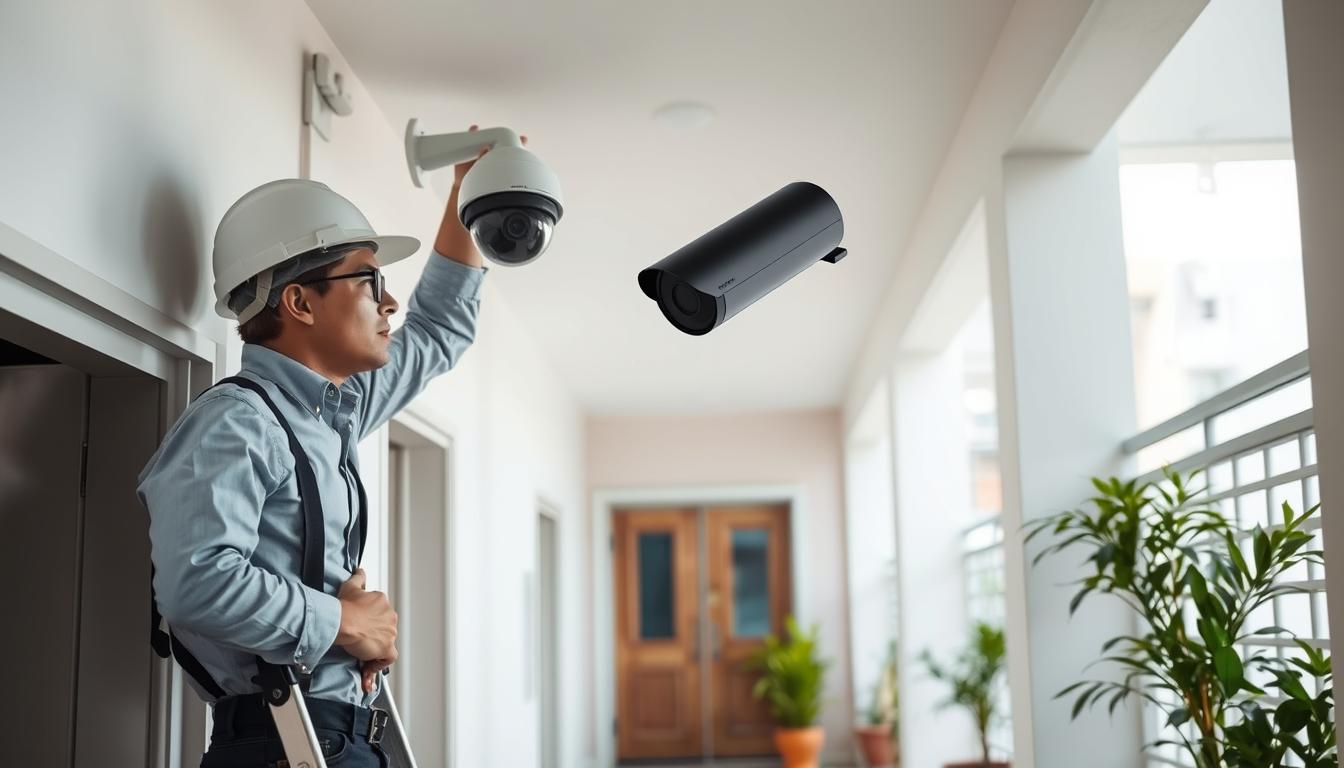
Is HDB Approval No Longer Needed for CCTV Cameras? Explained
Home security is a top priority for many Singapore residents. In recent years, the use of surveillance devices has grown significantly.
A notable change in policy occurred in May 2023. The Housing & Development Board updated its rules for residents. Prior permission is not required for certain types of camera setups.
This shift recognizes the practical need for safety. For example, a resident known as Ms. G used her doorbell camera in July. It recorded a delivery person allegedly taking a parcel. She shared the clip online, where it gained massive attention.
The new guidelines aim to balance two important values. Residents want to protect their property and feel secure. At the same time, everyone has a right to privacy in their own home.
This article provides a clear guide to the current regulations. We will cover the legal framework, practical setup tips, and best practices. Understanding the rules helps you use your security system effectively and responsibly.
Key Takeaways
- A major policy update took effect in May 2023.
- Residents can now install corridor-facing cameras from inside their units without seeking prior authorization.
- The change responds to the rising use of security devices for protection.
- Specific placement rules exist to safeguard neighbor privacy.
- Other regulations, like the Personal Data Protection Act, still apply.
- Knowing all applicable rules ensures your setup is fully compliant.
- This guide offers straightforward, factual information for homeowners.
The Short Answer: A Significant Policy Change in 2023
Singapore’s approach to residential surveillance underwent a notable shift in 2023. This change directly affects how homeowners can protect their living spaces.
The updated framework makes it simpler to use modern security technology. Residents now have clearer guidelines to follow.
Removal of Approval for Corridor-Facing Cameras
A key adjustment occurred in May of that year. Flat owners gained more flexibility with certain security setups.
Specifically, prior authorization is not required for corridor-facing devices. These are security cameras that monitor the hallway outside a residence.
The change recognizes the proliferation of modern security gadgets. Authorities acknowledged that technology has evolved.
Newer devices are often less intrusive than traditional systems. This includes smart doorbells and compact miniature cameras.
Homeowners can place these items on their own front door. They can also install them just inside their unit.
Understanding the “Within Their Homes” Clause
The deregulation applies strictly to equipment placed on private property. The phrase “within their homes” has specific meaning here.
It means the physical device must be mounted inside the flat. Alternatively, it can be attached directly to the resident’s door.
This boundary is crucial for understanding the rules. The policy update does not cover common areas outside.
A vital privacy rule remains firmly in place. Your security camera must not point at a neighbor’s door or windows.
This safeguard protects everyone’s right to privacy. It prevents your surveillance from capturing others’ private spaces.
Complaint data shows this balanced approach is working. Reports about surveillance devices dropped significantly after the change.
In summary, the 2023 update made security more accessible. It also maintained strong protections for personal privacy in shared living environments.
When Is HDB or Town Council Approval Still Mandatory?
Knowing the boundaries of the new guidelines prevents compliance issues. The key distinction lies in where you place your surveillance equipment.
For Cameras Installed on Common Property Outside Your Flat
Written consent remains essential for devices mounted beyond your private space. This includes any shared zones managed by your local town council.
Common property refers to areas all residents use. Stairwells, lift lobbies, shared corridors, and exterior walls fall under this category.
A spokesman for Ang Mo Kio Town Council confirmed this rule. Their authorization is needed for both traditional systems and doorbell cameras in these spaces.
Lawyer Lionel Tan from Rajah & Tann explains the general principle. Town councils typically require written permission for installations on common property.
“The general rule of town councils is that written authorisation is required for the installation of CCTV cameras on common property including walls outside a flat or open spaces, though there might be slight variations in the by-laws across different town councils.”
The application process may involve submitting supporting documents. These can include a police report if there are specific security concerns.
Residents should expect a response within one to two weeks. Temporary permits lasting up to six months are sometimes granted.
Unauthorized setups on common property carry significant penalties. Fines can reach up to $5,000 for non-compliance.
The Specific Case of Condominiums (MCST Rules)
Private residential developments operate under different governance. The Management Corporation Strata Title sets the rules here.
MCST regulations typically mirror town council requirements for common areas. Placing any surveillance device outside your unit usually needs their green light.
Always check your development’s specific by-laws before proceeding. Rules can vary between different condominiums and apartments.
Rules for Landed Property Owners
Homeowners with landed property enjoy greater flexibility. They can generally install security systems anywhere within their own compound.
This freedom applies to the entire property boundary. There are usually no external restrictions for cameras placed on private land.
The main consideration becomes respecting neighbors’ privacy. Your equipment should not point directly into adjacent homes or gardens.
Remember to verify requirements with your specific town council. Slight variations in by-laws exist across different jurisdictions.
Smart Doorbells and Peephole Cameras: Where Do They Stand?
Video-enabled doorbells represent a growing category of security technology in Singapore. These compact devices blend convenience with protection. They often include motion sensors and recording capabilities.
According to the online resource Singapore Legal Advice, doorbells offering video recording functions are legally classified as CCTV cameras. This classification matters for regulatory compliance. The same rules apply to digital door viewers with recording features.
HDB’s View on “Less Intrusive” Devices
The Housing Board has acknowledged technological advancement. Officials noted a proliferation of CCTV-like gadgets. These include smart-door devices and miniature cameras.
HDB guidelines describe these products as “less intrusive than CCTV cameras”. Flat owners can easily install them within their residence. They can also mount them on their front door.
This designation means prior authorization is generally not required. Residents enjoy more flexibility with these modern security tools. The policy recognizes their discreet nature and ease of use.
Peephole cameras receive similar treatment under these rules. When installed directly on your door, they’re considered part of the private unit. Town Council permission is typically unnecessary for such setups.
However, being “less intrusive” doesn’t mean unlimited freedom. These devices must still respect neighbor privacy. They should avoid pointing directly at adjacent doors or windows.
When a Smart Doorbell Still Needs Permission
The key distinction involves placement location. Devices installed within your flat or on your own door face fewer restrictions. Those mounted outside may require official consent.
Written permission remains mandatory for installations on common property. This includes walls outside your unit in shared corridors. It also covers other communal spaces managed by the Town Council.
Ang Mo Kio Town Council provides a clear example. Their policy requires approval for both traditional systems and smart doorbells in common areas. This consistent approach prevents confusion.
Residents should submit applications for external placement. The process may involve providing supporting documentation. Temporary permits sometimes last up to six months.
Neighbors retain the right to file complaints about intrusive devices. They can object if they feel excessively monitored. Community harmony remains an important consideration.
Choosing appropriate equipment balances security needs with neighbor relations. Compact, discreet models often cause less concern. Proper placement further minimizes potential disputes.
For comprehensive guidance on placement restrictions, review our resource on where surveillance devices are not allowed. This information helps ensure full compliance.
In summary, the approach involves nuance. Internal installation of smart doorbells and peephole cameras is generally permission-free. External placement on common property usually requires Town Council authorization.
The Legal Frameworks Governing CCTV Use in Singapore
Operating a security system involves more than just following housing guidelines. It also requires adherence to national privacy and neighborly conduct laws.
Understanding these statutes ensures your setup is fully compliant. It also helps maintain positive relationships within your community.
The Personal Data Protection Act (PDPA) and Your Footage
The PDPA is Singapore’s cornerstone law for data protection. It regulates how organizations collect, use, and disclose personal data.
For most residents, its direct application is limited. The Act primarily governs businesses and organizations, not individuals.
If you record video strictly for personal, non-commercial home security, the PDPA’s strict rules may not bind you. It does not specify what your cameras can record on your own property.
However, its principles offer a wise framework for responsible handling. You should collect only necessary video and secure your recordings.
The situation changes if you use the footage commercially. Sharing clips publicly or with a wide audience could invoke PDPA considerations.
The Community Disputes Resolution Act (CDRA)
This law directly impacts how you use surveillance devices near others. The CDRA prohibits causing “unreasonable interference” with your neighbor’s enjoyment of their home.
This rule applies whether your equipment is inside your flat or in common areas. A “neighbor” is defined as anyone in the same building or within 100 meters.
Pointing a lens at a neighbor’s door, windows, or private balcony often constitutes interference. Continuously recording their comings and goings can also be problematic.
Legal experts note that even surveillance from within one’s home can cross a line. Lawyer Cory Wong from Invictus Law Corporation provides important context.
“In some cases, surveillance even from within one’s own home could be deemed as unreasonable and regarded as harassment or stalking under the Protection from Harassment Act.”
Violating the CDRA carries serious consequences. An affected neighbor can file a claim with the Community Disputes Resolution Tribunal.
The tribunal can order you to stop the interference, remove the cameras, or pay compensation. Fines or awards can reach up to $20,000.
Full legal compliance means respecting these broader laws. It’s about balancing your security needs with your legal duties and community harmony.
Step-by-Step Guide to a Legal HDB CCTV Installation
Implementing a lawful monitoring solution in your flat is straightforward with this guide. Following a systematic process helps you avoid disputes and ensures your setup respects all rules.
This three-step plan covers everything from initial planning to final checks.
Step 1: Assess Your Needs and Camera Placement
Begin by defining your security goals. Are you monitoring package deliveries, general corridor activity, or a specific concern?
Next, identify the optimal spot for your device. Remember, placement determines if you need permission.
If the equipment sits inside your home or on your own front door, prior authorization is typically not required. This includes smart doorbells and peephole cameras.
However, plans to mount any device on a shared wall, ceiling, or other common areas outside your unit change the process. For these spaces, you must seek consent.
Choose a field of view that captures your doorway without intruding on a neighbor’s privacy. Your lens should never point at their windows or private balcony.
For detailed technical tips on running cables and mounting hardware, our DIY installation guide for Singapore homes is a useful resource.
Step 2: Seek Town Council Approval (If Required)
This step is mandatory for setups on common property. The process has specific requirements you must fulfill.
First, file a formal police report. Document any incidents that justify your need for external surveillance.
The Town Council requires this report to assess your request. It provides official context for your security concerns.
Next, submit a written request via email to your estate’s managing Town Council. Attach a copy of the police report clearly.
In your message, state the purpose and proposed location for your cameras. Be precise about the duration you need them.
Authorities typically review applications within one to two weeks. You will receive their decision via email.
Approval is usually granted on a temporary basis, lasting up to six months. If you require continued monitoring after this period, you must submit a fresh request.
Step 3: Notify Your Neighbors and Display Signage
Transparency is crucial for maintaining community harmony. Once you have the green light, inform your immediate neighbors.
A simple conversation can prevent misunderstandings. Explain the purpose of your cameras and their recording scope.
Assure them your goal is your own security, not monitoring their activities. This builds trust and reduces potential friction.
Displaying clear signage is also a best practice. Place notices indicating video surveillance is in operation.
Signs should be visible to anyone approaching your door. They act as both a deterrent and a courtesy.
Following these steps methodically protects your property. It also demonstrates respect for your neighbors’ privacy and the shared living environment.
Choosing the Right CCTV System for Your HDB Flat
With numerous options available, homeowners must evaluate which monitoring solution best fits their corridor surveillance needs. Industry data reveals a clear trend toward increased adoption of these devices.
Sales managers report significant growth in demand. Mr. Derek Peh of I-Secure Solution noted a 5-10% rise in external installations over the past year. Overall demand for security cameras increased by 20-25% during the same period.
Another supplier, Surveillance Zone Singapore, recorded a 33% increase in sales for external use. Their monthly volume grew from 20 units in 2021 to 30 units currently. This market shift reflects growing security awareness among residents.
Smart Doorbell Cameras vs. Traditional CCTV Systems
Modern security technology offers two primary approaches for flat owners. Each system type has distinct advantages for different situations.
Smart doorbell cameras provide integrated visitor interaction. They combine video monitoring with two-way audio communication. Homeowners can see and speak to delivery personnel or guests remotely.
These devices typically activate with motion detection or doorbell presses. They conserve storage space by recording only when triggered. Many models offer smartphone app integration for real-time alerts.
Traditional surveillance systems deliver continuous video coverage. They often provide higher resolution imagery and superior night vision capabilities. Multiple cameras can be networked to cover larger areas.
Wired models offer reliable power without battery concerns. They support local storage options that avoid monthly subscription fees. However, their installation process is generally more complex.
For corridor monitoring, doorbell cameras excel at package delivery security. Traditional systems better suit comprehensive property coverage. Your choice depends on your specific protection priorities.
Key Features for Effective Corridor Surveillance
Selecting equipment with appropriate specifications ensures reliable performance. Several technical factors directly impact surveillance effectiveness.
Video resolution should be at least 1080p for clear identification. Higher megapixel cameras capture finer details like facial features. This clarity can prove crucial for investigative purposes.
Weatherproof rating matters even for covered corridors. Look for IP66 or higher certification against dust and water ingress. This protection ensures durability in Singapore’s humid environment.
Adjustable mounting hardware allows precise camera positioning. You can fine-tune the angle to cover your doorway without invading neighbor privacy. Proper alignment prevents unnecessary disputes.
Wireless models offer easier installation but require battery management. Wired systems provide constant power but need professional setup. Consider your technical comfort level when deciding.
Storage options include local memory cards or cloud services. Cloud storage offers remote access but involves ongoing costs. Local storage keeps your footage physically secure on your property.
For HDB environments, consider vandal-resistant housing materials. Motion activation conserves power and storage space. An appropriate field of view focuses on your immediate area.
Market data shows suppliers moving 100-200 units monthly. Approximately 10% of these cameras get installed outside homes. This reflects careful consideration of placement rules.
Ultimately, balance performance needs with compliance requirements. Choose systems that respect data protection principles. Ensure your setup meets both security objectives and community guidelines.
Where You Can and Cannot Point Your Security Cameras
Camera direction guidelines establish clear boundaries between personal security and neighbor privacy. Proper orientation ensures your monitoring setup respects legal frameworks while providing effective protection.
Since the policy update, residents enjoy more flexibility with equipment placed within their living spaces. However, specific rules govern where these devices may point. Understanding these spatial limits prevents disputes and maintains community harmony.
Permitted: Your Main Door, Interior Spaces, and Inward-Facing Views
Authorized placement focuses on your immediate property and personal spaces. The primary approved location is your own main doorway. Equipment can monitor activity directly at your entrance for package security and visitor identification.
Interior spaces within your residence are fully permissible for surveillance. This includes living rooms, hallways, and other internal areas. You maintain complete control over video collection inside your home.
Windows facing inward toward your property also represent acceptable directions. For instance, a device pointing at your service yard from inside your flat is generally allowed. The key principle involves capturing only your private spaces.
Balcony placements require careful downward-facing angles. Cameras should survey your own balcony floor area without viewing adjacent units. This approach respects neighbor boundaries while monitoring your exterior space.
Field of view limitations provide additional guidance. Corridor-facing equipment should maintain a maximum 90-degree coverage angle. This restriction prevents excessive monitoring of shared hallway areas beyond your doorway.
Elevation rules apply to devices in common zones. When authorized for shared spaces, mounting height should reach at least 2.4 meters. This positioning reduces intrusive viewing of passing individuals.
Strictly Prohibited: Neighbors’ Windows, Doors, and Private Areas
Direct surveillance of another residence violates fundamental privacy protections. Your equipment must never point at neighboring units’ windows or doors. This rule applies regardless of your camera’s physical location.
Shared corridors require particular attention. While you may monitor your doorway, extensive corridor coverage needs explicit consent. Excessive recording of common passageways may create legal complications.
The Community Disputes Resolution Act defines “neighbor” broadly. This includes anyone residing in the same building or within 100 meters of your home. This definition expands your responsibility regarding camera placement.
Improper orientation could constitute unreasonable interference. If your device records a neighbor’s movements continuously, it may disrupt their property enjoyment. Such situations might lead to formal disputes under the CDRA framework.
Prohibited areas extend beyond immediate living spaces. Common changing facilities, toilet areas, and other sensitive shared spaces are completely off-limits. These locations demand absolute privacy protection for all residents.
Angular measurement tools help verify compliance. Using a simple protractor or digital angle finder ensures your coverage stays within permitted zones. This technical check provides objective placement validation.
Strategic positioning balances security objectives with legal obligations. Focus your surveillance on your unit’s entrance and immediate surroundings. This targeted approach delivers protection while respecting community standards.
Proper placement remains crucial for both regulatory adherence and positive neighbor relations. Thoughtful orientation demonstrates respect for shared living environments. It also ensures your security system operates within established legal parameters.
Consequences of Non-Compliant CCTV Installation
Failure to comply with surveillance regulations carries significant legal and financial repercussions for property owners. Understanding these outcomes helps residents make informed decisions about their security setups.
The penalties extend beyond simple warnings. They involve multiple enforcement mechanisms designed to protect community standards.
Fines and Enforcement by Town Councils
Local authorities maintain strict oversight of common property usage. Unauthorized equipment installations trigger formal enforcement procedures.
Financial penalties can reach $5,000 for violations of Town Council by-laws. This applies to fixtures placed in shared corridors or other communal spaces.
The enforcement process typically begins with a written notice. Residents receive instructions to remove non-compliant devices within a specified period.
Correction windows usually last 14 days. Failure to comply activates the full penalty structure.
Specific town councils have documented removal procedures. Chua Chu Kang and Marsiling-Yew Tee provide clear examples of this enforcement framework.
Their by-laws authorize direct action against unauthorized fixtures. This includes surveillance equipment installed without proper consent.
Authorities can physically remove problematic devices. They then repair any damage to the common area.
All removal and repair costs get charged back to the property owner. This creates additional financial burdens beyond the initial fine.
The process emphasizes compliance through financial accountability. It protects the integrity of shared residential spaces.
Legal Action from Neighbors Under the CDRA
The Community Disputes Resolution Act provides neighbors with powerful recourse. They can challenge surveillance that disrupts their daily life.
Residents may file complaints about intrusive monitoring setups. The tribunal evaluates whether equipment causes unreasonable interference.
Successful claims can result in substantial compensation orders. Court-mandated payments may reach $20,000 for significant violations.
The tribunal possesses broad authority to resolve disputes. It can issue various types of corrective orders.
Common resolutions include mandatory camera removal. Adjustments to installation angles represent another possible outcome.
Legal actions focus on restoring neighborly harmony. The process prioritizes community relationships over technical violations.
Documentation strengthens neighbor complaints. Photos showing camera angles toward private windows help demonstrate interference.
The system balances individual security needs with collective privacy rights. It provides structured conflict resolution for residential disputes.
Potential PDPC Penalties for Businesses
Commercial entities face additional regulatory scrutiny. The Personal Data Protection Commission enforces strict data handling rules.
Businesses using surveillance systems must comply with PDPA requirements. Violations trigger separate penalty structures beyond residential guidelines.
First-time offenders may receive fines up to $10,000 or imprisonment for three years. Courts can impose both penalties in serious cases.
A notable precedent involved Management Corporation Strata Title Plan No. 3593. This entity received a $5,000 fine for PDPA breaches related to surveillance footage.
The case highlighted improper data access and usage. It established important boundaries for organizational monitoring practices.
Additional consequences extend beyond direct penalties. Insurance providers may void property coverage for illegal installations.
Undisclosed audio recording carries enhanced penalties under some regulations. This reflects heightened privacy concerns around sound capture.
Businesses must implement proper data protection measures. Secure storage and access controls for recorded footage are essential.
Transparency about monitoring practices helps maintain compliance. Clear signage and data policies demonstrate responsible usage.
The consequences apply regardless of intent or awareness. Ignorance of regulations does not provide legal defense against penalties.
Comprehensive understanding prevents unnecessary risks. Proper planning ensures security measures align with all applicable laws.
Best Practices for Being a Responsible CCTV Owner
Owning monitoring devices in residential estates involves ongoing commitments to both data protection and neighborly relations. Following established guidelines ensures your security measures enhance safety without creating community tension.
This approach transforms basic compliance into positive community stewardship. It addresses the practical realities of shared living spaces.
Maintaining Positive Relations with Your Neighbors
Proactive communication prevents most disputes about surveillance equipment. Share your installation plans with adjacent households before mounting any devices.
Discuss your camera placement and coverage areas openly. This transparency builds trust and addresses concerns early.
Singapore regulations mandate specific signage for all recording devices. Notices must measure 15cm by 15cm and feature multilingual text.
Place these signs at eye level near monitored entry points. Clear visibility ensures community awareness of surveillance activities.
Night mode operation requires special consideration. Disable infrared lighting that faces neighboring bedrooms or private windows.
Use motion-activated recording after dark to minimize unnecessary footage collection. This respects everyone’s right to undisturbed rest.
Establish clear conflict resolution strategies from the beginning. Commit to responding to neighbor concerns within 24 hours.
Being responsive demonstrates respect for community harmony. It transforms potential conflicts into collaborative solutions.
Secure Handling and Storage of Recorded Footage
Proper data management protects both your security and others’ privacy. Retention requirements serve important investigative purposes.
All footage must be kept for at least 27 days to assist potential investigations. This timeframe supports law enforcement needs while limiting unnecessary data accumulation.
Implement regular deletion schedules for older recordings. Automated systems can manage this process efficiently.
The Personal Data Protection Commission mandates encrypted storage for any recordings containing identifiable individuals. This applies particularly to cloud-based systems.
Cloud storage providers must use Singapore-based servers to comply with data sovereignty requirements. Local hosting ensures legal compliance and faster access.
Implement strict access controls for your stored video. Limit viewing privileges to authorized household members only.
Regular system audits verify your settings remain compliant. Check encryption status and server locations quarterly.
These practices demonstrate responsible data stewardship. They balance security needs with privacy protection obligations.
Respecting Temporary Approval Timeframes
Temporary authorizations for common area installations typically last six months. This limited duration addresses specific security concerns without permanent alteration of shared spaces.
Once the approved period ends, you must remove surveillance equipment from common property. Continuing operation beyond authorization violates Town Council by-laws.
Non-compliance can lead to fines reaching $5,000. Authorities may also charge removal and repair costs to the property owner.
Submit renewal requests well before your current approval expires. Provide updated justification if ongoing monitoring remains necessary.
The renewal process mirrors initial application requirements. Include any new incident reports or security concerns.
Regular system verification ensures continued compliance with all regulations. Document your audits for potential review.
Responsible ownership means honoring both the letter and spirit of temporary approvals. It shows respect for shared community governance.
Balancing security objectives with legal obligations creates sustainable protection. This approach serves individual needs while maintaining community harmony in residential estates.
How CCTV Cameras Enhance Security in HDB Estates
Visual recording devices offer multiple layers of protection for residents living in high-density housing. These systems contribute to safer living environments through both prevention and investigation capabilities.
Properly installed equipment creates a security network that benefits entire communities. This approach addresses various safety concerns in residential settings.
Deterrence of Crime and Anti-Social Behavior
Visible monitoring systems significantly reduce criminal activity in residential corridors. Statistics show theft rates dropped approximately 40% after widespread adoption.
The presence of cameras discourages potential offenders from targeting properties. Would-be criminals recognize their actions might be recorded and shared with authorities.
Insurance companies acknowledge this protective effect. Some providers offer premium discounts up to 10% for homes with proper surveillance installations.
Public perception surveys reveal strong support for these security measures. About 82% of residents report higher satisfaction with safety when monitoring systems are present.
Modern networks can integrate with broader police surveillance infrastructure. This connection enables faster emergency response during critical incidents.
The psychological impact of visible cameras cannot be overstated. Potential offenders think twice before committing acts in monitored areas.
Providing Crucial Evidence for Investigations
Recorded video serves as powerful documentation for law enforcement proceedings. This evidence helps authorities identify and apprehend individuals involved in illegal activities.
Real cases demonstrate the investigative value of surveillance footage. In July, a man was recorded stealing shoes from a Teck Whye corridor.
Police used this video evidence to launch their investigation. The clear recording provided identifiable details about the suspect.
Another incident occurred in Boon Lay during December 2022. A camera captured a youth mistreating an animal from a high floor.
This disturbing footage circulated widely on social media platforms. It enabled authorities to locate and address the situation appropriately.
Legal professionals emphasize the importance of properly handled recordings. Lawyer Lionel Tan from Rajah & Tann offered valuable perspective on this matter.
“It does make sense for a CCTV camera to be installed where there are potential cases of crime or harassment in the vicinity. CCTV cameras are very useful as they can capture evidence of wrongdoing which can lead to the apprehension of offenders and can serve as deterrence against loan sharks or other offenders.”
Forensic protocols ensure video evidence maintains its legal integrity. Following proper chain-of-custody procedures preserves admissibility in court proceedings.
Authorities must document every access point to the original recording. This meticulous approach prevents challenges to the evidence’s authenticity.
Time-stamped footage establishes clear sequences of events. This chronological documentation supports accurate reconstruction of incidents.
High-resolution cameras capture identifiable facial features and clothing details. These visual elements assist investigators in building stronger cases.
The balance between security benefits and privacy considerations remains essential. Responsible usage maximizes protection while respecting community standards.
Thoughtful implementation creates safer environments for all residents. This approach demonstrates how technology can enhance urban living conditions.
Considering Professional Installation and Next Steps
Professional installation services offer distinct advantages for surveillance system implementation. The Private Security Industry Act requires licensed technicians for this work in Singapore.
Licensed professionals complete setups 40% faster than DIY attempts. Their work includes five-year warranties that save on future repairs. They ensure proper positioning and wiring for optimal performance.
Cost considerations include potential 20% savings through government grants. Professional packages typically range from $150 to $500 monthly. HDB-approved contractors provide necessary documentation for insurance needs.
Take the next step with confidence. Schedule free site surveys from qualified providers. Compare multiple quotes and review installation specifications carefully. Your home protection deserves this professional approach.
FAQ
Do I need permission to install a camera at my HDB main door?
For most residents, the answer is no. Since late 2023, the Housing & Development Board removed the requirement for prior approval to install CCTV cameras that face the common corridor, provided they are mounted within the boundary of your flat. This includes devices fixed on your own door frame or adjacent wall. However, you must still comply with privacy laws and town council by-laws.
What if I want to put a camera on a shared wall or ceiling outside my unit?
This scenario still requires formal permission. Installing any device on common property, like a shared ceiling or a wall not part of your home’s lease, needs explicit approval from your Town Council. Proceeding without it can lead to enforcement action, including fines and removal orders.
Are video doorbells treated the same as traditional security cameras?
Generally, yes. Smart doorbells with recording capabilities are considered surveillance devices. HDB views them as potentially “less intrusive,” but the same core rules apply. If it’s mounted within your property boundary and captures the corridor, the 2023 policy change likely covers it. If installation affects common areas, seek approval.
What are the main legal risks if my camera captures my neighbors?
You risk violating two key laws. The Personal Data Protection Act (PDPA) requires you to notify individuals and limit collection if your cctv footage captures public spaces. More seriously, the Community Disputes Resolution Act (CDRA) prohibits surveillance that causes harassment or intrudes on a neighbor’s privacy, like pointing a lens at their windows. Legal action can result.
How can I be a good neighbor when using a security camera?
Open communication is crucial. Inform adjacent neighbors about your installation, explain its security purpose, and assure them it’s focused on your own door. Display a clear notice that recording is in progress. Regularly review and delete old video footage, and never use the system to monitor your neighbors’ comings and goings.
Can my Town Council force me to take down my CCTV system?
Yes. If your setup violates rules—such as being mounted on common areas without permission, causing obstruction, or following repeated complaints about privacy intrusion—the council can issue a directive to remove the cameras. Failure to comply may lead to fines.
Where is the best place to position a camera for corridor security?
A> Aim for a location with a clear view of your entrance and immediate vicinity, while minimizing the capture of neighbors’ doors or the interior of their homes. A camera placed above your own door, angled downward, often provides a focused view of package deliveries and visitors without unnecessary intrusion into shared spaces.


