
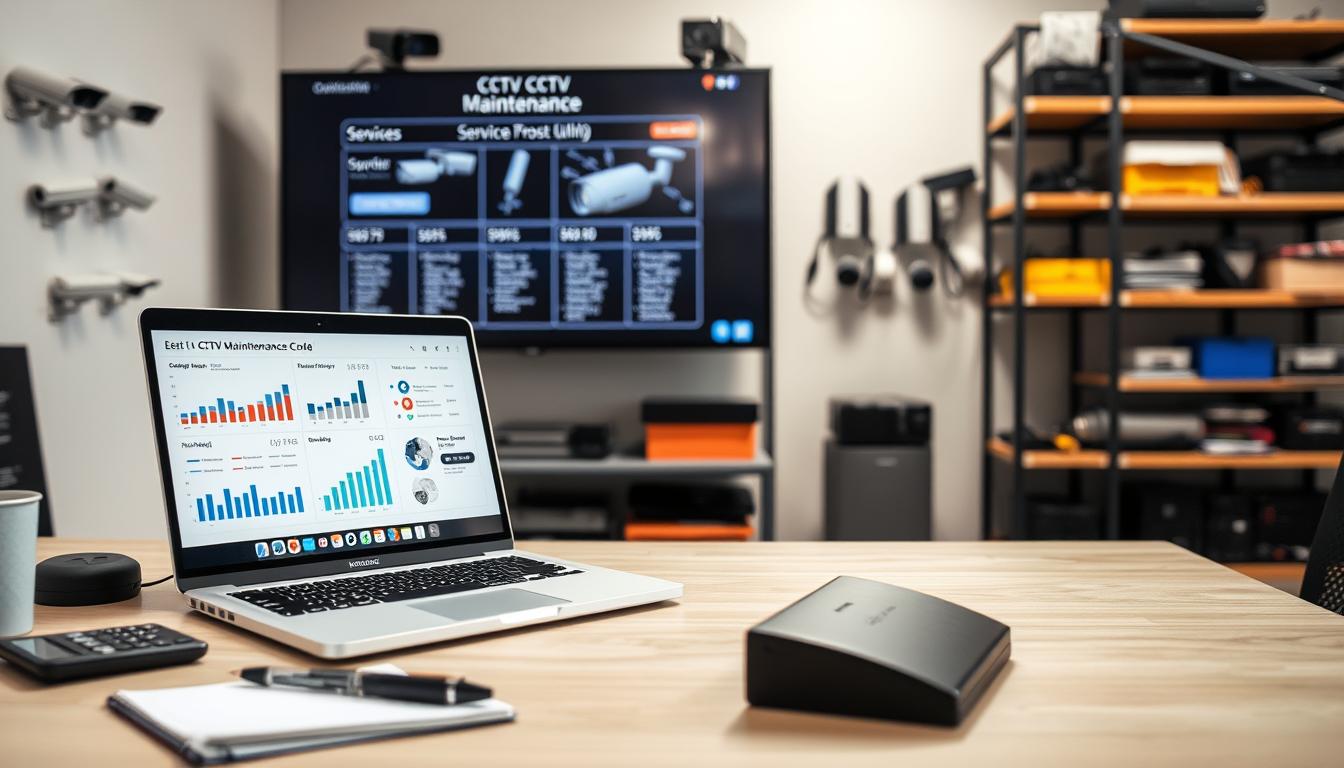
How much is CCTV maintenance? A Comprehensive Buyer’s Guide
Property owners across Singapore often ask about surveillance system upkeep. Understanding these expenses is crucial for effective budgeting.
Regular service ensures your security cameras work when needed most. It transforms your investment into a reliable protection tool.
This guide breaks down what influences surveillance pricing. We explore typical cost ranges for different property types.
You will learn about various service models available. We compare planned upkeep with emergency repair options.
The goal is clear information for smart decisions. Balance your security needs with practical financial planning.
Key Takeaways
- Regular upkeep is essential for reliable security system performance.
- Multiple factors influence surveillance service costs in Singapore.
- Both residential and commercial pricing ranges will be explored.
- Different service models offer varying long-term value.
- Choosing the right plan protects your security investment.
- This guide helps property owners budget effectively.
- Informed decisions balance expense with protection needs.
Why CCTV Maintenance Is a Non-Negotiable for Security
The true value of any monitoring setup is realized through consistent, professional care. Viewing this essential service as optional creates dangerous security gaps that intruders can exploit.
Studies reveal that scheduled upkeep can cut equipment failures by nearly one-third. This proactive approach safeguards your investment and ensures continuous protection.
Preventing Costly System Failures and Downtime
Neglecting your surveillance equipment invites trouble. A single malfunctioning camera creates a blind spot that compromises entire security coverage.
Proactive maintenance services identify minor issues before they escalate. Technicians spot loose connections, early hardware wear, and other potential problems early.
System downtime during a security incident carries serious consequences. It can lead to substantial financial losses and increased liability for businesses.
Emergency repairs typically cost 200-300% more than scheduled service calls. A structured maintenance plan proves far more economical over time.
Ensuring Legal Compliance and Admissible Evidence
In Singapore, surveillance systems must operate within strict legal frameworks. The Personal Data Protection Act (PDPA) governs how footage is collected and stored.
Regular maintenance checks verify that recordings are continuous and properly time-stamped. They ensure data storage meets security requirements for legal proceedings.
Footage quality directly impacts its admissibility in court or insurance claims. Consistent upkeep maintains video clarity crucial for identification purposes.
Proper system care ensures compliance with Singapore’s PDPA regulations while preserving evidentiary quality.
Maximizing Your System’s Lifespan and ROI
A well-maintained security system delivers protection for many additional years. This extends your return on investment significantly.
Routine cleaning of camera lenses prevents image degradation. Firmware updates address security vulnerabilities and improve functionality.
The cumulative expense of multiple emergency call-outs quickly surpasses preventive care costs. Component replacements also become less frequent with proper upkeep.
Your initial capital investment deserves protection through dedicated service. Professional maintenance transforms equipment into a reliable, long-term security partner.
Understanding Your CCTV System: Components and Types
The effectiveness of your property’s surveillance hinges on more than just the cameras you see. It depends on a network of specialized parts working in unison. Knowing what makes up your setup is the first step toward effective and cost-efficient care.
Core Components: From Cameras to Storage
Every surveillance system is built on a foundation of essential hardware. The cameras are the most visible elements, capturing the video feed.
This footage is sent to a recording device. For older analog setups, this is a Digital Video Recorder (DVR). Modern IP-based systems use a Network Video Recorder (NVR).
The recorder writes data to storage media, typically internal hard drives. A monitor is needed for live viewing and playback. All these parts are connected by a network of cables and power supplies.
Understanding this flow—from lens to storage—helps identify which component might fail.
Common Camera Types: Dome, Bullet, PTZ, and IP
Not all cameras are the same, and each type has specific upkeep needs. Dome cameras are common indoors. Their discreet, hemispheric design makes direction hard to guess.
Their sealed housing resists tampering but can trap dust inside the dome. Bullet cameras are easily spotted, acting as a visual deterrent outdoors.
Their long cylindrical housing requires regular checks of the weatherproof seals. A failed seal lets in moisture, which can ruin the internal equipment.
PTZ (Pan-Tilt-Zoom) models offer remote control to move and zoom the lens. These moving parts may need occasional lubrication and calibration by a technician.
IP cameras provide high-definition video and network connectivity. Their superior image quality comes with a need for stable network settings and software updates.
How System Complexity Influences Care Needs
The overall intricacy of your installation directly shapes its service requirements. A simple system with four fixed cameras needs less attention than a large network with dozens of units.
Integration with access control or alarm systems adds another layer of complexity. Technicians must understand how these systems interact.
Using cloud storage for footage introduces digital management tasks. Advanced analytics software also requires configuration checks.
A basic analog setup might need a yearly checkup, while a complex IP-based commercial system often requires quarterly visits to ensure everything functions correctly.
This understanding allows you to budget accurately. You can learn more about typical pricing for different setups by reviewing details on CCTV maintenance cost in Singapore. Tailoring a service plan to your specific configuration is the smart way to protect your security investment.
Key Factors That Determine Your CCTV Maintenance Cost
Your surveillance budget is shaped by several critical elements that go beyond the initial purchase price. Each component of your setup contributes to the ongoing expense of keeping it reliable. Smart planning requires understanding these variables from the start.
Number and Type of Cameras Installed
The quantity of units in your network is the most straightforward cost driver. A quote for eight cameras differs fundamentally from one for a sixty-four camera enterprise installation. More devices mean more time for inspection and testing during each service visit.
Camera technology also dictates expense. Advanced models with features like thermal imaging or AI analytics need specialized expertise. Standard dome or bullet cameras typically require less technical attention than these sophisticated units.
Scale and Complexity of the Installation
The physical layout of your property significantly impacts labor requirements. Cameras mounted on high poles or in hazardous areas demand special equipment for access. Extensive cabling runs across multiple buildings increase the time needed for thorough checks.
Complex integrations with other security systems add another layer. When surveillance networks connect to access control or alarms, technicians must verify all interactions function correctly. This comprehensive approach ensures your entire security ecosystem remains robust.
Level of Technology and Storage Requirements
Your chosen recording technology plays a crucial role in upkeep needs. Modern IP-based systems with Network Video Recorders require software updates and network health monitoring. Analog DVR setups often have simpler, less frequent digital management tasks.
The storage solution adds a recurring cost element. On-premise hard drives need capacity and health checks during every visit. Cloud-based subscriptions require monitoring for service continuity and data security compliance.
High-resolution cameras demand more storage space and processing power, which influences both hardware needs and service time.
Service Frequency and Response Time Expectations
The agreed-upon visit schedule forms the baseline of your contract expense. Quarterly inspections naturally cost more than annual checkups. More frequent visits help catch problems early, potentially preventing major system failures.
Emergency support expectations also affect pricing. Requiring a guaranteed four-hour response time typically commands a premium over standard next-business-day service. This rapid support ensures minimal downtime if an issue arises.
Bundling surveillance care with other security services can offer efficiencies. A single provider handling both camera upkeep and camera repair services often provides better value than separate contracts. This integrated approach simplifies management and can reduce overall costs.
How Much Is CCTV Maintenance? Breaking Down the Costs in Singapore
Pinpointing exact figures for surveillance care proves challenging without examining specific setups. However, Singapore’s service industry follows established pricing brackets based on system scale and complexity.
Annual contracts provide the most cost-effective approach to camera network upkeep. These agreements bundle scheduled visits with priority support for a fixed yearly fee.
Average Annual Cost Ranges for Typical Systems
Surveillance service providers in Singapore quote annual fees from SGD 300 to over SGD 2,500. The wide range reflects dramatic differences in equipment count and technical sophistication.
Basic packages for small setups start around the lower end. Comprehensive plans for enterprise networks with advanced features reach the upper bracket.
Quoting a single universal price is impossible. Each property has unique requirements influencing the final maintenance cost.
Residential vs. Commercial Maintenance Pricing
Homeowners with standard installations typically pay SGD 200 to SGD 600 yearly. This covers four to eight cameras with essential preventive care.
Business premises face higher expenses, usually between SGD 500 and SGD 1,500 annually. Complex commercial infrastructures demand more intensive service.
The pricing gap stems from several factors. Commercial sites have more cameras, intricate integrations, and stricter uptime requirements.
Industrial operations often exceed these ranges. Their specialized environments need customized maintenance services.
Commercial contracts include stringent Service Level Agreements (SLAs) guaranteeing rapid response times, which contributes to their higher cost structure compared to residential plans.
What a Standard Maintenance Visit Typically Includes
A professional technician performs a systematic inspection during each scheduled visit. This process ensures every component functions correctly.
First, they examine all camera housings for physical damage or weather intrusion. Lenses receive careful cleaning to restore optimal video clarity.
Cable connections get checked for corrosion or looseness. These inspections prevent signal loss and power issues.
The core verification involves testing recording functionality. Technicians sample playback from multiple cameras to confirm proper operation.
They also check the storage device’s health and available space. Firmware updates get applied to patch vulnerabilities and improve performance.
Each visit concludes with a detailed service report. This document records all actions taken and notes any recommended upkeep.
Inside a Maintenance Visit: Common Tasks and Services
A scheduled service appointment transforms your surveillance network from passive hardware into an actively protected asset. Technicians perform a series of standardized procedures during each visit. These actions ensure every component functions at peak performance.
This systematic approach covers both physical and digital aspects of your setup. It combines preventive care with functional verification. The result is a reliable security system that operates as intended.
Routine Cleaning and Physical Inspection
The foundation of any effective service plan is hands-on assessment. Technicians begin by examining each camera housing for physical damage. They look for cracks, corrosion, or signs of weather intrusion.
Lens cleaning removes dust, spider webs, and water stains. These contaminants severely degrade image quality over time. Clear lenses are essential for proper identification and deterrence.
Mounting brackets receive stability checks to prevent shifting or vibration. Housing seals get tested for weatherproofing integrity. Loose cables are secured and protected from environmental damage.
Power supplies and connections undergo thorough inspection. Technicians verify that all electrical components deliver consistent voltage. This prevents unexpected system failures during critical moments.
Software, Firmware, and Security Updates
Digital maintenance is as crucial as physical care. Outdated software creates vulnerabilities that hackers can exploit. Regular updates patch these security gaps effectively.
Firmware upgrades often include performance enhancements and new features. They optimize camera functionality and improve compatibility with other security components. Technicians apply these updates during scheduled visits.
Network settings receive verification to ensure proper connectivity. Remote access capabilities get tested for reliability. This includes mobile app functionality and web portal access.
Cybersecurity protection forms a critical part of modern surveillance care. Updated systems resist unauthorized access attempts better. They maintain the privacy of your recorded footage.
Playback and Recording Functionality Checks
Verifying that your system actually records is paramount. Technicians conduct comprehensive tests of the recording subsystem. They confirm all cameras are saving footage correctly.
Storage capacity analysis ensures sufficient space exists for retention periods. Hard drive health gets monitored for early warning signs. Proactive replacement of aging components prevents data loss.
Playback tests from random dates and times validate retrieval capability. This confirms recorded video remains accessible and clear. Such verification is vital for post-incident investigation.
Auxiliary functions undergo performance evaluation as well. Motion detection settings get calibrated for accuracy. Infrared night vision receives testing under low-light conditions.
A thorough maintenance visit must verify every camera records properly, stores footage securely, and allows clear playback when needed for review or evidence.
Emergency Troubleshooting and Repairs
Even with preventive care, unexpected issues can arise. Sudden failures like no video signal or distorted images require immediate attention. Complete system outages demand urgent response.
Technicians trained in emergency response diagnose problems efficiently. They identify whether issues stem from hardware, software, or connectivity sources. Rapid diagnosis minimizes security coverage gaps.
Common repairs include replacing faulty cables, swapping malfunctioning cameras, or repairing damaged housings. Power supply issues often get resolved during the same visit. Network connectivity problems receive troubleshooting and correction.
When faults appear during routine inspections, technicians address them immediately. This seamless transition from checkup to fix reduces overall downtime. Your surveillance protection resumes quickly with minimal interruption.
Professional services include both scheduled preventive work and responsive repair capabilities. This dual approach keeps your security investment performing reliably year after year.
Comparing Maintenance Service Models: Proactive vs. Reactive
The method you choose for caring for your monitoring setup can significantly impact both security and expenses. Property owners must decide between preventing issues or responding to them after they occur.
This choice defines your surveillance system’s reliability and your long-term spending. Understanding these models helps you select the right strategy for your needs.
The Benefits of Planned Preventive Maintenance (PPM)
A Planned Preventive Maintenance model schedules regular visits to keep your equipment healthy. Technicians perform systematic checks and servicing during these appointments.
This proactive approach identifies minor problems before they become major failures. It maintains consistent video quality and system performance.
The primary advantage is financial predictability. You budget a fixed annual cost instead of facing unexpected emergency bills.
Regular inspections extend the lifespan of all parts. They ensure your security investment delivers maximum value over time.
Understanding Reactive or Break-Fix Services
Reactive or break-fix service operates on an “as-needed” basis. You only contact a provider after something stops working.
This model leaves your property vulnerable between failure and repair. Security gaps can develop during this downtime.
While appearing cheaper initially, individual incident costs are typically much higher. Emergency call-out fees add to the repair expenses.
For businesses, this approach carries significant risk. A single camera failure during an incident could have serious consequences.
The break-fix model often costs three times more per incident compared to scheduled preventive care, not accounting for security vulnerability during downtime.
The Role of Remote Diagnostics and Monitoring
Modern maintenance services increasingly use remote capabilities. Authorized technicians can securely access your system over the internet.
Remote diagnostics allow for quick software updates and configuration checks. Many issues get resolved without a physical site visit.
Advanced monitoring takes this further. Providers watch system vitals like storage health and camera connectivity.
You receive alerts about potential problems before they cause failures. This adds another layer of protection to your surveillance setup.
The most effective strategy combines scheduled visits with remote support. This hybrid approach offers comprehensive protection for your security system.
It ensures routine care while providing fast response to unforeseen emergency situations. Your property remains protected through both prevention and rapid repairs.
Navigating Maintenance Contracts: Long-Term vs. Short-Term
The duration of your service contract plays a crucial role in determining both protection quality and expenditure over time. Selecting the right agreement requires balancing security needs with financial planning.
Each contract type offers distinct advantages for different property situations. Understanding these options helps you make an informed decision.
Cost Savings and Stability of Long-Term Agreements
Committing to a multi-year service plan typically provides significant financial benefits. Providers often offer discounted rates for two or three-year contracts.
These agreements lock in pricing, shielding you from potential increases during the term. Budget stability becomes easier with fixed annual costs.
A long-term relationship ensures consistent care from a trusted provider. Technicians become familiar with your specific systems and setup.
This familiarity can lead to faster diagnosis and resolution of any complexity issues. Service continuity is guaranteed throughout the contract period.
Flexibility and Adaptability of Short-Term Plans
Annual contracts provide greater freedom to reassess your security needs regularly. You can switch providers or upgrade equipment without penalty.
This flexibility suits businesses testing a new service company. It also works for temporary sites or properties expecting changes.
Short-term plans allow adjustments based on evolving security requirements. They prevent being locked into outdated service arrangements.
The main trade-off is potentially higher per-year costs compared to multi-year commitments. You exchange savings for adaptability.
Key Clauses to Look for in Any Service Contract
Regardless of term length, certain contract elements demand careful review. These clauses define your rights and the provider’s responsibilities.
The Scope of Work should explicitly list all tasks included in standard visits. It must clarify any exclusions or additional charges for special repairs.
Service Level Agreements specify guaranteed response times for different priority issues. Look for clear definitions of emergency versus routine situations.
A robust SLA might guarantee a four-hour response for critical failures and 24 hours for minor faults, ensuring minimal security gaps.
Parts and labor warranty terms require close attention. Determine if replaced components are covered and for what duration.
Clarify whether labor for repairs is included in the annual fee or billed separately. This affects your total maintenance expense.
Termination clauses and automatic renewal terms need understanding. Know how to exit the agreement if service quality declines.
Multi-year contracts should include price adjustment mechanisms. These factors prevent unexpected increases during your commitment period.
Reviewing these things protects your investment and ensures you receive the upkeep promised. A clear contract forms the foundation of reliable surveillance service.
Available Maintenance Packages: From Basic to Comprehensive
Maintenance agreements are not one-size-fits-all. They range from essential support to comprehensive partnership models.
Providers structure their offerings into distinct tiers. This allows property owners to match a service level with their specific budget and risk profile.
Entry-Level Packages for Essential Upkeep
Entry-level or basic packages focus on fundamental upkeep. They are designed for cost-conscious owners with newer, reliable systems.
These plans typically include one or two scheduled site visits per year. Technicians perform essential cleaning, physical inspections, and basic diagnostics.
The scope is clearly defined. It covers the labor for these routine inspections.
Any required replacement parts or labor for repairs are usually billed separately. This model keeps the base cost low for predictable, periodic checkups.
Mid-Tier Plans with Enhanced Monitoring
Mid-tier maintenance plans offer a significant step up in proactive care. They usually feature quarterly site visits for more frequent attention.
A key enhancement is the inclusion of remote system health monitoring. Providers use software to track if cameras go offline or if storage errors occur.
This allows for virtual troubleshooting of many common things. Alerts can be sent before a minor issue affects your security coverage.
Labor for minor adjustments or repairs is often included in the annual fee. This creates predictable costs for most common service needs.
The value of a mid-tier plan lies in its blend of physical visits and digital vigilance, preventing small problems from becoming big ones.
Premium, All-Inclusive Security Partnerships
Premium packages treat your surveillance system as a critical business asset. They represent a comprehensive security partnership.
These top-tier contracts offer the highest level of care. This often includes monthly or bi-monthly physical visits.
They provide full coverage for all parts and labor, excluding acts of vandalism. Priority 24/7 emergency support with guaranteed rapid response is standard.
Value-added benefits are common. These can include bi-annual security audits and consultation on system upgrades.
Providers may also deliver detailed analytics reports on performance. This data helps inform long-term security strategy.
Choosing the right package is a strategic decision. It involves matching the level of protection to the value of your assets.
Consider the operational risk posed by potential system downtime. A more comprehensive plan justifies itself for high-value or high-traffic properties.
The DIY Approach vs. Professional Maintenance Services
Managing your camera network’s health presents two distinct paths with very different outcomes. Property owners must weigh personal involvement against expert care for their surveillance systems.
This choice impacts reliability, security, and long-term expenses. Understanding both options helps you make an informed decision for your property.
What You Can Realistically Do Yourself
Some basic surveillance upkeep tasks are safe for property owners to handle. These simple actions can help maintain your equipment between professional visits.
Gentle cleaning of external camera lenses is one achievable task. Use a soft, microfiber cloth and appropriate cleaning solution. Avoid abrasive materials that could scratch the delicate glass.
Visual inspections for obvious problems are another DIY possibility. Check for physical damage to housings or mounting brackets. Look for obstructions like overgrown plants blocking camera views.
You can verify basic system functionality without technical expertise. Confirm power indicators are illuminated on all units. Perform simple playback checks to ensure recording continues.
These actions provide a basic health status for your security system. They help you stay aware of any immediate, visible issues.
The Hidden Costs and Risks of DIY Maintenance
Attempting more complex surveillance care carries significant hidden dangers. What appears to save money initially often leads to greater expenses later.
Improper handling during cleaning can cause permanent damage. Scratching lenses degrades video quality irreparably. Exposing indoor components to moisture during outdoor cleaning ruins sensitive electronics.
Network troubleshooting without proper knowledge creates connectivity issues. A simple misconfiguration can take your entire surveillance offline.
Many manufacturer warranties become void if unauthorized persons open or tamper with security devices, leaving owners fully responsible for all subsequent repair costs.
Without specialized diagnostic tools, subtle warning signs go unnoticed. A degrading hard drive might show no symptoms until complete failure occurs. Power supply fluctuations outside safe parameters remain undetected.
These latent problems eventually manifest as sudden system failures. Emergency situations then require immediate professional intervention at premium rates.
The Value Proposition of Professional Expertise
Engaging a qualified service provider transforms how your surveillance operates. Trained technicians bring systematic approaches that go beyond surface checks.
Professionals use comprehensive checklists covering every component. They don’t just look at equipment—they know what specific signs indicate impending failures.
Specialized calibration tools ensure cameras capture optimal video quality. Network analyzers verify stable connectivity and bandwidth sufficiency. Storage testing equipment identifies degrading hard drives before data loss occurs.
Up-to-date knowledge of firmware updates and cybersecurity patches is standard. Technicians apply these essential software improvements during scheduled visits.
The diagnostic expertise of professionals identifies latent issues early. They resolve problems before they impact your property’s security coverage.
Formal service contracts provide accountability and guaranteed response times. You gain peace of mind knowing your critical infrastructure receives proper care.
For businesses, this professional partnership ensures compliance and operational continuity. It transforms surveillance from mere equipment into a reliable security asset.
Choosing the Right CCTV Maintenance Provider in Singapore
Finding a qualified partner for your security equipment upkeep requires careful vetting of several key credentials. The company you select becomes responsible for the health of your critical surveillance systems.
This decision impacts reliability, compliance, and long-term operational costs. A thorough evaluation process helps you identify a true professional service.
Essential Credentials and Certifications to Verify
In Singapore, a reputable provider must hold a valid security license from the Police Licensing & Regulatory Department (PLRD). This is a legal requirement for any firm performing security-related work.
Always ask to see this license before signing any contracts. It confirms the business operates within the official regulatory framework.
Look for technical certifications from major camera manufacturers like Hikvision, Dahua, or Axis. These partnerships show technicians are trained on specific systems.
Certified professionals have direct access to genuine parts and advanced technical support. This expertise is crucial for complex repairs and software updates.
Evaluating Service Scope and Response Guarantees
Scrutinize the proposed Service Level Agreement (SLA) with great care. This document defines the provider’s promised performance.
A strong SLA unambiguously states what constitutes an emergency versus a routine fault. It should include guaranteed response time windows and resolution targets.
Request a detailed list of inclusions and exclusions for a standard maintenance visit. Clear scope prevents misunderstandings about what the agreed fee covers.
Understand the communication process. Will you receive detailed service reports after each inspection? Is there a dedicated contact or client portal?
A robust SLA might guarantee a four-hour onsite response for critical failures, ensuring minimal security gaps for your business.
The Importance of Local Knowledge and References
A provider with strong local experience understands Singapore’s unique challenges. They know how the humid climate affects electronics and common installation practices in HDB flats or condos.
This knowledge is vital for effective preventive upkeep and compliance with regulations like the PDPA. Local expertise ensures your system is cared for appropriately.
Always ask for and actually contact client references. Seek feedback from clients with systems similar in scale and complexity to yours.
Firsthand accounts reveal a provider’s true reliability, communication style, and service quality. This step is invaluable for making a confident choice.
Consider the company’s business longevity and financial stability. You are entering a long-term partnership for a critical security asset.
A stable provider can offer consistent support over many years. This protects your investment and gives you lasting peace of mind.
Beyond Repairs: Additional Expenses in CCTV Upkeep
Property owners often overlook recurring digital expenses when planning their security budgets. The complete financial picture includes predictable upgrade cycles and subscription fees beyond basic repair work.
These additional costs form part of the total ownership equation. Smart planning accounts for them from the beginning.
Budgeting for Hardware Upgrades and Replacements
Surveillance equipment has a finite operational lifespan. Cameras and recorders typically function reliably for five to seven years.
After this period, parts begin to wear out naturally. Image sensors lose sensitivity and internal components degrade.
Proactive budgeting prevents emergency replacement scenarios. A planned technology refresh cycle spreads expenses over time.
This approach avoids sudden capital outlays when critical systems fail. It maintains consistent security coverage without gaps.
Cloud Storage Fees and Software Subscription Costs
Modern surveillance increasingly relies on cloud-based solutions. These services involve recurring subscription fees.
Pricing typically depends on the number of cameras and required retention period. Higher video resolution demands more storage capacity.
Advanced features like facial recognition need separate software licenses. These annual subscriptions add to operational costs.
Integrating surveillance with access control or alarm platforms may require middleware. These integration fees contribute to the total ownership expense.
Costs Associated with Legal and Compliance Reviews
Singapore’s Personal Data Protection Act (PDPA) governs surveillance usage. Regulations evolve alongside technology advancements.
Periodic legal reviews ensure your policies remain compliant. This includes proper signage and data handling procedures.
Consulting with data protection professionals involves separate fees. These reviews represent intermittent but necessary budget items.
Compliance protects against potential fines and legal issues. It ensures your security upkeep meets all regulatory standards.
A comprehensive security budget accounts for these predictable expenses. It covers routine service plus upgrade cycles and subscriptions.
This holistic approach delivers reliable protection year after year. It transforms surveillance from an expense into a strategic asset.
The Tangible Benefits of Investing in Professional Maintenance
Compared to reactive repairs, systematic professional maintenance offers multiple layers of tangible benefits for property security. This strategic approach transforms surveillance from basic equipment into a reliable protection asset.
The value extends beyond fixing broken parts. It creates a proactive shield against potential security gaps.
Enhanced System Reliability and Reduced Downtime
Professional maintenance services dramatically boost your surveillance network’s dependability. Studies show they can cut equipment failures by nearly one-third.
Scheduled checks ensure all components work together seamlessly. From camera sensors to storage drives, everything functions in harmony.
This coordination eliminates single points of failure. Your entire security system remains active and vigilant.
Near-zero unexpected downtime becomes a reality. Property owners gain confidence that their coverage is always operational.
Consistently High Video Quality for Deterrence and Identification
Clear footage serves two critical purposes in Singapore. It deters criminal activity while providing usable evidence when needed.
Regular lens cleaning removes dust, moisture, and debris. Professional calibration maintains optimal image settings.
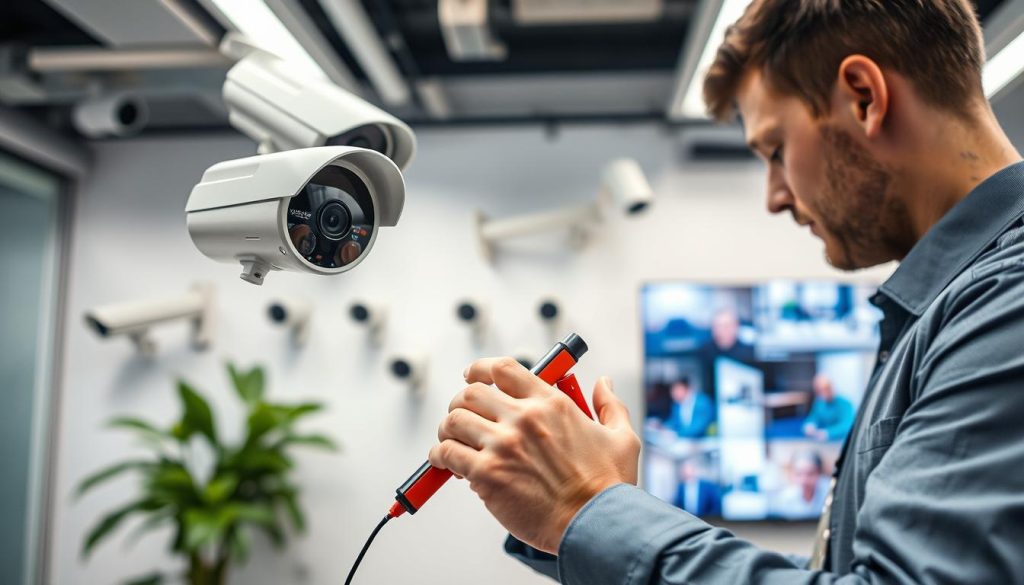
This consistent quality is not just about visual clarity. It ensures recorded details suffice for positive identification.
A well-maintained, visible surveillance setup acts as a powerful psychological deterrent. Criminals often avoid properties with obviously functional cameras.
For businesses, this preventive approach prevents incidents before they occur. It actively protects assets and reputation.
Long-Term Cost Savings Through Preventative Care
From a financial perspective, professional upkeep follows a smart principle. Pay predictable amounts now to avoid massive bills later.
Preventative care typically costs 8-15% of the initial installation yearly. Major emergency repairs can cost multiples of that figure.
Annual contract fees become manageable operating expenses. They replace irregular, budget-breaking repair charges.
Proper maintenance extends system lifespan by up to 50%, protecting your capital investment and delaying expensive technology refreshes.
Technicians spot problems early during routine inspections. Minor issues get resolved before escalating into major failures.
This approach maximizes your initial investment. You extract full value from surveillance equipment before replacement becomes necessary.
Software updates and security patches get applied systematically. These digital services prevent vulnerabilities that could compromise footage.
Ultimately, professional service transforms surveillance into a dynamic asset. It delivers continuous protection and lasting peace of mind for Singapore property owners.
Securing Your Investment: A Smart Maintenance Strategy
Effective property protection evolves from reactive fixes to a structured, preventive maintenance framework.
Begin with an honest assessment of your surveillance system’s complexity. Understand your specific security requirements for home or business.
Move beyond viewing professional care as an expense. Recognize it as essential risk management that safeguards your assets.
Selecting the right service package from a licensed Singapore provider locks in reliability. It ensures compliance and creates a lasting security partnership.
Budget for both routine checks and future technology upgrades. This keeps your capabilities current against emerging threats.
The true expense of neglect far outweighs planned upkeep costs. Protect your investment with a proactive plan today.
FAQ
What is the typical annual price for keeping a surveillance system running?
In Singapore, yearly upkeep for a standard system often ranges from S0 to SWhat is the typical annual price for keeping a surveillance system running?In Singapore, yearly upkeep for a standard system often ranges from S0 to S
,200. This depends on your camera count, technology level, and service plan. A basic residential setup with a few cameras will be on the lower end. A complex commercial network with many IP cameras will cost more.What does a standard professional service visit include?A technician performs several key tasks. They clean camera lenses and housings for clear video. They check all recording and playback functions. The visit includes inspecting cables and mounts for damage. Experts also run software updates and verify storage health to prevent failures.Is a formal service contract necessary for my security cameras?A planned maintenance contract is highly recommended. It provides regular inspections to catch problems early. This proactive approach is cheaper than emergency repairs. Contracts also ensure legal compliance by keeping footage admissible. They offer cost predictability and often include priority response.Can I maintain my CCTV equipment myself to save money?You can do simple tasks like lens cleaning and visual checks. However, professional services are crucial for complex work. This includes firmware updates, network configuration, and deep system diagnostics. DIY mistakes can void warranties or create security gaps. The risk of missing critical issues is high.How does system complexity influence ongoing upkeep expenses?More cameras and advanced features increase costs. A network of PTZ cameras needs more frequent calibration. Large storage arrays and cloud services add recurring fees. Integrated systems with access control require specialized knowledge. More complex installations simply demand more labor and expertise to maintain properly.What are the risks of skipping scheduled surveillance system checks?Skipping checks leads to undetected problems. Dirty lenses cause poor video quality, making identification impossible. Outdated software can have security holes. Storage failures might result in lost evidence. This can cause downtime during a critical event and potentially invalidate footage in legal situations.What should I look for when choosing a maintenance provider?A> Verify their credentials and experience with your camera brands. Check their service scope—do they cover hardware, software, and remote support? Look for clear response time guarantees. Ask for local references and ensure they understand Singapore’s compliance landscape. A good provider acts as a security partner.,200. This depends on your camera count, technology level, and service plan. A basic residential setup with a few cameras will be on the lower end. A complex commercial network with many IP cameras will cost more.
FAQ
What is the typical annual price for keeping a surveillance system running?
In Singapore, yearly upkeep for a standard system often ranges from S0 to S
FAQ
What is the typical annual price for keeping a surveillance system running?
In Singapore, yearly upkeep for a standard system often ranges from S$300 to S$1,200. This depends on your camera count, technology level, and service plan. A basic residential setup with a few cameras will be on the lower end. A complex commercial network with many IP cameras will cost more.
What does a standard professional service visit include?
A technician performs several key tasks. They clean camera lenses and housings for clear video. They check all recording and playback functions. The visit includes inspecting cables and mounts for damage. Experts also run software updates and verify storage health to prevent failures.
Is a formal service contract necessary for my security cameras?
A planned maintenance contract is highly recommended. It provides regular inspections to catch problems early. This proactive approach is cheaper than emergency repairs. Contracts also ensure legal compliance by keeping footage admissible. They offer cost predictability and often include priority response.
Can I maintain my CCTV equipment myself to save money?
You can do simple tasks like lens cleaning and visual checks. However, professional services are crucial for complex work. This includes firmware updates, network configuration, and deep system diagnostics. DIY mistakes can void warranties or create security gaps. The risk of missing critical issues is high.
How does system complexity influence ongoing upkeep expenses?
More cameras and advanced features increase costs. A network of PTZ cameras needs more frequent calibration. Large storage arrays and cloud services add recurring fees. Integrated systems with access control require specialized knowledge. More complex installations simply demand more labor and expertise to maintain properly.
What are the risks of skipping scheduled surveillance system checks?
Skipping checks leads to undetected problems. Dirty lenses cause poor video quality, making identification impossible. Outdated software can have security holes. Storage failures might result in lost evidence. This can cause downtime during a critical event and potentially invalidate footage in legal situations.
What should I look for when choosing a maintenance provider?
A> Verify their credentials and experience with your camera brands. Check their service scope—do they cover hardware, software, and remote support? Look for clear response time guarantees. Ask for local references and ensure they understand Singapore’s compliance landscape. A good provider acts as a security partner.
,200. This depends on your camera count, technology level, and service plan. A basic residential setup with a few cameras will be on the lower end. A complex commercial network with many IP cameras will cost more.
What does a standard professional service visit include?
A technician performs several key tasks. They clean camera lenses and housings for clear video. They check all recording and playback functions. The visit includes inspecting cables and mounts for damage. Experts also run software updates and verify storage health to prevent failures.
Is a formal service contract necessary for my security cameras?
A planned maintenance contract is highly recommended. It provides regular inspections to catch problems early. This proactive approach is cheaper than emergency repairs. Contracts also ensure legal compliance by keeping footage admissible. They offer cost predictability and often include priority response.
Can I maintain my CCTV equipment myself to save money?
You can do simple tasks like lens cleaning and visual checks. However, professional services are crucial for complex work. This includes firmware updates, network configuration, and deep system diagnostics. DIY mistakes can void warranties or create security gaps. The risk of missing critical issues is high.
How does system complexity influence ongoing upkeep expenses?
More cameras and advanced features increase costs. A network of PTZ cameras needs more frequent calibration. Large storage arrays and cloud services add recurring fees. Integrated systems with access control require specialized knowledge. More complex installations simply demand more labor and expertise to maintain properly.
What are the risks of skipping scheduled surveillance system checks?
Skipping checks leads to undetected problems. Dirty lenses cause poor video quality, making identification impossible. Outdated software can have security holes. Storage failures might result in lost evidence. This can cause downtime during a critical event and potentially invalidate footage in legal situations.
What should I look for when choosing a maintenance provider?
A> Verify their credentials and experience with your camera brands. Check their service scope—do they cover hardware, software, and remote support? Look for clear response time guarantees. Ask for local references and ensure they understand Singapore’s compliance landscape. A good provider acts as a security partner.
What does a standard professional service visit include?
A technician performs several key tasks. They clean camera lenses and housings for clear video. They check all recording and playback functions. The visit includes inspecting cables and mounts for damage. Experts also run software updates and verify storage health to prevent failures.
Is a formal service contract necessary for my security cameras?
A planned maintenance contract is highly recommended. It provides regular inspections to catch problems early. This proactive approach is cheaper than emergency repairs. Contracts also ensure legal compliance by keeping footage admissible. They offer cost predictability and often include priority response.
Can I maintain my CCTV equipment myself to save money?
You can do simple tasks like lens cleaning and visual checks. However, professional services are crucial for complex work. This includes firmware updates, network configuration, and deep system diagnostics. DIY mistakes can void warranties or create security gaps. The risk of missing critical issues is high.
How does system complexity influence ongoing upkeep expenses?
More cameras and advanced features increase costs. A network of PTZ cameras needs more frequent calibration. Large storage arrays and cloud services add recurring fees. Integrated systems with access control require specialized knowledge. More complex installations simply demand more labor and expertise to maintain properly.
What are the risks of skipping scheduled surveillance system checks?
Skipping checks leads to undetected problems. Dirty lenses cause poor video quality, making identification impossible. Outdated software can have security holes. Storage failures might result in lost evidence. This can cause downtime during a critical event and potentially invalidate footage in legal situations.
What should I look for when choosing a maintenance provider?
A> Verify their credentials and experience with your camera brands. Check their service scope—do they cover hardware, software, and remote support? Look for clear response time guarantees. Ask for local references and ensure they understand Singapore’s compliance landscape. A good provider acts as a security partner.


