
Discover What a CCTV Service Includes in Singapore
Protecting your property in Singapore requires more than just cameras on walls. A professional surveillance solution brings comprehensive security to homes and businesses. This approach delivers true peace of mind through reliable, managed protection.
Modern security systems combine high-quality equipment with expert support. The right setup acts as a powerful deterrent against intruders. It also provides crucial evidence if incidents occur on your premises.
These services address common challenges like blind spots or system failures. Providers tailor solutions to specific security needs. From residential units to corporate buildings, each installation gets custom attention.
The core value lies in remote access and continuous monitoring. You can check your property from anywhere using a smartphone. Professional maintenance ensures optimal performance year-round.
Key Takeaways
- Professional CCTV services offer complete security solutions, not just equipment sales
- These systems provide 24/7 monitoring and remote access capabilities
- Tailored installations address specific property security needs in Singapore
- Regular maintenance ensures reliable performance and early issue detection
- Quality surveillance acts as both deterrent and evidence collection tool
- Expert support handles installation, configuration, and ongoing system management
- Comprehensive protection brings genuine peace of mind for property owners
Why CCTV Services Are Essential for Security in Singapore
Navigating Singapore’s security needs demands solutions that are both visible and intelligent. A professional surveillance setup addresses the unique challenges of an urban environment. It transforms a property from a potential target into a fortified space.
The Role of Surveillance in Urban Crime Prevention
Studies consistently show that visible security cameras are a powerful crime deterrent. Their presence significantly lowers the risk of theft, vandalism, and unauthorized entry. Potential offenders often avoid properties under watch.
These systems do more than just scare criminals away. They enable continuous monitoring of daily operations for safety and efficiency. Managers can oversee premises in real-time, ensuring protocols are followed.
In Singapore’s context, the practical need for such surveillance is clear. Dense residential estates and busy commercial hubs benefit from this extra layer of protection. It creates a documented record of all activity.
Providing Evidence and Peace of Mind for Property Owners
When an incident occurs, recorded footage becomes invaluable. High-quality image and video data provide admissible evidence for police investigations. This evidence can also support and expedite insurance claims.
The knowledge that your property is monitored brings genuine peace of mind. Owners feel secure whether they are on-site or miles away. Remote access via smartphone adds to this sense of control.
For businesses, the benefits extend further. Security cameras protect physical assets and inventory. They also help ensure employee safety and can enhance customer trust by showcasing a secure environment.
Ultimately, a professional CCTV solution is an investment in proactive risk management. It is not merely a reactive tool but a cornerstone of modern security strategy in Singapore.
What Does a CCTV Service Include? The Core Components
A complete surveillance solution is built upon three interconnected pillars: observation, documentation, and access. Professional providers select and integrate specific hardware and software to fulfill these roles. This creates a cohesive network tailored to your property’s unique layout.
Each component plays a vital part in the overall performance of your security system. From capturing clear images to enabling remote viewing, every piece must work in harmony. Let’s examine these essential parts.
Security Cameras: The Eyes of Your System
The cameras are your primary observation tools. Modern units offer high-definition video and crucial features like night vision and motion detection. These features ensure clear footage in various lighting conditions.
Different styles suit different applications:
- Dome cameras offer discreet, vandal-resistant monitoring for indoor spaces like shops.
- Bullet cameras provide long-range visibility, ideal for covering parking lots or building perimeters.
- PTZ (Pan-Tilt-Zoom) cameras allow remote control of the field of view, perfect for large industrial facilities.
Expert placement considers blind spots, lighting, and potential obstructions. The right camera choice depends entirely on the location it must secure.
Recording Devices: DVRs and NVRs for Data Storage
Recording devices are the brains that process and store all captured data. They determine video quality and how long footage is retained.
DVRs (Digital Video Recorders) work with traditional analog cameras. NVRs (Network Video Recorders) are used with modern IP cameras, often providing superior image clarity. Both are central to reliable storage.
Storage capacity, measured in hard drive size, dictates the recording retention period. A professional service will calculate the needed capacity based on camera count, resolution, and how many days of footage you require. This ensures evidence is available when needed.
Monitoring Technologies for Live and Remote Viewing
The final pillar is user access. Modern cctv systems provide live feeds and recorded playback on various devices. You can view your property in real-time from a smartphone, tablet, or computer.
This remote access is powered by secure apps and network configuration. It turns a local security system into a mobile command center. You receive instant alerts if motion is detected, keeping you informed anywhere.
True professional installation ensures all these key components—cameras, recorders, and monitoring tech—work seamlessly as one system. The integration is what transforms individual equipment into a powerful security asset.
The Professional CCTV System Installation Process
Achieving optimal coverage and performance from your security equipment demands a proven installation framework. This structured approach turns individual components into a unified, reliable network. It is the critical difference between having cameras on a wall and possessing a fully functional security asset.
Step 1: Initial Security Consultation and Needs Assessment
Every successful project begins with a collaborative conversation. Security experts sit down with you to identify core objectives and assess specific risk areas. This phase defines the entire scope of your future security system.
Technicians discuss your primary concerns, whether it’s monitoring entry points, securing inventory, or overseeing a large compound. They translate these needs into technical requirements for cameras, storage, and remote access. This ensures the proposed solution aligns perfectly with your goals.
Step 2: Strategic Site Survey for Optimal Camera Placement
Following the consultation, a detailed physical survey of your property occurs. Technicians analyze the layout, noting all entry points, high-traffic zones, and valuable assets. They evaluate lighting conditions throughout the day and identify potential blind spots.
This on-site analysis is crucial for mapping camera positions. The goal is maximum coverage without obstructions. Experts consider mounting heights, angles, and the specific features of different camera types. This strategic planning is a key advantage over DIY attempts, which often result in poor placement.
Step 3: Expert Wiring, Configuration, and Final Testing
The physical installation begins with careful handling of all equipment and parts. Technicians run cables neatly and securely, whether through conduits, ceilings, or walls. They mount hardware firmly and connect components to power and network sources with precision.
Once physically installed, the system configuration starts. This involves setting recording schedules, defining motion detection zones, and establishing user permissions. Remote viewing applications are installed and configured on your devices.
The final, non-negotiable phase is comprehensive testing. Every single camera angle is checked for a clear view. Recording functions, playback, and alert features are verified. This rigorous checkout ensures flawless operation from day one.
Professional technicians make sure every connection is secure and every setting is optimized. This attention to detail safeguards the quality and long-term performance of your investment. It is the foundation upon which a reliable cctv system is built.
Ongoing Maintenance and Upkeep of Your CCTV System
A well-installed security network is only as reliable as the upkeep plan behind it. Regular maintenance is not an optional extra—it is the essential practice that protects your investment and ensures continuous surveillance. Neglecting this routine is the fastest way to compromise your property’s security.
Importance of Regular Checks for System Longevity
Proactive maintenance is the key to preventing sudden system failures. It identifies minor issues before they escalate into major problems. A loose cable or a dusty lens can lead to a complete camera failure or lost data.
Scheduled checks provide predictable costs and allow for better budget planning. You avoid expensive emergency repair bills. This approach also extends the lifespan of all your security equipment.
Consistent upkeep guarantees optimal performance and image quality. It make sure your surveillance asset is always operational. This reliability is the foundation of true peace of mind.
Common Maintenance Tasks: Cleaning, Connections, and Software
A standard bi-annual schedule is recommended for most systems. This frequency adapts based on environmental factors like dust, humidity, or coastal air. Professional service providers tailor this schedule to your specific setup.
Physical tasks are crucial. Technicians professionally clean camera housings and lenses to maintain a clear view. They also inspect all cables, connectors, and mounting parts for wear, corrosion, or damage.
Technical checks verify the core functionality of your system. This includes testing recording devices, ensuring adequate storage space, and updating firmware. Software updates patch security vulnerabilities and can add new features.
Backup power supplies, like UPS units, are tested to ensure they function during an outage. This comprehensive review covers every component. It transforms your cctv from static hardware into a dynamic, living security asset.
Be alert for signs that demand immediate attention. Flickering video, distorted images, or persistent error messages indicate a problem. Addressing these warnings quickly with professional support prevents a total system breakdown and safeguards your surveillance coverage.
Remote Monitoring Services: Security at Your Fingertips
Remote monitoring transforms static security cameras into dynamic, interactive guardians of your premises. This capability moves surveillance beyond simple recording to active, connected protection. You gain direct oversight of your property from any location with internet connectivity.
Modern monitoring services deliver live video feeds straight to smartphones and tablets. This instant access revolutionizes how property owners manage security in Singapore. It turns every mobile device into a personal command center.
Benefits of Real-Time Access and Live Alerts
Immediate notification of unusual activity represents a major advantage. When motion detection triggers an alert, you receive instant push notifications. This enables potential intervention before a situation escalates.
Business operators enjoy significant operational benefits from this technology. Checking on overnight operations or verifying alarm activations happens with a few screen taps. Remote access can also be granted to authorities during emergencies.
The convenience factor cannot be overstated. Reviewing recorded footage no longer requires traveling to the site. All historical data remains accessible through secure cloud platforms or network storage.
Live alerts provide tangible security benefits. They facilitate immediate response to suspicious movements. This proactive approach can deter criminal acts in progress.
How Advanced Technology Enhances Remote Surveillance
Artificial intelligence dramatically improves monitoring accuracy. Smart video analytics distinguish between humans, vehicles, and animals. This intelligence reduces false alarms caused by pets or foliage movement.
Cloud-based storage solutions offer robust, off-site backup for all recorded material. This approach provides several key features:
- Resilience against local hardware failure or damage
- Accessibility from any internet-connected device worldwide
- Scalability to accommodate growing data needs without hardware upgrades
- Security through enterprise-grade encryption and access controls
The cost-effectiveness of professional monitoring services is substantial. Compared to employing 24/7 on-site security personnel, remote solutions can achieve savings up to 80%. This makes comprehensive protection accessible for more properties.
Advanced systems integrate multiple security layers seamlessly. Access control logs, alarm triggers, and video footage correlate in unified platforms. This holistic view simplifies incident investigation and daily management.
For modern Singapore properties, remote monitoring has become essential. It delivers enterprise-grade security at a manageable operational cost. This technology represents the new standard for connected, intelligent property protection.
Exploring the Types of CCTV Cameras Available
The camera market offers a wide spectrum of technologies, each designed for specific security challenges and environments. Choosing the right type is not about finding the “best” camera, but the most suitable one for your location and goals. A professional provider helps navigate these options to build an effective, layered surveillance solution.
Analog vs. Digital vs. IP Cameras: Understanding the Differences
Three primary technology families dominate modern surveillance. Each has distinct advantages in cost, image quality, and installation complexity.
Analog cameras are the traditional, cost-effective choice. They transmit a standard-definition video signal over coaxial cable to a Digital Video Recorder (DVR). While reliable, their image clarity is limited, making fine details like faces or license plates hard to identify at a distance.
HD-over-Coax cameras represent a digital upgrade path for existing analog wiring. They deliver high-definition video (720p or 1080p) over the same coaxial cables, offering better quality without a complete rewiring. This is a practical choice for upgrades.
IP (Internet Protocol) cameras are the current network-based standard. They send crisp, high-resolution video data over your local network, enabling features like remote viewing and smart analytics. These systems offer superior scalability and are ideal for new installations.
- Resolution: Analog is lowest, HD-over-Coax is better, IP offers the highest (up to 4K).
- Wiring: Analog uses coaxial cable. IP uses standard network (Ethernet) cabling, which can also deliver power.
- Scalability: IP cameras are easier to add to an existing network. Analog systems are more limited.
- Total Cost: Analog is often lowest upfront. IP may have higher initial costs but provides greater long-term value and features.
Specialized Cameras: Thermal, PTZ, and Facial Recognition
Beyond standard models, specialized cameras tackle unique security challenges. They add powerful capabilities to a comprehensive system.
Thermal imaging cameras detect heat signatures instead of visible light. They create a clear image in total darkness, through fog, smoke, or light foliage. This makes them perfect for perimeter detection in low-light areas or safeguarding remote assets.
PTZ (Pan-Tilt-Zoom) cameras provide active area coverage. Operators can remotely control the direction, tilt, and zoom of the lens. This allows one camera to monitor a large space, like a parking lot or warehouse, and track movement in real-time.
Smart cameras with analytics include built-in processors for tasks like facial recognition, object counting, or loitering detection. They analyze the video stream on the device itself, sending instant alerts for specific behaviors. This transforms passive recording into intelligent surveillance.
Selecting the right mix depends entirely on the application. A retail shop might use fixed dome cameras indoors and varifocal bullet cameras outdoors. A large industrial site could combine fixed cameras with PTZ units and thermal sensors on its fence line.
Environmental specs are crucial. Outdoor cameras need weatherproof ratings (IP66 or higher). Areas with poor lighting require models with superior low-light capability or built-in infrared illuminators.
This decision-making process connects directly to the initial security consultation. A professional service matches these advanced camera types and features to your defined security goals, ensuring every unit serves a clear purpose in your overall protection strategy.
Video Recording and Storage Solutions Explained
Behind every clear security image lies a critical decision about how to preserve and manage that visual information. The recording and storage components form the memory center of your entire surveillance setup. They determine what evidence you capture and how long it remains available for review.
Choosing the right technology impacts both immediate performance and long-term reliability. This decision affects video clarity, retention periods, and overall system scalability. Understanding your options ensures your investment delivers maximum security value.
DVR vs. NVR Systems: Choosing the Right Recorder
Two main technologies dominate the recording landscape: Digital Video Recorders (DVR) and Network Video Recorders (NVR). Each serves distinct camera types and offers different capabilities. Your choice depends on existing infrastructure and future expansion plans.
DVR systems work exclusively with traditional analog cameras. They convert analog signals into digital format for storage on internal hard drives. These devices are often more cost-effective for basic setups with existing coaxial cabling.
NVR systems represent the modern standard for IP camera networks. They process digital video streams directly from network-connected cameras. This architecture supports higher resolutions and advanced features like remote access and smart analytics.
Key differences between these recording systems include:
- Camera Compatibility: DVRs work with analog cameras; NVRs require IP cameras
- Video Quality: NVR systems typically support higher megapixel resolutions
- Installation: DVRs use coaxial cables; NVRs utilize standard Ethernet networking
- Scalability: NVR-based cctv systems expand more easily with additional IP cameras
- Bandwidth: NVRs handle network traffic more efficiently for multi-camera setups
For properties with existing analog infrastructure, HD-over-Coax technology offers a middle path. It delivers improved video quality without replacing all cabling. New installations typically benefit from the future-proof advantages of NVR technology.
Evaluating Storage Capacity and Cloud-Based Options
Storage planning requires calculating how much data your cameras generate daily. This depends on multiple technical factors that determine hard drive requirements. Proper calculation prevents unexpected gaps in your recording history.
Four primary variables affect storage needs:
- Number of cameras in your surveillance network
- Resolution of each camera (measured in megapixels)
- Frame rate (frames per second) for smooth video playback
- Retention period desired for archived footage
Higher resolution cameras produce clearer images but consume more storage space. A 4MP camera recording continuously needs approximately four times more storage than a 1MP camera. Motion-activated recording can reduce storage needs by 50-80% during inactive periods.
Cloud-based storage introduces a flexible alternative to local hard drives. This approach offers several compelling advantages for modern security operations:
- Off-site protection against physical damage, theft, or hardware failure
- Remote accessibility to footage from any internet-connected device
- Scalable space that grows with your surveillance needs
- Automatic backups that ensure no critical evidence gets lost
Professional installers make sure cloud solutions use enterprise-grade encryption. This protects your visual data during transmission and while at rest. A stable broadband connection becomes essential for cloud-reliant cctv systems.
Many operations benefit from a hybrid approach. Critical recording occurs locally on NVR or DVR devices. Selected footage then syncs to the cloud for secure archival. This balances immediate access with long-term preservation.
Automatic overwrite policies help manage finite storage resources. Older video files get replaced by new recordings once space fills. You can configure these systems to preserve specific events indefinitely while cycling general surveillance.
A robust recording and storage strategy transforms cameras from simple observers into historical evidence repositories. This foundation ensures your surveillance investment delivers protection today and preserves crucial information for tomorrow.
Cost Considerations for CCTV Services in Singapore
Transparent cost breakdowns help property owners make informed decisions about surveillance solutions. A professional security setup involves several distinct expense categories. Understanding these helps you budget effectively and avoid hidden fees.
Investing in protection is about balancing upfront investment with long-term value. The total price tag combines hardware, expert labor, and future upkeep. Let’s examine what drives the final figure for your project.
Key Factors Impacting Installation Costs
Several variables directly influence your initial outlay. The final quote reflects the complexity and scope of your specific security needs.
The number and type of cameras form a major cost component. Basic indoor models are more affordable than specialized outdoor, thermal, or PTZ units. High-resolution IP cameras also cost more than traditional analog ones.
Installation complexity is another crucial factor. Running cables through concrete walls or across multiple floors requires more labor. Easy-access locations with existing conduits reduce installation time and costs.
Here are the primary cost drivers for any surveillance project:
- Hardware: This includes cameras, recording equipment (DVR/NVR), monitors, and all necessary parts.
- Labor: Professional fees for the site survey, wiring, mounting, and system configuration.
- Technology Tier: Advanced systems with analytics, cloud storage, or facial recognition add to the price.
- Scale: A system for a large commercial property naturally costs more than a basic home setup.
In Singapore, a comprehensive 4-camera home system with professional setup might range from $600 to $1,000. An advanced 16-camera commercial setup with analytics can range from $1,600 to $3,000 or more. These figures cover standard equipment and installation.
Understanding the Budget for Maintenance and Upgrades
Ongoing costs are just as important as the initial price. Budgeting for maintenance prevents expensive emergency repairs down the line.
Regular upkeep is a small, predictable investment. It protects your larger capital outlay in equipment. Scheduled checks identify issues like failing parts or software bugs early.
Professional support contracts often include bi-annual inspections. Technicians clean lenses, test connections, and update firmware. This ensures optimal quality and system longevity.
Make sure your financial plan includes these ongoing items:
- Preventive Maintenance: Regular cleaning and system health checks.
- Software Licenses: Fees for advanced features or mobile app access.
- Cloud Storage Subscriptions: Monthly fees for off-site video backup.
- Repair Fund: A reserve for replacing damaged cameras or hardware.
Planning for future upgrades is also wise. Choose scalable systems that allow you to add cameras later. This is more cost-effective than a complete system replacement in a few years.
For businesses, the value proposition is clear. The cost of a professional service should be weighed against potential losses from theft or vandalism. Reliable surveillance is a strategic investment in asset protection.
When obtaining quotes, compare the full package. Look for providers who detail both installation and ongoing support costs. This transparency ensures you get true value for your security dollar.
Integrating CCTV with Existing Security Systems
Modern security management shifts from isolated devices to interconnected systems that share intelligence. This approach creates a unified defense network for your property. Each component enhances the others, forming a complete protection ecosystem.
Standalone cameras provide valuable observation but limited context. When linked with alarms and entry controls, they become part of a smarter security system. This integration delivers situational awareness that isolated devices cannot achieve.
Creating a Unified Security Front with Alarms and Access Control
Connection with intrusion alarms transforms reactive alerts into verified events. When a sensor triggers, nearby cameras automatically display live feeds on the monitoring screen. Security personnel see exactly what caused the alarm within seconds.
This visual verification prevents false alarm responses. Guards distinguish between actual threats and accidental triggers. The combined system provides confidence for appropriate action.
Integration with access control creates an audit trail with visual proof. Every keycard swipe or PIN entry at a door gets recorded by a nearby camera. The security system matches the credential used with the person’s image.
This dual verification is powerful for investigations. Managers can review exactly who entered restricted areas and when. The visual log supports access control data with undeniable video evidence.
Benefits of Centralized Monitoring and Management
A Video Management Software (VMS) platform serves as the command center. Operators monitor live feeds, review access logs, and acknowledge alarms from one interface. This centralized view simplifies daily security operations dramatically.
Response time during incidents drops significantly. Seeing a live feed of a triggered door alarm informs the guard’s immediate action. They can assess the situation visually before dispatching personnel.
The benefits of this integration extend to post-event analysis. Investigators can cross-reference video timelines with access events or alarm triggers. This data synergy makes forensic work faster and more accurate.
Choosing compatible systems or working with expert integrators is crucial. Open protocols allow different technologies to communicate effectively. Professional support ensures seamless integration between your CCTV systems and other security components.
This holistic approach maximizes return on investment for all security equipment. The combined system becomes greater than the sum of its parts. You gain comprehensive protection that adapts to evolving threats.
Centralized monitoring also reduces operational complexity. Staff train on one platform instead of multiple disconnected interfaces. This efficiency translates to better security outcomes for your Singapore property.
Advantages of Hiring a Professional CCTV Service Provider
While off-the-shelf security kits promise simplicity, professional services deliver customized protection that evolves with your needs. The distinction between basic equipment and a comprehensive security solution lies in expert implementation. Partnering with specialists transforms hardware into a reliable defense network.
Established providers bring decades of local experience to every project. They understand Singapore’s unique urban landscape and regulatory environment. This knowledge ensures your surveillance setup meets both practical and legal requirements.
Tailored Security Solutions for Your Specific Needs
Professional providers reject the one-size-fits-all approach. They begin with a thorough risk assessment of your property. This analysis identifies vulnerabilities that generic packages often miss.
Every building has unique characteristics affecting surveillance. Layout, lighting, and traffic patterns all influence camera placement. Experts design systems that address these specific factors for optimal coverage.
Customization delivers several key benefits:
- Elimination of blind spots through strategic positioning
- Appropriate technology selection for different areas
- Scalable design that grows with your security needs
- Integration potential with existing security equipment
For businesses, this tailored approach protects critical assets efficiently. Residential clients gain protection matched to their lifestyle and property layout. The result is a system that feels purpose-built rather than generic.
A professional assessment considers not just what you want to monitor, but how potential threats might approach your property. This forward-thinking design creates proactive protection.
Expert Consultation, Quality Installation, and Reliable Support
The consultation phase brings invaluable insights to your project. Seasoned technicians recommend camera types, recording solutions, and monitoring options. They consider factors a layperson might overlook completely.
Compliance with local regulations receives careful attention. Professionals ensure your setup follows Singapore’s privacy laws and building codes. This prevents legal complications down the line.
Quality installation forms the foundation of system reliability. Certified technicians use proper tools and follow safety protocols. They employ techniques that ensure durability and optimal performance.
Professional installation guarantees:
- Secure mounting that withstands environmental factors
- Neat cable management protecting connections from damage
- Proper configuration of all system parts and software
- Comprehensive testing before handover to the client
Post-installation support completes the professional package. Technical assistance remains available for troubleshooting and questions. Warranty service covers equipment defects and installation issues.
Regular maintenance keeps your system operating at peak efficiency. Providers like Wen Hong Security, with over 25 years of Singapore experience, exemplify this commitment. They act as long-term security partners rather than one-time vendors.
This ongoing relationship offers peace of mind that DIY solutions cannot match. Your provider advises on upgrades as technology advances. They help your security system evolve alongside emerging threats.
The investment in professional service justifies itself through guaranteed performance. You avoid the hidden costs of improper installation and inadequate design. Your property gains protection that truly meets its security needs.
Troubleshooting Common CCTV System Issues
1. 12/body [Indicator contentof an
Security Camera Repair: When to Fix or Replace
A faulty camera or recorder presents both a security vulnerability and a financial decision point. This strategic choice impacts your surveillance coverage and budget. Smart property owners evaluate several key factors before committing to either path.
The age of your equipment is the first consideration. Newer units with current technology often justify repair. Older models approaching their expected lifespan might signal replacement time.
Making the Cost-Benefit Decision for Malfunctioning Equipment
Create a simple decision matrix for clarity. First, obtain a professional diagnosis and repair quote. Compare this figure against the price of a comparable new unit.
A general rule suggests repair when the cost is below fifty percent of replacement. This makes financial sense for relatively new equipment. The existing technology should still meet your core security needs.
Consider replacement under different circumstances. Obsolete technology, like standard definition cameras, offers poor quality. Prohibitive repair costs that approach new purchase prices also favor replacement.
Upgrading can provide significant new capabilities. Modern cameras offer higher resolution and smart analytics. These features enhance overall system performance and security value.
“The repair-versus-replace calculation isn’t just about today’s invoice. It’s about securing your property effectively for the next several years.”
How to Choose a Trustworthy CCTV Repair Service
Selecting the right technician protects your investment. Look for authorized service centers or certified professionals. They possess specific training for your brand of cameras and recorders.
Evaluate their experience and customer reviews thoroughly. A reputable provider will offer a clear diagnostic fee upfront. They should provide detailed, written estimates before any work begins.
Be wary of several red flags. Avoid services that give vague estimates over the phone. Technicians who dismiss the need for proper testing should raise concerns.
A trustworthy repair process follows clear steps. It begins with comprehensive diagnosis of the faulty camera or component. You then receive and approve a detailed quote for labor and parts.
The actual repair uses appropriate tools and techniques. Quality support includes rigorous testing before returning your equipment. This ensures it functions correctly within your surveillance network.
For older systems, ask about refurbished replacement parts. These can offer substantial savings compared to brand-new components. They extend the life of functional legacy systems effectively.
A reliable repair partner becomes an extension of your security management team. They help maximize the lifespan of your surveillance investment. This relationship ensures your property remains protected through equipment challenges.
Upgrading Your CCTV System for Enhanced Security
An outdated surveillance network can create false confidence while leaving critical vulnerabilities exposed. Technology advances continuously reshape what effective protection looks like. Periodic evaluation ensures your defenses match contemporary threats.
Modernizing your setup transforms passive observation into active intelligence. This strategic move closes security gaps and delivers operational insights. It represents an investment in future-proof protection for your Singapore property.
Signs It’s Time for a System Upgrade
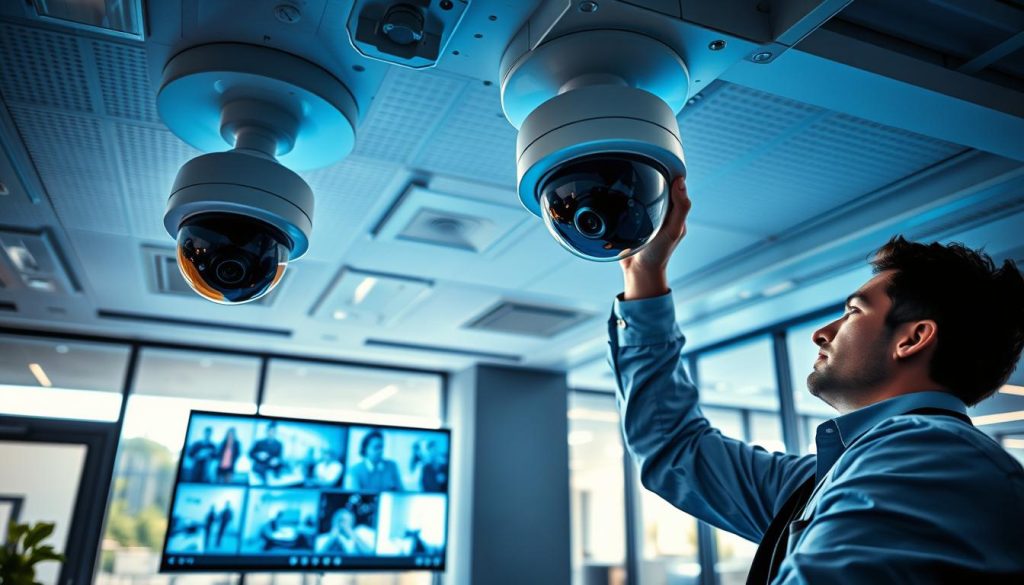
Several clear indicators suggest your current setup needs attention. Grainy footage that prevents identification represents a major red flag. If you cannot recognize faces or read license plates, your system fails its core purpose.
Frequent breakdowns and maintenance issues signal aging equipment. Constant repairs become more expensive than replacement. Reliability suffers when components reach their operational lifespan.
Inability to expand coverage reveals scalability limitations. Older systems may lack ports for additional cameras. This prevents adapting to new security requirements or property changes.
Missing modern features like remote access or mobile alerts reduces effectiveness. If you cannot check your property from a smartphone, you lack contemporary convenience. These capabilities have become standard in modern protection solutions.
Leveraging Latest Technologies: AI Analytics and Cloud Storage
Artificial intelligence represents the most significant advancement in surveillance. AI-powered analytics transform passive recording into active threat detection. These smart systems analyze video streams in real-time.
Modern analytics provide specific alerts for concerning behaviors. They can identify loitering near sensitive areas or perimeter intrusions. Abandoned object detection flags suspicious packages left unattended.
People counting helps businesses understand customer traffic patterns. Facial recognition, when implemented ethically, enhances access control. These intelligent features provide proactive security rather than reactive documentation.
Cloud storage modernizes data management without hardware investments. It offers secure off-site backup for critical footage. This approach provides several advantages over traditional local storage.
“Upgrading isn’t about replacing working equipment. It’s about transforming adequate security into exceptional protection that anticipates tomorrow’s challenges.”
The upgrade process typically begins with a new site assessment. Professionals evaluate how newer technology can improve coverage. They often recommend phasing the implementation strategically.
Starting with the recorder and key cameras makes financial sense. This approach spreads costs while delivering immediate improvements. Later phases complete the transformation of your surveillance network.
High-resolution 4K or 5MP cameras dramatically improve image clarity. Fewer units can cover larger areas effectively. This efficiency reduces both installation complexity and ongoing management.
Consulting with your security provider creates a tailored upgrade roadmap. They assess your current setup against modern standards. This evaluation identifies the most valuable improvements for your specific situation.
Modernization represents strategic investment rather than mere expense. It closes security gaps that older technology cannot address. The enhanced capabilities deliver peace of mind and operational benefits.
Forward-thinking property owners view upgrades as essential maintenance. They ensure their protection measures evolve alongside potential threats. This proactive approach maintains effective security over the long term.
Legal and Privacy Regulations for CCTV in Singapore
Operating surveillance cameras in Singapore involves navigating a specific legal landscape designed to balance security with privacy. Property owners must understand these rules to ensure their monitoring practices remain both effective and lawful. This framework protects individuals’ rights while allowing legitimate security measures.
The Personal Data Protection Act (PDPA) forms the cornerstone of this regulatory environment. Video recordings that capture identifiable individuals qualify as personal data under the law. This classification triggers specific obligations for anyone operating such systems.
Understanding PDPA Compliance and Data Retention Rules
A key PDPA requirement involves managing recorded footage responsibly. Material not needed for legal or business purposes should be erased within 30 days. This rule prevents indefinite storage of personal information.
Configure your recording equipment to automate this process. Most modern systems allow setting automatic overwrite cycles. This ensures compliance without manual intervention for routine data.
Exception periods apply when incidents occur. Footage related to investigations or insurance claims may be retained longer. Always document the reason for extended retention clearly.
Notification represents another critical obligation. Clear signage must alert people they are entering monitored areas. Place these notices at all main entrances and visible locations.
“Compliance isn’t just about avoiding penalties—it’s about building trust. When people know they’re being recorded legally and ethically, they’re more likely to respect your security measures.”
Best Practices for Ethical and Legal Surveillance
Camera placement requires careful ethical consideration. Avoid pointing lenses into neighboring properties or private spaces. Respect boundaries to maintain good community relations.
Internal camera use should follow the principle of necessity. Limit monitoring to areas with legitimate security needs. Common spaces like lobbies and storage areas typically justify surveillance.
Private areas like bathrooms or changing rooms must never contain cameras. Even in workplaces, employee privacy expectations deserve respect. Balance monitoring needs with individual rights.
Securing the footage itself is equally important. Implement password protection on all recording devices and viewing software. Use encryption for storage and transmission of video files.
Maintain access logs showing who viewed recordings and when. This audit trail demonstrates responsible data management. It also helps identify unauthorized access attempts.
Regular CCTV camera maintenance includes checking these security settings. Technicians can verify encryption remains active and passwords are strong. This proactive approach safeguards both your property and the privacy of those recorded.
Non-compliance carries serious consequences. The Personal Data Protection Commission can impose significant fines for violations. Legal liability may also arise from improper surveillance practices.
Professional installers understand these regulations thoroughly. They help configure systems to be compliant from the start. Their expertise make sure your security measures operate within legal boundaries.
Following these guidelines creates responsible surveillance. Your security setup protects assets while respecting privacy rights. This balanced approach serves both your interests and Singapore’s regulatory framework.
The Future of CCTV Technology and Trends
I’sThe section-
Securing Your Property with the Right CCTV Service Partner
Your security investment reaches its full potential only with expert implementation and support. The effectiveness of any surveillance setup depends heavily on the company behind it.
Evaluate potential partners carefully. Check their years in business, project portfolio, and brand certifications. Genuine customer reviews reveal reliability and after-sales service quality.
Look for providers offering full lifecycle management. This includes consultation, installation, maintenance, and upgrade support. A single point of contact simplifies everything.
Ask detailed questions during consultations. This assesses their knowledge and commitment to tailoring solutions. Expert partners like Wen Hong Security bring decades of local experience.
Choosing wisely transforms hardware into genuine protection. You gain reliable evidence capture and true peace of mind. Take proactive steps today to secure your Singapore property with trusted professional support.
FAQ
What are the main parts of a CCTV security package?
A complete package has several key components. You get the cameras themselves, which are the eyes of the operation. A recording device, like a DVR or NVR, stores all the video footage. The service also includes professional installation to set everything up correctly and often ongoing support for maintenance and troubleshooting.
How does professional installation improve my security system?
Expert installation ensures your equipment performs at its best. Professionals conduct a site survey to find the best spots for each camera, avoiding blind spots. They handle all the wiring and power connections neatly and securely. Finally, they configure the system and test all parts, giving you peace of mind that your surveillance is active and reliable.
What kind of ongoing upkeep does a CCTV system need?
Regular maintenance is crucial for system longevity. Common tasks include cleaning camera lenses for clear image quality, checking all cable and power connections, and updating software or firmware. Many providers offer scheduled service checks to inspect recording devices and storage health, preventing data loss.
Can I view my camera feeds remotely on my phone?
Yes, modern systems almost always include remote monitoring features. Using a secure app on your smartphone or tablet, you can access live video feeds from anywhere. Many systems also send instant alerts to your device if motion detection is triggered, putting security at your fingertips.
What factors influence the total cost of a CCTV service?
Several key factors impact the budget. The number and types of cameras, like high-resolution IP or specialized thermal models, affect price. The complexity of the installation and wiring plays a role. You should also consider long-term costs for data storage, potential cloud services, and any future upgrades to your security systems.
Is it beneficial to connect my cameras with other security equipment?
Absolutely. Integration creates a powerful, unified security front. Linking your surveillance with alarm systems and electronic access control allows for centralized monitoring. If an alarm triggers, cameras can automatically zoom in on that area, providing immediate visual verification and enhancing overall protection for your property.


