
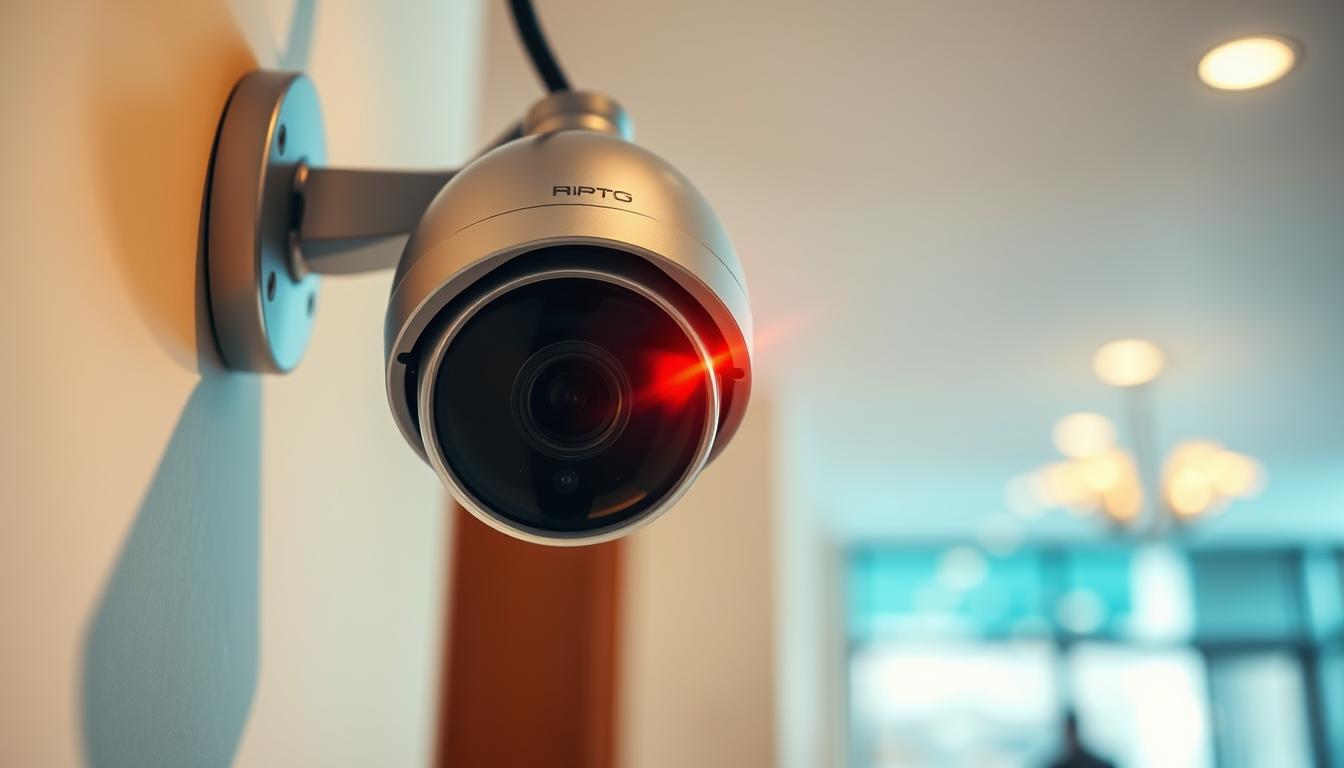
Understanding ‘Does Red Light Mean Recording?’ – A How-To
Many people notice glowing indicators on security equipment and wonder about their purpose. These small lights often create confusion about camera activity and recording status.
This guide explores what different camera signals actually mean. You’ll learn that visual cues vary significantly across brands and models.
Understanding these indicators helps you navigate surveillance environments with confidence. Whether for home security or public spaces, this knowledge proves valuable.
Key Takeaways
- Camera indicator lights have different meanings across various brands and models
- The presence of a red light doesn’t always indicate active recording
- Security cameras use visual cues to show operational status and functions
- Technical aspects behind camera lights relate to their surveillance capabilities
- Proper interpretation of indicators is crucial for privacy awareness and security monitoring
- This knowledge helps consumers make informed decisions about security systems
- Understanding camera signals is particularly important in Singapore’s surveillance landscape
Decoding Camera Indicator Lights: More Than Just a Red Glow
Visual signals on security devices translate complex technical functions into understandable cues. These indicators form a communication bridge between sophisticated surveillance technology and everyday users.
Different manufacturers implement various signaling approaches across their systems. Understanding these visual languages helps users interpret what their security devices are actually doing.
The Primary Purpose of Visual Indicators in Surveillance
Camera lights serve as immediate status reporters for surveillance equipment. Their primary function involves conveying operational conditions and system alerts.
These visual cues communicate several critical pieces of information:
- Power status and device functionality
- Recording activity and data capture
- Connection stability and network issues
- System errors requiring attention
In Singapore’s security landscape, many installations combine visual indicators with audible alerts for enhanced notification. This dual approach ensures users don’t miss important status changes.
Common Light Colors and Their General Meanings
Security systems use color coding to convey specific meanings through their indicator lights. While interpretations vary by manufacturer, some general patterns exist across most devices.
Traditional CCTV systems typically used simple red and green lights. Modern IP cameras employ more sophisticated color patterns and blinking sequences.
Here’s a general guide to common indicator colors:
- Steady illumination often indicates active recording in many models
- Green signals typically confirm power without recording activity
- Blue indicators frequently signify data transfer or connectivity processes
- Amber warnings usually point to connection problems or storage issues
Blinking patterns add another layer of information to these colored lights. Different flash rhythms distinguish between normal operation, alerts, and maintenance modes.
Understanding these visual cues helps Singapore residents monitor their security systems effectively across various areas. This knowledge proves particularly valuable in the city’s extensive surveillance environment.
What a Red Light on a Camera Typically Signifies
The appearance of crimson indicators on observation systems frequently raises questions about device activity. These visual signals communicate specific operational states that vary across different surveillance models and brands.
Understanding these crimson signals helps users interpret what their monitoring equipment is actually doing. This knowledge proves particularly valuable in Singapore’s extensive security landscape.
Standard Functions of a Steady Red Light
A consistent crimson glow typically indicates active operation. This illumination often means the device is powered on and capturing footage.
Many infrared-enabled surveillance systems use this steady signal during night vision operation. The crimson glow helps these devices see better in low-light conditions.
Traffic enforcement systems commonly employ this consistent illumination to confirm active monitoring. The steady signal indicates violation capture is operational.
This visual cue provides immediate feedback about system functionality. Users can quickly assess whether their security equipment is working properly.
Interpreting a Blinking vs. a Solid Red Indicator
Flashing crimson signals often indicate different operational states than steady illumination. These patterns communicate various system conditions that require attention.
Connectivity problems frequently trigger blinking patterns. Some home security systems flash when internet connection is lost.
System errors and maintenance requirements also activate flashing signals. The rhythm and speed often convey specific error codes.
Motion detection alerts sometimes trigger intermittent crimson signals. This pattern indicates triggered recording in certain surveillance models.
Firmware updates and configuration changes may produce distinctive blinking patterns. Some systems alternate between crimson and other colors for multi-status indications.
Understanding these visual differences is crucial for accurate interpretation. Each manufacturer implements unique signaling approaches across their security systems.
The Technology Behind the Glow: How Camera Lights Work
Behind every camera indicator lies complex optical technology communicating device status. These visual signals represent sophisticated engineering that goes beyond simple illumination.
Modern surveillance systems use advanced LED technology with specific wavelength emissions. This engineering enables precise status communication while maintaining energy efficiency.
Power Status Indicators vs. Actual Recording Status Lights
Professional-grade security systems maintain separate indicators for different functions. Power status lights confirm electrical connection, while recording indicators show active capture.
This separation prevents confusion about device behavior. Users can distinguish between simple power-on status and actual surveillance activity.
Key differences between these indicator types:
- Power indicators typically maintain steady illumination when connected
- Recording status lights often pulse or change color during active capture
- Some systems use different colors for power versus recording functions
- Advanced models incorporate dual-LED systems for clear status separation
The Role of Infrared Illumination in Night Vision
Infrared technology enables cameras to capture clear footage in complete darkness. This feature uses specific wavelength emissions invisible to human eyes.
Most traffic enforcement cameras in Singapore utilize infrared for round-the-clock operation. The Land Transport Authority’s network employs specialized 850nm wavelength LEDs that emit faint visible glow during night operations.
Infrared illumination systems operate through automated light sensors. These sensors activate infrared mode when ambient brightness drops below 10 lux levels.
Advanced security systems employ 940nm wavelength infrared that remains completely invisible. This technology provides covert surveillance capabilities without visual indication.
Modern cameras incorporate thermal management systems to prevent LED overheating. This ensures consistent performance during extended night operation periods.
Understanding these technical aspects helps users distinguish between various camera functions. For more details on interpreting specific signals, read about blinking red light patterns and their meanings.
Does a Blinking Red Light Mean Recording?
Pulsating indicators on monitoring devices can signify various operational states beyond simple recording. These flashing signals communicate different messages depending on the manufacturer and model.
A crimson glow with intermittent patterns doesn’t always confirm active surveillance. Many security systems use these visual cues for multiple purposes beyond footage capture.
Connectivity problems frequently trigger flashing patterns in modern surveillance equipment. When internet connection fails, some cameras display rhythmic blinking to alert users.
The Eufy homebase system exemplifies this behavior. Its flashing LED indicates lost internet connectivity rather than active monitoring.
Different manufacturers implement unique signaling approaches across their security systems. Interpretation of these visual cues varies significantly between brands and models.
Some camera designs use pulsating patterns to indicate motion-activated recording. Others employ these signals for error notifications or system maintenance requirements.
Blinking speed and rhythm provide specific information about device status. Rapid patterns often signal critical errors needing immediate attention.
Slower, rhythmic illumination may indicate normal operation in certain surveillance setups. Some systems use this pattern during standby mode or intermittent capture.
Decoy cameras frequently incorporate flashing indicators to simulate actual monitoring. These devices use visual cues as deterrents without genuine recording capability.
Professional-grade security equipment typically includes detailed documentation. Manufacturer manuals explain specific light patterns and their meanings for accurate interpretation.
Network connectivity issues represent common reasons for blinking indicators in Singapore’s urban environment. Dense infrastructure can sometimes affect wireless surveillance systems.
Users should consult their specific camera documentation for precise signal interpretation. Each security system employs unique visual language for status communication.
Different Types of Security Cameras and Their Indicators
Surveillance equipment varies widely in design and functionality across Singapore’s security landscape. Each category of monitoring device communicates status through unique visual signals.
Understanding these differences helps users interpret what their equipment is actually doing. This knowledge proves valuable whether managing home security or business protection.
Traditional CCTV Systems and Their Signaling
Legacy closed-circuit television setups dominate older Singaporean estates and commercial buildings. These systems use straightforward visual cues for status reporting.
Most traditional setups employ basic red and green illumination patterns. A steady crimson glow typically confirms active footage capture in these devices.
Blinking patterns often indicate system errors or maintenance requirements. These simple signals provide clear operational feedback without complex interpretations.
Key characteristics of traditional CCTV indicators:
- Simple two-color systems using red and green LEDs
- Steady illumination indicating normal operation
- Blinking patterns signaling attention requirements
- Minimal pattern variations across different models
Modern IP and Wireless Camera Technology
Singaporean businesses increasingly adopt advanced surveillance solutions. Recent data shows 68% combine IP and traditional cameras in hybrid systems.
These smart devices employ sophisticated multi-color LED systems. They communicate complex status information through varied illumination patterns.
Wireless models feature different indicator behaviors than wired systems. Connectivity needs influence their visual signaling approaches.
Modern surveillance technology demonstrates several advanced features:
- Blue pulses during cloud synchronization processes
- Amber flashes for motion detection alerts
- Green-amber alternation during firmware updates
- Infrared illumination around lenses during night operation
Professional-grade equipment separates power, recording, and error indicators. This clear distinction prevents confusion about device status.
Consumer models often simplify their visual signaling for user-friendly operation. High-security cameras minimize visible indicators for discreet monitoring.
Traffic enforcement systems use specialized signaling different from security cameras. Understanding these variations ensures accurate interpretation across all surveillance types.
How to Verify if Your Security Camera is Actively Recording
Confirming active surveillance operation requires specific verification methods beyond visual indicators. Users can employ multiple approaches to make sure their equipment functions correctly.
These techniques provide reliable confirmation of your system’s operational status. They help users distinguish between various camera states and recording modes.
Using Manufacturer Software and Mobile Apps
Security system applications offer the most accurate recording confirmation. These digital tools provide real-time access to your equipment’s operational status.
Mobile applications typically display active recording indicators within their interface. Live viewing capabilities allow immediate verification of captured footage.
System settings pages often show storage capacity and connectivity information. This data helps users understand their equipment’s current behavior.
Different manufacturers implement unique features across their software platforms. Each model may display recording information differently within its application.
For comprehensive guidance on digital verification methods, consult our detailed guide on how to confirm CCTV recording status.
Conducting a Physical Inspection of the Device
Direct equipment examination provides additional confirmation of operational status. Physical checks complement digital monitoring for complete system verification.
Visual indicators offer immediate feedback about camera operation. LED illumination patterns communicate specific device states.
Infrared emission around lenses typically indicates night vision activation. This often confirms active footage capture during low-light conditions.
Pan-tilt-zoom models demonstrate movement when actively monitoring. This physical behavior provides clear recording confirmation.
Storage device indicators show proper data saving operation. Network connectivity lights confirm communication with recording systems.
Regular physical inspections help make sure your security setup functions correctly. They provide immediate visual confirmation of camera working status.
Identifying Real vs. Fake Security Cameras in Singapore
Singapore’s urban landscape features numerous monitoring devices, making it crucial to distinguish functional equipment from decorative replicas. This knowledge helps residents and business owners assess actual protection levels in their areas.
Proper identification prevents false security assumptions and ensures adequate protection. Understanding visual and physical signs separates authentic devices from ineffective decoys.
Telltale Signs of a Functional Surveillance System
Genuine monitoring equipment displays specific characteristics that confirm operational status. These indicators help verify actual security capabilities.
Authentic cameras feature professional construction with weather-resistant housing. They withstand Singapore’s tropical climate while maintaining performance.
Functional systems demonstrate consistent illumination patterns according to manufacturer specifications. These visual cues provide reliable status information.
Key indicators of real monitoring equipment include:
- Proper cabling and power connections with concealed wiring
- Brand logos, model numbers, and certification markings
- Infrared illumination around lenses during low-light conditions
- Subtle movements or adjustments in pan-tilt-zoom models
- Weatherproof ratings engraved on housing surfaces
Professional installations include compliance signage meeting PDPA requirements. These notices confirm legitimate surveillance operations.
Common Giveaways of a Decoy or Dummy Camera
Imitative devices often reveal their non-functional nature through obvious design flaws. Recognizing these signs prevents security complacency.
Fake units typically feature lightweight plastic construction lacking substance. They miss the heft of genuine monitoring equipment.
Decorative cameras frequently display unrealistic blinking patterns or excessively bright indicators. These visual cues often appear theatrical rather than functional.
Common indicators of non-functional devices include:
- Visible screw heads without actual mounting functionality
- Missing cabling or wireless connectivity features
- Overly simplistic design lacking professional details
- Inconsistent branding or missing certification marks
- No infrared capability during nighttime observation
Singapore’s Protection from Harassment Act prohibits installing deceptive monitoring devices. Understanding these differences helps residents identify legitimate security systems.
Proper identification ensures appropriate protection levels for homes and businesses. This knowledge supports informed decisions about security needs.
Red Light Cameras: A Specific Look at Singapore’s Landscape
Singapore’s urban environment features specialized monitoring equipment with distinct operational characteristics. These government-operated units serve specific enforcement purposes across the city-state.
The Land Transport Authority maintains an extensive network of traffic monitoring devices. These specialized units differ significantly from commercial security setups in both function and design.

Traffic Enforcement and Red Light Camera Systems
Singapore operates over 320 specialized units at intersections nationwide. These enforcement tools capture traffic violations and promote road safety.
All LTA enforcement units use identical crimson indicators for consistent public communication. This standardization helps drivers recognize active monitoring zones.
These specialized devices demonstrate several unique operational characteristics:
- Steady crimson illumination during active enforcement periods
- High-resolution capture capabilities for violation documentation
- Integrated sensors that trigger recording upon violation detection
- Weather-resistant construction suitable for tropical conditions
Traffic enforcement cameras serve both functional and public communication purposes. Their visible indicators alert drivers to monitored intersections.
Public Space Surveillance and Regulatory Standards
Singapore’s public monitoring infrastructure follows strict regulatory guidelines. The Personal Data Protection Act mandates specific requirements for all recording devices.
PDPA regulations require visible notices within 5 meters of operational units. This ensures public awareness of monitoring activities in shared spaces.
Government installations use specific indicator patterns different from commercial systems. These standardized features maintain consistency across public monitoring networks.
Key regulatory requirements for public space monitoring include:
- Specific brightness levels for visibility indicators
- Standardized placement of status lights on equipment housing
- Clear public notification signage meeting PDPA guidelines
- Regular maintenance and calibration schedules
Transportation hubs and HDB estates demonstrate how standardized indicators maintain operational transparency. These public areas utilize consistent monitoring systems across Singapore.
Understanding Singapore’s specific surveillance landscape helps residents navigate monitored areas confidently. This knowledge supports informed awareness of urban monitoring practices.
Legal and Ethical Considerations for Surveillance in Singapore
Singapore’s surveillance landscape operates within a comprehensive legal framework that balances security needs with privacy protections. These regulations govern how monitoring equipment functions and communicates its status to the public.
The city-state’s approach combines robust security measures with careful attention to individual rights. This balance ensures effective protection while maintaining ethical standards.
Understanding the PDPA and Recording Transparency
The Personal Data Protection Act establishes clear rules for surveillance practices across Singapore. This legislation mandates specific requirements for all recording devices in both public and private spaces.
Section 18 of the PDPA limits data collection to what’s necessary for legitimate security purposes. This principle affects how surveillance systems use visual indicators and status lights.
Key compliance requirements include:
- Visible notification signs within 5 meters of operational recording devices
- Accurate representation of recording status through indicator lights
- Proper data management and storage protocols
- Regular system audits to ensure ongoing compliance
Recent enforcement cases demonstrate the seriousness of these regulations. Businesses have faced penalties up to S$1 million for non-compliant surveillance practices.
One notable case involved a retail establishment using inactive cameras with active-looking indicators. This misleading practice violated PDPA transparency requirements.
Balancing Public Security with Personal Privacy
Singapore’s legal framework carefully weighs collective security needs against individual privacy rights. This balance reflects the city-state’s unique approach to urban safety.
Different areas follow distinct monitoring protocols based on their specific security requirements. Public spaces maintain different standards than private property installations.
Ethical considerations include minimizing intrusion while maintaining effective protection. Surveillance systems must serve their purpose without unnecessary data collection.
Transparent indicator systems help fulfill legal requirements for surveillance disclosure. Clear visual cues allow people to understand when they’re being monitored.
Understanding these legal frameworks benefits both operators and subjects of surveillance systems. Compliance ensures responsible monitoring practices that respect everyone’s rights.
Proper implementation includes accurate indicators, appropriate signage, and responsible data handling. These elements work together to create ethical surveillance environments throughout Singapore.
Common Misconceptions About Camera Red Lights
Public understanding of surveillance indicators often contains significant gaps. These knowledge gaps lead to widespread misunderstandings about what various signals actually communicate.
Many assumptions about visual cues stem from media portrayals rather than technical reality. This creates confusion when people encounter actual monitoring equipment in daily life.
Myth: A Red Light Always Means Live Monitoring
The most persistent false belief involves constant human observation. Many assume crimson indicators guarantee someone watches footage in real time.
Police statistics reveal only 20% of devices with crimson glow have live operator access. Most function automatically without human supervision.
These systems capture footage for later review when triggered by specific events. This operation doesn’t involve continuous human monitoring despite the visible signal.
Automatic recording systems may show crimson illumination without anyone watching. The presence of this visual cue doesn’t guarantee immediate human response.
Reality: The Multiple Potential Meanings of a Red Light
National University of Singapore research uncovered surprising data. Their study found 40% of functional units use crimson signals for system errors.
Maintenance modes often activate these indicators during routine checks. Technical diagnostics frequently trigger specific illumination patterns.
Different manufacturers assign completely different meanings to identical visual cues. One brand’s recording indicator might signal power status in another system.
The intensity and pattern of crimson illumination convey varied information. Rapid blinking often indicates technical issues rather than active surveillance.
Professional systems provide detailed documentation explaining specific signal meanings. Understanding these variations prevents misinterpretation of equipment status.
Education about these differences helps people accurately assess monitoring situations. This knowledge supports informed responses to surveillance environments throughout Singapore.
Benefits of Clear and Understandable Camera Status Indicators
Effective visual communication through surveillance equipment creates multiple advantages for both operators and the public. Well-designed indicator systems transform complex technical functions into accessible information that serves various purposes.
Promoting Transparency and Public Trust
Clear visual signs on monitoring devices build confidence in security measures. People appreciate knowing when they’re being observed in public or private spaces.
Singapore’s IMDA regulations specify exact brightness levels for public space cameras. These standards ensure indicators remain visible from 5 meters without causing light pollution.
Transparent systems help balance security needs with privacy concerns. They create an environment where surveillance serves its purpose without feeling intrusive.
Standardized indicators across public spaces create consistent public understanding. This consistency helps people recognize monitoring status in different locations.
Enhancing the Deterrent Effect on Crime
Visible security signals significantly impact criminal behavior patterns. Potential offenders think twice when they know monitoring is active.
Studies show visible crimson signals reduce opportunistic crimes by 31% in retail environments. This dramatic reduction demonstrates the power of clear visual communication.
URA reports commercial installations with clear indicators see reduced security incidents. The psychological impact of knowing you’re being watched changes people’s actions.
Well-designed indicator systems contribute to overall security effectiveness. They work alongside other measures to create comprehensive protection.
Effective indicators reduce false alarms and unnecessary security concerns. People can accurately assess situations when they understand monitoring status.
Public awareness of monitoring status encourages responsible behavior in monitored areas. This creates safer environments for everyone in Singapore’s urban landscape.
Key Takeaways on Camera Indicators and Recording Status
Camera indicators serve multiple purposes beyond showing active recording. These visual signals communicate various operational states across different security systems.
Manufacturers implement unique illumination patterns for their devices. Understanding these differences helps users interpret equipment status accurately.
Singapore’s surveillance landscape includes specialized systems with distinct visual cues. Professional consultation provides specific guidance for individual security needs.
Regular verification ensures your security setup functions properly. Clear indicators promote transparency and enhance protection effectiveness.
FAQ
What does a steady red light on a security camera usually mean?
A steady red light often indicates that the device is powered on and functioning. It may also signal that the system is actively recording or is in standby mode, depending on the manufacturer’s design.
Does a blinking red light mean the camera is recording?
Not necessarily. A blinking red indicator can have various meanings, such as the device is booting up, experiencing an error, or in pairing mode for wireless systems. Always check the user manual for specific interpretations.
How can I tell if my surveillance system is actually capturing footage?
Verify recording status through the manufacturer’s app or software, which typically shows live feeds or storage activity. Physically inspecting the device for other operational signs, like subtle noises or warmth, can also help confirm it’s working.
Are there legal considerations for using cameras with visible indicators in Singapore?
Yes. Singapore’s Personal Data Protection Act (PDPA) requires transparency in surveillance. Clear status lights help inform individuals they are being recorded, supporting compliance with privacy regulations.
What’s the difference between a real security camera and a fake one?
Functional surveillance devices often have indicator lights, subtle operational sounds, and cabling. Decoy cameras usually lack these features, appear lightweight, and may have unrealistic or non-functional components.
Can camera lights be disabled, and is it advisable?
Some systems allow users to disable indicator lights through settings. However, turning them off may reduce the deterrent effect on crime and could conflict with local transparency laws, so consider both security and legal implications.


