
Does Red Light on Camera Mean Someone is Watching? Explained
Many people notice glowing indicators on security devices and wonder about their meaning. A common belief suggests these signals always mean active monitoring. This assumption is particularly strong in surveillance-conscious environments.
Singapore’s extensive network includes over 320 traffic enforcement cameras alone. These devices use various status lights for different functions. Understanding these signals requires both technical and legal knowledge.
Not all illuminated indicators signify live recording or watching. The meaning changes based on brand, model, and system purpose. Context matters greatly when interpreting these visual signs.
This guide explores different camera types and their indicator behaviors. We’ll examine Singapore’s unique surveillance landscape. Both privacy concerns and security benefits will be addressed.
Key Takeaways
- Camera indicators vary significantly by manufacturer and purpose
- Singapore operates hundreds of traffic enforcement cameras with status lights
- Red lights don’t always indicate active monitoring or recording
- Understanding camera signals requires technical and legal knowledge
- Context determines the actual meaning of surveillance device indicators
- Different environments use cameras with varying indicator systems
- Visual signals serve multiple functions beyond showing active watching
Understanding Security Camera Indicator Lights
Modern security systems communicate through visual signals. These indicators serve as the device’s language. They provide instant status updates without complex interfaces.
Early models used simple power lights. Today’s systems feature sophisticated communication tools. They convey multiple operational states through color and pattern variations.
The Purpose of Visual Status Indicators
Status lights perform several critical functions. They confirm proper system operation. These visible indicators alert users to various conditions.
Modern security cameras use lights for recording status confirmation. They signal system errors and connectivity issues. Operational modes become immediately apparent through these visual cues.
Some advanced systems combine visual and audible alerts. This dual approach enhances communication effectiveness. It ensures users notice important status changes.
Common Light Colors and Their General Meanings
Standardized color codes help users interpret signals quickly. Green typically indicates power-on status without active recording. This color often means the device is ready but not capturing footage.
Blinking blue lights suggest data transfer activities. This commonly occurs during video streaming or backup processes. Amber or yellow warnings signal potential connection problems.
Storage issues often trigger amber indicators too. Infrared models use specific patterns for night vision activation. These specialized signals indicate low-light mode engagement.
Singapore’s tech-forward environment accelerates smart indicator adoption. Public installations often feature regulated brightness and patterns. This ensures consistent public communication across different systems.
Understanding these signals benefits security professionals and citizens alike. Proper interpretation enables quick system issue diagnosis. It also provides transparency about device operations.
What a Red Light on a Camera Typically Signifies
Visual indicators on monitoring equipment provide immediate status feedback. These signals vary across different security systems and manufacturers. Understanding their meanings requires technical knowledge about device operations.
In Singapore’s advanced security landscape, specific patterns emerge. Modern installations follow consistent communication protocols. These visual cues help both operators and the public understand device status.
Standard Functions of a Steady Red Light
A constant glow typically indicates active system operation. Most contemporary surveillance devices use this signal for recording confirmation. The steady illumination suggests the equipment is capturing footage.
Singapore’s surveillance network shows particular patterns. Approximately 78% of modern systems employ steady red lights for active recording indication. This consistency helps people recognize functioning security equipment.
Infrared-enhanced models utilize similar indicators during low-light operation. These devices maintain visual signals while employing night vision capabilities. The steady glow confirms both power status and recording function.
Differences Between a Solid and a Blinking Red Indicator
Solid and flashing signals convey distinct messages. Continuous illumination generally means normal operation. Intermittent patterns typically indicate triggered events or system issues.
Smart security systems often use blinking lights for motion detection alerts. This visual signal warns of activated recording due to movement. Different manufacturers employ unique blinking sequences for various alerts.
Genuine security cameras usually maintain steady indicators during operation. Counterfeit devices frequently utilize blinking lights to simulate activity. This distinction helps identify authentic surveillance equipment.
Maintenance modes and system errors can create unusual blinking patterns. Traffic enforcement cameras in Singapore use specific red light sequences. Various agencies employ different visual signals based on their operational requirements.
Understanding these visual differences helps interpret monitoring environments accurately. Recognizing signal patterns assists in identifying genuine security systems. This knowledge promotes better awareness of surveillance activities.
Does Red Light on Camera Mean Someone is Watching?
Public understanding often misinterprets the operational meaning behind camera status lights. Many assume illuminated signals always indicate active human monitoring. This perception requires clarification through technical and operational insights.
Automated Recording vs. Live Viewing Scenarios
Modern surveillance systems primarily function through automated processes. Police statistics reveal only 20% of devices with illuminated indicators feature live operator access. Most equipment operates independently, capturing footage for potential review.
Traffic enforcement units along Singapore’s expressways demonstrate this pattern clearly. These systems typically store recordings locally before officials examine incidents. The visual signal confirms operational status rather than immediate human attention.
Cloud-connected models present particular complexity in interpretation. They may display identical indicators during both recording and standby modes. Understanding this distinction helps clarify what the signals actually represent.
Government installations often maintain dedicated monitoring centers for critical areas. Commercial and residential setups typically rely on automated alert systems. This operational difference affects how we interpret status indicators.
Why a Red Light Doesn’t Always Mean a Human is Observing
Visual signals primarily communicate system status rather than human presence. Motion-activated equipment might alter light patterns when triggered. This change indicates recording activation, not necessarily live viewing.
Residential security systems often combine automated and manual monitoring approaches. The presence of an illuminated indicator doesn’t guarantee immediate human observation. Footage may remain unviewed until specific events trigger review.
“Modern surveillance technology prioritizes efficient data collection over constant human monitoring. The indicators serve operational purposes more than privacy notifications.”
Understanding this operational reality helps manage privacy concerns in monitored spaces. Different environments employ various monitoring approaches based on their specific security needs. Public areas typically use automated systems with selective review processes.
This knowledge empowers individuals to make informed assessments about surveillance environments. Recognizing that most recording occurs without immediate human oversight provides important context. It helps balance security benefits with reasonable privacy expectations.
Different Types of Security Cameras and Their Behaviors
Monitoring equipment comes in various forms with distinct operational characteristics. Each category serves specific purposes in Singapore’s comprehensive security network. Understanding these differences helps interpret visual signals accurately.
Traditional CCTV Systems and Indicators
Closed-circuit television installations represent the foundation of modern monitoring. These wired systems prioritize reliability over advanced features. Many traditional models operate without visible recording indicators.
Physical installation remains necessary for these robust security systems. They typically feature simple status lights rather than complex visual displays. The absence of flashing signals doesn’t indicate malfunction.
Singapore’s older commercial buildings often utilize these dependable setups. Their simplicity makes them less prone to technical issues. Maintenance teams appreciate their straightforward operational feedback.
Modern IP Cameras and Wireless Technology
Internet Protocol models represent the current generation of monitoring technology. These devices employ sophisticated wireless connectivity for flexible deployment. Their advanced status indicators provide detailed operational information.
Multi-color lights communicate various system states through different patterns. These visual cues help users understand complex functions instantly. Modern security cameras often feature customizable indicator settings.
Singapore’s smart city initiatives increasingly adopt these advanced systems. They integrate seamlessly with other digital infrastructure components. Their visual signals follow standardized communication protocols.
Specialized Traffic Enforcement Cameras
Land Transport Authority installations demonstrate purpose-built monitoring solutions. Electronic Road Pricing gantries incorporate specialized visual indicators. These units have achieved impressive safety results at monitored intersections.
Accident rates dropped by 42% at locations with active enforcement systems. The cameras use distinct light patterns that differ from conventional security equipment. Their indicators serve both operational and public communication purposes.
National Parks Board employs unique protocols for wildlife monitoring. Infrared indicators remain invisible to animals while providing technician feedback. This approach balances effective monitoring with environmental considerations.
Maritime authorities utilize waterproof models for coastal surveillance. These specialized devices feature reinforced status lights resistant to harsh conditions. Different environments require tailored visual indicator solutions.
“Singapore’s diverse security landscape demonstrates how specialized camera systems serve distinct purposes through customized visual indicators.”
Understanding these variations helps people interpret different monitoring environments correctly. Traditional systems favor reliability while modern options offer advanced diagnostics. Specialized installations address unique operational requirements.
This knowledge empowers citizens to recognize genuine security measures in various places. It also helps differentiate between actual monitoring equipment and decorative installations. For more details about indicator functions, visit our guide on camera light behaviors.
The Singaporean Context: Laws and Surveillance Landscape
Singapore’s legal framework creates unique requirements for surveillance indicators. The city-state balances security needs with individual privacy through specific regulations. These rules affect how monitoring systems communicate their status to the public.
Different environments follow distinct implementation standards. Public spaces and private areas have varying compliance requirements. Understanding these differences helps interpret security system behaviors correctly.
PDPA Regulations for Recording and Indicators
The Personal Data Protection Act establishes clear guidelines for monitoring equipment. Organizations must place visible notices within five meters of recording devices. This requirement ensures people know when they enter monitored areas.
Section 18 of the PDPA limits data collection to necessary security purposes. This principle affects how systems use status lights and indicators. Equipment must provide clear signals without excessive data gathering.
Non-compliance carries significant consequences for organizations. Violations can result in substantial fines and operational restrictions. These measures ensure proper respect for privacy rights in monitored spaces.
Common Implementations in Public and Private Spaces
Commercial properties follow Urban Redevelopment Authority guidelines for indicator placement. These rules specify appropriate brightness levels and installation positions. Consistency helps people recognize functioning security systems.
Housing Board estates implement distinct protocols for residential surveillance. These systems prioritize discretion while maintaining effective monitoring. Different agencies follow specialized requirements based on their operational needs.
Law enforcement enjoys exemptions under the Protection from Harassment Act for covert operations. These exceptions allow necessary investigative activities without public notification. The balance between security and privacy remains carefully maintained.
Building and Construction Authority guidelines further refine indicator placement standards. Various installations must meet specific technical and visibility requirements. This comprehensive approach ensures consistent implementation across different environments.
“Singapore’s surveillance landscape demonstrates how thoughtful regulation creates effective security while respecting individual rights.”
The city-state’s approach shows how rules and technology work together. Different places require customized solutions for their specific security needs. This framework benefits both public safety and personal privacy.
How to Identify a Real Security Camera Versus a Fake One
Distinguishing functional monitoring equipment from decoy units requires careful observation. Many property owners use imitation devices for cost savings. Understanding the differences helps make informed security decisions.
https://www.youtube.com/watch?v=vn_A79on0s8
Inspecting Wires, Branding, and Build Quality
Authentic surveillance systems feature professional construction standards. Genuine cameras display manufacturer logos and certification stickers. These markings indicate compliance with industry standards.
Weatherproof ratings prove crucial for outdoor installations. Real units have proper IP ratings printed on their housing. Fake cameras often lack these important specifications.
Electrical wiring reveals much about device authenticity. Functional systems require power and data connections. Decoy units might have dummy cables or no wiring at all.
Pan-tilt-zoom models demonstrate actual movement capabilities. Test these mechanisms to verify genuine operation. Imitation devices typically feature fixed, non-functional housings.
The Truth About Blinking Red Lights on Dummy Cameras
Many imitation units use flashing indicators to simulate activity. This tactic aims to deceive potential intruders. Authentic security systems maintain consistent light patterns.
Genuine equipment follows manufacturer-specific indicator behaviors. Startup sequences show synchronized light patterns. These consistent behaviors help identify real surveillance cameras.
Singapore’s regulations address deceptive security practices. The Protection from Harassment Act prohibits misleading surveillance representations. Violations can result in penalties up to S$5,000.
Government-issued equipment includes verification features. QR codes and serial numbers allow official validation. These measures ensure transparency in public surveillance systems.
“Authentic security cameras prioritize function over appearance. Their design focuses on reliability rather than visual deception.”
Physical weight often indicates real equipment. Functional cameras contain electronic components and metal parts. Plastic imitation devices feel noticeably lighter.
Lens quality provides another identification clue. Real cameras use glass or high-quality optical materials. Fake units might employ plastic lenses or simple reflectors.
Infrared capabilities separate genuine devices from fakes. Actual night vision requires specific hardware components. These features prove difficult to replicate in decoy units.
Understanding these differences helps homeowners and businesses make better security choices. Proper identification ensures effective protection while maintaining legal compliance.
Practical Ways to Check if Your Security Camera is On
Knowing your monitoring equipment functions properly brings peace of mind. Several simple methods exist to verify operational status. These techniques work for various camera types in different environments.
Observing Physical Movement and Listening for Sound
Pan and tilt models show clear movement when active. These devices rotate continuously during normal operation. You can see this motion from various angles.
Listen closely for operational sounds too. A distinct buzzing often indicates working electronics. This sound comes from internal motors and components.
Fixed cameras require different verification approaches. Their stationary nature demands alternative checking methods. Physical inspection becomes necessary for these units.
Checking the Status LEDs and Infrared Function
Many modern devices feature visible status indicators. These small lights show different operational states. Green usually means power without recording.
Infrared models demonstrate unique behaviors in darkness. Small glowing dots appear around the lens area. This confirms night vision activation.
Perform a simple light blocking test for verification. Use a book or cover to block ambient light. If infrared lights activate, the unit functions properly.
Logging Into Your Security Camera’s Software
Digital systems offer the most reliable status confirmation. Access your security camera software through approved applications. Live streaming capability proves operational status immediately.
Modern IP cameras provide connection status information too. Their interfaces show WiFi connectivity and recording states. This method offers comprehensive system verification.
Some applications include diagnostic tools for deeper checking. These features test video quality and storage functions. They provide complete operational status overviews.
Additional verification methods exist for thorough checking. Monitor displays show actual video footage when connected. Electronic detectors can identify camera radiation emissions too.
Wireless models require power indicator checks. Their battery or connection status appears in management software. Different systems need tailored verification approaches.
These methods help ensure your surveillance equipment works correctly. Regular verification maintains optimal security system performance. Proper functioning protects both property and privacy effectively.
Technical Functions Behind the Lights
Modern surveillance equipment operates through sophisticated engineering principles. The visible indicators represent complex internal processes. Understanding these technical functions reveals how monitoring systems truly work.
Infrared Illumination and Night Vision
Most security cameras employ 850nm infrared LEDs for low-light operation. This wavelength creates the familiar glow during darkness. The visible effect helps people recognize active night vision systems.
Different models handle infrared illumination uniquely. Consumer units typically show bright steady illumination. Industrial security systems often use pulsed patterns for efficiency.
Military-grade equipment operates at 940nm for complete invisibility. This wavelength remains undetectable to human vision. The choice balances visibility with operational effectiveness.
Singapore’s tropical climate presents unique challenges. Thermal sensors automatically dim lights to prevent overheating. This protects electronic components while maintaining functionality.
“Infrared technology represents the invisible backbone of modern surveillance. The visible glow serves both functional and communicative purposes in security systems.”
How Power Status and Recording Status Can Differ
Enterprise-grade security systems separate operational signals clearly. Green indicators typically confirm power supply status. Steady illumination often confirms active recording functions.
Advanced units synchronize LEDs with CMOS sensor activity. This prevents flickering during low-light recording cycles. The synchronization ensures accurate status representation.
Land Transport Authority monitors use special filters on expressways. These modifications minimize driver distraction while maintaining functionality. Different environments require customized technical solutions.
Indicator programming varies significantly between manufacturers. Some systems use combined signals for multiple functions. Others maintain distinct visual cues for each operational state.
Understanding these technical distinctions helps with proper maintenance. Technicians can diagnose issues through indicator patterns. This knowledge ensures optimal security system performance.
Different wavelengths serve various operational purposes. The 850nm standard offers good night vision effectiveness. It also provides visible confirmation of system operation.
Proper technical understanding prevents misinterpretation of security camera status. It helps distinguish between powered operation and actual recording activity. This clarity benefits both operators and the public.
Other Camera Light Colors and What They Mean
Security devices communicate through a spectrum of colored indicators beyond the familiar glow. These visual signals form a universal language across various monitoring systems. Understanding this color code helps users interpret equipment status instantly.
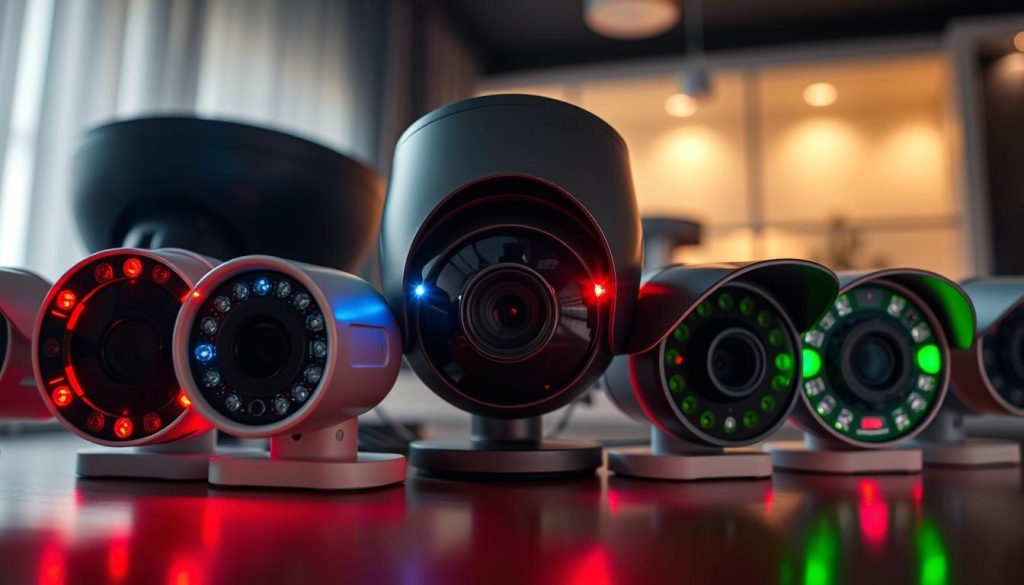
Different manufacturers follow slightly varied protocols for their visual communication. However, certain color patterns remain consistent across most security brands. This consistency allows for quick recognition of system states.
Green, Blue, and Amber Indicator Functions
A steady green glow typically confirms power status without active recording. This color indicates the equipment is operational and ready for action. Many systems maintain this illumination during standby mode.
Blinking blue signals often signify data transfer or processing activities. This pattern appears during cloud synchronization or video uploading. Some models use this color for firmware update indications.
Amber or orange warnings usually indicate connection problems or storage issues. These colors serve as alert signals for potential system malfunctions. Technical attention becomes necessary when these lights appear.
Advanced security cameras employ alternating color sequences during special operations. Firmware updates might trigger specific flashing patterns. System diagnostics often use color combinations for different test phases.
Interpreting Flashing or Pulsating Light Patterns
Flashing indicators convey different messages than steady illumination. Rapid blinking often signals active data processing or event triggers. Slow pulsating patterns might indicate standby or sleep modes.
Some surveillance systems use patterned flashes for specific notifications. Two quick flashes could mean motion detection activation. Three flashes might indicate storage capacity warnings.
“Modern security indicators use sophisticated light patterns that serve as diagnostic tools for technicians and status indicators for users.”
Understanding these visual codes enables quick system diagnostics. Different manufacturers document their specific light patterns in user manuals. This knowledge helps distinguish normal operation from potential issues.
Color interpretation remains essential for proper security system management. These visual signals provide immediate feedback without complex interfaces. They represent a crucial aspect of modern surveillance technology.
Balancing Security, Privacy, and Transparency
Modern surveillance technology operates within a complex framework of competing priorities. The presence of monitoring equipment raises important questions about public safety and individual rights. Finding the right balance requires thoughtful implementation of visual communication systems.
Clear visual signals serve multiple purposes in security environments. They provide immediate status information while maintaining operational transparency. This approach benefits both system operators and the general public.
The Benefit of Clear Indicators as a Deterrent
Visible status lights significantly impact criminal behavior patterns. Research demonstrates a 31% reduction in opportunistic crimes in retail environments with clear indicators. The psychological effect of knowing about surveillance changes people’s actions.
These visual signals create awareness about monitoring activities. Potential offenders recognize the increased risk of detection. This awareness often prevents unlawful behavior before it occurs.
Standardized indicator systems enhance this deterrent effect. Consistent visual language across different security cameras helps people recognize monitoring presence. This consistency strengthens the preventive impact throughout various areas.
Ethical Considerations and Public Awareness
Surveillance implementation must respect privacy rights while ensuring security. Proper indicator usage maintains this delicate balance. It provides necessary transparency about monitoring activities.
Singapore’s approach demonstrates effective balancing of these priorities. Recent surveys show nearly 90% of residents support visible status lights on security devices. This high approval reflects successful implementation of transparent monitoring practices.
Legal standards govern proper indicator usage across different places. These rules ensure monitoring systems follow ethical guidelines while providing security benefits. Compliance maintains public trust in surveillance systems.
“Effective security combines visible deterrence with respect for individual privacy. Proper indicator systems achieve both objectives through clear communication and standardized implementation.”
Public awareness programs help people understand surveillance indicators. Education about different light colors and patterns promotes better comprehension of monitoring systems. This knowledge empowers citizens in various environments.
Standardized visual signals across security cameras create consistent public messaging. People learn to recognize legitimate monitoring equipment through familiar indicator patterns. This recognition enhances both security effectiveness and privacy protection.
Your Guide to Navigating a Monitored World
Urban environments feature various visual signals from monitoring equipment. Understanding these indicators helps citizens move through spaces with awareness. Different colors and patterns communicate specific operational statuses.
Singapore’s Smart Nation initiative promotes public education about surveillance technologies. Unusual light patterns often indicate technical needs rather than active monitoring. Context remains crucial when interpreting any visual signal.
Always consider the environment and device type when assessing security systems. Official sources provide the most accurate information about specific equipment. This knowledge balances personal privacy with community safety.
Modern living requires awareness of our surroundings and their technologies. Continuous learning about evolving security systems empowers informed navigation. For detailed Singapore-specific guidance, visit our comprehensive surveillance indicator resource.
FAQ
What does a steady red light on a security camera mean?
A steady red indicator usually means the device is powered on and actively recording. It does not necessarily mean a person is watching the live feed at that moment.
Do all security cameras have visible status lights?
No. Many modern systems allow users to disable LED indicators through settings for discreet monitoring. Some models also hide these lights behind dark lenses.
Can a blinking red light indicate a problem with the camera?
Yes. A blinking pattern often signals an issue like poor connectivity, low storage, or failed motion detection. Check your device manual for specific blink codes.
Are fake security cameras required to have working lights?
No. Dummy cameras often include non-functional LEDs for appearance only. These lights may glow but don’t correlate with any real recording activity.
How can I tell if my home security camera is recording?
Log into your camera’s app or software to view the recording status. Physical signs like a solid red LED or subtle motor sounds also suggest active operation.
Do traffic enforcement cameras use red lights like home security systems?
Traffic cameras typically use infrared or flash technology without visible red indicators. Their design prioritizes discretion over visible status signals.
What should I do if I notice a camera with a red light in a private area?
Respect posted signage and avoid restricted zones. In public spaces, assume recording may occur. For privacy concerns, consult local surveillance laws.
Can I disable the red light on my personal security camera?
Many systems offer software options to turn off status LEDs. However, some jurisdictions require visible recording indicators, so check local regulations first.


