
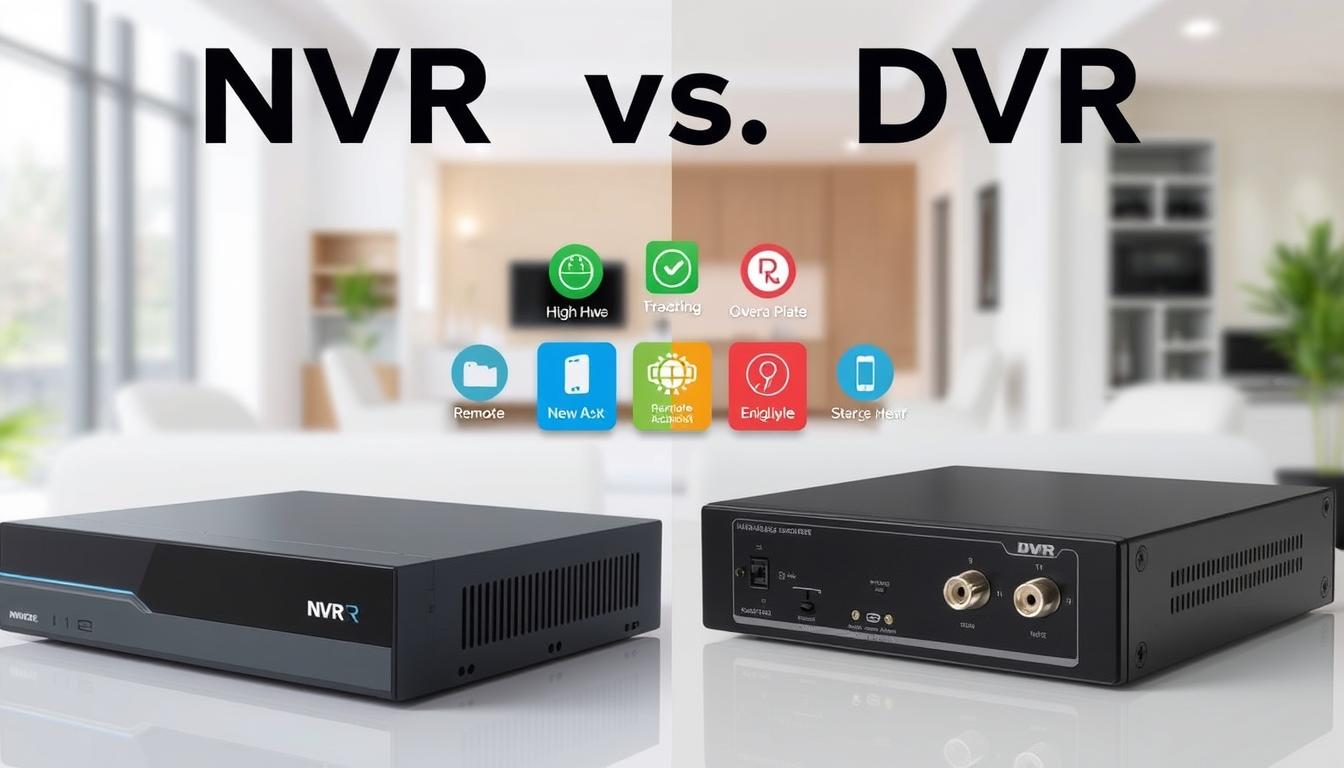
Why is NVR more expensive than DVR? A Comparison
Security system shoppers in Singapore often notice a significant price gap between two popular options. Network video recorder systems typically carry higher costs compared to digital video recorder alternatives. This comparison explores what drives that investment difference.
We’ll examine the technological foundations that create this pricing disparity. Network video recorder technology represents modern IP-based surveillance solutions. These nvr systems use advanced processing capabilities that contribute to their value.
Traditional digital video recorder options typically use analog cameras with simpler technology. Nvr systems also offer expanded features that justify their premium positioning. This analysis will help Singaporean consumers make informed security decisions.
Understanding these differences ensures you select the right system for your specific needs. We’ll break down features, capabilities, and long-term value considerations throughout this guide.
Key Takeaways
- Network video recorders process digital signals from IP cameras
- Digital video recorders work with analog camera systems
- Advanced features contribute to NVR system pricing
- Singapore consumers should consider long-term value
- Technology differences drive the investment gap
- Both systems offer distinct advantages for security
Understanding NVR and DVR Security Systems
Singapore property owners evaluating security options encounter fundamentally different recording technologies. These systems represent distinct approaches to video surveillance with unique operational characteristics.
Defining Network Video Recorder (NVR) Technology
Modern nvr systems represent the evolution of digital surveillance. They capture footage from IP cameras over network connections.
These systems process video data at the camera level before transmission. IP cameras encode and compress video digitally before sending it to the recorder.
This approach allows for flexible installation and remote monitoring capabilities. Users can access footage from anywhere with internet connectivity.
Exploring Digital Video Recorder (DVR) Fundamentals
Traditional dvr systems operate on a different principle. They work with analog cameras that transmit raw video signals.
The conversion from analog to digital format happens at the recorder level. This creates a centralized processing approach rather than distributed intelligence.
These systems typically use coaxial cables for video transmission. They require separate power cables for camera operation.
Core Architectural Differences Between Systems
The fundamental distinction lies in signal processing methodology. NVR systems handle already-digitized video streams.
Dvr systems must convert analog signals to digital format internally. This difference impacts overall system performance and capabilities.
Network infrastructure requirements vary significantly between these approaches. Nvr systems typically use ethernet cables for both data and power through PoE technology.
The nvr dvr comparison reveals distinct installation requirements. Network-based systems offer more flexible camera placement options.
These architectural differences directly affect video quality and system scalability. They also influence the advanced features available to users.
Understanding these core differences helps Singapore consumers make informed security decisions based on their specific needs.
Key Technological Factors Driving NVR Costs Higher
Several technological elements contribute to the premium pricing of modern surveillance solutions. These advanced components deliver superior performance and capabilities.
Network-based recording technology incorporates sophisticated hardware and software. This creates a more robust security ecosystem than traditional alternatives.
Advanced IP Camera Integration Requirements
Modern IP cameras contain built-in processors for video encoding. These intelligent devices handle compression before transmitting data.
Each camera functions as a mini-computer with its own processing power. This distributed intelligence adds significant value to the overall system.
Network video recorders integrate seamlessly with these smart cameras. The coordination requires advanced communication protocols and software.
Superior Video Processing Capabilities
These systems support exceptionally high-resolution footage. They can handle video streams up to 12MP quality.
Processing such detailed imagery demands powerful hardware components. High-performance processors and dedicated graphics chips are essential.
The video recorder must manage multiple high-definition streams simultaneously. This requires substantial computing resources and optimized software.
Network Infrastructure Demands
Network-based systems require robust networking equipment and sufficient bandwidth. They typically utilize Power over Ethernet technology for streamlined installation.
These setups often incorporate network-attached storage or cloud solutions. Remote access capabilities demand additional security measures and infrastructure.
Advanced features like intelligent analytics and facial recognition add complexity. Sophisticated software and security protocols protect the entire system.
These technological factors collectively justify the investment in modern surveillance solutions. They deliver enhanced performance and future-ready capabilities.
Image Quality Comparison: NVR vs DVR Performance
Singapore security system users face critical differences in visual performance between recording technologies. The gap in clarity and detail capture directly impacts surveillance effectiveness.
Modern security demands clear identification capabilities. This section examines how different systems handle visual data processing.
Resolution Capabilities: From 4MP to 12MP
Network-based systems support significantly higher resolution options. They typically range from 4MP to 12MP capabilities.
Traditional dvrs max out around 5MP resolution. This limitation affects detail capture and identification accuracy.
Higher resolution means clearer footage for security analysis. It enables better recognition of faces, license plates, and other critical details.
Digital vs Analog Signal Processing
Network recorders process pure digital video signals from IP cameras. This maintains original quality throughout the entire system.
Analog systems convert signals at the recorder level. Longer cable runs can degrade video quality in these setups.
Digital processing eliminates signal interference issues. It ensures consistent performance regardless of installation distance.
Real-World Surveillance Clarity Differences
Higher resolution systems capture finer details clearly. This becomes crucial for evidence collection and incident investigation.
Singapore property owners should consider their specific surveillance needs. Different applications demand varying levels of image clarity.
Remote access to high-quality footage enhances monitoring capabilities. Clear images remain viewable even when accessed through network connections.
Superior image quality represents a significant value advantage. It contributes to overall system effectiveness and investigative success.
Why is NVR more expensive than DVR?
Singapore security buyers encounter a clear pricing gap between recording systems. This investment difference reflects fundamental value propositions rather than simple cost variations.
Modern surveillance solutions incorporate advanced components that justify their premium positioning. Understanding these factors helps consumers make informed security decisions.
Initial Investment vs Long-Term Value Analysis
Network-based systems require higher upfront investment for superior components. This initial cost delivers lasting benefits through enhanced performance and reliability.
Traditional alternatives offer lower entry prices but limited upgrade paths. The value gap becomes apparent when considering future expansion needs.
Singapore property owners should evaluate total cost of ownership. This includes maintenance, upgrades, and system longevity considerations.
https://www.youtube.com/watch?v=AScWyd70EUc
Premium Features That Justify Higher Pricing
Advanced systems incorporate sophisticated analytics capabilities. These intelligent features provide proactive security rather than simple recording.
Remote access functionality enables monitoring from any location. Cloud storage options offer flexible data management solutions.
Superior integration capabilities support modern smart home ecosystems. These features collectively enhance overall security effectiveness.
Market Positioning and Technology Premium
Manufacturers position network systems as premium security solutions. This reflects their advanced technology and superior performance characteristics.
Research and development costs contribute significantly to final pricing. Ongoing software updates and security patches maintain system integrity.
Brand reputation and perceived value influence pricing strategies. Consumers pay for proven reliability and comprehensive support services.
Singapore buyers should consider these factors when evaluating security options. The right choice depends on specific security requirements and budget considerations.
Installation Advantages of NVR Systems
Singapore installers appreciate the streamlined setup process of modern surveillance solutions. Network-based recording technology transforms installation from complex wiring projects to efficient network deployments.
These systems eliminate traditional installation challenges through intelligent design. The approach significantly reduces time and labor requirements for security projects.
Simplified Ethernet Cable Implementation
Modern surveillance uses ethernet cables for both data transmission and power delivery. This single-cable solution replaces complex wiring setups that required separate power and video lines.
Power over Ethernet technology enables this streamlined approach. Installers run one cable instead of multiple connections, cutting installation time substantially.
The simplified wiring reduces material costs and installation complexity. Singapore technicians complete projects faster with fewer connection points to manage.
Flexible Camera Placement Options
Network architecture allows camera placement up to 1,000 feet from the recorder. This flexibility enables optimal positioning without signal quality concerns.
Installers enjoy greater freedom in camera placement decisions. They can position units exactly where needed rather than where wiring limitations allow.
Wireless connectivity options further enhance placement flexibility. Modern systems support hybrid setups combining wired and wireless cameras seamlessly.
“The transition to network-based systems has reduced our average installation time by 40% while improving camera placement options significantly.”
Reduced Labor and Installation Costs
Simplified installation directly translates to lower labor requirements. Fewer cables and connections mean faster project completion times.
Network systems typically require 30-50% less installation time compared to traditional alternatives. This efficiency creates substantial cost savings for Singapore property owners.
The streamlined process includes these advantages:
- Single cable runs instead of multiple wiring requirements
- Reduced termination points and connection complexity
- Faster testing and commissioning procedures
- Simplified troubleshooting and maintenance access
These installation benefits contribute significantly to the overall value proposition of modern surveillance solutions. For a deeper understanding of how these installation advantages affect total system costs, explore our detailed analysis at understanding NVR vs DVR cost differences.
Network-based systems also simplify future expansions and modifications. Adding cameras becomes a straightforward network extension rather than complex rewiring projects.
This installation flexibility ensures Singapore properties can adapt their security as needs evolve. The system grows with your requirements without major infrastructure changes.
DVR Systems: Cost-Effective Surveillance Alternative
Budget-conscious Singapore property owners find significant value in traditional recording solutions. These established technologies provide reliable protection without premium pricing.
Many security applications don’t require advanced capabilities. Basic monitoring needs can be met effectively with simpler technology.
Budget-Friendly Initial Investment
Dvr systems deliver substantial savings on upfront costs. The technology uses established components that manufacturers produce efficiently.
Installation expenses remain lower due to simpler wiring requirements. Many Singapore technicians are familiar with these traditional setups.
Basic surveillance needs often justify this economical approach. The investment makes sense for temporary or limited-scope projects.
Analog Camera Compatibility Benefits
Existing infrastructure integration represents a major advantage. Many properties already have analog cameras installed and operational.
These traditional security components work seamlessly with digital recorders. The compatibility eliminates replacement costs for functional equipment.
Singapore installers appreciate this backward compatibility. It allows for gradual system upgrades rather than complete overhauls.
Ideal Applications for DVR Solutions
Certain scenarios perfectly match these economical system capabilities. Small retail spaces often benefit from basic monitoring.
These reliable solutions work well for:
- Residential properties with standard security needs
- Temporary construction site monitoring
- Backup systems for existing security networks
- Basic entry-level surveillance requirements
The nvr dvr comparison shows each has distinct advantages. Traditional recorders excel in straightforward applications.
These analog solutions provide adequate coverage for many Singapore properties. They represent practical choices for specific security situations.
Basic features meet essential monitoring requirements effectively. The technology delivers reliable performance for everyday security needs.
Scalability: NVR’s Superior Expansion Capabilities
Singapore businesses planning security upgrades face critical expansion decisions. The ability to grow surveillance systems efficiently separates modern solutions from traditional alternatives.
Network-based recording technology offers unparalleled scalability advantages. This flexibility becomes crucial for properties anticipating future security needs.
Easy Camera Addition Without Rewiring
Modern surveillance systems eliminate complex installation requirements for expansion. Adding cameras becomes a straightforward network extension process.
Network architecture allows seamless integration of additional units. Technicians simply connect new cameras to existing network infrastructure.
This approach offers significant advantages:
- No major cable rerouting or infrastructure modifications
- Minimal disruption to daily operations during expansion
- Reduced labor costs compared to traditional system upgrades
- Faster deployment of additional surveillance coverage
Network-Based Growth Flexibility
The network foundation enables virtually unlimited expansion potential. Businesses can scale from basic monitoring to comprehensive coverage.
This flexibility supports various growth scenarios:
- Adding cameras to cover new construction areas
- Expanding surveillance to additional building floors
- Integrating outdoor monitoring with existing indoor systems
- Creating specialized coverage for high-security zones
Traditional dvrs cannot match this expansion simplicity. Their analog limitations require complex rewiring for each addition.
Future-Proofing Your Security Investment
Network technology protects against rapid technological obsolescence. The system architecture supports integration with emerging security innovations.
Singapore properties benefit from these future-ready capabilities:
- Compatibility with advancing camera technologies
- Support for enhanced analytics and AI features
- Cloud integration options for data management
- Remote access capabilities that evolve with technology
“Our network-based system has accommodated three expansion phases without any infrastructure changes, saving approximately 60% in upgrade costs compared to traditional alternatives.”
Superior footage quality remains consistent throughout system growth. The technology maintains performance standards across expanded coverage areas.
This investment protection becomes increasingly valuable for long-term security planning. Properties can adapt to changing security requirements without complete system replacements.
Camera Compatibility and System Integration
Singapore surveillance installations demand careful camera selection to ensure optimal performance. The right camera-recorder pairing maximizes your security investment while avoiding compatibility issues.
Different recording technologies require specific camera types with matching capabilities. Understanding these requirements helps property owners make informed equipment choices.
IP Camera Requirements for NVR Systems
Modern network recorders need IP cameras with digital processing capabilities. These intelligent devices encode video internally before transmission.
Key specifications include:
- Network connectivity through Ethernet ports
- Power over Ethernet compatibility
- Digital compression standards like H.264 or H.265
- Sufficient resolution matching recorder capabilities
These cameras function as independent network devices. They require proper configuration to integrate seamlessly with your security setup.
Analog Camera Limitations with DVR
Traditional recorders work with analog cameras using coaxial connections. These older devices have inherent resolution constraints.
Compatibility issues often arise with:
- Maximum resolution limited to 5MP quality
- Signal degradation over long cable runs
- Separate power requirements for each unit
- Limited upgrade options for existing equipment
Older analog equipment may not support modern security features. This affects overall system performance and future expansion possibilities.
Mixed System Configuration Possibilities
Some modern recorders support hybrid configurations combining both technologies. These systems accommodate existing analog cameras while adding new IP units.
Hybrid solutions offer practical advantages for Singapore properties:
- Gradual migration from analog to digital systems
- Cost-effective utilization of existing equipment
- Flexible expansion options with new technology
- Reduced upfront investment during transition periods
“Hybrid systems allowed us to maintain existing analog cameras while gradually adding IP units, cutting our upgrade costs by 40% compared to complete system replacement.”
Brand compatibility remains crucial for mixed configurations. Property owners should verify interoperability before purchasing additional equipment.
For detailed guidance on selecting compatible cameras for your specific needs, explore our comprehensive guide at NVR and DVR camera compatibility.
Proper camera selection ensures optimal video quality and system reliability. Singapore installations benefit from professional assessment of compatibility requirements.
Advanced Security Features in NVR Systems
Modern surveillance technology offers capabilities far beyond basic recording functions. These sophisticated tools transform security from passive monitoring to active protection systems.
Network-based solutions incorporate intelligent features that anticipate security needs. They provide comprehensive protection through advanced analytics and connectivity options.
Remote Access and Monitoring Capabilities
Modern systems enable viewing from any location with internet connectivity. Users can check live feeds or review recorded footage through mobile apps.
This flexibility allows Singapore property managers to monitor multiple sites simultaneously. Real-time alerts keep security personnel informed about critical events.
Remote connectivity supports quick response to security incidents. Authorized users can access the system without being physically present.
Intelligent Analytics and Motion Detection
Sophisticated algorithms analyze video content for specific patterns. Systems can distinguish between humans, vehicles, and environmental movement.
These advanced features include:
- Facial recognition for authorized personnel identification
- Object tracking across multiple camera views
- Behavioral analysis detecting unusual activity patterns
- Perimeter protection with virtual boundary alerts
Intelligent processing reduces false alarms from environmental factors. The system focuses attention on genuine security concerns.
“The motion analytics in our network system reduced false alarms by 75% while improving incident detection accuracy significantly.”
Cloud Storage Integration Options
Network systems support flexible data management through cloud solutions. This approach provides off-site backup for critical surveillance footage.
Cloud integration offers several advantages for Singapore properties:
- Automatic backup protecting against local system failure
- Scalable storage adjusting to recording needs
- Remote access to historical footage from any location
- Enhanced data security through encrypted transmission
These options ensure important video evidence remains accessible and secure. The system maintains comprehensive records for investigative purposes.
These advanced features represent the evolution of modern security technology. They provide Singapore properties with comprehensive protection solutions.
The investment in sophisticated capabilities delivers measurable security improvements. Property owners gain peace of mind through enhanced monitoring and response capabilities.
Maintenance and Operational Cost Considerations
Singapore property managers evaluating surveillance solutions must examine ongoing operational expenses. These long-term costs often reveal the true value difference between recording technologies.
Maintenance requirements vary significantly between modern and traditional security setups. Understanding these differences helps make informed investment decisions.
Long-Term Maintenance Requirements
Modern surveillance solutions feature streamlined designs that reduce maintenance needs. Their network-based architecture minimizes physical components requiring regular attention.
Traditional dvr systems involve more complex hardware configurations. These setups often need more frequent professional servicing.
Key maintenance differences include:
- Fewer connection points in network installations
- Remote diagnostics capabilities for modern systems
- Simplified component replacement processes
- Reduced physical wear on network equipment
Operational Efficiency Comparisons
Network-based surveillance offers superior operational efficiency through remote management. Administrators can handle most issues without physical site visits.
Cloud integration further enhances operational effectiveness. It enables automatic software updates and centralized management.
Traditional systems typically require:
- On-site troubleshooting for most issues
- Manual software update installations
- Physical storage management for recorded footage
- Regular cable connection verification
“Our switch to network technology cut maintenance visits by 60% while improving system reliability through remote monitoring capabilities.”
Total Cost of Ownership Analysis
The complete financial picture extends beyond initial purchase prices. Smart buyers consider all expenses across the system’s lifespan.
Modern surveillance solutions demonstrate their value through reduced ongoing costs. Their advanced design minimizes repair needs and extends equipment life.
Traditional alternatives often incur hidden expenses such as:
- More frequent hardware replacements
- Higher labor costs for maintenance visits
- Earlier technology obsolescence
- Limited upgrade options forcing complete replacements
Network systems using ethernet cables prove more cost-effective over time. Their streamlined infrastructure requires less maintenance and supports easier expansions.
The nvr dvr comparison shows clear long-term advantages for modern technology. Singapore properties benefit from lower total ownership costs despite higher initial investment.
Property managers should calculate five-year cost projections when evaluating options. This approach reveals the true value of advanced surveillance solutions.
Audio Capabilities: NVR vs DVR Performance
Singapore security planners often overlook audio capabilities when evaluating surveillance options. Sound recording features provide critical context that enhances security effectiveness significantly.
Different recording technologies handle audio capture with varying approaches. These differences impact both installation requirements and operational performance.
Integrated Audio Recording Features
Modern network video solutions typically include built-in audio processing. These systems use digital technology to capture clear sound alongside video footage.
IP cameras often contain integrated microphones for simultaneous recording. This eliminates the need for separate audio equipment installations.
Traditional video recorder options frequently require additional components. Many use analog audio inputs that need external microphone connections.
The integration level affects overall system complexity. Network-based solutions simplify audio implementation through unified design.
Sound Quality Differences
Digital audio processing delivers superior clarity and reduced noise. Network systems capture sound at higher sampling rates for better fidelity.
Analog audio connections can suffer from interference and quality loss. Longer cable runs may degrade sound quality in traditional setups.
These systems also support advanced audio analytics capabilities. They can detect specific sounds like glass breaking or raised voices.
Sound quality impacts evidence reliability and incident analysis. Clear audio recordings provide valuable context for security events.
Audio Surveillance Applications
Different security scenarios benefit from audio monitoring capabilities. Retail environments use audio for customer service quality monitoring.
Industrial facilities employ sound detection for equipment malfunction alerts. The technology helps identify abnormal operational noises.
Access control points utilize voice verification for enhanced security. Audio features complement visual identification processes.
Singapore properties must consider legal frameworks for audio recording. Privacy regulations govern where and how audio surveillance applies.
“Our integrated audio system helped resolve a disputed incident by providing clear conversation recordings that video alone couldn’t capture.”
Implementation requires careful microphone placement and sensitivity adjustment. Proper configuration ensures optimal audio capture without unnecessary background noise.
Cost considerations include microphone quality and installation requirements. Network systems typically offer better value through integrated solutions.
Audio capabilities enhance overall security system effectiveness significantly. They provide additional contextual information for comprehensive protection.
Singapore Market Considerations for Security Systems
Singapore’s unique environment creates special considerations for surveillance technology selection. Local conditions impact both equipment performance and regulatory compliance requirements.
Understanding these factors ensures your security investment meets local standards while delivering reliable protection. The tropical climate and urban density present distinct challenges for surveillance installations.
Local Security Requirements and Standards
Singapore maintains specific regulations governing surveillance equipment installation and operation. These rules protect privacy while ensuring effective security measures.
Commercial properties must comply with Personal Data Protection Act guidelines. Residential installations follow different regulatory frameworks based on property type.
Professional security companies understand these local requirements thoroughly. They ensure installations meet all legal and operational standards.
Environmental Factors Affecting System Choice
Singapore’s tropical climate demands equipment rated for high humidity and temperature conditions. Not all security components perform equally in this environment.
Outdoor installations face additional challenges from frequent rainfall and salt air. These conditions require specially rated cameras and protective housings.
Modern nvr systems typically offer better environmental protection than traditional alternatives. Their digital components handle humidity better than older analog technology.
Proper equipment selection prevents premature failure and maintenance issues. Singapore installations benefit from climate-appropriate component choices.
Regional Support and Service Availability
Local technical support availability significantly impacts system reliability and maintenance costs. Singapore offers excellent service infrastructure for modern security technology.
Network-based systems enjoy broader support from local security providers. Most companies specialize in IP camera installations and maintenance.
Traditional analog equipment support remains available but becoming less common. The industry trend favors digital surveillance solutions.
“Our tropical conditions require robust equipment that can handle high humidity year-round. Network systems have proven more reliable than traditional alternatives in Singapore’s climate.”
Property owners should verify service availability before selecting their security approach. Local expertise ensures proper installation and ongoing support.
Singapore’s advanced infrastructure supports sophisticated security features and remote monitoring capabilities. The network environment enables full utilization of modern surveillance technology.
Making the Right Choice for Your Security Needs
Selecting the ideal surveillance solution demands careful evaluation of your specific requirements. Consider both immediate security goals and future expansion possibilities when choosing between technologies.
Budget-conscious projects may benefit from traditional dvr systems with analog cameras. These offer reliable basic protection with simpler cabling requirements.
Modern nvr solutions provide superior video quality and remote access capabilities. Their advanced features and scalability justify the investment for growing properties.
Evaluate total cost beyond initial purchase, including installation and maintenance. The right security system balances current needs with future-proof technology advancements.
FAQ
What are the main differences between NVR and DVR systems?
Network video recorders use IP cameras and Ethernet cables, while digital video recorders work with analog cameras and coaxial cables. NVR systems offer higher video quality, better scalability, and advanced features like remote access and analytics.
Do NVR systems support analog cameras?
No, network video recorders require IP cameras. They process digital signals directly, unlike DVR systems which are designed for analog camera compatibility.
Can I use existing coaxial cables with an NVR system?
No, NVR systems require Ethernet cables for data transmission. Existing coaxial wiring from a DVR setup cannot be repurposed for a network video recorder installation.
Are NVR systems more difficult to install than DVR systems?
Actually, NVR installations are often simpler due to Ethernet cable flexibility and Power over Ethernet capabilities. Network video recorders eliminate the need for separate power runs to each camera location.
What makes the video quality better in NVR systems?
NVR systems support higher resolution IP cameras, typically ranging from 4MP to 12MP, while DVR systems using analog cameras are limited to lower resolutions, usually maxing out at 2MP.
Can I access my NVR system remotely?
Yes, remote access is a standard feature in network video recorders. You can view live footage and playback recordings from any internet-connected device, unlike most basic DVR systems.
Are NVR systems more scalable than DVR systems?
Absolutely. Network video recorders allow easier expansion by simply adding cameras to your network, while DVR systems require additional wiring and hardware upgrades for expansion.
Do NVR systems offer better security features?
Yes, NVR systems typically include advanced security features like intelligent motion detection, facial recognition, and better encryption for data protection compared to traditional DVR systems.


