
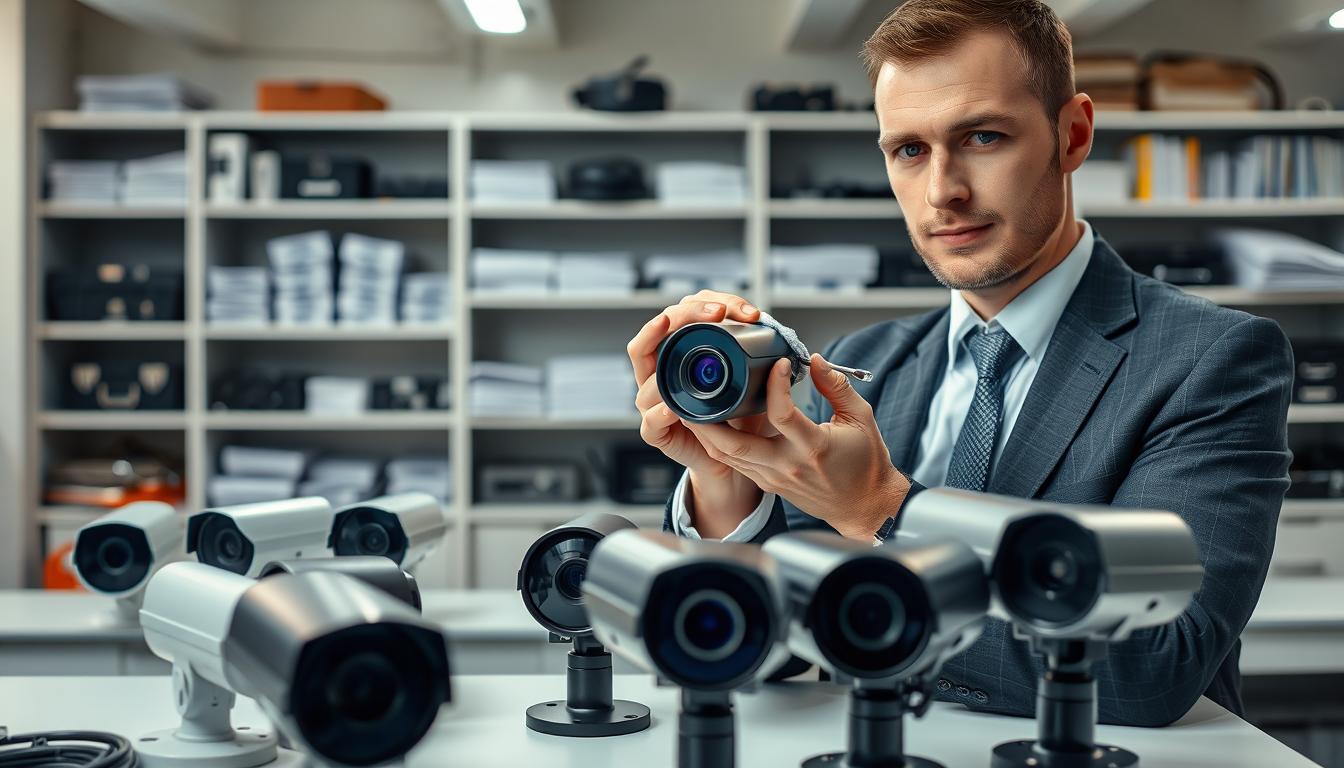
Do CCTV cameras need maintenance? Essential Guide
Many people think surveillance equipment works forever without any attention. This belief can lead to serious security gaps. Regular upkeep is essential for reliable protection.
Both homes and businesses depend on these security systems. Without proper care, cameras may fail when you need them most. Dust, weather, and technical issues can affect performance.
In Singapore’s humid climate, maintenance becomes even more critical. Moisture and heat can damage components faster. Regular checks ensure your investment continues to protect what matters.
This guide explores why upkeep matters for optimal performance. We’ll show how maintenance extends system lifespan and improves security effectiveness. Proper care is an investment in peace of mind.
Key Takeaways
- Regular maintenance prevents security system failures
- Environmental factors like humidity require consistent upkeep
- Proper care extends the lifespan of surveillance equipment
- Maintenance ensures optimal camera performance and image quality
- Routine checks help identify issues before they become major problems
- Well-maintained systems provide more reliable security protection
- Professional maintenance services are available in Singapore
Do CCTV Cameras Need Maintenance? The Resounding Answer
A common security oversight involves neglecting the continuous care that surveillance installations demand. This approach often leads to critical vulnerabilities when protection matters most.
Recent data reveals a startling truth: 87% of security breaches could have been prevented with regular checks. This statistic underscores why consistent upkeep isn’t optional—it’s essential for reliable protection.
Singapore’s security landscape makes this even more critical. Theft rates increased by 25% in early 2023, highlighting the urgent need for properly functioning surveillance systems.
Even advanced technology can fail without proper attention. Regular maintenance ensures your equipment performs optimally when needed most.
Key benefits of consistent upkeep include:
- Preventing system failures before they compromise security
- Maintaining high-quality video evidence collection
- Extending the lifespan of your surveillance investment
- Reducing emergency repair costs significantly
Maintenance represents proactive security rather than reactive repair. It’s about ensuring your protection systems work well consistently, not just fixing them after problems occur.
The correlation between proper care and crime prevention is clear. Well-maintained surveillance equipment deters criminal activity and provides reliable evidence when incidents occur.
Technical studies show regular maintenance reduces equipment failures by over 60%. This dramatically improves overall security effectiveness for both homes and businesses.
The answer is unequivocal: consistent professional care is non-negotiable for any serious security strategy. Your protection depends on systems working well at all times.
Why Regular CCTV Maintenance is Non-Negotiable for Security
When protection matters most, properly functioning surveillance becomes the difference between resolution and uncertainty. This reality makes consistent upkeep essential rather than optional for any security strategy.
The consequences of neglected equipment extend far beyond technical malfunctions. They can compromise entire security operations and legal standing.
Preventing Costly Security Breaches and Evidence Loss
A 2022 Orchard Road retail theft case demonstrated this stark reality. Blurred footage from dirty lenses couldn’t identify suspects, resulting in significant financial losses.
Research reveals quarterly cleaning maintains 95% image clarity versus just 62% for neglected devices. This difference determines whether evidence becomes court-admissible or useless.
Proactive servicing reduces system failures by 55% according to security audits. This dramatically improves overall protection effectiveness for both residential and commercial properties.
The Financial Sense: Proactive Care vs. Reactive Repairs
Regular maintenance represents a fraction of emergency repair costs. Preventive care typically costs 30-50% less than reactive solutions according to industry data.
Consider these financial advantages:
- Preventive servicing avoids costly equipment replacement
- Consistent upkeep extends system lifespan by 40-60%
- Emergency call-outs often cost 3-5 times more than scheduled visits
- Proper maintenance prevents evidence loss that could cost thousands in unresolved incidents
The math clearly favors proactive approaches. Investing in professional CCTV maintenance services saves significant money long-term.
Meeting Singapore’s Regulatory and Compliance Standards
Singapore maintains specific requirements for surveillance systems used in commercial settings. Proper maintenance ensures compliance with these regulations.
The Personal Data Protection Act (PDPA) governs how surveillance footage is collected and stored. Well-maintained systems help organizations meet these legal obligations effectively.
Poorly maintained equipment can create legal vulnerabilities. Blurry footage or system failures may violate compliance requirements and weaken legal standing.
Regular checks document proper system operation for regulatory purposes. This creates an audit trail demonstrating compliance with Singapore’s surveillance standards.
The non-negotiable nature of maintenance extends beyond technical functionality. It encompasses legal, financial, and operational security dimensions that protect both people and property.
Core Benefits of a Proactive CCTV Maintenance Plan
Implementing a structured upkeep strategy transforms security investments from reactive expenses into proactive assets. This approach delivers measurable returns across multiple dimensions of protection.
Extending Your System’s Lifespan and Protecting Your Investment
Surveillance equipment represents a significant financial commitment. Proper care ensures these systems last longer and perform reliably.
The National University of Singapore conducted a revealing three-year study. Identical security installations with quarterly checks lasted 40% longer than neglected units.
This longevity directly protects your financial investment. Well-maintained systems last through their intended lifespan without premature replacement costs.
“Regular upkeep isn’t an expense—it’s insurance for your security infrastructure.”
Ensuring Consistent, High-Quality Surveillance Footage
Clear visual evidence makes the difference between identification and uncertainty. Maintenance directly impacts image quality and legal usefulness.
Research shows properly maintained units produce court-admissible evidence 40% more often. This statistic highlights the critical connection between upkeep and evidential value.
Consistent image quality ensures your surveillance captures details that matter. From license plates to facial features, clarity determines investigative success.
Minimizing Downtime and Emergency Repair Scenarios
Unexpected system failures create security vulnerabilities when you least expect them. Proactive care prevents these dangerous gaps in protection.
Regular checks identify potential issues before they become emergencies. This approach keeps systems working reliably during critical moments.
Insurance providers recognize this reduced risk. Many offer 15-25% premium reductions for properties with documented upkeep records.
The comprehensive value extends beyond technical performance. Reliable security systems working well provide peace of mind and financial protection.
Understanding the Different Types of CCTV Maintenance
Security installations require different care strategies depending on your goals and budget. Each approach offers unique advantages for keeping surveillance equipment reliable.
Three primary methods exist for managing system upkeep. These range from basic reactive fixes to advanced predictive solutions.
Preventive Maintenance: The Foundation of System Health
This proactive approach involves scheduled inspections and part replacements. Regular checks help avoid unexpected failures before they occur.
Think of it like changing your car’s oil regularly. You prevent major engine damage through consistent, planned care.
Preventive strategies typically include:
- Quarterly lens cleaning for clear footage
- Annual cable and connection inspections
- Scheduled component testing and calibration
- Routine software updates and backups
This method forms the foundation for reliable security protection. It’s the most cost-effective approach for most residential and commercial installations.
Corrective Maintenance: Addressing Issues After They Occur
This reactive approach fixes problems only after they manifest. It’s essentially the “break-fix” model of security upkeep.
While sometimes necessary, this method often costs more long-term. Emergency repairs typically involve higher service fees and potential security gaps during downtime.
Common scenarios requiring corrective action include:
- Sudden camera failure during critical periods
- Weather-related damage to outdoor units
- Unexpected software glitches or recording issues
- Power supply or connectivity problems
“An ounce of prevention is worth a pound of cure when it comes to security systems.”
Predictive Maintenance: Using Technology to Forecast Needs
This advanced approach uses data analytics to anticipate service requirements. Modern systems can monitor their own health and performance metrics.
Sophisticated algorithms analyze patterns to predict potential failures. This allows for repairs before problems actually occur.
Key features of predictive strategies include:
- Automated system health monitoring
- Performance trend analysis and alerts
- AI-driven failure prediction
- Remote diagnostics and automated reporting
This method represents the future of security system management. It’s particularly valuable for large-scale or business-critical installations.
Choosing the right approach depends on your specific security needs and budget. Many property owners combine elements from all three methods for comprehensive protection.
The Ultimate CCTV Maintenance Checklist for Homeowners and Businesses
A structured approach to surveillance upkeep ensures consistent protection. Following a comprehensive maintenance checklist prevents most common system failures.
Singapore data reveals 83% of security system failures stem from neglected routine upkeep. Well-maintained installations experience 50% fewer operational problems.
This practical guide provides actionable steps for both residential and commercial properties. Implement these procedures to maintain optimal security performance.
https://www.youtube.com/watch?v=XZaAsKnvPZ4
Visual and Physical Inspection Protocols
Regular visual assessments catch issues before they become problems. Start with a thorough walk-around of all installation points.
Check each unit for physical damage or tampering signs. Look for cracks, loose mounts, or weather-related wear.
Verify all connections remain secure and protected. Loose cables often cause intermittent recording issues.
Inspect housing seals on outdoor units for integrity. Singapore’s humidity demands proper weatherproofing.
Confirm proper alignment and field of view. Objects or growth might obstruct critical surveillance areas.
Essential Cleaning Procedures for Optimal Clarity
Dust accumulation causes 70% of image quality degradation. Regular lens cleaning maintains evidential clarity.
Use appropriate microfiber cloths and cleaning solutions. Avoid abrasive materials that could scratch delicate surfaces.
Gently remove debris from housing vents and covers. Proper airflow prevents overheating in tropical conditions.
Clean camera lenses every three months minimum. High-traffic or coastal areas may require monthly attention.
After cleaning, verify focus and image sharpness. Adjust settings if necessary for optimal performance.
Software and Data Management Checks
Digital components require equal attention to physical parts. Regular software updates address security vulnerabilities.
Verify recording schedules and motion detection settings. Ensure the system captures activity during critical periods.
Test playback functionality and backup procedures. Confirm important footage saves properly to storage devices.
Check available storage space and recording quality settings. Adjust resolutions based on storage capacity needs.
Review access logs and user permissions regularly. Unauthorized access could compromise security integrity.
Professional technicians recommend biannual comprehensive inspections. Complex systems might require quarterly professional checks.
This maintenance checklist serves both homes and businesses effectively. Adapt frequency based on environmental factors and usage patterns.
Consistent implementation ensures reliable protection year-round. Proper upkeep transforms security systems from expenses into valuable assets.
Creating Your Customized CCTV Maintenance Schedule
Singapore’s diverse neighborhoods demand tailored security care. Your specific environment determines how often your surveillance requires attention. A personalized approach ensures optimal performance year-round.
Urban areas with heavy foot traffic experience faster equipment degradation. Coastal regions face accelerated corrosion during monsoon seasons. The 2023 NEA study confirmed salt spray causes 300% more failures between November and January.
Recommended Frequency for Different Environments
High-traffic commercial districts need monthly visual inspections. These areas accumulate dust and debris quickly. Regular checks prevent image quality deterioration.
Residential estates benefit from quarterly comprehensive assessments. This schedule balances protection with practicality. Systems in these areas face moderate environmental stress.
Coastal properties require special consideration. Marine Parade and similar areas need bimonthly inspections during monsoon season. Salt spray accelerates corrosion dramatically.
Industrial zones demand the most frequent attention. Monthly professional visits ensure proper functioning. Harsh environments cause faster component wear.
Balancing DIY Checks with Professional Service Visits
Homeowners can handle basic visual inspections themselves. Look for obvious damage or obstruction signs. These simple checks catch many issues early.
Professional technicians should perform comprehensive assessments every three months. They identify problems invisible to untrained eyes. Complex diagnostics require specialized equipment.
Consider this maintenance balance approach:
- Weekly: Quick visual scans for obvious issues
- Monthly: Basic cleaning and connection checks
- Quarterly: Professional comprehensive inspections
- Seasonally: Specialized assessments for weather changes
“The right maintenance frequency matches your environment’s specific challenges”
Cost considerations vary significantly by schedule intensity. Monthly professional visits cost more but prevent major repairs. Quarterly balances affordability with protection.
Implementation strategies include digital calendars with automatic reminders. Maintenance tracking apps help maintain consistency. Proper documentation also helps with insurance claims.
Environmental factors specific to Singapore should guide your schedule. Humidity levels affect electrical components differently across regions. Tropical weather demands more frequent attention than temperate climates.
Smart scheduling optimizes your security investment. It prevents both over-maintenance and under-protection. Your customized plan should evolve with seasonal changes and usage patterns.
Conquering Common CCTV Issues with Simple Diagnostics
Even the best security installations occasionally face technical challenges. Understanding basic troubleshooting helps keep your protection systems working reliably. Early detection prevents minor issues from becoming major problems.
Troubleshooting Blurry Footage and Camera Lens Problems
Blurry images often stem from simple, fixable issues. Dirty lenses cause most clarity problems in Singapore’s dusty urban environment.
Start with a soft microfiber cloth for gentle cleaning. Avoid harsh chemicals that could damage lens coatings. Check for spider webs or debris around the housing.
Misalignment creates another common challenge. Verify your camera’s field of view hasn’t shifted. Ensure mounting brackets remain tight and secure.
Focus problems might require professional recalibration. Temporary fixes rarely solve persistent focus issues. Consider expert help if simple cleaning doesn’t restore clarity.
Resolving Power, Connectivity, and Wiring Faults
Electrical issues can disable entire security networks. Start troubleshooting at the power source. Check all connections for tightness and corrosion.
Loose cables cause intermittent recording failures. Inspect wiring for rodent damage or weather wear. Singapore’s humidity accelerates corrosion in exposed connections.
Test each component individually when possible. Isolate problems to specific cameras or cables. This systematic approach saves diagnostic time.
Consider these common solutions:
- Replace damaged cables immediately
- Secure loose connections with proper fittings
- Use weatherproof enclosures for outdoor junctions
- Test power supplies with multimeter verification
Addressing Data Storage and Recording Failures
Recording problems often frustrate security system owners. Start by checking available storage space. Full drives prevent new footage from saving.
Verify recording schedules match your security needs. Motion detection settings might need adjustment. Test different sensitivity levels for optimal performance.
Software glitches can disrupt normal operation. Regular updates prevent many digital problems. Backup your configuration before making changes.
Consider these troubleshooting steps:
- Check hard drive health and available space
- Verify network connectivity for IP systems
- Test playback functionality across different dates
- Review system logs for error messages
“Most security system failures stem from simple, preventable issues. Regular checks keep everything working well when it matters most.”
Always prioritize safety during electrical work. Consult professionals for complex wiring problems. Proper diagnostics prevent recurring issues and ensure reliable protection.
CCTV Maintenance Best Practices for Singapore’s Climate
Singapore’s tropical environment presents unique challenges for electronic equipment. The combination of high humidity, intense heat, and seasonal monsoons requires specialized care approaches. Proper techniques ensure your protection investments remain effective year-round.
Combating Humidity, Heat, and Seasonal Monsoons
Humidity-induced corrosion accounts for nearly 40% of service calls in Singapore. The constant moisture accelerates metal degradation and electrical problems. Regular inspections help identify early signs of moisture damage.
Monsoon seasons triple corrosion rates according to environmental studies. Heavy rains test weatherproofing seals and housing integrity. Silicone gel reapplications every eight weeks maintain waterproof ratings during intense rainfall.
Heat management becomes critical during dry periods. Proper ventilation prevents overheating in enclosed housings. Thermal imaging during inspections identifies potential hot spots before failure.
Consider these climate-specific strategies:
- Install desiccant packs inside housing units to control moisture
- Use anti-fog treatments on lenses during high humidity periods
- Schedule extra inspections before and after monsoon seasons
- Implement sun shades for units facing direct afternoon sunlight
Protecting Outdoor Equipment from Environmental Damage
Outdoor installations face the harshest environmental conditions. Salt spray from coastal areas accelerates corrosion dramatically. Special protective coatings extend equipment lifespan in marine environments.
Network configuration errors often follow weather-related damage. Moisture ingress causes short circuits and connection problems. Waterproof connectors and junction boxes prevent most weather-related issues.
Proper sealing techniques make the difference between reliability and failure. High-quality silicone seals withstand Singapore’s extreme weather variations. Regular seal inspections should occur quarterly.
“Tropical maintenance isn’t about fixing problems—it’s about preventing them before climate can cause damage.”
Environmental protection requires specific products designed for tropical conditions. Stainless steel mounts resist corrosion better than standard materials. UV-resistant housing protects against Singapore’s intense sunlight.
Long-term protection strategies include:
- Quarterly corrosion checks on all metal components
- Weatherproof rating verification before monsoon seasons
- Proper drainage installation to prevent water accumulation
- Regular cleaning of ventilation filters and heat sinks
Seasonal adjustments keep systems running smoothly through climate changes. Summer requires more frequent heat management checks. Monsoon season demands enhanced waterproofing verification.
These practices ensure surveillance systems remain reliable despite environmental challenges. Proper care prevents most climate-related equipment failures. Your security systems deserve protection from Singapore’s unique weather conditions.
Essential Tools and Supplies for Effective DIY Maintenance
Proper equipment makes all the difference when caring for your security system. The right tools ensure safe, effective upkeep without damaging sensitive components.
Building a comprehensive toolkit prevents common mistakes. It also saves money compared to professional service calls for simple tasks.
High-quality microfiber cloths form the foundation of proper lens care. Look for 300 GSM density to prevent scratches during cleaning. These materials remove dust without leaving residue.
NTUC-approved electronic cleaners safely dissolve grease and grime. They protect delicate coatings while restoring optical clarity. Always test cleaners on small areas first.
A digital multimeter verifies power supply stability within ±5% variance. This tool detects electrical issues before they cause system failures. It’s essential for troubleshooting connectivity problems.
Consider these essential items for your maintenance kit:
- Anti-static brushes for delicate component cleaning
- Precision screwdrivers for housing access
- Compressed air for dust removal from vents
- Waterproof silicone for seal repairs
- Safety gloves and eye protection
Tool quality varies significantly between consumer and professional grades. Basic home kits handle most routine tasks effectively. Complex systems might require specialized equipment.
“Investing in proper tools protects your larger security investment. Quality equipment prevents damage during routine upkeep.”
Storage conditions affect tool longevity. Keep everything in a dry, organized case. Humidity can damage electronic test equipment over time.
Singapore retailers offer excellent options for building your kit. Hardware stores carry most essential items. Specialty electronics shops provide advanced diagnostic tools.
Distinguish between essential and optional equipment. Start with cleaning supplies and basic tools. Add specialized items as your confidence grows.
Always prioritize safety during any maintenance work. Use proper protection and follow manufacturer guidelines. Your security system deserves careful, knowledgeable attention.
When to Call a Professional: Beyond Basic Troubleshooting
Sometimes your surveillance setup needs more than simple fixes. Recognizing when to seek expert help prevents small issues from becoming major headaches.
Research shows 58% of false alerts require professional recalibration. These complex failures often involve deeper electrical or software conflicts.
Identifying Complex Hardware and Network Failures
Certain signs indicate you need expert assistance. Recurring issues despite basic troubleshooting suggest underlying problems.
Watch for these red flags:
- Multiple units failing simultaneously
- Intermittent recording that persists after cable checks
- Network connectivity issues affecting entire systems
- Software glitches that basic resets cannot resolve
Response time differences impact security significantly. Emergency 4-hour services cost 35% more than next-day contracts.
The Value of Certified Expertise and Advanced Diagnostics
Professionals bring specialized tools and knowledge. They detect issues invisible to untrained eyes.
Certified technicians use advanced diagnostic equipment. Thermal cameras identify overheating components before failure. Network analyzers pinpoint connectivity problems precisely.
“Professional intervention often costs less than repeated DIY attempts that fail to solve root causes.”
Timely expert help maintains your protection effectiveness. It ensures systems keep working well when needed most.
Prepare for service visits by documenting issues thoroughly. Note error messages and problematic patterns. This information helps technicians diagnose problems early.
Choosing between service levels depends on urgency. Standard appointments work for non-critical issues. Emergency services address immediate security concerns.
Professional maintenance typically includes comprehensive reporting. You receive detailed findings and recommended actions. This documentation helps with warranty claims and insurance purposes.
Selecting a Qualified CCTV Servicing Provider in Singapore
Singapore’s competitive security market requires careful provider evaluation. The right partnership ensures your surveillance investment receives proper attention from qualified professionals.
Technical expertise varies significantly between companies. Some focus on basic repairs while others offer comprehensive protection plans.
Key Credentials and Experience to Look For
Certification separates qualified technicians from general handymen. Look for IMDA-approved credentials specifically for electronic security systems.
Specialization in IP surveillance indicates modern technical capabilities. This expertise handles both traditional and network-based security setups effectively.
Experience requirements should include minimum years in security system maintenance. Providers with five-plus years typically understand local Singapore conditions better.
Ask about specific training programs technicians complete annually. Technology evolves rapidly in the security field.
Comparing Service Packages and Emergency Response Times
Service tiers dramatically affect protection reliability. Comprehensive contracts reduce emergency callouts by 73% according to industry data.
Response time differences impact security significantly. Emergency 4-hour services cost 35% more than standard 48-hour resolutions.
Evaluate these package elements carefully:
- Scheduled preventive maintenance frequency options
- Emergency response time guarantees in writing
- Parts and labor coverage details
- Remote monitoring and support availability
Properties benefit from customized service agreements. Your specific security needs should determine contract terms.
Provider reliability assessment involves multiple factors. Check business longevity and client references thoroughly.
Reputation indicators include online reviews and industry recognition. Look for consistent positive feedback about response times.
Contract terms should clearly outline service level agreements. Understand exactly what each package includes before committing.
“The best security partnerships develop through transparent communication and defined expectations.”
Negotiation strategies help tailor packages to your needs. Discuss specific requirements rather than accepting standard offers.
Red flags include vague contract terms and pressure tactics. Reputable companies provide clear explanations without rushing decisions.
Essential questions for potential providers:
- What specific certifications do your technicians hold?
- Can you provide references from similar properties?
- How do you handle after-hours emergency calls?
- What’s your process for documenting maintenance work?
Finding the right CCTV maintenance company requires careful research. The investment ensures your security systems receive professional care from qualified experts.
Proper selection prevents future headaches and security gaps. Your protection deserves the best possible technical support available in Singapore.
Navigating CCTV Maintenance Contracts and Service Level Agreements
Understanding service agreements ensures your protection investment receives proper care. These documents define the relationship between you and your technical provider.
Singapore providers structure contracts with specific response tiers. Most include preventive visits and firmware coverage. Multi-year agreements often feature technology refresh options.
Wen Hong’s coastal contracts demonstrate smart planning. They specify silicone resealing before November storms. This proactive approach prevents weather-related failures.
Service Level Agreements contain several critical components. Response time guarantees protect your security during emergencies. Coverage details outline what services you receive.
Look for these essential contract elements:
- Clear response time commitments for different issue types
- Preventive maintenance frequency and scope details
- Parts and labor coverage specifications
- Technology upgrade options for longer agreements
- Termination clauses and renewal conditions
Customization ensures contracts match your specific security needs. Commercial properties require different terms than residential installations. High-risk areas might need more frequent checks.
Comparison strategies help evaluate different offerings. Create a standardized checklist for reviewing multiple proposals. Focus on value rather than just initial cost.
“The cheapest contract often becomes the most expensive when security fails at critical moments.”
Contract terms directly influence service quality. Detailed agreements prevent misunderstandings about responsibilities. They establish clear expectations for both parties.
Negotiation strategies can improve your agreement terms. Bundle multiple properties for better pricing. Request specific inclusions like seasonal weather preparations.
Renewal processes deserve careful attention. Review service history before extending agreements. Consider market changes that might affect pricing.
Modification procedures allow contract adjustments as needs evolve. Ensure changes receive proper documentation. Both parties should sign updated versions.
Template checklists help review agreements systematically. They ensure you cover all critical aspects. Legal considerations protect your interests.
Consumer protection aspects vary by agreement type. Understand your rights under Singapore’s contract laws. Professional advice might benefit complex arrangements.
Proper contract management ensures your security systems receive consistent care. It transforms service from reactive fixes to proactive protection. Your investment deserves this level of attention.
Budgeting for CCTV Maintenance: Cost Factors and Smart Planning
Smart financial planning transforms security upkeep from unexpected expenses into predictable investments. Understanding cost structures helps allocate resources effectively for reliable protection.
Replacing modern surveillance equipment often costs significantly more than consistent upkeep. A Tampines industrial park study revealed SGD $28,000 savings across 50 units through scheduled care.
Understanding What Influences Service Pricing
Multiple factors determine your total expenditure for keeping surveillance systems operational. System complexity represents the primary cost driver in most scenarios.
High-resolution units require more specialized attention than basic models. Installation locations affect service frequency and associated expenses.
Environmental conditions in Singapore significantly impact pricing structures. Coastal areas demand more frequent corrosion checks than inland properties.
Consider these key cost determinants:
- System size and number of units requiring attention
- Equipment age and technology generation
- Access difficulty for mounted positions
- Contract duration and service frequency
- Emergency response time requirements
Reactive repairs typically cost three times more due to emergency labor rates. Preventive approaches spread expenses evenly across the protection period.
Long-Term Financial Planning for System Upkeep
Strategic budgeting ensures your security infrastructure remains effective throughout its lifespan. Proper allocation prevents unexpected financial surprises.
Research indicates replacing a 4K security unit costs 3.2 times more than five years of scheduled servicing. This makes consistent upkeep the financially sensible choice.
“Smart budgeting isn’t about spending less—it’s about spending wisely to maximize protection value.”
Effective financial planning involves multiple components. Separate budgets for routine care and unexpected situations provide comprehensive coverage.
Sample allocation strategies for different property types:
- Residential: 15-20% of initial system cost annually
- Commercial: 10-15% of initial investment per year
- Industrial: 20-25% yearly for harsh environments
Tracking expenses helps optimize future budgeting decisions. Document all service costs and correlate them with performance results.
Justifying expenditure becomes easier when relating costs to protection benefits. Well-maintained surveillance systems last longer and perform more reliably.
Financial planning should accommodate technology upgrades and expansions. Modern systems often integrate with existing infrastructure cost-effectively.
Smart budgeting transforms security from an expense into a valuable asset. Proper investment ensures your protection remains effective year after year.
The Impact of Modern Technology on CCTV Maintenance
Technological advancements are revolutionizing how we approach security system upkeep. Smart innovations now handle many tasks that previously required manual intervention. This evolution makes protection more reliable and less labor-intensive.
How AI and Self-Diagnostics Are Reducing Hands-On Needs
Artificial intelligence transforms maintenance from reactive to predictive. Systems can now detect issues before they affect performance. This proactive approach keeps surveillance equipment running smoothly with minimal human involvement.
Hanwha’s Wisenet X series demonstrates this innovation perfectly. Nano-coatings automatically repel dust and water. These features significantly reduce cleaning frequency and physical upkeep requirements.
Dahua’s predictive analytics platform represents another leap forward. It identifies potential component failures 30 days before breakdowns occur. This early warning system prevents unexpected security gaps.
Singapore’s adoption of these smart technologies shows impressive results. Properties using AI-driven systems report 60% fewer service calls. This reduction translates to substantial time and cost savings.
“Smart systems don’t just monitor security—they monitor their own health and performance continuously.”
These innovations benefit various property types differently:
- Residential homes enjoy hassle-free protection
- Commercial buildings maintain uninterrupted security
- Industrial sites prevent costly production interruptions
The Critical Role of Software and Firmware Updates
Digital maintenance has become equally important as physical upkeep. Regular software updates address security vulnerabilities and improve functionality. Firmware upgrades ensure compatibility with evolving technology standards.
Automated update systems simplify this process significantly. They download and install patches during off-peak hours. This approach maintains security without disrupting normal operations.
Cloud-based platforms offer additional advantages. They provide centralized management for multiple locations. Remote troubleshooting capabilities reduce onsite service requirements.
Implementation strategies vary by system complexity:
- Enable automatic updates for basic residential systems
- Schedule monthly manual checks for commercial installations
- Implement enterprise-grade update management for large networks
These technological advances make security systems more self-sufficient. They maintain optimal performance with reduced manual intervention. This evolution represents the future of protection management.
Frequently Overlooked Factors in CCTV System Upkeep
Many security system owners focus only on visible maintenance tasks while missing critical underlying factors. These often-ignored elements can significantly impact your protection effectiveness over time.
The Importance of Initial Equipment Quality and Selection
Choosing top-notch equipment is essential for keeping surveillance systems operational long-term. Premium components from authorized dealers typically endure Singapore’s humidity 40% better than budget options.
Higher initial investment pays off through reduced upkeep needs and clearer image quality. Industrial-grade parts withstand environmental stresses that compromise cheaper alternatives.
Proper selection involves more than just technical specifications. Consider compatibility with existing infrastructure and future expansion capabilities.
“Quality equipment installed correctly requires less frequent attention and performs more reliably during critical moments.”
Several hidden factors influence maintenance requirements significantly. Installation quality directly affects long-term upkeep needs. Proper mounting and weatherproofing prevent many common issues.
Subtle signs of system degradation often go unnoticed until problems escalate. Regular performance benchmarking helps identify gradual declines in function.
Environmental factors beyond weather impact equipment performance. Nearby construction, vegetation growth, and lighting changes affect surveillance effectiveness.
Consider these often-missed assessment points:
- Power supply stability under different load conditions
- Data transmission consistency during peak usage periods
- Storage system health beyond simple capacity checks
- Peripheral device integration and communication
Preventive measures for commonly overlooked aspects include regular system calibration. This ensures all components work together optimally.
Documentation review often gets neglected but provides valuable insights. System logs reveal patterns that indicate developing issues.
Make sure to evaluate environmental changes around installation points. New structures or landscaping might obstruct views or create reflections.
Regular comprehensive assessments catch these subtle factors early. They keep your surveillance system running smoothly with minimal unexpected interventions.
Addressing these overlooked aspects transforms reactive fixes into proactive protection. Your security investment deserves this comprehensive approach to care.
Safeguarding Your Property Starts with a Maintained System
Your surveillance investment delivers peace of mind only when it functions reliably. Consistent upkeep is the cornerstone of that reliability.
Keeping your CCTV systems in optimal condition ensures they perform when needed most. Regular checks make sure everything runs smoothly, protecting your assets effectively.
In Singapore’s unique environment, security systems demand attentive care. This ongoing process prevents failures and extends equipment lifespan significantly.
For professional assistance, contact experts at +65 60135960. They help keep your protection operational and effective year-round.
FAQ
How often should I perform maintenance on my security system?
We recommend checking your surveillance equipment every three months. Regular checks keep systems running smoothly and help identify problems early.
What are the key benefits of keeping up with regular maintenance?
Consistent upkeep extends your system’s lifespan, ensures high image quality, and reduces unexpected equipment failures. It also keeps surveillance systems working reliably.
Can I handle basic upkeep tasks myself?
Yes, tasks like cleaning camera lenses and performing visual inspections are often manageable. However, complex issues may require professional service to ensure security needs are met.
What is included in a typical maintenance checklist?
A standard checklist includes cleaning camera lenses, checking connections, verifying recording functions, and updating software. These steps help keep surveillance systems working well.
How does regular upkeep impact long-term maintenance costs?
Proactive care lowers long-term expenses by preventing major repairs. It’s a smart investment that keeps your security systems running efficiently and last longer.


