
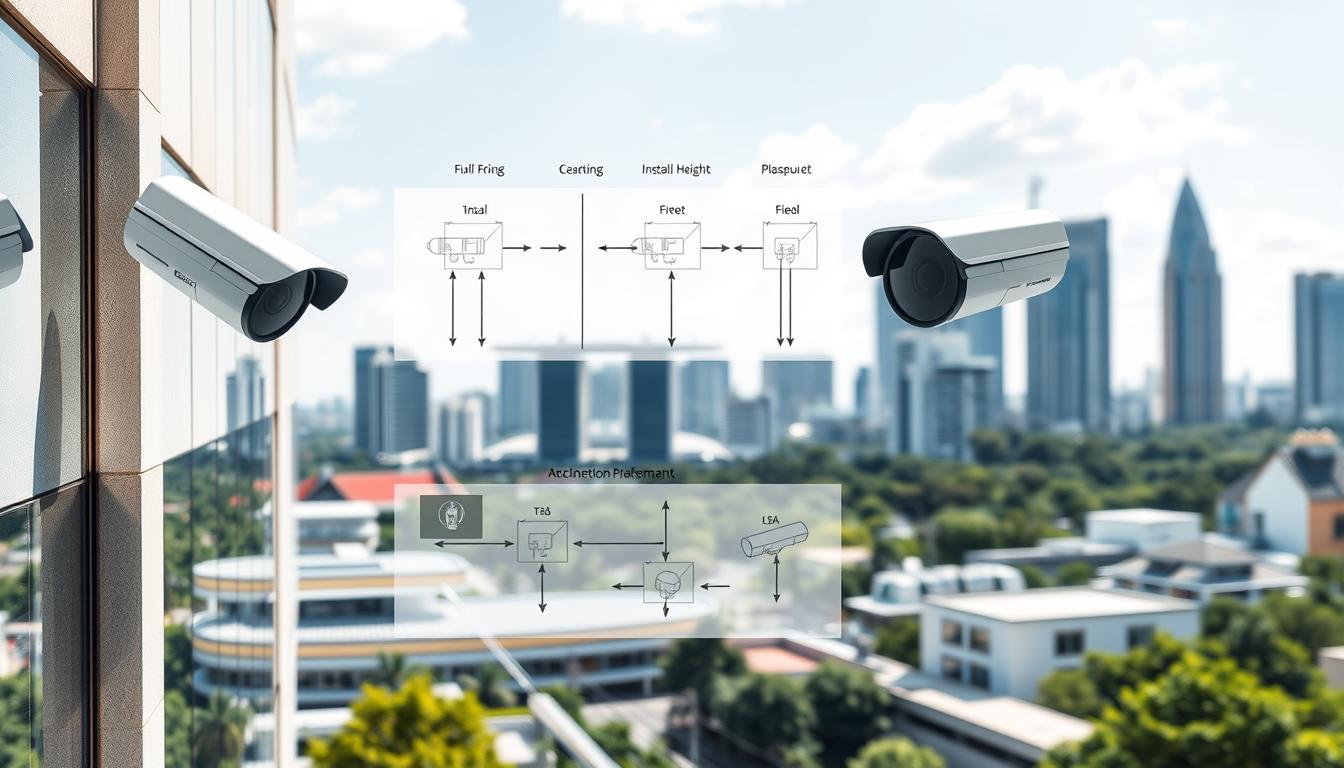
Rules for CCTV in Singapore Explained
Installing security cameras in Singapore requires understanding local regulations. Property owners must balance safety needs with privacy rights.
The Personal Data Protection Act governs how surveillance systems handle personal information. This includes footage from cameras placed in homes or common areas.
Recent updates affect residents in HDB flats and private properties. Proper installation procedures ensure compliance with Singapore’s data protection laws.
This guide covers everything from camera placement to data retention periods. You’ll learn how to maintain security while respecting your neighbors’ privacy.
Key Takeaways
- Singapore’s PDPA regulates how CCTV footage containing personal data must be handled
- HDB residents need approval for corridor-facing cameras and smart doorbells
- Proper signage and neighbor notification are required for surveillance systems
- Data retention periods must comply with personal data protection guidelines
- Security needs must be balanced with individual privacy rights
- Non-compliance can result in penalties under Singapore laws
- Different rules apply for cameras within private rooms versus common areas
What Are the Rules for CCTV in Singapore? Understanding the Legal Framework
Singapore’s approach to security monitoring balances property protection with individual rights. The legal structure governs how residents and businesses operate surveillance equipment.
The Personal Data Protection Act and Your Surveillance System
The PDPA serves as Singapore’s primary legislation for handling recorded information. This law classifies any footage identifying people as personal data. System operators must follow specific handling procedures under these regulations.
Both residential and commercial users have obligations under this framework. The act applies to various monitoring devices including:
- Traditional CCTV cameras
- Smart doorbell systems
- Digital recording equipment
- Any device capturing identifiable footage
Compliance helps avoid penalties that can reach significant amounts for violations. Understanding these requirements protects both security needs and privacy rights.
HDB’s Evolving Policies for Homeowners and Residents
Singapore’s public housing authority has updated its surveillance guidelines recently. Residents no longer need approval for corridor-facing cameras installed within their units.
This policy change reflects evolving attitudes toward security and privacy. Homeowners must still ensure their equipment doesn’t face neighbors’ doors or windows.
Approval remains necessary for cameras placed outside flats facing common areas. These regulations help maintain community harmony while allowing reasonable security measures.
The framework continues to adapt as technology advances and social needs change. Residents should stay informed about current guidelines before installing any surveillance system.
Installing CCTV in HDB Flats: A Step-by-Step Guide
Setting up surveillance systems in public housing requires careful planning. Homeowners must follow specific procedures to ensure their security measures comply with regulations.
The process involves equipment selection, proper positioning, and community consideration. Following these steps helps maintain both safety and neighborly relationships.
Corridor-Facing Cameras: Navigating the 2023 Approval Exemption
Singapore’s public housing authority updated its policy in May 2023. Residents can now install corridor-facing cameras without seeking prior approval.
This exemption applies only to devices mounted within your home’s interior. The camera must not extend beyond your property boundaries.
Despite this freedom, privacy considerations remain paramount. Your surveillance equipment should never capture neighbors’ private spaces.
Key Placement Restrictions to Respect Your Neighbors’ Privacy
Proper camera positioning protects everyone’s personal space. Avoid directing lenses toward other flats’ doors or windows.
Building facades cannot support external mounting due to safety concerns. This prevents potential “killer litter” hazards from falling equipment.
Consider your camera’s field of view before finalizing installation. Ensure it only monitors your immediate vicinity and common walkways.
The Proper Installation Process: From Choosing a System to Informing Neighbors
Begin by selecting equipment that meets HDB specifications. Consider resolution needs, storage capacity, and viewing angles.
Professional installation ensures compliance with all technical requirements. Experts can position cameras optimally while respecting privacy boundaries.
Notify neighbors about your security measures as a courtesy. This transparency helps prevent misunderstandings and maintains community harmony.
Document your installation process for future reference. Keep records of equipment specifications and placement decisions.
Regular maintenance checks ensure continuous proper operation. Schedule periodic inspections to verify camera functionality and positioning.
For temporary security concerns, special procedures apply. These installations require police reports and limited six-month durations.
Remember that proper camera placement avoids prohibited areas while maximizing coverage.
Rules for CCTV in Private Residences and Condominiums
Private property surveillance operates under distinct regulations compared to public housing. Homeowners enjoy greater flexibility but must still navigate community standards and legal requirements.
Condominium living introduces additional considerations through Management Corporation guidelines. These rules help maintain community harmony while respecting individual security needs.
Managing Expectations with Management Corporations (MCSTs)
Most condominiums establish specific surveillance guidelines through their management councils. These policies typically address camera placement and notification requirements.
External installations facing common areas often require formal approval. Luxury developments may impose stricter aesthetic standards for equipment visibility.
Homeowners associations provide clear documentation of approved practices. Regular reviews ensure guidelines remain current with evolving technology and laws.
Balancing Property Security with Community Guidelines
Private property owners must balance their security needs with overall community standards. This involves careful consideration of camera positioning and field of view.
Disputes between neighbors typically undergo MCST mediation first. Proper communication prevents most conflicts before they escalate.
All installations must comply with PDPA requirements for personal data protection. This includes appropriate signage and responsible data handling practices.
Condominium boards may restrict certain camera types or mounting methods. These limitations help maintain building aesthetics and resident privacy.
“Good fences make good neighbors, but clear guidelines make better communities when it comes to surveillance systems.”
Private homeowners have more installation flexibility than HDB residents. They still must ensure their systems don’t infringe on others’ privacy rights.
Regular community meetings help address surveillance concerns proactively. Transparent policies create trust among all residents regarding security measures.
Smart Doorbells and Alternative Security Devices
Modern security solutions offer innovative approaches to home protection. Smart doorbells and door viewers provide effective monitoring without traditional camera systems.
These devices blend advanced technology with practical functionality. They maintain security while respecting community guidelines and privacy standards.
Permitted Devices Under HDB and PDPA Rules
Singapore’s public housing authority approves specific security devices. Smart door viewers and doorbells receive approval when installed correctly.
These units must not extend beyond 5cm from door surfaces. This prevents obstruction in common corridors and maintains building aesthetics.
Battery-powered models offer excellent solutions for HDB flats. They eliminate complex wiring issues while providing reliable operation.
Most devices feature six-month battery life. This reduces maintenance needs for residents.
The Personal Data Protection Act governs all recorded information. Smart doorbell footage falls under personal data protection requirements.
Proper installation ensures compliance with both HDB and PDPA guidelines. Homeowners should verify device specifications before purchase.
Comparing Smart Doorbells with Traditional CCTV Systems
Smart doorbells provide distinct advantages over conventional surveillance. Their limited 180-degree field of view minimizes privacy concerns.
These devices activate only during motion detection events. This reduces unnecessary recording and storage requirements.
Key benefits include:
- Real-time alerts for package delivery and visitor notifications
- Two-way audio communication with visitors
- Seamless integration with home automation systems
- Reduced neighbor disputes compared to traditional cameras
Smart doorbells excel at package theft prevention. Instant notifications allow immediate response to delivery events.
Proper placement remains crucial for all security devices. Ensure your equipment focuses only on your immediate doorway area.
These modern solutions offer effective protection while maintaining community harmony. They represent the evolving landscape of home security technology.
Commercial CCTV Use: Compliance Guidelines for Businesses
Businesses operating surveillance systems face specific compliance requirements under Singapore’s data protection framework. Companies must implement comprehensive policies that address both security needs and privacy protections.
Corporate environments demand stricter adherence to monitoring regulations than residential settings. Organizations must establish clear protocols for camera usage and data handling.
Employee Consent and Workplace Notification Requirements
Companies must obtain explicit consent before recording staff in sensitive areas. Break rooms and workstations require special consideration for employee privacy.
Clear signage at all entrances remains mandatory under PDPA guidelines. Notices must indicate surveillance purposes and monitored areas clearly.
Major retailers like FairPrice use standardized notices at all locations. Hospitals implement tiered access controls for sensitive areas with surveillance.
Unionized environments require additional negotiations under collective agreements. These discussions help balance security needs with worker rights.
Appointing a Data Protection Officer (DPO) for Your Organization
All organizations operating cameras must designate a certified data protection officer. This role ensures compliance with personal data protection standards.
Professional certifications from ISC2 or IAPP validate DPO qualifications. The Accounting and Corporate Regulatory Authority maintains public listings of registered officers.
Smaller businesses often outsource DPO functions to licensed providers. This approach ensures compliance without maintaining full-time staff.
Reasonable security safeguards must protect all recorded footage. Regular audits help maintain data protection standards across the organization.
How to Legally Access and Request CCTV Footage
Singapore’s Personal Data Protection Act establishes clear procedures for obtaining surveillance recordings. Individuals have specific rights to view footage where they appear.
The process balances transparency needs with privacy protections. Organizations must handle requests responsibly while safeguarding all parties’ information.
Submitting a Formal Request to an Organization
Begin by completing a subject access request form with the organization. Provide accurate identification and specific recording details.
Include precise dates and times for the needed footage. This helps organizations locate relevant recordings efficiently.
Most companies charge processing fees between $18-50. These costs cover retrieval and preparation time.
Organizations typically respond within 72 hours of receiving valid requests. They must provide accessible video formats for review.
Third-party identities are redacted before release. This maintains privacy while fulfilling access rights.
Your Rights as an Individual Under the PDPA
Section 21 of the PDPA grants specific access rights to personal data. This includes surveillance footage where you appear.
Organizations can deny frivolous or vexatious requests. They may also refuse requests causing unreasonable burden.
Proper documentation ensures compliance throughout the process. Both requestors and organizations benefit from clear records.
The system protects everyone’s privacy while allowing legitimate access. It represents Singapore’s balanced approach to data protection.
“Reasonable access to personal data fosters trust between organizations and individuals.”
This framework ensures responsible handling of surveillance materials. It respects both security needs and personal privacy rights.
Data Retention: How Long Can You Keep CCTV Footage?
Managing recorded surveillance materials involves careful consideration of storage duration. Property owners must balance practical needs with legal obligations under Singapore’s framework.
The Personal Data Protection Act provides flexible yet responsible guidance for footage management. This approach allows customization based on specific security requirements.
Recommended Retention Periods for Homeowners
Most residential systems maintain recordings for approximately three weeks. This timeframe allows sufficient opportunity to review incidents after discovery.
Twenty-one to thirty days represents a generally accepted standard. Homeowners may extend this period for specific security concerns.
Insurance claims and investigation needs might justify longer retention. Always document the purpose for extended storage periods.
Regular purging of outdated materials optimizes storage efficiency. It also demonstrates compliance with data protection principles.
Stricter Standards for Businesses and Financial Institutions
Commercial operations face more rigorous data retention requirements. Financial institutions typically maintain footage for thirty days minimum.
Different monitoring areas within a facility may have varying policies. Sensitive zones often demand longer retention periods.
Businesses should establish clear written policies for their surveillance system. These guidelines help ensure consistent compliance across operations.
Cloud storage solutions must employ AES-256 encryption standards. This protects recorded materials from unauthorized access.
“Proper data retention balances security needs with privacy protection – storing enough to be useful without keeping more than necessary.”
Active legal proceedings may require extended evidence preservation. Maintain proper chain of custody documentation for investigative materials.
Understanding your storage capabilities helps determine appropriate retention periods. Regular system checks ensure continuous compliance with these guidelines.
Addressing Privacy Concerns and Community Etiquette
Maintaining good relationships while securing your property requires thoughtful camera management. Successful surveillance balances protection needs with respect for others’ personal space.
The Mediation Center Singapore handles approximately 15 camera-related disputes monthly. About 40% involve improper angles capturing neighboring homes without consent.
Balancing Your Security Needs with Neighbor Privacy
Privacy impact assessments help identify potential conflicts before installing monitoring systems. Many town councils provide evaluation templates for assessing camera impact on common areas.
Technical solutions like privacy masking software automatically blur sensitive zones. Night vision filters should disable when pointing at bedroom windows for privacy protection.
Community workshops demonstrate proper angle measurement techniques. These sessions help residents understand appropriate camera placement guidelines.
Effective practices include:
- Conducting privacy assessments before final installation
- Using masking technology to obscure private areas
- Adjusting night vision settings to avoid intrusion
- Measuring sight lines to ensure proper coverage
How to Handle and Resolve Disputes Over Camera Placement
Singapore’s Community Dispute Resolution Framework offers structured mediation for conflicts. This process helps neighbors find mutually acceptable solutions.
The Small Claims Tribunal handles cases when mediation fails to resolve placement disputes. This provides a legal pathway for addressing persistent issues.
Multi-lingual signage explaining camera purposes reduces misunderstandings in diverse neighborhoods. Clear communication prevents many conflicts before they begin.
Successful resolution strategies involve:
- Open discussion about security concerns and privacy needs
- Willingness to adjust camera angles when requested
- Proper notification about surveillance system purposes
- Professional mediation when direct communication fails
“Good fences make good neighbors, but transparent communication makes better communities when it comes to surveillance systems.”
Respectful dialogue often resolves most camera placement concerns. Proactive communication demonstrates consideration for others’ privacy while maintaining your security.
Prohibited Areas and Special Cases: What You Cannot Do
Certain locations demand special consideration when planning your monitoring setup. These sensitive spaces require careful handling to avoid legal complications.
Understanding these restrictions protects both your security interests and others’ rights. The boundaries exist to maintain dignity and prevent privacy violations.

The Legal Risks of Installing Cameras in Helper Rooms
Domestic helper quarters present specific legal challenges for monitoring. Recording these private spaces without permission violates fundamental privacy rights.
Standard employment contracts now explicitly forbid cameras in sleeping areas. This protects workers’ dignity and personal space within your home.
Placing devices where individuals might undress risks criminal charges. Such actions could be considered insulting modesty under Singapore law.
Explicit consent remains the only potential exception to this rule. Even with permission, ethical concerns about power dynamics persist.
Sensitive Areas: Bathrooms, Bedrooms, and Changing Facilities
Private spaces like bathrooms and bedrooms always remain off-limits. These areas enjoy special protection under privacy laws nationwide.
Workplace locker rooms and gym changing facilities follow similar restrictions. Employees and visitors expect complete privacy in these locations.
Medical facilities face additional regulations for patient areas. Healthcare settings require special clearance for any monitoring equipment.
Hotel guest rooms cannot contain surveillance without court orders. Temporary accommodations maintain the same privacy standards as permanent homes.
Childcare centers have specific guidelines about camera placement. These rules balance security needs with children’s right to privacy.
“Respecting private spaces isn’t just about compliance—it’s about maintaining basic human dignity in security practices.”
Construction sites may install cameras for safety monitoring. However, they must carefully avoid restroom angles and changing areas.
Animal facilities follow special regulations from the Agri-Food and Veterinary Authority. These guidelines prevent potential cruelty while allowing necessary monitoring.
Always consider whether your security needs justify potential privacy invasions. Alternative solutions often provide protection without compromising dignity.
Penalties for Misusing CCTV Footage and Data Breaches
Singapore maintains strict enforcement mechanisms for surveillance system violations. The Personal Data Protection Commission actively monitors compliance across all sectors.
Recent enforcement actions demonstrate Singapore’s commitment to data protection. In 2023 alone, authorities issued 23 penalties for CCTV-related breaches.
Financial Repercussions Under the PDPA
Financial penalties reflect the severity and scope of violations. A logistics company paid $75,000 for failing to secure employee monitoring footage.
A retail chain faced $110,000 in fines for improper data retention practices. These amounts consider violation duration and negligence levels.
Directors face personal liability when investigations reveal knowledge of violations. This ensures accountability at leadership levels.
Penalties serve as deterrents against careless handling of recorded materials. They emphasize the importance of proper data management.
Mandatory Steps for Responding to a Surveillance Data Breach
Organizations must establish clear reporting channels for security incidents. Prompt response protocols help mitigate damage from unauthorized access.
Complaint investigations must begin within 14 days of notification. This timeframe ensures timely resolution of privacy concerns.
Whistleblowers receive protection under PDPA when reporting improper surveillance use. This encourages transparency within organizations.
Law enforcement collaborates with Interpol on cross-border data transfer violations. International cooperation addresses global privacy challenges.
“Effective data protection requires both preventive measures and responsive actions when breaches occur.”
Criminal penalties apply for severe privacy violations under Singapore’s Penal Code. Section 509 imposes jail terms for surveillance-related voyeurism.
Courts recently sentenced a landlord to 8 months imprisonment for secretly recording tenants. This demonstrates the serious consequences of privacy invasions.
Proper consent mechanisms and access controls prevent most compliance issues. Regular staff training ensures understanding of personal data protection requirements.
Implementing Best Practices for Your CCTV System
Effective security camera management requires ongoing commitment to compliance and community awareness. Proper implementation ensures your surveillance system protects without intruding.
Clear multilingual signage remains mandatory at all entry points. The PDPC provides standardized templates specifying camera locations and data usage policies.
Annual system audits verify compliance with data protection standards. These reviews cover storage security and access logs for complete transparency.
Certified professionals conduct penetration testing on network-connected devices. Regular staff training covers phishing recognition and proper incident reporting procedures.
Energy-efficient models with motion-activated recording reduce operational costs. Emerging technologies like AI analytics continue reshaping surveillance capabilities.
Following these guidelines maintains security while respecting everyone’s privacy rights in your community.
FAQ
Can I install a CCTV camera pointing at my HDB corridor?
Yes, since 2023, HDB residents no longer need approval for corridor-facing cameras, provided they follow specific placement rules. Cameras must only capture your own doorstep and not monitor neighbors’ units or common areas extensively.
What are the key privacy rules under Singapore’s PDPA for home CCTV systems?
The PDPA requires you to inform individuals through clear signage if cameras capture public areas. You must also secure consent where feasible, use footage only for security purposes, and avoid recording private spaces like neighboring homes or helper rooms.
Are smart doorbells allowed in HDB flats?
Yes, devices like smart doorbells with cameras are permitted if they comply with HDB guidelines and the PDPA. They should not intrude on neighbors’ privacy and must focus solely on your own entryway.
How long can I keep recorded CCTV footage?
Homeowners should retain footage only as long as necessary, typically 30 days. Businesses face stricter standards, often requiring retention based on operational needs and legal obligations, sometimes up to 1 year for financial institutions.
What should I do if my neighbor complains about my CCTV camera?
First, discuss concerns openly and adjust camera angles to avoid capturing their private spaces. If unresolved, seek mediation through your Town Council or refer to PDPA guidelines to ensure your setup respects privacy laws.
Can I install cameras inside my helper’s room?
No, placing cameras in private areas like helper rooms, bathrooms, or bedrooms is prohibited. Such actions violate privacy rights and can lead to legal penalties under the PDPA.
What are the penalties for misusing CCTV footage in Singapore?
Breaches of the PDPA can result in fines up to SCan I install a CCTV camera pointing at my HDB corridor?Yes, since 2023, HDB residents no longer need approval for corridor-facing cameras, provided they follow specific placement rules. Cameras must only capture your own doorstep and not monitor neighbors’ units or common areas extensively.What are the key privacy rules under Singapore’s PDPA for home CCTV systems?The PDPA requires you to inform individuals through clear signage if cameras capture public areas. You must also secure consent where feasible, use footage only for security purposes, and avoid recording private spaces like neighboring homes or helper rooms.Are smart doorbells allowed in HDB flats?Yes, devices like smart doorbells with cameras are permitted if they comply with HDB guidelines and the PDPA. They should not intrude on neighbors’ privacy and must focus solely on your own entryway.How long can I keep recorded CCTV footage?Homeowners should retain footage only as long as necessary, typically 30 days. Businesses face stricter standards, often requiring retention based on operational needs and legal obligations, sometimes up to 1 year for financial institutions.What should I do if my neighbor complains about my CCTV camera?First, discuss concerns openly and adjust camera angles to avoid capturing their private spaces. If unresolved, seek mediation through your Town Council or refer to PDPA guidelines to ensure your setup respects privacy laws.Can I install cameras inside my helper’s room?No, placing cameras in private areas like helper rooms, bathrooms, or bedrooms is prohibited. Such actions violate privacy rights and can lead to legal penalties under the PDPA.What are the penalties for misusing CCTV footage in Singapore?Breaches of the PDPA can result in fines up to S
million. Organizations may also need to appoint a Data Protection Officer and follow mandatory steps to address data breaches, including notifying affected individuals.How can I request access to CCTV footage from a business?Submit a formal written request to the organization, stating your purpose. Under the PDPA, you have rights to access personal data, but the organization may redact other individuals’ information to protect their privacy. million. Organizations may also need to appoint a Data Protection Officer and follow mandatory steps to address data breaches, including notifying affected individuals.
FAQ
Can I install a CCTV camera pointing at my HDB corridor?
Yes, since 2023, HDB residents no longer need approval for corridor-facing cameras, provided they follow specific placement rules. Cameras must only capture your own doorstep and not monitor neighbors’ units or common areas extensively.
What are the key privacy rules under Singapore’s PDPA for home CCTV systems?
The PDPA requires you to inform individuals through clear signage if cameras capture public areas. You must also secure consent where feasible, use footage only for security purposes, and avoid recording private spaces like neighboring homes or helper rooms.
Are smart doorbells allowed in HDB flats?
Yes, devices like smart doorbells with cameras are permitted if they comply with HDB guidelines and the PDPA. They should not intrude on neighbors’ privacy and must focus solely on your own entryway.
How long can I keep recorded CCTV footage?
Homeowners should retain footage only as long as necessary, typically 30 days. Businesses face stricter standards, often requiring retention based on operational needs and legal obligations, sometimes up to 1 year for financial institutions.
What should I do if my neighbor complains about my CCTV camera?
First, discuss concerns openly and adjust camera angles to avoid capturing their private spaces. If unresolved, seek mediation through your Town Council or refer to PDPA guidelines to ensure your setup respects privacy laws.
Can I install cameras inside my helper’s room?
No, placing cameras in private areas like helper rooms, bathrooms, or bedrooms is prohibited. Such actions violate privacy rights and can lead to legal penalties under the PDPA.
What are the penalties for misusing CCTV footage in Singapore?
Breaches of the PDPA can result in fines up to S
FAQ
Can I install a CCTV camera pointing at my HDB corridor?
Yes, since 2023, HDB residents no longer need approval for corridor-facing cameras, provided they follow specific placement rules. Cameras must only capture your own doorstep and not monitor neighbors’ units or common areas extensively.
What are the key privacy rules under Singapore’s PDPA for home CCTV systems?
The PDPA requires you to inform individuals through clear signage if cameras capture public areas. You must also secure consent where feasible, use footage only for security purposes, and avoid recording private spaces like neighboring homes or helper rooms.
Are smart doorbells allowed in HDB flats?
Yes, devices like smart doorbells with cameras are permitted if they comply with HDB guidelines and the PDPA. They should not intrude on neighbors’ privacy and must focus solely on your own entryway.
How long can I keep recorded CCTV footage?
Homeowners should retain footage only as long as necessary, typically 30 days. Businesses face stricter standards, often requiring retention based on operational needs and legal obligations, sometimes up to 1 year for financial institutions.
What should I do if my neighbor complains about my CCTV camera?
First, discuss concerns openly and adjust camera angles to avoid capturing their private spaces. If unresolved, seek mediation through your Town Council or refer to PDPA guidelines to ensure your setup respects privacy laws.
Can I install cameras inside my helper’s room?
No, placing cameras in private areas like helper rooms, bathrooms, or bedrooms is prohibited. Such actions violate privacy rights and can lead to legal penalties under the PDPA.
What are the penalties for misusing CCTV footage in Singapore?
Breaches of the PDPA can result in fines up to S$1 million. Organizations may also need to appoint a Data Protection Officer and follow mandatory steps to address data breaches, including notifying affected individuals.
How can I request access to CCTV footage from a business?
Submit a formal written request to the organization, stating your purpose. Under the PDPA, you have rights to access personal data, but the organization may redact other individuals’ information to protect their privacy.
million. Organizations may also need to appoint a Data Protection Officer and follow mandatory steps to address data breaches, including notifying affected individuals.
How can I request access to CCTV footage from a business?
Submit a formal written request to the organization, stating your purpose. Under the PDPA, you have rights to access personal data, but the organization may redact other individuals’ information to protect their privacy.
How can I request access to CCTV footage from a business?
Submit a formal written request to the organization, stating your purpose. Under the PDPA, you have rights to access personal data, but the organization may redact other individuals’ information to protect their privacy.


