
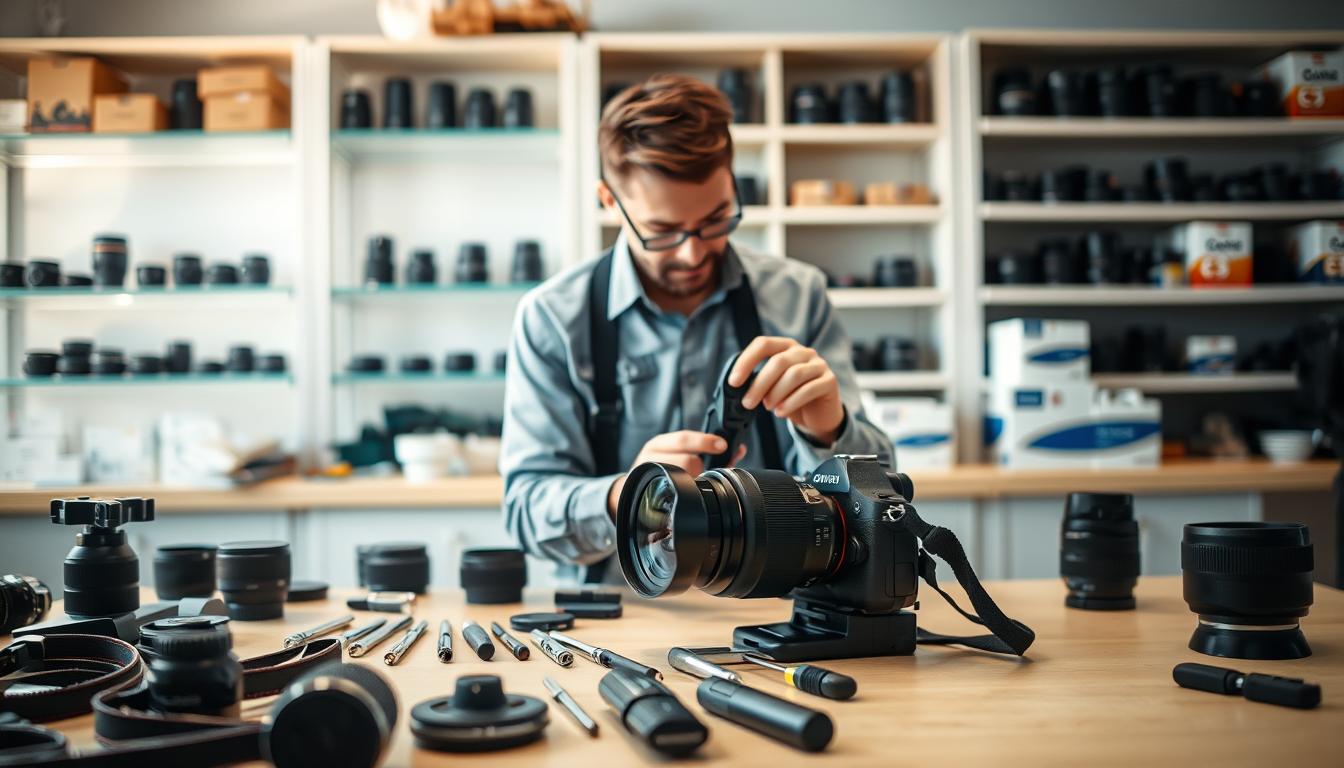
A Step-by-Step Guide on How do you service a camera?
Your photography equipment represents a significant investment in your creative passion. Proper maintenance ensures your gear performs at its best when capturing life’s precious moments. This comprehensive guide provides professional techniques used by experienced photographers.
Regular care prevents costly repairs and extends your equipment’s lifespan. Singapore’s humid climate presents unique challenges for camera owners. Moisture and dust can affect lens clarity and internal mechanisms.
We cover everything from basic cleaning to advanced procedures suitable for all skill levels. Both DIY approaches and professional options receive detailed attention. Expert recommendations from manufacturers and working photographers ensure reliable advice.
Following these maintenance tips guarantees optimal performance and image quality. Your camera will remain ready to capture perfect shots whenever inspiration strikes.
Key Takeaways
- Regular maintenance preserves image quality and equipment longevity
- Professional techniques can be implemented by photographers at any skill level
- Climate conditions in Singapore require special attention to moisture control
- Proper care prevents expensive repairs and extends your camera’s lifespan
- Both DIY methods and professional servicing options provide complete solutions
- Manufacturer recommendations ensure safe and effective maintenance procedures
- Consistent upkeep keeps your equipment ready for spontaneous photography opportunities
Understanding Camera Maintenance Fundamentals
Every professional photographer understands that consistent equipment upkeep forms the foundation of exceptional photography. Mastering these fundamentals transforms how you interact with your gear and dramatically improves your results.
Why Regular Camera Care Matters
Modern cameras contain intricate mechanical systems and delicate electronic components. These sophisticated devices face constant exposure to environmental elements during normal use.
Dust accumulation, moisture intrusion, and general wear gradually compromise performance. Without proper care, even premium equipment develops operational issues.
Regular camera maintenance prevents minor problems from escalating into major repairs. This proactive approach saves significant money over time while ensuring reliability.
Many working professionals schedule annual check-ups to maintain peak performance. This disciplined approach keeps equipment ready for important assignments and spontaneous creative opportunities.
The Connection Between Maintenance and Image Quality
The relationship between equipment condition and final results is direct and undeniable. Clean lenses and sensors produce noticeably sharper, clearer images with better color rendition.
Proper care directly impacts your final image quality in every shooting situation. Well-maintained cameras respond more accurately and consistently across various conditions.
Consistent results build confidence in your equipment and creative abilities. This reliability becomes particularly valuable during paid assignments or time-sensitive projects.
Regular maintenance also preserves your investment’s value by extending functional lifespan. For comprehensive guidance on professional techniques, visit our detailed resource on camera servicing procedures.
Understanding these core principles helps develop effective maintenance routines. Your equipment will deliver exceptional performance year after year with proper attention.
Essential Cleaning Tools for Camera Servicing
Professional-grade maintenance begins with selecting appropriate equipment for each cleaning need. The right implements protect delicate components while ensuring thorough removal of contaminants.
Basic Cleaning Supplies Every Photographer Needs
Every imaging professional requires fundamental tools for routine equipment care. These items handle daily maintenance and prevent minor issues from escalating.
A quality blower brush removes loose particles without physical contact. This tool effectively eliminates surface dust before detailed cleaning procedures.
Specialized microfiber cloth materials safely wipe optical surfaces without scratching. These fabrics capture microscopic debris that ordinary materials might redistribute.
Lens-specific solutions dissolve stubborn smudges without damaging coatings. Proper formulations avoid alcohol content that can degrade optical treatments.
Micro-screwdrivers enable minor adjustments to camera bodies and accessories. Precision drivers maintain proper tension on critical components.
Advanced Tools for Comprehensive Maintenance
Serious equipment care demands specialized implements for intricate procedures. These tools address complex maintenance challenges beyond basic cleaning.
Lens spanners facilitate proper disassembly for internal element cleaning. This specialized tool maintains alignment during reassembly procedures.
Point lubricants ensure smooth mechanical operation without excessive application. Precision applicators prevent over-lubrication that attracts additional dirt.
Soldering irons handle electronic repairs but require technical expertise. These tools should only accompany experienced technicians.
Proper organization prevents cross-contamination between different maintenance tasks. Dedicated cases keep implements clean and readily accessible.
Investment in quality tools returns value through improved maintenance results. Superior implements reduce potential for accidental equipment damage.
Different shooting environments may demand specialized tools for particular challenges. Tropical conditions like Singapore’s require moisture-specific maintenance equipment.
How Do You Service a Camera? Basic Maintenance Procedures
Mastering fundamental upkeep transforms equipment performance and extends functional lifespan. These proven techniques maintain optimal operation between professional servicing appointments.
Daily Cleaning Routines for Optimal Performance
Consistent daily care prevents accumulation of environmental contaminants. Begin by blowing loose particles using a quality blower brush.
Compressed air effectively removes dust from crevices and external surfaces. Always perform this step before any physical wiping procedures.
Microfiber cloths safely remove fingerprints and smudges from exterior surfaces. Gentle circular motions prevent scratching delicate coatings.
Equipment organization streamlines maintenance and reduces potential damage risks. Dedicated storage keeps implements clean and readily accessible.
Sensor Cleaning Techniques and Best Practices
Image sensor maintenance demands specialized care and proper implements. Always activate the camera’s cleaning mode before attempting this procedure.
Professional sensor swabs with approved solutions provide safe contamination removal. Single-direction wiping motions prevent streaking and incomplete cleaning.
Manufacturer instructions must guide every aspect of sensor maintenance. This sensitive component requires meticulous attention to avoid damage.
Schedule sensor inspection every six months or when dust spots appear. Regular attention maintains image quality and prevents permanent issues.
Lens Maintenance and Protection Strategies
Optical elements demand particular care to preserve image quality. UV filters offer essential protection against scratches and impact damage.
Specialized cleaning solutions dissolve stubborn smudges without harming coatings. Always apply liquid to the cloth rather than directly onto glass.
Periodic calibration ensures accurate focusing and consistent performance. This procedure maintains optical precision across various shooting conditions.
Proper storage prevents fungal growth in Singapore’s humid environment. Dry cabinets maintain optimal conditions for long-term lens preservation.
Protecting Your Camera from Environmental Damage
Environmental factors present constant challenges for photographic equipment in tropical regions. Singapore’s unique climate demands specific protective measures to safeguard your investment.
Weatherproofing Techniques for Singapore’s Climate
Sudden tropical downpours require immediate protective responses. Quality rain covers offer essential shielding during unexpected showers.
Weather-sealed equipment provides basic resistance but isn’t waterproof. Additional protection remains necessary during heavy precipitation.
Immediate drying with microfiber cloths prevents moisture penetration. Never power on equipment until completely dry after exposure.
Understanding local weather patterns helps photographers prepare appropriate protection. Singapore’s rapid weather changes demand constant vigilance.
Managing Humidity and Moisture Concerns
Humidity control represents the most critical aspect of tropical equipment care. Silica gel packs in storage areas effectively manage moisture levels.
Regular inspections prevent mold growth inside lenses and bodies. Climate-controlled storage maintains stable environmental conditions.
Avoid leaving equipment zipped in bags where moisture accumulates. Proper ventilation prevents fungal development and corrosion.
Extreme temperatures damage sensors and reduce battery performance. Never leave equipment in hot vehicles or direct sunlight.
Professional housing solutions provide complete protection during extreme conditions. These specialized cases offer maximum security against environmental elements.
For additional strategies on moisture protection, explore our guide on preventing rain damage to surveillance equipment.
Immediate action after weather exposure maintains long-term reliability. These practices ensure your gear remains ready for any photographic opportunity.
Proper Camera Storage Solutions
Effective equipment preservation begins with intelligent storage decisions. Your approach to keeping gear protected directly impacts performance longevity and reliability.
Different situations demand specific storage strategies. Understanding these distinctions ensures your equipment remains in optimal condition.
Short-Term Storage Best Practices
Daily protection requires thoughtful organization and immediate accessibility. A quality camera bag provides essential padding against accidental impacts.
Internal compartments prevent contact between individual components. This organization minimizes scratches and maintains equipment integrity.
Always clean your storage bag internally before placing equipment inside. This prevents dirt transfer that could affect optical surfaces.
Keep your gear ready for spontaneous shooting opportunities. Proper short-term storage maintains cameras in good working condition.
Long-Term Preservation Techniques
Extended storage demands more comprehensive protective measures. Remove the battery to prevent potential leakage and power drain.
Singapore’s humidity requires active moisture control solutions. Silica gel packs effectively manage environmental moisture levels.
Detach lenses to prevent mount stress and maintain optical alignment. Store components separately in organized compartments.
Avoid areas with temperature fluctuations and direct sunlight. Consistent environmental conditions keep equipment in good working order over time.
Regularly inspect your storage area to ensure optimal preservation conditions. This proactive approach extends equipment lifespan significantly.
Implementing these practices ensures reliable performance whenever you need to store camera equipment for extended periods.
Battery Maintenance and Power Management
Reliable power management ensures your photography sessions proceed without interruption. Proper battery care maintains optimal equipment performance and prevents unexpected power loss during critical moments.
Extending Battery Life Through Proper Care
Modern camera batteries require specific handling to maximize their lifespan. Avoid complete discharges whenever possible to preserve battery health.
Overcharging significantly reduces battery longevity. Most modern chargers include automatic shut-off features to prevent this issue.
Regular contact cleaning maintains efficient power transfer. Use a dry cloth to gently clean battery terminals every few months.
Different battery technologies demand specific care approaches. Lithium-ion batteries prefer partial discharges over full cycles.
Professional photographers develop systematic charging routines. They typically maintain multiple batteries in rotation for extended shoots.
Storage Considerations for Camera Batteries
Proper storage conditions dramatically affect battery performance over time. Always remove batteries from cameras during extended non-use.
Cool, dry environments provide ideal storage conditions. Avoid areas with direct sunlight or extreme temperature fluctuations.
Singapore’s humid climate requires additional moisture protection. Silica gel packs in storage containers help maintain optimal conditions.
Battery performance monitoring identifies replacement needs before critical situations. Regular testing ensures reliability during important photography assignments.
Implement these storage practices to prevent potential leakage damage. Proper care keeps your equipment ready for spontaneous creative opportunities.
- Partial charging preserves battery health better than full cycles
- Temperature-controlled storage prevents capacity loss
- Regular terminal cleaning ensures consistent power delivery
- Multiple battery rotation maintains all units in active condition
- Performance tracking helps anticipate replacement timing
- Proper storage prevents compartment damage from leakage
- Manufacturer guidelines provide model-specific care instructions
Lens Care and Protection Methods
Optical components represent the heart of your photographic system, demanding meticulous attention to maintain their precision. Proper care ensures consistent performance and preserves your investment’s value over time.
Quality lens maintenance involves both protective measures and regular cleaning routines. These practices prevent optical degradation and maintain image quality across various shooting conditions.
Using Filters for Lens Protection
UV filters provide essential front-element protection against scratches, impacts, and environmental damage. These clear filters reduce atmospheric haze while safeguarding expensive glass.
Lens hoods offer physical protection and prevent flare while improving contrast. They shield front elements from accidental bumps and stray light.
Regular filter cleaning maintains optical quality since dirty filters affect images like dirty lenses. Professional protection techniques avoid harsh chemicals that can damage special coatings.
Investment in quality protection accessories pays dividends through reduced repair costs. Consistent care maintains optimal optical performance over years of use.
Proper Lens Cleaning Techniques
Effective lens cleaning begins with blowing off loose dust using a blower or compressed air. This initial step prevents scratching during subsequent wiping.
Microfiber cloths gently remove smudges using circular motions without abrasion. For stubborn marks, apply lens-specific solution to the cloth rather than directly onto glass.
Storage protection includes keeping front and rear caps securely in place. Proper handling prevents fingerprints that require frequent cleaning.
Inspection routines identify early signs of fungus, dust infiltration, or coating damage. These regular checks help address issues before they affect optical performance.
Following these professional techniques ensures your equipment delivers exceptional results. Your lenses will remain in perfect condition for capturing stunning photographs.
Sensor Maintenance and Cleaning
The imaging sensor represents the most delicate component in modern photography equipment. This sensitive surface captures light and converts it into digital information. Proper care ensures consistent image quality across all shooting conditions.
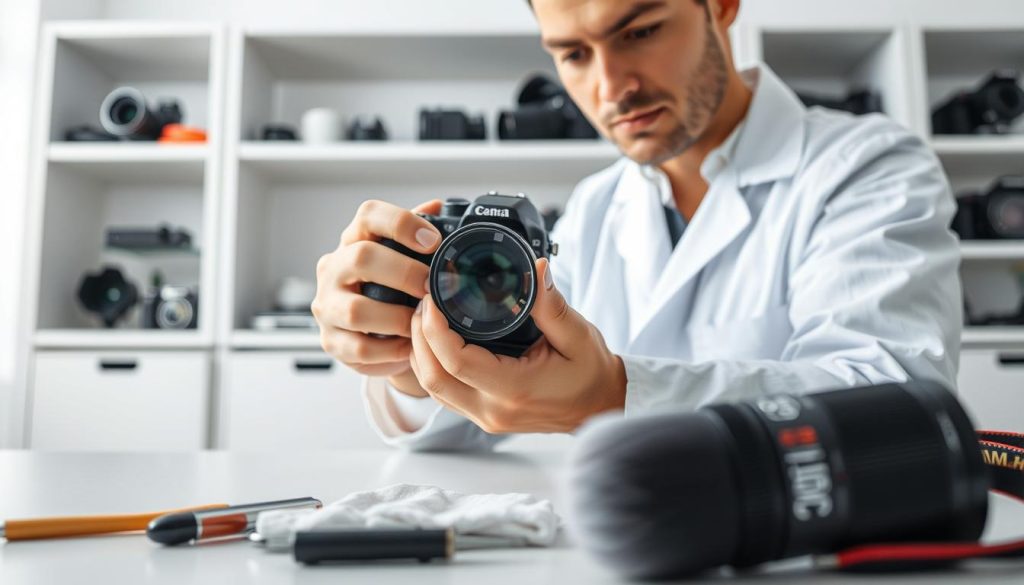
Regular attention prevents dust accumulation and maintains optimal performance. Singapore’s humid environment presents unique challenges for sensor preservation. Moisture control becomes particularly important during maintenance procedures.
Identifying Sensor Dust and Debris
Detecting contamination requires a simple diagnostic technique. Photograph a plain white surface or clear sky at a small aperture. Review the image carefully for dark spots or smudges.
These imperfections indicate dust particles on your camera sensor. Regular inspection helps identify issues before they affect important photographs. Many professionals schedule monthly checks during routine maintenance.
Different sensor technologies may show contamination in varying ways. CMOS and CCD sensors both benefit from consistent monitoring. Understanding your specific equipment informs proper cleaning approaches.
Safe Sensor Cleaning Procedures
Professional cleaning services offer the safest approach for most photographers. These experts use specialized equipment and controlled environments. Their methods ensure optimal results without risk of damage.
For those attempting DIY cleaning, strict protocols must guide every step. Always activate the camera’s cleaning mode first. This locks the mirror up and exposes the sensor safely.
Specialized sensor swabs with approved solutions provide the safest cleaning method. Use straight-line wiping motions with appropriate pressure. Never apply liquid directly to the sensor surface.
Environmental control during cleaning prevents additional dirt settlement. Choose a clean, dust-free area for this delicate procedure. Proper technique helps maintain your equipment’s value over time.
“Sensor maintenance requires patience and precision – rushing this procedure risks permanent damage to your most valuable photographic component.”
Cleaning frequency depends on usage patterns and lens changing habits. Professionals who change lenses frequently may need more regular attention. Consistent care keeps your equipment ready for any photographic opportunity.
Following manufacturer instructions ensures safe and effective maintenance. Different camera models may have specific requirements. This attention to detail preserves your investment and maintains image quality.
Weather Protection for Outdoor Photography
Outdoor photography presents unique challenges that demand specialized protection strategies. Singapore’s tropical climate requires careful planning for successful shooting in various conditions.
Proper equipment safeguarding ensures reliable performance when capturing nature’s most dramatic moments. These techniques maintain your gear’s integrity while allowing creative freedom.
Rain and Moisture Protection Strategies
Professional rain covers provide complete moisture protection while allowing full camera operation. These specialized covers maintain accessibility to controls and viewfinders.
Weather-sealed equipment offers additional protection but isn’t completely waterproof. Always use additional covers during heavy downpours or extended exposure.
If caught in unexpected rain, immediately wipe moisture with a dry microfiber cloth. Never power on equipment until completely dry after water exposure.
Silica gel packs in camera bags manage humidity during tropical shoots. These desiccants absorb excess moisture that could damage internal components.
Emergency procedures for significant water exposure include professional inspection. Immediate drying and expert assessment prevent long-term damage.
Managing Extreme Temperature Conditions
Temperature extremes affect both electronic performance and mechanical operation. Gradual equipment acclimatization prevents condensation when moving between environments.
Battery performance decreases significantly in both hot and cold conditions. Always carry spare batteries when shooting in temperature extremes.
Never leave equipment in direct sunlight or hot vehicles. Sensor damage and component failure can occur from excessive heat exposure.
Protective clothing includes insulated camera covers for cold weather shooting. These maintain operational temperature ranges for reliable performance.
Regular weather protection equipment checks ensure reliability when needed most. Climate-specific gear addresses Singapore’s unique environmental challenges.
“The difference between ordinary and extraordinary photography often comes down to preparation – proper weather protection lets you capture moments others miss.”
Implementing these protection strategies ensures successful outdoor photography in any condition. Your equipment remains safe while you capture stunning images in challenging environments.
Travel and Transportation Best Practices
Mobile photography demands specialized approaches to equipment protection during transit. Smart travel practices ensure your gear arrives ready for immediate creative work.
Singapore’s transport systems present unique challenges for photographers. MRT crowds and taxi rides require thoughtful equipment organization.
Proper preparation prevents stressful situations during travel. Your equipment remains secure and accessible throughout your journey.
Protecting Your Camera During Travel
Individual protective cases for detached lenses prevent scratches and impact damage. These dedicated pouches maintain optical integrity during movement.
Spare body and lens caps provide essential backup protection. Lost caps during travel no longer mean compromised equipment security.
Hardened travel cases offer maximum protection for extreme conditions. These solutions withstand airline handling and rough transportation environments.
Equipment inventories help track all components during extended trips. This simple practice prevents loss and ensures complete kit recovery.
Proper Bag Organization and Equipment Safety
Adjustable dividers in quality camera bags prevent equipment contact during transit. This organization system minimizes scratches and impact damage.
Memory card cases protect your captured images from physical damage. These specialized holders shield cards from bending and environmental factors.
Regular bag cleaning prevents dirt transfer to clean equipment. This maintenance step is often overlooked but critically important.
Thoughtful organization ensures quick access to needed equipment. You avoid frantic searching that could lead to accidental damage.
“The difference between a stressful travel experience and a smooth photographic journey often comes down to one thing: proper bag organization.”
Carry-on versus checked baggage decisions significantly impact equipment safety. Valuable gear should always remain in your immediate possession.
Travel security measures balance protection with shooting accessibility. Your equipment stays secure while remaining ready for spontaneous photography.
These practices ensure your gear arrives in perfect condition. You can focus on creating images rather than worrying about equipment safety.
When to Seek Professional Camera Servicing
Even with excellent DIY care, professional intervention becomes necessary at certain points. Expert technicians handle complex issues beyond routine maintenance. Their specialized skills preserve your equipment’s performance and value.
Recognizing Signs That Require Professional Help
Certain symptoms clearly indicate the need for expert attention. Flashing error messages often signal internal electronic problems. These warnings should never be ignored or repeatedly reset.
Image quality deterioration despite thorough cleaning suggests deeper issues. Soft focus, unusual color casts, or consistent spots may indicate internal problems. Slow shutter speeds or inconsistent exposure also demand professional assessment.
Physical damage from drops or impacts always warrants inspection. Even seemingly minor bumps can affect internal alignment. Unresponsive controls or buttons indicate potential electronic failures.
These warning signs help photographers identify when DIY approaches aren’t sufficient. Timely professional intervention prevents further damage and costly repairs.
Understanding Professional Service Packages
Authorized service centers offer comprehensive maintenance programs. These packages typically include thorough internal cleaning and functionality checks. Technicians assess focusing systems and perform precise mechanical calibration.
Professional camera service often includes firmware updates and sensor cleaning. Pixel mapping ensures optimal image quality across all shooting conditions. Performance verification checks guarantee equipment meets manufacturer specifications.
Annual professional maintenance is recommended for most photographers. Working professionals may benefit from more frequent service. This regular maintenance schedule complements your daily care routine.
Manufacturer-authorized centers provide genuine parts and model-specific expertise. Their technicians understand particular design features and common issues. This specialized knowledge ensures proper handling of your equipment.
Service records create valuable history for future troubleshooting. These documents also support equipment valuation during resale. Maintaining warranty coverage requires using authorized service providers.
Understanding available options helps photographers choose appropriate care levels. Professional packages provide complete protection for your investment. They ensure your gear remains in camera top condition over time.
Maintaining Your Camera for Years of Reliable Service
Consistent care ensures your photography gear remains in peak condition for years. Following a structured maintenance routine prevents unexpected failures and preserves image quality.
Regular cleaning, proper storage, and periodic professional check-ups form the foundation of equipment longevity. These practices protect your investment and maintain performance reliability.
Adapt your maintenance schedule to match usage patterns and local climate conditions. Singapore’s humidity demands particular attention to moisture control and storage solutions.
Developing personal care habits creates consistency that benefits all equipment. Your camera will deliver professional results when properly maintained over time.
FAQ
What is the most important daily cleaning routine for my camera?
Wipe the camera body and lens exterior with a microfiber cloth to remove dust and smudges. This prevents dirt from entering sensitive areas and maintains your equipment’s appearance and function.
How often should I clean my camera sensor?
Clean the sensor only when you notice dust spots in your images. Over-cleaning can cause damage. Many photographers service their sensor every few months, depending on use and environment.
What is the best way to protect my lens from scratches?
Use a clear UV or protection filter. This adds a durable layer that shields the lens from impacts, dust, and fingerprints, preserving image quality and reducing cleaning frequency.
How can I prevent moisture damage in humid climates like Singapore?
Store your camera with silica gel packs in a sealed bag. These absorb excess humidity, protecting internal components from corrosion and fungus growth on lenses.
What is the proper way to store a camera long-term?
Remove the battery, place the camera in a padded bag, and use silica gel to control moisture. Store in a cool, dry place away from extreme temperatures to maintain performance.
When should I seek professional camera servicing?
Seek professional help for complex issues like autofocus problems, internal dust, error messages, or after exposure to water. Regular maintenance can often prevent major repairs.


