
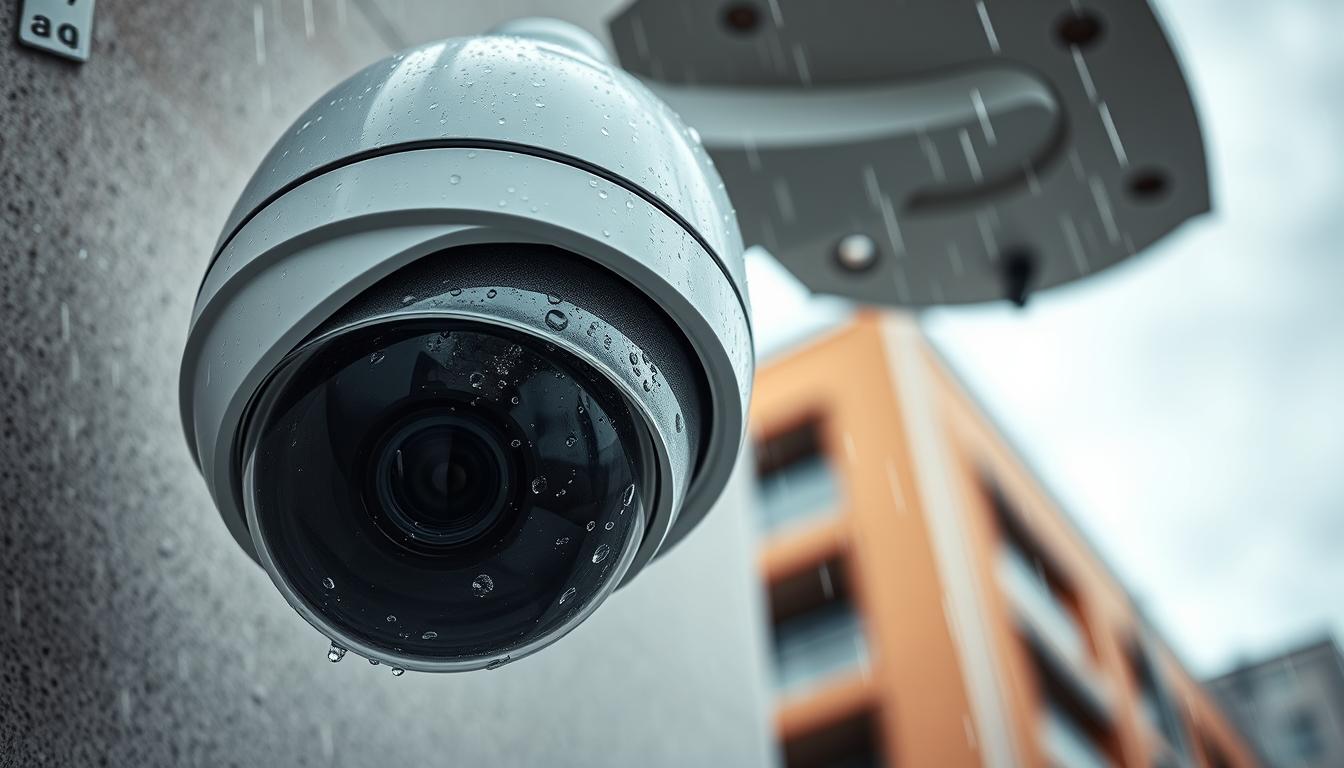
How do I stop my CCTV camera from raining? Solutions
Singapore’s tropical climate brings frequent heavy rain that threatens outdoor surveillance equipment. Water damage can cause equipment failure and lead to expensive repairs for your security system.
This guide offers comprehensive solutions to protect your security cameras from weather damage. We cover practical steps suitable for both residential and commercial users in Singapore.
Proper rain protection ensures long-term equipment durability and reliable surveillance performance. Implementing these measures proactively safeguards your investment and maintains system integrity.
Key Takeaways
- Singapore’s climate requires special protection for outdoor security cameras
- Water damage prevention avoids costly equipment repairs and replacements
- Both basic and advanced solutions are available for different needs
- Proper installation maintains surveillance reliability during heavy rainfall
- These measures work for both home and business security systems
- Proactive protection extends the lifespan of your CCTV equipment
- Singapore-specific considerations ensure optimal performance in local conditions
Understanding the Risks of Water Damage to CCTV Cameras
Singapore’s weather patterns create unique challenges for outdoor security systems. The combination of heavy rainfall and persistent humidity demands special attention to equipment protection.
Water infiltration represents one of the most common causes of surveillance system failure. Understanding these risks helps property owners implement effective preventive measures.
Common Causes of Water Damage to Security Cameras
Several factors contribute to moisture-related equipment problems. Even cameras marketed as weather-resistant can experience failure under certain conditions.
Heavy rainfall sometimes overwhelms protective housings and seals. The constant exposure gradually degrades protective materials, allowing water penetration.
Improper installation creates vulnerabilities that moisture exploits. Common mistakes include:
- Inadequate sealing around cable entry points
- Poor drainage positioning that allows water accumulation
- Incorrect mounting angles that direct water toward sensitive components
- Using non-weatherproof connectors and junction boxes
High humidity enables moisture to penetrate seemingly sealed enclosures. This slow infiltration causes internal condensation that damages electronic components.
“The progressive nature of water damage often goes unnoticed until complete failure occurs. Early signs include foggy lenses and intermittent operation.”
Different camera designs show varying vulnerability levels. Dome models typically offer better protection than bullet-style units. PTZ cameras with moving parts present additional sealing challenges.
The Impact of Singapore’s Climate on Surveillance Systems
Singapore’s tropical climate creates particularly harsh conditions for electronic equipment. The average relative humidity exceeds 80% throughout the year.
Frequent rainfall compounds humidity-related problems. Monthly precipitation averages 170-250mm, with higher amounts during monsoon seasons.
This environment accelerates corrosion and electrical failure in several ways:
- Constant moisture exposure corrodes metal contacts and circuit boards
- High humidity promotes mold growth on internal components
- Temperature fluctuations create condensation inside housings
- Salt content in coastal air accelerates corrosion processes
Statistics indicate surveillance equipment failure rates increase by 40% during peak monsoon months. The financial impact of repairs often exceeds preventive investment costs.
Night vision capabilities frequently suffer first from moisture problems. Internal condensation scatters infrared light, reducing image clarity and detection range.
Real-world scenarios demonstrate how quickly damage progresses. A seemingly minor seal failure during heavy rain can lead to complete system failure within weeks.
Understanding these climate-specific risks helps Singapore property owners make informed decisions about their security investments.
How do I stop my CCTV camera from raining? Core Principles
Effective rain protection for surveillance systems begins with understanding fundamental principles. These core concepts form the foundation for all weatherproofing strategies.
Strategic planning before installation prevents most moisture-related issues. Proper implementation ensures reliable performance during Singapore’s frequent downpours.
Importance of Proper Placement and Positioning
Strategic location selection dramatically reduces water exposure risks. Positioning equipment under architectural features provides natural shelter.
Eaves, ledges, and canopies offer excellent protection from direct rainfall. These structures deflect water away from sensitive components.
Singapore’s unique architectural styles present various placement opportunities. Many HDB blocks and condominiums feature designed overhangs perfect for surveillance equipment.
Proper positioning minimizes long-term maintenance requirements. Systems installed in protected locations require fewer repairs and cleaning sessions.
Investing in Weather-Resistant Equipment from the Start
Quality equipment represents a smart long-term investment for property security. Superior materials withstand Singapore’s humid conditions better than budget options.
Technical specifications determine weather resistance capabilities. IP ratings indicate protection levels against dust and moisture intrusion.
Higher IP ratings ensure better performance during heavy rainfall. Equipment rated IP66 or higher provides complete protection against powerful water jets.
Case studies demonstrate significant performance differences between protected and unprotected systems. Properly shielded equipment maintains functionality during monsoon seasons.
Integration with overall security design creates cohesive protection systems. These principles work together to ensure continuous surveillance operation.
Future climate considerations should influence equipment selection decisions. Singapore’s weather patterns may intensify, requiring robust protection solutions.
Strategic Camera Placement to Avoid Direct Rain Exposure
Strategic positioning represents the first line of defense against weather-related equipment damage. Proper placement significantly reduces maintenance needs while ensuring continuous surveillance operation.
Singapore’s architectural landscape offers numerous natural protection opportunities. Understanding these features helps maximize equipment longevity during heavy rainfall periods.
Utilizing Eaves, Canopies, and Architectural Features
Architectural elements provide excellent natural shelter for surveillance equipment. These structures deflect rainfall while maintaining optimal viewing angles.
Singapore’s building designs include various protective features. Many HDB blocks feature generous overhangs that shield equipment from direct weather exposure.
Commercial buildings often incorporate designed canopies and awnings. These structures offer protection while blending with architectural aesthetics.
Key considerations for utilizing architectural protection include:
- Measuring overhang depth to ensure adequate rain protection
- Evaluating water runoff patterns during heavy downpours
- Considering multi-directional wind patterns during storms
- Ensuring clear sightlines despite protective positioning
Identifying the Best Angles for Installation and Coverage
Optimal mounting angles balance surveillance coverage with weather protection. The right positioning minimizes water exposure while maximizing field of view.
Technical calculations determine the perfect installation angle. These consider rainfall patterns, viewing requirements, and structural limitations.
Singapore’s specific weather conditions influence ideal positioning. Equipment typically performs best when angled slightly downward with minimal upward exposure.
Advanced planning tools simulate rain exposure before installation. These digital models predict water accumulation patterns and potential vulnerability points.
Successful angle selection accounts for multiple factors:
- Primary surveillance objectives and coverage areas
- Local rainfall intensity and direction patterns
- Building materials and their water deflection properties
- Seasonal changes in weather conditions and sun position
- Future vegetation growth that might affect protection
Proper placement ensures surveillance systems work reliably despite challenging weather conditions. These strategic decisions help avoid costly repairs and maintain security integrity.
Implementing Physical Protection: Covers and Enclosures
Advanced physical protection systems prevent moisture intrusion while maintaining functionality. These solutions create reliable barriers against Singapore’s frequent heavy rainfall.
Proper enclosure selection ensures long-term equipment performance. The right housing keeps surveillance systems operational during severe weather conditions.
https://www.youtube.com/watch?v=-icpppA6qhQ
Choosing the Right Waterproof Housing for Your Model
Selecting appropriate protective gear requires careful consideration of multiple factors. Different camera models demand specific housing designs for optimal performance.
Technical specifications determine effectiveness in tropical environments. Key evaluation criteria include:
- Material durability against constant moisture exposure
- UV resistance for Singapore’s intense sunlight
- Precise sealing quality around all access points
- Proper ventilation to prevent internal overheating
- Exact size matching for complete coverage
Professional-grade housings outperform DIY solutions in longevity tests. These units maintain clear views during torrential downpours.
PTZ cameras require specialized enclosures with movement accommodation. Standard housings may restrict pan-tilt-zoom functionality.
Infrared performance remains crucial for night surveillance. The right housing preserves IR capabilities without light distortion.
Benefits of Using Dedicated Rain Covers and Shields
Dedicated protection systems offer significant advantages over basic weatherproofing. These solutions provide comprehensive defense against water damage.
Rain shields maintain lens clarity during heavy precipitation. Tight-fitting designs prevent water accumulation on critical surfaces.
Proper ventilation systems prevent internal condensation buildup. This feature protects electronic components from humidity-related failure.
Long-term cost benefits become apparent through reduced maintenance needs. Quality enclosures minimize repair frequency and replacement costs.
“Investment in proper physical protection yields returns through extended equipment lifespan and consistent performance.”
Performance testing shows protected systems operate reliably for years. These results demonstrate the value of quality rain protection solutions.
Singapore’s unique climate demands specialized equipment considerations. Local conditions require robust housing that can withstand constant humidity.
Selecting a Camera Built for the Weather: Understanding IP Ratings
Choosing surveillance equipment requires understanding international protection standards. These ratings determine how well devices withstand environmental challenges.
Proper selection ensures reliable performance in Singapore’s unique climate. Knowledge of technical specifications prevents future maintenance issues.
Decoding IP Ratings: What IP66 and IP67 Really Mean
The IP Code (Ingress Protection) follows international standard IEC 60529. This system classifies protection levels against solids and liquids.
First digit indicates solid particle protection. Second digit shows liquid ingress resistance.
IP66 rating provides complete dust protection. It withstands powerful water jets from any direction.
IP67 allows temporary immersion in water. Equipment can survive submersion up to 1 meter for 30 minutes.
Testing procedures involve controlled laboratory conditions. Manufacturers must prove compliance through certified testing facilities.
Key Features to Look for in a Weatherproof CCTV Camera
Beyond IP ratings, several features enhance weather resistance. These elements work together for comprehensive protection.
Durable construction materials withstand harsh conditions. High-grade plastics and corrosion-resistant metals offer longevity.
Sealed gaskets prevent moisture penetration at connection points. Multiple sealing layers protect internal components from humidity.
Additional weatherproofing considerations include:
- UV-resistant housing materials for sun protection
- Thermal management systems to prevent internal condensation
- Corrosion-resistant screws and mounting hardware
- Anti-fog technology for lens clarity during temperature changes
- Enhanced cable management with waterproof connectors
Internal protection extends beyond external housing. Circuit boards often receive conformal coating for moisture resistance.
Brand reliability varies in actual weather performance. Independent certification verifies manufacturer claims about durability.
Higher IP ratings generally correlate with longer equipment lifespan. Properly rated systems require fewer replacements in tropical conditions.
Future tech developments focus on smarter weather adaptation. New materials and sealing technologies continue to improve performance.
Understanding these features helps make informed purchasing decisions. The right equipment maintains clear image quality despite challenging weather systems.
The Critical Role of Regular Maintenance and Inspection
Consistent upkeep forms the backbone of reliable outdoor surveillance systems in Singapore’s demanding climate. Proper maintenance prevents small issues from becoming major equipment failures during monsoon seasons.
Regular checks maintain optimal system performance despite constant humidity exposure. These procedures extend equipment lifespan while ensuring continuous security coverage.
How to Check for Moisture Intrusion and Early Signs of Damage
Quarterly inspections catch problems before they affect security operations. Singapore’s climate demands particular attention to moisture-related issues.
Visual inspection reveals early warning signs of water damage. Look for lens fogging, connector corrosion, and water spots inside housing units.
Advanced detection methods include specialized moisture indicators and thermal imaging. These tools identify hidden problems before visible damage occurs.
Document findings to track rain moisture patterns over time. Maintenance records help identify recurring issues and warranty claims.
Key inspection points include:
- Housing seals and gaskets for deterioration
- Cable entry points for proper sealing
- Internal components for condensation buildup
- Mounting hardware for corrosion signs
- Lens surfaces for water spots or haze
Professional inspection services offer comprehensive moisture detection capabilities. Their equipment identifies problems DIY methods might miss.
Cleaning and Care Tips for Optimal Outdoor Camera Performance
Proper cleaning maintains clear visibility and prevents damage accumulation. Gentle techniques preserve sensitive components while removing environmental debris.
Use soft damp cloths for lens cleaning to avoid scratches. Avoid harsh chemicals that might damage protective coatings.
Regular cleaning makes sure equipment continues to work better in challenging conditions. This simple practice significantly extends operational life.
Seasonal variations require different maintenance approaches. Northeast monsoon periods demand more frequent checks than drier months.
Essential maintenance tools include:
- Microfiber cloths for sensitive surfaces
- Compressed air for dust removal
- Soft brushes for housing exteriors
- Moisture indicators for internal checks
- Seal inspection tools for waterproof integrity
“Preventive maintenance reduces long-term repair costs by up to 40% in tropical environments. Consistent care represents the most cost-effective protection strategy.”
Create a maintenance schedule tailored to Singapore’s specific climate conditions. This proactive approach ensures reliable security system operation year-round.
Utilizing Moisture Prevention Accessories and Add-ons
Specialized accessories provide targeted defense against humidity-related issues. These add-ons enhance existing weatherproofing measures for comprehensive moisture control.
Singapore’s high humidity levels demand extra protection beyond basic housings. Strategic accessory use prevents internal condensation and lens fogging problems.
Using Silica Gel Desiccants to Control Humidity in Housings
Silica gel packets absorb excess moisture within enclosed spaces. These desiccants maintain optimal humidity levels inside camera housings.
The scientific principle involves physical adsorption of water molecules. Silica gel’s porous structure creates a large surface area for moisture capture.
Different desiccant types offer varying effectiveness levels. Orange indicator silica gel changes color when saturated, providing visual replacement cues.
Proper placement requires strategic positioning within the housing. Place packets away from lenses and moving mechanisms to avoid interference.
Quantity guidelines depend on housing volume and local humidity. Singapore’s climate typically requires more frequent replacement than drier regions.
Monitoring involves regular visual checks during maintenance sessions. Replace silica gel every 2-3 months during peak humidity seasons.
The Role of Anti-Fog Sprays in Maintaining a Clear Image
Anti-fog solutions create protective layers that prevent condensation on lenses. These sprays work by reducing surface tension that causes water droplet formation.
Chemical compositions vary between commercial products and DIY solutions. Most contain surfactants that spread moisture evenly across surfaces.
Application techniques differ for various lens materials. Always test on small areas first and follow manufacturer instructions carefully.
Performance testing shows commercial products typically last longer than homemade alternatives. Quality sprays provide protection for several weeks between applications.
Safety considerations include using non-toxic formulas suitable for outdoor equipment. Avoid products containing harsh chemicals that might damage lens coatings.
Integration with existing systems enhances overall weather protection. These accessories work alongside proper housings and regular maintenance.
“Combining desiccants with anti-fog treatments reduces moisture-related issues by over 70% in tropical environments. This dual approach addresses both internal humidity and surface condensation problems.”
Cost-benefit analysis shows these accessories provide excellent value. The minimal investment prevents expensive lens cleaning and component replacement costs.
Regular replacement schedules ensure continuous protection. Mark maintenance calendars for timely silica gel changes and reapplication of anti-fog solutions.
These moisture control measures work for all security system types. Both residential and commercial installations benefit from added humidity protection.
Adjusting Camera Settings to Mitigate Rain Detection
Modern security systems offer sophisticated configuration options that can significantly reduce rain-triggered false alarms. These digital adjustments work alongside physical protection measures to maintain reliable surveillance performance.
Proper configuration ensures your equipment continues to work well despite challenging weather conditions. This approach addresses detection issues without compromising security coverage.
Fine-Tuning Motion Detection Sensitivity for Wet Weather
Rainfall often triggers false motion alerts in surveillance equipment. Water droplets and moving precipitation patterns can activate standard detection algorithms.
Most security systems allow sensitivity adjustments through their control interfaces. Lower settings help the system distinguish between actual movement and environmental interference.
Different brands offer varying adjustment methods:
- Hikvision systems use sliding scales from 0-100 in their configuration menus
- Dahua equipment features weather-based sensitivity presets
- Axis cameras provide advanced algorithmic filtering options
- TP-Link systems offer simple high/medium/low settings
Finding the right balance requires testing during actual rainfall conditions. Start with moderate reductions and adjust based on performance.
Infrared settings require special attention during nighttime operation. Lower IR intensity can reduce rain reflection that triggers false alerts.
Lowering Alert Parameters to Reduce False Notifications
Alert threshold adjustments provide another layer of protection against weather-related issues. These settings control when the system generates notifications.
Modern surveillance equipment often includes advanced filtering capabilities. Object size parameters help distinguish rainfall from actual security concerns.
Effective configuration tips include setting minimum object size requirements. This helps stop the system from alerting on small rain droplets.
Motion duration thresholds provide additional filtering. Requiring longer detection periods reduces brief weather-triggered alerts.
Advanced systems support weather-based profile automation. These can automatically adjust settings when rainfall is detected or forecasted.
“Proper sensitivity calibration reduces false alarms by up to 80% during heavy rainfall while maintaining security effectiveness.”
Remote adjustment capabilities allow real-time configuration changes. Mobile apps and web interfaces enable quick responses to changing weather conditions.
Documentation of setting changes helps track what works best. Maintain records of successful configurations for different precipitation levels.
Regular firmware updates often enhance detection algorithms. Manufacturers frequently improve weather discrimination capabilities in software updates.
Leveraging Modern Technology: Object Classification Features
Advanced artificial intelligence transforms modern surveillance capabilities. Smart classification technology helps security systems distinguish important events from environmental interference.
This innovation significantly reduces false alerts during heavy rainfall. It maintains reliable monitoring despite challenging weather conditions.
What Smart Object Classification Is and How It Works
Object classification uses deep learning algorithms to identify different elements in the camera view. The system analyzes shapes, movements, and patterns to categorize detected objects.
Neural networks process visual data through multiple recognition layers. These systems compare incoming footage against trained models of various object types.
Machine learning enables continuous improvement in detection accuracy. The technology becomes better at differentiating rain from actual security concerns over time.
Major security brands implement this technology through various approaches:
- Hikvision AcuSense uses advanced algorithms for human and vehicle detection
- Dahua Smart Motion Detection incorporates AI-based filtering
- Axis Object Analytics provides precise classification capabilities
- TP-Link Smart Detection offers basic categorization features
Setup procedures vary between manufacturers but follow similar patterns. Users typically access object detection settings through web interfaces or mobile apps.
Configuration involves selecting which object types trigger alerts. Most systems allow prioritization of humans and vehicles over other detections.
Enabling Filters to Ignore Rain and Focus on People or Vehicles
Modern security systems provide sophisticated filtering options. These settings help cameras distinguish precipitation from meaningful movement.
Activation typically occurs through smart features menus. Users can customize sensitivity levels for different object categories.
Performance varies between classification technologies. Higher-end systems demonstrate better accuracy in challenging weather conditions.
Integration with other smart systems enhances overall security effectiveness. Many platforms connect with home automation or business security ecosystems.
Customization options address specific security needs. Users can adjust settings based on property layout and monitoring priorities.
Storage efficiency improves significantly with proper classification. Systems record only relevant events rather than continuous footage.
“Properly configured object classification reduces false alarms by up to 90% during heavy rainfall while maintaining security effectiveness.”
Training requirements ensure optimal system performance. Most modern systems include automatic learning features that adapt to local conditions.
Privacy considerations remain important with smart features. Reputable manufacturers implement strong data protection measures.
Future developments promise even better differentiation capabilities. Emerging technologies will further improve rain detection filtering.
These advancements will make outdoor security systems more reliable in Singapore’s climate.
Configuring Detection Zones for Smarter Surveillance
Intelligent zone configuration represents the next evolution in weather-resistant surveillance technology. This approach allows security systems to focus on critical areas while ignoring precipitation-affected zones.
Proper setup creates a balanced monitoring system that maintains security effectiveness during challenging weather. These configurations work alongside physical protection measures for comprehensive coverage.
How to Set a Specific Activity Zone in Your Camera’s View
Modern security systems provide intuitive zone configuration interfaces. Most platforms allow users to define custom monitoring areas through simple drag-and-drop tools.
The setup process typically involves accessing your camera’s settings menu. Users select specific shapes and areas within the live view to create targeted monitoring zones.
Advanced techniques consider property layout and architectural features. Different zone shapes work better for various surveillance scenarios and building designs.
Effective zone placement accounts for several factors:
- Primary entry points and vulnerable access areas
- Natural weather patterns and rain accumulation spots
- Architectural features that might affect detection accuracy
- Lighting conditions throughout different times of day
- Seasonal changes in vegetation and environmental factors
Multiple zones can work together for comprehensive coverage. This layered approach ensures no critical areas get missed during monitoring.
Testing procedures validate zone effectiveness under various conditions. Property owners should check performance during both clear and rainy weather.
Documentation helps manage complex multi-zone configurations. Maintain records of successful setups for different weather scenarios.
Finding the Right Sensitivity Level for Your Property’s Layout
Sensitivity calibration ensures your equipment continues working well despite environmental challenges. The right settings distinguish important movement from rain interference.
Most systems recommend starting with default sensitivity levels. Gradual adjustments help find the perfect balance for your specific installation.
Different times and weather conditions may require varying sensitivity settings. Many modern systems support automated profile switching based on conditions.
Advanced calibration methods include:
- Time-based sensitivity adjustments for day/night operation
- Weather-responsive settings that activate during precipitation
- Zone-specific sensitivity levels for different monitoring areas
- Motion duration thresholds to filter brief weather events
- Size-based filtering to ignore small rain droplets
Remote management through mobile applications allows real-time adjustments. This flexibility helps respond quickly to changing weather conditions.
Security considerations remain crucial in sensitivity settings. The configuration must maintain protection while reducing false alerts.
Performance monitoring ensures continued effectiveness over time. Regular checks verify settings remain optimal as conditions change.
“Proper zone configuration and sensitivity calibration reduce false alarms by over 75% during heavy rainfall while maintaining security coverage of critical areas.”
Singaporean properties benefit from localized configuration approaches. These consider unique architectural styles and specific climate challenges.
Case studies demonstrate significant improvements in system reliability. Properly configured zones maintain surveillance integrity during monsoon seasons.
Continuous improvement protocols ensure long-term performance. Regular reviews and adjustments keep systems optimized for changing conditions.
Exploring Advanced Sensors: The Benefits of PIR Technology
Passive infrared technology represents a significant advancement in outdoor surveillance reliability. These sensors detect thermal energy rather than visual movement, creating more accurate detection systems.
PIR-based equipment continues working effectively during challenging weather conditions. This technology addresses common rain-related detection problems with innovative heat signature analysis.
How Passive Infrared Sensors Differentiate Heat from Rain
PIR sensors operate on thermal radiation detection principles. All objects emit infrared energy based on their temperature.
Living beings produce distinct heat signatures that sensors recognize. The technology filters out environmental interference like rainfall and moving vegetation.
Scientific analysis involves measuring wavelength patterns. Human body heat emits specific infrared wavelengths that differ from water droplets.
Advanced algorithms process these thermal differences in real-time. The system compares detected patterns against known heat signatures.
This process ensures accurate identification of actual security concerns. Rain and other weather elements get ignored while maintaining detection sensitivity.
Why Cameras with Integrated PIR Lead to Fewer False Alarms
Integrated PIR systems provide superior filtering capabilities. They combine thermal detection with visual analysis for comprehensive assessment.
These advanced security solutions work better in diverse weather conditions. Singapore’s climate demands this level of detection intelligence.
PIR technology reduces false alerts by up to 85% during heavy rainfall. This improvement maintains security effectiveness while minimizing unnecessary notifications.
Technical specifications to evaluate include detection range and angle. Quality PIR sensors cover wide areas with precise thermal mapping.
Installation considerations focus on optimal positioning for heat detection. Proper placement ensures maximum coverage without environmental interference.
Performance comparisons show significant advantages over traditional motion detection. PIR-equipped systems maintain reliability during monsoon seasons.
Power consumption benefits make these systems more efficient. They require less energy than constant video analysis systems.
Integration possibilities allow upgrading existing security infrastructure. Many modern systems support PIR add-ons and enhancements.
Brand reliability varies in thermal detection accuracy. Reputable manufacturers provide certified performance specifications.
Maintenance requirements focus on sensor cleaning and calibration. Regular checks ensure continued thermal detection accuracy.
Cost-benefit analysis demonstrates excellent long-term value. The investment pays through reduced false alerts and improved security.
“PIR technology represents the future of weather-resistant security systems. Its ability to distinguish thermal signatures from environmental interference makes it indispensable for tropical climates.”
These advanced sensors complement traditional motion detection methods. The combination creates comprehensive protection systems that work in all conditions.
Singaporean properties benefit particularly from this technology. The humid climate demands sophisticated detection solutions that ignore rain while identifying real threats.
Considering a Professional Installation for Optimal Results
Professional installation services provide comprehensive weatherproofing solutions for outdoor surveillance systems. These experts bring specialized knowledge that ensures long-term equipment performance in challenging environments.
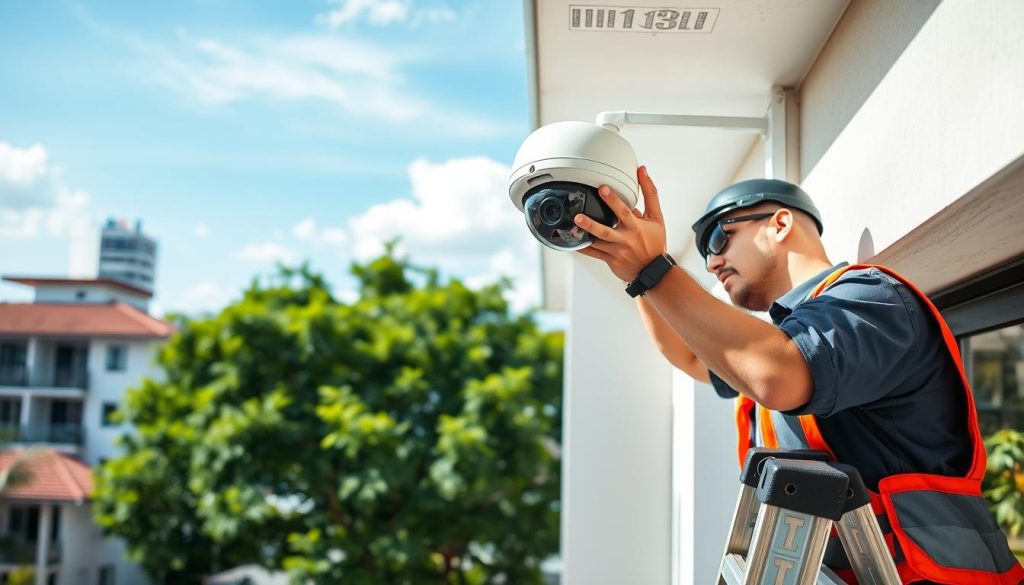
Technical expertise separates professional installations from DIY attempts. Certified technicians understand precise sealing methods and proper component placement.
Why Expertise Matters for Weatherproofing and Cable Management
Professional assessors identify unique property vulnerabilities during initial consultations. They examine architectural features and environmental factors that affect equipment performance.
Advanced cable management techniques prevent water damage at connection points. Experts use specialized conduits and sealing compounds that resist moisture penetration.
Quality workmanship ensures reliable operation during Singapore’s heaviest rainfall. Proper installation maintains system integrity through multiple monsoon seasons.
Technical knowledge includes understanding material compatibility and expansion rates. Professionals select components that withstand constant humidity and temperature changes.
Getting Customized Solutions for Singapore’s Local Climate
Local climate knowledge informs every installation decision. Experts consider seasonal weather patterns and microclimate variations across different neighborhoods.
Customized solutions address specific humidity and rainfall challenges. Technicians select equipment ratings appropriate for Singapore’s unique environmental conditions.
Warranty advantages provide long-term protection for your investment. Professional installations typically include comprehensive coverage for labor and materials.
Cost considerations favor professional services over time. Reduced maintenance needs and longer equipment lifespan offset initial installation expenses.
“Professional assessment and installation reduce weather-related failures by 60% compared to DIY approaches in tropical climates.”
Selection criteria for qualified professionals include certification verification and local experience. Review project portfolios and client references before making decisions.
Project management ensures timely completion without compromising quality. Established installers provide clear timelines and regular progress updates.
Post-installation support includes maintenance agreements and emergency services. These agreements keep systems operating optimally through changing weather conditions.
Professional installation represents the most reliable method to protect security investments. The combination of expertise and quality materials ensures continuous surveillance coverage.
Recognizing the Signs of Water Damage Before It’s Too Late
Early detection of moisture-related problems prevents costly security system failures and maintains surveillance reliability. Property owners who recognize warning signs can address issues before they escalate into major equipment damage.
Regular visual inspections help identify developing problems during routine maintenance. These checks become especially important after heavy rainfall periods in Singapore.
Identifying Corrosion, Fogging, and Other Visible Symptoms
Several clear indicators signal moisture intrusion in surveillance equipment. Recognizing these signs early prevents complete system failure.
Common visible symptoms include:
- White or green corrosion on metal connectors and mounting hardware
- Persistent lens fogging that doesn’t clear after weather improves
- Water spots or streaks inside housing units and on lens surfaces
- Discoloration of internal circuit boards and electronic components
- Mold growth around seals and housing edges
Progressive damage follows predictable patterns over time. Initial moisture exposure leads to minor corrosion within weeks.
Moderate damage appears after several months of untreated exposure. This stage shows advanced corrosion and beginning circuit board issues.
Complete failure typically occurs within 6-12 months of initial water intrusion. The system becomes unreliable with frequent shutdowns.
Diagnostic techniques help pinpoint specific intrusion points. Moisture indicators placed inside housings show humidity levels.
Thermal imaging cameras detect temperature variations caused by water damage. These tools identify problems before visible symptoms appear.
Different damage types reveal specific vulnerability points. Lens fogging indicates seal failures around the front housing.
Internal corrosion points to cable entry point vulnerabilities. Circuit board damage suggests housing seal compromise.
The Long-Term Consequences of Ignoring Moisture Issues
Unaddressed water damage leads to significant financial and security consequences. The costs escalate dramatically as problems progress.
Repair costs vary by damage stage:
- Early stage: S$50-150 for cleaning and minor part replacement
- Moderate damage: S$200-400 for component replacement and resealing
- Advanced damage: S$500-800 for complete internal unit overhaul
- Complete failure: S$900-1,200+ for full equipment replacement
Security vulnerabilities emerge as systems become unreliable. Blurred images reduce identification capability during incidents.
System downtime creates surveillance gaps that criminals might exploit. Intermittent operation misses critical security events.
“Insurance providers require proper maintenance records for water damage claims. Documentation proves equipment received appropriate care before failure occurred.”
Damage assessment should include photographic evidence and dated records. This documentation supports insurance claims and warranty requests.
Maintenance logs showing regular inspections strengthen insurance positions. Providers appreciate demonstrated preventive efforts.
Prevention strategies based on common damage patterns include:
- Quarterly seal inspections and replacement
- Monthly housing integrity checks
- Immediate attention to any visible moisture signs
- Professional assessment after extreme weather events
Emergency response procedures activate when damage gets detected. Immediate system shutdown prevents electrical hazards.
Professional assessment should occur within 48 hours of discovery. Quick response minimizes further deterioration.
Temporary security measures maintain protection during repair periods. These might include mobile surveillance units or increased patrols.
Singapore’s climate demands particular attention to moisture management. The high humidity accelerates damage progression compared to drier regions.
Property owners who implement these recognition and response strategies protect their security investments effectively.
Proactive Investment: Securing Your Property with the Right System
Smart property protection begins with choosing reliable outdoor security equipment designed for Singapore’s climate. Quality security solutions reduce maintenance needs while ensuring consistent performance.
Professional assessment provides customized protection approaches for your specific environment. This investment prevents costly emergency repairs and extends equipment lifespan.
Integrating weatherproof system components with your overall property security plan creates comprehensive coverage. Proper implementation ensures long-term reliability despite challenging conditions.
For detailed implementation guidance, explore our comprehensive weather protection solutions that address Singapore’s unique climate challenges.
FAQ
What is the most important feature to look for in an outdoor CCTV camera?
The most critical feature is a high IP rating. Look for cameras with at least IP66 certification, which guarantees protection against heavy rain and dust. This rating ensures your security system remains operational during severe weather conditions.
How can I prevent moisture from building up inside my camera housing?
Use silica gel desiccant packs inside the housing to absorb excess humidity. Regularly check and replace them as needed. Also, ensure all seals are tight and consider anti-fog sprays for the lens to maintain a clear image.
Can camera placement really make a difference in rainy weather?
Absolutely. Installing cameras under eaves, awnings, or other architectural features provides natural rain protection. Proper placement shields your surveillance equipment from direct exposure, significantly reducing water-related issues.
What should I do if my camera lens gets wet during a storm?
Gently wipe the lens with a soft, dry cloth if safe to do so. For long-term solutions, invest in a dedicated rain shield or hydrophobic spray. These accessories help water bead off quickly, preserving your view.
How often should I perform maintenance on my outdoor security cameras?
Inspect your cameras every three to six months. Check for signs of wear, clean the lens and housing, and ensure all protective covers are in good shape. Regular maintenance keeps your system working well year-round.
Do all security cameras work well in heavy rain?
No, not all cameras are designed for bad weather. Only models with appropriate weatherproof ratings (like IP66 or IP67) perform reliably in rain. Always verify specifications before purchasing outdoor surveillance equipment.
What are the signs of water damage in a CCTV camera?
Look for fogging inside the lens, corrosion on connectors, or erratic performance. Moisture intrusion often causes image distortion or system failure. Address these issues promptly to avoid long-term damage.
Can smart technology help reduce false alarms during rainfall?
Yes, modern systems with object classification can distinguish between rain and actual threats. Features like human or vehicle detection filters minimize false notifications, ensuring your alerts remain accurate.


