
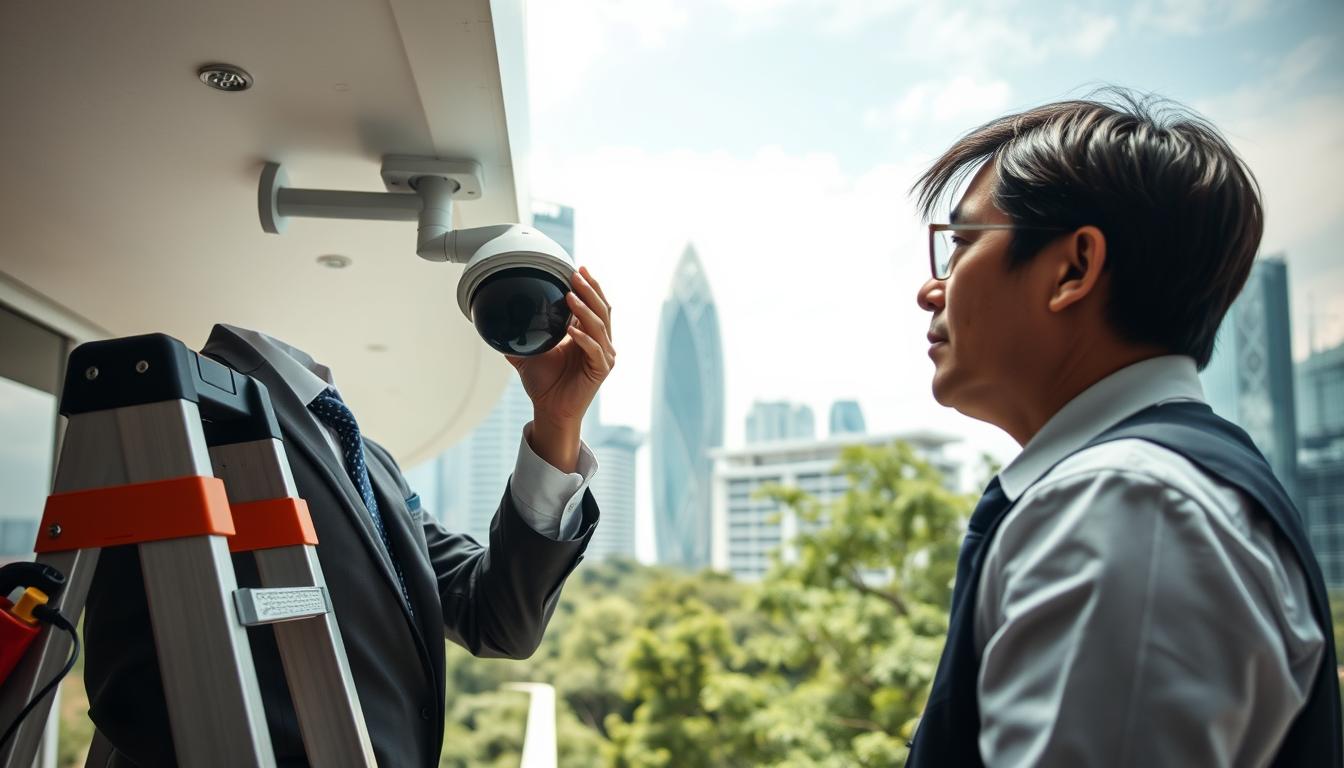
Installing CCTV in Singapore: Do we need permit?
Security cameras have become essential tools for protection in Singapore. Both homeowners and businesses rely on these systems for safety and peace of mind. Understanding the regulations is crucial before setting up any surveillance equipment.
Residents often use cameras to monitor family members or domestic helpers. Businesses deploy them to protect assets and ensure staff safety. Outdoor units can help resolve neighborhood disputes or prevent theft.
Singapore’s laws differentiate between residential and commercial use. The rules also vary for indoor versus outdoor placement. Compliance with data protection guidelines is mandatory for all users.
This guide explores the current regulatory landscape for surveillance systems. It addresses common questions about legal requirements and best practices. Proper installation ensures both security and legal compliance.
Key Takeaways
- Singapore has specific regulations governing CCTV installation for homes and businesses
- Legal requirements differ between indoor and outdoor camera placement
- The Personal Data Protection Act (PDPA) applies to all surveillance systems
- HDB flats and private properties have different approval processes
- Business premises face additional compliance requirements
- Modern devices like smart doorbells must follow the same regulations
- Non-compliance can result in significant penalties and legal issues
Do We Need a Permit to Install CCTV in Singapore? The Direct Answer
Property surveillance solutions must align with Singapore’s specific regulatory requirements for different installation scenarios. The straightforward response depends entirely on camera placement and property classification.
For residential interiors, homeowners enjoy considerable flexibility. Monitoring systems within private living spaces typically proceed without formal approval processes. This allows residents to secure their homes without bureaucratic hurdles.
External placements face stricter oversight. Cameras monitoring common areas or public spaces generally require authorization from relevant authorities. The distinction between private and publicly accessible zones significantly influences compliance requirements.
HDB residents benefit from recent regulatory changes. Since May 2023, corridor-facing units installed from within apartments no longer need Housing Board approval. This simplification reflects evolving attitudes toward residential security.
Commercial establishments operate under different frameworks. Business premises must prioritize PDPA requirements rather than residential guidelines. The Personal Data Protection Act governs all commercial surveillance activities.
Landed property owners experience fewer restrictions within their compounds. Their installation scenarios differ markedly from HDB flat arrangements. Understanding these distinctions helps avoid potential legal complications.
Temporary authorizations exist for specific situations. Some HDB external camera placements receive six-month limitations. These time-bound approvals address immediate security concerns while maintaining community harmony.
Non-compliance carries significant consequences. Property owners face penalties reaching $5,000 for regulatory violations. Proper understanding prevents costly mistakes and ensures peaceful enjoyment of property.
This guidance helps readers quickly assess their specific situation. Whether considering cameras inside or outside their residence, the framework provides clarity for compliant security enhancements.
Understanding Singapore’s CCTV Regulatory Landscape
The city-state’s approach to CCTV governance balances security needs with privacy protections. This framework involves multiple authorities overseeing different aspects of surveillance systems.
Singapore maintains over 90,000 public surveillance cameras across the island. The Personal Data Protection Commission provides comprehensive compliance guidelines for all users.
- HDB flats and Town Council areas for public housing
- Management Corporation Strata Title (MCST) for condominiums
- Urban Redevelopment Authority for general licensing matters
The Personal Data Protection Act serves as the cornerstone legislation. It particularly governs commercial installations and data handling practices.
Residential regulations show significant variation between property types. HDB residents face different requirements than condominium or landed home owners.
Recent 2023 updates simplified processes for corridor-facing camera installations. These changes reflect evolving attitudes toward residential security needs.
The regulatory environment addresses various camera technologies:
- Traditional surveillance systems
- Smart doorbell cameras
- Peephole cameras with recording capabilities
- Audio-enabled devices
Temporary and permanent installations receive different regulatory consideration. Approval processes vary based on duration and placement location.
The framework continuously evolves to address technological advancements. Regular updates ensure regulations remain relevant to changing security landscapes.
Understanding this complex regulatory web helps property owners navigate requirements effectively. Compliance demands awareness of how different rules interact based on specific circumstances.
Installing CCTV Inside Your Home: Rights and Responsibilities
Modern homeowners enjoy significant flexibility when securing their living spaces with surveillance technology. Internal monitoring systems typically proceed without formal approval requirements. This freedom allows residents to protect their families and property effectively.
Residential security cameras inside private dwellings operate under different rules than commercial setups. The focus remains on personal protection rather than public monitoring. Understanding these distinctions helps homeowners make informed security decisions.
HDB Guidelines for Corridor-Facing Cameras
HDB residents benefit from simplified regulations for corridor monitoring. Since May 2023, flat owners no longer need approval for cameras installed from within their units. This policy change reflects evolving attitudes toward residential security needs.
Proper positioning remains crucial for compliant installations. Cameras must avoid directly capturing neighbors’ private spaces. Doors and windows of adjacent units should remain outside the camera’s field of view.
Effective security coverage focuses on your own property entrance. Immediate surroundings receive appropriate monitoring without invading others’ privacy. This balanced approach maintains both security and community harmony.
Respecting Neighbor Privacy to Avoid Disputes
Privacy considerations form the foundation of responsible surveillance practices. Even permitted cameras can generate complaints if deemed intrusive. Neighbors may approach the Town Council or HDB with privacy concerns.
The Community Disputes Resolution Act provides legal recourse for affected residents. This legislation addresses situations where surveillance interferes with property enjoyment. Homeowners should remain aware of these potential consequences.
Strategic camera placement helps prevent neighbor conflicts. Consider angles and fields of view that minimize privacy concerns. Documentation of placement decisions can facilitate dispute resolution.
Understanding rights and responsibilities creates effective security solutions. Homeowners can protect their property while maintaining positive community relationships. This balanced approach ensures peaceful coexistence with surveillance systems.
Installing CCTV Outside Your Home: Navigating Property-Specific Rules
External surveillance presents unique challenges for Singapore homeowners. The regulatory landscape changes dramatically when cameras move beyond interior spaces. Understanding property-specific requirements prevents costly compliance issues.
Different property types follow distinct regulatory frameworks. HDB residents face the most comprehensive oversight. Their outdoor areas qualify as common property under town council management.
Condominium owners must work with their Management Corporation Strata Title. Landed property residents enjoy greater flexibility within their compounds. These differences highlight Singapore’s nuanced approach to external surveillance.
- HDB flats require formal approval for any external camera placement
- Condominium regulations vary by development and MCST rules
- Landed properties allow more freedom for perimeter security
- Common areas always demand management authorization
- Temporary approvals often last six months for specific security needs
- Proper documentation demonstrates legitimate surveillance requirements
- Non-compliance risks $5,000 fines and mandatory removal orders
The approval process focuses on balancing security and community harmony. Homeowners must justify their surveillance needs effectively. This ensures cameras serve genuine protection purposes rather than invading privacy.
Property managers consider multiple factors during approval reviews. Camera placement, viewing angles, and recording scope all receive careful evaluation. These considerations maintain neighborhood aesthetics and resident privacy.
Understanding these property-specific rules helps homeowners make informed decisions. Proper planning ensures compliant security solutions that protect both property and relationships with neighbors.
The HDB Flat Outdoor CCTV Installation Process
HDB residents seeking external surveillance must follow a structured approval process. This ensures proper oversight while addressing legitimate security concerns. The framework balances individual protection needs with community harmony.
Three distinct steps govern outdoor camera placement for public housing. Each phase requires careful attention to documentation and timing. Proper execution prevents regulatory violations and potential fines.
Step 1: Filing a Necessary Police Report
Documenting security incidents forms the foundation of your application. A formal police report provides objective evidence of legitimate concerns. This documentation demonstrates genuine need rather than casual monitoring.
Specific incidents might include package theft or suspicious activities. Vague security worries typically won’t satisfy approval requirements. Concrete evidence strengthens your case significantly.
Keep detailed records of incident dates and descriptions. This information becomes crucial during the review process. Thorough documentation shows responsible approach to security needs.
Step 2: Submitting a Formal Request to Your Town Council
Electronic submission to your local town council follows police documentation. Include the official report and complete application forms. Different councils may have slightly varying requirements.
Most jurisdictions process requests within one to two weeks. Approval notifications typically arrive via email communication. Wait for formal confirmation before proceeding with installation.
Professional installation cctv services ensure proper setup and alignment. They help position cctv cameras outside according to approved specifications. This prevents unintentional privacy violations or coverage issues.
Step 3: Understanding the Temporary Approval Terms
External surveillance permissions remain time-limited for HDB properties. Most approvals last six months maximum before requiring renewal. This temporary nature addresses evolving security situations.
Cameras must be removed after the approval period expires. Continuing surveillance without renewal constitutes regulatory violation. Fresh applications must demonstrate ongoing security needs.
Approval letters specify exact placement locations and conditions. They may restrict camera angles or recording capabilities. Strict adherence to these terms maintains compliance status.
The process protects both security needs and personal data rights. It ensures responsible use of surveillance technology in shared spaces. Following these steps creates safer communities for all residents.
For technical guidance on proper camera setup, consult our DIY installation guide covering optimal positioning and configuration.
CCTV Rules for Condominiums and Private Apartments
Condominium residents navigate unique surveillance regulations. These differ significantly from public housing requirements. Understanding your development’s specific rules prevents compliance issues.
Private apartments operate under Management Corporation Strata Title governance. Each MCST establishes its own security camera policies. Residents must review these regulations before any installation.
Approval processes vary between condominium developments. Some require formal permission for external placements. Others maintain pre-approved locations for consistency.
Working With Your Management Corporation Strata Title (MCST)
Successful surveillance setups require MCST cooperation. These organizations manage common property areas. Their rules protect both security and community harmony.
Camera placement often focuses on minimizing privacy impact. Positioning should avoid capturing neighbors’ windows or balconies. This respects others’ enjoyment of their property.
Many developments address modern security devices. Smart doorbells and peephole cameras follow the same regulations. Traditional systems and new technology receive equal consideration.
Key considerations for condominium surveillance include:
- MCST approval requirements for external camera placement
- Duration limits similar to HDB’s temporary authorization system
- Restrictions focusing on common areas and neighbor privacy
- Pre-approved locations or standardized installation guidelines
- Documentation requirements demonstrating legitimate security needs
Residents should formally request MCST approval for cameras. Providing evidence of security concerns strengthens applications. This demonstrates responsible approach to surveillance needs.
Cooperative relationships with management ensure smoother processes. Understanding and following MCST regulations prevents disputes. It also ensures compliant security installations for your home.
Proper installation maintains both security and community relationships. Following established guidelines creates safer living environments. This balanced approach benefits all condominium residents.
Installing CCTV on Landed Property: What You Should Know
Landed property owners experience unparalleled freedom when securing their homes with surveillance systems. Unlike other residential types, these homeowners face minimal regulatory restrictions within their property boundaries. This flexibility allows comprehensive security coverage without bureaucratic hurdles.
No formal approvals are necessary for cameras placed within your compound. Authorities like the town council or HDB don’t oversee these installations. Property owners can position cctv cameras outside on walls, gates, and throughout their grounds freely.
Despite this freedom, responsible placement remains crucial. Camera angles should avoid directly capturing neighbors’ private spaces. The community disputes resolution framework still applies if surveillance affects others’ enjoyment property.
- Complete installation freedom within property boundaries
- No approval required from external authorities
- Strategic placement prevents neighbor conflicts
- Professional service provider installation remains mandatory
- Focus cameras on entrances and perimeter areas
- Respect property lines to avoid capturing external footage
- Maintain good neighbor relations through considerate placement
Professional installation ensures optimal security coverage. Qualified technicians understand proper camera positioning and technical requirements. They help maximize protection while maintaining privacy standards.
Property boundaries must be respected during installing cctv cameras. Avoid capturing footage beyond your compound. This prevents unnecessary personal data collection from public areas.
Understanding these privileges helps landed property owners create effective security solutions. They can protect their homes while maintaining positive community relationships. This balanced approach ensures both security and neighborhood harmony.
Legal Guidelines for Operating Your Residential CCTV System
Home surveillance systems require careful attention to legal boundaries. Understanding these rules prevents disputes and ensures peaceful coexistence with neighbors. Proper operation balances security needs with community respect.
https://www.youtube.com/watch?v=X4cBrgiV-4M
Singapore’s framework focuses on two main areas. The Community Disputes Resolution Act addresses neighbor relations. The Personal Data Protection Act governs data handling practices.
The Community Disputes Resolution Act and Your Neighbors
This legislation protects residents from intrusive surveillance. It defines neighbors as anyone within 100 meters of your home. This includes people in the same building or nearby properties.
Homeowners must avoid interfering with others’ enjoyment property. Cameras should focus on your own entrance areas. They should not capture neighbors’ windows or private spaces.
The Community Disputes Resolution Tribunal handles complaints. They can order camera removal or adjustments. Compensation awards can reach $20,000 for serious violations.
Even properly installed systems can cause issues. Excessive monitoring of neighbor activities violates the law. Periodic reviews of camera angles prevent unintentional violations.
Personal Use and the Limits of the Personal Data Protection Act
The PDPA requirements mainly affect commercial operations. Residential systems for personal use receive different treatment. Homeowners enjoy greater flexibility with their cctv footage.
Non-commercial use falls outside PDPA regulation. You don’t need formal consent for personal monitoring. However, basic privacy principles still apply.
Footage should remain private unless necessary for security purposes. Avoid disclosure personal data without good reason. This maintains trust within your community.
For comprehensive guidance on residential surveillance rules, visit our detailed CCTV regulations overview.
Proactive communication with neighbors prevents most issues. Discuss camera placement before installation. This simple step avoids potential community disputes later.
Understanding these guidelines creates harmonious living environments. You protect your home while respecting others’ rights. This balanced approach benefits everyone in the community.
Smart Doorbells and Peephole Cameras: Are They Treated as CCTV?
Modern security technology has evolved beyond traditional surveillance systems. Smart doorbells and peephole cameras represent the latest innovations in home protection. These devices combine convenience with advanced monitoring capabilities.
Singapore’s regulatory framework classifies these modern devices as surveillance equipment. They fall under the same legal category as conventional cctv cameras. This classification applies regardless of their compact size or modern design.
Housing Board regulations show flexibility toward these devices. Internal placement within HDB flats typically proceeds without formal approval. This policy recognizes their less intrusive nature compared to bulky systems.
Key considerations for modern security devices include:
- Video audio recording capabilities trigger surveillance classification
- Internal installation generally avoids approval requirements
- External placement on common property demands Town Council authorization
- Peephole cameras mounted on doors remain within private space boundaries
- All devices must respect neighbor privacy and avoid disputes
Ang Mo Kio Town Council representatives confirm approval requirements. Smart doorbells in common areas need formal permission. This ensures proper oversight of publicly accessible monitoring.
Manufacturers’ installation guidelines provide valuable technical guidance. Following these instructions ensures optimal performance and compliance. Professional assistance guarantees proper setup and alignment.
Privacy considerations remain paramount with these modern systems. The Community Disputes Resolution Act applies equally to all surveillance devices. Homeowners must prevent interference with others’ enjoyment property.
Understanding these classifications helps residents make informed security choices. Modern technology offers protection while maintaining regulatory compliance. Proper installation ensures both security and community harmony.
Installing CCTV for Business Use: The PDPA Framework
Commercial surveillance systems operate under Singapore’s comprehensive data protection act. This framework differs significantly from residential regulations. Understanding these distinctions is essential for legal compliance.
The Personal Data Protection Act governs all commercial monitoring activities. It establishes clear guidelines for handling personal data collected through surveillance. Businesses must implement proper safeguards.
Publicly Accessible vs. Non-Public Areas: A Critical Distinction
Camera placement location determines specific compliance obligations. The law distinguishes between publicly accessible spaces and restricted areas. This classification affects how organizations manage collected information.
Publicly accessible areas include retail stores and customer service zones. People expect possible observation in these spaces. The PDPA offers limited exemptions for footage captured here.
Non-public areas feature access restrictions and privacy expectations. These include staff-only sections and secured offices. Different rules apply to monitoring these locations.
- Retail spaces and customer areas qualify as publicly accessible
- Staff rooms and private offices represent non-public zones
- Camera coverage extending beyond business premises requires justification
- The reasonable purposes test applies to all surveillance activities
- Each camera location demands individual accessibility assessment
Organizations must evaluate their surveillance needs carefully. Proper classification ensures appropriate PDPA requirements implementation. This prevents potential regulatory violations.
Security systems should focus on legitimate business protection. Avoid excessive monitoring of non-essential areas. Balanced approaches maintain both security and privacy.
Understanding this framework helps businesses implement compliant solutions. It respects both customer rights and organizational security needs. Proper planning prevents legal complications.
Key PDPA Obligations for Businesses Using CCTV
Commercial surveillance operations must follow strict legal frameworks under Singapore’s comprehensive data protection regulations. These rules ensure proper handling of collected information while maintaining security effectiveness.
Three core obligations form the foundation of compliant business monitoring. Each requirement addresses different aspects of personal data management. Understanding these elements prevents regulatory violations.
The Consent, Notification, and Reasonable Purposes Requirements
The consent obligation prohibits collecting or using personal data without proper authorization. Businesses cannot record individuals without their knowledge or agreement. This protects people’s privacy rights in monitored areas.
Notification requirements demand clear communication about surveillance purposes. Organizations must inform visitors about camera presence and data collection reasons. Proper signage fulfills this obligation effectively.
The reasonable purposes test ensures surveillance serves legitimate business needs. Monitoring must align with specific security objectives. Excessive or unnecessary recording violates this principle.
Managing Access Requests and Footage Retention
Individuals can submit formal access requests for footage containing their personal data. Businesses must provide this information within reasonable timeframes. Proper procedures handle these requests efficiently.
Retention periods must align with the original collection purpose. Organizations should establish clear policies for data storage duration. Regular purging of outdated footage maintains compliance.
Key implementation practices include:
- Visible signage stating surveillance purposes and contact information
- Documented retention schedules with specific timeframes
- Trained staff for handling access requests professionally
- Secure storage systems protecting collected footage
- Regular compliance audits ensuring ongoing adherence
These measures help businesses avoid enforcement actions from regulatory authorities. Proper implementation demonstrates commitment to both security and privacy protection.
Why You Cannot Install CCTV Cameras Yourself: The Licensing Requirement
Singapore maintains strict professional standards for surveillance system implementation. The framework ensures proper installation and regulatory compliance across all property types.
Many homeowners consider DIY approaches to save costs. However, legal requirements prohibit unlicensed installation work. This protects both security effectiveness and privacy rights.

The Role of the Private Security Industry Act
This legislation governs all security-related services nationwide. It mandates specific licensing for surveillance system installation. Only approved professionals can legally perform this work.
The security industry act establishes clear competency standards. Installers must demonstrate technical knowledge and regulatory understanding. This ensures proper system setup and compliance.
Both residential and commercial projects fall under these rules. The scale of installation doesn’t affect licensing requirements. Even single cctv camera placements demand professional involvement.
Key aspects of the licensing framework include:
- Mandatory certification for all security service providers
- Regular training updates on changing regulations
- Technical competency assessments for installers
- Insurance requirements protecting homeowners
- Ongoing compliance monitoring by authorities
Homeowners purchasing equipment separately still need professional installation. The licensing requirement applies regardless of equipment ownership. This maintains consistent standards across all installations.
Professional installers understand optimal placement strategies. They ensure cctv cameras capture intended areas without privacy violations. Their expertise prevents potential community disputes.
Businesses face additional considerations for business premises monitoring. Licensed installers help implement PDPA requirements properly. They ensure compliance with data protection regulations.
Verifying installer credentials remains crucial before engagement. Check for valid security service provider licenses. This simple step prevents legal complications and ensures quality work.
Understanding these requirements helps property owners make informed decisions. Professional installation guarantees compliant and effective security systems. It protects both property and regulatory standing.
Penalties for Non-Compliance: Fines and Legal Consequences
Regulatory violations for surveillance systems carry serious financial and legal repercussions. Singapore enforces multiple frameworks to ensure proper data protection and community harmony.
Unauthorized cctv cameras in HDB common areas face town council penalties. Fines can reach $5,000 for improper external placements. Removal orders often accompany these financial penalties.
The protection act establishes severe consequences for personal data mishandling. PDPA violations bring fines up to $10,000 or three years imprisonment. First offenses can receive both punishments simultaneously.
Businesses face particular scrutiny for publicly accessible area monitoring. Proper pdpa requirements implementation prevents these costly violations. Organizations must ensure comply pdpa standards across all operations.
Neighbor disputes through the community disputes framework bring compensation awards. The disputes resolution tribunal can order payments up to $20,000. These address violations of others’ enjoyment property.
Additional consequences include mandatory policy development for businesses. Staff training programs become required following certain violations. These measures ensure future compliance and proper data protection.
One notable case involved an MCST receiving a $5,000 fine. Their security company committed unlawful disclosure personal information. This demonstrated principal responsibility for third-party actions.
Repeated violations trigger escalating penalties and legal actions. Courts view persistent non-compliance more severely. Multiple offenses suggest deliberate disregard for regulations.
Non-compliant installations face removal orders at owner expense. This adds financial burden beyond initial fines. Proper installation cctv avoids these additional costs.
Legal fees and reputational damage further impact violators. These indirect consequences often exceed direct fines. They affect both personal and business standing.
Understanding these penalties emphasizes regulatory importance. Proper planning prevents costly mistakes and legal complications. Compliance ensures both security and peace of mind.
Ensuring Your CCTV Installation is Fully Compliant and Secure
Proper surveillance setup demands careful attention to both technical and legal requirements. Professional service providers like Techcom Engineering Pte Ltd ensure correct installation cctv systems. They understand specific rules for different property types.
Business owners should consult data protection lawyers for complex pdpa requirements. Homeowners must follow town council guidelines for external placements. Clear signage helps maintain transparency about monitoring activities.
Regular reviews of camera placement prevent community disputes. Establish clear retention policies for all recorded footage. Documentation of approvals demonstrates compliance if questions arise.
A comprehensive approach balances security needs with privacy protection. This ensures peaceful coexistence while maintaining effective surveillance coverage.
FAQ
Is a permit required to install CCTV cameras inside my home?
No, you generally do not need a permit to install CCTV cameras inside your private residence. However, you must still comply with privacy laws like the PDPA if the cameras capture areas beyond your home, such as a public corridor or a neighbor’s property.
What are the rules for pointing a CCTV camera outside my HDB flat door?
Installing a CCTV camera outside an HDB flat, such as in the corridor, requires explicit permission from your Town Council. The process typically involves filing a police report and submitting a formal application, as these areas are common property.
Do the same rules apply for installing CCTV in a condominium?
Rules for condominiums are set by the Management Corporation Strata Title (MCST). You must obtain approval from your MCST before installing any cameras on common property, like corridors or building exteriors, as they govern these spaces.
Are smart doorbells with cameras treated like CCTV systems?
Yes, devices like video doorbells and peephole cameras are generally treated as CCTV systems under Singapore law if they record video or audio. Their installation and use must comply with the same privacy and regulatory requirements.
What legal issues should I consider regarding my neighbors’ privacy?
The Community Disputes Resolution Act (CDRA) protects your neighbors’ privacy and enjoyment of their property. Your CCTV cameras should not intrude on their private spaces, as this could lead to disputes and legal action.
Can I install CCTV cameras for my business without a license?
No. Businesses must hire a licensed security service provider under the Security Industry Act to install CCTV cameras. DIY installation is illegal for commercial premises, and you must also comply with PDPA requirements for handling personal data.
What are the key PDPA obligations for my business CCTV system?
Under the PDPA, businesses must notify individuals of recording, obtain consent where required, use footage only for reasonable purposes, and manage access requests. You must also have a clear policy for footage retention and disclosure.
What happens if I install CCTV without following the rules?
Non-compliance can result in significant penalties, including fines under the PDPA or Security Industry Act. You may also face legal action from neighbors under the CDRA and be required to remove the non-compliant equipment.


