
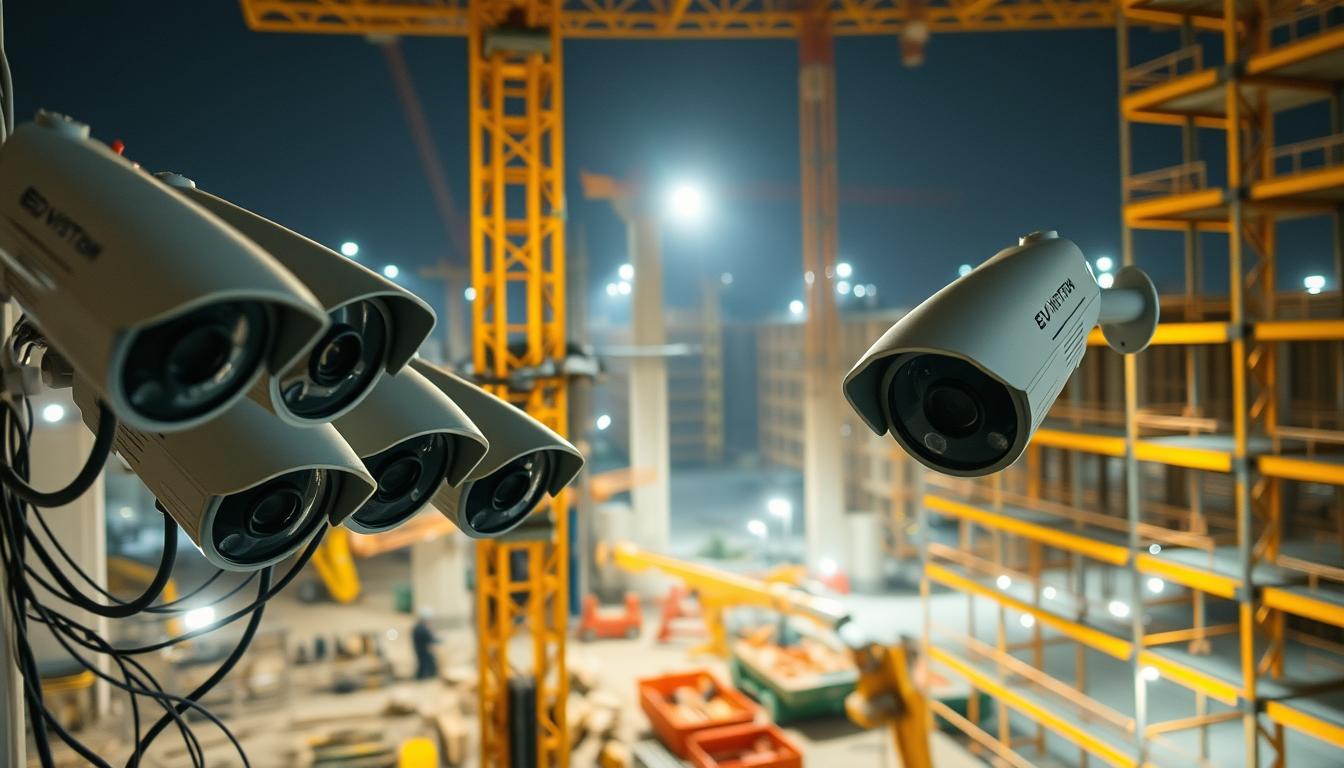
New Construction Security Cameras: A Comprehensive Buyer’s Guide
Protecting your building project in Singapore has never been more critical. Recent data shows a troubling 25% increase in theft incidents across local building areas. Annual losses now approach $500,000 per location.
This guide helps you choose the right surveillance equipment for your specific needs. We evaluate features, brands, and compliance requirements to keep your investment safe.
Starting June 2024, all projects over $5 million must install Video Surveillance Systems (VSS). This mandate makes proper equipment selection urgent for all project managers.
Modern systems offer remarkable benefits. They can reduce theft by up to 80% and improve operational efficiency by 60% through remote monitoring capabilities.
Key Takeaways
- Singapore construction sites face a 25% increase in theft with nearly $500,000 in annual losses per site
- Video Surveillance Systems (VSS) become mandatory for projects over $5 million starting June 2024
- Proper security systems can reduce theft by up to 80% on construction sites
- Remote monitoring capabilities can improve operational efficiency by 60%
- Modern systems should include high-definition video, night vision, and AI analytics
- Both temporary and permanent solutions are available for different project durations
- Professional consultation is recommended for tailored security solutions
Why Construction Site Security is Non-Negotiable in Singapore
Singapore’s building projects face unique protection challenges that demand immediate attention. Open perimeters and valuable materials create ideal conditions for theft and damage. These locations experience 400% more targeting than other properties.
Eight out of ten firms report incidents at their work areas. This statistic highlights the critical need for proper protection measures. Without adequate systems, annual losses can reach $500,000 per location.
Financial impacts extend beyond stolen materials. Budget overruns of 25% commonly occur when protection fails. These unexpected costs can derail entire projects.
Modern surveillance systems deliver impressive operational benefits. Worker accountability improves by 25% when monitoring is visible. Safety regulation compliance jumps 60% with proper documentation.
The visible presence of protection equipment serves as a powerful deterrent. Potential intruders are scared away 40% of the time when they spot cameras. Overall crime rates drop 65% on monitored sites.
Singapore’s Ministry of Manpower now mandates surveillance for large projects. This legal requirement makes protection systems obligatory rather than optional. Project managers must comply with these regulations.
These systems address risks beyond material theft. They provide safety monitoring and incident documentation for legal protection. This evidence can prove invaluable during disputes or investigations.
Surveillance systems have been shown to cut security guard costs by 80%, offering significant financial advantages.
Investing in proper protection is essential for project success. It safeguards both physical assets and human resources. This investment directly contributes to overall management efficiency.
The right surveillance approach sets the foundation for successful project completion. It enables managers to focus on progress rather than constant worry about site safety.
The Alarming Cost of Theft and Vandalism on Projects
Financial losses from theft and vandalism create severe challenges for Singapore’s building industry. These incidents drain budgets and disrupt timelines significantly.
Industry studies reveal staggering numbers. Annual losses range from $300 million to $1 billion across all projects. Individual locations can face up to $500,000 in damages yearly.
Recent Statistics on Construction Site Crime in Singapore
Nearly 80% of Singapore firms report incidents at their work areas. This high percentage shows how common these problems are.
About 90% of site-related crimes involve theft or vandalism. These activities peak during nights, weekends, and holidays. Sites become most vulnerable when unsupervised.
Without proper protection, theft incidence rates reach 60%. This number highlights the critical need for preventive measures.
Financial and Operational Impacts of Poor Security
Poor protection inflates project costs by 25%. Stolen materials and equipment replacements cause this increase. Delays from incidents add further financial pressure.
Operational disruptions create additional challenges. Downtime and missed deadlines affect overall profitability. Insurance premiums rise when incidents occur frequently.
Legal claims increase by 20% without video evidence. This evidence helps dispute false allegations effectively.
Surveillance systems offer remarkable benefits. Theft drops by up to 90% when cameras are deployed. Vandalism incidents decrease by 70% over time.
Companies using these systems report fewer incidents. They also experience faster recovery of assets. This reinforces the value of investment in proper equipment.
Prevention proves cheaper than dealing with aftermath. The alarming costs make a compelling case for robust systems. Implementing them from the start ensures better protection.
Proper surveillance helps prevent significant financial losses and keeps projects on track.
These systems address both direct and indirect costs. They provide comprehensive protection for all assets. This approach ensures smoother project execution.
How Modern Surveillance Acts as Your First Line of Defense
Advanced monitoring technology provides immediate protection for project areas. These systems stop problems before they start through their visible presence. Potential intruders often change their plans when they spot surveillance equipment.
High-definition video captures every detail with remarkable clarity. This feature ensures clear identification of anyone approaching restricted zones. Managers can review footage to recognize patterns or specific individuals.
Night vision capabilities maintain watch around the clock. Darkness no longer provides cover for unauthorized activities. Continuous monitoring deters nighttime incidents effectively.
Artificial intelligence enhances threat detection significantly. Smart algorithms identify unusual movement patterns automatically. The system sends instant alerts when something requires attention.
Visible monitoring equipment deters 65% of potential intruders simply through psychological impact.
Remote access allows supervision from any location. Project managers can check site conditions using smartphones or computers. This capability improves operational efficiency dramatically.
Integration with other protective measures creates comprehensive coverage. Alarms and access controls work together with visual monitoring. This layered approach addresses multiple vulnerability points.
Modern systems prove more cost-effective than traditional guards. They provide uninterrupted coverage without fatigue or human error. Savings can reach 80% compared to physical security personnel.
Technological advancements expand capabilities further. Thermal imaging detects heat signatures in complete darkness. Drone surveillance offers aerial views of large project areas.
These systems transform protection from reactive to preventive. They help manage risks before they become actual incidents. This proactive approach keeps work areas secure throughout project duration.
Evidence collection supports legal and insurance requirements. Clear footage documents incidents for investigation purposes. This documentation proves invaluable during dispute resolutions.
The right surveillance approach makes sites safer for everyone. Workers feel more secure knowing their environment receives proper monitoring. This positive atmosphere improves overall productivity and morale.
Essential Features for New Construction Security Cameras
Choosing the right surveillance equipment requires understanding critical capabilities. These elements work together to create robust protection for your project area.
Each feature addresses specific challenges faced in Singapore’s unique environment. They ensure comprehensive coverage against various threats.
High-Definition Video Quality: Seeing Every Detail
Clear imagery forms the foundation of effective monitoring. Modern systems should capture at least 1080p resolution.
This clarity helps identify individuals and document incidents accurately. Singapore’s VSS mandate requires this minimum standard.
Higher resolutions like 4K provide even better detail recognition. The Arlo Ultra 2 model offers exceptional 4K performance.
Night Vision Capabilities: 24/7 Site Protection
Infrared technology enables full coverage during darkness. This feature prevents blind spots when sites face highest risk.
Most incidents occur during nighttime hours. Proper night vision ensures continuous monitoring.
Advanced systems use thermal imaging for complete darkness coverage. They detect heat signatures beyond visible light range.
AI and Motion Detection: Proactive Threat Identification
Smart analytics transform surveillance from reactive to preventive. These systems analyze patterns to identify unusual activity.
Artificial intelligence improves incident detection by 40%. It reduces false alarms through pattern recognition.
Instant alerts notify managers about potential threats immediately. This proactive approach helps prevent problems before they escalate.
Durability and Weather Resistance: Built for the Jobsite
Singapore’s tropical climate demands robust equipment. Cameras need IP65 or higher ratings for proper protection.
These ratings ensure resistance against rain, dust, and humidity. Equipment must withstand harsh environmental conditions.
Durable designs last longer despite challenging site conditions. They require fewer replacements and maintenance interventions.
Studies show these features collectively reduce crime rates by up to 90% when implemented correctly.
These capabilities work together for comprehensive protection. HD video aids evidence collection while night vision eliminates coverage gaps.
Smart detection enhances accuracy and durability ensures long-term performance. Investing in these features future-proofs your surveillance system.
Project managers should prioritize these elements when selecting equipment. They form the foundation of effective site protection strategies.
Understanding Singapore’s Video Surveillance System (VSS) Mandate
Singapore’s building industry faces new regulatory requirements that demand immediate attention. The Video Surveillance System mandate represents a significant shift in how projects must approach site protection.
Starting June 1, 2024, all projects valued at $5 million or more must install approved monitoring equipment. This regulation applies to both public and private developments across the country.
Legal Requirements for Projects Over $5 Million
The mandate specifies strict technical standards for all installed equipment. Systems must capture high-definition 1080p resolution at minimum. Recording must maintain 12 frames per second for smooth playback.
Coverage must include all high-risk zones within the work area. This includes elevated platforms above 2 meters and vehicle movement paths. Equipment placement should eliminate blind spots wherever possible.
Main contractors bear full responsibility for system implementation. They must document any coverage limitations caused by site conditions. Proper installation ensures compliance with all regulatory requirements.
Data Retention and Privacy Compliance
Footage storage follows specific timeframes under the new rules. Regular recordings must be kept for 30 days minimum. Incident-related footage requires 180-day retention for investigation purposes.
The Personal Data Protection Act (PDPA) governs all video collection activities. Systems must incorporate privacy protection measures where appropriate. Identity blurring techniques help maintain individual privacy rights.
“The VSS mandate represents Singapore’s commitment to enhancing workplace safety through technological solutions.”
Export formats must support easy review and evidence sharing. Acceptable file types include .avi, .mp4, and equivalent formats. This ensures compatibility with various review platforms.
Financial penalties for non-compliance can reach $50,000 per violation. The regulation includes no grace period after the effective date. Immediate compliance becomes mandatory for all qualifying projects.
Small and medium enterprises can access support through the Productivity Solutions Grant. This program helps offset installation costs for qualified businesses. It makes regulatory compliance more accessible for smaller operators.
These systems serve dual purposes beyond theft prevention. They monitor hazardous activities and help reduce accident rates. Video evidence supports thorough incident investigations when needed.
Understanding these requirements helps project managers avoid costly penalties. Proper implementation ensures legal operation throughout the project lifecycle. This knowledge forms the foundation for successful regulatory compliance.
Comparing Temporary vs. Permanent Surveillance Solutions
Selecting the proper surveillance approach depends heavily on your project timeline and specific protection needs. Each option offers distinct advantages for different situations.
Temporary setups excel for short-duration projects. They provide mobility and easy relocation as site layouts evolve. These systems require minimal wiring and install quickly.
Flexibility stands out as a major benefit for mobile units. You can adjust camera positions as work zones shift. This adaptability helps manage changing risk areas effectively.
Cost considerations favor temporary options for limited budgets. Lower upfront investment makes them rental-friendly. Many companies prefer this approach for projects under six months.
Permanent installations serve long-term projects best. They deliver stable, fixed coverage with superior durability. These systems integrate seamlessly into site infrastructure.
Advanced features distinguish permanent solutions. They typically offer better resolution and more sophisticated analytics. This ensures comprehensive monitoring of high-risk zones.
Mobile surveillance units can reduce criminal activity by over 90% through their visible presence and monitoring capabilities.
Scalability differs significantly between options. Temporary systems adjust easily as needs change. Permanent setups require careful planning for modifications.
Equipment examples illustrate practical applications. Wireless models like Reolink Go Plus suit temporary needs perfectly. Wired systems from Hikvision meet permanent requirements excellently.
Your choice ultimately depends on project duration and risk assessment. Short projects benefit from temporary setups. Extended operations need permanent installations.
Always evaluate your timeline and vulnerability points carefully. This ensures you select the most appropriate solution. Proper matching helps prevent losses effectively.
Breaking Down the Types of Security Camera Systems
Selecting the appropriate surveillance setup requires understanding different equipment categories. Each type serves distinct purposes in protecting project areas effectively.
Your choice depends on site layout, risk assessment, and operational needs. Proper matching ensures comprehensive coverage against various threats.
Fixed Cameras vs. PTZ (Pan-Tilt-Zoom) Cameras
Stationary units focus on specific zones with constant attention. They work well for entry points, storage areas, and equipment yards.
These devices provide uninterrupted monitoring of high-value locations. Their fixed nature makes them cost-effective for consistent coverage.
PTZ models offer dynamic viewing capabilities through remote control. Operators can pan across wide areas, tilt for different angles, and zoom for detailed inspection.
This flexibility makes them perfect for large, evolving project sites. They cover more ground than stationary alternatives.
Many PTZ units include auto-tracking features for moving objects. This technology helps manage unusual activity across expansive zones.
Wired Systems vs. Wireless Jobsite Cameras
Hardwired setups deliver reliable power and data transmission. They avoid signal interference common in busy work environments.
These installations suit permanent structures with stable infrastructure. They provide uninterrupted operation for long-term projects.
Wireless options use Wi-Fi or cellular networks for connectivity. This approach enables quick deployment and position changes.
Mobility makes them ideal for temporary sites or remote locations. They adapt easily as project layouts evolve over time.
Each connectivity method offers distinct advantages. Wired systems ensure stability while wireless provides flexibility.
Common Camera Styles and Their Applications
- Dome cameras offer wide-angle views for general area monitoring
- Bullet styles provide long-distance viewing of specific points
- Turret models combine flexibility with vandal resistance
- Fisheye lenses capture panoramic views in confined spaces
- Thermal imaging detects heat signatures in complete darkness
Leading manufacturers like Hikvision and Dahua provide robust options for both wired and wireless setups. Reolink offers excellent portable solutions for temporary needs.
“A balanced approach using fixed cameras for critical points and PTZ units for area scanning delivers optimal protection for most sites.”
Your final selection should consider site size, risk areas, and connectivity options. Combining different types often provides the most comprehensive coverage.
This strategic approach helps prevent losses and maintains safe working conditions. It represents a key aspect of modern site management.
The Tangible Benefits of Remote Monitoring and Live Streaming
Modern surveillance transforms how project managers protect their valuable assets. Remote access allows real-time viewing from any location using smartphones or computers. This capability provides immediate oversight without physical presence.
Operational efficiency improves dramatically with these advanced tools. Managers can oversee multiple locations simultaneously, boosting productivity by 60%. This approach saves significant time and resources.
Live streaming enables instant response to potential threats. Real-time video feeds help address incidents as they happen. This proactive approach minimizes damage and reduces theft by up to 40%.
The convenience factor cannot be overstated. Supervisors can check progress, worker activities, and compliance remotely. This eliminates unnecessary site visits while maintaining full oversight.
Companies using remote surveillance report 40% faster issue resolution and better resource allocation.
Advanced technology ensures reliable performance even in challenging environments. Systems like Pelco’s offer 4G LTE connectivity for areas with poor internet. This guarantees uninterrupted monitoring coverage.
The psychological impact serves as a powerful deterrent. Criminals think twice when they know sites are watched remotely. Stakeholders gain peace of mind knowing their investments receive constant protection.
Integrated features enhance overall effectiveness. Motion alerts and cloud storage work together with live viewing. This combination ensures comprehensive coverage for all potential risks.
Remote capabilities represent a fundamental shift in protection strategies. They deliver measurable improvements in both efficiency and asset protection. These benefits make them essential for modern project management.
Top Brands and Models for Construction Site Surveillance
Selecting reliable equipment makes a significant difference in protecting your project area. The right choice ensures continuous monitoring and effective threat detection.
Singapore’s market offers several trusted manufacturers with proven track records. These companies provide durable solutions designed for challenging environments.
Leading Brands in the Singapore Market
Five manufacturers dominate Singapore’s surveillance landscape. Each brings unique strengths to different project requirements.
Hikvision stands out for wireless options with 4G connectivity. Their equipment works well in areas with unstable Wi-Fi signals.
These units feature rugged designs built for outdoor conditions. They withstand Singapore’s tropical climate effectively.
Dahua focuses on high-definition outdoor units with excellent low-light capabilities. Their products suit long-term installations perfectly.
Weather resistance ensures consistent performance through rain and humidity. This durability helps manage extended project timelines.
Reolink offers portable solutions like their Argus 4 series. These provide 4K video quality with smart detection features.
The Go Plus model works exceptionally well for off-grid locations. It maintains connectivity without traditional power sources.
Arlo delivers wireless convenience through models like Ultra 2 and Pro 5S. These units offer high-quality audio and video capture.
Flexible deployment makes them ideal for changing site layouts. They adapt quickly as project needs evolve.
Pelco completes the group with their Sarix Professional Series. These include analytics-enabled units for proactive monitoring.
PTZ options provide comprehensive coverage of large areas. They help prevent incidents through constant surveillance.
Comparative Analysis of Key Models
Each model excels in specific areas crucial for site protection. Understanding these differences helps select the right security camera.
The Arlo Ultra 2 leads in resolution with stunning 4K clarity. This ensures clear images for identification and evidence.
Reolink Go Plus outperforms in connectivity with reliable 4G performance. It keeps sites monitored even in remote locations.
Pelco units integrate seamlessly with existing security systems. This creates a unified approach to site management.
For high-risk zones, PTZ or thermal models work best. They detect unusual activity across expansive areas.
Studies show these brands reduce theft by up to 80% when properly implemented. They also improve overall safety through continuous monitoring.
“Investing in reputable brands ensures reliability and performance that cheaper alternatives cannot match.”
Project managers should evaluate specific needs before selecting equipment. Consider connectivity requirements, environmental conditions, and feature priorities.
The right choice depends on your site’s unique characteristics. Proper selection helps keep your investment protected throughout the project lifecycle.
Best Practices for Strategic Camera Installation
Proper placement transforms your surveillance from basic watching to smart protection. Strategic positioning maximizes coverage while minimizing blind spots. This approach ensures every critical area receives attention.
Installation height plays a crucial role in effectiveness. Mount units approximately nine feet above ground level. This elevation captures clear facial details while reducing tampering risks.
Focus on high-traffic zones and valuable asset locations. Entry and exit points demand constant monitoring. Equipment storage areas and perimeter fences also need coverage.
Optimal Placement for Maximum Coverage
Position devices to create overlapping fields of view. This technique eliminates hidden areas where problems could develop. Fixed units work well for consistent zone watching.
PTZ models provide flexibility for dynamic spaces. They scan large areas and zoom in on unusual activity. Combining both types offers comprehensive supervision.
Visibility serves as a powerful psychological deterrent. Clearly visible equipment makes potential intruders think twice. Studies show this approach reduces incidents by 65%.
Singapore’s Personal Data Protection Act requires careful consideration. Avoid pointing lenses at private properties or public areas. Proper placement respects privacy while maintaining effectiveness.
Regular maintenance ensures long-term performance. Choose accessible locations for easy cleaning and adjustments. This practice keeps your system functioning optimally.
Ensuring Connectivity and Power on Remote Sites
Remote locations present unique challenges for continuous operation. Traditional power sources may not always be available. Solar panels offer sustainable energy solutions.
Battery backups provide reliability during outages. They maintain surveillance when main power fails. This redundancy is crucial for uninterrupted protection.
4G LTE connectivity works where Wi-Fi is unstable. It ensures constant data transmission from isolated areas. Wireless systems eliminate complex wiring requirements.
Reolink’s solar-powered options demonstrate excellent off-grid performance. They combine environmental sustainability with operational reliability. These solutions work well in challenging conditions.
Professional installation guarantees proper setup and compliance. Certified technicians align devices correctly and verify connections. Their expertise helps prevent common technical issues.
“Strategic installation reduces vulnerabilities by 80% compared to random placement approaches.”
These practices work together to create robust protection. They address both visibility and technical reliability concerns. Proper implementation keeps your investment secure throughout the project lifecycle.
The Role of AI and Innovative Technology in Site Security
Artificial intelligence revolutionizes how we protect project areas today. It transforms traditional monitoring into smart, predictive systems. These advancements make protection more effective than ever before.
AI analytics enhance surveillance through facial recognition and behavior analysis. They automatically detect threats while reducing false alarms. This technology identifies unusual patterns with remarkable accuracy.
These systems improve incident detection by 40%. They allow proactive responses to potential breaches before escalation. This prevents problems rather than just documenting them.
Integration creates cohesive protection networks. AI connects with access controls, alarms, and aerial drones. This combination enhances response times by up to 60%.
Sites using AI report 60% faster response times and 45% better identification of unusual activities.
Innovative features expand capabilities beyond traditional monitoring. Thermal imaging detects heat signatures in complete darkness. Drones provide aerial views for comprehensive coverage.
Practical applications demonstrate real-world effectiveness. Smart systems differentiate between workers and intruders. They send alerts only for genuine threats, reducing unnecessary interruptions.
Initial investment may be higher, but long-term benefits outweigh costs. AI reduces manpower needs and prevents significant losses. This delivers excellent return on investment over time.
Leading manufacturers like Pelco and Hikvision offer tailored AI solutions. Their systems address specific challenges in project environments. These brands set industry standards for smart protection.
AI-driven analytics are becoming standard across the industry. They predict potential risks based on historical patterns. This forward-thinking approach keeps areas safer.
These technologies represent the future of area protection. They make systems smarter, more efficient, and remarkably effective. Embracing innovation ensures comprehensive safety for all projects.
Calculating the ROI: Cost-Effectiveness of Security Systems
Understanding financial returns helps project managers justify surveillance investments. Smart budgeting decisions determine whether rental or purchase options deliver better value.
Rental vs. Purchase: Evaluating Your Options
Short-term projects benefit from rental arrangements. These avoid large upfront investments while providing full protection.
Longer operations gain more from purchasing equipment. Ownership eliminates recurring fees and offers lifetime value.
Hidden costs affect both approaches differently. Rental includes monthly payments while purchase requires maintenance budgets.
Long-Term Savings from Theft Prevention and Insurance
Effective surveillance reduces incidents by up to 80%. This directly protects against annual losses approaching $500,000 per location.
Insurance companies recognize this risk reduction. They offer premium discounts up to 20% for monitored sites.
Remote monitoring cuts guard expenses significantly. Studies show 80% savings compared to physical security personnel.
Companies like Peachtree Hotel Group documented 60% faster issue resolution and 45% better risk management with proper systems.
Operational efficiencies contribute to overall savings. Reduced downtime and better resource allocation improve profitability.
Project managers should assess duration and risk levels. This evaluation ensures optimal return on investment decisions.
For comprehensive surveillance solutions, consider professional installation services.
Quality systems represent investments rather than expenses. They deliver measurable financial returns through continuous protection and compliance.
Routine Maintenance for Uninterrupted Protection
Consistent upkeep forms the backbone of reliable surveillance operations. Proper care reduces system failures by 50% and ensures compliance with legal retention periods. This proactive approach keeps your investment performing optimally.
Monthly inspections should cover several critical areas. Check lens cleanliness to maintain clear image quality. Verify battery health and connectivity to prevent unexpected downtime.
Software updates enhance performance significantly. Regular firmware upgrades improve features and protect against cyber threats. They also ensure compatibility with evolving technology standards.
Cleaning protocols maintain optical clarity. Dust and debris accumulation affects identification capabilities. Proper cleaning ensures evidence remains usable when needed.
Recording verification meets legal requirements. Ensure footage stores correctly with 30-day retention minimum. This compliance avoids potential penalties and supports investigations.
Systems with routine maintenance have 50% fewer failures, ensuring uninterrupted surveillance and protection.
Professional technicians handle complex issues effectively. Their expertise extends equipment lifespan and prevents common problems. This investment pays dividends through reduced repair costs.
Neglecting upkeep creates expensive consequences. Security gaps develop when systems malfunction unexpectedly. Repair costs often exceed preventive maintenance expenses.
Best practices include scheduled inspections and spare parts inventory. Staff training on basic troubleshooting improves response times. These measures combine for comprehensive coverage.
Well-maintained equipment operates at peak efficiency. This maximizes your investment value through continuous protection. The return justifies the maintenance commitment.
Routine care ensures reliable performance and legal compliance. It represents the final piece in comprehensive site monitoring. This discipline keeps areas protected throughout project durations.
Real-World Success: Case Studies from Singapore Projects
Real-world implementations across Singapore projects showcase the effectiveness of contemporary surveillance solutions. These success stories demonstrate how proper equipment deployment delivers measurable results.
The Jurong Innovation District project serves as an outstanding example. This development implemented over 90 advanced monitoring units with artificial intelligence analytics. The system included high-definition recording and smart detection capabilities.
Results proved remarkable within just three months of operation. The project achieved a 70% improvement in identifying unsafe conditions. Safety issues dropped by 60-75% across the entire development area.
Multiple Singapore locations report similar successes. Theft reductions reach 90% at sites with comprehensive monitoring. Vandalism incidents decrease by 70% when proper systems are in place.
“The AI analytics transformed how we manage site safety, catching potential issues before they became problems.”
Remote monitoring capabilities delivered additional benefits. Companies achieved up to 60% operational efficiency gains. Incident response times improved dramatically across all monitored locations.
Artificial intelligence played a crucial role in these successes. Advanced analytics enabled proactive threat detection. Systems identified unusual activity patterns before incidents occurred.
All projects adhered to Singapore’s VSS mandate requirements. This compliance demonstrated how legal standards enhance safety and protection. Proper implementation ensured both regulatory adherence and operational excellence.
Project managers provided overwhelmingly positive feedback. They praised systems for improving oversight and reducing costs. Compliance became simpler with automated documentation features.
Scalability proved another significant advantage. Systems worked effectively from small sites to large districts. This versatility makes them suitable for projects of any size.
Singapore’s broader surveillance plans reflect this proven effectiveness. The country plans to deploy over 200,000 monitoring units by 2030. This expansion builds on demonstrated success across development projects.
These real-world successes validate investment in proper monitoring equipment. They offer practical blueprints for other projects seeking similar results. The evidence clearly supports comprehensive system implementation.
Navigating the Selection Process: A Step-by-Step Approach
Choosing the optimal monitoring setup requires careful planning and strategic thinking. A systematic method ensures you select equipment that matches your specific requirements perfectly.
This approach considers all critical factors from risk assessment to budget planning. It helps avoid costly mistakes and ensures comprehensive coverage.
Assessing Your Site’s Specific Security Needs
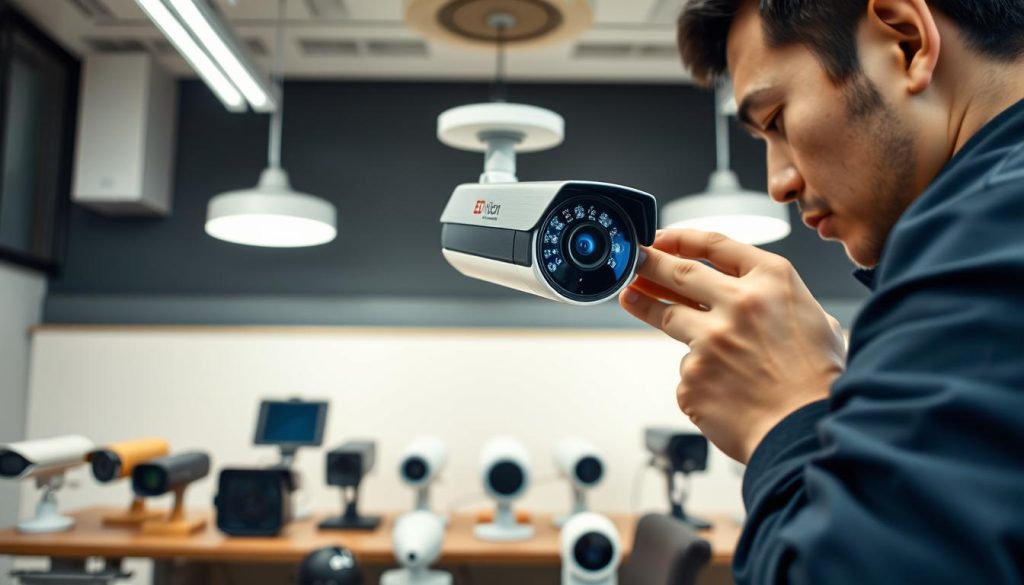
Begin by evaluating your project area thoroughly. Measure the total size and identify all access points. Note high-value zones that need extra protection.
Consider the project timeline when planning your approach. Short-term operations may need different solutions than long-term developments.
Risk assessment forms the foundation of your strategy. Identify potential threats like material theft or unauthorized entry. This analysis determines which features matter most.
High-traffic areas demand constant monitoring. Storage locations and equipment yards require special attention. Proper assessment helps prevent coverage gaps.
Seeking Professional Advice for a Tailored Solution
Expert consultation provides valuable insights for complex projects. Professionals understand local regulations and technical requirements.
Specialists like ED Viston (+65 8313 4578) offer customized recommendations. They consider factors like connectivity options and compliance needs.
Wen Hong (+65 6013 5960) brings extensive experience with Singapore’s unique environment. These experts help navigate the selection process efficiently.
Professional advice ensures your system meets all legal standards. It also optimizes performance for your specific conditions.
Follow these essential steps for successful implementation:
- Evaluate project dimensions and layout to determine camera types and quantities needed
- Identify primary threats like theft or safety violations to prioritize features
- Verify compliance with Singapore’s VSS mandates for resolution and data retention
- Choose connectivity options based on site infrastructure and remote access requirements
- Consult experts for personalized recommendations that match your budget
- Compare available options using feature comparisons and performance reviews
- Plan installation with professionals to ensure proper setup and alignment
- Budget strategically considering long-term savings from theft prevention
- Schedule maintenance routines to maintain system reliability over time
“A methodical selection process ensures optimal protection tailored to your project’s unique requirements.”
This structured approach delivers the best security solution for your needs. It considers all factors from technical specifications to financial constraints.
Proper planning keeps your investment protected throughout the project lifecycle. It represents the smartest approach to site monitoring.
Making an Informed Decision for Your Project’s Safety
Choosing the right surveillance equipment is essential for keeping your work areas protected. Modern systems offer theft reduction, regulatory compliance, and operational efficiency.
Key features like high-definition video, night vision, and AI analytics are critical. They ensure clear images and help manage unusual activity effectively.
Adhering to Singapore’s VSS mandate is mandatory for large projects. Compliance helps prevent penalties and keeps sites safe.
Investing in proper equipment leads to long-term savings and improved site management. It also enhances overall project success.
Use this guide’s insights on brands and installation to select the best system. Professional consultation ensures tailored solutions.
Informed choices result in safer, more successful operations. They safeguard investments in Singapore’s dynamic environment.
FAQ
Are surveillance systems mandatory for all projects in Singapore?
Yes, under the Video Surveillance System (VSS) mandate, projects valued over million must install and maintain compliant systems. This helps manage site monitoring and keep sites safe from theft and vandalism.
What are the best features to look for in a camera system?
Prioritize high-definition video, night vision, motion detection, and durability. These ensure clear images, work well in low light, detect unusual activity, and last longer in tough conditions.
How does remote monitoring benefit site management?
It allows project managers to view live streams and receive alerts from anywhere. This helps prevent issues, improves response times, and keeps sites safe around the clock.
What’s the difference between temporary and permanent surveillance solutions?
Temporary setups are ideal for short-term projects or rental needs, while permanent installations are built to last for ongoing protection. Both offer robust security systems tailored to project length.
How do I ensure my system complies with Singapore’s privacy laws?
Follow guidelines for data retention, avoid recording private areas, and post visible notices. Adhering to these rules keeps your surveillance system legal and effective.
Can modern cameras really reduce theft and vandalism?
Absolutely. Studies show that visible cameras scare off intruders and cut theft significantly. With AI and real-time alerts, these devices provide proactive site security.
What maintenance is required for uninterrupted protection?
Regular checks for dirt, damage, and software updates are essential. Proper upkeep ensures your equipment functions reliably and provides continuous site monitoring.
Is it better to rent or purchase surveillance equipment?
Renting offers flexibility for short-term needs, while buying may be cost-effective for longer projects. Evaluate based on your timeline, budget, and specific security issues.


