
Buyer’s Guide: Choosing the Best Portable Jobsite Cameras
Construction sites face unique security challenges. Theft and vandalism can cause major delays and financial losses. Protecting assets is crucial for project success.
Modern security solutions offer advanced monitoring for these dynamic environments. They provide real-time surveillance and remote access. This ensures constant oversight of your project areas.
These systems help managers maintain safety and accountability. They also support compliance with local regulations. Investing in the right equipment brings peace of mind and operational efficiency.
Key Takeaways
- Construction site security prevents theft and reduces project risks.
- Modern surveillance systems offer remote monitoring capabilities.
- Choosing the right features ensures reliability in various conditions.
- Proper implementation supports regulatory compliance in Singapore.
- Effective security solutions protect valuable assets and equipment.
- Advanced systems improve overall project management efficiency.
- Quality surveillance contributes to worker safety and accountability.
Why Construction Site Security is a Critical Priority
Every construction project represents a significant investment in materials, equipment, and labor. These valuable assets remain vulnerable when left unattended. Implementing comprehensive protection measures becomes essential for project success.
Effective security systems address multiple risk factors simultaneously. They deter criminal activity while providing documented evidence when incidents occur. This dual approach creates a safer environment for workers and assets.
The Staggering Financial Impact of Theft and Vandalism
Criminal activities on construction sites create massive financial losses. The U.S. industry suffers between $300 million and $1 billion annually from theft alone. These numbers highlight the urgent need for protective measures.
Theft incidents cause more than just immediate material losses. They create project delays that increase labor costs and extend timelines. Insurance premiums often rise following security breaches.
Resource shortages from stolen materials can halt entire projects. This domino effect impacts profitability and client relationships. Modern surveillance systems can reduce theft by up to 80%.
- Direct losses from stolen equipment and materials
- Project delays increasing labor and overhead costs
- Higher insurance premiums following security incidents
- Reputation damage affecting future project opportunities
Singapore’s Regulatory Landscape for Site Surveillance
Singapore has implemented specific requirements for construction site protection. Projects exceeding $5 million must implement video surveillance systems. The Ministry of Manpower mandates these measures for larger projects.
Video retention periods range from 30 to 180 days depending on project specifics. This ensures proper documentation for investigations and insurance claims. Compliance with these regulations is mandatory for project continuation.
Wireless surveillance adoption grows approximately 40% annually. This reflects the industry’s shift toward flexible security solutions. These systems meet both regulatory requirements and practical needs.
“Proper video documentation supports incident investigations and protects all stakeholders’ interests.”
Site managers must understand these regulatory requirements. Implementing compliant systems protects the project from legal complications. It also demonstrates commitment to safety and accountability.
How Portable Jobsite Cameras Solve Modern Security Challenges
Security challenges on construction sites demand innovative solutions beyond traditional methods. Modern surveillance technology addresses these dynamic environments with flexible approaches. These systems provide comprehensive protection where conventional measures fall short.
Overcoming the Limitations of Traditional Guard Patrols
Traditional security patrols struggle with significant coverage gaps. Studies show a 65% coverage deficiency leaves many areas unprotected. This creates vulnerability during off-hours when theft often occurs.
Modern surveillance systems eliminate these blind spots completely. They provide continuous 24/7 monitoring across entire work areas. This ensures no section remains without oversight.
The Jurong shipyard project demonstrated remarkable results. They achieved a 92% reduction in vandalism incidents. This shows the effectiveness of advanced monitoring technology.
The Advantage of Rapid Deployment and Mobility
Speed of installation represents a major benefit for project timelines. Mobile surveillance units can be operational in under 20 minutes. Traditional wired systems require 3-5 days for complete setup.
Flexibility allows these units to move as projects evolve. They adapt to phased construction needs seamlessly. Security measures keep pace with site changes throughout the project lifecycle.
Connectivity options ensure reliability in remote locations. 4G LTE technology enables real-time monitoring without WiFi infrastructure. This maintains surveillance capabilities anywhere.
Power independence enhances operational flexibility. Solar-powered units offer up to 14 days of autonomy in tropical climates. This reduces dependence on external power sources significantly.
Integration capabilities create layered protection systems. These units work with existing security infrastructure. They enhance overall site protection and operational efficiency.
Top Benefits of Using Portable Jobsite Cameras
Modern surveillance technology delivers exceptional value through multiple operational advantages. These systems transform how project teams approach site protection and management. The benefits extend far beyond basic theft prevention.
Significant Cost Reduction Compared to Static Systems
Traditional security installations require extensive wiring and infrastructure. This creates substantial upfront expenses and installation delays. Mobile surveillance units eliminate these costs completely.
Initial investment drops by up to 50% compared to fixed systems. The Marina South project demonstrated remarkable financial results. Equipment losses decreased by 68% after implementation.
Insurance providers recognize the enhanced protection these systems provide. Premium reductions reach 15% for sites with advanced monitoring. This creates ongoing savings throughout project durations.
- Elimination of wiring and infrastructure costs
- Reduced security personnel requirements saving 20% on operational expenses
- Lower insurance premiums through demonstrated risk reduction
- Minimized losses from theft and vandalism incidents
Enhanced Remote Oversight and Managerial Peace of Mind
Project managers gain unprecedented visibility into daily operations. Mobile applications provide real-time access to live footage from any location. This capability transforms how supervisors manage multiple projects.
Instant alerts notify managers of suspicious activity immediately. Response times improve dramatically with this proactive approach. The system creates a virtual presence across all monitored areas.
“Remote access capabilities have revolutionized how we manage site security. Seeing everything in real-time prevents problems before they escalate.”
Multi-screen viewing allows simultaneous monitoring of critical zones. This comprehensive oversight ensures nothing escapes attention. Managers maintain control even when off-site.
Improved Worker Accountability and Project Documentation
Continuous recording encourages adherence to safety protocols. Workers maintain better standards when aware of constant monitoring. This reduces negligent behavior and potential accidents.
Time-lapse functionality captures project progression beautifully. This documentation becomes invaluable for client presentations and dispute resolution. The visual record provides clear evidence of work completed.
Safety compliance improves with verifiable monitoring systems. Supervisors can review incidents and near-misses accurately. This data helps refine operational procedures over time.
These surveillance solutions protect valuable assets while enhancing operational efficiency. They represent the future of construction site management in Singapore’s dynamic building environment.
Essential Features to Look for in a Jobsite Camera
Selecting the right surveillance equipment requires careful evaluation of critical specifications. These components determine reliability in demanding environments. They ensure your investment delivers consistent protection.
Understanding technical specifications helps match systems to site requirements. This prevents costly mismatches and ensures optimal performance. The right features provide comprehensive coverage and peace of mind.
Weather Resistance and Durability: Understanding IP Ratings
Outdoor surveillance demands robust protection against environmental elements. Ingress Protection ratings measure this durability effectively. Higher numbers indicate better resistance to external factors.
IP66-rated units withstand heavy rain and dust penetration completely. They maintain operation during Singapore’s frequent thunderstorms. This reliability ensures uninterrupted monitoring during adverse weather.
IP68 certification allows submersion up to three feet underwater. This protects against flooding or accidental immersion incidents. Such durability guarantees long-term performance in harsh conditions.
High-Definition Video and Night Vision Capabilities
Clear footage is essential for identifying individuals and documenting incidents. Modern systems offer 1080p, 2K, or 4K resolution options. Higher resolution provides finer detail for evidence collection.
Infrared technology enables continuous operation after dark. IR LEDs illuminate areas without visible light sources. This creates sharp images in complete darkness for 24/7 protection.
Superior video quality helps distinguish critical details during investigations. License plates, facial features, and equipment identifiers become clearly visible. This evidence supports insurance claims and legal proceedings.
Remote Access and Real-Time Monitoring via Mobile Apps
Modern management requires instant access to surveillance feeds from anywhere. Dedicated applications transform smartphones into monitoring stations. Managers receive immediate alerts about suspicious activities.
Applications like Hik-Connect demonstrate remarkable efficiency improvements. They reduce response times by 83% compared to traditional methods. Customizable alerts ensure managers focus on genuine threats.
“Mobile access has transformed our security response. We address issues before they escalate into major incidents.”
Multi-screen viewing allows simultaneous monitoring of multiple locations. This comprehensive oversight maintains security across large project areas. Remote capabilities ensure constant vigilance regardless of physical presence.
Power Options: Battery, Solar, and 4G LTE Connectivity
Flexible power solutions address the unique challenges of temporary sites. Battery-operated units provide installation freedom without wiring constraints. They offer reliable operation where electrical infrastructure is unavailable.
Solar-powered systems deliver exceptional sustainability and cost savings. They achieve up to 14 days of autonomy in tropical climates. This reduces dependence on external power sources significantly.
4G LTE connectivity ensures reliable data transmission without WiFi. This maintains real-time alerts and footage access in remote locations. Continuous operation remains unaffected by infrastructure limitations.
- Battery systems enable rapid deployment without power dependencies
- Solar units reduce operational costs and environmental impact
- 4G connectivity ensures reliability in areas without internet access
- Multiple options accommodate various site conditions and requirements
Advanced features like AI integration enhance security efficiency further. Motion detection and facial recognition reduce false alarms dramatically. Cloud storage ensures secure data retention for regulatory compliance.
Understanding these specifications helps select systems matching specific project needs. This ensures optimal performance and long-term reliability for asset protection.
Understanding the Different Types of Security Cameras
Selecting the right surveillance equipment involves understanding various camera designs. Each type serves specific purposes on construction sites. Matching the right model to your needs ensures optimal protection.
Modern systems offer specialized features for different monitoring scenarios. Some excel at long-range observation while others provide wide coverage. Knowing these differences helps create comprehensive security solutions.
Bullet Cameras for Long-Range, Focused Surveillance
Bullet cameras deliver exceptional long-distance monitoring capabilities. Their cylindrical design houses powerful lenses for clear distant views. They perform excellently for perimeter security and high-risk zones.
These units provide sharp, high-quality images across large distances. Construction managers often use them for entrance monitoring. They offer reliable performance in various weather conditions.
Dome Cameras for Discreet, Vandal-Resistant Monitoring
Dome cameras feature a low-profile, tamper-resistant design. Their discreet appearance makes them less noticeable to potential intruders. This design discourages vandalism attempts effectively.
These systems work well for both indoor and outdoor applications. The protective dome housing shields the lens from damage. They provide consistent monitoring without drawing attention.
“The right camera combination creates layered protection that addresses all potential vulnerabilities.”
PTZ (Pan-Tilt-Zoom) Cameras for Maximum Coverage
PTZ units offer dynamic monitoring with remote control capabilities. Their 355° pan and 90° tilt ranges cover extensive areas. This flexibility makes them ideal for large project sites.
These cameras cover 270% more area than fixed models. The 25x zoom capability allows detailed inspection of distant activities. High-rise construction projects benefit greatly from this feature.
Auto-tracking technology reduces manual monitoring requirements significantly. It can save up to 40 hours of patrol time weekly. This efficiency enhances overall site management.
Additional camera types provide specialized functions for unique situations. Floodlight models combine illumination with surveillance for dark areas. Thermal imaging units detect intruders up to 300 meters away in low light.
Day/night cameras maintain consistent performance through changing light conditions. Wireless options offer mobility for temporary deployment needs. Combining multiple types creates the most comprehensive security coverage.
Understanding these different systems helps project managers make informed decisions. The right combination provides complete peace mind for site supervision. It ensures all areas receive appropriate monitoring attention.
Top Portable Jobsite Camera Recommendations for 2024
Project managers seeking reliable site protection should consider these leading surveillance systems. Each model offers unique advantages for different project requirements and environments. The right choice depends on your specific security needs and site conditions.
Reolink Go PT Ultra: Premium 4K Resolution with 4G
The Reolink Go PT Ultra stands out with exceptional 4K ultra HD video quality. This system delivers crystal-clear footage for detailed monitoring and evidence collection. Its advanced capabilities make it ideal for high-risk areas requiring superior visibility.
Color night vision technology provides vivid images after dark. This feature helps identify important details in low-light conditions. The 4G LTE connectivity ensures reliable operation without WiFi dependency.
Pan-and-tilt functionality offers comprehensive coverage of large spaces. This flexibility makes it perfect for dynamic construction environments. Managers can remotely adjust viewing angles to monitor different zones as needed.
Reolink Go Plus: Best-in-Class 2K Battery-Powered Option
Reolink Go Plus provides excellent 2K super HD resolution with battery operation. This model works perfectly for sites without established power infrastructure. Its wireless design allows quick deployment in under twenty minutes.
Advanced person and vehicle detection reduces unnecessary alerts. The system focuses on genuine threats rather than minor movements. Solar power compatibility extends operation for extended project durations.
This unit offers remarkable autonomy in challenging environments. Project teams appreciate the flexibility it provides for temporary sites. The combination of quality and convenience makes it a popular choice.
Hikvision and Dahua: Professional-Grade Wireless Systems
Hikvision wireless units deliver professional-grade performance with 4G cellular connectivity. These systems integrate seamlessly with Hik-Connect applications for real-time management. Multi-site monitoring becomes efficient with their advanced platform.
Dahua outdoor models feature smart video analytics and weatherproof construction. Their night vision technology ensures consistent 24/7 performance. Both brands offer reliable solutions for harsh Singapore conditions.
AI integration dramatically reduces false alarms by up to 92%. This focuses security efforts on actual threats rather than distractions. The systems provide scalable options that grow with project needs.
“These professional systems have transformed how we approach site security. The reduction in false alarms lets our team focus on genuine threats.”
Large-scale projects benefit from expandable systems accommodating four to forty units. This adaptability supports phased construction timelines perfectly. Investing in these top-tier solutions ensures regulatory compliance and long-term value.
- 4K resolution provides exceptional detail for evidence and monitoring
- Battery operation enables deployment without power infrastructure
- Advanced analytics reduce false alarms and improve efficiency
- Scalable systems adapt to project growth and changing needs
- Weatherproof designs withstand Singapore’s tropical climate
These security solutions represent the best options available for construction site protection. They combine advanced technology with practical durability for real-world applications. Choosing the right system ensures assets remain secure throughout project durations.
The Non-Negotiable Importance of Weather Resistance
Singapore’s tropical environment presents unique challenges for outdoor equipment. Constant humidity, heavy rainfall, and intense heat can destroy unprotected gear. Choosing weather-resistant security systems becomes essential for reliable performance.
How Singapore’s Climate Demands Robust Hardware
The island nation experiences average humidity levels exceeding 80%. This moisture accelerates corrosion and electrical failures. Temperatures regularly reach 32°C with intense ultraviolet exposure.
These conditions test equipment durability constantly. Standard devices often fail within months. The 2023 monsoon season proved this dramatically.
Weatherproof surveillance units maintained perfect operation throughout. They achieved 100% uptime despite record rainfall. This reliability ensured continuous site protection.
“Equipment failure during monsoon season could compromise entire projects. Weather-resistant systems provide the reliability we need.”
Decoding IP Ratings for Optimal Outdoor Performance
Ingress Protection ratings measure environmental resistance. They use a two-digit code system. The first number indicates solid particle protection.
The second number shows liquid ingress resistance. Higher numbers mean better protection levels. Understanding these codes ensures proper equipment selection.
IP66 rating protects against dust and powerful water jets. IP68 allows temporary submersion in water. Both ratings work well for Singapore’s conditions.
Steel enclosures with 10-year corrosion warranties offer long-term value. Hydrophobic lens coatings prevent water and dirt accumulation. These features maintain clear video quality during storms.
Heated housings are available for colder environments. They prevent frost buildup on lenses. This ensures performance across various climate conditions.
Robust hardware extends equipment lifespan significantly. It reduces replacement costs and maintenance downtime. For construction site security solutions, weather resistance isn’t optional—it’s essential.
Implementing Remote Monitoring and Real-Time Alerts
Modern surveillance technology transforms how teams protect construction areas. Advanced systems connect site managers to their projects instantly. This creates a responsive security environment that prevents issues before they escalate.
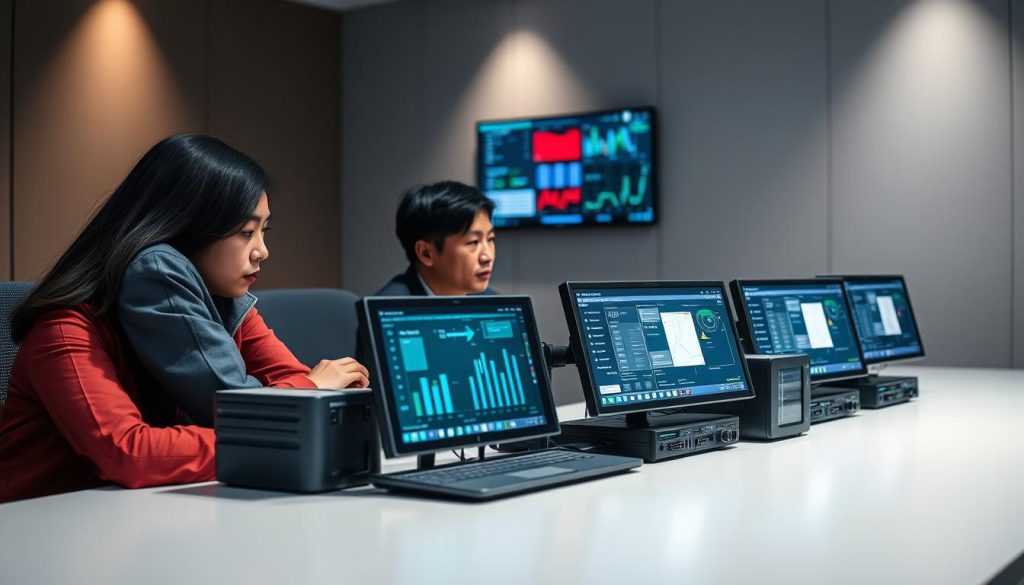
Real-time alerts deliver immediate notifications about suspicious activities. Project managers receive these warnings directly on mobile devices. This enables quick responses from any location, day or night.
Setting Up Professional Monitoring and GSOC Integration
Global Security Operations Centers provide expert oversight for construction sites. These facilities monitor multiple locations simultaneously. They ensure constant vigilance across all protected areas.
Integration with GSOC creates a layered security approach. Professional teams analyze alerts and coordinate responses. This system reduces the burden on onsite personnel significantly.
“GSOC integration gives us professional eyes on our sites 24/7. The response coordination has prevented several potential theft incidents.”
Emergency protocols activate immediately when threats are confirmed. Security teams can dispatch personnel or contact authorities. This swift action minimizes potential losses from security breaches.
Leveraging AI to Reduce False Alarms and Focus on Threats
Artificial intelligence dramatically improves alert accuracy. Smart systems distinguish between real threats and false triggers. This technology reduces unnecessary notifications by 92%.
Vehicle recognition achieves 94% accuracy in identification. Human detection reaches 89% reliability. These rates ensure alerts focus on genuine security concerns.
Geofencing technology prioritizes alerts based on location importance. High-risk zones like equipment storage receive immediate attention. Office areas generate fewer notifications unless unusual activity occurs.
- Two-way audio enables live communication with intruders or workers
- Cloud storage automatically saves footage to secure platforms like AWS GovCloud
- Metadata embedding adds GPS coordinates and timestamps for legal compliance
- Multi-screen views allow monitoring up to 32 units simultaneously
These advanced features create comprehensive protection systems. They transform basic surveillance into intelligent security solutions. Site managers gain peace of mind knowing their projects remain protected.
Best Practices for Camera Placement and Installation
Proper positioning transforms good security systems into great protection. Strategic placement ensures every dollar invested delivers maximum coverage. This approach creates comprehensive oversight across all project zones.
Effective installation considers both visibility and functionality. It balances crime deterrence with evidence collection needs. The right placement prevents blind spots and coverage gaps.
Conducting a Site Assessment for Maximum Coverage
Begin with a thorough evaluation of your entire work area. Identify high-risk zones that need priority monitoring. Entry points and equipment storage demand special attention.
Perimeter areas require consistent surveillance. These locations often experience unauthorized access attempts. Proper assessment maps all vulnerable sections clearly.
Document potential obstructions that might block views. Temporary structures and material piles change frequently. Regular reassessments maintain optimal coverage as projects evolve.
Strategic Positioning to Deter Crime and Monitor Key Areas
Install units at heights up to 18 feet for broad perspectives. This elevation reduces tampering risks significantly. It provides wider viewing angles across multiple zones.
Visible placement acts as a powerful theft deterrent. Prominent positions make intruders think twice. Discreet models work well for sensitive monitoring needs.
“Strategic camera placement reduced our security incidents by 78% within the first month of proper installation.”
PTZ units cover 270% more area than fixed models. Their dynamic movement tracks suspicious activity effectively. This reduces the number of units needed for large sites.
Cover all access points with at least two devices. Multiple angles eliminate blind spots completely. This approach ensures comprehensive surveillance coverage.
- Entry and exit points require dual coverage from different angles
- Equipment storage areas need clear views of all access routes
- Perimeter fencing benefits from overlapping coverage zones
- High-value material storage demands constant monitoring
- Office areas require both overall and detailed views
Night vision units belong in poorly lit sections. Floodlight models combine illumination with surveillance. This dual approach enhances after-dark protection.
Professional installation avoids common placement mistakes. Experts understand optimal positioning for different environments. Their experience ensures your system performs at peak efficiency.
Regular audits maintain effectiveness as projects change. New structures and phases create different security needs. Ongoing adjustments keep protection measures current and comprehensive.
Exploring Rental Options for Short-Term Project Needs
Temporary construction projects require flexible security approaches that match their duration. Renting surveillance equipment offers a practical alternative to permanent installations. This approach provides professional-grade protection without long-term financial commitments.
Many project managers discover rental agreements deliver superior value for specific situations. These arrangements eliminate large capital expenditures immediately. They also provide access to the latest technology without ownership responsibilities.
The Economic Advantage of Renting vs. Buying
Rental costs typically run 30% lower than purchasing equipment outright. This calculation includes maintenance, updates, and technical support. Flexible payment plans align with project cash flow requirements.
The construction industry loses approximately $1 billion annually to theft. Temporary sites need protection but cannot justify permanent systems. Rental solutions address this gap effectively.
“Renting advanced security systems for our six-month project saved $15,000 compared to purchasing. The included maintenance ensured flawless operation throughout.”
Wireless units with motion detection and night vision come standard in most rental packages. 4G connectivity ensures reliable operation in remote locations. Professional installation is typically included in rental agreements.
Finding Scalable Solutions for Phased Construction Projects
Scalable rental programs allow projects to begin with minimal units. Teams can expand from four to forty cameras as work progresses. This flexibility matches security needs with each construction phase.
Mobile surveillance systems relocate easily between sites or stages. There are no additional installation expenses when moving equipment. This mobility preserves budget while maintaining comprehensive coverage.
- Start with basic coverage and expand as project scope increases
- Relocate units between phases without additional costs
- Access professional support and troubleshooting included in agreements
- Enjoy latest technology updates without additional investment
Seasonal projects benefit particularly from short-term rental options. Defined timelines receive protection only when needed. This approach balances cost, flexibility, and security perfectly.
Exploring rental options helps managers make informed decisions about temporary security needs. The right choice ensures adequate protection without overspending. It represents smart financial management for dynamic project environments.
Breaking Down the Cost of Jobsite Security Systems
Understanding cost structures helps managers budget effectively for surveillance systems. Smart financial planning ensures adequate protection without overspending. This approach balances security needs with project constraints.
Initial Investment: Equipment and Installation Fees
Equipment prices vary significantly based on quality and features. Consumer models like Arlo Ultra 2 start under $300. Professional systems from Hikvision or Dahua exceed $1,000 per unit.
Installation expenses depend on site complexity and system integration. Basic setups cost around $150. Large sites with multiple units can reach $2,000+.
These upfront costs establish your foundation for site protection. They represent the tangible assets that will monitor your project areas.
Ongoing Costs: Data Plans, Cloud Storage, and Maintenance
Monthly data plans enable 4G connectivity for remote locations. Providers charge $20-$50 monthly per camera. Usage patterns and provider choices affect final amounts.
Cloud storage subscriptions preserve footage for compliance needs. Services range from $10-$30 monthly per camera. Local storage options like SD cards involve one-time purchases.
Maintenance ensures system reliability throughout project durations. Routine checks and cleaning add 10-20% to annual budgets. Occasional repairs address unexpected issues.
Solar-powered units reduce energy expenses by 50% compared to alternatives. They minimize battery replacements and grid dependence.
“Proper budgeting for both initial and ongoing expenses prevents financial surprises while maintaining comprehensive security coverage.”
Insurance premium reductions offset some operational costs. Enhanced protection qualifies sites for 15% discounts. This financial benefit improves overall value.
Total ownership costs should span the entire project timeline. Short-term needs under six months often favor rental options. This approach maximizes financial efficiency.
Understanding these components helps managers allocate resources wisely. It ensures security investments deliver expected protection without burdening projects.
Maintaining and Auditing Your Security System
Effective security management extends beyond installation to consistent maintenance and review protocols. Regular attention ensures your investment continues providing reliable protection throughout project timelines. This ongoing care prevents unexpected failures and maintains comprehensive coverage.
Project managers should establish clear schedules for system checks and footage analysis. These routines identify potential issues before they compromise site security. They also ensure compliance with Singapore’s regulatory requirements for construction monitoring.
Establishing Protocols for Footage Review and Incident Response
Regular video audits help identify security incidents and operational trends. Scheduling weekly reviews allows managers to spot patterns in unauthorized access attempts. This proactive approach addresses vulnerabilities before major incidents occur.
Incident response plans outline specific steps for addressing theft or vandalism. They include evidence preservation procedures and authority notification protocols. Proper documentation supports insurance claims and legal proceedings when necessary.
“Structured review protocols reduced our incident response time by 65% and improved evidence quality for insurance processing.”
Chain-of-custody procedures ensure video evidence remains admissible in court. This involves detailed logging of access and transfer records. Such meticulous documentation protects all stakeholders’ interests during investigations.
AI-powered analytics automatically flag significant events like equipment movement. This technology reduces manual review time by up to 40%. It allows managers to focus on genuine threats rather than reviewing endless footage.
Integration with project management tools enhances overall oversight. Systems like SitePodium correlate security data with project milestones. This creates comprehensive operational intelligence for better decision-making.
Routine Checks to Ensure System Integrity and Performance
Weekly maintenance includes cleaning lenses and checking housing integrity. Dust and weather elements can obscure camera views over time. Regular cleaning maintains optimal image quality for identification purposes.
Connectivity testing ensures remote access functions properly. Managers should verify mobile app alerts and live viewing capabilities. This confirms the system provides real-time monitoring when needed most.
Storage verification prevents critical footage loss during incidents. Regular checks ensure adequate capacity and proper recording functionality. Backup systems should be tested monthly for reliability.
- Weatherproofing inspections maintain environmental protection ratings
- Battery performance testing for wireless units
- Software updates for enhanced features and security patches
- Physical mounting stability checks after severe weather
Staff training ensures teams respond effectively to security alerts. Regular drills maintain preparedness for various incident scenarios. This reduces response times and minimizes potential damages from security breaches.
System audits identify coverage gaps or technology upgrades needed. These assessments should occur quarterly as projects evolve. They ensure security measures remain effective throughout construction phases.
Maintenance schedules should follow manufacturer recommendations for optimal performance. This extends equipment lifespan and maintains warranty coverage. Proper care ensures your security investment delivers long-term value.
Making an Informed Decision for Your Site’s Security
Choosing the right security solutions for your construction sites requires careful thought. You must evaluate project size, duration, and specific risk factors. This ensures you select systems that truly protect assets and meet local regulations.
Key features like weather resistance, 4G connectivity, and HD video are vital. They provide clear evidence and reliable monitoring in any condition. These elements support both safety and compliance needs.
Portable cameras can cut theft by up to 80% and lower costs by 20% versus guards. They boost project efficiency and offer significant financial benefits. For tailored advice, contact Wen Hong at +65 60135960.
FAQ
What makes portable cameras better than traditional security guards for construction sites?
Portable cameras provide 24/7 surveillance without fatigue, offer instant remote access, and can be moved as the project evolves. They also deliver recorded evidence for incidents, which static patrols cannot.
How do weather-resistant features protect cameras in Singapore’s climate?
Cameras with high IP ratings (like IP65 or IP66) resist heavy rain, dust, and humidity. This ensures reliable performance despite Singapore’s frequent tropical showers and high humidity levels.
Can I monitor my site remotely with these systems?
Yes. Most modern portable cameras support real-time monitoring via mobile apps. You can view live footage, receive motion alerts, and even review recorded clips from anywhere.
What power options are available for off-grid sites?
Options include rechargeable batteries, solar panels, and 4G LTE connectivity. These allow continuous operation even at remote locations without fixed power or internet infrastructure.
Are there rental options for short-term projects?
Absolutely. Renting security cameras is cost-effective for short-term needs. It offers flexibility, scalability, and avoids large upfront investments, ideal for phased projects.
How does night vision work on these cameras?
Infrared (IR) night vision enables clear monitoring in low-light or total darkness. This deters theft and vandalism during non-working hours and provides around-the-clock site surveillance.
What ongoing costs should I expect after installation?
Ongoing expenses may include cellular data plans, cloud storage subscriptions, and occasional maintenance. These ensure your system remains operational and your footage is securely stored.


