
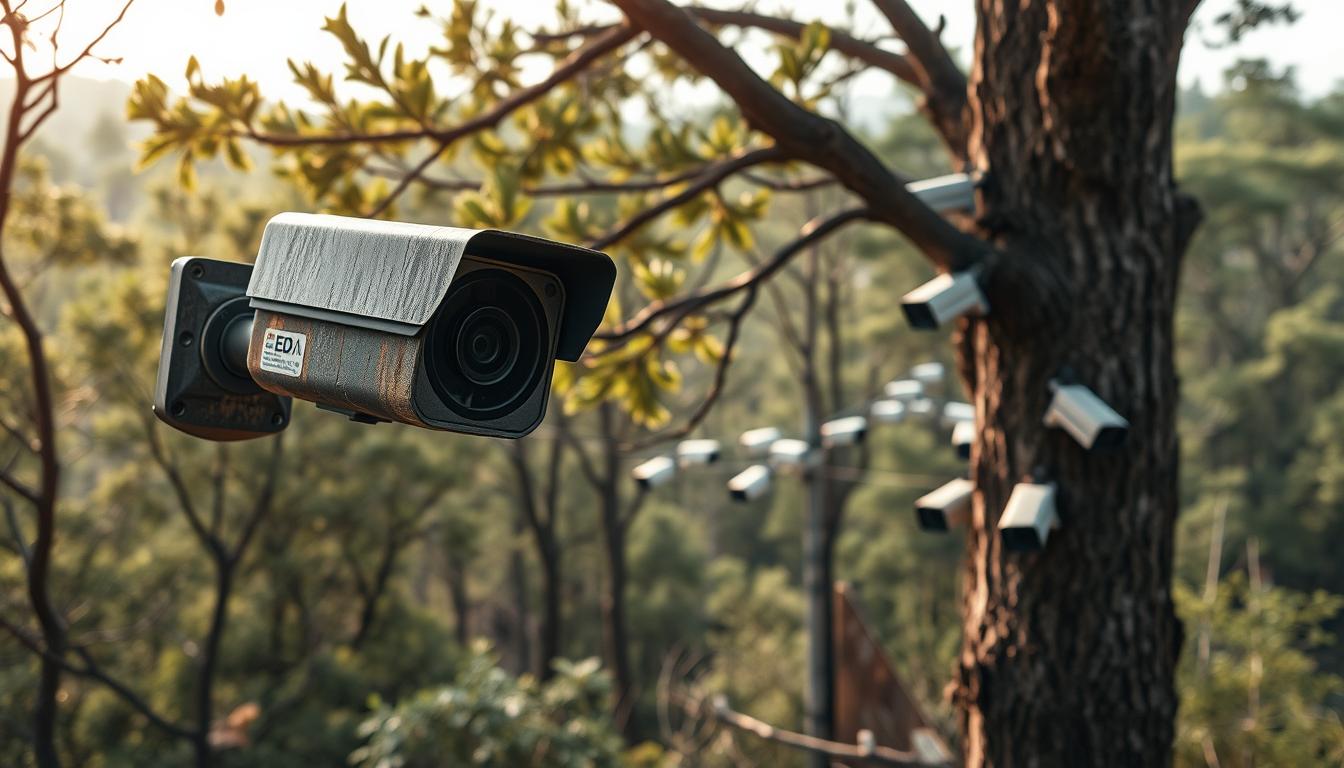
The Ultimate Guide to Off the Grid Security Cameras
Welcome to your complete resource for independent surveillance systems. These innovative devices operate without traditional power connections, offering true freedom in monitoring.
In urban environments like Singapore, these systems represent a growing trend in home protection. They combine reliable monitoring with environmental consciousness.
Modern advancements make this technology more accessible than ever. Homeowners now enjoy enhanced safety while reducing electricity costs significantly.
Studies demonstrate impressive results with these systems. Areas using them experienced a 72% reduction in break-ins, making them a smart investment for any property.
This guide will walk you through everything from selection to maintenance. Discover how to achieve optimal protection while embracing sustainable energy solutions.
Key Takeaways
- Independent surveillance systems operate without traditional power sources
- These systems are increasingly popular in urban areas like Singapore
- They offer both enhanced protection and environmental benefits
- Modern technology has made them more effective and accessible
- They can reduce break-ins by up to 72% according to studies
- Homeowners save on electricity costs while improving safety
- Proper selection and maintenance ensure optimal performance
Understanding Off-Grid Security Cameras
Standalone monitoring devices operate without reliance on conventional electricity grids. These innovative solutions represent a new era in property protection, offering complete independence from traditional infrastructure.
What Defines an Off-Grid Security System?
Independent surveillance solutions function autonomously from main electrical networks. They utilize alternative energy capture methods rather than drawing power from utility companies.
This independence makes them ideal for remote locations or areas with unreliable electricity. Property owners gain peace of mind knowing their protection remains active regardless of external factors.
Core Technology: Solar Power and Battery Storage
The heart of these autonomous systems lies in renewable energy utilization. Solar panels serve as the primary method for energy generation in most setups.
These panels convert sunlight into electrical energy through photovoltaic cells. This process occurs continuously during daylight hours, ensuring consistent power availability.
Energy storage units play a crucial role in maintaining continuous operation. High-capacity batteries store excess energy generated during sunny periods.
This stored power then sustains the system during nighttime or cloudy conditions. Modern lithium-ion options offer exceptional longevity and reliability for these applications.
The Reolink Argus 4 Pro exemplifies this technology with its integrated solar charging capability. This model demonstrates how advanced engineering creates seamless, uninterrupted monitoring.
Field trials in Aberdeen showed remarkable results with these autonomous systems. Areas implementing them experienced a 72% reduction in break-in attempts, proving their effectiveness.
During power outages, these independent solutions continue functioning without interruption. This reliability makes them particularly valuable in regions with unstable electrical infrastructure.
Environmental benefits represent another significant advantage of this approach. Using renewable energy sources reduces carbon footprint while maintaining robust property protection.
Why Off-Grid Security is Essential for Singapore Homes
Singapore’s unique urban landscape demands specialized protection solutions. Independent surveillance systems offer distinct advantages for metropolitan living.
Addressing Urban Density and Crime Prevention
High population density creates complex monitoring challenges. Traditional wired options often struggle with installation limitations in compact spaces.
Recent crime pattern analysis shows increasing concerns among residents. Over 70% of Singaporeans express safety worries according to recent surveys.
Autonomous protection units provide reliable coverage without infrastructure constraints. They maintain constant vigilance regardless of building density or access issues.
These self-sufficient arrangements eliminate vulnerability to intentional disruption. Intruders cannot disable them through power manipulation tactics.
Independence from the Main Power Grid
Energy reliability remains a consideration in densely populated regions. Autonomous systems ensure continuous operation during electrical service interruptions.
Singapore’s tropical climate offers abundant sunlight for solar energy harvesting. This natural advantage makes renewable-powered protection particularly effective.
Modern battery technology provides extended operation during low-light conditions. Advanced power management maintains functionality through nighttime and cloudy periods.
These systems align perfectly with Singapore’s sustainability initiatives. They deliver robust protection while supporting environmental conservation efforts.
For comprehensive solutions tailored to local needs, explore our specialized off-grid CCTV systems designed for Singapore’s unique requirements.
Top Benefits of Implementing an Off-Grid Security System
Independent surveillance solutions offer compelling advantages for modern homeowners. These innovative setups deliver practical value beyond basic protection.
They combine smart technology with environmental consciousness. This creates a powerful combination of safety and sustainability.
Significant Reduction in Electricity Costs
Self-powered monitoring devices eliminate monthly power expenses. Homeowners typically save between $15-$30 monthly on electricity bills.
These savings accumulate substantially over time. A typical household can recover the initial investment within 12-18 months.
Long-term financial benefits extend beyond energy savings. Reduced maintenance needs further lower overall ownership costs.
Eco-Friendly and Sustainable Surveillance
Renewable energy operation minimizes environmental impact. Solar-powered models produce zero carbon emissions during daily use.
This approach supports global sustainability initiatives. It represents responsible technology adoption for conscious consumers.
Modern systems utilize recyclable components where possible. This further reduces their ecological footprint throughout their lifecycle.
Simplified Installation and Minimal Maintenance
Wire-free designs enable straightforward setup processes. Most models require basic tools and minimal technical knowledge.
Installation flexibility allows placement in optimal locations. Users can position units where they provide maximum coverage.
Maintenance typically involves occasional cleaning and battery checks. This contrasts sharply with wired systems requiring professional servicing.
Many contemporary solutions feature true plug-and-play functionality. They deliver reliable performance without complex configuration needs.
How Off the Grid Security Cameras Operate
Modern autonomous protection devices function through an elegant energy management system. This sophisticated approach ensures continuous operation without external power sources.
The Role of Solar Panels and Energy Conversion
Photovoltaic cells capture sunlight and convert it into electrical energy. This process happens automatically during daylight hours.
Advanced regulation systems maintain optimal charging levels throughout the day. They adjust voltage and current to maximize energy capture efficiency.
Excess generated power flows into storage units for later use. This complete cycle ensures constant energy availability.
Battery Life and Power Management
Modern lithium-ion units offer exceptional performance metrics. They typically provide 5-7 days of operation on stored power alone.
Smart management systems optimize energy usage based on conditions. They reduce consumption during inactive periods and boost during alerts.
These systems maintain full functionality through nighttime hours. Low-light conditions trigger automatic battery power engagement.
“The integration of power management with monitoring functionality creates seamless performance that traditional systems cannot match.”
4G LTE Connectivity for Remote Access
Cellular networks enable live video streaming without WiFi requirements. This technology provides reliable connections in remote locations.
Real-time monitoring becomes possible through mobile applications. Users receive instant alerts and can view footage from anywhere.
This approach ensures continuous surveillance coverage regardless of internet availability. It represents a significant advancement in remote property protection.
Critical Features to Look for in an Off-Grid Camera
Selecting the right standalone monitoring system requires careful consideration of several key capabilities. These elements work together to create a reliable protection solution that meets your specific needs.
High-Definition Video and Night Vision Capabilities
Clear visual documentation is essential for effective monitoring. Look for systems offering at least 1080p resolution for detailed footage.
Higher resolutions like 2K provide even sharper images. This clarity helps identify important details when reviewing recordings.
Low-light performance is equally crucial for round-the-clock protection. Infrared technology enables clear viewing in complete darkness.
Some models feature color night vision for enhanced detail recognition. This advanced capability provides better identification in challenging conditions.
Advanced Motion Detection and Smart Alerts
Intelligent sensing technology minimizes false notifications. Modern systems can distinguish between people, vehicles, and animals.
This selective detection focuses on genuine security concerns. It filters out irrelevant movements like passing shadows or small animals.
Instant mobile alerts keep you informed about important events. These notifications include snapshots or short video clips for quick review.
Customizable sensitivity settings allow precise calibration. You can adjust detection zones to match your property’s layout perfectly.
Durability and Weatherproof Ratings
Outdoor installation demands robust construction standards. IP67 certification indicates complete protection against dust and water immersion.
This rating ensures reliable performance in Singapore’s tropical climate. Systems withstand heavy rain, high humidity, and temperature variations.
Quality materials resist corrosion and UV damage over time. This durability maintains appearance and function through years of service.
Proper weather sealing protects internal electronics from moisture. This prevention extends the system’s operational lifespan significantly.
Storage options include local microSD cards and cloud services. Local storage provides immediate access without subscription fees.
Cloud alternatives offer remote backup and expanded capacity. Many systems support both methods for flexible data management.
The Reolink Argus 4 Pro demonstrates excellent feature integration. Its 2K resolution, color night vision, and IP67 rating make it a top choice.
These capabilities combine to create comprehensive protection coverage. They ensure reliable performance across various conditions and scenarios.
Evaluating Top Off-Grid Security Camera Models
Three distinct categories of autonomous surveillance devices dominate the current marketplace. Each offers unique advantages for different property types and monitoring requirements.
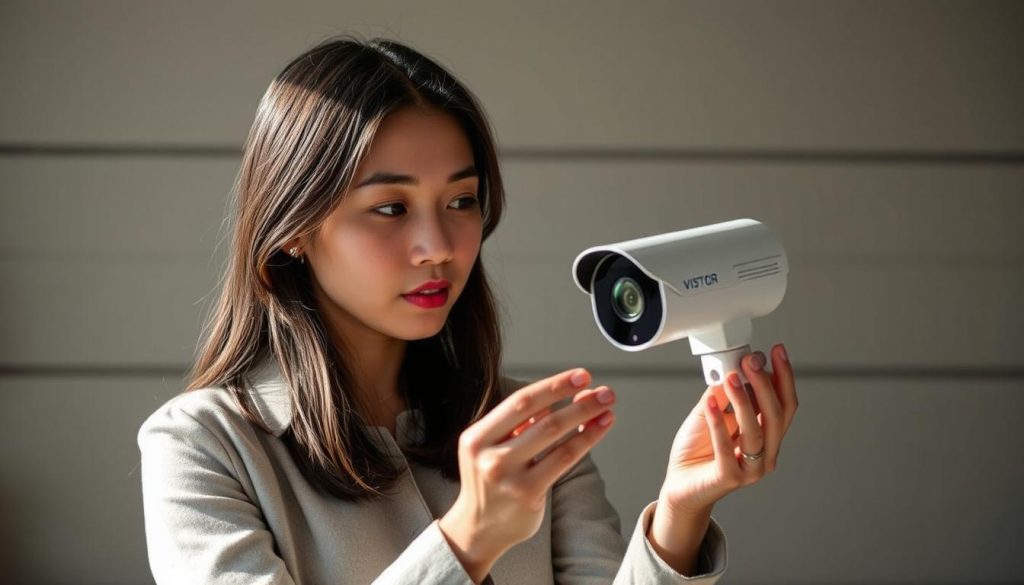
Understanding these differences helps homeowners make informed decisions. The right choice depends on specific performance needs and budget considerations.
Reolink Go Plus: Solar-Powered 4G Performance
This model represents excellent value at $250. Its cellular connectivity operates independently from WiFi networks.
The system consumes approximately 1GB monthly data at 3Mbps bitrate. This efficient usage keeps cellular plan costs manageable for most users.
Field testing shows reliable performance in Singapore’s climate. Users report consistent operation even during extended cloudy periods.
One homeowner noted: “The Reolink maintained clear footage throughout monsoon season. Its solar charging proved surprisingly effective despite reduced sunlight.”
Arlo Pro 4: Premium Features and Reliability
At $500, this unit delivers advanced capabilities for demanding applications. Its premium construction justifies the higher investment for critical locations.
The system features enhanced detection algorithms and superior weather resistance. These qualities make it ideal for commercial properties or large estates.
Professional installers consistently recommend this model for high-traffic areas. Its reliability record exceeds industry standards for autonomous systems.
Advanced video analytics distinguish between vehicle types and human movement patterns. This intelligence reduces false alerts significantly.
Budget-Friendly Options for Homeowners
Models like Ring Stick Up Cam Solar provide essential functionality at lower cost. These units maintain core protection capabilities while reducing initial investment.
They typically feature slightly reduced resolution or shorter battery life. However, they still deliver reliable basic monitoring for residential applications.
Many Singapore homeowners find these options perfect for secondary entry points. They provide additional coverage without significant financial commitment.
Consider your specific property layout when choosing among these camera systems. Larger homes might benefit from mixing premium and budget units strategically.
Data requirements vary considerably between models. Cellular-connected systems need stable network coverage while solar-only units operate completely independently.
Evaluate your location’s sunlight exposure before selecting any solar-powered system. Adequate daily charging ensures consistent performance year-round.
These surveillance solutions address different security needs effectively. The right choice depends on your specific property characteristics and monitoring priorities.
Key Factors for Choosing Your Off-Grid System
Your property’s unique characteristics determine which independent monitoring solution works best. Several technical considerations influence overall performance and reliability.
Proper evaluation ensures your investment delivers maximum protection value. This approach matches system capabilities with specific environmental conditions.
Assessing Your Property’s Layout and Sun Exposure
Begin by mapping potential camera placement locations. Identify critical coverage areas and potential blind spots.
Consider mounting height and viewing angles for optimal monitoring. These factors affect detection range and image clarity.
Solar exposure analysis is crucial for energy-independent systems. Track sunlight patterns across different seasons.
South-facing positions typically receive maximum daily illumination. Avoid shaded areas from trees or structures.
Professional assessment tools can calculate exact energy harvest potential. This data helps determine appropriate panel sizing.
Data Plan Requirements for Cellular Models
4G-connected units require stable network coverage and data allowances. Most models consume approximately 1GB monthly with moderate use.
Higher resolution settings and frequent alerts increase data consumption. Adjust these settings based on your actual monitoring needs.
Signal strength testing should precede installation. Weak cellular reception affects video transmission reliability.
Network compatibility checks ensure proper carrier support. Some systems work better with specific service providers.
Local vs. Cloud Storage Solutions
MicroSD cards offer immediate access without ongoing fees. They provide reliable storage when internet connectivity is limited.
Local options typically support up to 128GB capacity. This stores several weeks of continuous footage.
Cloud alternatives enable remote backup and expanded capacity. They protect against physical damage or theft.
Subscription costs vary based on retention period and features. Many providers offer tiered pricing plans.
Hybrid approaches combine both methods for comprehensive coverage. This strategy balances accessibility with cost efficiency.
“The right storage solution depends on your accessibility requirements and budget constraints. Many homeowners prefer local storage for immediate access without monthly fees.”
Signal quality assessment is essential for cellular-dependent models. Weak reception areas might require signal boosters.
Environmental factors like weather patterns affect solar performance. Singapore’s tropical climate offers excellent energy harvesting potential.
Create a comprehensive checklist before finalizing your decision. Include resolution requirements, battery life expectations, and connectivity options.
Consider future expansion possibilities during initial planning. Scalable systems accommodate additional units as needs evolve.
For professional guidance on system selection, explore our specialized off-grid surveillance camera consultation services. Our experts help match technology with your specific property requirements.
A Step-by-Step Guide to Off-Grid Camera Installation
Proper installation transforms your solar-powered security system from concept to reality. This process requires careful planning and execution to ensure optimal performance.
Most setups need minimal tools and basic technical skills. Following these steps creates a reliable monitoring solution that operates independently.
Optimal Placement for Solar Panels and Cameras
Identify locations with maximum sunlight exposure throughout the day. South-facing positions typically receive the most consistent illumination in Singapore.
Avoid areas shaded by trees or structures during peak hours. Morning sun is particularly important for efficient energy harvesting.
Mount panels at approximately 10° north tilt for optimal angle. This positioning maximizes solar capture in Singapore’s latitude.
Position monitoring units to cover critical entry points and vulnerable areas. Ensure clear lines of sight without obstructions.
Connecting Components and System Configuration
Begin by establishing secure mounting for all elements. Use appropriate brackets and hardware for your surface type.
Connect solar panels to power management units following manufacturer instructions. Most systems feature color-coded connectors for simplicity.
Link energy storage to monitoring devices using provided cables. Ensure weatherproof seals remain intact during connection.
“Always verify polarity before making final connections. Reversed connections can damage sensitive electronics.”
Configure motion detection zones through the system’s interface. Adjust sensitivity based on your property’s specific needs.
Set alert preferences for different detection types. Most systems allow separate settings for people, vehicles, and animals.
Testing Functionality and Remote Access
Verify video quality under various lighting conditions. Test both daylight and nighttime performance.
Confirm motion detection accuracy by walking through monitored areas. Check if alerts trigger appropriately.
Establish mobile app connectivity following provider guidelines. Most systems use QR codes for simplified pairing.
Test remote viewing from different network connections. Ensure smooth streaming on both WiFi and mobile data.
Verify alert delivery to your preferred devices. Check both notification timing and content accuracy.
Address common challenges like signal interference or positioning issues. Most problems have straightforward solutions in manufacturer guides.
Always prioritize safety during installation processes. Use proper ladder techniques and electrical safety precautions.
Maintaining Your Off-Grid Security Investment
Proper care ensures your autonomous monitoring system delivers reliable performance year after year. Regular maintenance preserves both functionality and equipment longevity.
Routine Cleaning and Solar Panel Care
Dust accumulation reduces energy harvesting efficiency significantly. Clean solar surfaces every three months using a soft cloth and distilled water.
Gently wipe camera lenses to maintain clear image quality. Avoid abrasive cleaners that might damage protective coatings.
Singapore’s tropical environment requires more frequent attention during monsoon seasons. Increased humidity accelerates dirt buildup on optical surfaces.
Monitoring Battery Health and Performance
Check power storage levels monthly through your system’s interface. Most modern units provide detailed health metrics.
Look for these performance indicators:
- Charging cycle completion times
- Energy storage capacity percentages
- Discharge rate patterns during operation
Replace batteries showing consistent capacity reduction. Most lithium-ion units last 2-3 years with proper care.
Conduct full system checks every quarter. Verify motion detection accuracy and alert functionality.
Update firmware when manufacturers release new versions. These updates often include security patches and feature improvements.
“Regular maintenance prevents small issues from becoming major problems. Simple cleaning and monitoring can extend system life by several years.”
Seasonal changes affect autonomous operation in Singapore’s climate. Adjust cleaning frequency during drier months when dust accumulation increases.
Monitor performance data through your mobile application. Sudden changes in energy harvesting patterns might indicate panel issues.
Common maintenance challenges include:
- Reduced alert frequency indicating sensor obstruction
- Shorter operation times suggesting battery degradation
- Blurry footage requiring lens cleaning
Most systems include warranty coverage for manufacturing defects. Professional maintenance services handle complex issues beyond basic care.
For comprehensive support, consider our professional maintenance plans tailored to Singapore’s conditions.
Cost Analysis: Off-Grid vs. Traditional Security Systems
Financial planning is essential when choosing between autonomous and conventional monitoring solutions. Understanding the complete investment picture helps homeowners make informed decisions that align with their budget and protection needs.
Initial Investment and Long-Term Savings
Self-powered surveillance units typically range from $100 to $500 per device. Complete do-it-yourself kits start around $400 and can reach $1,000 with additional components.
Larger battery banks for extended operation may exceed $4,000. These represent the highest initial expense in comprehensive setups.
Traditional wired alternatives often appear cheaper initially. However, they incur continuous electricity expenses that accumulate significantly over time.
Solar-powered options eliminate monthly power bills entirely. Homeowners typically save 15-30 dollars monthly on energy costs.
Installation expenses show dramatic differences between these approaches. Autonomous models save up to 70% on setup costs compared to wired alternatives.
Understanding Total Cost of Ownership
Complete expense calculation should cover a 3-5 year period. This timeframe reflects typical system lifespan before major upgrades.
Consider these financial components:
- Equipment purchase price
- Professional installation fees
- Monthly electricity consumption
- Maintenance and repair costs
- Cellular data plans if required
Singapore homeowners report impressive financial outcomes. One family saved $1,800 over three years using solar-powered surveillance.
Their system included:
- Two solar panels ($300)
- Monitoring units ($400)
- Basic installation ($150)
- No monthly electricity costs
Traditional arrangements would have cost $600 annually for power alone. This demonstrates the clear long-term advantage of energy-independent solutions.
Hidden expenses often surprise unprepared buyers. Cellular-connected models require data plans averaging $15 monthly.
Cloud storage subscriptions add another potential recurring cost. These should factor into complete budget planning.
Return on investment typically occurs within 12-18 months. The break-even point comes faster in sun-rich environments like Singapore.
“Our solar monitoring system paid for itself in fourteen months. We now enjoy free protection while helping the environment.”
Financing options make these systems more accessible. Many providers offer installment plans with reasonable terms.
Singapore’s green initiatives sometimes include rebates for eco-friendly security systems. Check current programs for potential savings.
Professional consultation helps identify all cost factors. Our experts provide detailed financial analysis tailored to your specific property.
Taking the Next Step Towards Secure, Sustainable Surveillance
Singapore homeowners can achieve complete monitoring autonomy with modern systems. These solutions provide immediate safety enhancement while representing smart long-term investments.
Current technology offers remote video access, motion alerts, and customizable activity zones. Professional consultation ensures perfect system matching for your property.
Contact experts at CCTV Maintenance Singapore for tailored surveillance options. Their team provides installation services and ongoing support.
Now is the ideal time to implement these advanced cameras. Market availability and technological advancements make adoption straightforward.
Begin your journey toward comprehensive protection today. Enhanced safety and sustainable operation await your decision.
FAQ
What exactly is an off-grid security system?
An off-grid system operates independently of traditional power and internet infrastructure. It typically uses solar panels for energy, batteries for storage, and cellular networks for connectivity, making it ideal for remote locations or areas with unreliable utilities.
How do solar-powered cameras work at night or on cloudy days?
These devices store excess solar energy in built-in batteries during daylight hours. This reserve powers the camera overnight or during periods of low sunlight, ensuring continuous operation without interruption.
What kind of internet connection do these surveillance systems require?
Most modern off-grid models use 4G LTE cellular connectivity to transmit footage and alerts. This eliminates the need for Wi-Fi, making them perfect for properties without internet access.
Are these systems difficult to install and maintain?
Installation is generally straightforward, with no wiring required. Maintenance primarily involves occasional cleaning of solar panels and monitoring battery health through the system’s app or interface.
Can off-grid cameras provide clear footage in low-light conditions?
Yes, most quality models feature infrared night vision and high-definition recording capabilities. They capture detailed video even in complete darkness, ensuring reliable monitoring around the clock.
What is the typical cost range for a complete off-grid setup?
Initial costs vary based on features, but homeowners can expect to invest between 0-0 per camera. This includes the device, solar panel, and often requires a cellular data plan for connectivity.


