
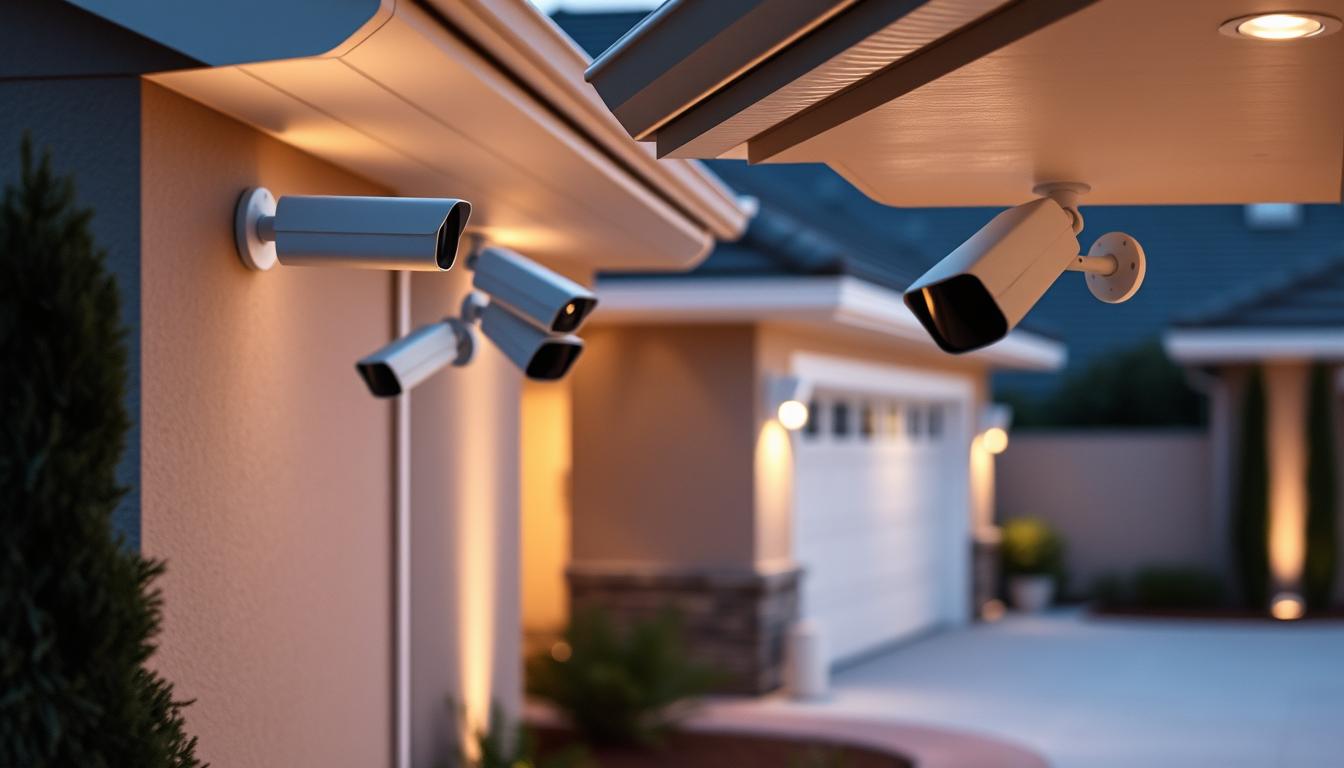
Guide: Is it legal to install CCTV outside my house?
Singapore ranks among the most surveilled cities globally, with over 1 million CCTV cameras monitoring public and private spaces. Residents often wonder about rules for placing surveillance systems near their homes. Recent updates to Housing Board (HDB) policies in May 2023 now require permits for corridor-facing devices.
The city-state balances security needs with privacy rights through two key laws: the Personal Data Protection Act (PDPA) and the Common Areas Surveillance Act (CDRA). Non-compliant setups may lead to fines up to $5,000, especially if cameras capture neighbors’ properties without consent.
Public support remains high, with 91% of citizens approving surveillance for crime prevention. However, regulations differ for HDB flats, condominiums, and landed properties. Recent Straits Times reports highlight disputes over improper camera angles invading personal spaces.
Key Takeaways
- Singapore has strict laws governing residential surveillance systems
- HDB corridor cameras require approval since 2023 policy changes
- Improper installations may result in significant financial penalties
- PDPA and CDRA protect both security interests and privacy rights
- Property type determines specific compliance requirements
Understanding Singapore’s CCTV Laws for Homeowners
Three distinct laws shape how Singaporeans can monitor their property exteriors. While security needs are recognized, these regulations balance surveillance rights with neighbor privacy concerns. The framework varies significantly between personal and business applications.
Key legislation governing residential surveillance
The Personal Data Protection Act (PDPA) primarily affects organizations, excluding personal home use. Residents can record their premises without PDPA compliance unless footage captures public spaces or neighbors’ properties. However, Section 21 mandates providing recorded footage within three days if requested.
For neighbor disputes, the Common Areas Surveillance Act (CDRA) applies within a 100-meter radius. A 2025 case involving a condominium management corporation highlighted CDRA’s $20,000 penalty cap for violations. Thermal imaging faces additional restrictions in landed properties due to privacy concerns.
Installers must hold Security Service Provider licenses under the Private Security Industry Act. Town Council applications often require police reports, especially for HDB corridor installations. This contrasts with private estates where owners have more flexibility.
Differences between personal and commercial use
Businesses face stricter personal data protection rules under PDPA. Commercial setups must register cameras monitoring public areas, while residential systems need no such registration. Condominium management committees fall under commercial regulations when installing shared-area cameras.
HDB flats follow unique guidelines compared to private housing. Recent policy changes require permits for devices facing common corridors. Landed property owners enjoy broader rights but must avoid capturing adjacent homes without consent.
Understanding these distinctions helps homeowners install cctv systems legally. Always consult the latest data protection act provisions before mounting cameras. Proper placement avoids both legal issues and community tensions.
Is It Legal to Install CCTV Outside My House? The Core Regulations
Singapore’s regulations on outdoor surveillance balance security needs with strict privacy safeguards. Homeowners must ensure their setups comply with both technical and legal requirements to avoid disputes or penalties.
General principles of outdoor surveillance
Residents may install cctv cameras to monitor their property but must avoid capturing neighbors’ units. HDB flats enforce a 45-degree angle rule for corridor-facing devices to limit intrusion into shared spaces.
Permits for exterior cameras last six months and require renewal. Thermal imaging is restricted due to privacy concerns, while infrared (IR) filters are mandatory for nighttime recording. Footage must auto-delete after 30 days unless retained for legal purposes.
Privacy considerations under PDPA
The Personal Data Protection Act (PDPA) governs how surveillance systems handle personal data. Audio recording is prohibited without visible signage, and cameras cannot be placed near bathrooms or changing areas.
Recent updates, like the 2024 ECDA preschool mandate, set precedents for ethical surveillance. Singapore’s Smart Nation Sensor Platform may integrate residential systems, requiring adherence to national standards.
Property-Specific CCTV Installation Rules
Singapore’s residential surveillance policies vary significantly based on property types. Each housing category comes with distinct requirements that affect camera placement and approval processes. Understanding these differences prevents legal issues while maintaining neighborhood harmony.
Navigating HDB flat surveillance requirements
HDB residents face a dual approval process for exterior monitoring systems. Applicants must first file a police report before submitting to their Town Council. The Ang Mo Kio Town Council reports a 14-day average processing time for these requests.
Approved permits remain valid for six months and require renewal. A 2025 dispute in Tampines highlighted consequences of improper installation, where angled cameras captured neighbor units. Current policies mandate devices face only the resident’s door area with limited viewing angles.
Condominium community guidelines
Management Corporation Strata Title (MCST) bylaws govern condo surveillance differently across developments. Some prohibit devices near pools, gyms, or management offices entirely. Approval durations often extend to one year, unlike HDB’s shorter permits.
Condos treat common property areas as shared spaces requiring committee consent. Recent amendments allow infrared recording but ban audio capture in lobbies. Always review your development’s specific house rules before mounting any equipment.
Landed property surveillance privileges
Owners of landed property enjoy greater flexibility with exterior cameras. No angle restrictions apply, provided devices don’t intentionally monitor neighboring homes. However, infrared models must comply with power output limits to prevent thermal imaging concerns.
Unlike HDB or condo residents, landed homeowners need no management approval. The law still requires proper signage when recording extends beyond property boundaries. This balances security needs with community privacy expectations.
The Approval Process for Outdoor CCTV Installation
Singapore’s town councils oversee a meticulous vetting system for residential security camera installations. This structured approach ensures compliance with privacy laws while addressing community safety concerns. Processing times typically range between 7-14 days across different districts.
Navigating town council application procedures
HDB residents begin by filing a police report at their nearest neighborhood station. The Jurong West Town Council case from 2024 demonstrated how missing this step causes automatic rejection. Applicants then submit:
- Completed NPPA forms with property details
- Scaled floor plans showing camera positions
- Technical specifications of recording devices
Approval letters specify a 45-degree angle limit for corridor-facing units. Temporary permits last six months, with renewal services requiring updated documentation. The OneService app now accepts digital submissions for faster processing.
Essential documentation and review timelines
All applications must include signed neighbor notification letters acknowledging the installation. Fees range from $75 for basic setups to $150 for systems covering multiple access points. Technical teams verify:
- Camera field-of-view diagrams
- IR filter compliance certificates
- Data storage protocols
Rejected cases may appeal within 14 days with additional evidence. Post-approval inspections ensure devices match submitted specifications. Successful applicants receive QR-coded permits for easy verification by authorities.
Smart Doorbells and Peephole Cameras: Special Considerations
Modern security solutions like smart doorbells require different compliance measures than standard cameras. These devices blend convenience with monitoring capabilities, creating unique legal considerations. Singapore’s evolving policies address emerging technologies while protecting community privacy.
Functional differences from conventional systems
Unlike traditional cctv, smart devices often combine motion-activated recording with two-way audio. This dual functionality falls under stricter surveillance regulations. Ang Mo Kio Town Council exempts peephole cameras but mandates approvals for doorbell models.
Key distinctions include:
- 170-degree field-of-view limits prevent excessive coverage
- Audio recording requires visible disclosure signage
- Data encryption must meet PDPC’s 2024 IoT standards
Audio-visual device compliance
HDB’s no-drill policy affects mounting options for Ring or Xiaomi doorbells. Approved brands include:
- TP-Link Tapo (wireless models)
- Eufy Security (battery-powered)
- Google Nest (cloud storage compliant)
Security service providers recommend vandal-resistant models for common corridors. Motion-triggered recording reduces storage needs compared to continuous cctv operation. Always verify if your device captures areas beyond your property line.
For optimal compliance, consult the Personal Data Protection Commission before use of any cameras inside or outside your home. Proper placement avoids both legal issues and neighbor disputes.
Camera Placement: What You Can and Cannot Monitor
Strategic placement of monitoring devices prevents privacy violations while maintaining home security. Singapore’s framework specifies exact parameters for residential surveillance systems. These rules protect both property owners and neighboring residents.
Prohibited surveillance areas
All residential cameras must avoid capturing:
- Neighbors’ windows or doorways (3m buffer minimum)
- Staircase landings in HDB blocks
- Common corridors beyond a 2m radius from your door
The 2024 Toa Payoh HDB court ruling established precedent for improper angles. Devices facing restricted zones may require removal within 48 hours.
Acceptable coverage zones
Approved monitoring areas include:
- Private yards and gates (fully enclosed properties)
- Own doorstep (HDB-approved peephole devices)
- Designated parking spaces (with visible signage)
Corridor-mounted units need 2.4m minimum height placement. Professional installers recommend this formula for field-of-view:
FOV = 2 × arctan (sensor width / (2 × focal length))
Night vision intensity shouldn’t exceed 50 lumens. Outdoor units require rain shelters and anti-glare positioning. A professional site survey ensures full compliance with all technical specifications.
Remember: Proper placement avoids footage disputes while keeping your property secure. Always document approval permits and neighbor notifications.
Neighbor Relations and Community Disputes
Singapore’s dense urban environment makes neighbor relations crucial for CCTV compliance. Even properly installed systems may cause tension when capturing portions of community property. The Common Areas Surveillance Act (CDRA) provides structured solutions for these sensitive situations.
Resolving privacy complaints effectively
Most conflicts follow a predictable three-stage pattern:
- Direct negotiation: Residents must attempt face-to-face resolution within 14 days
- Mediation: Community Centers offer free sessions with trained facilitators
- Tribunal filing: CDRA claims require $200 filing fee and documented evidence
The 2024 Bukit Batok condo ruling set an important example, awarding $8,000 in damages for unaddressed privacy violations. Always preserve data for at least 30 days during disputes, as deleted footage may be considered destroyed evidence.
Legal frameworks for residential conflicts
CDRA allows claims up to $20,000 for surveillance-related grievances. Key provisions include:
- Mandatory cooling-off period before tribunal hearings
- Prohibition against social media posts about ongoing cases
- Strict penalties for retaliation against complainants
“The right to security never supersedes another’s right to privacy in shared spaces” – CDRA Tribunal Handbook 2023
Many residents draft good neighbor agreements outlining camera angles and access protocols. Insurance riders covering surveillance disputes are becoming popular, with premiums starting at $120 annually. Always consult the Community Mediation Centre for template documents before installation.
Technical Requirements for Legal Compliance
Singapore enforces strict technical standards for residential security systems to ensure compliance. Both equipment and installation services must meet government benchmarks to operate legally. These requirements protect homeowners while maintaining neighborhood privacy.
Licensed installer mandates
The Private Security Industry (PSI) Act requires all security service providers to hold valid licenses. Approved companies like:
- Certis CISCO (PSI License: SSL-001)
- Ademco Security (SSL-005)
- ST Electronics (SSL-012)
Technicians must complete 160 training hours and pass background checks. Unlicensed installation voids equipment warranties and risks $10,000 fines.
Equipment certification standards
IMDA’s Cyber Security Labeling Scheme rates devices from Level 1 (basic) to Level 4 (advanced). Legal cctv systems need:
- Minimum IP66 weatherproof rating
- AES-256 data encryption
- 850nm wavelength limit for night vision
“Certified equipment reduces hacking risks by 78% compared to uncertified models” – IMDA 2024 Security Report
Approved vendors include Hikvision (Model DS-2CD2143G0) and Dahua (IPC-HDW3849). Maintenance logs must document bi-annual checks for corrosion or tampering. These requirements ensure systems function properly without privacy violations.
Data Management and Footage Retention
Proper data handling forms the backbone of compliant residential surveillance systems in Singapore. The Personal Data Protection Act establishes rigorous standards for managing recorded footage, balancing security needs with individual privacy rights. Systems must incorporate automated processes to meet these legal obligations.
Storage duration limits
Singapore mandates a maximum 30-day retention period for residential surveillance recordings. This time frame applies unless:
- Footage serves as evidence in ongoing investigations
- Court orders require extended preservation
- Written consent is obtained from recorded individuals
Approved deletion systems must permanently erase files beyond this period. The Cyber Security Agency’s AI Verify framework recommends quarterly audits to verify compliance. Cloud storage providers must maintain servers within Singapore to meet data protection localization rules.
Access request protocols
Under PDPA Section 21, individuals have specific rights regarding their recorded data. Homeowners must establish secure access procedures that include:
- Multi-factor authentication for viewing archived footage
- Redaction tools for blurring third-party identities
- 72-hour response window for subject access requests
Emergency protocols allow immediate footage retrieval for law enforcement with proper warrants. All data protection breaches must be reported within 72 hours to the PDPC. Backup systems require AES-256 encryption, with audit trails documenting all viewings or transfers.
“Effective surveillance systems protect property without compromising personal privacy – the hallmark of Singapore’s balanced approach” – PDPC Compliance Guide 2024
Penalties for Non-Compliant Installations
Singapore enforces strict penalties for residential surveillance violations to maintain neighborhood harmony. The tiered sanction system reflects the severity of infractions, ranging from fines to criminal charges. Recent amendments increased accountability for improper camera placement and data handling.
Financial consequences of violations
HDB residents face immediate $5,000 fines for unapproved corridor cameras under 2023 regulations. The Personal Data Protection Commission issues penalties up to $10,000 for repeated privacy breaches. A 2025 Bukit Merah case saw both fines imposed when thermal cameras captured neighboring units.
Additional costs include mandatory equipment removal and storage of confiscated devices. Insurance providers may void policies covering surveillance-related disputes. Property sellers must declare any past violations, potentially reducing home values by 2-5%.
Legal repercussions beyond fines
Serious violations can lead to six-month jail terms under the CDRA. The Strata Titles Board blacklists offenders from future installations for three years. Professional security services risk license revocation for non-compliant work.
Civil lawsuits have awarded up to $15,000 in neighbor disputes. Community service orders now supplement financial penalties for first-time offenders. All judgments appear on the Public Surveillance Compliance Register for five years.
“One improper camera placement can trigger cascading legal consequences – prevention remains far cheaper than remediation” – Urban Security Advisory 2024
Choosing the Right CCTV System for Your Home
Homeowners face critical decisions when choosing security systems that meet both protection needs and regulatory standards. Singapore’s climate and housing types demand specific features in cctv cameras, from weather resistance to proper night vision capabilities. Understanding these factors ensures compliant installations that effectively safeguard your property.
Camera Types and Legal Applications
Bullet cameras offer long-range coverage ideal for landed properties, with Dark Fighter models excelling in low-light conditions. Dome variants provide discreet monitoring for HDB corridors, while PTZ (pan-tilt-zoom) units require special approval due to adjustable viewing angles.
Key specifications to compare:
- Resolution: 4K systems capture license plates clearly but require more storage
- Night vision: Infrared limited to 200m range under CDRA guidelines
- Smart detection: Motion zones must avoid neighboring properties
Essential Features for Residential Use
Power over Ethernet (PoE) simplifies wiring in condominiums, while solar options suit landed homes. Vandal-resistant models with IK10 ratings prevent tampering in shared spaces. Weatherproofing should meet IP66 standards for Singapore’s tropical climate.
“The right system balances advanced features with simple operation – complexity often leads to compliance oversights” – Security Solutions Monthly
Voice control integration poses privacy concerns under PDPA, and baby monitor combinations may violate audio recording laws. Budget-conscious buyers should prioritize certified equipment over cheaper uncertified alternatives that may incur fines.
Step-by-Step Guide to Legal Installation
Implementing a compliant home surveillance system requires careful planning and adherence to Singapore’s regulations. This structured approach helps residents navigate the approval process while respecting neighbor privacy. Following these steps ensures your security setup meets all legal requirements from day one.
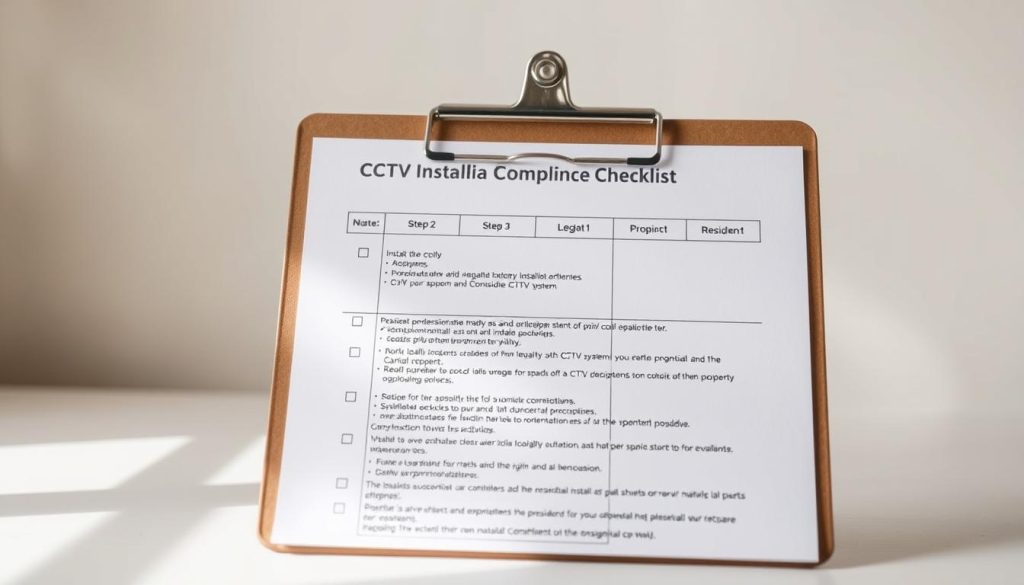
Pre-installation compliance checklist
Begin with a professional site survey to identify optimal cameras placement that avoids restricted zones. Licensed technicians should document the proposed field-of-view using scaled diagrams. Essential preparations include:
- Obtaining police clearance for HDB corridor installations
- Completing Town Council forms with equipment specifications
- Securing written neighbor acknowledgments for shared spaces
- Verifying weatherproof ratings match Singapore’s climate
Post-installation obligations
After install cctv systems, homeowners must maintain strict compliance protocols. Regular maintenance checks ensure continued adherence to all regulations. Key responsibilities include:
- Submitting monthly footage deletion logs to authorities
- Scheduling annual equipment inspections with licensed providers
- Updating approval documents before permit expiration
- Maintaining incident response documentation for 12 months
The entire process typically takes 14-21 days from application to operational status. Proper documentation reduces renewal processing time for subsequent permits. Always keep copies of all approval letters and technical specifications on-site.
Enhancing Home Security Within Legal Boundaries
Advanced security measures complement compliant camera setups. Professional monitoring services from providers like First Solution Group offer 24/7 response teams. These reduce false alarms while maintaining privacy standards.
Integrated smart home systems sync with cctv for seamless control. Motion sensors and automated lighting deter intruders without extra cameras. Home security upgrades may qualify for 15% insurance discounts.
Regular system checks prevent technical violations. Bi-annual maintenance ensures proper angles and data deletion. Stay updated on regulation changes through certified provider alerts.
Future-proof setups consider 6G readiness and cybersecurity hardening. Community partnerships create layered protection while respecting privacy laws. Always consult licensed experts for compliant solutions.
FAQ
What laws regulate CCTV installation for homes in Singapore?
The Personal Data Protection Act (PDPA) governs residential surveillance. Additional rules apply for HDB flats, condominiums, and landed properties.
Can I point my security camera at public areas?
Coverage must focus on your property boundaries. Recording common spaces like sidewalks may violate privacy laws without proper justification.
Do I need approval for outdoor cameras in an HDB flat?
Yes. Town Council permission is mandatory before mounting devices on exterior walls or corridors in public housing estates.
Are smart doorbells treated differently than CCTV systems?
Devices with audio recording face stricter rules. The PDPA requires clear signage when capturing conversations near your entrance.
How long can I store recorded footage legally?
Retention periods should match the security purpose. Most homeowners keep footage for 30 days unless needed for police investigations.
What happens if my neighbor complains about my cameras?
Mediation through the Community Disputes Resolution Act (CDRA) may be required if adjustments to camera angles don’t resolve privacy concerns.
Must I hire licensed professionals for installation?
While not mandatory for basic setups, complex systems affecting building structures require certified technicians under Singapore’s construction regulations.
Can I share surveillance footage online if I catch suspicious activity?
Public posting risks violating privacy laws. Report incidents to authorities instead of circulating images without consent.
What technical specifications ensure compliance?
Devices should bear IMDA certification marks. Night vision and motion detection features must not intrude on neighboring properties.
Are there penalties for illegal camera placement?
Violations may lead to fines up to ,000 under PDPA, plus potential civil lawsuits from affected parties.


