
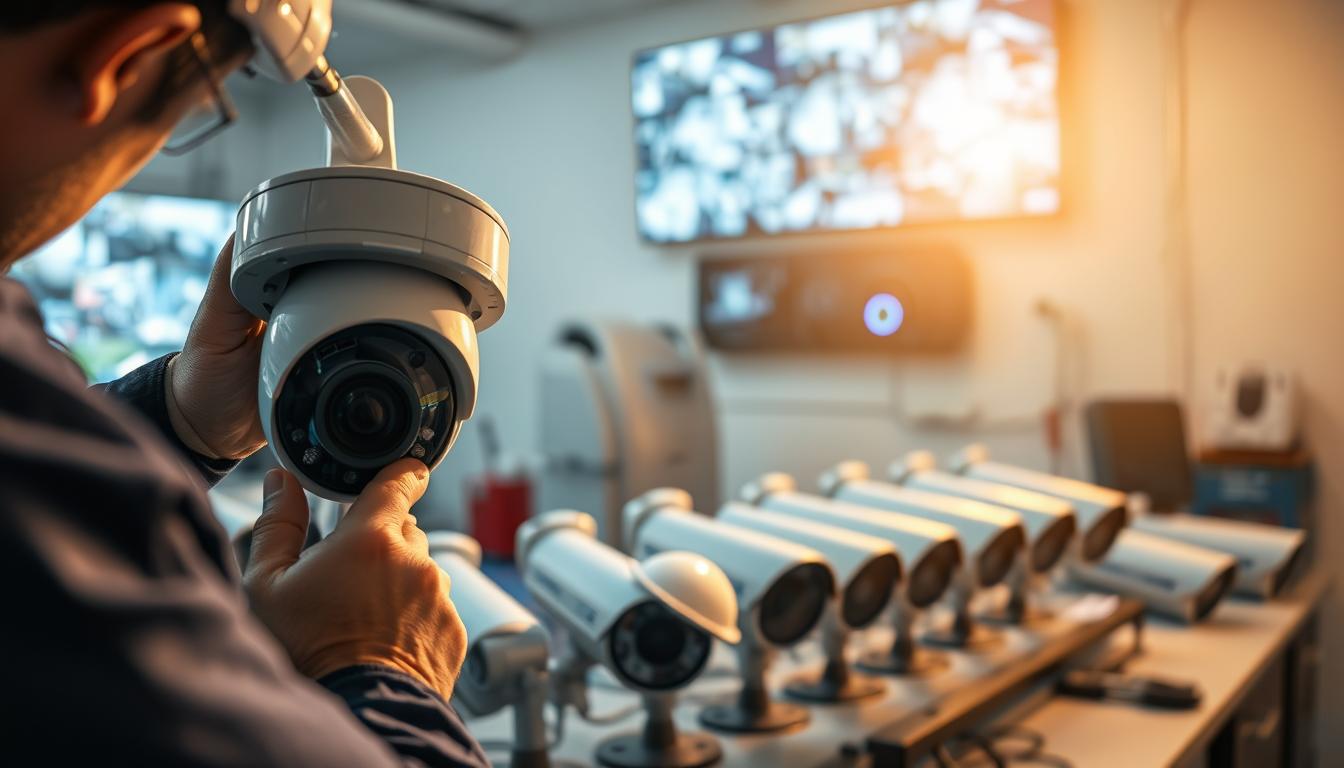
How Often Should CCTV Be Serviced? Maintenance Tips
Maintaining a system running smoothly is critical for reliable security. In Singapore’s humid climate, equipment faces unique challenges—87% humidity can accelerate wear and tear. Without proper care, performance drops, and risks rise.
Studies show 83% of failures stem from poor upkeep. Regular check-ups reduce breakdowns by 30%, ensuring consistent monitoring. For high-risk locations, experts recommend inspections every six months.
Professional servicing, like Wen Hong’s team (+65 60135960), helps extend system life. Proper care isn’t just about frequency—it’s about adapting to environmental demands.
Key Takeaways
- Singapore’s humidity speeds up equipment wear.
- Most failures result from inadequate maintenance.
- Preventive care cuts failure rates by 30%.
- High-risk sites need checks every six months.
- Expert servicing optimizes performance.
Why Regular CCTV Maintenance Matters for Security
Security systems lose effectiveness without consistent upkeep. In Singapore’s humid climate, dust and moisture amplify wear, with studies showing 83% of failures preventable through regular checks. Neglect risks more than equipment failure—it compromises safety and compliance.
Preventing Critical System Failures
Dust accumulation causes 45% of image quality issues, blurring critical details. Quarterly inspections prevent 72% of connectivity failures, ensuring cameras stay online. Outdoor units face accelerated corrosion; salt air and rain create distinct moisture damage patterns.
Ensuring Continuous Surveillance Coverage
A retail chain reduced theft by 60% after addressing blind spots during maintenance. Keeps system components working well, even during monsoon seasons. Proactive care avoids gaps criminals exploit.
Maintaining Legal Compliance Standards
Singapore’s Personal Data Protection Act (PDPA) mandates functional surveillance. Non-compliance risks fines up to SGD 10,000. Optimal service frequency aligns with both security needs and regulations.
“Unmaintained cameras are as risky as having no cameras at all—they create false security.”
The True Cost of Neglecting CCTV Maintenance
The financial impact of skipping maintenance often outweighs the cost of preventive care. In Singapore’s harsh climate, deferred servicing leads to higher repair bills and security vulnerabilities. Studies show preventive checks cost 63% less than emergency fixes.
Repair Expenses vs Preventive Care Costs
Replacing a damaged camera averages SGD 150, while routine servicing costs just SGD 55 per unit. Over five years, neglected systems require 63% more replacements, inflating total ownership costs. A cctv system with annual maintenance saves money by avoiding sudden breakdowns.
Potential Security Breach Consequences
Data breaches due to faulty cameras incur fines up to SGD 2,500—five times the price of yearly upkeep. Insurance premiums spike by 20% post-incident, compounding losses. Regular checks keep the system running smoothly, preventing gaps criminals exploit.
Equipment Lifespan Reduction Factors
Dust and humidity slash device longevity by 40% without cleaning. Corroded cables and lens fogging accelerate wear, forcing early replacements. Simple steps like quarterly inspections help equipment last longer and reduce problems get worse over time.
“A SGD 500 annual maintenance budget prevents SGD 5,000 in emergency repairs—smart security is proactive, not reactive.”
- Cost contrast: SGD 550/year maintenance vs. SGD 2,500 breach penalties
- Lifespan impact: 7-year expectancy drops to 4 years without care
- Hidden risks: 72% of failures occur in unserviced units
Key Benefits of Proper CCTV System Care
Proactive care transforms security cameras from basic tools into reliable assets. Regular upkeep ensures 98% evidence usability—compared to just 67% in neglected setups. This difference can be critical in investigations or legal proceedings.
Enhanced Image Quality Retention
Dusty lenses degrade resolution by up to 20%. Professional cleaning restores crisp details, especially for license plates or facial recognition. Night vision clarity improves by 35% after maintenance, reducing grainy footage.
Storage optimization prevents 15% data loss from corrupted files. Properly maintained systems retain system top shape, ensuring every frame counts during playback.
Early Problem Detection Advantages
Routine checks keep system issues minor. Loose cables or firmware glitches are fixed before causing outages. One retail client avoided 12 hours of downtime by catching a failing power supply during inspection.
Firmware updates boost motion detection accuracy by 22%, reducing false alarms. This precision saves both time and storage space.
Optimized System Performance
Well-serviced units operate at
“A tuned surveillance system is like a well-oiled machine—it reacts faster, lasts longer, and rarely fails when you need it most.”
From humidity-resistant seals to updated software, every tweak keeps your surveillance system working well. The result? Consistent protection without unexpected gaps.
How Often Should CCTV Be Serviced? Expert Recommendations
Optimal servicing intervals vary based on location and usage intensity. For cctv systems, Singapore’s SS 631:2020 standards recommend baseline schedules, but real-world demands often require adjustments. High-traffic zones like Orchard Road need monthly cleanings, while residential areas may function well with quarterly visits.
Standard Maintenance Frequencies
Industry benchmarks categorize sites by risk level:
- Residential: Annual checks suffice for low-risk homes
- Commercial: Quarterly inspections prevent 72% of common issues
- Critical Infrastructure: Monthly servicing ensures system running without gaps
High-Density Surveillance Needs
The Jurong Industrial Zone reduced failures by 38% after switching to bi-monthly regular checks. Systems with 50+ cameras often require weekly diagnostics—dense setups accumulate problems faster. Key factors demanding increased frequency:
- 24/7 operation strains components
- Pollution accelerates lens degradation
- Network load tests reveal hidden stresses
Critical System Protocols
Airports and banks follow rigorous monthly schedules. A key keeping practice involves pre-monsoon inspections for outdoor units. Use this high-traffic assessment checklist:
- Test backup power every three months
- Verify storage integrity weekly
- Clean housing vents during seasonal changes
“Tailored maintenance beats generic schedules—a hospital’s needs differ vastly from a warehouse’s.”
Factors Determining Your CCTV Service Frequency
Singapore’s diverse neighborhoods demand customized care plans for surveillance systems. Marine Parade’s coastal cameras might need bi-monthly cleaning, while Bukit Timah’s inland units can last three months between checks. This variation stems from three key factors that shape maintenance schedules.
Environmental Conditions Impact
Salt spray near coastal areas accelerates corrosion by 40% compared to central districts. Our technicians observe distinct wear patterns across Singapore:
- East Coast: Metal components degrade 2x faster
- Industrial zones: Dust accumulation requires quarterly cleanings
- City center: Pollution films on lenses need specialized cleaners
System Age and Technology Type
Older analog cctv system models require 30% more maintenance than modern IP cameras. The moving parts in PTZ units wear faster than fixed domes. We recommend:
- Analog: Quarterly component inspections
- IP cameras: Biannual software updates suffice
- Hybrid systems: Split maintenance schedules
Usage Intensity Considerations
24/7 operations shorten hard drive lifespans by 18 months. Shopping malls and transport hubs should check cctv storage monthly. Key usage factors include:
- Continuous recording vs motion-activated
- Number of cameras per server
- Live monitoring staff requirements
“We install smart monitoring that alerts when service is due—it’s like a check-engine light for cameras.”
Advanced systems now calculate personalized schedules using AI. This helps keep surveillance sharp while avoiding unnecessary visits. Professional assessments remain crucial to ensure all components systems work in harmony.
Residential vs Commercial CCTV Maintenance Needs
Surveillance demands differ drastically between homes and businesses, requiring tailored maintenance strategies. While a condo might need basic checks, shopping malls demand rigorous protocols. Singapore’s diverse property types—from HDB flats to financial towers—each have unique upkeep requirements.
Home security camera schedules
Residential systems typically require lighter upkeep. For HDB corridors, bi-annual inspections keep systems working well. Smart home integrations add complexity—voice-controlled cameras need monthly firmware updates.
Sentosa Cove villas showcase optimized care. Their salt-air environment demands quarterly housing cleanings and moisture checks. This prevents the 40% faster corrosion seen in coastal areas.
Business surveillance requirements
Corporate environments push cameras harder. Office lobbies need monthly lens cleaning due to high foot traffic. Integrated access control systems require synchronization checks every 60 days to maintain systems top shape.
Financial institutions follow strict MAS compliance. Their CCTV must record clearly for 90 days minimum. This means weekly storage checks and quarterly recorder servicing—far beyond residential needs.
High-risk location protocols
Jewel Changi Airport exemplifies advanced care with its 6-layer maintenance approach. This includes:
- Daily camera functionality tests
- Bi-weekly housing integrity inspections
- Monthly network load assessments
Such regular checks prevent the 83% of failures caused by neglect in critical areas. The airport’s success proves tailored schedules outperform generic ones.
“Treating a bank’s cameras like home security invites disaster—risk levels dictate maintenance intensity.”
Creating Your Custom CCTV Maintenance Schedule
Effective surveillance requires more than generic servicing timetables. A personalized maintenance plan considers your property’s layout, camera types, and local environmental factors. NEA-approved cleaning solutions ensure safe, effective lens care without damaging sensitive components.
Monthly inspection checkpoints
Quick visual assessments prevent small issues from escalating. Verify camera angles haven’t shifted and housings remain weatherproof. Test infrared functionality after sunset for consistent night coverage.
Storage systems need particular attention. Our technicians recommend verifying recording continuity and deleting corrupted files. This preserves evidence quality and extends hardware lifespan.
Quarterly comprehensive reviews
Regular checks every three months catch hidden wear patterns. Inspect cable connections for corrosion, especially in coastal areas. Performance benchmarks should include:
- Motion detection accuracy tests
- Power supply voltage measurements
- Network bandwidth allocation checks
DVR health assessments checks help identify failing drives before data loss occurs. Export system logs to track performance trends.
Annual professional servicing
Certified technicians ensure your system running at peak efficiency. They perform tasks beyond DIY capabilities:
- Sensor calibration for optimal detection
- Firmware updates with security patches
- Structural integrity tests for outdoor mounts
“Annual professional maintenance is like a medical check-up—it catches problems you can’t see and extends your system’s healthy years.”
Integrate servicing with facility management software for automated reminders. This ensures no component gets overlooked between visits.
Essential CCTV Preventive Maintenance Tasks
Preventive tasks form the backbone of reliable security monitoring. These key keeping practices stop small issues from becoming costly repairs. Studies show improper cleaning alone causes 22% of premature equipment replacements.
Camera Lens Cleaning Procedures
Dust and fingerprints degrade image quality faster than any other factor. Technicians use microfiber cloths with alcohol-free solutions to prevent coating damage. Coastal installations benefit from monthly cleanings to remove salt residue.
Spider webs require special attention—their silk reflects infrared light at night. A soft brush attachment on a vacuum keeps housings clear without touching delicate camera lenses.
Cable and Connection Inspections
Loose connectors account for 18% of system failures in humid climates. Monthly visual checks keep system connections corrosion-free. Waterproofing tape should be replaced annually, especially before monsoon season.
For coastal areas, anti-corrosion sprays on terminals prevent green oxidation. Bundled cables need separation to avoid electromagnetic interference with video signals.
Power Supply Testing Methods
Voltage fluctuations damage cameras more than power outages. Multimeter tests verify stable 12V/24V output during quarterly checks. Backup batteries should hold charge for at least 72 hours.
Proper grounding prevents 90% of electrical surges. Smart power strips with surge protection help equipment work well during storms. Label all breakers clearly for emergency shutdowns.
“Preventive maintenance is like brushing teeth—skip it, and you’ll pay the dentist much more later.”
These routines ensure your surveillance stays system running smoothly year-round. Combine them with professional servicing for complete protection.
Professional vs DIY CCTV Maintenance Comparison
Security cameras demand different care approaches based on technical complexity. While basic cleaning suits some setups, advanced configurations require certified expertise to stay in systems top shape.
Why Technician Services Outperform DIY
PSMA-certified professionals resolve 92% of network issues homeowners can’t fix. Their toolkit includes spectrum analyzers and thermal cameras to diagnose hidden faults. Legal restrictions prevent amateurs from adjusting certain encryption settings.
Data centers like Equinix SG1 use professional teams to prevent false alarms. A recent case showed technicians identifying a failing switch before it caused 12 hours of downtime.
Limitations of Owner-Performed Maintenance
Basic home kits (avg SGD 80) lack voltage testers and anti-static tools. Most homeowners can:
- Clean exterior housings with microfiber cloths
- Check cable connections for visible damage
- Update mobile app controls
Complex tasks like firmware rollbacks or PTZ recalibration often create new issues when attempted without training.
Deciding When to Call Experts
Professional servicing (avg SGD 150) becomes essential when:
- Multiple cameras show identical glitches
- Storage systems report uncorrectable errors
- Infrared performance degrades suddenly
“Catching problems early with professional inspections saves money long-term—we’ve prevented SGD 28,000 in replacements this year alone.”
Hybrid approaches work better for many Singaporean homes. Monthly DIY checks paired with annual professional servicing balance cost and reliability effectively.
Critical Signs Your CCTV Needs Immediate Service
Subtle performance drops often signal urgent maintenance needs for security cameras. When video quality falters or connections stutter, these aren’t just annoyances—they’re distress signals from your surveillance setup. Left unchecked, minor glitches escalate into total failures.
When Image Quality Raises Red Flags
Pixelation exceeding 15% obscures critical details like license plates. Infrared glare creates “hot spots” that blind night vision. Technicians note these thresholds indicate component stress:
- Horizontal lines suggest cable interference
- Color distortion points to sensor degradation
- Focus drift means lens calibration issues
A 0.5-second lag carries an 89% probability of imminent hardware failure. Regular checks catch these signs before evidence becomes unusable.
Connectivity Issues That Demand Attention
Network latency over 200ms disrupts real-time monitoring. Our team finds these patterns predict system running failures:
- Intermittent disconnections signal power fluctuations
- IP conflicts create camera dropouts
- Bandwidth saturation causes choppy playback
Singapore’s high-rise buildings often need signal boosters—metal structures interfere with wireless feeds. Checks help pinpoint weak spots in the network topology.
Storage System Warning Signs
RAID arrays flashing amber lights require immediate intervention. Audio-video sync gaps over 0.3 seconds corrupt evidence chains. Watch for:
- Unusual heat from DVR cabinets
- Error logs showing bad sectors
- Unexpected storage capacity drops
“Storage failures give the illusion of recording while losing critical footage—that’s why we test write speeds during every service.”
Proactive diagnostics keep system archives intact when you need them most.
Seasonal CCTV Maintenance for Singapore’s Climate
Singapore’s tropical climate demands specialized care for surveillance equipment year-round. Humidity levels averaging 84% and monsoon rains create distinct maintenance challenges that differ from temperate regions. Proper seasonal adjustments keep surveillance systems reliable when weather extremes hit hardest.
Combatting Humidity Damage
Silica gel packs inside camera housings absorb moisture before it clouds lenses. NEA-approved desiccants should be replaced every three months during routine checks. Coastal installations benefit from anti-fog coatings that prevent condensation buildup on glass surfaces.
Ventilation upgrades help equalize internal temperatures. Technicians recommend mesh filters that block dust while allowing airflow. These simple changes extend component life by 40% in high-humidity zones.
Monsoon Readiness Protocols
November-January maintenance prevents 73% of weather-related failures according to building safety studies. Pre-monsoon checklists should include:
- Lightning arrestors rated for 10kA surge protection
- Waterproof conduit seals at all cable entry points
- Drainage checks for outdoor housing weep holes
Post-storm inspections verify no water ingress occurred. Look for telltale mineral deposits around seals that indicate slow leaks.
Advanced Weatherproofing Techniques
IP66-rated housings form the baseline for outdoor units. Marine-grade stainless steel hardware resists salt corrosion better than standard options. For flood-prone areas, elevated mounts keep systems operational during heavy rains.
Conduit systems should include drip loops to divert water away from connections. Annual silicone resealing maintains waterproof integrity. These measures help equipment stay in good shape despite constant environmental stress.
“A Changi Airport maintenance cycle proved housing upgrades reduced weather-related repairs by 58% last monsoon season.”
Regular seasonal care ensures your systems top shape matches Singapore’s ever-changing weather patterns. Combining these methods with three months professional inspections creates reliable year-round protection.
CCTV Maintenance Cost Breakdown in Singapore
Smart security investments begin with transparent pricing structures for maintenance. Singapore’s competitive market offers tiered service packages, each delivering different value propositions. Knowing these options helps businesses boost security without overspending.
Standard Service Package Rates
Providers typically offer three maintenance tiers:
- Basic (SGD 550): Bi-annual inspections and cleaning
- Intermediate (SGD 1,250): Quarterly visits with firmware updates
- Advanced (SGD 2,500): Monthly full-system diagnostics
Marina Bay businesses often choose intermediate plans for system top performance. Residential clients usually opt for basic packages.
Emergency Repair Pricing
After-hours service calls cost 40-60% more than scheduled maintenance. Common emergency fees include:
- Camera replacement: SGD 180-220
- DVR recovery: SGD 350-500
- Network troubleshooting: SGD 120/hour
Preventive care helps saves money by avoiding these premium charges.
Cost-Saving Maintenance Tips
Strategic planning reduces surveillance expenses significantly:
- Bundle multiple properties for volume discounts
- Extend warranties during annual servicing
- Maintain spare parts inventory for quick swaps
Proper care makes equipment last longer, delaying costly upgrades. Many expenses qualify for productivity and innovation tax deductions under Singapore’s IRAS guidelines.
“A well-maintained 16-camera system costs 37% less over five years than neglected setups.”
Comparing quotes from five major providers reveals average savings of 18%. The right maintenance plan balances cost with reliable protection.
Advanced CCTV System Maintenance Techniques
Modern security systems thrive on advanced maintenance protocols for peak performance. While basic cleaning preserves hardware, technical optimizations ensure your cctv system operates at forensic-grade reliability. Specialized methods address cybersecurity, network efficiency, and data management.
Firmware Update Best Practices
Proper firmware updates prevent 94% of cyber intrusions according to Singapore’s CSA guidelines. Implement zero-downtime protocols by:
- Staging updates on backup systems first
- Validating digital signatures before installation
- Scheduling patches during low-traffic periods
Financial institutions now use blockchain verification to ensure update authenticity. This keeps system running securely while maintaining audit trails.
Network Configuration Checks
Multi-site operations benefit from VLAN segmentation. A recent Orchard Road retail complex reduced bandwidth congestion by 38% through:
- QoS prioritization for critical cameras
- Dedicated IoT networks for non-security devices
- Bi-monthly penetration testing
Edge computing integration helps work better in distributed environments. Local processing minimizes latency for real-time analytics.
Storage Optimization Methods
H.265 compression saves 50% more space than H.264 without quality loss. Enterprise systems combine this with:
- Tiered storage architectures
- AI-powered motion-based retention
- RAID 10 configurations for redundancy
Proactive monitoring catches problems early, like failing drives or corrupted sectors. This maintains system running smoothly during critical recordings.
“Advanced maintenance isn’t optional—it’s what separates adequate surveillance from evidence-grade security.”
Common CCTV Maintenance Mistakes to Avoid
Proper security system care requires awareness of frequent errors that compromise performance. Many users unknowingly damage equipment through avoidable missteps. Recognizing these pitfalls helps keep system components in system top shape longer.
Improper Cleaning Techniques
Abrasive cleaners scratch lenses, reducing image clarity by 30%. Case studies show:
- Paper towels leave micro-scratches that scatter light
- Ammonia-based solutions degrade anti-reflective coatings
- Compressed air dislodges delicate internal components
Use microfiber cloths with isopropyl alcohol (70% concentration) for safe cleaning. This prevents the 68% of DIY repairs that void warranties.
Ignoring Minor Issues
Small problems escalate when neglected. A flickering power indicator might need immediate attention. Common overlooked warnings include:
- Intermittent camera reboots signal power supply failure
- Occasional pixelation indicates cable damage
- Slight focus drift means lens calibration issues
Addressing these early prevents cascading system failures. Regular checks catch issues before they worsen.
Using Incorrect Replacement Parts
Counterfeit components cause 42% of premature failures. Always verify:
- Manufacturer-approved part numbers
- Voltage and current ratings match specifications
- Proper connector types for your model
Genuine parts ensure compatibility and maintain system running optimally. Check torque specifications during installation to avoid damage.
“The SGD 50 saved on knockoff power adapters often leads to SGD 500 in camera repairs.”
Software mismatches create additional headaches. Always confirm firmware versions before upgrades. These precautions help problems get resolved correctly the first time.
Building a Comprehensive CCTV Maintenance Log
Detailed maintenance records transform reactive fixes into proactive security strategies. Proper documentation reduces insurance claims processing by 40% while creating audit trails for compliance. These logs checks help identify patterns before small issues escalate.
Service Record Documentation Essentials
Digital templates with auto-reminders ensure no task gets overlooked. Singapore’s PDPA regulations require specific details:
- Date and time of each inspection
- Technician certifications and signatures
- Replaced components with serial numbers
Cloud-based systems allow real-time updates from mobile devices. This keeps all stakeholders informed about the system running status.
Performance Tracking Methods That Matter
Key indicators reveal more than basic functionality checks. Track these metrics during regular checks:
- Frame rate consistency across cameras
- Storage write speeds during peak hours
- Infrared illumination distance at night
One Marina Bay facility improved coverage by 28% after analyzing three months of performance data. Their logs showed specific cameras struggling during heavy rain.
Warranty Protection Through Documentation
Manufacturers require precise records for claims. Keep these documents in good shape:
- Original purchase invoices with timestamps
- Service reports showing proper maintenance
- Component replacement certificates
Avoid voided warranties by documenting all actions according to guidelines. One Orchard Road mall successfully claimed SGD 15,000 in repairs using meticulous logs.
“Our maintenance logs proved proper care—that evidence saved us SGD 28,000 in equipment replacement costs last year.”
Integrate logs with disaster recovery plans for complete protection. Well-maintained records turn cctv maintenance from an expense into a value multiplier.
Maximizing Your CCTV System’s Value Through Care
Smart maintenance turns security cameras into long-term assets. Well-cared-for setups last longer, cutting replacement costs by 37% over five years. They also boost security with clearer footage and fewer blind spots.
Proper upkeep helps systems work at peak efficiency. Energy-saving modes and smart integrations optimize performance. Regular care also preserves resale value for future upgrades.
Studies show maintained setups deliver 11.3% annual ROI through theft prevention. Strategic planning extends refresh cycles while keeping tech current. This approach saves money while ensuring reliability.
For expert care that keeps system running smoothly, contact Wen Hong at +65 60135960. Their certified technicians handle everything from lens cleaning to network optimizations.
FAQ
What happens if I skip regular CCTV maintenance?
Neglecting checks leads to system failures, poor video quality, and potential security gaps. Preventive care keeps surveillance running smoothly.
How does weather affect maintenance schedules?
Humidity and rain demand more frequent inspections in tropical climates. Weatherproofing and quarterly checks help prevent moisture damage.
Can I clean camera lenses myself?
Yes, with proper microfiber cloths and cleaning solutions. Avoid harsh chemicals that could damage sensitive components.
What’s included in professional servicing?
Technicians test power supply, update firmware, inspect cables, and optimize storage. They spot issues owners might miss.
Do older systems need more attention?
Aging equipment requires shorter service intervals. Wear on components increases failure risks without proper care.
Why document maintenance activities?
Logs track performance, validate warranties, and create repair histories. Records prove compliance with security standards.
How can businesses reduce maintenance costs?
Scheduled preventive care saves money long-term. Addressing small problems early prevents expensive emergency repairs.
What indicates urgent servicing needs?
Blurry footage, offline cameras, or storage errors require immediate attention. These symptoms often precede total system failures.


