
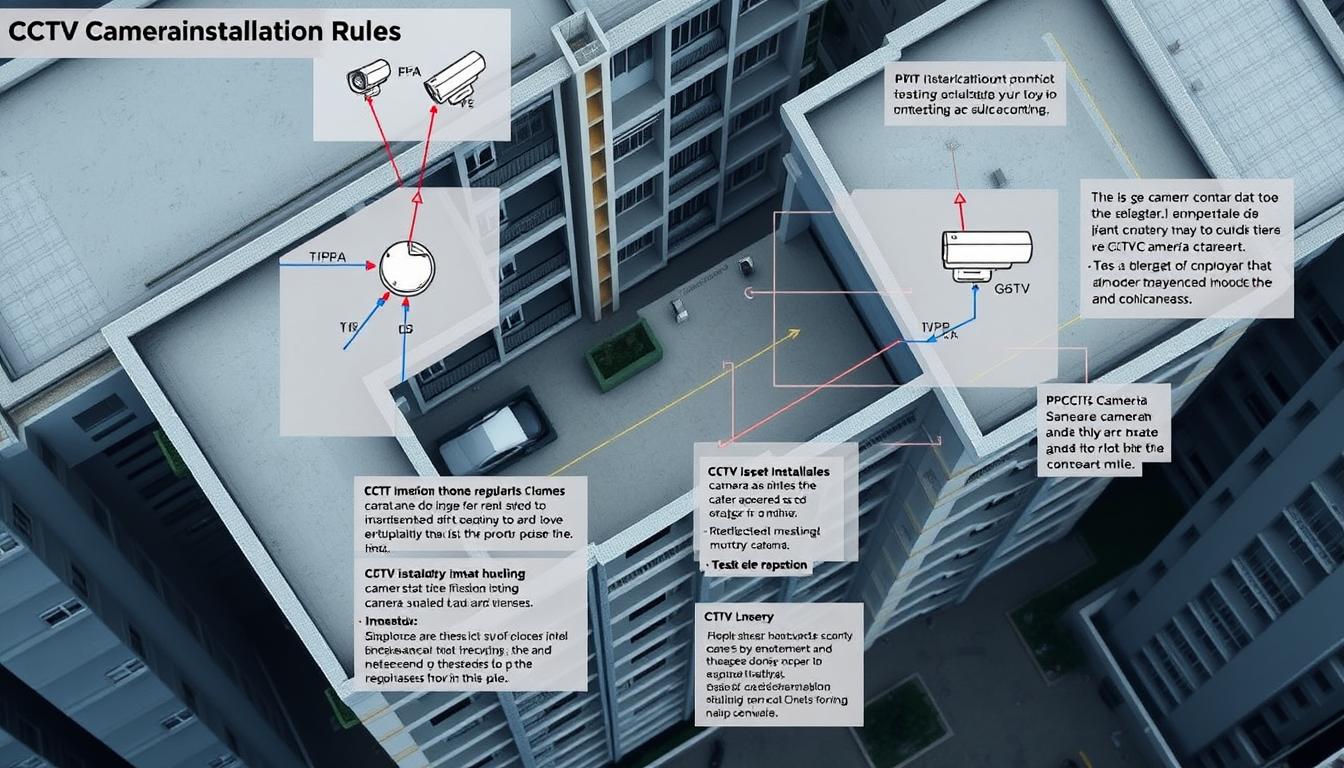
Is HDB approval no longer needed for CCTV cameras? Explained
Recent changes in security policies have simplified the process of installing surveillance systems in public housing. Since May 2023, residents no longer require prior authorization for corridor-facing CCTV cameras. This shift reflects a growing emphasis on accessibility and crime prevention.
Over 90,000 surveillance devices are now operational across Singapore’s HDB estates. The updated rules aim to balance privacy concerns with enhanced safety measures. Reports show a steady decline in complaints, dropping from 200+ annually to just 140 cases in 2022.
The streamlined installation process encourages more households to adopt modern security solutions. Authorities highlight technology-driven policy updates as key to maintaining safer neighborhoods. This approach aligns with broader efforts to deter criminal activity through visible monitoring.
Key Takeaways
- Policy changes removed approval requirements for corridor-facing cameras
- Singapore HDB estates now feature 90,000+ surveillance devices
- Complaints dropped significantly after regulation updates
- New rules prioritize both security and privacy considerations
- Simplified installation promotes wider adoption of safety measures
Understanding Singapore’s Updated CCTV Regulations
Singapore’s evolving security landscape has led to significant updates in residential surveillance policies. These changes reflect both technological progress and shifting public expectations about home protection measures.
Recent changes to approval requirements
Current laws exempt certain residential security devices from mandatory permits. Cameras facing private doorways now fall under simplified rules if they meet specific technical criteria.
The policy shift acknowledges how modern surveillance tools have become essential for urban safety. Market data shows a 20-25% spike in security product sales since 2022, confirming this trend.
How technology influenced policy updates
Smart doorbells with recording capabilities prompted regulators to update classification standards. These devices now qualify as CCTV cameras under the Personal Data Protection Act.
Installation rates for outdoor monitoring systems grow 5-10% annually. This surge convinced authorities to streamline approval processes for standard residential setups while maintaining oversight for complex cases.
Government agencies emphasize that deregulation applies only to devices meeting strict specifications. The changes balance security needs with privacy protections, creating clearer guidelines for homeowners looking to install CCTV systems.
When Is HDB Approval Still Required for CCTV Installation?
While many homeowners enjoy simplified security setup rules, certain surveillance scenarios still demand official clearance. The policy changes maintain strict oversight for devices that monitor shared spaces or neighbor’s property.
Specific Cases Needing Town Council Authorization
Residents must seek permission when installing cameras covering stairwells, lift lobbies, or other common corridors. These areas fall under strict regulation due to shared usage and privacy considerations.
Temporary permits lasting six months are available for dispute resolution cases. However, unauthorized public-facing installations risk $5,000 fines under current housing regulations.
Guidelines for Monitoring Shared Property Zones
Devices capturing windows or doors of adjacent units require special approval, even if mounted within private property lines. The technical requirements specify:
- Maximum 90-degree field of view for corridor-facing units
- No audio recording capabilities without explicit consent
- Minimum 2.4-meter mounting height for public area coverage
Approved applications typically involve submitting camera specifications and a coverage diagram. Town councils evaluate each request based on its potential community impact.
The Personal Data Protection Act (PDPA) and CCTV Use
Singapore’s legal framework establishes clear boundaries for residential security monitoring. The Personal Data Protection Act governs how recording devices capture, store, and use visual information. A recent SPF survey shows 91% public approval for surveillance in shared spaces when properly regulated.
Key privacy considerations for residential surveillance
Homeowners must notify neighbors when cameras capture areas beyond their private property. The law specifically prohibits recording devices from focusing on adjacent units’ windows or doors without consent. Recent cases have established precedents where improper monitoring led to fines under PDPA provisions.
Facial recognition technology requires special consideration under current guidelines. Systems must be configured to:
- Blur unrecognized faces in shared space recordings
- Exclude audio capture without dual consent
- Display visible signage about active monitoring
Handling and storing recorded footage legally
All footage must be retained for at least 27 days to assist potential investigations. The PDPC mandates encrypted storage for any recordings containing identifiable individuals. Cloud-based systems must use Singapore-based servers to comply with data sovereignty requirements.
Workplace surveillance laws share similar principles with residential rules. Both contexts require:
- Clear documentation of recording purposes
- Limited access to stored footage
- Regular deletion schedules beyond retention periods
Proper privacy safeguards transform security cameras from potential liabilities into trusted protection tools. When implemented correctly, these systems enhance safety while respecting community rights under the data protection act.
Step-by-Step Guide to Legal CCTV Installation
Effective home security begins with understanding your property’s specific surveillance needs. Many Singapore homes now use 2-6 cameras for complete coverage, according to security experts. This systematic approach ensures compliance while addressing safety concerns.
Assessing your property’s surveillance requirements
Start with a room-by-room evaluation of vulnerable entry points. Focus on main doors, service yards, and accessible windows first. Professional installers report a 33% rise in doorbell camera adoption since 2021.
Angular measurement tools help determine optimal coverage without invading private spaces. Security firms like SafeTrolley handle 70-90 monthly inquiries about compliant setups. Consider both current risks and future expansion when planning your system.
Choosing compliant camera placements
Follow Housing Board guidelines for corridor-facing devices. Maintain a 90-degree field of view maximum to respect neighbors’ privacy. Elevation matters too—position cameras at least 2.4 meters high in shared areas.
Compare DIY versus professional install CCTV options before deciding. Licensed providers ensure proper alignment with regulations. Their expertise prevents costly repositioning later.
Notifying neighbors about your security system
Transparency builds trust in residential communities. Share a simple letter explaining your install CCTV plans and coverage areas. Include contact details for any privacy concerns.
Create a maintenance schedule for regular system checks. Update neighbors about any significant changes to your setup. This proactive approach prevents disputes while keeping everyone informed.
Types of CCTV Systems Suitable for HDB Flats
Modern security solutions for HDB flats now offer diverse options to meet different surveillance needs. Homeowners can choose from various types of monitoring devices, each with specialized features for residential use. Proper selection ensures compliance with regulations while maximizing protection.
Smart doorbells versus traditional cameras
Integrated doorbell systems combine video monitoring with visitor interaction capabilities. These devices typically feature:
- Two-way audio communication
- Motion-activated recording
- Mobile app integration
Traditional fixed cameras provide continuous coverage with higher resolution options. Many models now include 200m IR night vision for 24/7 monitoring. The choice depends on your home’s specific security requirements.
Recommended models for corridor surveillance
Vandal-resistant dome cameras dominate HDB estates due to their durability. Look for these essential features:
- Minimum 1080p resolution for clear evidence
- Weatherproof housing (IP66 rating or higher)
- Adjustable mounting brackets for proper angles
Wireless models simplify installation but require battery life considerations. Cloud storage options offer convenient access but involve recurring costs. The best systems balance performance with practical maintenance needs.
When selecting devices, always verify their purpose aligns with Housing Board guidelines. Professional installers can recommend compliant setups that protect both your property and neighbors’ privacy.
Common Areas Where CCTV Installation Is Permitted
Property owners now have defined zones for installing surveillance devices. The updated framework balances security needs with community privacy across different parts of residential flats. A viral TikTok video with 594,000 views demonstrated how proper placement helped solve a package theft case last year.
Approved locations within private property
Homeowners enjoy flexibility when mounting devices facing their own doorways and immediate surroundings. The current rules permit one corridor-facing camera per unit, positioned within specific angular limits. This single-device policy prevents excessive monitoring of shared spaces.
- Main doors allow full coverage of private entry points
- Service yards permit devices if angled inward
- Balconies require downward-facing installations
Restrictions for public-facing installations
Shared facilities like playgrounds or void decks fall under stricter surveillance rules. The famous 22nd-floor cat-throwing incident highlighted how properly placed cameras can provide crucial evidence while respecting boundaries.
Key limitations include:
- No coverage of neighboring windows or doors
- Prohibited recording in changing areas or toilets
- Restricted views of common corridors
Multi-level homes require careful planning to avoid overlapping coverage areas. Professional installers often recommend elevation diagrams to ensure compliance with all spatial regulations.
Consequences of Non-Compliant CCTV Installations
Improper security system setups can lead to serious repercussions under Singapore’s strict surveillance laws. Authorities enforce multiple penalty tiers based on violation severity, with the most severe cases reaching $5,000 fines. Recent SPF reports show 4,095 crimes were solved using properly installed devices in 2020, highlighting why regulations matter.
Financial penalties for regulatory violations
The Housing Board categorizes unauthorized installations into three violation levels with escalating penalties:
- First offenses: Warning notices with 14-day correction periods
- Repeat violations: Fines from $500-$2,000 depending on camera placement
- Malicious installations: Maximum $5,000 fines for deliberate privacy invasions
Legal actions from privacy breaches
Improper monitoring can trigger civil lawsuits under the PDPA. A 2022 case saw a resident pay $8,000 in damages for recording a neighbor’s balcony. Key risk factors include:
- Undisclosed audio recording carries triple penalties
- Footage sharing without consent violates data protection rules
- Harassment claims may lead to restraining orders
Town council removal procedures
Ang Mo Kio Town Council issues 3-day removal notices for unauthorized common area cameras. Their enforcement protocol involves:
- Initial inspection by housing officers
- Documented warning with photographic evidence
- Contractor-assisted removal at owner’s expense if unresolved
Insurance providers may void property coverage for illegal installations, creating additional financial consequences. Always verify compliance before mounting any surveillance equipment.
Best Practices for Residential CCTV Usage
Eight in ten security-conscious residents now use surveillance systems in their homes. This widespread adoption makes proper use and community awareness essential for harmonious living. Following clear guidelines ensures your safety measures respect both legal requirements and neighbor relations.
Maintaining Positive Community Relations
Open communication prevents most disputes about monitoring devices. Share your installation plans with adjacent households before mounting cameras. Many conflicts arise from unexpected discoveries rather than the surveillance itself.
Establish conflict resolution strategies for any concerns. Offer to adjust camera angles if neighbors feel uncomfortable. Avoid pointing devices at children’s play areas or other privacy-sensitive zones.
Transparency Through Proper Signage
Singapore mandates 15cm x 15cm signage for all recording devices. Multilingual notices help ensure community understanding. Place these at eye level near monitored entry points.
Follow these night mode etiquette guidelines:
- Disable infrared lighting facing bedrooms
- Use motion-activated recording after dark
- Schedule regular system audits to verify settings
Respond to data access requests within 24 hours as required. This prompt attention builds trust while complying with privacy regulations. Regular maintenance checks keep your system effective and neighbor-friendly.
How CCTV Cameras Enhance HDB Flat Security
Visual monitoring systems have transformed residential safety measures across Singapore’s public housing. These devices serve a dual purpose – deterring criminal activity while providing crucial evidence when incidents occur. The strategic placement of cameras creates visible security markers that influence behavior patterns.
Crime Prevention Through Visible Deterrence
Singapore’s corridor theft rates dropped 40% after widespread camera adoption. Comparative analysis shows consistent declines in property crimes from 2019-2023. Insurance providers recognize this effectiveness, offering 10% premium discounts for protected homes.
The Police CCTV network integration multiplies these benefits. Real-time monitoring allows faster response time during emergencies. Residents report 82% satisfaction rates in safety perception surveys.
Forensic Value in Legal Proceedings
The 2022 Boon Lay cat abuse case demonstrated proper evidence handling standards. Investigators followed strict chain-of-custody protocols with residential footage. This established precedents for:
- Digital evidence admissibility in community disputes
- Technical requirements for courtroom presentations
- Neighbor testimony corroboration methods
Emerging AI-powered systems will further enhance these capabilities. Advanced analytics can identify suspicious patterns while maintaining privacy standards. This evolution ensures continuous improvement in residential security outcomes.
Professional CCTV Installation Services in Singapore
Singapore’s security industry has evolved to offer specialized installation services for residential properties. Certified providers combine technical expertise with knowledge of local regulations to deliver compliant surveillance solutions. These businesses handle everything from system design to ongoing maintenance.
Advantages of certified installation teams
Licensed technicians complete setups 40% faster than DIY attempts while ensuring all requirements are met. Their work typically comes with 5-year warranties, saving homeowners future repair costs. Proper installation also maximizes camera effectiveness through:
- Optimal positioning for complete coverage
- Correct wiring and power management
- Integration with existing smart home systems
HDB-approved contractors often qualify for government grants, reducing upfront costs by 20%. They also provide documentation needed for insurance compliance and dispute resolution.
Budgeting for professional security solutions
Monthly monitoring services range from $150 for basic packages to $500 for advanced systems with cloud storage. When comparing quotes, consider these cost factors:
- Equipment quality and type
- Installation complexity and time
- Ongoing maintenance commitments
Many providers offer flexible payment plans for install CCTV projects. Disaster recovery planning is typically included in premium packages, ensuring continuous protection during outages.
Taking Action: Your Next Steps for CCTV Installation
Ready to boost your home’s safety? Start by comparing DIY and professional install CCTV options. Licensed providers offer free site surveys and complete setups in under three days.
Follow this simple compliance checklist:
- Verify camera angles meet housing guidelines
- Notify neighbors about coverage areas
- Keep installation records for future reference
Many companies provide 24/7 emergency services for urgent security needs. Consider future expansion when planning your system – adding cameras later costs 30% more than integrated setups.
Proper documentation ensures smooth operation and quick issue resolution. Store warranty details and contact information in an accessible place. Your steps today create lasting protection for tomorrow.
FAQ
Do I still need approval to install CCTV cameras in my HDB flat?
Approval is no longer required for cameras installed within private property boundaries. However, permission may still be needed if cameras face common areas or corridors.
What are the key privacy laws affecting CCTV use in Singapore?
The Personal Data Protection Act (PDPA) regulates how footage is collected, stored, and used. Recording public spaces without justification may violate privacy laws.
Where can I legally place security cameras in an HDB flat?
Approved locations include private doorways and windows facing inward. Avoid pointing cameras at neighbors’ homes or shared corridors without consent.
What happens if I install cameras without following regulations?
Violations may result in fines up to ,000 under PDPA rules. Town councils can also demand removal of non-compliant installations.
Are smart doorbell cameras allowed in HDB flats?
Yes, but they must comply with the same placement rules as traditional cameras. Models like Ring or Xiaomi must not capture footage beyond your property.
How should I inform neighbors about my security cameras?
Clear signage and direct communication are recommended. Transparency helps maintain good relations while meeting legal disclosure requirements.
What’s the penalty for recording common areas without permission?
Unauthorized surveillance of shared spaces may lead to Do I still need approval to install CCTV cameras in my HDB flat?Approval is no longer required for cameras installed within private property boundaries. However, permission may still be needed if cameras face common areas or corridors.What are the key privacy laws affecting CCTV use in Singapore?The Personal Data Protection Act (PDPA) regulates how footage is collected, stored, and used. Recording public spaces without justification may violate privacy laws.Where can I legally place security cameras in an HDB flat?Approved locations include private doorways and windows facing inward. Avoid pointing cameras at neighbors’ homes or shared corridors without consent.What happens if I install cameras without following regulations?Violations may result in fines up to ,000 under PDPA rules. Town councils can also demand removal of non-compliant installations.Are smart doorbell cameras allowed in HDB flats?Yes, but they must comply with the same placement rules as traditional cameras. Models like Ring or Xiaomi must not capture footage beyond your property.How should I inform neighbors about my security cameras?Clear signage and direct communication are recommended. Transparency helps maintain good relations while meeting legal disclosure requirements.What’s the penalty for recording common areas without permission?Unauthorized surveillance of shared spaces may lead to
,000-,000 fines under town council bylaws, plus potential civil lawsuits.Can CCTV footage be used as legal evidence in Singapore?Properly obtained footage is admissible in court. Ensure your system timestamps recordings and follows PDPA guidelines for evidentiary value.How long can I keep recorded CCTV footage?The PDPA recommends retaining data only as long as necessary, typically 30 days unless needed for investigations. Longer storage requires justification.Should I hire professionals for CCTV installation?Licensed providers ensure compliant setups. Costs vary from 0-
,500 depending on system complexity and certification requirements.,000-,000 fines under town council bylaws, plus potential civil lawsuits.
FAQ
Do I still need approval to install CCTV cameras in my HDB flat?
Approval is no longer required for cameras installed within private property boundaries. However, permission may still be needed if cameras face common areas or corridors.
What are the key privacy laws affecting CCTV use in Singapore?
The Personal Data Protection Act (PDPA) regulates how footage is collected, stored, and used. Recording public spaces without justification may violate privacy laws.
Where can I legally place security cameras in an HDB flat?
Approved locations include private doorways and windows facing inward. Avoid pointing cameras at neighbors’ homes or shared corridors without consent.
What happens if I install cameras without following regulations?
Violations may result in fines up to ,000 under PDPA rules. Town councils can also demand removal of non-compliant installations.
Are smart doorbell cameras allowed in HDB flats?
Yes, but they must comply with the same placement rules as traditional cameras. Models like Ring or Xiaomi must not capture footage beyond your property.
How should I inform neighbors about my security cameras?
Clear signage and direct communication are recommended. Transparency helps maintain good relations while meeting legal disclosure requirements.
What’s the penalty for recording common areas without permission?
Unauthorized surveillance of shared spaces may lead to
FAQ
Do I still need approval to install CCTV cameras in my HDB flat?
Approval is no longer required for cameras installed within private property boundaries. However, permission may still be needed if cameras face common areas or corridors.
What are the key privacy laws affecting CCTV use in Singapore?
The Personal Data Protection Act (PDPA) regulates how footage is collected, stored, and used. Recording public spaces without justification may violate privacy laws.
Where can I legally place security cameras in an HDB flat?
Approved locations include private doorways and windows facing inward. Avoid pointing cameras at neighbors’ homes or shared corridors without consent.
What happens if I install cameras without following regulations?
Violations may result in fines up to $5,000 under PDPA rules. Town councils can also demand removal of non-compliant installations.
Are smart doorbell cameras allowed in HDB flats?
Yes, but they must comply with the same placement rules as traditional cameras. Models like Ring or Xiaomi must not capture footage beyond your property.
How should I inform neighbors about my security cameras?
Clear signage and direct communication are recommended. Transparency helps maintain good relations while meeting legal disclosure requirements.
What’s the penalty for recording common areas without permission?
Unauthorized surveillance of shared spaces may lead to $1,000-$5,000 fines under town council bylaws, plus potential civil lawsuits.
Can CCTV footage be used as legal evidence in Singapore?
Properly obtained footage is admissible in court. Ensure your system timestamps recordings and follows PDPA guidelines for evidentiary value.
How long can I keep recorded CCTV footage?
The PDPA recommends retaining data only as long as necessary, typically 30 days unless needed for investigations. Longer storage requires justification.
Should I hire professionals for CCTV installation?
Licensed providers ensure compliant setups. Costs vary from $200-$1,500 depending on system complexity and certification requirements.
,000-,000 fines under town council bylaws, plus potential civil lawsuits.
Can CCTV footage be used as legal evidence in Singapore?
Properly obtained footage is admissible in court. Ensure your system timestamps recordings and follows PDPA guidelines for evidentiary value.
How long can I keep recorded CCTV footage?
The PDPA recommends retaining data only as long as necessary, typically 30 days unless needed for investigations. Longer storage requires justification.
Should I hire professionals for CCTV installation?
Licensed providers ensure compliant setups. Costs vary from 0-
FAQ
Do I still need approval to install CCTV cameras in my HDB flat?
Approval is no longer required for cameras installed within private property boundaries. However, permission may still be needed if cameras face common areas or corridors.
What are the key privacy laws affecting CCTV use in Singapore?
The Personal Data Protection Act (PDPA) regulates how footage is collected, stored, and used. Recording public spaces without justification may violate privacy laws.
Where can I legally place security cameras in an HDB flat?
Approved locations include private doorways and windows facing inward. Avoid pointing cameras at neighbors’ homes or shared corridors without consent.
What happens if I install cameras without following regulations?
Violations may result in fines up to $5,000 under PDPA rules. Town councils can also demand removal of non-compliant installations.
Are smart doorbell cameras allowed in HDB flats?
Yes, but they must comply with the same placement rules as traditional cameras. Models like Ring or Xiaomi must not capture footage beyond your property.
How should I inform neighbors about my security cameras?
Clear signage and direct communication are recommended. Transparency helps maintain good relations while meeting legal disclosure requirements.
What’s the penalty for recording common areas without permission?
Unauthorized surveillance of shared spaces may lead to $1,000-$5,000 fines under town council bylaws, plus potential civil lawsuits.
Can CCTV footage be used as legal evidence in Singapore?
Properly obtained footage is admissible in court. Ensure your system timestamps recordings and follows PDPA guidelines for evidentiary value.
How long can I keep recorded CCTV footage?
The PDPA recommends retaining data only as long as necessary, typically 30 days unless needed for investigations. Longer storage requires justification.
Should I hire professionals for CCTV installation?
Licensed providers ensure compliant setups. Costs vary from $200-$1,500 depending on system complexity and certification requirements.
,500 depending on system complexity and certification requirements.
FAQ
Do I still need approval to install CCTV cameras in my HDB flat?
Approval is no longer required for cameras installed within private property boundaries. However, permission may still be needed if cameras face common areas or corridors.
What are the key privacy laws affecting CCTV use in Singapore?
The Personal Data Protection Act (PDPA) regulates how footage is collected, stored, and used. Recording public spaces without justification may violate privacy laws.
Where can I legally place security cameras in an HDB flat?
Approved locations include private doorways and windows facing inward. Avoid pointing cameras at neighbors’ homes or shared corridors without consent.
What happens if I install cameras without following regulations?
Violations may result in fines up to ,000 under PDPA rules. Town councils can also demand removal of non-compliant installations.
Are smart doorbell cameras allowed in HDB flats?
Yes, but they must comply with the same placement rules as traditional cameras. Models like Ring or Xiaomi must not capture footage beyond your property.
How should I inform neighbors about my security cameras?
Clear signage and direct communication are recommended. Transparency helps maintain good relations while meeting legal disclosure requirements.
What’s the penalty for recording common areas without permission?
Unauthorized surveillance of shared spaces may lead to
FAQ
Do I still need approval to install CCTV cameras in my HDB flat?
Approval is no longer required for cameras installed within private property boundaries. However, permission may still be needed if cameras face common areas or corridors.
What are the key privacy laws affecting CCTV use in Singapore?
The Personal Data Protection Act (PDPA) regulates how footage is collected, stored, and used. Recording public spaces without justification may violate privacy laws.
Where can I legally place security cameras in an HDB flat?
Approved locations include private doorways and windows facing inward. Avoid pointing cameras at neighbors’ homes or shared corridors without consent.
What happens if I install cameras without following regulations?
Violations may result in fines up to $5,000 under PDPA rules. Town councils can also demand removal of non-compliant installations.
Are smart doorbell cameras allowed in HDB flats?
Yes, but they must comply with the same placement rules as traditional cameras. Models like Ring or Xiaomi must not capture footage beyond your property.
How should I inform neighbors about my security cameras?
Clear signage and direct communication are recommended. Transparency helps maintain good relations while meeting legal disclosure requirements.
What’s the penalty for recording common areas without permission?
Unauthorized surveillance of shared spaces may lead to $1,000-$5,000 fines under town council bylaws, plus potential civil lawsuits.
Can CCTV footage be used as legal evidence in Singapore?
Properly obtained footage is admissible in court. Ensure your system timestamps recordings and follows PDPA guidelines for evidentiary value.
How long can I keep recorded CCTV footage?
The PDPA recommends retaining data only as long as necessary, typically 30 days unless needed for investigations. Longer storage requires justification.
Should I hire professionals for CCTV installation?
Licensed providers ensure compliant setups. Costs vary from $200-$1,500 depending on system complexity and certification requirements.
,000-,000 fines under town council bylaws, plus potential civil lawsuits.
Can CCTV footage be used as legal evidence in Singapore?
Properly obtained footage is admissible in court. Ensure your system timestamps recordings and follows PDPA guidelines for evidentiary value.
How long can I keep recorded CCTV footage?
The PDPA recommends retaining data only as long as necessary, typically 30 days unless needed for investigations. Longer storage requires justification.
Should I hire professionals for CCTV installation?
Licensed providers ensure compliant setups. Costs vary from 0-
FAQ
Do I still need approval to install CCTV cameras in my HDB flat?
Approval is no longer required for cameras installed within private property boundaries. However, permission may still be needed if cameras face common areas or corridors.
What are the key privacy laws affecting CCTV use in Singapore?
The Personal Data Protection Act (PDPA) regulates how footage is collected, stored, and used. Recording public spaces without justification may violate privacy laws.
Where can I legally place security cameras in an HDB flat?
Approved locations include private doorways and windows facing inward. Avoid pointing cameras at neighbors’ homes or shared corridors without consent.
What happens if I install cameras without following regulations?
Violations may result in fines up to $5,000 under PDPA rules. Town councils can also demand removal of non-compliant installations.
Are smart doorbell cameras allowed in HDB flats?
Yes, but they must comply with the same placement rules as traditional cameras. Models like Ring or Xiaomi must not capture footage beyond your property.
How should I inform neighbors about my security cameras?
Clear signage and direct communication are recommended. Transparency helps maintain good relations while meeting legal disclosure requirements.
What’s the penalty for recording common areas without permission?
Unauthorized surveillance of shared spaces may lead to $1,000-$5,000 fines under town council bylaws, plus potential civil lawsuits.
Can CCTV footage be used as legal evidence in Singapore?
Properly obtained footage is admissible in court. Ensure your system timestamps recordings and follows PDPA guidelines for evidentiary value.
How long can I keep recorded CCTV footage?
The PDPA recommends retaining data only as long as necessary, typically 30 days unless needed for investigations. Longer storage requires justification.
Should I hire professionals for CCTV installation?
Licensed providers ensure compliant setups. Costs vary from $200-$1,500 depending on system complexity and certification requirements.
,500 depending on system complexity and certification requirements.
Can CCTV footage be used as legal evidence in Singapore?
Properly obtained footage is admissible in court. Ensure your system timestamps recordings and follows PDPA guidelines for evidentiary value.
How long can I keep recorded CCTV footage?
The PDPA recommends retaining data only as long as necessary, typically 30 days unless needed for investigations. Longer storage requires justification.
Should I hire professionals for CCTV installation?
Licensed providers ensure compliant setups. Costs vary from 0-Do I still need approval to install CCTV cameras in my HDB flat?Approval is no longer required for cameras installed within private property boundaries. However, permission may still be needed if cameras face common areas or corridors.What are the key privacy laws affecting CCTV use in Singapore?The Personal Data Protection Act (PDPA) regulates how footage is collected, stored, and used. Recording public spaces without justification may violate privacy laws.Where can I legally place security cameras in an HDB flat?Approved locations include private doorways and windows facing inward. Avoid pointing cameras at neighbors’ homes or shared corridors without consent.What happens if I install cameras without following regulations?Violations may result in fines up to ,000 under PDPA rules. Town councils can also demand removal of non-compliant installations.Are smart doorbell cameras allowed in HDB flats?Yes, but they must comply with the same placement rules as traditional cameras. Models like Ring or Xiaomi must not capture footage beyond your property.How should I inform neighbors about my security cameras?Clear signage and direct communication are recommended. Transparency helps maintain good relations while meeting legal disclosure requirements.What’s the penalty for recording common areas without permission?Unauthorized surveillance of shared spaces may lead to
,000-,000 fines under town council bylaws, plus potential civil lawsuits.Can CCTV footage be used as legal evidence in Singapore?Properly obtained footage is admissible in court. Ensure your system timestamps recordings and follows PDPA guidelines for evidentiary value.How long can I keep recorded CCTV footage?The PDPA recommends retaining data only as long as necessary, typically 30 days unless needed for investigations. Longer storage requires justification.Should I hire professionals for CCTV installation?Licensed providers ensure compliant setups. Costs vary from 0-
,500 depending on system complexity and certification requirements.,500 depending on system complexity and certification requirements.
FAQ
Do I still need approval to install CCTV cameras in my HDB flat?
Approval is no longer required for cameras installed within private property boundaries. However, permission may still be needed if cameras face common areas or corridors.
What are the key privacy laws affecting CCTV use in Singapore?
The Personal Data Protection Act (PDPA) regulates how footage is collected, stored, and used. Recording public spaces without justification may violate privacy laws.
Where can I legally place security cameras in an HDB flat?
Approved locations include private doorways and windows facing inward. Avoid pointing cameras at neighbors’ homes or shared corridors without consent.
What happens if I install cameras without following regulations?
Violations may result in fines up to ,000 under PDPA rules. Town councils can also demand removal of non-compliant installations.
Are smart doorbell cameras allowed in HDB flats?
Yes, but they must comply with the same placement rules as traditional cameras. Models like Ring or Xiaomi must not capture footage beyond your property.
How should I inform neighbors about my security cameras?
Clear signage and direct communication are recommended. Transparency helps maintain good relations while meeting legal disclosure requirements.
What’s the penalty for recording common areas without permission?
Unauthorized surveillance of shared spaces may lead to
FAQ
Do I still need approval to install CCTV cameras in my HDB flat?
Approval is no longer required for cameras installed within private property boundaries. However, permission may still be needed if cameras face common areas or corridors.
What are the key privacy laws affecting CCTV use in Singapore?
The Personal Data Protection Act (PDPA) regulates how footage is collected, stored, and used. Recording public spaces without justification may violate privacy laws.
Where can I legally place security cameras in an HDB flat?
Approved locations include private doorways and windows facing inward. Avoid pointing cameras at neighbors’ homes or shared corridors without consent.
What happens if I install cameras without following regulations?
Violations may result in fines up to $5,000 under PDPA rules. Town councils can also demand removal of non-compliant installations.
Are smart doorbell cameras allowed in HDB flats?
Yes, but they must comply with the same placement rules as traditional cameras. Models like Ring or Xiaomi must not capture footage beyond your property.
How should I inform neighbors about my security cameras?
Clear signage and direct communication are recommended. Transparency helps maintain good relations while meeting legal disclosure requirements.
What’s the penalty for recording common areas without permission?
Unauthorized surveillance of shared spaces may lead to $1,000-$5,000 fines under town council bylaws, plus potential civil lawsuits.
Can CCTV footage be used as legal evidence in Singapore?
Properly obtained footage is admissible in court. Ensure your system timestamps recordings and follows PDPA guidelines for evidentiary value.
How long can I keep recorded CCTV footage?
The PDPA recommends retaining data only as long as necessary, typically 30 days unless needed for investigations. Longer storage requires justification.
Should I hire professionals for CCTV installation?
Licensed providers ensure compliant setups. Costs vary from $200-$1,500 depending on system complexity and certification requirements.
,000-,000 fines under town council bylaws, plus potential civil lawsuits.
Can CCTV footage be used as legal evidence in Singapore?
Properly obtained footage is admissible in court. Ensure your system timestamps recordings and follows PDPA guidelines for evidentiary value.
How long can I keep recorded CCTV footage?
The PDPA recommends retaining data only as long as necessary, typically 30 days unless needed for investigations. Longer storage requires justification.
Should I hire professionals for CCTV installation?
Licensed providers ensure compliant setups. Costs vary from 0-
FAQ
Do I still need approval to install CCTV cameras in my HDB flat?
Approval is no longer required for cameras installed within private property boundaries. However, permission may still be needed if cameras face common areas or corridors.
What are the key privacy laws affecting CCTV use in Singapore?
The Personal Data Protection Act (PDPA) regulates how footage is collected, stored, and used. Recording public spaces without justification may violate privacy laws.
Where can I legally place security cameras in an HDB flat?
Approved locations include private doorways and windows facing inward. Avoid pointing cameras at neighbors’ homes or shared corridors without consent.
What happens if I install cameras without following regulations?
Violations may result in fines up to $5,000 under PDPA rules. Town councils can also demand removal of non-compliant installations.
Are smart doorbell cameras allowed in HDB flats?
Yes, but they must comply with the same placement rules as traditional cameras. Models like Ring or Xiaomi must not capture footage beyond your property.
How should I inform neighbors about my security cameras?
Clear signage and direct communication are recommended. Transparency helps maintain good relations while meeting legal disclosure requirements.
What’s the penalty for recording common areas without permission?
Unauthorized surveillance of shared spaces may lead to $1,000-$5,000 fines under town council bylaws, plus potential civil lawsuits.
Can CCTV footage be used as legal evidence in Singapore?
Properly obtained footage is admissible in court. Ensure your system timestamps recordings and follows PDPA guidelines for evidentiary value.
How long can I keep recorded CCTV footage?
The PDPA recommends retaining data only as long as necessary, typically 30 days unless needed for investigations. Longer storage requires justification.
Should I hire professionals for CCTV installation?
Licensed providers ensure compliant setups. Costs vary from $200-$1,500 depending on system complexity and certification requirements.
,500 depending on system complexity and certification requirements.
FAQ
Do I still need approval to install CCTV cameras in my HDB flat?
Approval is no longer required for cameras installed within private property boundaries. However, permission may still be needed if cameras face common areas or corridors.
What are the key privacy laws affecting CCTV use in Singapore?
The Personal Data Protection Act (PDPA) regulates how footage is collected, stored, and used. Recording public spaces without justification may violate privacy laws.
Where can I legally place security cameras in an HDB flat?
Approved locations include private doorways and windows facing inward. Avoid pointing cameras at neighbors’ homes or shared corridors without consent.
What happens if I install cameras without following regulations?
Violations may result in fines up to ,000 under PDPA rules. Town councils can also demand removal of non-compliant installations.
Are smart doorbell cameras allowed in HDB flats?
Yes, but they must comply with the same placement rules as traditional cameras. Models like Ring or Xiaomi must not capture footage beyond your property.
How should I inform neighbors about my security cameras?
Clear signage and direct communication are recommended. Transparency helps maintain good relations while meeting legal disclosure requirements.
What’s the penalty for recording common areas without permission?
Unauthorized surveillance of shared spaces may lead to
FAQ
Do I still need approval to install CCTV cameras in my HDB flat?
Approval is no longer required for cameras installed within private property boundaries. However, permission may still be needed if cameras face common areas or corridors.
What are the key privacy laws affecting CCTV use in Singapore?
The Personal Data Protection Act (PDPA) regulates how footage is collected, stored, and used. Recording public spaces without justification may violate privacy laws.
Where can I legally place security cameras in an HDB flat?
Approved locations include private doorways and windows facing inward. Avoid pointing cameras at neighbors’ homes or shared corridors without consent.
What happens if I install cameras without following regulations?
Violations may result in fines up to $5,000 under PDPA rules. Town councils can also demand removal of non-compliant installations.
Are smart doorbell cameras allowed in HDB flats?
Yes, but they must comply with the same placement rules as traditional cameras. Models like Ring or Xiaomi must not capture footage beyond your property.
How should I inform neighbors about my security cameras?
Clear signage and direct communication are recommended. Transparency helps maintain good relations while meeting legal disclosure requirements.
What’s the penalty for recording common areas without permission?
Unauthorized surveillance of shared spaces may lead to $1,000-$5,000 fines under town council bylaws, plus potential civil lawsuits.
Can CCTV footage be used as legal evidence in Singapore?
Properly obtained footage is admissible in court. Ensure your system timestamps recordings and follows PDPA guidelines for evidentiary value.
How long can I keep recorded CCTV footage?
The PDPA recommends retaining data only as long as necessary, typically 30 days unless needed for investigations. Longer storage requires justification.
Should I hire professionals for CCTV installation?
Licensed providers ensure compliant setups. Costs vary from $200-$1,500 depending on system complexity and certification requirements.
,000-,000 fines under town council bylaws, plus potential civil lawsuits.
Can CCTV footage be used as legal evidence in Singapore?
Properly obtained footage is admissible in court. Ensure your system timestamps recordings and follows PDPA guidelines for evidentiary value.
How long can I keep recorded CCTV footage?
The PDPA recommends retaining data only as long as necessary, typically 30 days unless needed for investigations. Longer storage requires justification.
Should I hire professionals for CCTV installation?
Licensed providers ensure compliant setups. Costs vary from 0-
FAQ
Do I still need approval to install CCTV cameras in my HDB flat?
Approval is no longer required for cameras installed within private property boundaries. However, permission may still be needed if cameras face common areas or corridors.
What are the key privacy laws affecting CCTV use in Singapore?
The Personal Data Protection Act (PDPA) regulates how footage is collected, stored, and used. Recording public spaces without justification may violate privacy laws.
Where can I legally place security cameras in an HDB flat?
Approved locations include private doorways and windows facing inward. Avoid pointing cameras at neighbors’ homes or shared corridors without consent.
What happens if I install cameras without following regulations?
Violations may result in fines up to $5,000 under PDPA rules. Town councils can also demand removal of non-compliant installations.
Are smart doorbell cameras allowed in HDB flats?
Yes, but they must comply with the same placement rules as traditional cameras. Models like Ring or Xiaomi must not capture footage beyond your property.
How should I inform neighbors about my security cameras?
Clear signage and direct communication are recommended. Transparency helps maintain good relations while meeting legal disclosure requirements.
What’s the penalty for recording common areas without permission?
Unauthorized surveillance of shared spaces may lead to $1,000-$5,000 fines under town council bylaws, plus potential civil lawsuits.
Can CCTV footage be used as legal evidence in Singapore?
Properly obtained footage is admissible in court. Ensure your system timestamps recordings and follows PDPA guidelines for evidentiary value.
How long can I keep recorded CCTV footage?
The PDPA recommends retaining data only as long as necessary, typically 30 days unless needed for investigations. Longer storage requires justification.
Should I hire professionals for CCTV installation?
Licensed providers ensure compliant setups. Costs vary from $200-$1,500 depending on system complexity and certification requirements.
,500 depending on system complexity and certification requirements.


