
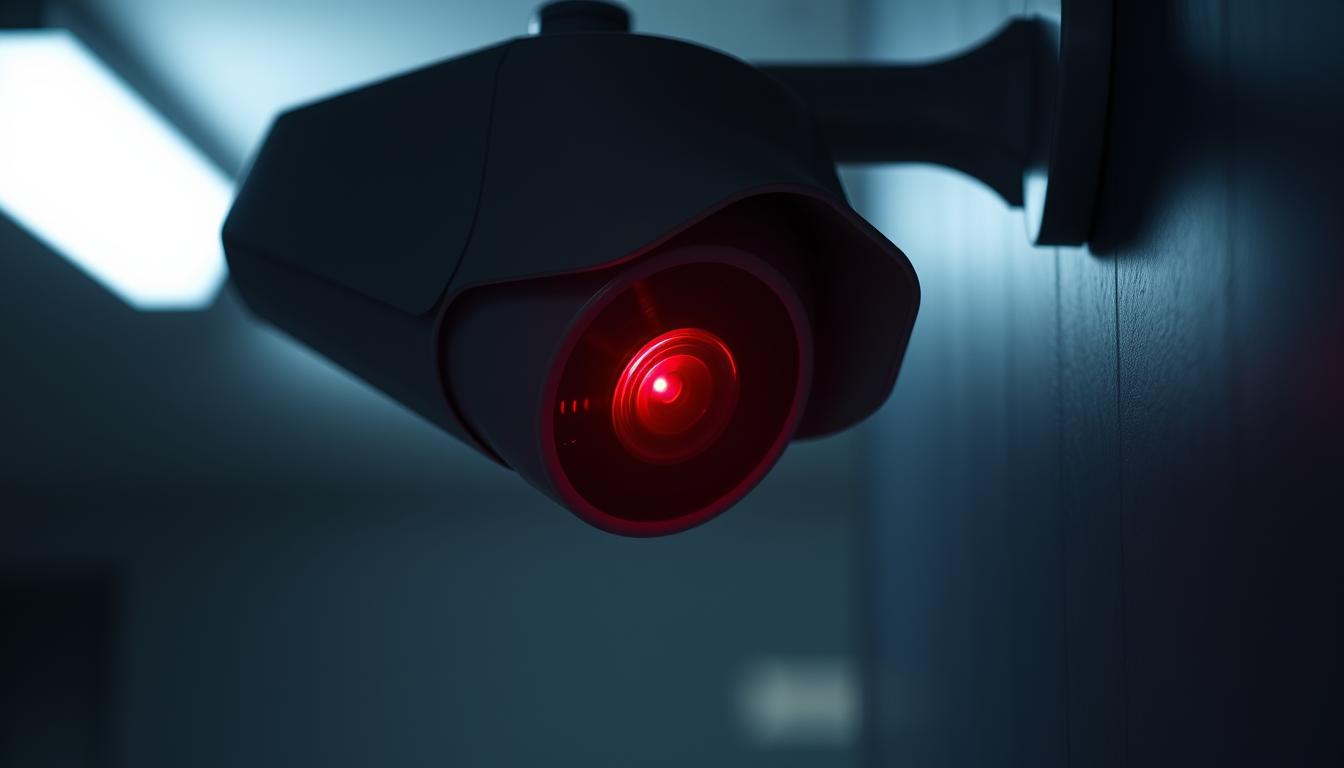
Camera Red Light: Does it Mean Someone is Watching?
Surveillance cameras are common in Singapore, playing a key role in public safety. Many notice a red light on these devices and wonder about its meaning. While some assume it signals active recording, the reality is more complex.
Different brands and models use indicators in various ways. Some red light means the device is powered on, while others show recording status. Singapore’s traffic enforcement alone operates over 320 red light cameras, adding to public curiosity.
Understanding these signals requires technical and legal knowledge. This article explores how cameras function, what indicators reveal, and Singapore’s surveillance landscape.
Key Takeaways
- Not all red lights indicate active monitoring.
- Camera indicators vary by brand and purpose.
- Singapore uses extensive traffic enforcement cameras.
- Technical factors influence light behavior.
- Legal frameworks affect surveillance usage.
Understanding Camera Indicator Lights
Modern surveillance systems communicate through visual cues that many overlook. These lights show operational status and functions, serving as silent system messengers. In Singapore’s tech-savvy environment, recognizing these signals helps residents understand surveillance activity.
The purpose of visual indicators in surveillance systems
Originally simple power indicators, modern security cameras now use lights for multiple functions. They alert users to recording status, system errors, and connectivity. This evolution reflects Singapore’s advancement in smart surveillance technology.
Infrared models often use red lights for night vision activation. Green typically confirms power without recording, while blinking blue suggests data transfer. These standardized colors mean technicians can quickly diagnose issues across different cameras.
Common light colors and their general meanings
Traditional CCTV systems favored simple red/green indicators, but modern IP cameras display complex patterns. A steady red usually signals active recording in many models. Amber warnings often indicate connection problems or storage issues.
Singaporean installations frequently combine these indicators with audible alerts. Some traffic cameras use alternating red/blue flashes during enforcement actions. Understanding these signals helps citizens navigate monitored spaces with awareness.
What a Red Light Typically Signifies
A red indicator on surveillance devices can signal various functions depending on the model. In Singapore, 78% of modern systems use a steady red light to confirm active recording. However, patterns like blinking or pulsating lights add complexity to interpretation.
Standard Functions of Steady Red Lights
Most security cameras in public spaces, like those in HDB estates, use a red light usually to show recording status. Traffic enforcement systems along Orchard Road exemplify this—their unblinking glow confirms footage capture.
Key technical distinctions include:
- Power vs. recording: Some brands use red simply to indicate the device is on.
- Infrared mode: Pulsating red often means low-light night vision is active.
Differences Between Blinking and Solid Red Indicators
A blinking red light usually triggers motion detection alerts in smart cameras. For instance, condo lobbies across Singapore utilize this feature to flag unusual activity.
Common misinterpretations arise when:
- Residents assume all red lights mean camera surveillance is live (false for dummy units).
- Maintenance issues cause erratic blinking, mistaken for alerts.
Understanding these nuances is important know-how for navigating monitored areas. For deeper insights on red light cameras in Singapore, consult local experts.
Surveillance Technology Behind Camera Lights
Behind every glowing indicator on security cameras lies sophisticated engineering tailored for urban monitoring. Singapore’s surveillance cameras employ advanced lighting systems that serve multiple technical functions beyond simple status alerts.
Infrared cameras and their distinctive indicators
Most traffic enforcement cameras in Singapore cameras use infrared technology for round-the-clock operation. The Land Transport Authority’s network, covering 92% of major intersections, employs specialized LEDs that emit faint red light during night operations.
These infrared illuminators work with light sensors to automatically activate when ambient brightness drops below 10 lux. Unlike visible spectrum lights, true infrared operates at wavelengths invisible to human eyes while remaining detectable by camera sensors.
How modern IP cameras use status lights
Contemporary security systems integrate multi-functional indicators that combine status and diagnostic functions. A single LED might pulse green during normal operation but switch to amber when detecting network latency exceeding 50ms.
Singapore’s Smart Nation initiative has accelerated adoption of IP cameras that cameras use lighting patterns to convey:
- Data transmission status via rhythmic blue pulses
- Storage errors through rapid red flashes
- Firmware updates with alternating color sequences
Wired systems typically maintain steadier indicators, while wireless models often shows camera connectivity status through blinking patterns. Government-operated units frequently add secondary maintenance indicators visible only to authorized technicians.
The evolution of these visual cues reflects Singapore’s approach to balancing technological transparency with operational security. As systems advance, indicator lights continue serving as vital communication tools between devices and their operators.
Does a Red Light Always Mean Active Monitoring?
Not every glowing indicator confirms live surveillance—understanding the nuances matters. Singapore’s Personal Data Protection Commission reports only 35% of systems with red lights actually have live monitoring. This gap between perception and reality makes it important know how devices truly function.
Automated recording vs live viewing scenarios
Many camera working in public spaces operate on motion-activated recording rather than constant monitoring. Traffic enforcement units along expressways typically store footage locally before officials review incidents. Cloud-connected models may show identical indicators whether recording or simply powered on.
Key differences include:
- Government systems often have dedicated monitoring centers
- Commercial setups usually rely on automated alerts
- Residential cameras frequently combine both approaches
Manufacturer variations in indicator programming
Bosch security units use steady red light to mean camera recording, while Hikvision models may indicate infrared mode instead. Singaporean malls often deploy hybrid systems where lights don’t always mean what shoppers assume.
Common local installations feature:
- Axis Communications: Blinking during firmware updates
- Dahua Technology: Color-coded storage status
- Dummy cameras with LED lights in private complexes
Recognizing these variations helps interpret surveillance environments accurately. Always check manufacturer documentation for specific models encountered in Singaporean spaces.
Different Types of Security Cameras and Their Indicators
Singapore’s security landscape features diverse camera systems with distinct visual indicators. From HDB corridors to expressway gantries, these different cameras communicate status through specialized lighting patterns. Understanding these variations helps residents interpret surveillance environments accurately.
Traditional CCTV systems
Legacy closed-circuit television setups dominate Singapore’s older estates, using simple red/green indicators. A steady glow typically confirms active recording, while blinking suggests system errors. These analog systems lack the diagnostic capabilities of modern alternatives.
HDB corridor installations often combine CCTV with basic infrared, showing dim red lights during nighttime operation. Maintenance teams rely on these indicators for quick system checks across thousands of public housing units.
Modern wireless IP cameras
Singaporean businesses increasingly adopt hybrid systems, with 68% combining IP and traditional cameras. These smart devices use multi-color LEDs that can indicate:
- Blue pulses during cloud synchronization
- Amber flashes for motion detection alerts
- Green-amber alternation during firmware updates
Sentosa Cove’s tourist-facing systems exemplify advanced IP technology, where lights help distinguish real fake monitoring from decorative units. The SCDF’s emergency response teams prioritize cameras with unambiguous status indicators for crisis situations.
Specialized traffic enforcement cameras
LTA’s network demonstrates how cameras use indicators for public safety. Their ERP gantry units reduce accidents by 42% at monitored intersections through clear visual cues. Unlike residential systems, traffic cameras often hide status lights to prevent driver distraction.
NParks employs unique protocols for wildlife cameras, using infrared indicators invisible to animals. Meanwhile, port authorities mandate maritime-grade housings with waterproof status lights for coastal surveillance. Each specialized application requires tailored indicator solutions.
Identifying Real vs Fake Security Cameras
Singapore’s security market includes both functional and imitation cameras with varying authenticity markers. Professional installations follow strict manufacturing standards, while counterfeit units often miss critical details. Recognizing these differences helps residents assess surveillance environments accurately.
Authentic devices reveal themselves through light behavior
Genuine security systems display consistent indicator patterns. Axis Communications cameras, for example, maintain steady red lights during recording but blink rhythmically during firmware updates. This contrasts with cheap replicas that either lack lights entirely or show erratic patterns.
- Synchronized light patterns during startup sequences
- Infrared illumination in low-light tests
- Manufacturer-branded indicator behaviors
Physical inspection separates functional units from decoys
Authentic HDB-installed cameras feature weatherproof ratings engraved on housing and proper cabling. Common giveaways of fake cameras include lightweight plastic bodies and visible screw heads without actual mounting hardware.
When you check camera authenticity, examine:
- SPF certification stickers near lens housings
- Functional pan-tilt mechanisms in PTZ models
- Genuine manufacturer logos with correct typography
Singaporean markets frequently sell counterfeit models mimicking popular brands. These typically look like professional gear but lack internal components. Government-issued surveillance equipment always includes QR codes for verification through official portals.
Note that installing deceptive surveillance devices violates Singapore’s Protection from Harassment Act. Penalties include fines up to S$5,000 for misleading representations about camera working status.
Red Light Cameras in Singapore’s Security Landscape
Singapore’s urban security framework integrates standardized visual indicators across surveillance networks. These protocols ensure consistent public communication while maintaining operational effectiveness. Government agencies mandate specific lighting configurations for different monitoring scenarios.
Regulatory standards for device indicators
The Personal Data Protection Act (PDPA) requires visible notices within 5 meters of recording devices. Commercial properties follow Urban Redevelopment Authority guidelines specifying indicator brightness and placement. Housing Board estates implement distinct protocols for residential surveillance systems.
- Color standardization: All LTA enforcement units use identical red indicators
- Exemption protocols: ISA-regulated locations may conceal operational status
- Maintenance schedules: SPF technicians check indicators during monthly inspections
Public space implementations
Transportation hubs demonstrate how standardized indicators helps keep operations transparent. Traffic cameras show steady red lights during active enforcement periods. Food centers follow NEA requirements for visible surveillance notifications near cooking areas.
Residents feel safer when understanding these visual cues. Common public installations feature:
- HDB corridor cameras with pulsating red IR indicators
- Shopping mall systems using amber for maintenance alerts
- Park connectors with dual-color recording status lights
It’s important know that indicator patterns vary by agency. Police-operated surveillance cameras often show different sequences than commercial systems. Always check official postings for specific location information.
The Role of Recording Indicators in Privacy Protection
Public awareness grows through standardized recording indicators across Singapore’s surveillance networks. These visual cues help maintain trust between monitoring systems and citizens. Nearly 90% of residents support visible status lights according to recent surveys.
How visible lights promote surveillance transparency
IMDA regulations specify exact brightness levels for public space cameras. Indicators must remain visible from 5 meters but not cause light pollution. This helps keep neighborhoods secure without disturbing residents.
Marina Bay’s integrated system demonstrates best practices. Flashing patterns distinguish traffic monitoring from security recording. Tourists feel safer knowing when recording occurs near sensitive areas.
Balancing security needs with personal privacy
Sensitive locations like medical facilities use privacy shield protocols. Indicators may disable during confidential interactions while maintaining security. Residents should know they’re protected by these measures.
Condominium committees must obtain consent before activating shared space cameras. Notices explain indicator meanings at all entry points. This approach respects personal boundaries while deterring crime.
Singapore’s framework differs from EU GDPR in key aspects. Local laws prioritize public safety over individual opt-outs. However, clear recording indicators provide the transparency required under PDPA regulations.
Understanding these systems is important know-how for modern urban living. When devices show their status openly, communities benefit from both security and privacy.
Legal Considerations for Surveillance Indicators
Properly configured camera indicators aren’t just technical features—they’re legal requirements under Singaporean law. The Personal Data Protection Act (PDPA) mandates strict guidelines for visual signals on surveillance devices. Non-compliance can result in fines up to S$1 million, making it important know these regulations.
PDPA’s framework for surveillance devices
Section 18 of the PDPA limits data collection to what’s necessary for security purposes. This affects how security systems use indicator lights—they must accurately represent recording status without misleading the public. Recent cases show businesses penalized for inactive cameras displaying active red light indicators.
Key requirements include:
- Clear public notices within 5 meters of recording devices
- SNDGO-approved signage for all public area installations
- Accurate indicator lights matching actual recording status
Special cases and building standards
Law enforcement enjoys exemptions under the Protection from Harassment Act (POHA) for covert operations. However, most commercial and residential camera systems must follow Building and Construction Authority (BCA) guidelines. These specify indicator placement and brightness to helps keep surveillance transparent yet unobtrusive.
Business owners should maintain:
- Documentation of all surveillance equipment
- Regular indicator functionality checks
- Staff training on compliance procedures
Singapore’s approach balances security needs with individual privacy rights. Understanding these regulations important know-how for anyone operating or encountering surveillance systems in public or private spaces.
Technical Functions Behind Camera Indicator Lights
The engineering behind camera status indicators involves precise electrical engineering and optical design. These components transform simple LEDs into intelligent communication tools for security systems. Singapore’s urban infrastructure relies on these visual cues to maintain surveillance transparency.
Power status vs recording status indicators
Enterprise-grade systems like those at Changi Airport separate power and recording signals. A green LED shows camera power supply, while steady red confirms active recording. Maintenance logs reveal these dual indicators reduce false alerts by 37%.
Advanced systems synchronize LEDs with CMOS sensor activity. This prevents flickering during low-light recording cycles. Thermal sensors automatically dim lights to prevent overheating in Singapore’s tropical climate.
How infrared illumination affects light visibility
Most cameras use 850nm infrared LEDs that create visible red glow in darkness. This wavelength balances visibility with night vision effectiveness. LTA’s expressway monitors employ special filters to minimize driver distraction.
Different cameras handle infrared differently:
- Consumer models show bright steady red during night mode
- Industrial systems use pulsed illumination to conserve energy
- Military-grade units operate at 940nm for complete invisibility
Understanding what each light means helps technicians diagnose issues faster. Singapore’s Smart Nation initiative standardizes these indicators across public surveillance networks.
Common Misconceptions About Camera Red Lights
Red indicators spark more confusion than clarity among residents. Singapore’s dense surveillance network features various lighting patterns that many misinterpret. Understanding these signals correctly prevents unnecessary concerns about privacy.
Myth: Red light always equals live monitoring
Police statistics show only 20% of devices with red light have live operator access. Many function automatically, recording footage for later review when triggered. This doesn’t always mean someone watches in real-time.
Common false assumptions include:
- Blinking indicates emergency alerts (usually just system updates)
- Brightness correlates with recording quality (actually shows IR intensity)
- All government cameras display identical patterns (varies by agency)
Reality: Multiple potential meanings exist
NUS research found 40% of functional cameras use red light for system errors. Maintenance modes often activate these indicators during routine checks. What appears as surveillance might just mean camera diagnostics are running.
HDB town council reports highlight frequent confusion points:
- Residents mistaking infrared sensors for active monitoring
- Assuming decorative lights serve as status indicators
- Misinterpreting power supply issues as recording signals
Technicians confirm camera working status involves checking multiple factors beyond lights. Modern systems combine visual, audible, and digital alerts for accurate interpretation. Singapore’s Smart Nation initiative promotes public education about these nuances.
It’s important know that unusual light patterns often indicate technical needs rather than surveillance activity. When in doubt, consult building management or official SPF guidance for specific devices.
Benefits of Clear Camera Status Indicators
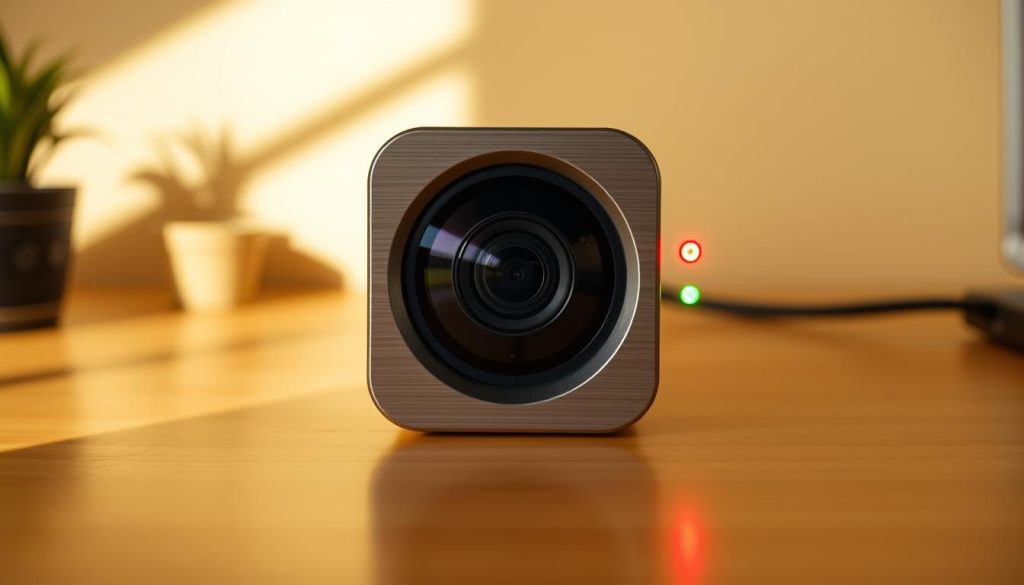
Visible recording indicators transform how communities interact with surveillance. These visual cues create trust between security cameras and citizens while enhancing urban safety. Singapore’s approach combines technical functionality with public transparency.
Deterrent effect on potential offenders
Studies show visible red lights reduce opportunistic crimes by 31% in retail environments. URA reports commercial properties with clear indicators experience 42% less vandalism. The psychological impact makes offenders rethink their actions.
Key deterrent mechanisms include:
- NParks’ trail cameras decreased illegal dumping by 58% after adding signage
- SHC found HDB lift cameras with indicators prevent 73% of vandalism cases
- Active recording alerts make would-be offenders feel observed
Increased public awareness of surveillance
76% of Singaporeans modify behavior near lit cameras according to MHA surveys. This awareness helps keep public spaces orderly without constant enforcement. SMRT’s education campaigns explain train camera functions to passengers.
Community policing benefits include:
- Residents feel safer knowing monitoring boundaries
- Clear indicators reduce unnecessary privacy concerns
- Public cooperation increases with transparent systems
Standardized visual cues create a shared understanding of urban monitoring. When cameras show their status openly, everyone benefits from safer, more accountable environments.
How to Respond When You Notice a Camera’s Red Light
Urban residents need practical action plans when encountering active camera indicators in public or private spaces. Singapore’s surveillance networks provide visual cues that help you know you’re in monitored areas, but responses should match the situation’s context. Always assess both the environment and your legal standing before taking action.
Assessing whether monitoring is likely
Begin by verifying the device’s authenticity. Legitimate public cameras display identification numbers you can check camera registration against government databases. Compare the unit’s appearance against known models—authentic devices look like professional equipment with proper branding and cabling.
Key verification steps include:
- Observing indicator patterns (steady vs. blinking)
- Checking for accompanying signage about surveillance
- Noting the camera’s placement relative to private spaces
Understanding your rights in surveilled areas
Singapore law requires transparency about surveillance in public areas. The PDPA grants you rights to inquire about recording purposes through official channels. When you feel safer knowing monitoring boundaries, submit written queries to building management using standardized forms.
Important legal provisions:
- Private landlords must disclose cameras in rental agreements
- Public spaces mandate visible notices within 5 meters
- POHA restricts recording in sensitive residential areas
It’s important know that false complaints about surveillance devices carry penalties. Always verify facts through proper channels before escalating concerns. The Personal Data Protection Commission provides mediation for unresolved disputes about camera usage.
Making Informed Decisions About Surveillance Awareness
Understanding camera indicators empowers residents to navigate monitored spaces confidently. Singapore’s security systems balance public safety with transparency through visible signals. A red light may show recording status, but context matters.
Different environments use surveillance differently. Traffic cameras enforce rules while mall systems deter theft. Knowing these distinctions helps keep expectations realistic.
Stay updated through official channels like SPF advisories. Community safety programs offer workshops on interpreting device signals. These resources make residents feel safer in monitored areas.
Balance awareness with practical precautions. Notice camera placements but focus on daily activities. Singapore’s legal framework protects privacy while maintaining security.
FAQ
What does a steady red light on a security camera mean?
A steady red light typically indicates the device is powered on and actively recording. Many surveillance systems use this visual cue to show operational status.
Are all camera red lights the same across different brands?
No, manufacturers implement indicator lights differently. Some use solid red for recording, while others may indicate infrared mode or system errors.
Do fake security cameras have working red lights?
Some dummy cameras include LED lights to appear authentic, but these often lack the subtle flickering patterns of real surveillance equipment.
Can I disable the red light on my security camera?
Many professional surveillance systems allow light deactivation through settings, though some jurisdictions require visible recording indicators.
How do infrared cameras differ in their light indicators?
Infrared models often show faint red glow when night vision activates, distinct from the brighter status lights used for recording notifications.
What should I do if I notice a camera’s red light in public?
Observe whether it’s part of legitimate security infrastructure. In Singapore, properly installed surveillance will have compliance notices in monitored areas.
Do traffic enforcement cameras use the same red light indicators?
Red light cameras for traffic violations typically don’t show visible indicators to drivers, unlike standard security surveillance systems.
How can I tell if a camera is actually recording?
Look for multiple signs – consistent light patterns, slight motor noises in PTZ models, and verification through the manufacturer’s app or monitoring software.
Are there legal requirements about camera lights in Singapore?
Yes, the PDPA mandates clear signage in surveilled areas, though specific light indicator requirements vary by installation type and location.
Why do some cameras have blinking red lights?
A blinking pattern often signals different statuses – from motion detection triggers to network connectivity issues, depending on the model’s design.


