
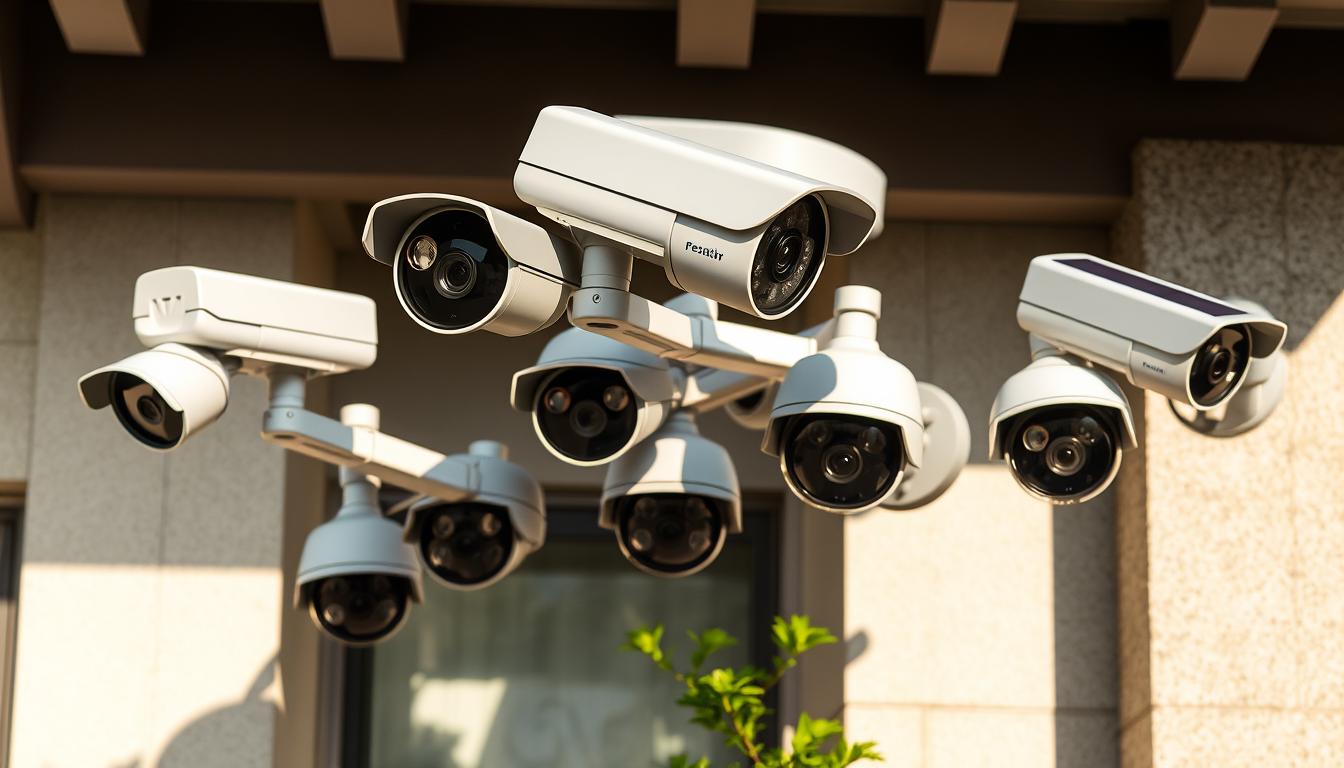
Wireless Solar CCTV System: A Comprehensive Buyer’s Guide
Keeping your property safe has never been easier with modern solar security cameras. These devices offer quick installation—often in under a day—without the hassle of wiring. They work off-grid, making them perfect for remote locations or areas with frequent power outages.
Singapore’s sunny climate provides 5-8 hours of daily sunlight, ideal for powering these cameras. With theft prevention a top priority for 70% of homeowners, 24/7 surveillance ensures peace of mind. Advanced lithium-ion batteries keep them running even during extended cloudy periods.
Popular models like the Hikvision DS-2XS6A87G1-L and Reolink Argus 4 Pro deliver high-quality 4K footage. Government incentives further encourage adoption, helping reduce both costs and carbon emissions by up to 40% compared to traditional setups.
Key Takeaways
- Fast setup—ready in under 24 hours
- No wiring needed, reducing installation complexity
- Operates off-grid with reliable battery backup
- Ideal for Singapore’s sunny weather conditions
- Supports eco-friendly energy use
Understanding Wireless Solar CCTV Systems
Innovative security solutions combine clean energy with advanced monitoring technology. Unlike conventional setups, these setups harness sunlight to operate independently, reducing reliance on grid power. This makes them ideal for Singapore’s climate, where abundant sunshine ensures consistent performance.
What Makes Solar-Powered Security Different
Traditional security camera systems often require complex wiring and frequent maintenance. Solar alternatives eliminate these hassles with self-sustaining designs. Monocrystalline panels, for example, achieve 20%+ efficiency, outperforming polycrystalline variants in low-light conditions.
Key Components of Solar CCTV Setup
A robust setup includes a 20W solar panel, 12Ah lithium-ion battery, and 4G/WiFi module. Professional kits often add pole mounts for flexible placement. Here’s how these parts work together:
- Solar panels: Monocrystalline types offer higher efficiency for limited spaces.
- Batteries: Lithium-ion lasts longer than deep-cycle options, with features like faster recharge cycles.
- Sensors: CMOS sensors enhance night vision up to 30m with infrared illuminators.
Storage options range from 256GB microSD cards to cloud subscriptions, balancing cost and accessibility. For connectivity, WiFi 6 ensures faster data transfer compared to 4G SIM cards in urban areas.
Why Choose a Wireless Solar CCTV System in Singapore
Singapore’s tropical climate offers the perfect conditions for energy-efficient security solutions. These setups use sunlight to power cameras, slashing electricity bills and minimizing environmental impact. With 5–8 hours of daily sunshine, they deliver reliable performance without needing grid power.
Energy Efficiency in Tropical Climates
High humidity and consistent sunlight make Singapore ideal for solar-powered devices. Monocrystalline panels capture 20% more energy than traditional options, even on cloudy days. Lithium-ion batteries store excess power, ensuring uninterrupted operation during monsoons.
Reduced Infrastructure Requirements
Traditional wired systems require trenching permits and costly labor. Solar alternatives offer an easy install, cutting setup costs by 60%. Urban Redevelopment Authority guidelines favor wireless setups for quick deployment:
- No permits: Skip trenching approvals for faster installation.
- Scalability: Add cameras effortlessly to expand coverage.
- Lower maintenance: Save 40% over 5 years compared to wired systems.
From temporary event security to permanent property monitoring, these systems adapt quickly. For Singaporeans prioritizing cost and convenience, they’re a smart choice.
Top Benefits of Solar-Powered Security Cameras
Eco-conscious security is reshaping how Singaporeans protect their homes and businesses. These cameras blend reliability with sustainability, offering round-the-clock monitoring while cutting energy costs.
24/7 Surveillance Without Power Concerns
Advanced lithium-ion batteries store enough solar energy to keep cameras running for days, even during monsoons. Each unit reduces annual CO2 emissions by 40kg—equivalent to planting 2 trees.
Environmentally Friendly Security Solution
Components ’re built for longevity, with recyclable materials making up 80% of the design. Singapore’s BCA Green Mark certification rewards such eco-friendly features, often qualifying users for government subsidies.
- 30% energy bill savings compared to wired systems
- Solar panels last 25+ years, outperforming traditional setups
- Carbon offsets calculated per camera for transparency
With no trenching or permits required, these systems save money and time while supporting Singapore’s sustainability goals.
Essential Features of Quality Solar CCTV Systems
High-performance security setups require careful feature selection for reliable operation. From battery life to weatherproofing, each component impacts effectiveness. Here’s what makes cameras great for Singapore’s unique conditions.
Battery Performance and Storage Capacity
Lithium-ion batteries dominate premium models, offering 5+ days of backup on a single charge. Look for 12Ah+ capacities paired with fast-charging solar panels. Storage options like 256GB microSD cards ensure footage retention during extended cloud cover.
Weather Resistance for Outdoor Use
IP67-rated housings withstand Singapore’s heavy rains and 90% humidity. Stainless steel mounts prevent corrosion, while tempered glass protects lenses. These features like anti-fog coatings maintain clarity in tropical climates.
Night Vision Capabilities
Starlight sensors capture 0.005 lux sensitivity—clearer than moonlight. Compare these advancements:
- Color night vision: Full-color footage at 30m range
- IR cutoff filters reduce glare for sharper images
- Smart illumination zones adjust brightness dynamically
For proof, review side-by-side footage of infrared vs. starlight modes. The difference in detail is striking.
How Solar-Powered Cameras Work in Different Conditions
Efficient power management ensures reliable operation in diverse environmental conditions. These cameras use smart systems to balance energy capture, storage, and usage, adapting seamlessly to Singapore’s weather fluctuations.
Sunlight Requirements and Cloudy Day Performance
Even with 5–8 hours of daily sunlight, cameras must handle overcast days. MPPT controllers boost efficiency by 30%, adjusting voltage to match panel output. Monocrystalline panels outperform in low light, ensuring consistent charging.
During extended cloud cover, sleep modes reduce power consumption by deactivating non-essential features. This preserves battery life while maintaining critical surveillance functions.
Energy Storage and Power Management
Lithium-ion batteries store excess energy, with 12Ah capacities supporting 5+ days of backup. Key mechanisms optimize performance:
- Load prioritization: Cameras and sensors receive power first during shortages.
- Voltage regulation: Prevents overcharging, extending battery lifespan.
- Remote monitoring: Alerts users to low-energy states via mobile apps.
Make sure firmware updates are enabled to refine these algorithms over time. This ensures your system stays ahead of weather-related challenges.
Installation Guide for Solar CCTV Systems
Setting up your security doesn’t have to be complicated with the right guidance. Proper placement and configuration ensure optimal performance. Follow these steps to make a smart choice for your property.
Optimal Placement for Solar Panels
Angle panels at 10–15 degrees toward the equator for maximum sunlight. Avoid shading from trees or buildings. Monocrystalline panels work best in Singapore’s climate, capturing energy even on cloudy days.
Camera Positioning Strategies
Mount cameras 8–10 feet high for broad coverage. Focus on entry points like gates and doors. Features like adjustable brackets help fine-tune the view. Test sightlines at night to confirm infrared range.
Wireless Network Configuration
For 4K streaming, WiFi 6 ensures stable connections. Use 5GHz bands for less interference in urban areas. Key steps:
- Encrypt with WPA3 to prevent unauthorized access
- Allocate bandwidth priority to cameras for uninterrupted feeds
- Enable 4G LTE failover during network outages
Mesh networks extend coverage up to 1km, ideal for large properties. This wireless security setup balances speed and reliability.
Comparing Solar CCTV Models Available in Singapore
Not all security cameras work well in tropical climates—here’s how top models compare. Singapore’s market offers diverse options, from budget-friendly picks to professional-grade setups. Key differences lie in resolution, smart features, and local support.
Entry-Level vs Professional Systems
Entry-level models like the Reolink Argus 4 Pro deliver solid 4K footage at a lower cost. Professional systems, such as the Hikvision DS-2XS6A87G1-L, add 8MP resolution and advanced analytics. The latter suits businesses needing detailed surveillance.
Feature Comparison of Popular Brands
Resolution: 4K (Reolink) captures finer details, while 8MP (Hikvision) excels in low light. Smart detection accuracy varies—Reolink’s AI reduces false alarms by 30% compared to standard motion sensors.
- App ecosystems: Reolink’s user-friendly app includes real-time alerts; Hikvision integrates with third-party security platforms.
- Singapore certifications: Both meet BCA Green Mark standards, but Hikvision holds additional IMDA compliance for public installations.
- After-sales service: Local support networks ensure faster repairs—Hikvision offers 48-hour response times for commercial clients.
For humid environments like Singapore, prioritize IP67 ratings and corrosion-resistant materials. Both brands excel here, but weigh features against your budget and coverage needs.
Price Ranges and Value Considerations
Budgeting for a security setup requires balancing upfront costs with lasting value. Solar security options in Singapore span from affordable basics to premium analytics packages. Smart buyers compare specs against their actual surveillance needs.
Initial Investment vs Long-Term Savings
Entry-level models (SGD 300-500) cover 1080p recording with basic motion alerts. While cheaper initially, they may lack night vision or smart detection. Over 5 years, their shorter lifespans often mean higher replacement costs.
Premium 4K units (SGD 800+) cut long-term expenses. Their lithium batteries last 3x longer than budget alternatives. Advanced features like person detection also reduce false alarms by 40%, saving review time.
What You Get at Different Price Points
Under SGD 500, expect:
- Single-camera kits with 100° viewing angles
- Local storage only (no cloud backups)
- Basic weather resistance (IP65 rating)
Mid-range (SGD 500-800) adds:
- Dual-band WiFi for stable connections
- 256GB storage expandability
- Color night vision up to 15m
Professional packages include 8MP resolution and 30-day cloud plans. Watch for bundle deals—some retailers throw in free installation for multi-camera orders.
For Singapore’s climate, prioritize corrosion-proof materials regardless of budget. This prevents hidden replacement costs from humidity damage.
Maintaining Your Solar Security System
Extending the lifespan of your security devices requires simple yet effective care. When cameras work well, they provide uninterrupted protection against threats. Follow these steps to ensure peak performance in Singapore’s humid climate.
Routine Cleaning and Care
Dust and rain residue can reduce efficiency. Wipe panels monthly with a microfiber cloth to maintain energy capture. For lenses, use a soft brush to prevent scratches.
Check mounts and housings for corrosion. Stainless steel components resist humidity, but tightening loose screws prevents long-term damage.
Battery Replacement Schedule
Lithium-ion batteries typically last 3–5 years. Monitor capacity degradation—replace when performance drops below 80%. Pro tip: Test voltage every 6 months with a multimeter.
- Recycling programs: Singapore’s e-waste bins accept old batteries safely.
- Most brands use standardized 12V batteries for easy swaps.
- Disconnect power before replacements to avoid short circuits.
- Budget SGD 120–200 for premium replacements with longer warranties.
“A well-maintained system cuts long-term costs by 30%.”
Weatherproofing for Singapore’s Climate
Singapore’s intense weather demands durable security solutions that can withstand extreme conditions. Solar cameras must combat 90% humidity, heavy rains, and temperatures reaching 55°C. Premium builds use aluminum heat sinks and sealed gaskets to protect internal components.
Humidity and Rain Protection
IP67-rated housings prevent moisture damage during monsoons. Look for anti-fog lenses and corrosion-resistant stainless steel mounts. These features like hydrophobic coatings repel water while maintaining clear footage.
Heat Tolerance and Ventilation
Thermal shutdown mechanisms activate when sensors detect overheating. Optimized airflow designs channel heat away from critical parts. Key innovations include:
- Sunshield accessories that reduce direct solar exposure by 40%
- Temperature logging for proactive maintenance alerts
- Expansion-tolerant materials that prevent warping
During even cloudy periods, these systems maintain stability. The best cameras great for Singapore balance weather resistance with consistent performance. Test units in local conditions before finalizing your choice.
Smart Features in Modern Solar CCTV
Modern security cameras now come packed with AI-driven features that redefine protection. These advancements help distinguish between real threats and false alerts, saving time and improving accuracy. Human and vehicle detection reaches 99% precision with lightning-fast 0.5-second triggers.
Mobile App Integration
Control your cameras from anywhere with intuitive apps. Receive instant push notifications when activity is detected. Live streaming in 4K quality ensures you never miss important details.
Advanced apps also allow:
- Custom detection zone mapping to focus on key areas
- Pet immunity settings to ignore animals under 25lbs
- Smart tracking that follows movement automatically
Motion Detection Technology
The latest motion detection systems use AI to analyze movement patterns. Sensitivity calibration adapts to environmental changes like falling leaves or heavy rain. This reduces false alarms by up to 80% compared to traditional sensors.
Key improvements include:
- Heat signature analysis to distinguish humans from objects
- Audio detection for glass breaks or aggressive sounds
- Cloud-based learning that improves accuracy over time
“AI-powered cameras now achieve near-perfect threat identification, making them indispensable for modern security.”
Best Applications for Solar Security Cameras
From homes to construction sites, reliable surveillance adapts to diverse needs. These cameras work seamlessly across environments, offering tailored protection with minimal maintenance. Whether safeguarding families or high-value equipment, their flexibility shines.
Residential Property Protection
Homeowners benefit from 24/7 monitoring without wiring hassles. A security camera system powered by sunlight deters intruders and records evidence. Features like smart motion detection reduce false alarms from passing wildlife.
In Singapore’s dense neighborhoods, compact designs blend discreetly with architecture. Night vision ensures clarity during blackouts, while mobile alerts keep residents informed in real time.
Commercial and Construction Site Use
Solar-powered units excel in remote locations where grid power is unreliable. Construction sites use them for theft prevention, with ROI reaching 400% from reduced equipment losses. Time-lapse documentation also tracks project progress.
- Remote monitoring: Supervise unmanned sites via 4G/WiFi feeds.
- Heavy equipment tracking: GPS-enabled models log asset movements.
- Multi-camera networks: Cover large areas with synchronized views.
“Industrial adopters report 30% fewer incidents with visible solar cameras.”
For compliance, select models with encrypted data storage to meet Singapore’s safety regulations. Industrial-grade housings withstand dust and vibrations, ensuring longevity.
Local Regulations and Compliance in Singapore
Navigating Singapore’s regulatory landscape ensures your security setup meets all legal standards. The Building and Construction Authority (BCA) mandates specific requirements for permanent installations, while HDB flats have additional restrictions. Following these rules makes your investment a smart choice that avoids fines or forced removals.
Privacy Considerations
Singapore’s Personal Data Protection Act governs how surveillance footage can be collected and used. Cameras must not point at neighboring properties or public spaces without needing explicit consent. For comprehensive guidance on ethical monitoring, review our solar security solutions that respect privacy boundaries.
Installation Guidelines
BCA approval is mandatory for wall-mounted units in condominiums and landed properties. The process involves three key steps:
- Submit structural load calculations from licensed contractors
- Demonstrate cable management meets fire safety codes
- Schedule mandatory inspection within 14 days post-installation
HDB residents benefit from an easy install process for non-permanent mounts. Temporary setups require only written notice to the town council if brackets don’t penetrate walls.
“Approved security installations must not exceed 2% of the facade’s total area per BCA Chapter 5.3.”
Contractors need BCA-accredited licenses for electrical work. Always verify credentials before hiring—unlicensed work voids equipment warranties and violates Singapore law.
Where to Buy Reliable Solar CCTV Systems
Smart buyers compare purchasing channels to maximize value and after-sales support. In Singapore, you’ll find authorized dealers, electronics chains, and specialized security providers. Each offers unique advantages depending on your installation needs and budget.
Trusted Retailers in Singapore
Specialty stores like SecurityWarehouse and CCTV Singapore provide expert advice for complex setups. They stock premium brands with local warranties, ensuring long-term reliability. Many offer free site surveys—valuable for multi-camera installations.
Major electronics chains such as Best Denki and Challenger carry popular consumer models. While selection may be smaller, you can inspect units physically before buying. Their extended service plans often save money on repairs.
Online vs In-Store Purchases
E-commerce platforms typically price items 15% lower than brick-and-mortar stores. However, verify seller ratings and return policies carefully. Look for “Official Store” badges when buying a security camera online.
Physical stores shine in these areas:
- Instant troubleshooting: Technicians can demo features on the spot
- Genuine products: Inspect packaging and hologram seals personally
- Custom configurations: Staff can pre-configure your entire system
For payment security, credit cards offer chargeback protection on both channels. Delivery timelines vary—express shipping often beats in-store pickup readiness for online orders.
Whether you prioritize convenience or hands-on support, Singapore’s market offers a smart choice for every buyer. Consider blending channels: purchase online after inspecting models in person.
Future-Proofing Your Security Investment
Staying ahead in security technology means anticipating tomorrow’s needs today. The best surveillance solutions grow with technological progress rather than becoming obsolete. Singapore’s rapid tech adoption makes future-proofing especially crucial for long-term protection.
Upgrade Paths for Modern Systems
Modular designs allow seamless integration of new components. Many cameras great for future needs feature tool-free access panels for easy upgrades. Consider these enhancement opportunities:
- Battery tech: Solid-state batteries promise 3x longer life than current lithium-ion
- Panel efficiency: Perovskite solar cells achieve 33% efficiency in lab tests
- Storage options:
- Edge-based analytics reduce cloud dependency
- On-device AI processors enable faster response
Emerging Innovations to Watch
Security technology evolves faster than ever. These advancements will redefine protection standards:
- Thermal imaging adoption: Detects heat signatures through smoke and fog
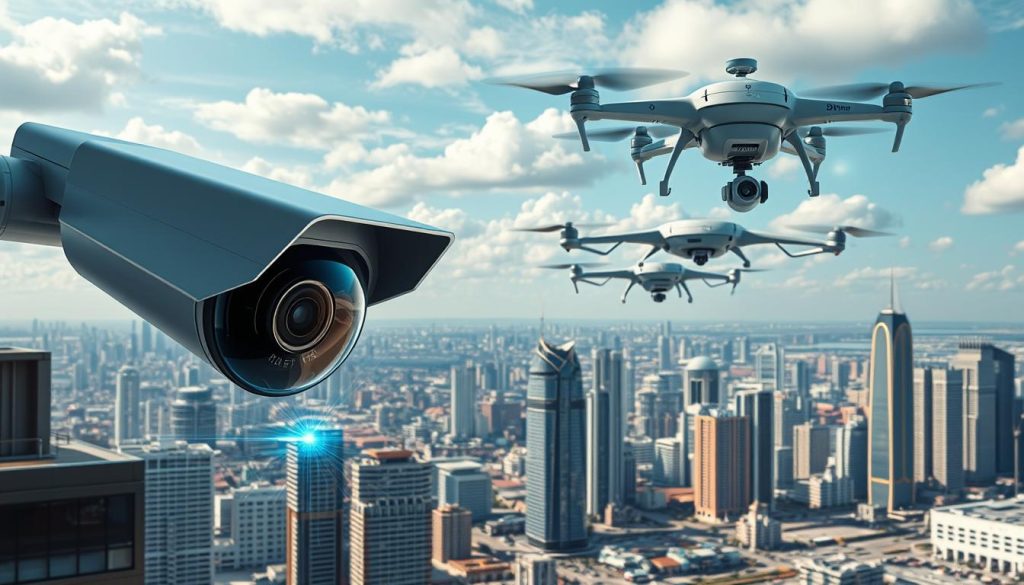
- Drone integration: Automated aerial patrols for large properties
- Blockchain verification: Tamper-proof footage authentication
Singapore’s tech hubs already test perovskite-enhanced panels that outperform traditional designs. When upgrading, prioritize systems with firmware update capabilities. This ensures compatibility with coming breakthroughs in wireless security.
“Investing in adaptable systems today saves 60% on replacement costs over five years.”
Look for manufacturers offering upgrade guarantees. Some premium brands provide trade-in programs for their solar powered equipment. This forward-thinking approach keeps your security current without complete system overhauls.
Making the Smart Choice for Your Property Security
Finalizing your security setup involves smart planning and expert advice. Balance budget and features—entry-level models suit basic needs, while premium options offer advanced analytics and durability.
Consult professionals like CCTV Maintenance Singapore (+65 6013 5960) for tailored solutions. Their team assesses site conditions, ensuring optimal placement and compliance with local regulations.
Implementation takes 1–3 days, depending on complexity. Post-installation support includes routine checks and troubleshooting. For neighborhoods, shared monitoring systems enhance community safety.
Choose solar security cameras that align with your priorities. Whether cost-efficiency or cutting-edge tech drives your decision, this smart choice safeguards your property for years.
FAQ
How do solar-powered security cameras work in Singapore’s climate?
These cameras use sun energy efficiently, even in cloudy conditions. The built-in battery stores power for days without sunlight, ensuring continuous operation.
What features should I look for in a quality solar security system?
Prioritize weather resistance, long battery life, and night vision. Features like motion detection and remote monitoring add extra security.
Can solar cameras work well in areas with limited sunlight?
Yes. Modern models store enough energy to function for days without needing direct sunlight, making them reliable in shaded or rainy locations.
Are solar-powered cameras suitable for commercial use?
Absolutely. They’re built for 24/7 surveillance, making them a smart choice for businesses, construction sites, and large properties.
How often do solar panels need maintenance in Singapore?
Routine cleaning every few months ensures optimal performance. The durable design withstands humidity and heat with minimal upkeep.
Do solar security systems save money over time?
Yes. By using solar energy, you eliminate electricity costs while benefiting from high video quality and reliable protection.
What’s the average lifespan of a solar-powered camera battery?
Most last 2–5 years, depending on usage. High-capacity models offer extended performance before needing replacement.
Can I install a solar CCTV system myself?
Yes. Wireless models like the Arlo Pro feature easy setup with no wiring. Just ensure proper placement for solar panels and cameras.


