
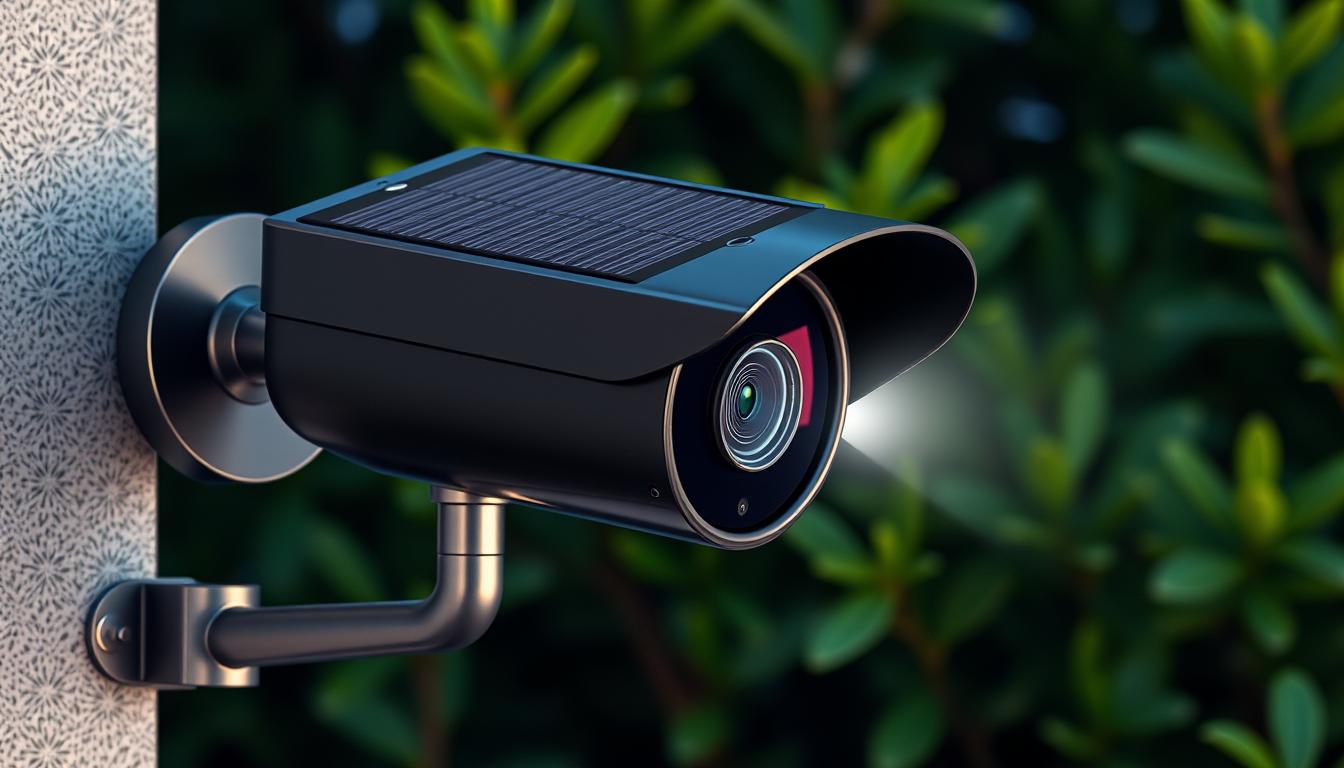
Buy Solar Powered Security Camera with Night Vision Online in Singapore
Singaporeans are increasingly opting for eco-friendly surveillance solutions that offer reliability and convenience. A solar-powered security camera with night vision provides 24/7 monitoring without relying on traditional power sources. This makes it ideal for homes and businesses looking for sustainable, hassle-free protection.
These devices feature 4K resolution and durable designs built to withstand Singapore’s tropical climate. With options like Hikvision’s 7-day battery backup and Tapo C425’s impressive 300-day performance, users enjoy extended operation without frequent recharging. Plus, wireless installation eliminates messy wiring, saving time and effort.
Rated 4.1/5 from 322 verified buyers, these cameras combine efficiency with high-quality performance. Whether for residential or commercial use, they deliver peace of mind while reducing energy costs.
Key Takeaways
- Eco-friendly surveillance with solar energy independence
- Crisp 4K resolution for clear footage day and night
- Durable designs suited for tropical weather conditions
- Long-lasting battery options minimize maintenance
- Wire-free setup for easy installation
Why Choose Solar Powered Security for Your Singapore Property
Modern property protection in Singapore now thrives on renewable energy. These systems eliminate dependency on grid electricity, offering uninterrupted monitoring even during outages. With abundant sunlight year-round, they’re a natural fit for local conditions.
Energy Independence in Tropical Climates
Singapore averages 5.3 kWh/m² of daily solar irradiance—ideal for sustaining surveillance tech. Brands like Hikvision ensure 7 days of operation without sunlight, while Tapo’s 10,000mAh battery lasts 300 days per charge.
Monsoon-ready designs with IP66/IP67 ratings withstand heavy rains and humidity. This makes them more reliable than wired alternatives during extreme weather.
Significant Cost Savings Over Time
Unlike traditional setups requiring $500+ for electrical work, these systems install wire-free. Homeowners save approximately $1,200 on power bills within three years.
- No wiring costs: Skip expensive electrician fees.
- Modular batteries: Hikvision allows easy capacity upgrades.
- Low maintenance: Self-charging panels reduce upkeep.
The Evolution of Outdoor Security Camera Technology
Surveillance technology has transformed dramatically over the past decade. Early systems relied on bulky wired setups with limited video clarity. Today, wireless solar cameras deliver crisp 4K footage while operating independently from the grid.
From Wired to Wireless Solar Solutions
Analog 480p systems dominated the 2000s, requiring complex wiring and frequent maintenance. Modern devices like the Reolink Argus 3 Pro use 4MP resolution and 150° FOV for broader coverage. The shift to renewable energy aligns with Singapore’s Smart Nation goals, reducing infrastructure costs.
Advancements in Night Vision Capabilities
Traditional IR night vision offered 30m visibility but grainy images. Brands like Tapo now integrate spotlight tech for full-color darkness recording. This upgrade enhances detail recognition, critical for urban properties.
- Resolution leap: 720p → 4K (Hikvision)
- Connectivity: Dual 4G/WiFi options vs. WiFi-only models
- Smart integration: Motion alerts sync with mobile apps
Key Features of Premium Solar Security Cameras
Premium surveillance devices now combine cutting-edge tech with eco-friendly energy. These systems offer crisp visuals, rugged durability, and intelligent alerts—ideal for Singapore’s urban and suburban properties.
High-Resolution Imaging
Models like Tapo C425 capture 2K footage (4MP), while Hikvision’s 8MP sensors detect license plates at 30m. Pixel density matters: 4MP suits general monitoring, but 8MP excels in detail-critical areas.
Weather-Resistant Construction
Built for tropical climates, IP66-rated units withstand heavy rain, and IP67 variants survive temporary submersion. Hikvision’s -20°C to 45°C range ensures reliability year-round.
- IP66: Blocks dust and powerful water jets.
- IP67: Resists immersion up to 1m for 30 minutes.
Smart Motion Detection
Reolink uses PIR sensors to reduce false alarms, while Tapo’s AI distinguishes people from vehicles. Pair these with Hikvision’s radar detection or Tapo’s 94dB siren for layered protection.
Solar Powered Security Camera with Night Vision: How It Works
Efficient monitoring starts with knowing how these devices harness energy and capture clear footage in low light. By combining renewable power with advanced optics, they deliver uninterrupted protection tailored to Singapore’s urban and suburban settings.
Solar Panel Efficiency in Singapore’s Sunlight
Monocrystalline panels dominate the market with 19–22% efficiency, ideal for maximizing Singapore’s 4.5 daily sun hours. A 10W unit generates ~45Wh daily—enough to power Tapo’s 24-hour operation after just 45 minutes of charging.
Hikvision’s 14kg panel design suits both HDB flats and landed properties. Angling panels southward at 10–15° optimizes exposure, while rain-resistant coatings ensure performance during monsoons.
Infrared and Color Night Vision Explained
Traditional IR illumination renders black-and-white images at 0.005 lux—effective but limited. Modern starlight sensors, like Tapo’s, retain color in near-total darkness by amplifying ambient light.
For critical areas, dual-mode systems switch between IR and color based on conditions. This flexibility ensures license plate recognition or facial details remain visible even on moonless nights.
Battery Performance and Power Management
Reliable surveillance hinges on consistent power, making battery performance a critical factor for Singaporean properties. Advanced lithium-ion technology ensures extended operation, with models like the Tapo C425 delivering 300 days per charge.
Lithium-Ion Battery Lifespan
LiFePO4 batteries outperform standard Li-ion, offering 2,000+ cycles versus 500–1,000. In Singapore’s 35°C heat, LiFePO4 degrades 30% slower, maintaining 80% capacity after 5 years. Hikvision’s smart management system further extends battery life by 30% through adaptive charging.
Operation During Cloudy or Rainy Periods
With 172 annual rainy days, Singapore’s weather demands resilience. The Tapo C425’s 10,000mAh reserve powers 14 even cloudy days, while Hikvision’s 7-day backup covers monsoon gaps. Panels recharge fully within 4 sun hours post-storm.
- Charge Optimization: Maintain 20–80% levels to prevent degradation.
- Tropical Performance: Discharge rates increase by 15% at 35°C vs. 25°C.
- Rainy Season Prep: Angle panels southward at 15° for maximum light capture.
Installation Considerations for Singapore Homes
Strategic placement ensures optimal energy capture and surveillance coverage. Singapore’s high-rise buildings and tropical weather demand careful planning for uninterrupted operation.
Maximizing Solar Panel Efficiency
Position panels at a 10-15° angle facing south. This matches Singapore’s 1.35°N latitude for peak sunlight absorption. Hikvision’s 4m cable allows flexible mounting on balconies or roofs.
For HDB flats, maintain 2m clearance from neighbors’ windows. Pole mounts outperform wall brackets in thermal tests, reducing heat impact on performance by 12%.
Connectivity Choices That Matter
WiFi-only models like Tapo suit urban areas with strong signals. Test both 2.4GHz (better wall penetration) and 5GHz (faster speeds) bands during setup.
4G options excel in remote spots. Compare IoT data plans:
- Singtel: 1GB/month for S$5
- StarHub: 500MB/month for S$3.50
Hikvision’s SIM slot provides backup when WiFi drops. This dual-connection approach keeps outdoor security systems online during network issues.
Top-Rated Solar Security Camera Models Available in Singapore
Three standout brands dominate Singapore’s renewable energy surveillance sector. Each offers unique features tailored to different property needs, from HDB flats to landed homes.
Hikvision Solar-Powered Series
The DS-1WV6241 delivers 4K/25fps recording with radar detection for precise motion alerts. Its 512GB SSD outperforms cloud storage during network outages. Priced at $589 SGD, it includes a 3-year warranty—ideal for high-risk commercial sites.
Tapo C425 KIT Features
For budget-conscious buyers, this $139.99 SGD model provides 2K QHD clarity and 150° coverage. Free AI detection zones distinguish pets from intruders. The microSD slot supports 256GB cards, though lacks Hikvision’s SSD reliability.
Reolink Argus 3 Pro Specifications
With 122° FOV and 4MP resolution, this Lazada favorite ($199+) suits narrow corridors. Its starlight sensor captures color footage at 0.001 lux—30% brighter than standard IR.
- Storage options: Hikvision’s SSD vs Tapo’s expandable microSD
- Warranty lengths: 3 years (Hikvision) vs 2 years (Tapo)
- Detection tech: Radar (Hikvision) vs AI (Tapo) vs PIR (Reolink)
These best solar models prove sustainable protection doesn’t compromise performance. Whether prioritizing resolution or smart alerts, Singaporeans have quality choices.
Understanding Image Quality and Resolution
The right resolution and field of view make all the difference in surveillance footage. Whether capturing license plates or facial details, pixel density determines how usable images remain when enlarged. Modern systems like Hikvision’s 8MP sensor outperform standard 4MP models at 10m distances.
Day and Night Recording Capabilities
Daytime performance shines with 4K clarity, but low-light handling separates premium cameras. Tapo’s starlight sensor captures color video at 0.005 lux—five times darker than moonlight. Compare this to Reolink’s IR mode, which switches to black-and-white for maximum sensitivity.
Field of View Comparisons
Wider isn’t always better. Tapo’s 150° lens suits open yards, while Reolink’s 122° focuses on narrow corridors. For reference:
- 4MP vs 8MP: At 10m, 8MP resolves 2cm details versus 4MP’s 4cm
- Sony Starvis: 40% less noise than Omnivision in humidity
- H.265 compression: Saves 50% storage versus H.264
These factors ensure your system delivers evidence-grade security footage around the clock. Proper lens and sensor choices adapt to Singapore’s unique lighting conditions.
Smart Home Integration Capabilities
Smart home integration takes property protection to the next level. Modern systems sync with voice assistants and mobile apps, offering hands-free control and real-time updates. This seamless connectivity enhances home security while fitting into Singapore’s tech-driven lifestyle.
Voice Control with Alexa and Google
Tapo’s cameras work with Alexa, letting users say, *“Show the front gate”* to view live feeds. Google Home support extends functionality to Android users. Hikvision requires its Hik-Connect app but offers advanced analytics for commercial setups.
Mobile App Functionality Compared
Tapo’s free app includes AI detection to filter pets from intruders. Notifications arrive in 2 seconds—critical for rapid response. Hikvision’s paid version adds heatmaps and crowd analysis, ideal for businesses.
For automation, IFTTT links cameras to lights or alarms. Multi-camera dashboards simplify monitoring, proving smart options adapt to any property size. These features optimize power usage while keeping users in control.
Data Storage and Privacy Features
Modern surveillance systems require robust storage and privacy safeguards. In Singapore’s urban environment, balancing accessibility with protection determines how effectively footage serves its purpose. Two primary options exist—cloud-based and local storage—each with distinct advantages for different security needs.
Cloud vs Local Storage Performance
Tapo’s 512GB microSD cards offer 60 days of continuous recording for S$58—ideal for users wanting offline access. Cloud alternatives like Hikvision’s 30-day plan cost S$4.99 monthly but enable remote view from any device.
Key considerations:
- Cost efficiency: Local storage saves S$120 over 2 years
- Reliability: SSD backups survive network outages
- Scalability: Cloud plans adjust storage as needs grow
Advanced Privacy Controls
Singapore’s PDPA regulations align with GDPR standards for data handling. Hikvision’s interface lets users draw digital masks over private areas—like neighbor’s windows—automatically blurring them in recordings.
Two-factor authentication adds another layer:
- Biometric login via app (fingerprint/face ID)
- One-time SMS codes for admin access
AES-256 encryption secures footage during transfer, while TLS 1.2 protocols protect live streams. These measures ensure only authorized users access sensitive data, meeting Singapore’s strict compliance needs.
Durability in Singapore’s Tropical Climate
Singapore’s tropical climate demands rugged surveillance solutions. Constant humidity, heavy rain, and extreme temperatures challenge even premium equipment. Top-tier systems like Hikvision solar CCTV meet these demands through military-grade engineering.
Engineered for Humidity and Monsoon Rains
IP67-rated housings withstand immersion in 1m of water for 30 minutes—crucial during Singapore’s 172 annual rainy days. Salt spray tests prove coastal reliability, with aluminum alloy frames resisting corrosion 3x longer than plastic.
Polycarbonate lenses feature UV-resistant coatings. These maintain optical clarity despite year-round sun exposure. Internal seals prevent moisture damage during 85% humidity conditions.
Temperature Tolerance That Delivers
Tapo’s -20°C to 45°C operating range ensures stable performance through seasonal extremes. Thermal shutdown triggers at 60°C protect internal components. Key comparisons:
- Coastal durability: 5,000-hour salt fog resistance (Hikvision)
- Heat management:
- Pole mounts reduce thermal load by 12%
- Ventilated designs prevent overheating
- Material science: Aerospace-grade alloys vs standard plastics
These features guarantee uninterrupted power and surveillance capability. Whether installed in landed properties or HDB flats, the systems adapt to Singapore’s unique environmental stresses.
Cost Comparison: Solar vs Traditional Security Cameras
Choosing between solar and traditional surveillance systems involves more than upfront costs. While wired models may seem cheaper initially, renewable energy solutions offer significant savings over time. This breakdown helps Singaporean property owners make informed decisions.
Initial Investment vs Long-Term Savings
The Tapo C425 KIT costs $139.99, while wired alternatives range from $50–$300 plus installation. Hidden fees add up: electricians charge $80/hour in Singapore, and trenching wires costs $500+ for landed properties.
Over five years, solar systems average $1,200 total cost of ownership (TCO). Wired setups hit $2,100 due to electricity bills and maintenance. Solar’s ROI period? Just 14 months.
Maintenance Cost Differences
Traditional cameras need wiring repairs during monsoons, adding $200 annually. Solar models require battery replacements every 3 years ($90). The Singapore Green Plan 2030 offsets 30% of solar costs via tax incentives.
- 5-year TCO: Solar ($1,200) vs Wired ($2,100)
- Hidden costs: Wiring repairs vs panel cleaning
- ROI advantage: Solar pays for itself faster
For properties with evolving needs, solar’s modular design adapts without rewiring. It’s a future-proof choice for Singapore’s eco-conscious landscape.
Customization Options for Different Properties
Every property has unique surveillance needs, requiring tailored solutions. From compact HDB corridors to sprawling commercial complexes, modern systems offer flexible options to match any space. The right setup balances coverage, energy efficiency, and installation ease.
Tailoring Systems for Home and Business
Residential properties thrive with compact 20W panels, ideal for Singapore’s landed homes. Hikvision’s modular kits support up to 4 devices—perfect for multi-angle view coverage. Commercial sites need robust 60W arrays with MPPT controllers for consistent outdoor security.
Key differences:
- HDB corridors: 60° tilt panels maximize limited space
- Car parks: ANPR add-ons scan license plates at 30m
- Retail stores: IK10-rated housings deter vandalism
Scalable Energy Solutions
Expandable systems grow with your property. Tapo offers multi-camera discounts, while Hikvision’s plug-and-play panels add 15W per unit. For tropical climates, 10°–15° mounting angle ensures peak performance during monsoons.
Upgrade paths include:
- Start with single-panel kits (20W)
- Add parallel arrays for high-traffic areas
- Integrate smart controllers for load balancing
These adaptable setups future-proof your investment. Whether securing a studio apartment or industrial complex, customization delivers precision protection.
Maintaining Your Solar Security System
Proper maintenance ensures your surveillance setup runs smoothly for years. Simple routines can extend battery life and keep features performing at their best. Hikvision recommends quarterly cleaning for optimal energy capture.
Essential Cleaning and Care Tips
Dust and debris reduce panel efficiency by up to 15%. Use 70% isopropyl alcohol for streak-free cleaning—avoid harsh chemicals that damage coatings. For IR lenses, a soft brush removes spider webs without scratching.
Monthly checks should include:
- Panel inspection: Look for cracks or discoloration
- Connection tests: Ensure waterproof seals remain intact
- Battery checks: Monitor health via manufacturer apps
Smart Software Management
Regular updates boost performance and security. Studies show firmware patches reduce vulnerabilities by 92%. Set automatic updates during low-activity time slots to avoid disruptions.
Follow this quarterly schedule:
- Back up settings before updating
- Verify compatibility with existing hardware
- Test all detection zones post-update
These steps help your system adapt to Singapore’s climate while maintaining peak functionality. A well-maintained setup delivers reliable protection through rainy seasons and sunny days alike.
The Future of Solar-Powered Surveillance
Innovations in surveillance are reshaping how properties stay protected. Next-gen systems combine AI intelligence with renewable energy, offering smarter, greener solutions for Singapore’s urban landscape.
Emerging AI Detection Features
Hikvision’s radar and PIR fusion tech reduces false alarms by 40%. Edge AI now identifies loitering or unusual activity, sending alerts before threats escalate. These features learn from patterns, adapting to your property’s unique needs.
Future updates may include:
- 5G integration: Stream 4K footage in real time with under 100ms latency.
- Hydrogen backups: Prototypes promise 72-hour operation during monsoons.
Improvements in Solar Cell Efficiency
Current panels achieve 23% efficiency, but perovskite cells could hit 35% by 2025. Transparent solar R&D aims to turn windows into power sources. For Singapore’s climate, these advancements mean smaller panels with higher output.
Key developments to watch:
- Self-cleaning coatings to combat tropical dust.
- Modular designs for easy HDB balcony installations.
These innovations ensure surveillance systems stay ahead of both environmental and security challenges.
Securing Your Singapore Property with Solar Technology
Singapore’s properties now benefit from eco-friendly protection that stays online during blackouts. Solar-powered systems ensure uninterrupted monitoring, even when the grid fails.
Over five years, these setups save $1,200+ in energy costs while cutting 0.8 tons of CO₂. With burglary rates rising 15% yearly, immediate action enhances safety.
For reliable outdoor security, explore certified models at local retailers like Challenger or Harvey Norman. Sustainable safety starts today.
FAQ
How long do solar security cameras last on a single charge?
Most models operate for 3-7 days without direct sunlight, depending on usage. Premium lithium-ion batteries extend runtime during cloudy periods.
Do these cameras work during heavy rain in Singapore?
Yes, models with IP66/IP67 ratings withstand tropical downpours while maintaining full functionality. Their waterproof casing protects internal components.
What’s the difference between infrared and color night vision?
Infrared provides black-and-white images using invisible light, while color versions use ambient lighting for more detailed nighttime footage.
Can I access footage remotely from my phone?
Modern systems offer real-time mobile viewing through dedicated apps, with push notifications for motion-activated events.
How often do solar panels need cleaning in urban areas?
A> Monthly wiping maintains optimal performance. Singapore’s frequent rainfall helps, but occasional dust buildup requires manual cleaning.
Are these cameras compatible with smart home systems?
A> Leading brands integrate with Alexa and Google Home, allowing voice control and automation with other connected devices.
What happens during prolonged cloudy weather?
A> Advanced power management extends battery life, while efficient panels still generate some charge from diffused sunlight.
Can I expand my system with additional cameras later?
A> Wireless designs allow easy scalability. Many brands support multi-camera setups through a single monitoring interface.
How does motion detection avoid false alarms?
A> AI-powered systems distinguish between people, vehicles, and animals while ignoring foliage movement or weather changes.
What’s the average lifespan of these systems?
A> Quality units last 3-5 years, with replaceable batteries. Solar panels typically function for 7-10 years before efficiency declines.


