
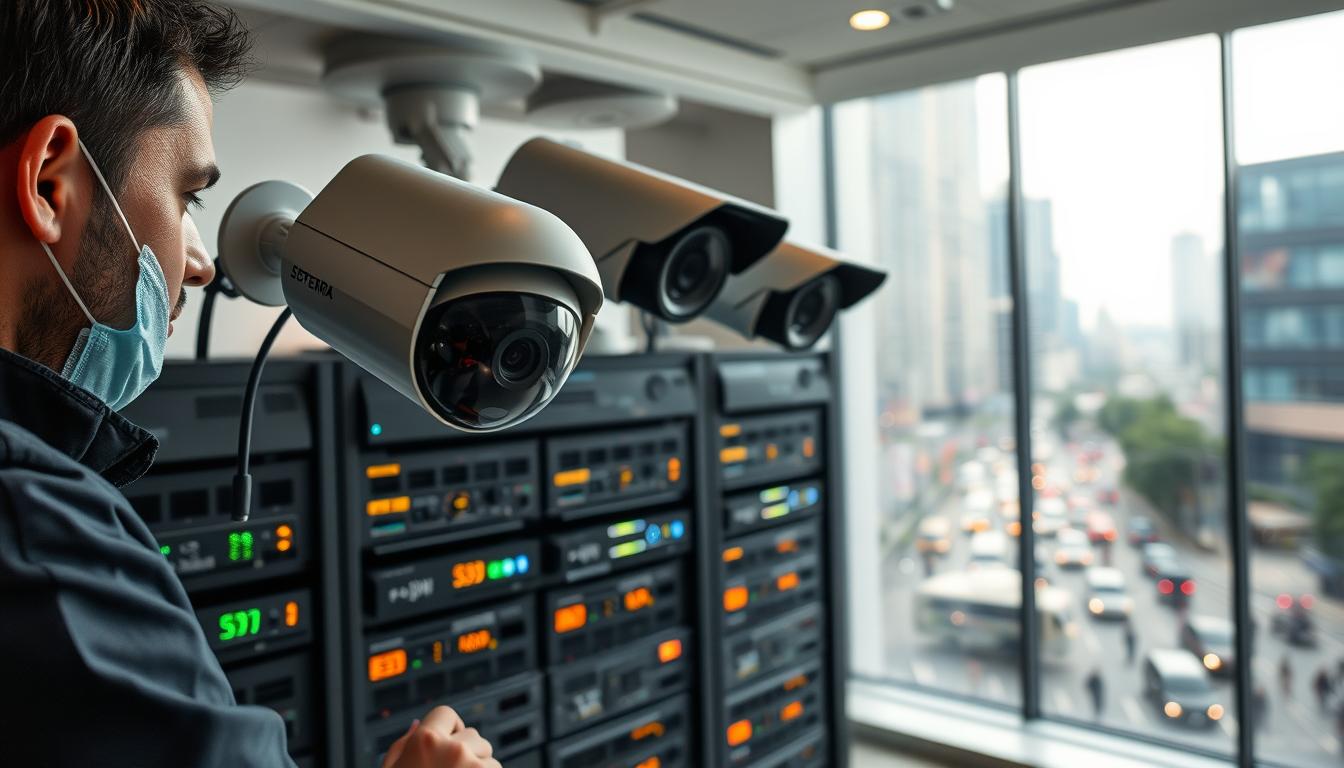
When should I replace my CCTV camera?
Knowing when to replace your CCTV camera is key to keeping your security systems working well. In Singapore, new tech and growing security threats mean you need to check your system often. This not only boosts your security but also lowers risks.
Understanding how long your CCTV gear lasts helps you stay ahead. Regular checks help find the best time for new gear. This keeps your surveillance upgrades ready for today’s challenges, in a fast-changing place like Singapore.
Key Takeaways
- Regular assessments of CCTV functionality are vital.
- Technological advancements impact the need for replacement.
- Identifying signs of deterioration can enhance your security.
- Modern systems address evolving security challenges efficiently.
- Proactive maintenance extends the lifespan of your cameras.
The Importance of CCTV Systems for Security
CCTV systems are key to improving safety and security in homes and businesses. They play a big role in stopping crimes by watching and recording incidents live. This makes places safer and gives people peace of mind.
How CCTV Systems Deter Crime
CCTV systems keep an eye on everything, acting as a strong crime stopper. Just seeing cameras can stop people from doing bad things. Plus, CCTV footage helps police catch criminals.
Essential Features of Modern CCTV Systems
Today’s CCTV systems have cool features that boost security in Singapore. They can record in high definition, like 1080p or 4K, making videos clear. They also have night vision for 24/7 watching. And, cloud storage lets you see footage anywhere, anytime. These updates make CCTV systems a must-have for security.
Understanding CCTV Camera Lifespan
The life of a CCTV camera greatly impacts its security value. Different types of cameras last for varying lengths of time. Knowing these differences helps plan for upgrades and maintenance to keep surveillance systems working well.
Average Lifespan of Different Camera Types
CCTV cameras are mainly commercial-grade or for home use. Commercial cameras usually last 5 to 10 years because of their strong build and quality parts. Home cameras, on the other hand, last 3 to 5 years. Knowing how long each type lasts is key for good surveillance planning.
Factors Affecting Camera Longevity
Many things can shorten a CCTV camera’s life. Weather like humidity, temperature, and dust can wear them down faster. Keeping them in good shape through regular checks and fixes is essential. This care helps them work well and keeps security systems effective.
For more tips on keeping your surveillance system in top shape, check out this resource.
CCTV Camera Replacement: Key Factors to Consider
When looking to replace CCTV cameras, several factors are important. Knowing these can greatly improve your surveillance system’s effectiveness. New CCTV models bring many benefits, like better image quality and advanced motion detection. These are key for keeping your security up to date.
Technological Advancements in New Models
New CCTV models bring a lot of tech improvements. They have higher resolution for clearer images, helping identify people and events better. Night vision and smart analytics also help monitor in real-time, allowing quick responses to incidents. These features are essential for a strong security system.
Storage and Footage Retention Issues in Older Systems
Old CCTV systems struggle with storage, unable to handle today’s camera data. They can’t keep footage long enough, risking evidence for investigations. Moving to newer systems solves these problems, making your system more reliable and efficient.
When should I replace my CCTV camera?
It’s key to plan your CCTV replacement schedule well. This ensures your security and system performance stay top-notch. Typically, you should swap out your cameras every four to five years. This helps keep up with new security threats.
Regular checks on your CCTV’s condition are a must. Look out for signs like frequent breakdowns and poor image quality. Spotting these issues early helps avoid security risks and keeps your system strong.
Having a good plan for replacing your CCTV is part of a solid security upgrade. Managing your CCTV well makes your system more reliable. It also strengthens your property’s security.
Identifying Signs for Replacement
It’s important to know when your CCTV system needs to be replaced. Regularly checking the video quality is key. If the video is not clear, it’s time to think about getting a new system.
Poor Video Quality Indicators
Signs of poor video quality include:
- Blurry or pixelated images
- Inconsistent color representation
- Difficulty in identifying faces or license plates
These problems can make surveillance less effective. Checking the video quality often helps you know if you need a new system.
Frequent Operational Failures
Common issues with CCTV systems are:
- Inability to record footage at critical times
- Software glitches that disrupt functionality
- Frequent system crashes or restarts
These problems can make you question your system’s reliability. Keeping an eye on how well it works helps you spot when it needs an update.
Understanding the Role of Technology Changes
Technology in CCTV systems keeps getting better, making security stronger. New features make surveillance systems work better and more reliably.
The Impact of High-Definition Video
High-definition video makes it easier to identify people and objects. It shows more detail, like faces and license plates. This means clearer footage for security teams.
Benefits of Smart Features in CCTV Systems
Smart CCTV features bring big improvements to security. Artificial intelligence helps spot motion and analyze footage. It also sends alerts right away, helping teams react fast.
Regular Maintenance to Extend Camera Lifespan
Keeping CCTV cameras in good shape is key to their long life. A regular maintenance plan boosts system performance and reliability. Early use of CCTV maintenance tips can avoid bigger problems later. It’s important to have a detailed checklist for maintenance to ensure everything works well.
Checklist for Regular CCTV Maintenance
- Clean camera lenses often to avoid dirt that can blur images.
- Check wiring and connections for any damage or wear.
- Update firmware regularly for new features and security.
- Make sure storage can hold all the footage you need.
Importance of Professional Inspections
While checking yourself is good, experts offer a deeper look. They spot issues and suggest fixes for better upkeep. Professional help means your system gets checked thoroughly, protecting your investment and keeping it running smoothly.
Upgrading CCTV Cameras: Benefits and Timing
Upgrading CCTV cameras makes your security better. Modern cameras offer high-definition recording and night vision. They also let you monitor remotely.
Knowing when to upgrade is key. Experts say to replace every five to seven years. This keeps your system up-to-date and secure.
New Features in Modern Cameras
Modern CCTV systems have cool features. They include:
- High-definition video quality for clearer images
- Motion detection alerts for real-time monitoring
- Integration with smart home systems for automated alerts
- Cloud storage options allowing for easy access to footage
These features help fight new threats. They make sure your security is always up-to-date.
Getting new CCTV tech gives you peace of mind. Look into options like solar-powered CCTV camera systems. They can really boost your security.
Common Signs to Replace CCTV Cameras
Knowing when to replace CCTV cameras is key to keeping your security systems up to date. If your camera images are blurry or grainy, it’s a clear sign that it’s time for a new one. These issues can make it hard to see important details, which is a big problem.
Not getting live video feeds is another warning sign. If your system often fails to show live footage, it’s not doing its job. Also, if your system freezes, lags, or doesn’t respond, it’s time for a new camera.
Fixing these problems quickly is important. New cameras can give you better images and work better, making your security stronger.
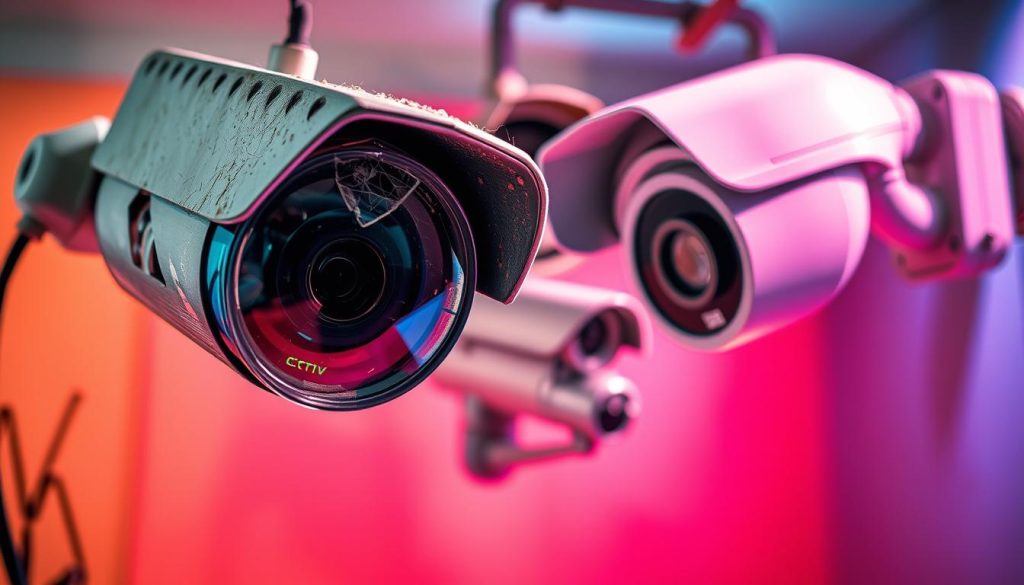
Optimal Timing for CCTV Camera Replacement in Singapore
In Singapore, when to replace CCTV cameras is key for good surveillance. It’s important to check your systems often. This keeps them up-to-date with new tech and follows local laws.
Doing these checks yearly is a good idea. It lets you update your systems when needed. This way, your property gets the security it needs.
Replacing cameras when it’s quiet, like on public holidays, is smart. It causes less trouble for your security team. This way, you can keep watching your property without a hitch.
Getting help from pros for these updates is wise. They make sure the new systems fit your needs perfectly. This makes your security better and keeps your property safe.
FAQ
How often should I assess my CCTV cameras for possible replacement?
Check your CCTV cameras every four to five years. This ensures they keep up with new security threats.
What are the benefits of having high-definition CCTV cameras?
High-definition cameras give clearer video. This makes it easier to identify people and gather evidence, which is key for security.
What signs indicate that my CCTV camera needs to be replaced?
Look out for blurry images, cameras that don’t work often, or can’t record. Also, watch for software problems. These all mean it’s time for a new one.
Why is regular maintenance essential for CCTV cameras?
Keeping them maintained helps them last longer. It involves cleaning lenses, checking wires, updating software, and managing storage.
How do technological advancements influence the decision to upgrade CCTV systems?
New cameras have better image quality, motion detection, and storage. They’re more reliable for today’s security needs than older models.
Can environmental factors affect the lifespan of CCTV cameras?
Yes, things like humidity, temperature, and weather can shorten a camera’s life. This is more true for outdoor cameras.
What are smart features, and why are they important in modern CCTV systems?
Smart features, like AI for motion detection and alerts, make CCTV systems better. They help respond quickly to security issues.
What is the ideal timing to replace CCTV cameras in Singapore?
Replace them during off-peak times, like holidays. This reduces disruption and keeps security strong while keeping up with tech and laws.
How can I identify poor video quality from my CCTV footage?
Poor quality shows as grainy images, unclear scenes, and hard-to-see faces or plates. These signs mean it’s time for a new camera.
What storage concerns should I be aware of with older CCTV systems?
Older systems may struggle with storing video. This can lead to lost evidence. Upgrading to a system with better storage is often needed.


